Service Guide
California Driveway Paver Costs & Materials
Build a budget for your driveway, compare material proposals and understand what a permeable system needs before choosing an installer.
How Much Does a Paver Driveway Cost in California?
For planning, this guide models concrete pavers at $15–$30 per square foot and natural stone at $25–$50. These are illustrative inputs, not verified California market prices or observed contractor averages. A measured, itemized quote is needed to establish your project cost.
Start with the paved area: length × width for a rectangle, with separate measurements for curves, widening and the approach. A 20 × 20 foot area is 400 square feet. The table multiplies area by the assumed rates; it does not automatically add demolition, drainage changes, permits or other excluded work.
| Area sq ft | Concrete pavers $15–$30 / sq ft | Natural stone $25–$50 / sq ft |
|---|---|---|
| 400 | $6,000–$12,000 | $10,000–$20,000 |
| 500 | $7,500–$15,000 | $12,500–$25,000 |
| 1,000 | $15,000–$30,000 | $25,000–$50,000 |
| 2,000 | $30,000–$60,000 | $50,000–$100,000 |
Example budget: 500 square feet at an assumed $22 per square foot gives $11,000. If a hypothetical proposal excludes $2,000 of removal and $3,000 of drainage work, its comparable total becomes $16,000 before any other exclusions or owner reserve. This is arithmetic for comparing proposals, not a completed project or a local price observation.
Ask whether tax, delivery, disposal, engineering and restoration of adjacent landscaping are included. For a steep or difficult-access site, request a site visit rather than relying on a per-square-foot allowance. The driveway cost calculator offers another planning scenario; its output is not a contractor quote or verified ZIP-code pricing.
Free planning guide
Take the driveway and paver cost guide with you.
Concrete, pavers, and asphalt priced side by side, what proper base prep looks like, and the red flags hiding in low bids.
Free for California homeowners. Unsubscribe anytime.
Pavers, Stone or Poured Concrete: What to Compare
Compare the same driveway footprint and preparation scope before comparing totals. Request a product and installation specification for the vehicles that will use the driveway, including any RV or delivery access. A patio finish or attractive sample alone does not establish driveway suitability.
- Interlocking concrete pavers: ask for the exact unit, thickness, laying pattern, edge treatment and repair procedure. Include spare units in the discussion so a later repair can match the original surface.
- Natural stone, brick or porcelain: ask the supplier to confirm vehicle use for the specific product and installation assembly. Compare texture, finish samples, replacement availability and maintenance instructions.
- Poured or stamped concrete: request the slab design, joint layout, finish, curing requirements and approach to future repairs. For decorative finishes, ask about color matching and any ongoing coating or sealing work.
- Asphalt: obtain the proposed pavement specification and maintenance plan alongside the other bids. Evaluate it against your access, finish and repair priorities rather than a blanket claim about suitability for all California homes.
We have not verified a universal material lifespan, resale return or lifetime-cost winner. Compare product warranties with workmanship coverage and exclusions. For existing concrete, request both an assessed overlay option and a removal-and-replacement option where appropriate.
Planning adjoining areas too? Use the patio guide and landscaping guide to separate those scopes from vehicle paving.
Permeable Pavers: Price the Whole Drainage System
Permeable interlocking concrete pavement uses aggregate-filled joints over permeable bedding and open-graded base layers. Water can enter that structure; the design determines whether it infiltrates the soil or leaves through an outlet. Some sites need underdrains or a liner. See the FHWA permeable pavement technical brief.
Ordinary pavers do not become a designed permeable driveway simply by having gaps. Ask the designer to show the proposed layers, water route and overflow provision. Request the assessment and complete design in the quote, including maintenance access.
We have not verified a universal 10–20% premium or a fixed drainage saving. Obtain two complete proposals where both systems are feasible: a conventional driveway with its drainage work and a permeable alternative with its own drainage components. Do not deduct a drain allowance unless the final design actually removes that scope.
Keep sediment out of the joints and follow the specified cleaning plan. FHWA describes vacuum equipment for restoring clogged surfaces. Ask which replacement joint aggregate the system needs; a general instruction to add polymeric sand should not replace that specification. FHWA maintenance guidance.
Driveway Permits and Local Site Requirements
Before demolition, send the responsible city or county a scope showing the property boundary, driveway approach, sidewalk, curb and proposed grading or drainage changes. Confirm which approvals apply to your address and who is responsible for obtaining them.
In Los Angeles, the Bureau of Engineering describes A-Permits for certain limited driveway-approach, curb and sidewalk work. Public approach work and paving wholly on private property are separate questions; this does not establish a statewide exemption. Check the Bureau of Engineering permit FAQ and driveway construction procedure for the local process.
For a hillside driveway, ask about grade transitions, traction, retaining structures, vehicle clearance and where runoff will go. Include any required professional design in the scope. Selecting pavers alone does not resolve those site questions.
Heat, Maintenance and Long-Term Performance
Reflectance and evaporation can affect pavement cooling, but EPA notes that there is no official cool-pavement labeling standard. Compare product information and samples under your site conditions instead of assuming one stone or color is always a fixed number of degrees cooler. EPA cool-pavement overview.
Ask suppliers to address the actual exposure at your property: sun, shade, wet conditions, any freezing conditions and expected vehicle traffic. Obtain written care instructions and warranty exclusions. This guide does not promise earthquake-proof paving, a statewide freeze-free climate or a fixed service life.
Driveway Quote Checklist
Send bidders the same measured scope and ask them to fill in these items. Keep allowances separate from fixed prices so that two totals can be compared fairly.
- Measured area, drawing, exact product, finish, border and vehicle-use specification.
- Removal, haul-away, access, preparation and treatment of unexpected site conditions.
- Drainage design and components, including outlets or underdrains where specified.
- Approvals, engineering, inspections, tax, delivery and adjacent landscape repairs.
- Schedule, temporary parking, payment milestones and written change-order terms.
- Workmanship and product warranties, maintenance requirements and vehicle reopening date.
Ready to start your driveway project?
Get matched with 2-3 vetted California contractors. 100% free, no obligation.
Find My ProsThe Process
How a Driveway & Paver Project Works
Measure and define the scope
Record the paved area, existing surface, vehicle use, access and drainage concerns. Separate private-property work from the driveway approach and public sidewalk.
Compare materials and complete designs
Request the product specification, vehicle suitability, base and drainage design, finish samples and written exclusions. Price conventional and permeable options as separate systems.
Confirm approvals and schedule
Check the project with the responsible local departments. Agree who obtains approvals, handles inspections and manages driveway access before demolition begins.
Install to the agreed specification
Have the contractor document preparation, drainage, bedding, paving and joint materials against the approved design and manufacturer instructions. Resolve changes in writing.
Inspect and collect the handover documents
Walk the completed driveway with the contractor. Collect the final scope, product details, warranties, maintenance plan and written confirmation of when vehicle access can resume.
FAQ
Frequently Asked Questions
Cost Index
Driveways & Pavers budget ranges
See 2026 planning ranges, cost drivers, budget tiers, and timeline notes for this project type.
Open cost dataMethodology
How Golden Yards builds ranges
Review how we normalize California costs, site conditions, source limits, and editorial updates.
Read methodologyGlossary
Terms that change bids
Define base prep, drainage, allowances, setbacks, permits, and other outdoor project terms.
Browse termsTerms in this guide
Quick definitions for the bid language that changes scope, cost, and contractor comparison.
Keep Reading
Explore More California Guides
Get a Driveway Proposal for Your Property
Share your location, measured area, material preferences and drainage concerns to start a project match.
Recent articles in this topic
Specific reporting and how-to from the Driveways & Pavers beat across California.
Process
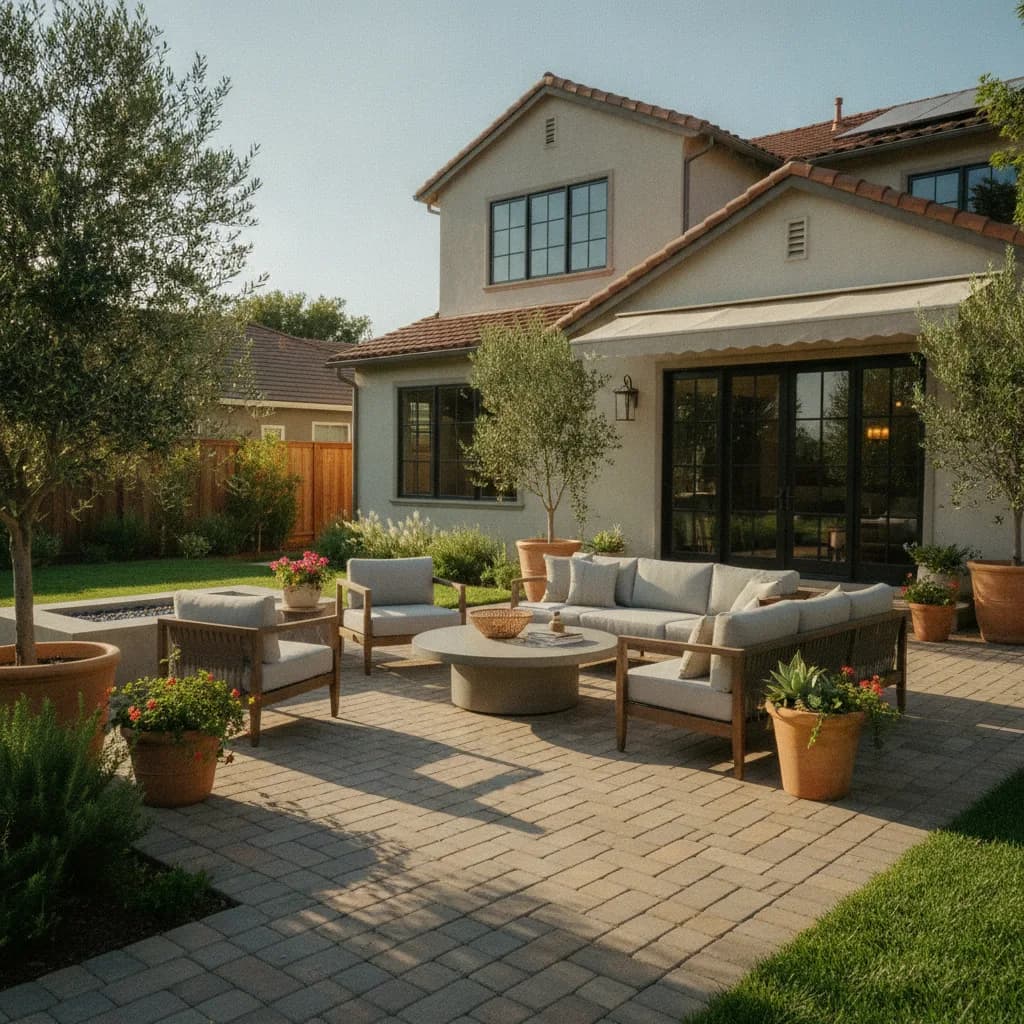
Inside a Sacramento Paver Patio Installation: A Week-by-Week Walkthrough
A week-by-week walkthrough of a Sacramento paver patio installation, from design and site prep to finishing touches. Learn what to ask your contractor at every stage.
Comparison
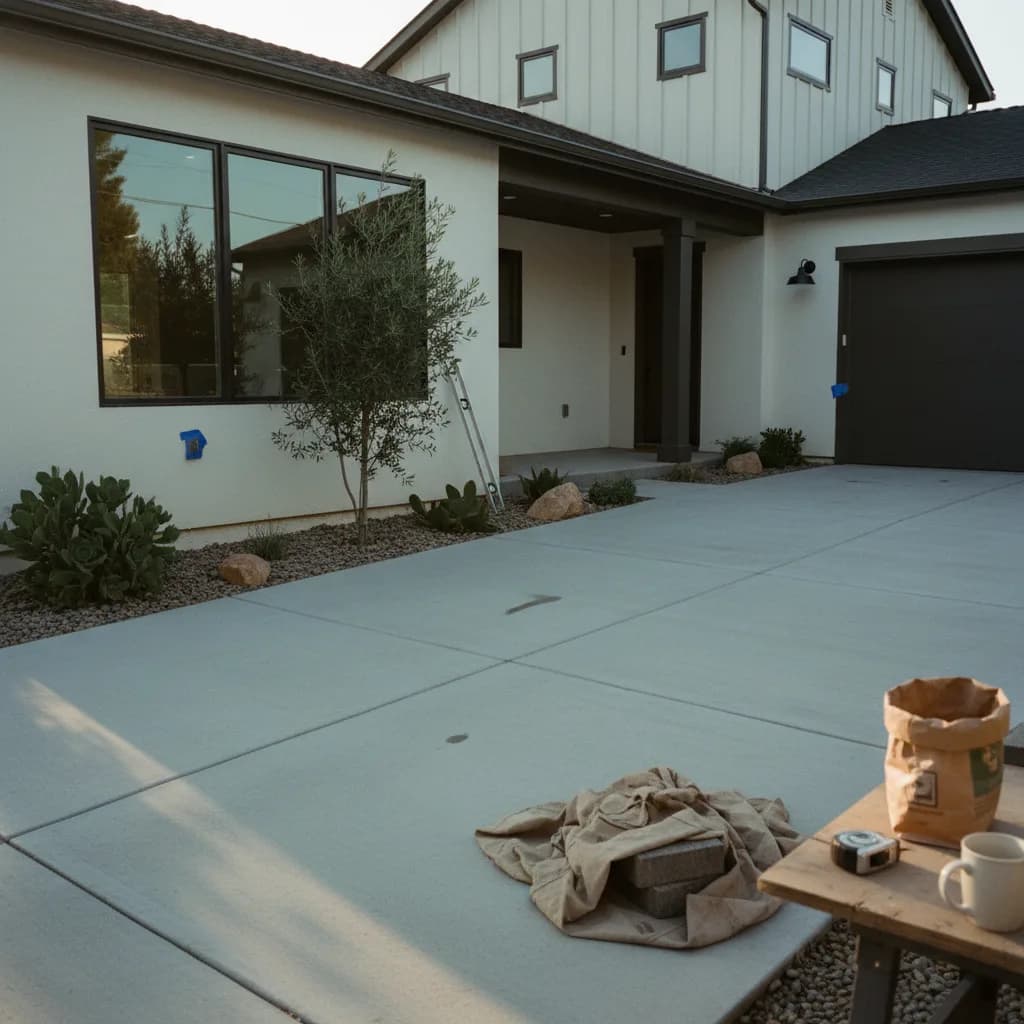
Sacramento Driveways: Concrete vs. Pavers (2026)
Compare concrete, conventional pavers and permeable driveways in Sacramento, including vehicle loads, quote scope, City and County permits, and maintenance.
Process
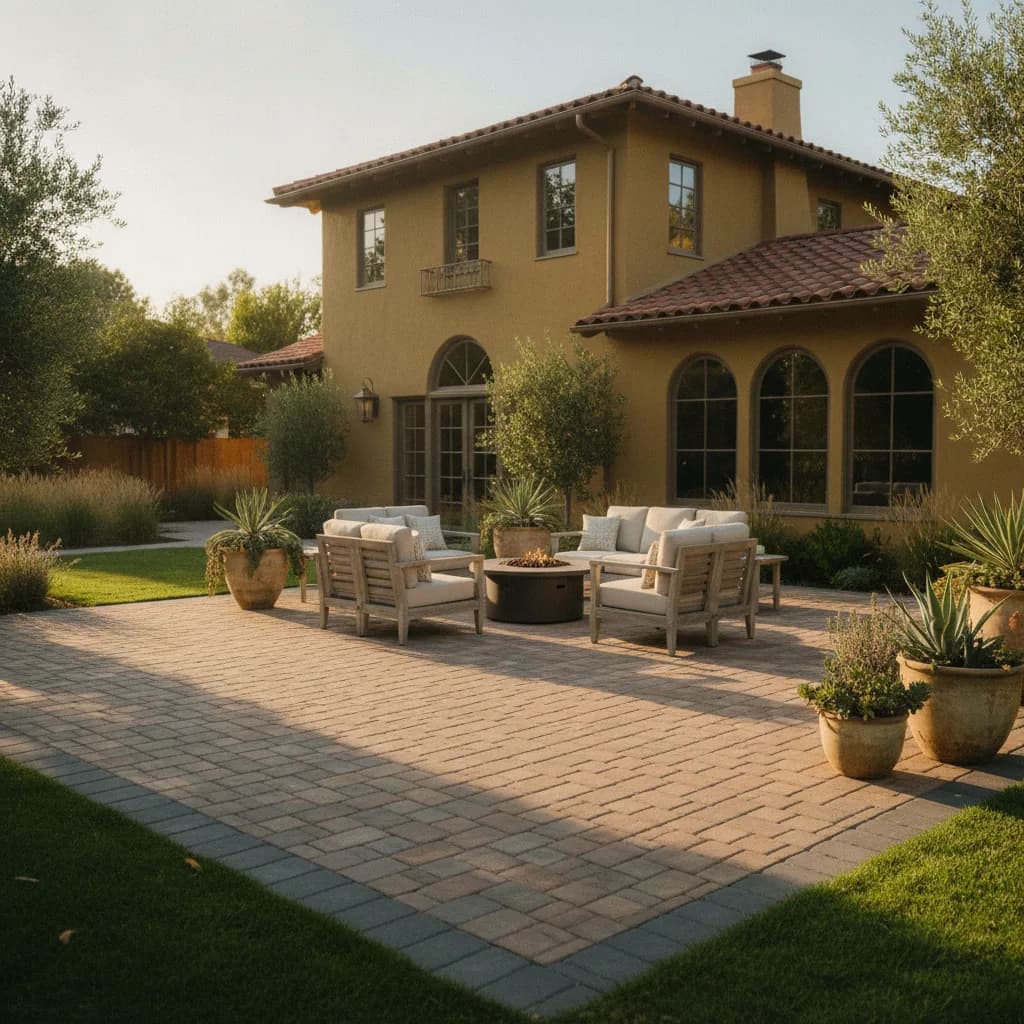
How a Paver Patio Installation in Sacramento Actually Goes (2026 Timeline)
A 600-square-foot paver patio in Sacramento takes four to seven weeks, not a weekend. Most of that time is spent on unseen base preparation, critical for longevity on the region's expansive clay soils.
Process
The 4-Phase Paver Patio Installation in San Diego (How Long Each Phase Really Takes)
A professional paver patio installation in San Diego takes 6 to 12 weeks. We break down the four phases, from permits and site prep to final inspection, so you know the real timeline.
Mistakes
What Most Beverly Hills Homeowners Get Wrong About Driveways
In Beverly Hills, a six-figure driveway can fail in five years. The most common mistakes aren't about the surface you see, but the unseen engineering, subgrade, drainage, and base, that you don't.
Cost Guide
Driveway Cost in Los Angeles (2026): What Homeowners Actually Pay
In 2026, a Los Angeles driveway installation costs $12,000 to $35,000. This guide breaks down what homeowners actually pay for concrete vs. pavers and reveals the hidden costs of soil and permits.
Comparison
Paver Patio: Premium vs. Mid-Tier in Bellevue (Real-World 2026 Comparison)
A paver patio that lasts 25 years in Bellevue isn't about the surface stone; it's about the unseen base below. We compare a standard ICPI build with a premium, permeable system designed for PNW rain.
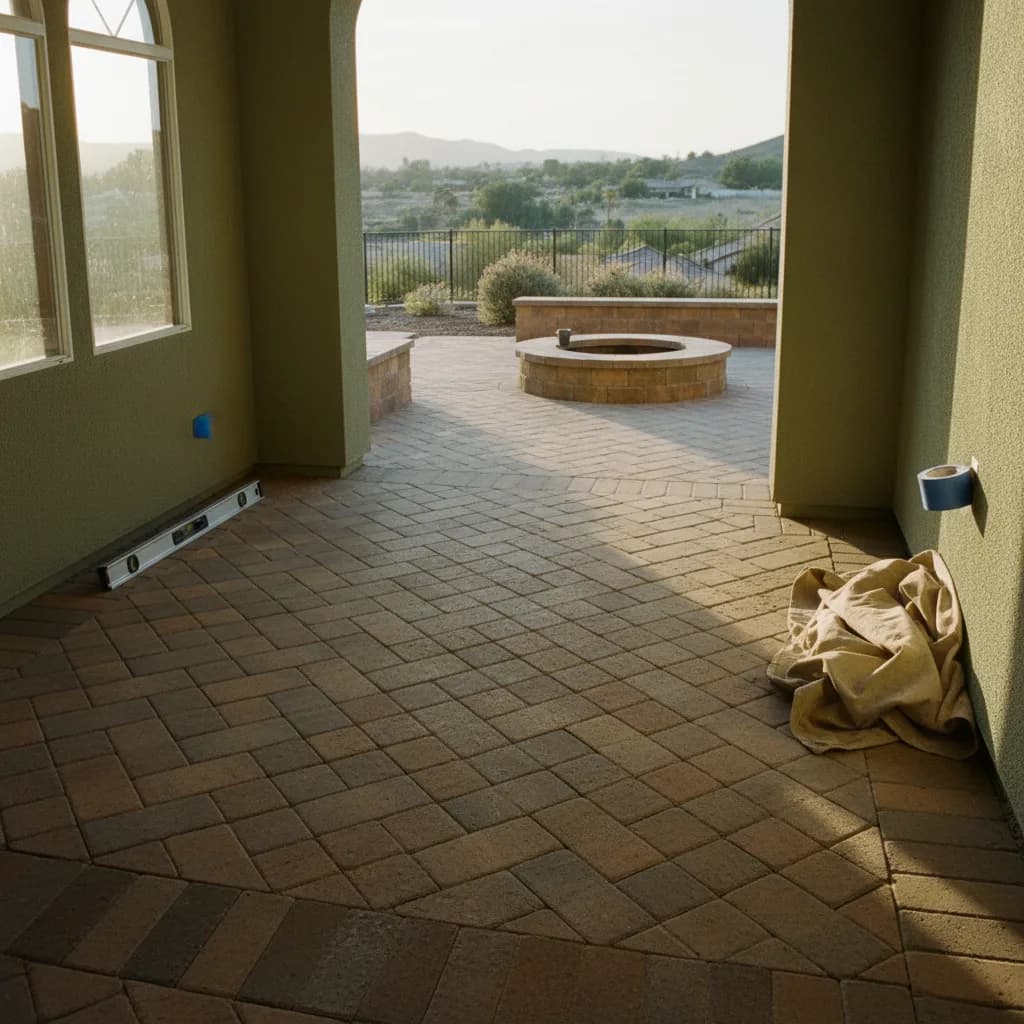
Cost Guide
Paver Patio Cost in Riverside (2026): What Homeowners Actually Pay
A 2026 cost guide for paver patios in Riverside, CA. Expect to pay $28-$45 per square foot for a quality installation, with total projects from $18,000 to $65,000+. We break down costs and technical specs.
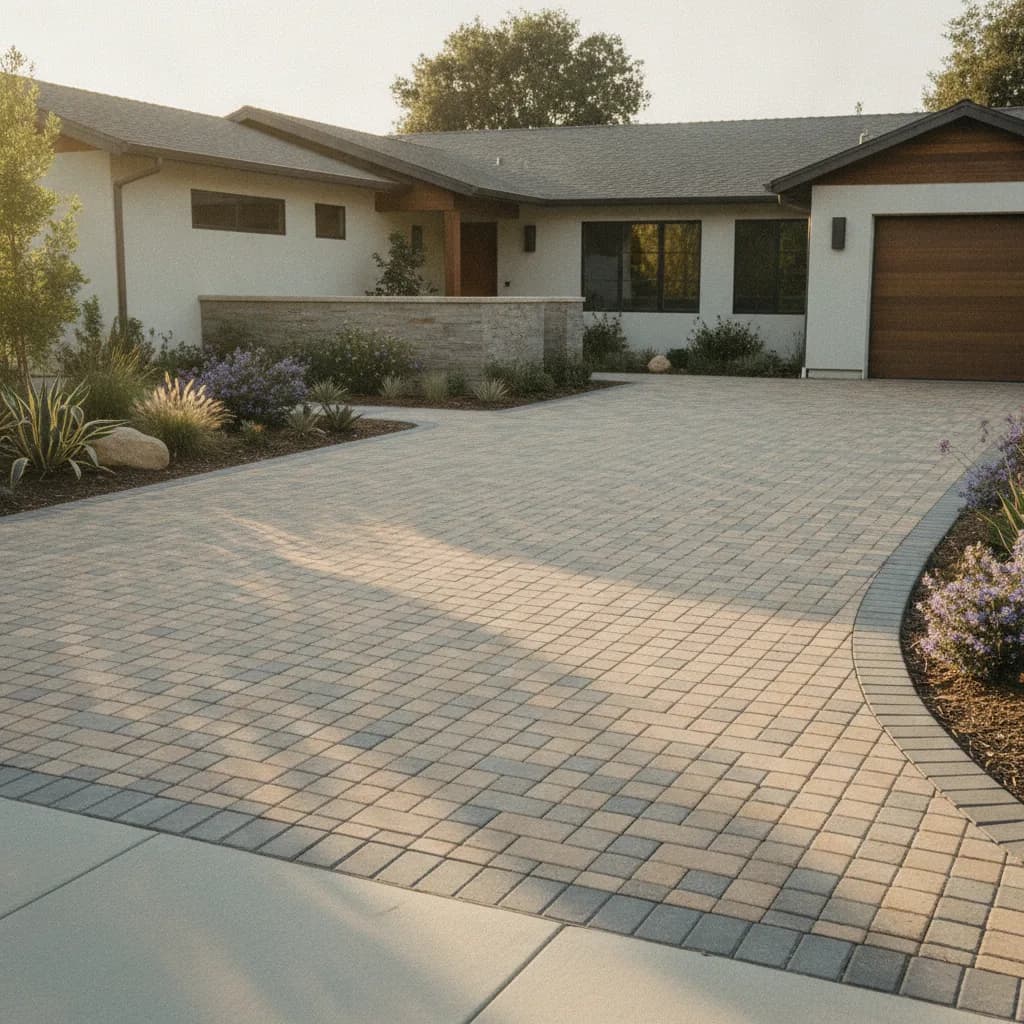
Process
From Permit to Final: a San Jose Driveway Installation Timeline for 2026
A San Jose driveway replacement takes 4 to 8 weeks, not one. This timeline breaks down the four phases, from permits to the final pour, focusing on subgrade prep for the region's expansive clay soils.
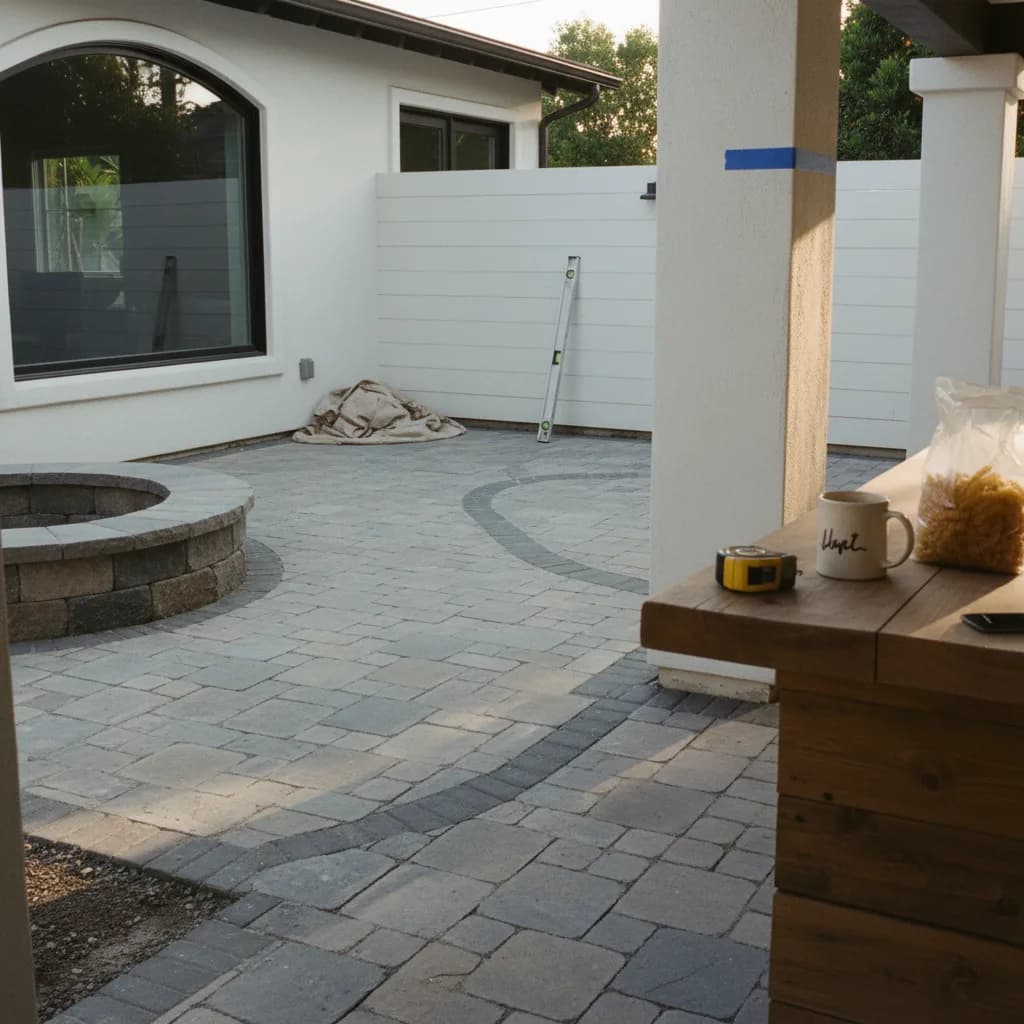
Trends
8 Paver Patio Trends Defining 2026 Newport Beach Homes
In Newport Beach, the 2026 paver patio is an engineered system, not just a surface. Explore 8 trends from large-format porcelain to permeable systems defining coastal hardscapes.
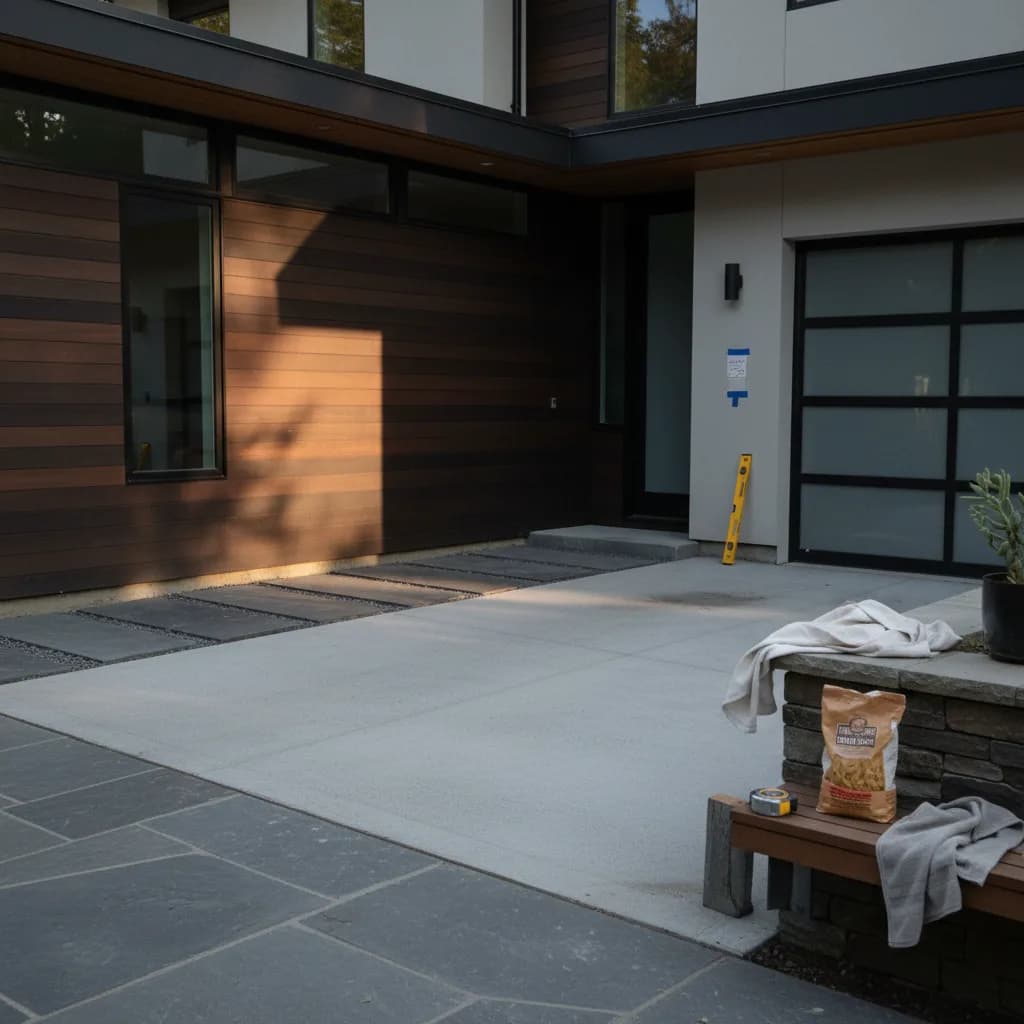
Process
How a Driveway Installation in Bellevue Actually Goes (2026 Timeline)
A realistic look at the 2026 timeline for a driveway installation in Bellevue, from permits and subgrade prep to final inspection. Expect 5-8 weeks for a job done right.
Cost Guide
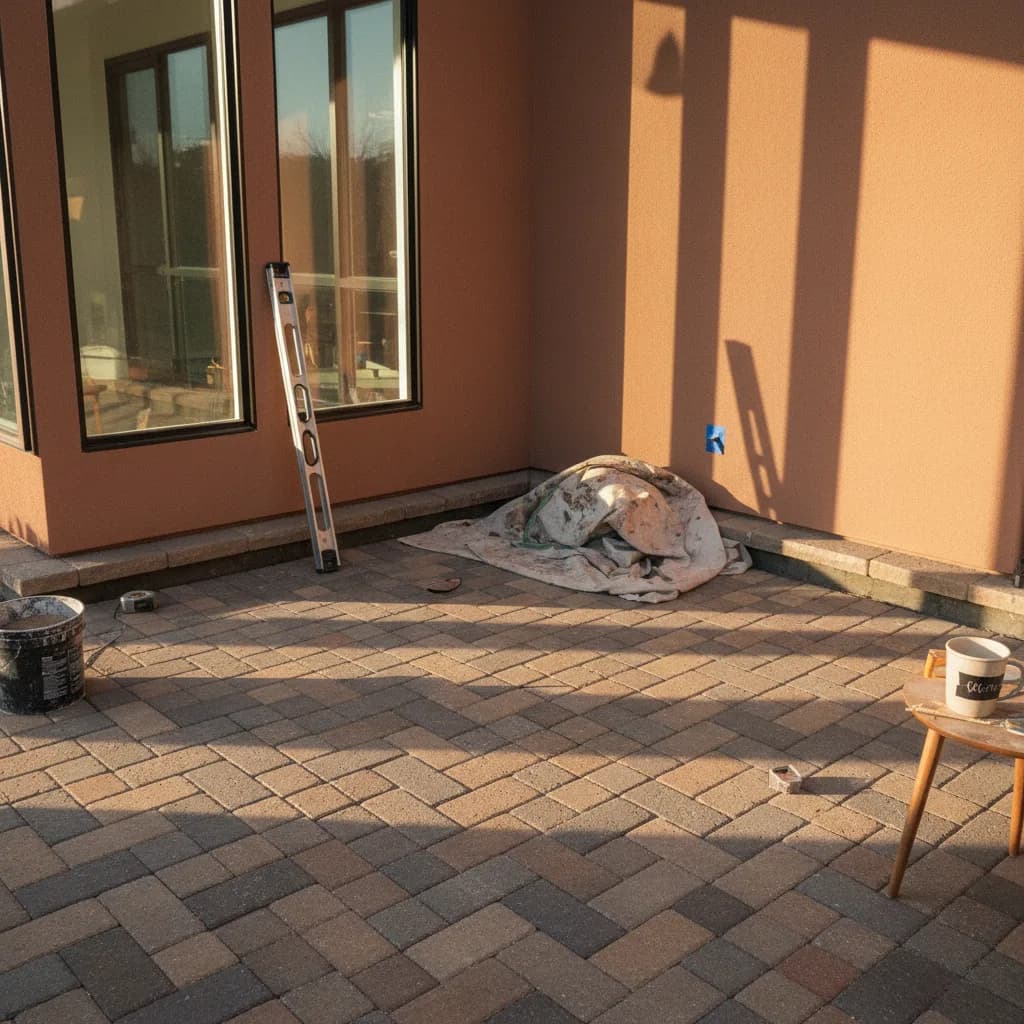
Paver Patio Cost in Sacramento (2026): What Homeowners Actually Pay
A guide to paver patio costs in Sacramento for 2026. Expect to pay $25 to $55 per square foot, with most projects landing between $18,000 and $35,000 due to local labor rates and soil conditions.