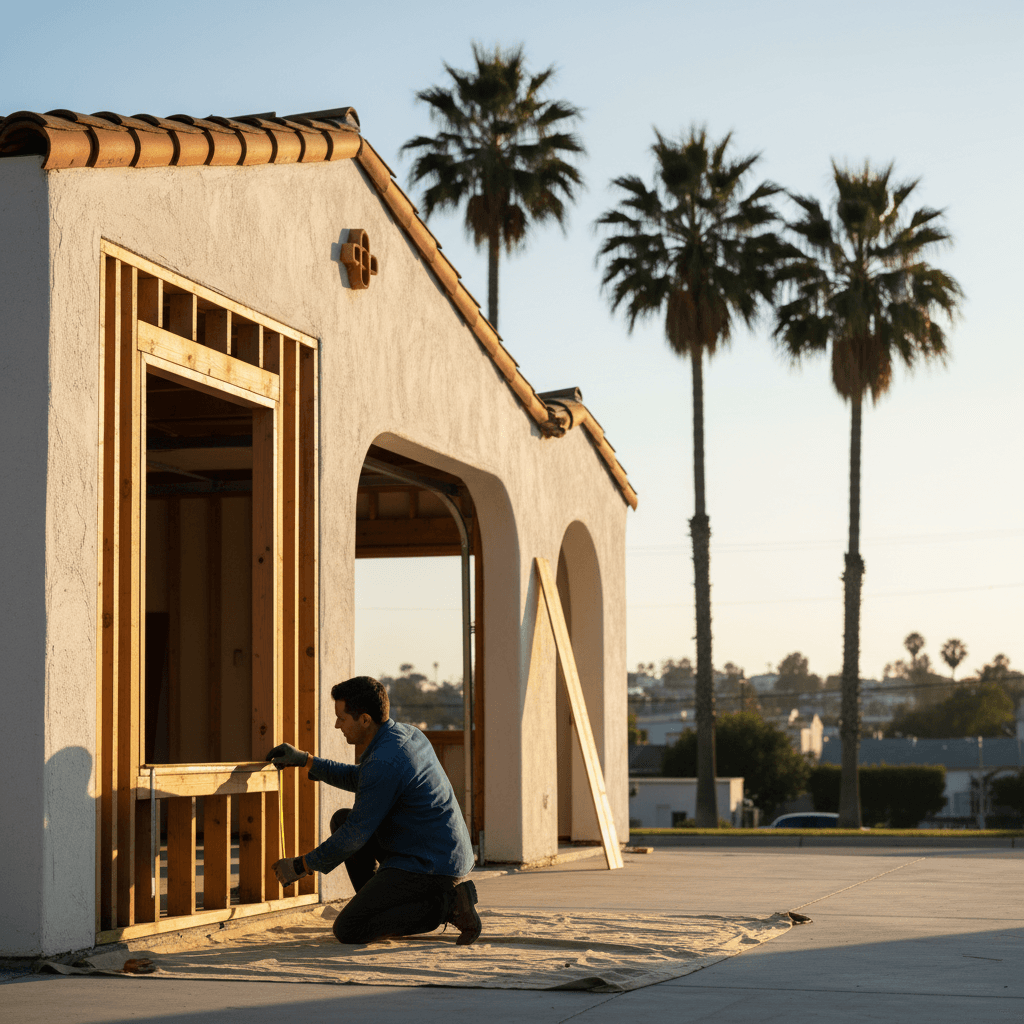
Modern accessory dwelling unit in a California backyard

Outdoor Living

The Ultimate Garage Conversion Permit and HOA Guide for Culver City

Navigate Culver City garage conversion permits & HOA rules with our 2026 guide. Get expert tips on costs, timelines, and regulations. Start your project today!

Golden Yards·March 2026·Updated April 2026·11 min read

$150K-$350K+

Typical California range

4-9 months

Permits + construction

High

Zoning and utility scope

High

Rental upside in CA markets

Reviewed by the Golden Yards Editorial Team|Last updated: April 2026

Ready to start your ADU project?

Find My Pros

Are you considering transforming your underutilized garage into a vibrant, functional living space in Culver City? A garage conversion can significantly enhance your property value and provide much-needed additional space, whether for family, rental income, or a dedicated home office. However, navigating the intricate landscape of permits, building codes, and homeowners association (HOA) regulations is crucial for a successful project. This comprehensive Garage Conversion Permit and HOA Guide for Culver City, updated for 2026, will walk you through every essential step for your Culver City garage conversion.

Modern accessory dwelling unit in a California backyard
Beautiful outdoor living space in Los Angeles with modern design

Why Should You Consider a Garage Conversion in Culver City?

Need quotes from vetted California pros?

Get matched in minutes. Free, no obligation.

Find a Trusted Pro
Beautiful backyard swimming pool with modern landscaping in Los Angeles

Converting your garage into an Accessory Dwelling Unit (ADU) or Junior ADU (JADU) offers a strategic solution to Culver City's high demand for housing and living space, maximizing your property's potential without expanding its footprint. Culver City, with its thriving economy and desirable neighborhoods, continues to experience high demand for housing and living space.

In early 2026, real estate data indicates that properties with well-executed ADUs in Culver City command an average of 15-20% higher resale value. Furthermore, the average monthly rental income for a one-bedroom ADU in the area hovers around $2,200-$2,800, offering a substantial return on investment. This makes garage conversions an increasingly attractive option for homeowners looking to boost equity and generate passive income.

What Are Culver City's Garage Conversion Regulations and Permits?

Before any construction begins, understanding the specific regulations governing garage conversions in Culver City is paramount, as the City of Culver City, like many municipalities in California, has embraced ADU legislation to address housing shortages. This means there are clear pathways, but also strict requirements, to follow for your Garage Conversion Permit and HOA Guide for Culver City journey.

What is an Accessory Dwelling Unit (ADU) or Junior ADU (JADU) in Culver City?

An ADU is an independent living unit on the same lot as a single-family home, including a kitchen, bathroom, and sleeping area, while a JADU is a smaller unit, typically under 500 square feet, located within the existing walls of a single-family home. Garage conversions most commonly fall under the ADU category, but some smaller projects might qualify as JADUs.

Culver City's zoning ordinances are generally favorable towards ADUs, allowing them in most residential zones. However, specific setbacks, maximum sizes, and design standards apply. For instance, an attached garage conversion ADU must typically maintain the existing garage's footprint, while detached conversions might have more flexibility within setback limits. Always consult the Culver City Planning Department for the most current zoning information specific to your property.

What are the Initial Steps for a Garage Conversion Permit Application?

The permit process for a garage conversion in Culver City begins with thorough preparation, starting with determining if your property is eligible and what type of conversion is feasible. This involves reviewing your property's zoning, existing structure, and any potential easements.

Gathering necessary documentation is critical. You will need detailed architectural plans, including floor plans, elevations, sections, and a site plan showing the proposed ADU in relation to your existing home and property lines. These plans must be prepared by a licensed architect or designer. A structural engineer's report may also be required, especially if there are significant structural modifications to the garage. As of early 2026, the City of Culver City's Building and Safety Division strongly recommends a pre-application meeting to clarify requirements and streamline the process.

How Long Does the Permit Process Typically Take in Culver City?

The timeline for obtaining a garage conversion permit in Culver City can vary, but generally, homeowners should anticipate a multi-stage process taking 4-6 months for a well-prepared application. As of March 2026, the initial plan check review by the Planning Department and Building and Safety Division typically takes 8-12 weeks for a complete submission. Subsequent reviews for corrections can add several weeks.

Overall, from initial submission to permit issuance, a well-prepared application can take 4-6 months. Delays often arise from incomplete plans, non-compliance with building codes, or unaddressed comments from city planners. Expediting services are available through some design-build firms, but they typically come at an additional cost. Patience and meticulous preparation are key to navigating this timeline efficiently.

What are the Estimated Costs for Garage Conversion Permits in Culver City?

The costs associated with garage conversion permits in Culver City encompass various fees levied by different city departments, typically including planning review, building permit, and potentially impact fees or school district fees. While exact figures fluctuate, here’s a general breakdown for 2026:

  • Planning Review Fees: $500 - $1,500, depending on the scope.
  • Building Permit Fees: Calculated based on the project's valuation, often ranging from $1,500 - $4,000 for a typical garage conversion.
  • Impact Fees: These can be substantial, often $5,000 - $15,000, covering infrastructure and public services. However, state law has significantly reduced or waived impact fees for ADUs under certain conditions, so always verify your eligibility with the city.
  • Other Fees: These might include utility connection fees, fire department review fees, and plan check resubmittal fees if corrections are needed.

Beyond permit fees, remember to budget for professional services. Architects and designers typically charge $5,000 - $15,000 for plans, while structural engineers might charge $1,500 - $4,000. The overall construction cost for a full garage conversion in Culver City, excluding permits and professional fees, typically ranges from $80,000 to $150,000 in 2026, depending on finishes and complexity.

How Do You Navigate Homeowners Association (HOA) Rules for Your Culver City Garage Conversion?

If your property is part of a Homeowners Association, navigating their rules and regulations is an equally critical, and sometimes more challenging, hurdle than city permits, as HOAs have the authority to impose additional restrictions beyond municipal codes, especially concerning exterior appearance and property use. This is a vital part of any Garage Conversion Permit and HOA Guide for Culver City.

Why Do HOAs Matter for Your Garage Conversion Project?

HOAs are governed by Covenants, Conditions, and Restrictions (CC&Rs) that dictate what homeowners can and cannot do with their properties, making their approval essential for any garage conversion. These documents often include provisions on architectural changes, exterior modifications, parking, and even the use of auxiliary structures. Failing to secure HOA approval before starting your garage conversion can lead to significant fines, legal action, or even forced demolition of unapproved work.

How Do You Check HOA CC&Rs and Navigate the Architectural Review Process?

Your first step is to obtain and thoroughly review your HOA's CC&Rs and architectural guidelines, looking for sections pertaining to ADUs, exterior alterations, garage use, and parking. Many HOAs have specific design review committees that must approve any exterior changes. You will likely need to submit detailed plans, material samples, and color palettes for their review.

Common HOA restrictions include maintaining a consistent aesthetic with the rest of the community, specific material requirements, and strict parking mandates. Some HOAs may require you to maintain a certain number of off-street parking spaces, even if the city permits would waive this for an ADU. It's advisable to engage with your HOA early in the planning process, ideally before submitting anything to the city, to understand their specific requirements and potential objections.

What Are the Key Building Code Requirements for Garage Conversions in Culver City?

Culver City follows the California Building Code, which includes specific provisions for ADUs, ensuring the safety, habitability, and energy efficiency of your new living space. Understanding these requirements from the outset can prevent costly redesigns and delays for your Garage Conversion Permit and HOA Guide for Culver City project.

What Are the Foundation, Framing, and Insulation Standards for Garage Conversions?

Your existing garage foundation will need to be inspected by a structural engineer to ensure it can support the new loads of a habitable space, often requiring reinforcement or a new subfloor. Framing modifications will be necessary for windows, doors, and potentially new wall configurations. Insulation is critical; walls, ceilings, and floors must meet current Title 24 energy efficiency standards for residential dwellings. This typically means adding R-13 to R-19 insulation in walls and R-30 to R-38 in ceilings.

What Are the Plumbing, Electrical, and HVAC Requirements?

Converting a garage means extending or installing new plumbing for a kitchen and bathroom, requiring new hot and cold water lines, drainage, and waste vents. A separate electrical sub-panel may be required for the ADU, or the existing main panel may need an upgrade to handle the increased load. All electrical work must comply with the National Electrical Code (NEC). HVAC systems are also mandatory; a mini-split system is a popular and efficient choice for ADUs, providing both heating and cooling.

What Are the Fire Safety and Accessibility Requirements?

Fire safety is a top priority, meaning your ADU will need interconnected smoke and carbon monoxide detectors, and potentially fire-rated separation walls or sprinklers depending on its size and proximity. For accessibility, while full ADA compliance isn't always mandatory for private ADUs, basic accessibility features like wider doorways or accessible routes might be beneficial and sometimes required if the unit is intended for public rental or certain uses. Always check with the Culver City Building and Safety Division for specific fire and accessibility mandates.

What Are the Parking Requirements Post-Garage Conversion?

One of the most common concerns with garage conversions is parking, though state law generally allows for the elimination of required off-street parking when a garage, carport, or covered parking structure is converted into an ADU. However, this waiver can have exceptions, and HOAs may still enforce their own parking requirements. Culver City generally aligns with state law on this, but it's crucial to confirm your specific situation with the Planning Department. You typically won't need to replace the parking space lost by your garage conversion if it's within a half-mile of public transit or other specific criteria are met.

What Are the Common Challenges and How Can You Overcome Them?

Even with careful planning, garage conversion projects can encounter hurdles such as permit delays, HOA resistance, and budget overruns, but being aware of these challenges allows for strategic mitigation, saving you time, money, and stress.

How Can You Mitigate Permit Delays?

Permit delays are a frequent frustration often stemming from incomplete applications, plans that don't meet code, or backlogs at the city department. To mitigate delays, ensure your plans are meticulously detailed and compliant before submission. Respond promptly to all city comments and correction requests. Consider hiring a permit expeditor, a professional who specializes in navigating the permit process and can often accelerate approvals.

How Can You Overcome HOA Resistance?

HOA resistance can be a significant obstacle. If your HOA is hesitant, try to understand their specific concerns. Is it aesthetics, parking, or density? Propose solutions that address their worries, such as a design that blends seamlessly with the existing architecture or a clear plan for replacement parking if required. Present a professional, well-researched proposal. If direct negotiation fails, legal counsel specializing in HOA disputes may be necessary, though this should be a last resort.

How Can You Avoid Budget Overruns and Plan Financially?

Budget overruns are common in construction due to unexpected issues with the existing structure, material price increases, or changes during construction. To avoid this, secure detailed bids from multiple contractors. Include a contingency fund, typically 10-15% of your total project cost, to cover unforeseen expenses. Lock in material prices where possible, and clearly define the scope of work with your contractor to avoid change orders.

What is the Role of Professionals in Your Culver City Garage Conversion Project?

Engaging the right professionals is not just recommended, it's often legally required and essential for a smooth, compliant, and high-quality garage conversion. Their expertise will be invaluable at every stage of your Garage Conversion Permit and HOA Guide for Culver City project.

What Do Architects and Structural Engineers Do?

A licensed architect or designer will translate your vision into detailed plans that meet Culver City's zoning and building codes, ensuring aesthetic appeal and functionality. A structural engineer will assess the existing garage structure, design necessary reinforcements, and ensure the new elements comply with seismic and load-bearing requirements. Their stamped drawings are critical for permit approval.

What Does a General Contractor Do?

A reputable, licensed general contractor with experience in ADU conversions acts as your project's orchestrator, managing the construction process, coordinating subcontractors, ensuring compliance with building codes, and keeping the project on schedule and budget

Ready to start your ADU project?

Get matched with 2-3 vetted California contractors. 100% free, no obligation.

Find My Pros

Ready to Start Your ADU Project?

Compare vetted California contractors, understand costs, and move forward with confidence.