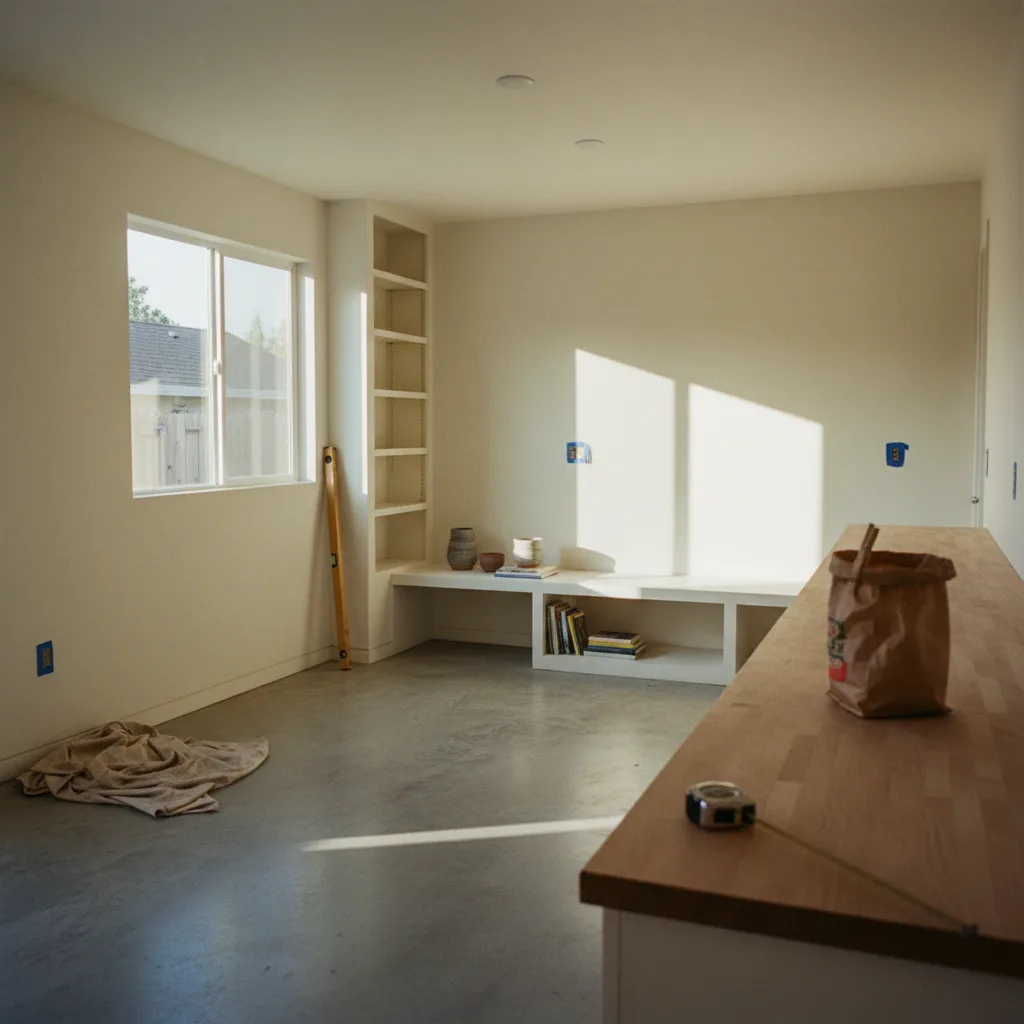
A full garage conversion in Irvine takes between 14 and 22 weeks from the day you hire a designer to the final sign-off from the city. Based on the latest invoiced ADU projects we collect, the garage conversion Irvine cost lands between $120,000 and $195,000 for a standard two-car space in 2026. A more basic Junior Accessory Dwelling Unit (JADU) can start lower, around $90,000, if you're keeping the scope minimal. The single biggest delay in Irvine isn't construction, it's the pre-construction phase. Navigating the dual review process of the Irvine Community Development Department and your local Homeowners' Association (HOA), especially in planned communities like Woodbridge or Northwood, can easily add four to six weeks before a single hammer swings.
In a Nutshell
- Total Project Timeline: 14 to 22 weeks.
- The Four Phases: Design and Permits; Site Prep and Foundation; Construction Scope; Finishes and Final Inspection.
- Biggest Delay Risk: The dual-track approval process between the Irvine Community Development Department and the local HOA's architectural review committee. This can add a month or more of revisions before permits are even submitted.
- Contingency Planning: For any home built before 1990, a financial buffer is non-negotiable. The National Association of Home Builders recommends a ten to fifteen percent contingency fund for unforeseen issues.
Phase 1: Design and Permits (6, 10 weeks)
This is the planning stage where your project is born on paper and approved by the authorities. It’s often the longest and most unpredictable phase. Your architect or designer will create a full set of construction drawings, including floor plans, elevations, structural calculations, and the critical Title 24 Part 6 (California Energy Code) compliance report. Once the plans are complete, your designer or a permit expediter submits them to the Irvine Permit Processing Center. While AB 68 (the 2019 ADU shot-clock law) mandates a 60-day review period, this clock only starts once the city deems the application 'complete'. An incomplete submission or a round of corrections from the plan checker can easily reset that timeline. In Irvine, the HOA architectural review is a parallel process that must be completed, and their feedback can force plan revisions, further delaying the city submission.
What Happens:
- Architectural and structural plans are drafted.
- Title 24 energy calculations are completed.
- Plans are submitted to the HOA for architectural approval.
- Permit application is submitted to the Irvine Community Development Department.
Phase 2: Site Prep and Foundation (2, 3 weeks)
Once you have approved permits in hand, physical work begins. For a garage conversion, this phase is less about pouring a new foundation and more about modifying the existing one. The contractor's crew will start by clearing out the garage and demolishing any interior structures not part of the new plan, like storage lofts or workbenches. The most significant task is trenching the concrete slab. A concrete saw is used to cut channels for new sewer, water, and gas lines that will service the kitchen and bathroom. This is also when the electrician assesses the main service panel to confirm it can handle the ADU's additional load. An upgrade from 100 amps to 200 amps is common. Utility providers like Southern California Edison (SCE) and SoCalGas are coordinated for any necessary service upgrades. The trenches are then backfilled, and new concrete is poured to create a level subfloor, ready for framing.
What Happens:
- Interior demolition of existing garage features.
- Concrete slab is saw-cut for plumbing and electrical trenching.
- Underground plumbing and electrical conduit are installed and inspected.
- Trenches are backfilled, compacted, and re-poured with concrete.
Phase 3: Construction Scope (6, 9 weeks)
Ready to compare vetted project options?
Use Project Match privately when your scope is clear enough for contractor conversations.
Start Project MatchWith the foundation prepped, the space begins to transform into a home. This is the 'sticks and bricks' phase where the unit's skeleton and systems are built out. Carpenters frame the new interior walls for bedrooms, bathrooms, and closets, and frame any new window or door openings. Following framing, the trade sequence is critical. The licensed plumbing, electrical, and HVAC subcontractors run their new lines through the open walls. This is known as the 'rough-in' stage. Once the rough-ins are complete, a series of crucial city inspections occur. An Irvine building inspector will visit the site to sign off on the framing, electrical, plumbing, and mechanical systems before any insulation or drywall can be installed. A failed inspection, for even a minor issue, requires a re-inspection, which can cause a delay of several days while the trades are rescheduled. After passing inspections, insulation is installed in the walls and ceiling, and then drywall is hung, taped, and textured.
What Happens:
- New interior and exterior walls are framed.
- Plumbing supply lines, drains, and vents are run.
- Electrical wiring, boxes, and circuits are installed.
- HVAC ducting and equipment are put in place.
- City inspections for all rough-in trades are conducted and passed.
- Insulation and drywall are installed.
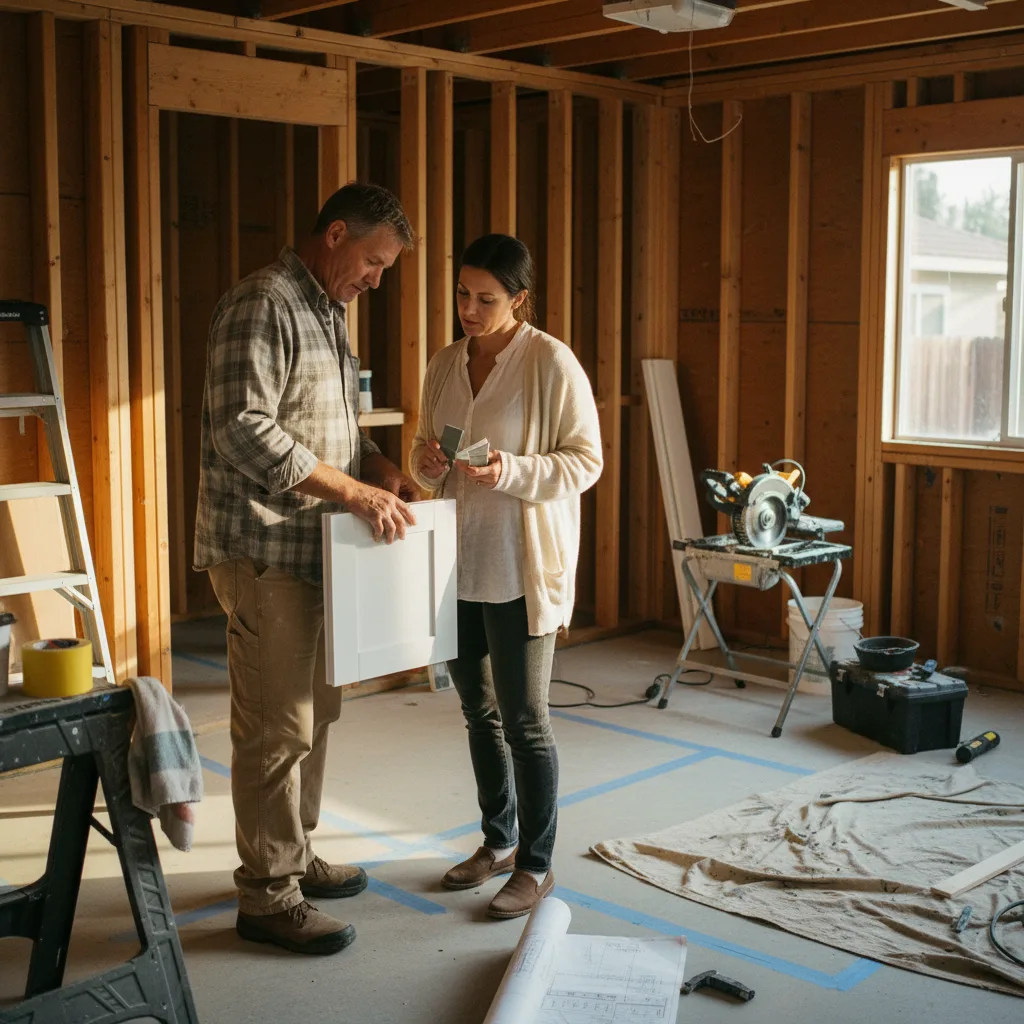
Phase 4: Finishes and Final Inspection (3, 5 weeks)
This is where the visual character of your ADU comes to life. With the drywall up, a new sequence of trades begins. Painters apply primer and finish coats. Flooring, whether it's laminate, vinyl plank, or tile, is installed. The kitchen and bathroom see the most activity: cabinets are set, countertops are templated and installed, and tile backsplashes and shower surrounds are meticulously placed. Finally, the 'finish' trades install their fixtures. Plumbers set the toilet, faucets, and shower trim. Electricians install light fixtures, switches, outlets, and appliances. The HVAC contractor installs the registers and thermostat. The final step is the final inspection with the Irvine building inspector. They will walk through the completed unit with a checklist to ensure everything is built to code, from outlet spacing to smoke detector placement. Upon passing, the city issues a Certificate of Occupancy, officially making the garage conversion a legal, habitable dwelling.
What Happens:
- Interior and exterior painting.
- Installation of flooring, cabinets, and countertops.
- Setting of tile in the kitchen and bathroom.
- Installation of plumbing fixtures, light fixtures, and appliances.
- Final building inspection and issuance of the Certificate of Occupancy.
Three Representative Projects from 2026
Three representative California projects from 2026, scoped similarly, reconstructed from Golden Yards Magazine's invoiced project network and presented here in aggregate form:
- Woodbridge, Irvine: A 400-square-foot, one-bedroom garage conversion with mid-grade finishes and a new kitchenette. The project involved significant HOA review for window placement. Total cost: $142,000. Total time: 19 weeks.
- Eastside Costa Mesa: A standard two-car garage conversion into a studio ADU. The home was built in the 1960s, requiring a full electrical service panel upgrade and asbestos abatement in the drywall. Total cost: $165,000. Total time: 21 weeks.
- Ladera Ranch: A 500-square-foot ADU conversion with higher-end finishes, including custom cabinetry and vaulted ceilings to match the main house, per strict HOA design guidelines. Total cost: $188,000. Total time: 24 weeks.
What Can Compress This Timeline
While you can’t control the city’s plan check queue, you can influence other parts of the schedule. First, make all your design and material decisions before construction starts. Finalize your flooring, tile, paint colors, and fixtures. Scope-lock prevents the classic week-long delay caused by waiting for a tile selection. Second, consider a design-build firm. Having one point of contact for both design and construction eliminates the communication gaps that often arise between separate architects and contractors. Third, respond to requests from your contractor and the city immediately. A 24-hour delay in answering a question about fixture placement can have a ripple effect, pushing back multiple trades and extending the project timeline by days.
What Blows It Up
Three things reliably derail a garage conversion timeline. First, discovering hazardous materials or major structural defects. Finding asbestos in drywall texture or discovering that the original garage framing is severely termite-damaged can stop work for weeks while abatement and structural repairs are engineered and completed. Second is a contentious HOA review. If your design is rejected multiple times by the architectural committee, you're stuck in a loop of redesign and resubmission. Third, unforeseen utility upgrade requirements. If Southern California Edison determines the local transformer needs an upgrade to support your new ADU, you are now on their schedule, which can add months. The National Association of Home Builders recommends a ten to fifteen percent contingency on renovations in homes over thirty years old.
What Should Be in Your Contractor's Schedule
A professional contractor's schedule is more than a simple start and end date. It's a detailed, week-by-week breakdown of tasks, inspections, and milestones. Your agreement should include a schedule with at least these line items to ensure everyone is aligned on the process and pacing. A detailed schedule is the foundation for a well-run project, and you should review it carefully before signing a contract. For a more detailed breakdown of what your local permit office requires, see our [Irvine garage conversion permit playbook for 2026](/guides/irvine-garage-conversion-permit-playbook-2026).
- Date of Permit Submission to Irvine
- Anticipated Plan Check Review Period
- Demolition and Site Prep Start
- Underground Plumbing and Electrical Inspection
- Framing Start Date
- Rough Electrical, Plumbing, and Mechanical Inspections
- Insulation and Drywall Installation
- Cabinet and Countertop Installation Window
- Final Inspection Date
- Projected Certificate of Occupancy
Golden Yards Take
The marketing from some builders promises a complete garage conversion in just eight or ten weeks. That timeline typically only covers the construction phase (Phase 3), conveniently omitting the crucial, and often lengthy, pre-construction work. In a city like Irvine, with its meticulous planning department and powerful HOAs, the Design and Permitting phase is a major part of the project that can easily take two to three months alone. A realistic timeline for an Irvine garage conversion is four to six months from your first meeting with a designer to receiving your Certificate of Occupancy. Understanding that the paperwork and review process is just as significant as the physical build is the key to setting realistic expectations and navigating the project with your sanity, and budget, intact. The higher costs also reflect regional labor rates; the California Department of Industrial Relations prevailing wage data for Orange County sets a high baseline for skilled trade labor.
Frequently Asked Questions
How long does a garage conversion in Irvine really take?
A garage conversion in Irvine typically takes 14 to 22 weeks from initial design to final city approval. This includes six to ten weeks for design, HOA review, and city permitting, followed by an eight to twelve-week construction period. The total duration is highly dependent on the complexity of the project and the responsiveness of the city and your HOA.
The timeline can be broken down into four main phases. Phase one, design and permits, is often the longest due to plan check corrections and architectural review cycles. Phase two, site prep and foundation work, is relatively quick at two to three weeks. Phase three, the main construction scope including framing and rough-ins, takes six to nine weeks. The final phase, finishes and inspections, lasts about three to five weeks. Delays in any phase, especially the initial permitting, can easily extend the total project time.
Can I use the home/yard during construction?
Yes, you can live in your main home during a garage conversion. Because the work is contained within the garage structure, it is far less disruptive than a kitchen or bathroom remodel inside the house. However, you should expect some impact on your daily life, including construction noise, dust, and periodic utility shutdowns for plumbing and electrical tie-ins.
Your contractor will likely stage materials and a dumpster in the driveway, limiting parking and access. There will be workers and vehicles on your property daily, typically from morning to late afternoon. Clear communication with your project manager about the schedule for noisy work or planned power outages can help minimize disruptions to your family's routine.
What's the longest single phase?
The longest and most unpredictable phase of an Irvine garage conversion is almost always Phase 1: Design and Permits. This pre-construction stage can take anywhere from six to ten weeks, and sometimes longer. It involves not just creating the plans but also navigating the review and approval processes of both the city's building department and your local HOA.
While the actual construction work is more predictable, the permitting timeline is subject to the city's workload and the number of corrections they request., in master-planned communities like those in Irvine, the HOA's architectural review can add an entire separate layer of feedback and required revisions, extending this phase well beyond the contractor's control.
Can I fast-track the permits in Irvine?
You cannot pay to fast-track permits for a standard garage conversion in Irvine. However, you can accelerate the process by ensuring your submission is flawless. The fastest path to a permit is submitting a complete, well-documented, and fully code-compliant set of plans on the first try. This minimizes the back-and-forth of plan check corrections from the city.
Hiring an experienced local architect and permit expediter who knows Irvine's specific requirements and common pitfalls is the most effective strategy. While AB 68 provides a 60-day 'shot clock' for cities to review ADU applications, that clock only starts when the application is deemed complete. An incomplete submission will be rejected, and the clock will reset when you resubmit, effectively nullifying any time advantage.
Sources & Methodology
Golden Yards reviews public permit and code signals, material pricing, climate and site constraints, contractor quote patterns, comparable projects, the Golden Yards Cost Index, and the Golden Yards Methodology. Cost references are planning ranges, not fixed bids.
- City of Irvine Community Development Department, Permit Fee Schedule (2026)
- California Department of Industrial Relations, Orange County Prevailing Wage Data (2026)
- California Building Standards Code, Title 24, Part 6 (California Energy Code)
- National Association of Home Builders (NAHB), Remodeling Market Index (Q1 2026)
- California Assembly Bill 68 (ADU Law, 2019)
- Golden Yards Magazine, Invoiced Project Data for Southern California ADUs (2024-2026)
- Construction Specifications Institute (CSI), MasterFormat Division Data
Ready to start your garage conversion project?
Find My ProsFrequently Asked Questions
How long does a garage conversion in Irvine really take?
A garage conversion in Irvine takes 14 to 22 weeks from design to final approval. This total time includes six to ten weeks for the initial design, HOA review, and city permitting, followed by an eight to twelve-week construction period. The final duration depends on project complexity and the responsiveness of the city and your HOA.
The project can be broken into four main phases. The longest is often the first phase, design and permits. The construction period itself consists of three stages: site preparation and foundation work, which takes two to three weeks, followed by the main construction including framing for six to nine weeks. The final phase for finishes and inspections lasts about three to five weeks. Delays in permitting can extend the total project time.
Can I use the home/yard during construction?
Yes, you can live in your home during a garage conversion. Since the work is contained within the garage, it is less disruptive than an interior remodel. You should still expect daily construction noise, dust, and periodic utility shutdowns for plumbing and electrical work. Driveway access and parking will likely be limited.
Although the work is outside your main living space, your daily life will be affected. Your contractor will probably stage materials and a dumpster in the driveway, restricting its use. There will be workers and vehicles on your property daily, typically from morning to late afternoon. Clear communication with your project manager about the schedule for noisy work or planned power outages can help minimize disruptions to your family's routine.
What's the longest single phase?
The longest and most unpredictable phase for an Irvine garage conversion is Phase 1: Design and Permits. This pre-construction stage takes six to ten weeks, often longer. The timeline involves creating plans and securing approvals from both the city's building department and your local HOA, making it highly variable.
While the construction work itself is more predictable, the permitting timeline is subject to factors outside a contractor's control. The city's workload and the number of corrections they request can cause delays.
In master-planned communities, common in Irvine, the process is more complex. The HOA's architectural review adds a separate layer of feedback and required revisions. This can significantly extend the pre-construction phase beyond initial estimates.
Can I fast-track the permits in Irvine?
No, you cannot pay to fast-track a standard garage conversion permit in Irvine. The best way to accelerate the process is by submitting a flawless, code-compliant application on the first try to minimize city corrections. While state law AB 68 provides a 60-day review 'shot clock', it only starts on a complete application.
The fastest path to a permit in Irvine is submitting a complete, well-documented set of plans. An incomplete submission will be rejected by the city, and the 60-day review clock from AB 68 will reset when you resubmit, effectively nullifying any time advantage. The clock only begins once the application is deemed complete. Hiring an experienced local architect and permit expediter who knows Irvine's specific requirements and common pitfalls is the most effective strategy for a successful first submission.