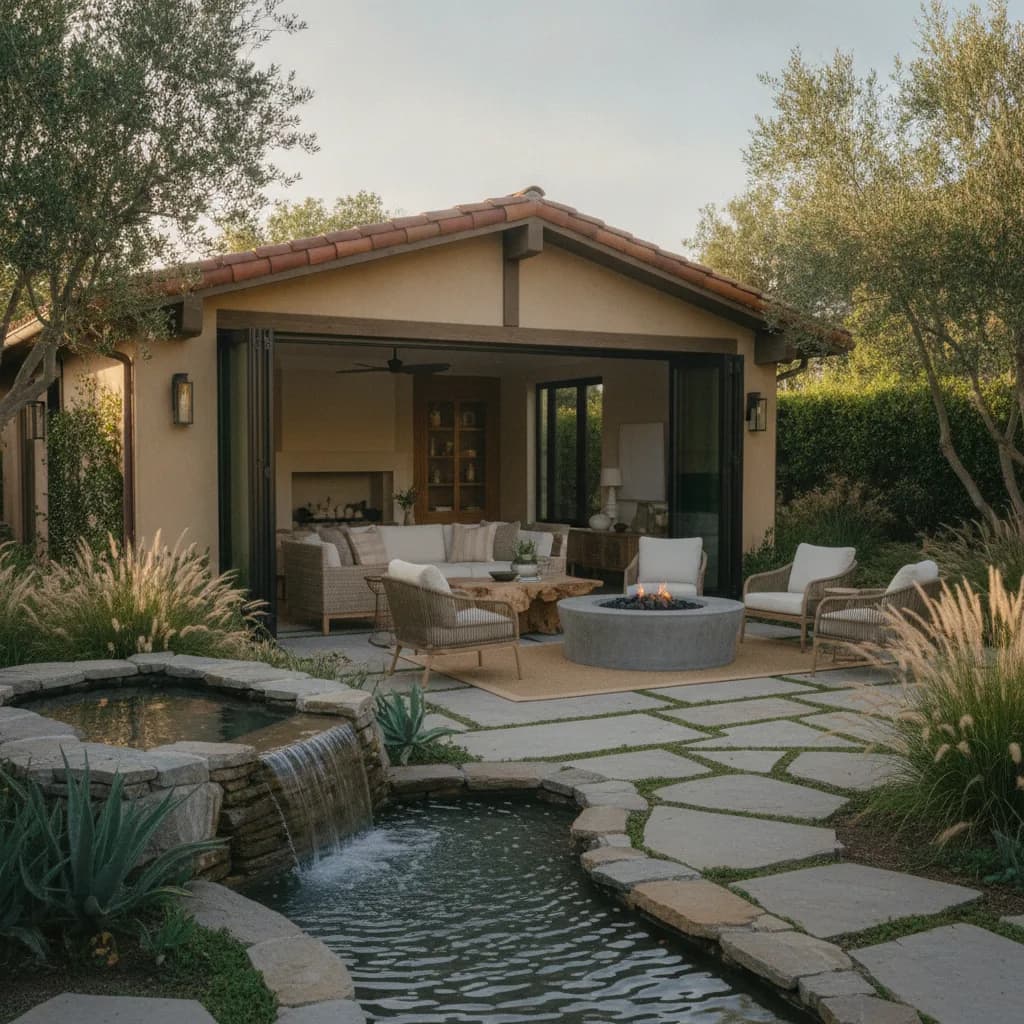
Converting your garage into a functional living space or Accessory Dwelling Unit (ADU) in Riverside, California, can significantly boost your property value and provide much-needed flexibility. However, navigating the local permit process and Homeowners Association (HOA) regulations is crucial for a smooth project. This comprehensive 2026 guide from Golden Yards will walk Riverside homeowners through every essential step, from understanding local costs to securing final approvals.
What are the Typical Costs for a Garage Conversion in Riverside?
Garage conversion costs in Riverside typically range from $60,000 to $150,000+, depending on the scope, finishes, and necessary utility upgrades. Unlike generic Southern California averages, Riverside's specific labor rates and material availability influence these figures. A basic conversion, focusing on minimal structural changes and standard finishes, might fall on the lower end, around $60,000-$85,000. This often involves converting an existing garage into a studio or a simple living space without a full kitchen or extensive plumbing. Mid-range projects, costing $85,000-$120,000, usually include a small kitchen, bathroom, and improved insulation, making it a more comfortable ADU. High-end conversions, exceeding $120,000, often feature premium materials, significant structural modifications, new windows, doors, and comprehensive utility upgrades, akin to a small custom home. These higher costs can also reflect complex site conditions or extensive hardscaping around the new unit. Remember, these figures are for 2026 and can fluctuate based on material availability and contractor demand.
How Do Riverside's Permit Requirements Affect Garage Conversions?
Riverside's permit requirements for garage conversions are designed to ensure safety and compliance with local zoning ordinances. The City of Riverside's Community and Economic Development Department (CEDD) handles building safety services and permits, which are essential for any structural changes. For garage conversions, you'll typically need to submit detailed architectural plans, structural engineering calculations, and demonstrate compliance with current building codes, including fire safety, energy efficiency, and accessibility standards. The city has been proactive in streamlining ADU approvals, even offering pre-approved ADU plans in some cases, which can expedite the process. However, even with pre-approved plans, site-specific conditions will require custom engineering and permit applications. Expect a typical review bottleneck during peak construction seasons, especially in spring and summer, where initial plan checks can take 4-8 weeks. Subsequent revisions and re-submittals can add several more weeks to the timeline. Homeowners should budget for permit fees, which vary based on the project's valuation and complexity, often ranging from $2,000 to $10,000+.
What is the Typical Permit Workflow and Timeline in Riverside?
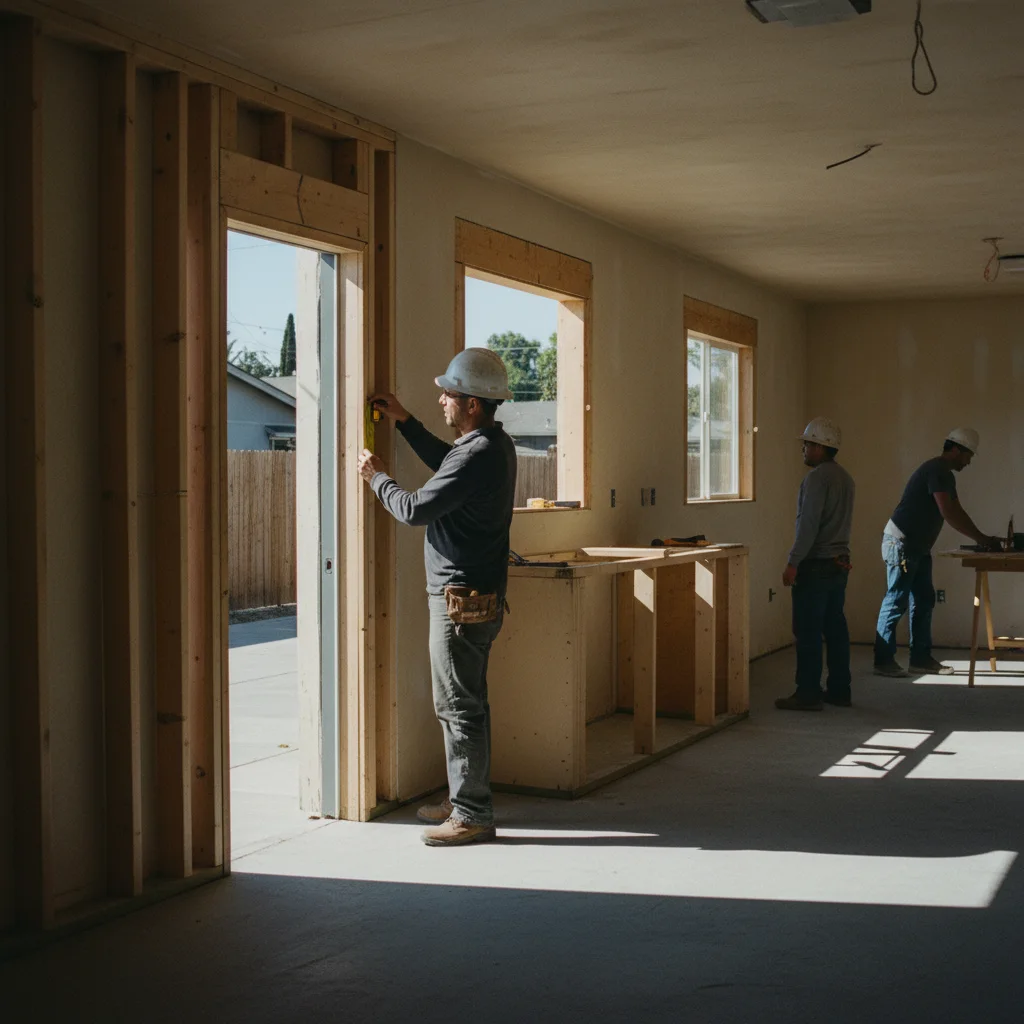
The typical permit workflow for a garage conversion in Riverside begins with plan submission to the CEDD. After an initial intake, plans undergo a multi-departmental review, including planning, building, fire, and public works. This comprehensive review ensures compliance with all city codes and regulations. For Riverside projects, common bottlenecks include incomplete plan sets, discrepancies between architectural and engineering drawings, or issues with lot coverage and setbacks, especially in older neighborhoods with smaller lots. A typical timeline for securing permits, assuming no major issues, can range from 3 to 6 months. This includes initial plan check, potential corrections, resubmission, and final approval. Once permits are issued, construction can begin, followed by various inspections at different stages-foundation, framing, electrical, plumbing, insulation, and final inspection. Each inspection must pass before moving to the next phase.
How Do HOAs and Neighborhood Constraints Impact Riverside Garage Conversions?
Ready to compare vetted project options?
Use Project Match privately when your scope is clear enough for contractor conversations.
Start Project MatchSee what your garage conversion actually costs in 4 questions.
We pull cost ranges from invoiced California ADU builder projects, then narrow them to your scope, ZIP, and finish level. No first-call sticker shock.
Open the garage conversion calculatorFree. Takes under 2 minutes. No email required to see your range.
Homeowners Associations (HOAs) in Riverside can significantly influence your garage conversion project. Many master-planned communities and even older neighborhoods with established HOAs have specific covenants, conditions, and restrictions (CC&Rs) that govern exterior modifications. Before submitting plans to the City of Riverside, it's critical to review your HOA's CC&Rs and submit your proposed conversion for their architectural review board's approval. Common HOA concerns include exterior aesthetics, material choices, rooflines, and maintaining the neighborhood's visual harmony. Some HOAs might restrict ADUs altogether or impose strict design guidelines that increase project costs.
Beyond HOAs, neighborhood-level constraints in Riverside also play a role. Lot size is a primary factor; smaller lots may have difficulty meeting setback requirements for ADUs, even with state-level ADU law overrides. Access for construction vehicles can also be an issue in older, denser neighborhoods with narrow streets. For example, in areas like the historic Wood Streets or Canyon Crest, lot sizes and existing infrastructure might necessitate creative design solutions or impact construction logistics. Understanding these local nuances is key to a successful project.
What Climate and Maintenance Considerations are Unique to Riverside?
Riverside's hot, dry climate and occasional Santa Ana winds materially change material selection and long-term maintenance for garage conversions. Unlike coastal areas, Riverside experiences extreme summer temperatures, making energy efficiency a top priority. Superior insulation (e.g., spray foam or rigid foam), high-performance windows (low-E, dual-pane), and efficient HVAC systems are not just desirable, but essential for comfort and lower utility bills. For roofing, materials like cool roofs or light-colored asphalt shingles are preferred to reflect solar radiation, aligning with recommendations often found in local resources like our guide on Riverside Roofing: Navigating Heat, Fire, and Climate Challenges.
Exterior materials should be durable and low-maintenance to withstand the sun's intensity and potential for wildfires, which are a concern in surrounding areas. Fire-resistant siding (e.g., fiber cement) and landscaping choices are important. Furthermore, the expansive clay soils common in parts of Riverside can necessitate specific foundation engineering to prevent settlement issues, adding to the project's complexity and cost. Proper drainage and grading around the new structure are also critical to manage seasonal rains and prevent water intrusion.
What is the Practical Sequencing Advice for a Riverside Garage Conversion?
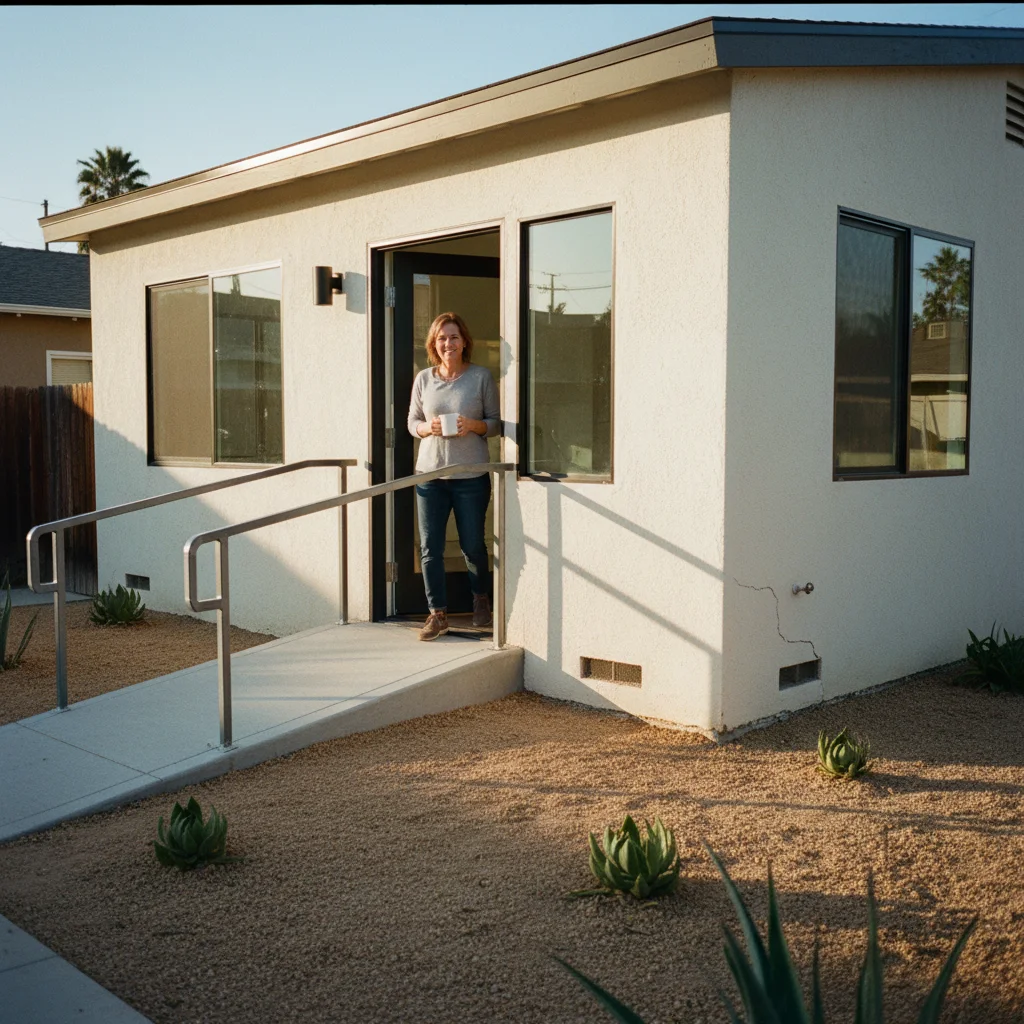
Executing a garage conversion in Riverside efficiently requires careful sequencing. The project typically follows these stages:
- Site Preparation and Demolition: This initial phase involves clearing out the existing garage, removing any non-structural elements, and potentially demolishing portions of walls or the garage door. This is also when you'd address any necessary grading or soil preparation, especially given Riverside's varied soil conditions.
- Foundation and Structural Work: If your existing slab needs reinforcement or if you're adding new footings for an extension, this is the time. Structural modifications, such as framing new walls, window openings, and door placements, occur here.
- Utility Rough-ins: This critical stage involves bringing new electrical, plumbing, and HVAC lines into the converted space. Depending on your property's existing infrastructure, this could involve trenching for new sewer lines or upgrading your electrical panel, a common requirement for ADUs. Coordination with the City of Riverside's Public Works department might be necessary for utility connections.
- Insulation and Drywall: Once rough inspections for utilities pass, insulation is installed, followed by drywall. Given Riverside's climate, ensuring adequate insulation is paramount for energy efficiency.
- Exterior Finishes and Hardscape: This includes installing new windows, doors, siding, and roofing. For hardscaping, this is when you'd pour new concrete patios, walkways, or address any new driveway configurations. Consider drought-tolerant landscaping for any planting around the ADU, aligning with Riverside's water conservation efforts.
- Interior Finishes and Fixtures: The final stage involves flooring, cabinetry, painting, and installing light fixtures, appliances, and plumbing fixtures.
Throughout this process, regular inspections by the City of Riverside building officials are mandatory. Missing an inspection or failing one can cause significant delays. Maintaining open communication with your contractor and the city is vital for a smooth project.
Conclusion
Get 3 ADU builder bids in 48 hours.
Our editors already screened California ADU builders. Answer 4 questions; we send 3 written bids inside 48 hours, with the real price for your scope, not their inflated first-call number.
Send my 3 bidsFree. No commission. If a match doesn't fit, we'll send another.
Undertaking a garage conversion in Riverside offers a fantastic opportunity to enhance your property, but it demands a thorough understanding of local regulations, costs, and environmental factors. By carefully navigating the City of Riverside's permit process, adhering to HOA guidelines, and planning for Riverside's unique climate, you can successfully transform your garage into a valuable asset. For personalized advice and to connect with experienced local contractors, visit GoldenYardsMag.com, your trusted resource for home improvement projects in Riverside and beyond.
FAQ: Riverside Garage Conversion Permits & HOA
Q: How long does it typically take to get a garage conversion permit in Riverside?
A: In Riverside, securing a garage conversion permit typically takes 3 to 6 months, assuming no major issues with plan submissions or revisions. This timeline includes initial plan checks, potential corrections, and final approval from the City of Riverside's Community and Economic Development Department.
Q: Do I need HOA approval for a garage conversion in Riverside if I already have city permits?
A: Yes, if your property is part of an HOA in Riverside, you will almost certainly need their approval in addition to city permits. HOAs have their own architectural review processes and CC&Rs that govern exterior modifications, which must be satisfied before construction begins.
Q: What are the biggest cost drivers for a garage conversion in Riverside?
A: The biggest cost drivers for a garage conversion in Riverside typically include extensive utility upgrades (new electrical panel, sewer line extension), significant structural modifications, high-end finishes, and site-specific challenges like difficult access or complex foundation work due to local soil conditions.
Q: Are there specific energy efficiency requirements for garage conversions in Riverside due to the climate?
A: Yes, due to Riverside's hot climate, garage conversions must meet stringent energy efficiency requirements. This includes using high-performance insulation, low-E dual-pane windows, and efficient HVAC systems to comply with California's Title 24 energy code, which is enforced by the City of Riverside.
Q: Can I convert my garage into an ADU without changing the exterior appearance in Riverside?
A: While some garage conversions aim to maintain the original exterior, significant changes like adding new windows, doors, or modifying the roofline are often necessary to meet building codes, provide natural light, and create a habitable space. Any exterior changes will require city permits and potentially HOA approval in Riverside.
Sources & Methodology
See the Golden Yards Methodology for how sources are reviewed, ranges are normalized, and planning-data limits are handled.
Cost ranges, regulatory references, and design guidance in this article draw on the following public datasets, industry standards, and Golden Yards editorial review.
- California Department of Housing and Community Development (HCD), JADU Handbook
- Los Angeles Department of Building and Safety (LADBS), ADU/JADU Standard Plan
- California AB 1033 (2024), JADU and ADU sale-as-condo provisions
- California Contractors State License Board (CSLB), B General Building scope
Related Articles
Ready to start your garage conversion project?
Find My ProsFrequently Asked Questions
Q: How long does it typically take to get a garage conversion permit in Riverside?
A: In Riverside, securing a garage conversion permit typically takes 3 to 6 months, assuming no major issues with plan submissions or revisions. This timeline includes initial plan checks, potential corrections, and final approval from the City of Riverside's Community and Economic Development Department.
Q: Do I need HOA approval for a garage conversion in Riverside if I already have city permits?
A: Yes, if your property is part of an HOA in Riverside, you will almost certainly need their approval in addition to city permits. HOAs have their own architectural review processes and CC&Rs that govern exterior modifications, which must be satisfied before construction begins.
Q: What are the biggest cost drivers for a garage conversion in Riverside?
A: The biggest cost drivers for a garage conversion in Riverside typically include extensive utility upgrades (new electrical panel, sewer line extension), significant structural modifications, high-end finishes, and site-specific challenges like difficult access or complex foundation work due to local soil conditions.
Q: Are there specific energy efficiency requirements for garage conversions in Riverside due to the climate?
A: Yes, due to Riverside's hot climate, garage conversions must meet stringent energy efficiency requirements. This includes using high-performance insulation, low-E dual-pane windows, and efficient HVAC systems to comply with California's Title 24 energy code, which is enforced by the City of Riverside.
Q: Can I convert my garage into an ADU without changing the exterior appearance in Riverside?
A: While some garage conversions aim to maintain the original exterior, significant changes like adding new windows, doors, or modifying the roofline are often necessary to meet building codes, provide natural light, and create a habitable space. Any exterior changes will require city permits and potentially HOA approval in Riverside.