Garage Conversion
Garage Conversion in California: 2026 Permit, Cost & Timeline Guide
A permitted garage conversion in California costs $75,000 to $150,000 and takes 3 to 5 months from design to final inspection in 2026. Most projects qualify for the state ADU pathway under AB 68, which caps city review at 60 days and waives impact fees on units under 750 square feet.
When a garage conversion is the right project
Garage conversions deliver the highest cost-per-square-foot return of any home addition in California. The structural shell already exists, the foundation is in place, and the roof is up. The work that remains is converting an uninsulated, unfinished space into a code-compliant living unit.
The project makes the most sense when the homeowner has space elsewhere for vehicles and storage, when the lot has room for an alternative parking solution (California ADU law does not require replacement parking in most cases), and when the HOA is permissive about exterior changes.
ADU pathway versus interior living space
Converting under California ADU law (AB 68, AB 881, SB 9) unlocks the state-level protections: 60-day permit shot clock, no owner-occupancy requirement, no impact fees on ADUs under 750 square feet. The resulting unit can be rented separately and gains its own address.
Converting as plain interior living space, by contrast, keeps the unit attached to the main home for legal purposes. The city has more discretion over the review, but the cost can be lower because no separate kitchen or bathroom is required. The choice depends on whether rental income or family use is the goal.
Cost ranges by California metro
In Los Angeles County, a permitted ADU garage conversion typically runs $85,000 to $145,000 including LADBS permit fees, structural retrofits, and Title 24 energy upgrades. Coastal cities like Manhattan Beach and Santa Monica trend higher due to labor cost and coastal review.
In Orange County and the Inland Empire, the same project runs $75,000 to $125,000 because of lower trade rates. San Diego County tracks Los Angeles. The Bay Area runs 1.3x to 1.5x Los Angeles due to permit cost and labor scarcity. Smaller cities like Burbank, Pasadena, and Glendale fall within the LA range with some HOA premium where applicable.
The hidden costs homeowners miss
Electrical service capacity is the most underestimated cost. A garage conversion adds 30 to 50 amps of load, often pushing a 100-amp service to its limit. A panel upgrade to 200 amps costs $3,500 to $7,000 in most California cities, plus utility coordination fees.
Drainage and grading are the second hidden cost. The existing garage slab often pitches toward the driveway. Converting to living space may require a new pour, vapor barrier, and drainage redirect, particularly in clay-soil neighborhoods. Foundation moisture remediation can add $4,000 to $9,000.
Common HOA and permit pitfalls
HOA architectural review committees most often reject conversions on window placement (privacy from neighbors), exterior color (must match the main home), and roof modifications. Submit a paint sample, window cut sheet, and elevation drawings together to avoid the back-and-forth that adds weeks.
City plan-check corrections most often catch missing energy calculations (Title 24 Part 6), unspecified glazing U-values, or undersized headers above the new openings. Hiring a designer who knows the local plan-check office cuts correction cycles in half.
Getting matched with a permitted garage conversion contractor
A permitted garage conversion is a multi-trade project: framing, electrical, plumbing, HVAC, drywall, finish. Hiring trade-by-trade is rarely cost-effective. A general contractor experienced in California ADU code pulls the permits, manages the inspections, and warrants the work as a single package.
Look for a CSLB-licensed B (general building) contractor with at least five recent ADU conversions in your city, references you can call, and a written contract that includes payment milestones tied to inspection passes. Compare three bids before signing.
Frequently asked questions
Do I need a permit to convert a garage in California?
How much does a garage conversion cost in California in 2026?
How long does a garage conversion take from start to finish?
Can my HOA block a garage conversion?
Does a garage conversion add property value in California?
Cost context
Compare the guide against Golden Yards data
Cost Index
See California project ranges, budget tiers, cost drivers, and timeline notes.
Browse cost dataMethodology
Review how Golden Yards normalizes ranges, source limits, and update practices.
Read methodologyGlossary
Define permits, allowances, drainage, setbacks, base prep, and other bid terms.
Browse termsUseful definitions
Your next step
Browse top-rated California pros, compare options, and get matched for free.
Free to use · Independent reviews · We respond within 24 hours
Recent articles in this topic
Specific reporting and how-to from the Garage Conversion beat across California.
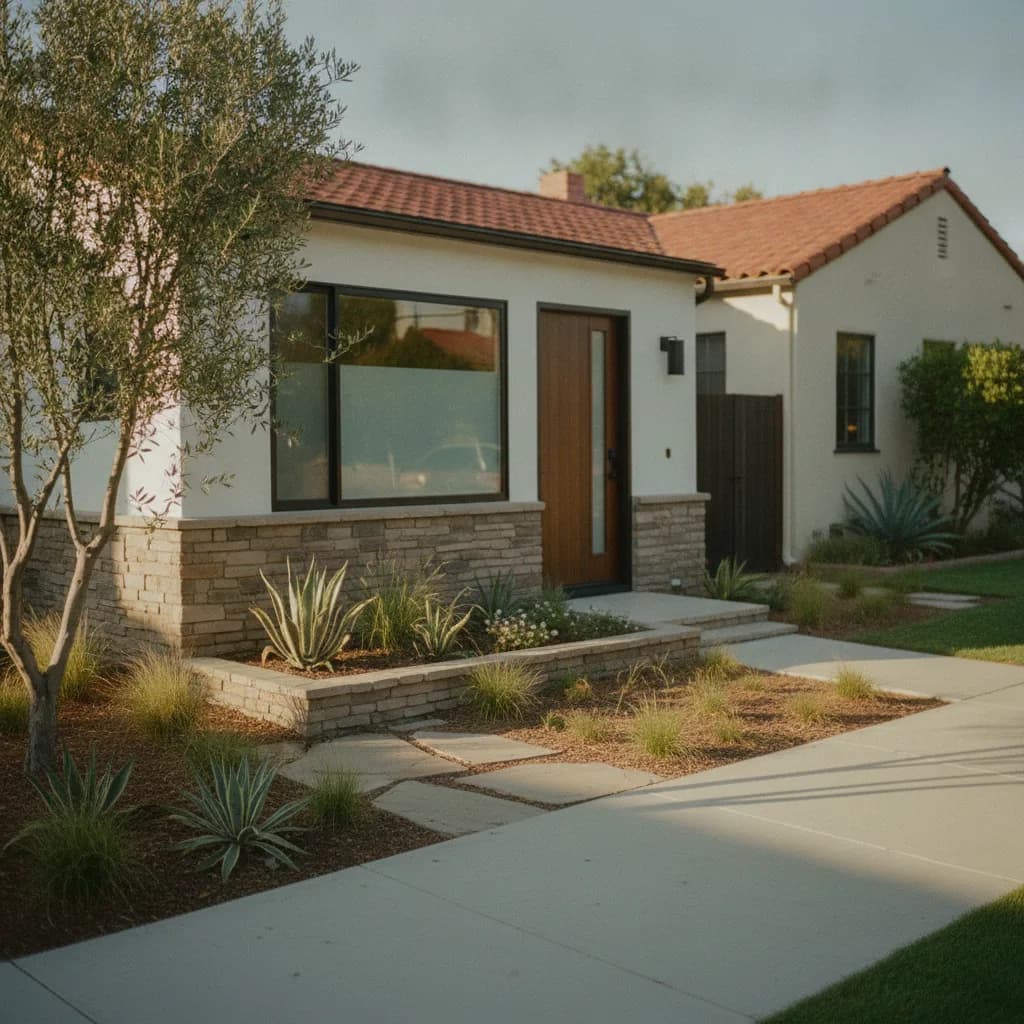
Process
How a Garage Conversion Conversion in Pasadena Actually Goes
A garage conversion in Pasadena, CA takes 14 to 22 weeks and costs $120k-$190k in 2026. This guide walks through the 4 phases, from permits to final inspection.
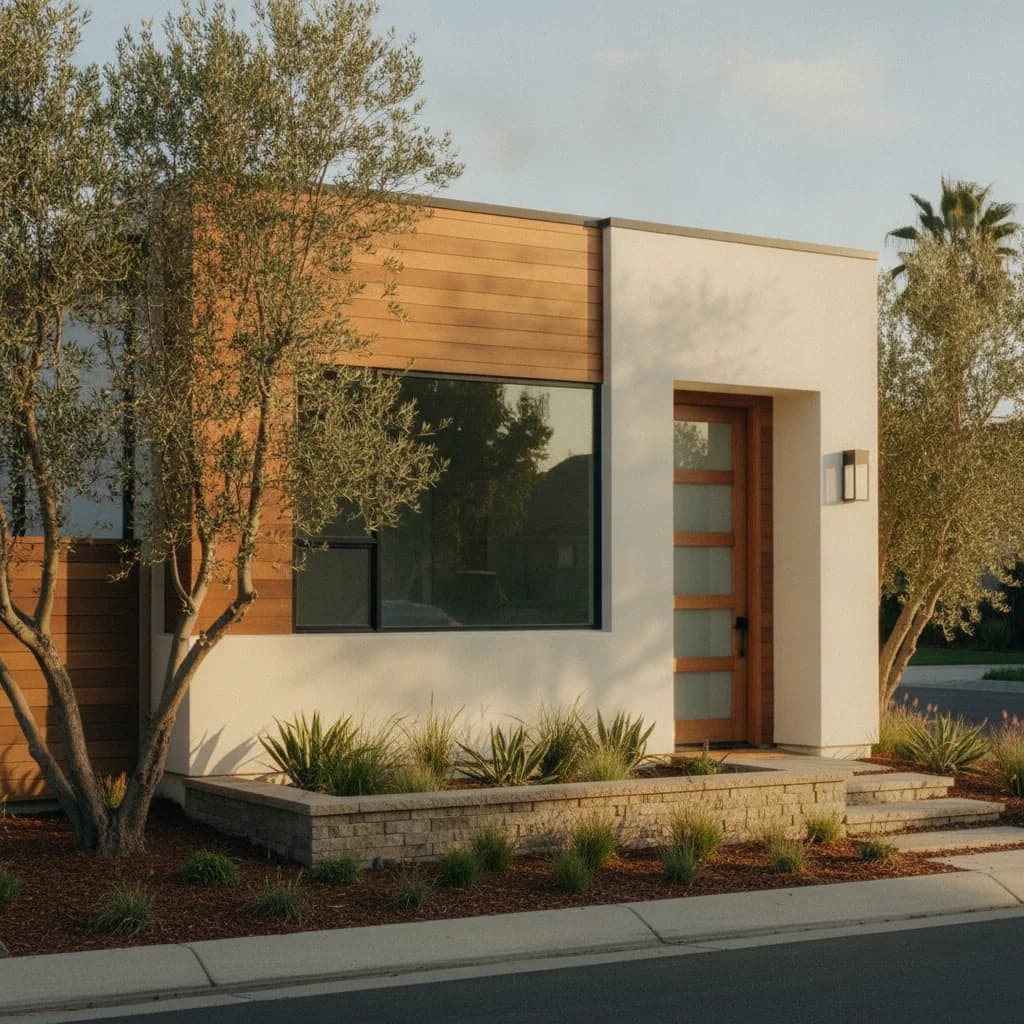
Comparison
Garage Conversion: Premium vs. Mid-Tier in Irvine
A garage conversion in Irvine costs $125k for a mid-tier build versus $240k+ for premium finishes in 2026. This comparison breaks down the real-world costs, timelines, and materials for both.
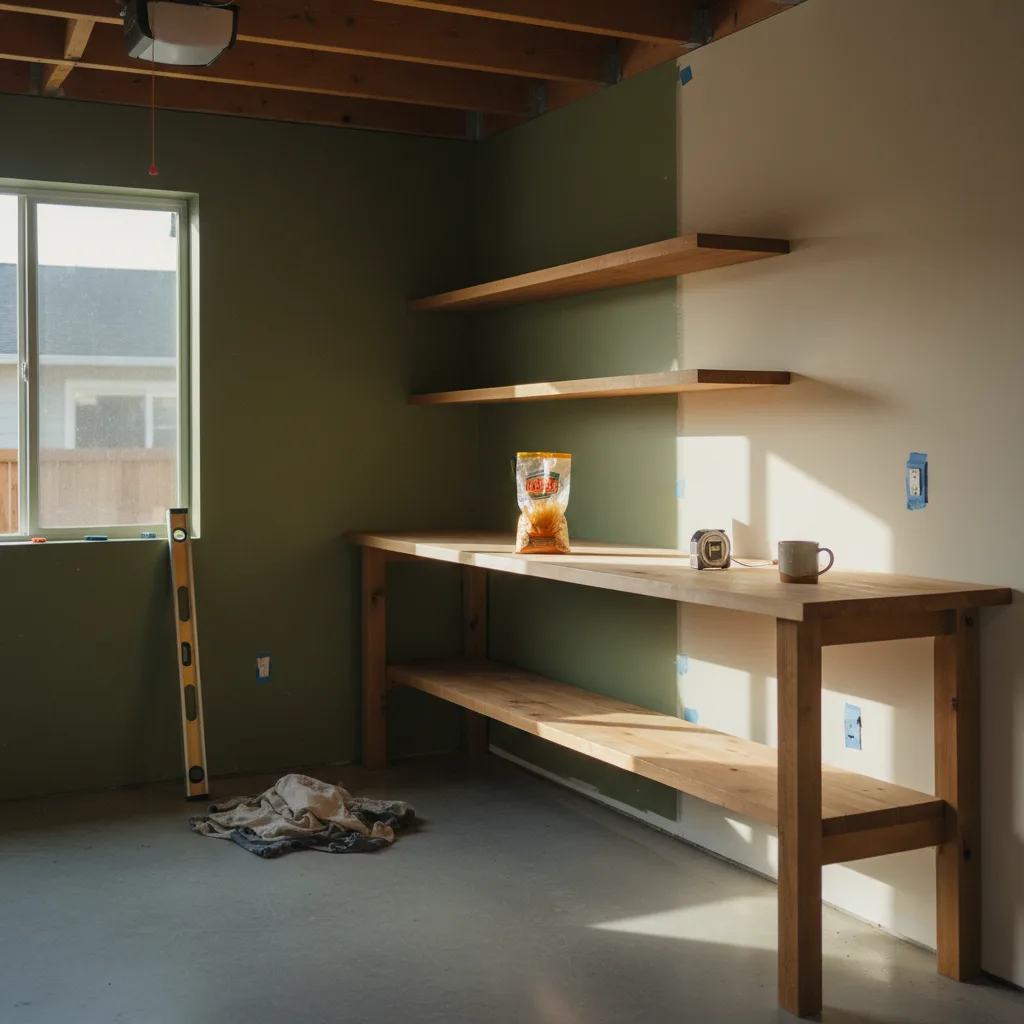
Cost Guide
Garage Conversion Cost in Oakland (2026): What Homeowners Actually Pay
A garage conversion in Oakland costs between $145,000 and $260,000 in 2026. This guide breaks down what homeowners actually pay, from permit fees to seismic upgrades and high-end finishes.
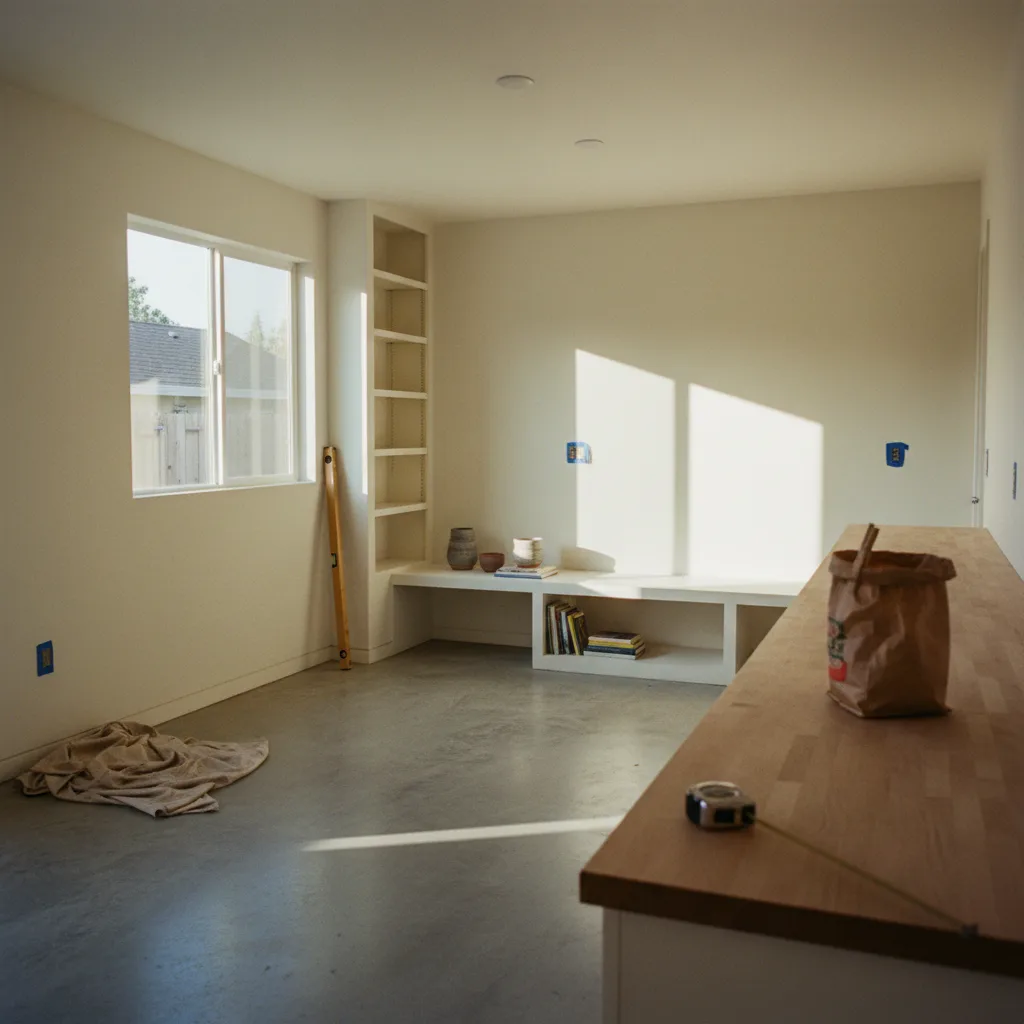
Process
The 4-Phase Garage Conversion Conversion in Irvine
A full garage conversion in Irvine takes 14 to 22 weeks and costs $120k to $195k. The biggest delay is navigating the dual review of the Irvine permit office and local HOAs before construction even begins.
Cost Guide
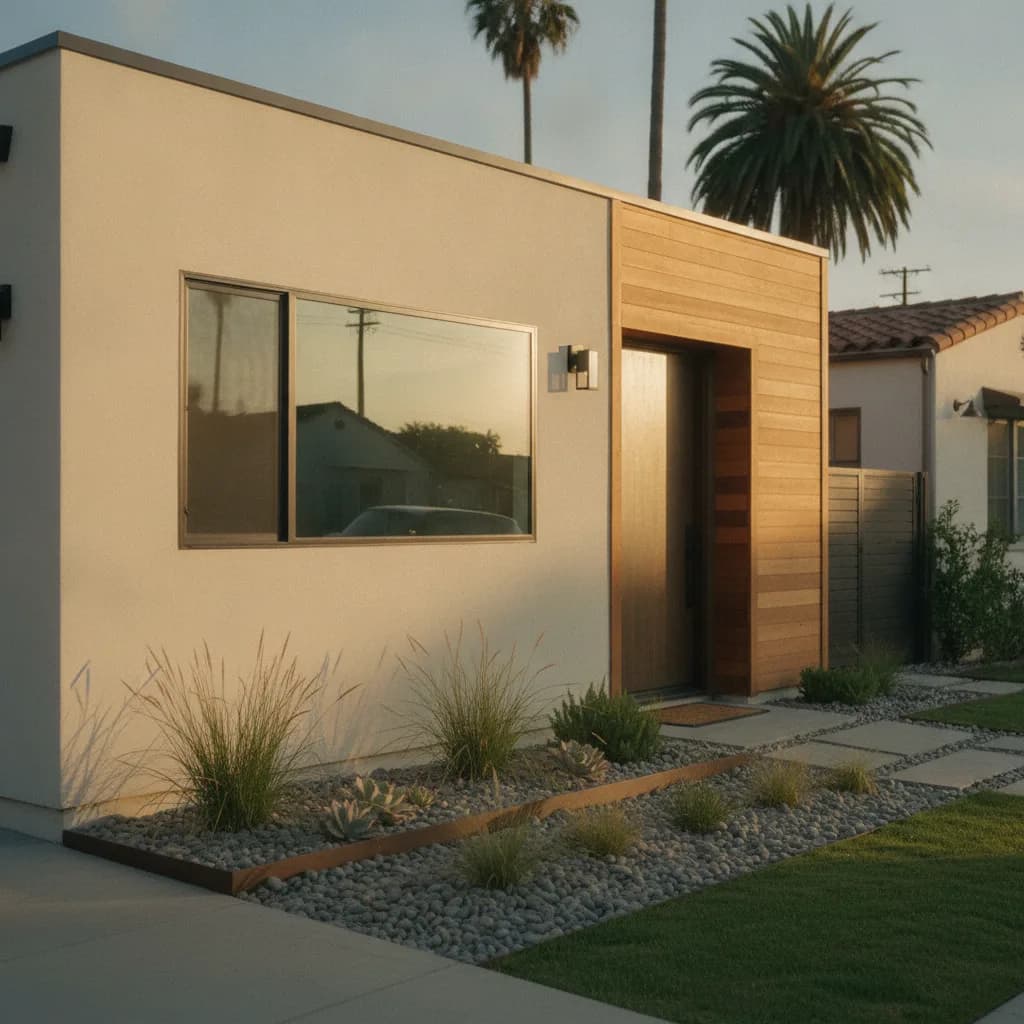
The Real Price of a Garage Conversion in Long Beach for 2026
A garage conversion in Long Beach costs between $145,000 and $280,000 in 2026. This guide breaks down the real costs, permit timelines, and hidden expenses for homeowners in Belmont Shore, Bixby Knolls, and beyond.
Mistakes
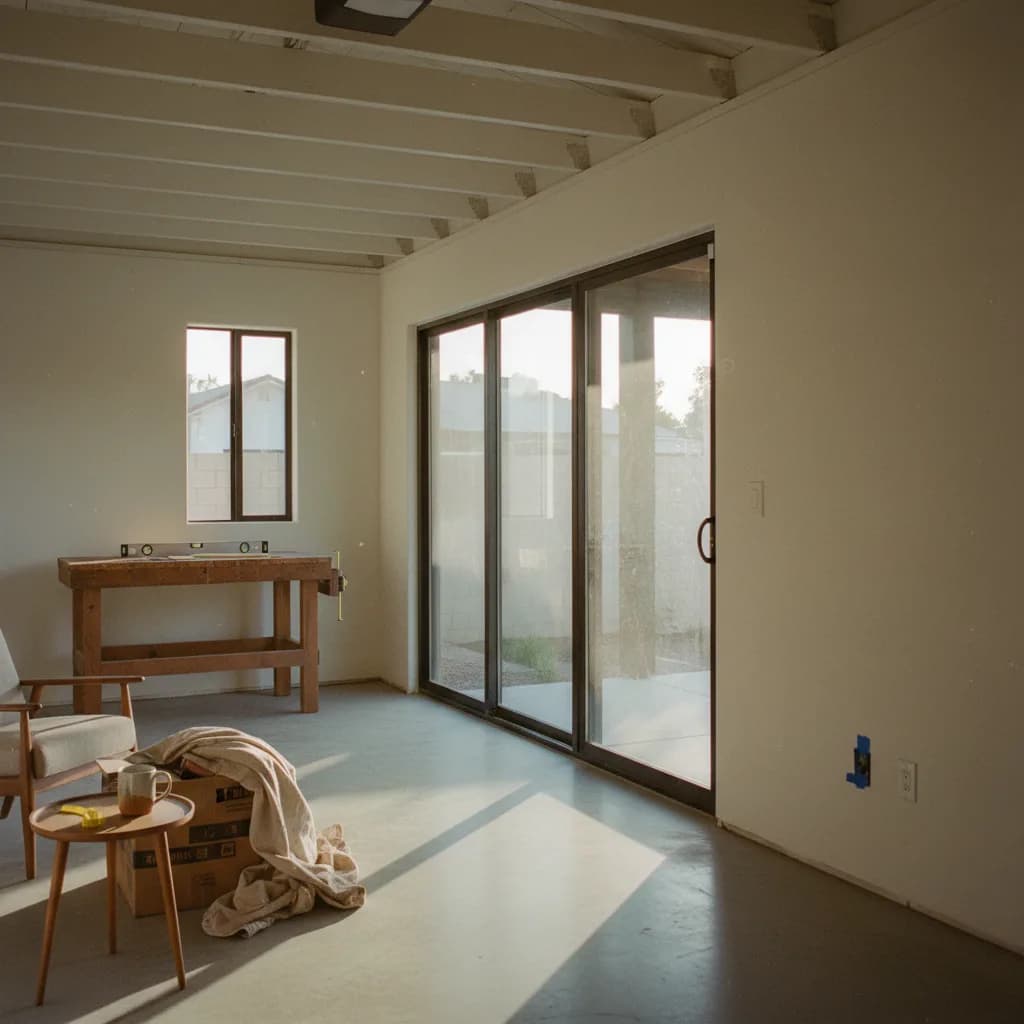
Why a Garage Conversion Project in Riverside Goes Over Budget (and How to Stop It)
A Riverside garage conversion can easily run $45,000 over budget. Here are the seven most common mistakes homeowners make, from underestimating foundation work to ignoring Title 24 energy codes, and how to prevent them.
Outdoor Living
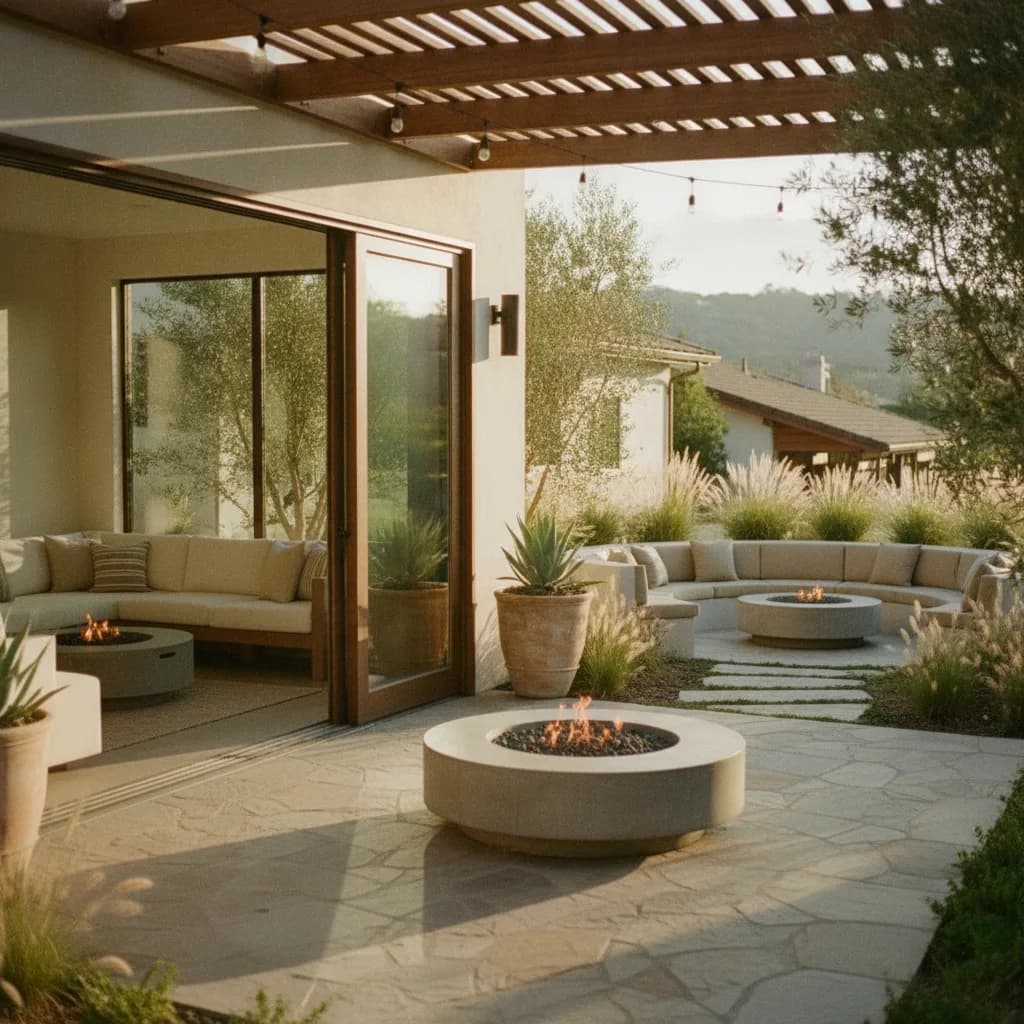
Santa Monica Garage Conversion: 2026 Permits, HOA & Local Insights
Planning a Santa Monica garage conversion in 2026? Navigate local permits, HOA rules, and budget considerations with our expert guide for homeowners.
Outdoor Living
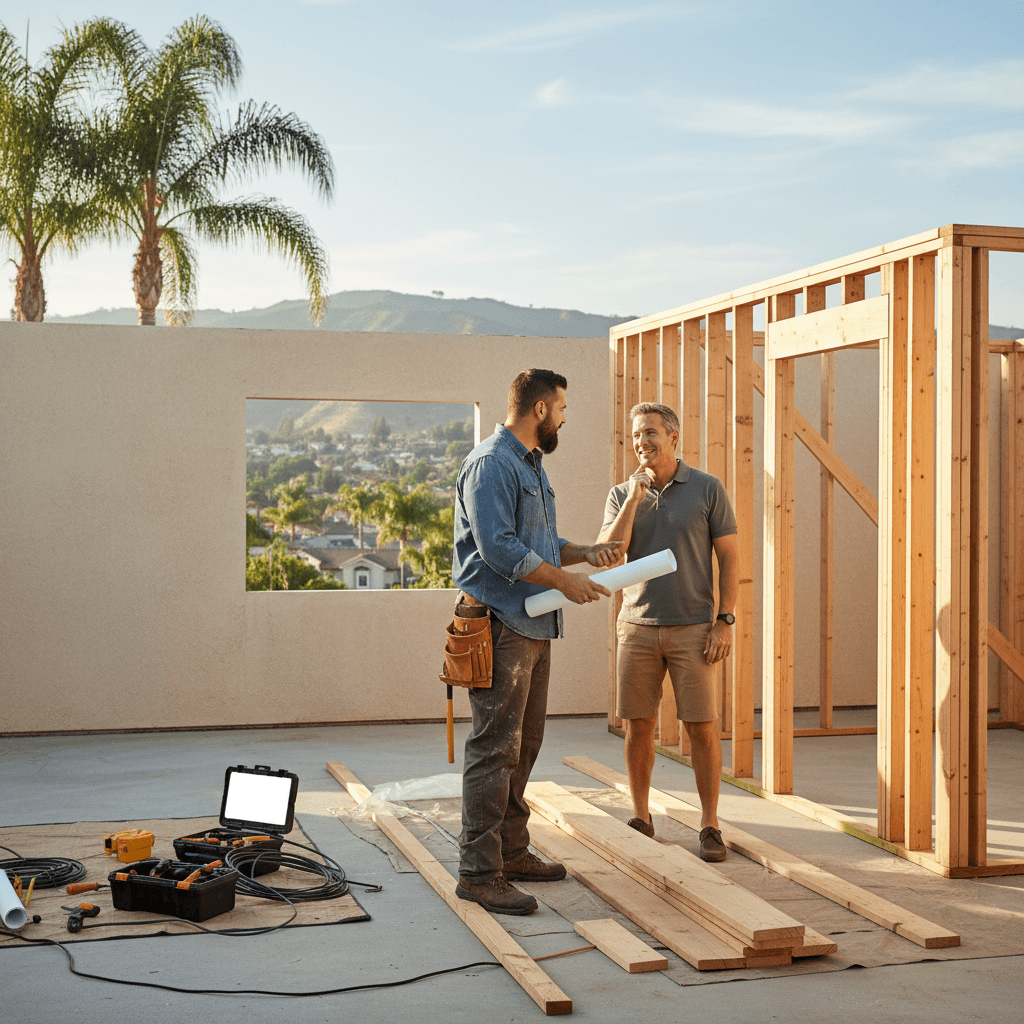
Garage Conversion Permit and HOA Guide for Orange, CA: Your 2026
Navigating a garage conversion in Orange, CA requires specific permits and HOA approvals. This 2026 guide details local costs, timelines, and strategies for success.
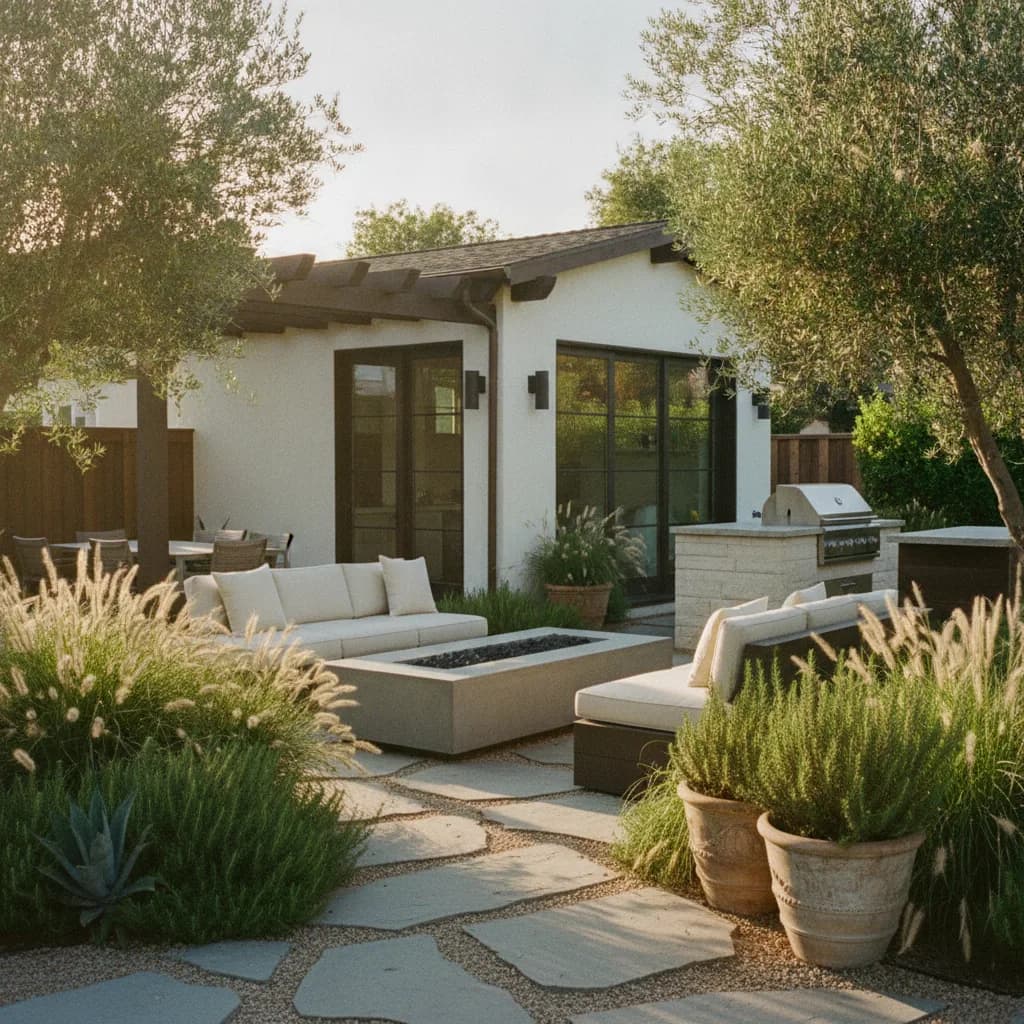
Outdoor Living
Pasadena Garage Conversion Permit & HOA Guide: 2026 Regulations
Navigate Pasadena's 2026 garage conversion permits, HOA rules, costs ($80K-$200K), and leverage city financial aid up to $225K and pre-approved plans.
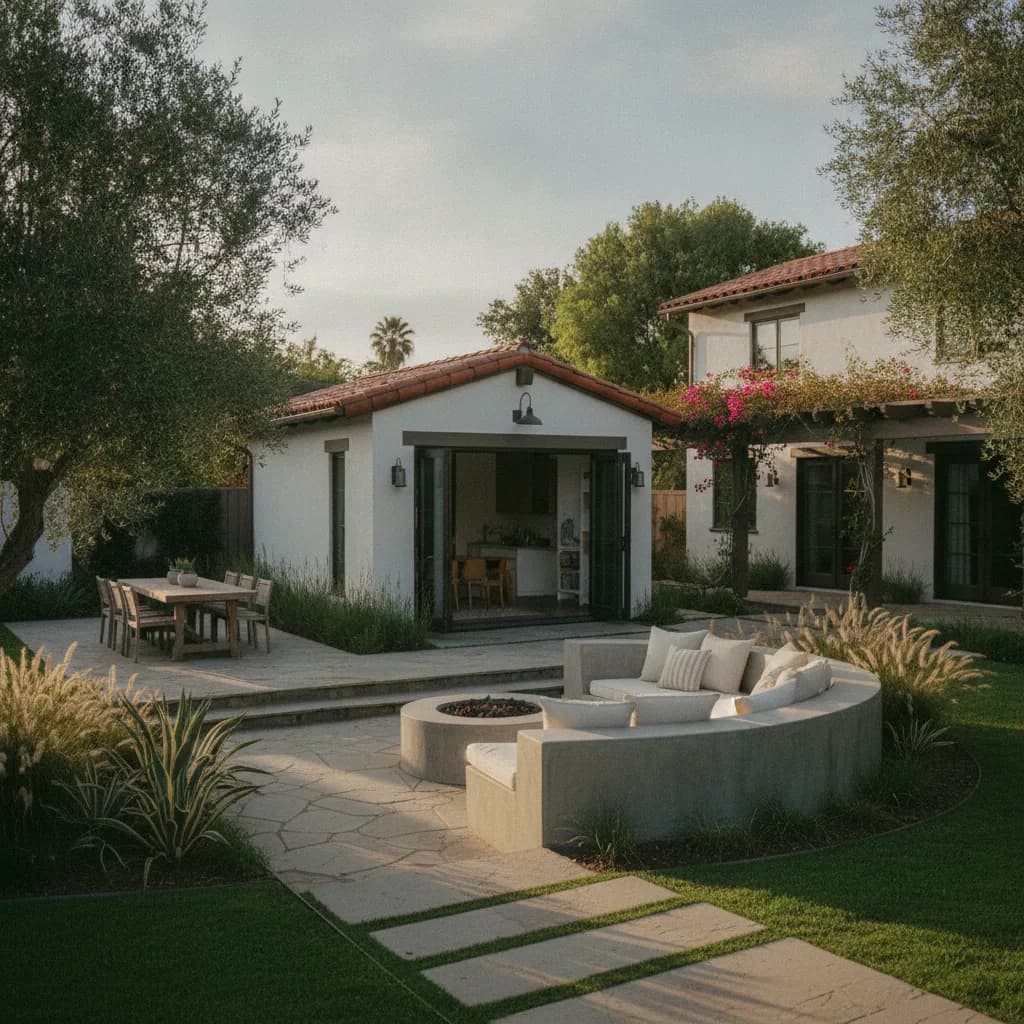
Outdoor Living
Northridge Garage Conversion Permit and HOA Guide: Your 2026 Blueprint
Navigating Northridge garage conversion permits and HOA approvals in 2026? Our guide covers costs, timelines, local rules, and common pitfalls for Northridge homeowners.
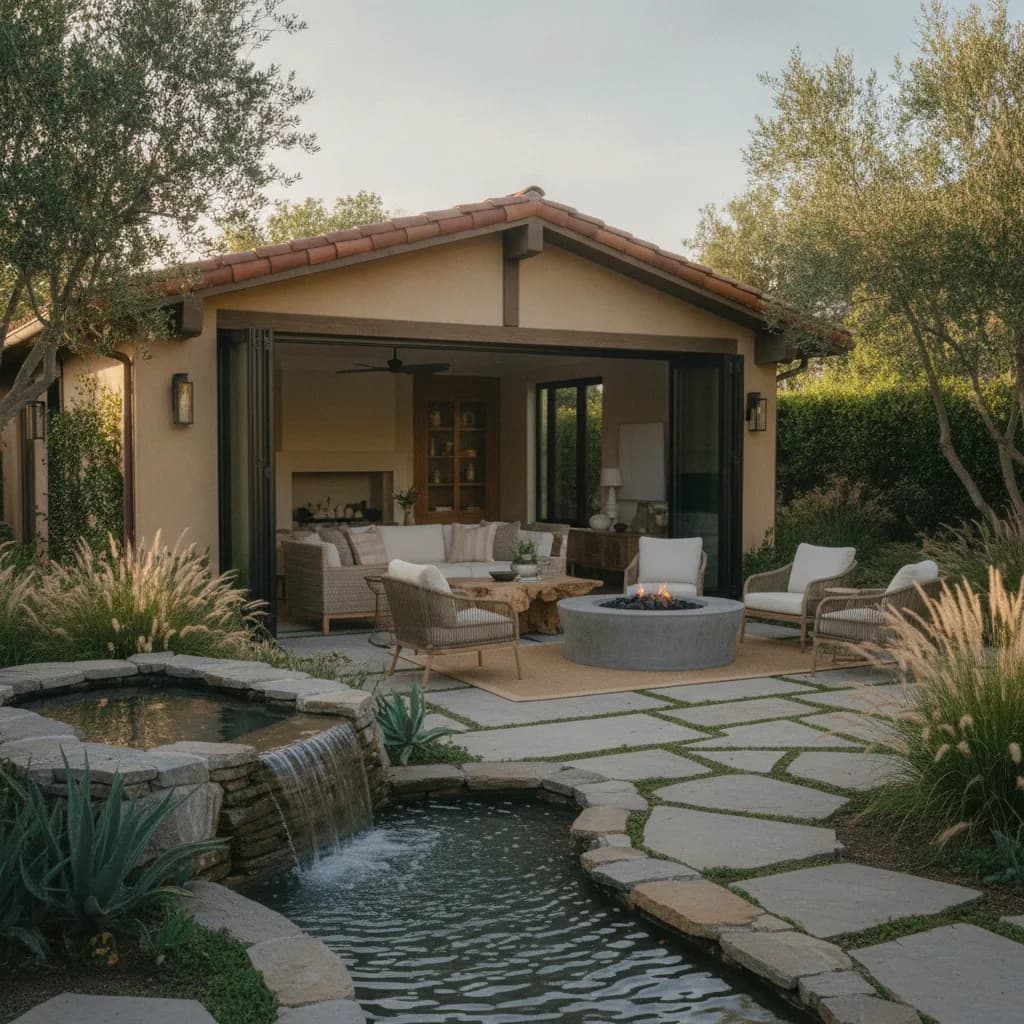
Outdoor Living
Riverside Garage Conversion Permits & HOA: Your 2026 Blueprint
Navigating Riverside garage conversion permits and HOA rules in 2026. Get local costs, timelines, and expert tips for your ADU project in Riverside, CA.

Outdoor Living
Garage Conversion Permit and HOA Guide for Huntington Beach
Comprehensive guide for garage conversions in Huntington Beach. Learn about ADU permits, city zoning regulations, HOA compliance, costs, and the step-by-step process for a successful project in Surf City.