
Converting your garage into an Accessory Dwelling Unit (ADU) or additional living space is a popular and often lucrative home improvement project, especially in a desirable coastal city like Huntington Beach. Whether you're looking to generate rental income, create a dedicated home office, accommodate a growing family, or provide a private space for aging parents, a garage conversion can significantly enhance your property's value and functionality. However, successfully navigating this process requires a thorough understanding of local regulations, permit requirements, and, crucially, compliance with Homeowners Association (HOA) rules specific to Huntington Beach.
This comprehensive guide will walk you through every essential step, from understanding Huntington Beach's specific zoning laws and the intricate permit application process to effectively dealing with your HOA. Our goal is to equip you with the knowledge needed to transform your garage legally and efficiently, avoiding common pitfalls and ensuring your project is a success.
Why Consider a Garage Conversion in Huntington Beach?
Huntington Beach, with its vibrant community, beautiful coastline, and strong housing market, presents a unique environment for garage conversions. Here’s why this project is particularly appealing in Surf City:
Increased Property Value: A well-executed and permitted garage conversion, especially into an ADU, can significantly boost your home's market value. Rental Income Potential: With high demand for housing, an ADU can provide a substantial source of passive income, helping offset mortgage payments or other expenses. Expanded Living Space: Create a dedicated guest suite, a private space for adult children or elderly relatives, a quiet home office, an art studio, or a personal gym without the need for a costly and extensive home addition. Affordable Housing Solution: ADUs contribute to the local housing supply, offering more affordable rental options in a high-cost area. Flexibility and Adaptability: A converted space can evolve with your family's needs, offering long-term utility.
Understanding Huntington Beach Zoning and ADU Regulations
Before you even sketch out a design, it's paramount to understand the specific zoning and ADU regulations enforced by the City of Huntington Beach. California state laws have significantly streamlined ADU creation, but local jurisdictions like Huntington Beach still have specific ordinances that dictate design, size, setbacks, and parking requirements.
State Law Preemption and Local Ordinances
California state law (Government Code Sections 65852.2 and 65852.22) provides a framework that encourages ADU development, often preempting more restrictive local ordinances. This means Huntington Beach cannot impose certain requirements that would make ADU creation unduly difficult. Key state provisions include:
Ministerial Approval: ADU applications meeting objective standards must be approved ministerially (without discretionary review) within 60 days. No Owner-Occupancy Requirement: Local agencies cannot require the owner to live on the property for ADUs permitted after January 1, 2020. Parking Exemptions: Parking requirements are significantly relaxed or eliminated in many cases (e.g., within half-mile of public transit, historic districts, or when converting an existing garage).
Huntington Beach Specifics for Garage Conversions
While state law provides a baseline, Huntington Beach has its own set of objective design and development standards for ADUs, including those created from garage conversions. It's crucial to consult the City's Department of Community Development, specifically the Planning and Building Divisions, for the most current information.
Size Limitations: Converted Garage ADU: Generally, the ADU can be the size of the existing garage structure. Detached ADU: Up to 1,200 square feet, or 50% of the existing primary dwelling unit's floor area, whichever is less, for single-family lots. Junior ADU (JADU): Up to 500 square feet, located entirely within an existing or proposed single-family dwelling, including an attached garage. Setbacks: Converted Garage ADU: If converting an existing garage that already meets or is legally non-conforming to setbacks, no new setbacks are typically required for the existing footprint. Any expansion beyond the existing footprint would need to comply with new setback requirements (e.g., 4-foot side and rear setbacks for detached ADUs). Height: Generally limited to 16 feet for detached ADUs, or the height of the existing primary dwelling if attached. Parking: This is a critical point for garage conversions. Exemption: If you convert your garage into an ADU, the City of Huntington Beach cannot require you to replace the lost parking spaces if the ADU meets certain criteria (e.g., located within a half-mile walking distance of public transit, within a historic district, or part of an existing primary residence or accessory structure). Replacement Parking: If replacement parking is required (which is less common for garage conversions due to state law exemptions), it must be provided on the lot, typically as tandem parking on an existing driveway. Separate Entrance: ADUs must have an independent exterior entrance. Kitchen and Bathroom Facilities: A full ADU must include a separate kitchen (sink, cooking facility, refrigeration) and bathroom facilities. A JADU requires an efficiency kitchen and may share a bathroom with the main dwelling or have its own. Fire Sprinklers: Generally not required for ADUs if not required for the primary dwelling. Utility Connections: ADUs may be required to have separate utility connections or sub-meters, though state law allows for shared connections under certain circumstances.
Always verify these details with the City of Huntington Beach Planning Department, as regulations can be updated.
The Permit Process in Huntington Beach: A Step-by-Step Guide
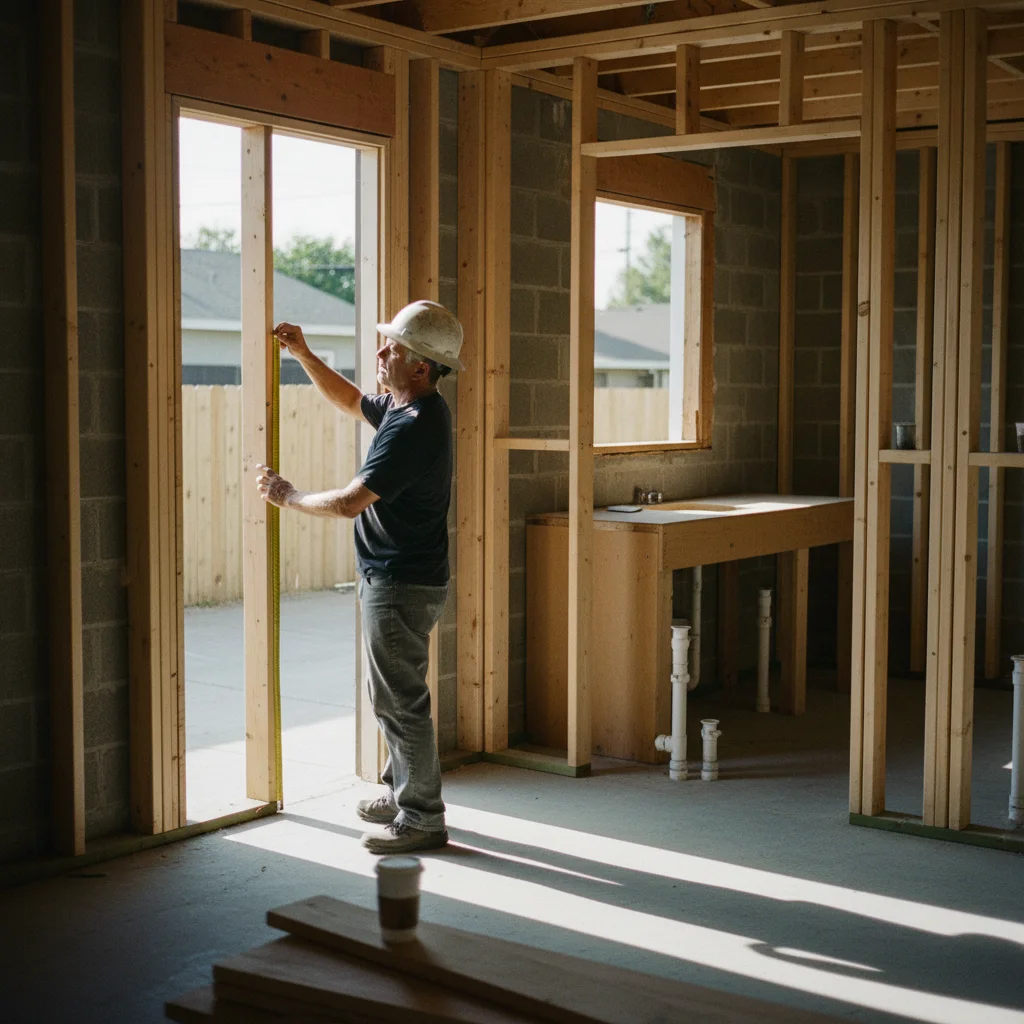
Obtaining the necessary permits is the most critical and often the most challenging part of a garage conversion. Bypassing this step can lead to significant fines, forced demolition, and difficulties when selling your property. Here’s a detailed breakdown of the Huntington Beach permit process:
Step 1: Initial Research and Feasibility Study
Zoning Verification: Confirm your property's zoning designation and ensure ADUs are permitted. Property Survey: Understand your property lines, existing structures, and potential setback issues. Preliminary Design: Sketch out your ideas, considering the existing garage structure, utility access, and desired layout. Budgeting: Get a realistic estimate of costs, including design, permits, materials, and labor.
Step 2: Design and Plan Development
This is where you'll likely engage professionals.
Architectural Plans: Detailed drawings showing floor plans, elevations, sections, and structural details. These must comply with Huntington Beach's building codes and zoning ordinances. Structural Engineering: A structural engineer will assess the existing garage structure and design any necessary modifications to ensure it meets safety standards, especially for load-bearing walls, foundations, and roof. MEP Plans (Mechanical, Electrical, Plumbing): Detailed plans for new or modified HVAC, electrical wiring, and plumbing systems. Energy Calculations: Title 24 energy compliance calculations are required to ensure the converted space meets California's energy efficiency standards. This often involves insulation, window, and HVAC specifications. Site Plan: A drawing showing the entire property, including the primary dwelling, the garage conversion, setbacks, parking, and utility lines.
Step 3: Application Submission to the City of Huntington Beach
Once your plans are complete, you'll submit them to the City of Huntington Beach Department of Community Development.
Planning Division Review: The initial review ensures your project complies with zoning, ADU ordinances, and any specific design guidelines. Building Division Plan Check: After planning approval (or concurrently in some cases), the Building Division reviews your plans for compliance with the California Building Code (CBC), California Residential Code (CRC), and other relevant state and local building standards. This includes structural integrity, fire safety, accessibility, and energy efficiency.
Expect a review period, during which the City may issue "plan check comments" requiring revisions to your plans. This back-and-forth is normal; address comments promptly and resubmit.
Step 4: Permit Issuance
Once your plans have been approved by both Planning and Building Divisions, you will pay the required permit fees, and the City will issue your building permit. This permit must be prominently displayed at the job site.
Step 5: Construction and Inspections
With your permit in hand, you can begin construction. Throughout the construction process, the City of Huntington Beach Building Division will conduct a series of mandatory inspections to ensure the work adheres to the approved plans and building codes.
Foundation Inspection: Before pouring concrete. Framing Inspection: Before covering walls with drywall. Rough-in Inspections (Electrical, Plumbing, Mechanical): Before covering these systems. Insulation Inspection: Before installing drywall. Drywall Nailing/Shear Wall Inspection: Before finishing drywall. Energy Efficiency Inspection: To verify Title 24 compliance. Final Inspection: Once all work is complete, the inspector will verify everything is built to code and approved plans.
It is your responsibility or your contractor's to schedule these inspections at the appropriate stages. Do not proceed to the next stage of work until the current stage has passed inspection.
Step 6: Certificate of Occupancy
Upon successful completion of all final inspections, the City will issue a Certificate of Occupancy (or a similar final approval). This document legally certifies that the converted garage is safe and habitable for its intended use. Without it, your conversion is not legal, and you cannot rent it out or use it as a separate dwelling unit.
Key Permits Required for a Garage Conversion
Ready to compare vetted project options?
Use Project Match privately when your scope is clear enough for contractor conversations.
Start Project MatchSee what your garage conversion actually costs in 4 questions.
We pull cost ranges from invoiced California ADU builder projects, then narrow them to your scope, ZIP, and finish level. No first-call sticker shock.
Open the garage conversion calculatorFree. Takes under 2 minutes. No email required to see your range.
While the "building permit" is the overarching document, it typically encompasses several sub-permits or approvals:
Building Permit: For structural changes, new walls, windows, doors, and overall construction. Electrical Permit: For new wiring, outlets, lighting, and panel upgrades. Plumbing Permit: For new water lines, drains, fixtures (sinks, toilets, showers). Mechanical Permit: For HVAC systems, ventilation, and water heaters. Energy Permit: To ensure compliance with Title 24 energy efficiency standards.
Your general contractor or architect will typically handle the coordination and application for these specific permits under the main building permit.
Cost Estimation for Permits and Construction in Huntington Beach
The cost of a garage conversion in Huntington Beach can vary widely based on size, finishes, and complexity. It's essential to budget thoroughly.
Permit Fees
City of Huntington Beach Fees: These include plan check fees, building permit fees, impact fees (if applicable, though often waived or reduced for ADUs), and potentially school district fees. These can range from a few thousand dollars to over $10,000, depending on the scope and size. County Fees: Some projects may incur county-level fees.
Design and Professional Fees
Architect/Designer: $3,000 - $10,000+ for comprehensive plans. Structural Engineer: $1,500 - $5,000+ for calculations and drawings. Title 24 Energy Consultant: $500 - $1,500. Permit Expeditor (Optional): $1,000 - $5,000 to help navigate the permit process.
Construction Costs
This is the largest component and depends heavily on the level of finish and whether you're converting an attached or detached garage.
Basic Conversion (minimal structural changes, standard finishes): $20,000 - $50,000 Mid-Range Conversion (some structural work, quality finishes): $50,000 - $100,000 High-End Conversion (extensive structural work, premium finishes, new utility lines): $100,000 - $150,000+
Factors influencing construction costs:
Foundation work: If the existing slab needs significant repair or new footings. Plumbing and Electrical: Bringing new lines from the main house or connecting to existing ones. Insulation: Meeting Title 24 requirements. Windows and Doors: Replacing garage door with walls and windows. Kitchen and Bathroom: Fixtures, cabinetry, appliances. HVAC: Adding heating and cooling. Finishes: Flooring, paint, trim. Contractor's overhead and profit.
Hidden Costs to Consider:
Temporary housing during construction if the main house is affected. Landscaping changes around the converted area. Increased utility bills. Property tax reassessment (see FAQ).
Navigating Homeowners Associations (HOAs) in Huntington Beach
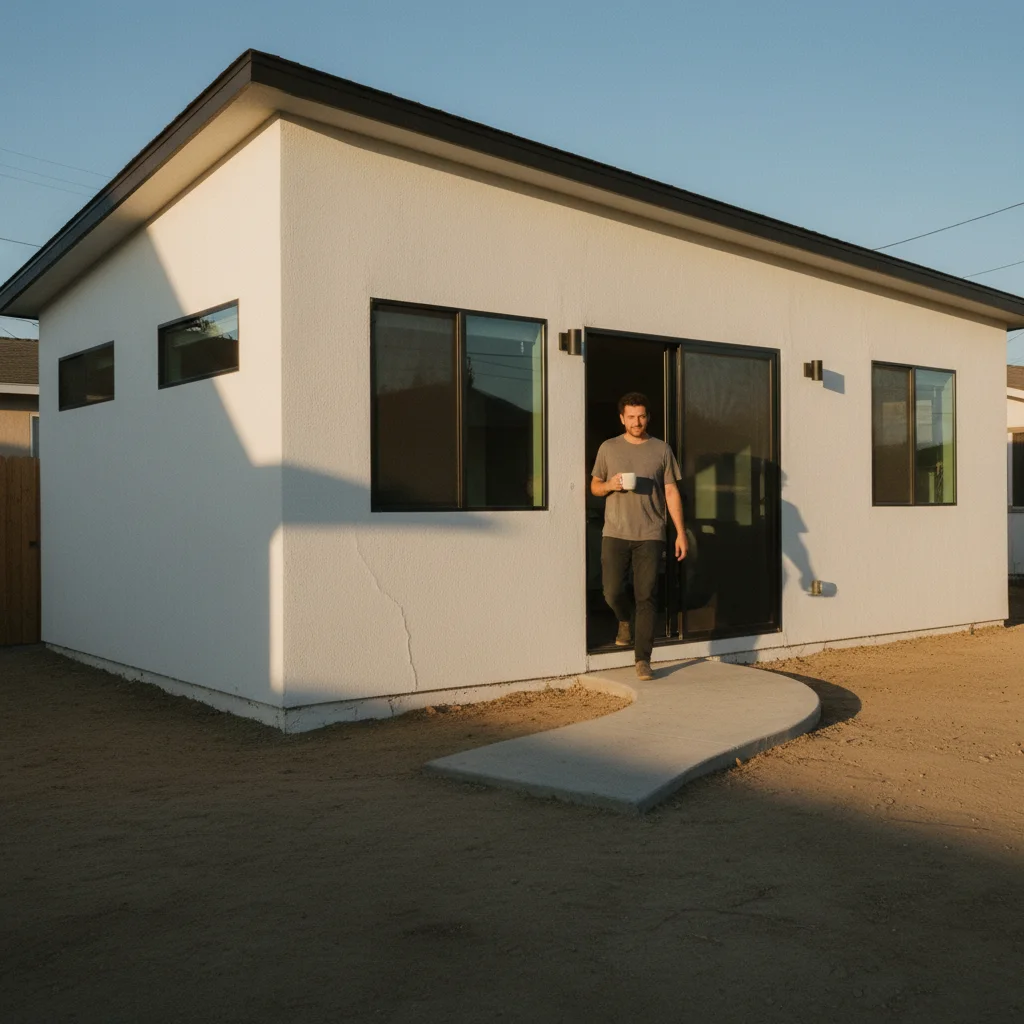
Even if the City of Huntington Beach approves your garage conversion, your HOA might have its own set of rules and restrictions. Ignoring your HOA can lead to fines, legal action, and even being forced to reverse your conversion.
Importance of HOA Compliance
Many neighborhoods in Huntington Beach, especially master-planned communities, have HOAs. These organizations enforce Covenants, Conditions, and Restrictions (CC&Rs) and architectural guidelines designed to maintain community aesthetics and property values.
Reviewing Your HOA Documents
Before you begin any design work, meticulously review your HOA's governing documents:
CC&Rs (Covenants, Conditions, and Restrictions): These are the foundational rules governing your property. Look for clauses related to exterior modifications, accessory structures, ADUs, and rental properties. Architectural Guidelines: These documents detail specific requirements for exterior appearance, materials, colors, window styles, and landscaping. Bylaws: These outline the HOA's operational procedures, including the architectural review process.
Submitting Plans to Your HOA
Most HOAs require prior approval for any exterior modifications or new construction.
- Understand the Process: Identify the specific forms, submission deadlines, and review committee (often an Architectural Review Board or Committee - ARC) procedures.
- Prepare Detailed Plans: Submit comprehensive architectural drawings, material samples, color swatches, and a detailed description of your project. Emphasize how your conversion will blend seamlessly with the existing home and neighborhood aesthetic.
- Attend Meetings: Be prepared to present your plans to the ARC or HOA board and address any questions or concerns.
- Obtain Written Approval: Do not proceed with construction until you have received formal, written approval from your HOA. This is crucial for your protection.
Potential HOA Restrictions and How to Address Them
Exterior Appearance: HOAs often have strict rules on exterior materials, paint colors, rooflines, and window styles. Your conversion must match the existing home's aesthetic. Parking: While state law often exempts ADUs from new parking requirements, your HOA might have rules about on-street parking or guest parking that could indirectly affect your project, especially if you lose garage parking. Rental Restrictions: Some HOAs have rules against short-term rentals (e.g., Airbnb) or even long-term rentals. Clarify these rules if you plan to rent out your ADU. Setbacks and Lot Coverage: Even if the city allows certain setbacks, your HOA might have more restrictive ones. Number of Dwellings: Some HOAs may have restrictions on the number of dwelling units per lot, though state law generally overrides this for ADUs.
Dealing with HOA Disputes: If your HOA denies your application, try to understand their specific concerns. You may be able to revise your plans to address their objections. If an impasse is reached, consider mediation or legal counsel, especially if you believe the HOA is violating state ADU laws. Remember, state law generally limits an HOA's ability to prohibit ADUs outright, but they can still enforce reasonable design standards.
Common Challenges and How to Overcome Them
Get 3 ADU builder bids in 48 hours.
Our editors already screened California ADU builders. Answer 4 questions; we send 3 written bids inside 48 hours, with the real price for your scope, not their inflated first-call number.
Send my 3 bidsFree. No commission. If a match doesn't fit, we'll send another.
Even with careful planning, garage conversions can present challenges.
Parking Requirements: While state law offers exemptions, ensure you understand if you need to provide replacement parking on your property (e.g., tandem driveway parking) and if your HOA has additional rules. Setbacks: Confirm your existing garage's compliance and any new requirements if you expand the footprint. Utility Connections: Extending plumbing, electrical, and gas lines from the main house can be complex and costly. Consider the location of existing utility mains. Soundproofing: If the ADU is for rental or a separate living space, consider sound insulation between the main house and the conversion for privacy. Fire Safety: Ensure proper fire separation between the ADU and the main dwelling, especially if it's an attached conversion. This often involves specific drywall types and construction methods. Drainage: Ensure proper drainage around the new structure to prevent water intrusion. Accessibility: Consider ADA compliance if you plan for universal access or if required by code for certain types of rentals.
Hiring Professionals for Your Huntington Beach Garage Conversion
A successful garage conversion almost always requires a team of experienced professionals.
Architect or Designer: Essential for creating compliant and functional plans, navigating design challenges, and ensuring aesthetic appeal. General Contractor: A licensed, insured, and experienced contractor familiar with Huntington Beach's building codes is crucial. They will manage the project, coordinate subcontractors, and ensure quality. Get multiple bids and check references. Structural Engineer: Required for assessing the existing structure and designing any necessary modifications to meet safety and code requirements. Permit Expeditor (Optional but Recommended): For those unfamiliar with the permit process, an expeditor can save time and frustration by managing the application and review process with the City.
Financial Considerations and Return on Investment
A garage conversion is a significant investment, but it can offer substantial financial returns.
Property Value Increase: A permitted ADU can add considerable value to your Huntington Beach property, often recouping a large portion, if not all, of the construction costs. Rental Income Potential: Huntington Beach has a strong rental market. An ADU can generate consistent monthly income, providing a quick return on investment. Financing Options: Cash-out Refinance: Use equity in your home to fund the project. Home Equity Line of Credit (HELOC): A flexible option to draw funds as needed. Construction Loan: Specifically designed for home improvement projects. ADU-Specific Loans: Some lenders offer specialized ADU financing. Tax Implications: Property Taxes: A permitted conversion will likely trigger a property tax reassessment for the newly added value of the ADU, not the entire property. Consult with the Orange County Assessor's Office or a tax professional. Rental Income Tax: Rental income from an ADU is taxable. Keep accurate records of expenses for deductions.
Frequently Asked Questions (FAQs) about Garage Conversions in Huntington Beach
Q1: Do I really need a permit for my garage conversion in Huntington Beach?
A: Absolutely. Any structural changes, electrical, plumbing, or mechanical work, or changes in occupancy classification (from garage to living space) require permits from the City of Huntington Beach. Unpermitted work can lead to fines, forced demolition, difficulty selling your home, and insurance issues.
Q2: How long does the permit process typically take in Huntington Beach?
A: The timeline varies. State law mandates a 60-day review period for ADU applications once complete. However, the entire process, including plan development, initial submission, plan check comments, revisions, and final permit issuance, can take anywhere from 3 to 9 months, or even longer for complex projects.
Q3: Can I do the garage conversion work myself (DIY)?
A: While you can act as an owner-builder, it's highly recommended to hire licensed professionals, especially for complex tasks like structural modifications, electrical, and plumbing. The City of Huntington Beach will hold you responsible for meeting all codes, and mistakes can be costly and dangerous.
Q4: What if my HOA denies my garage conversion application?
A: First, understand their specific reasons. Try to revise your plans to address their concerns. If the denial is based on restrictions that conflict with state ADU laws, you may have grounds to challenge it. Consult with an attorney specializing in HOA law and ADU regulations. State law generally limits an HOA's ability to outright prohibit ADUs.
Q5: What are the parking requirements for an ADU in Huntington Beach?
A: For garage conversions into ADUs, state law often exempts you from providing replacement parking for the lost garage spaces, especially if your property is within a half-mile of public transit or if the ADU is part of an existing structure. Always verify your specific situation with the City's Planning Department.
Q6: Can I convert my garage if it's attached or detached?
A: Yes, both attached and detached garages can be converted into ADUs or JADUs, provided they meet the City of Huntington Beach's zoning and building code requirements. The process and specific regulations might differ slightly between the two.
Q7: What are the energy efficiency requirements for a garage conversion in Huntington Beach?
A: All garage conversions must comply with California's Title 24 Energy Standards. This involves specific requirements for insulation, windows, doors, HVAC systems, and water heaters to ensure energy efficiency. Energy calculations are a mandatory part of the permit application.
Q8: How does a garage conversion affect my property taxes in Huntington Beach?
A: A permitted garage conversion will likely lead to a reassessment of your property taxes, but only on the value added* by the new construction, not the entire property. This is known as a "blended assessment." The Orange County Assessor's Office can provide more specific information.
Q9: Can I convert my garage into a commercial space?
A: No, garage conversions for ADUs are strictly for residential use. Converting a garage into a commercial space (e.g., retail, office for clients) would fall under different, much stricter commercial zoning and permitting regulations, which are generally not permitted in residential zones.
Q10: What is the difference between an ADU and a JADU in Huntington Beach?
A: An ADU (Accessory Dwelling Unit) is a complete independent living unit with its own kitchen, bathroom, and entrance. A JADU (Junior Accessory Dwelling Unit) is smaller (up to 500 sq ft), located within the existing primary dwelling (or attached garage), and may share a bathroom or have an efficiency kitchen.
Conclusion
A garage conversion in Huntington Beach is a fantastic way to maximize your property's potential, whether for personal use, rental income, or increasing home value. However, it's a project that demands meticulous planning, strict adherence to the City of Huntington Beach's permit processes, and careful navigation of any applicable HOA regulations.
By understanding the local zoning laws, preparing comprehensive plans, securing all necessary permits, and proactively engaging with your HOA, you can ensure your garage conversion is a smooth, legal, and ultimately rewarding endeavor. Don't cut corners; invest in professional guidance and due diligence to transform your garage into a valuable asset for years to come.
Ready to start your garage conversion project?
Find My ProsFrequently Asked Questions
Q1: Do I really need a permit for my garage conversion in Huntington Beach?
Yes, a permit is absolutely required for a garage conversion in Huntington Beach. The city mandates permits for any structural changes, electrical, plumbing, or mechanical work. Changing the building's use from a garage to a living space, known as a change in occupancy classification, also legally requires a permit before work begins.
In the City of Huntington Beach, proceeding with a garage conversion without the proper permits can lead to serious consequences. The city can issue significant fines and may even require you to demolish the unpermitted construction, returning the space to its original state at your own expense.
Beyond city-imposed penalties, unpermitted work creates other long-term problems. It can cause major complications during a future home sale, as buyers and lenders are wary of non-compliant structures. Additionally, your homeowner's insurance provider could deny claims related to any incidents, such as fire or water damage, that occur in the unpermitted space.
Q2: How long does the permit process typically take in Huntington Beach?
The entire ADU permit process in Huntington Beach typically takes 3 to 9 months. While state law requires a 60-day review period for a complete application, this doesn't include the time for plan development, initial submission, addressing plan check comments, and revisions. More complex projects can extend this timeline further.
The timeline for an ADU permit in Huntington Beach can vary. State law does mandate a 60-day review period, but this clock only starts after the city deems an application package complete. The total duration from start to finish is often much longer than this specific review window.
This extended timeline, from 3 to 9 months or more, accounts for several preceding steps. These include the initial plan development, the first submission to the city, waiting for plan check comments, making necessary revisions to your plans, and resubmitting. Complex projects naturally require more time for review, potentially pushing the final permit issuance beyond the typical range.
Q3: Can I do the garage conversion work myself (DIY)?
Yes, you can act as an owner-builder for your garage conversion. However, hiring licensed professionals is highly recommended, especially for complex structural, electrical, and plumbing work. The City of Huntington Beach holds you responsible for meeting all codes, and mistakes can be costly and dangerous.
When you act as an owner-builder, you assume full liability for the project. The City of Huntington Beach will hold you to the same standards as a licensed contractor, requiring all work to meet current building codes. For specialized tasks like electrical wiring, plumbing installation, or any modifications to the building's structure, using a professional is critical to ensure safety and compliance. Any errors discovered during inspection can result in expensive rework and significant project delays, while also creating unsafe living conditions.
Q4: What if my HOA denies my garage conversion application?
If your HOA denies your garage conversion, first understand their specific reasons and try revising your plans to address them. State ADU laws generally limit an HOA's ability to prohibit accessory dwelling units. If the denial is based on restrictions that conflict with state law, you may have grounds to challenge it.
Start by requesting a detailed, written explanation for the denial. This documentation is critical for understanding if the issues are resolvable through simple plan modifications. Addressing specific concerns, like aesthetics or parking, is often the most direct path to approval.
If the HOA's rules appear to conflict with state ADU laws, which generally prevent an outright ban on these units, you should seek professional advice. Consulting an attorney who specializes in both HOA law and ADU regulations is the recommended next step. They can help determine the validity of the denial and suggest a course of action.
Q5: What are the parking requirements for an ADU in Huntington Beach?
In Huntington Beach, state law often exempts garage-to-ADU conversions from replacement parking requirements. This exemption typically applies if the property is within a half-mile of public transit or if the ADU is part of an existing structure. You should always verify your specific situation with the City's Planning Department.
State law provides significant parking exemptions for ADUs created from garage conversions. In Huntington Beach, you are generally not required to provide replacement parking for the converted garage spaces if certain conditions are met. These exemptions often apply if your home is located within a half-mile of public transit or if the ADU is part of an existing structure. Because regulations can be specific to your parcel, it is essential to verify your property's eligibility and all requirements with the Huntington Beach City's Planning Department to confirm the rules for your project.
Q6: Can I convert my garage if it's attached or detached?
Yes, both attached and detached garages can be converted into Accessory Dwelling Units (ADUs) or Junior ADUs (JADUs). Any conversion project must comply with the City of Huntington Beach's specific zoning and building code requirements. The process and regulations may differ slightly depending on whether the garage is attached or detached.
Homeowners in the City of Huntington Beach can convert either attached or detached garages into living spaces. The critical factor is ensuring the structure, whether connected to the main house or separate, can meet all current zoning and building codes. The approval process and specific rules, such as setback requirements or utility connections, can vary between the two types. For example, the requirements for an attached JADU might be different from those for a detached ADU conversion. It is important to check the city's latest ordinances to understand the distinct paths for each project.
Q7: What are the energy efficiency requirements for a garage conversion in Huntington Beach?
Garage conversions in Huntington Beach must comply with California's Title 24 Energy Standards. This state law sets specific requirements for insulation, windows, doors, HVAC systems, and water heaters to ensure energy efficiency. Submitting energy calculations as part of the permit application is a mandatory step to demonstrate compliance.
To receive a permit for a garage conversion, your project must meet the criteria outlined in California's Title 24 Energy Standards. These standards ensure the new living space is energy efficient. The regulations cover the thermal performance of the building shell, which includes insulation, windows, and doors.
Additionally, the rules apply to the efficiency of installed equipment like HVAC systems and water heaters. As a required part of the application process, you must provide formal energy calculations. These documents prove to the city that your proposed design satisfies all relevant state energy codes before construction can proceed.
Q8: How does a garage conversion affect my property taxes in Huntington Beach?
A permitted garage conversion in Huntington Beach will likely increase your property taxes through a reassessment. However, this reassessment only applies to the value added by the new construction, not the entire property. This process is known as a blended assessment. The Orange County Assessor's Office can provide specific details.
When you complete a permitted garage conversion, your property's tax basis is not fully recalculated. Instead, the county performs what is called a blended assessment. This means your original property value remains under its existing assessment, while the new value from the conversion is added on top. For detailed calculations and information specific to your Huntington Beach property, you should consult the Orange County Assessor's Office directly, as they can provide the most accurate estimates for your situation.
Q9: Can I convert my garage into a commercial space?
No, you cannot convert your garage into a commercial space like a retail store or an office for clients. Garage conversions approved under Accessory Dwelling Unit (ADU) regulations are strictly for residential use. A commercial conversion would be subject to different, much stricter commercial zoning and permitting rules not typically allowed in residential zones.
The regulations for creating an ADU from a garage are specifically designed to increase housing stock, so their use is limited to residential purposes. Any business activity must be consistent with home occupation rules, which generally prohibit customer foot traffic.
Converting a garage into a space for commercial operations, such as a retail shop or an office that receives clients, triggers an entirely different set of requirements. These commercial building codes and zoning laws are far more stringent. They address public safety, accessibility, and parking, and are rarely compatible with single-family residential zoning.
Q10: What is the difference between an ADU and a JADU in Huntington Beach?
<strong>A:</strong> An ADU (Accessory Dwelling Unit) is a complete independent living unit with its own kitchen, bathroom, and entrance. A JADU (Junior Accessory Dwelling Unit) is smaller (up to 500 sq ft), located within the existing primary dwelling (or attached garage), and may share a bathroom or have an efficiency kitchen. ## Conclusion A garage conversion in Huntington Beach is a fantastic way to maximize your property's potential, whether for personal use, rental income, or increasing home value. However, it's a project that demands meticulous planning, strict adherence to the City of Huntington Beach's permit processes, and careful navigation of any applicable HOA regulations. By understanding the local zoning laws, preparing comprehensive plans, securing all necessary permits, and proactively engaging with your HOA, you can ensure your garage conversion is a smooth, legal, and ultimately rewarding endeavor. Don't cut corners; invest in professional guidance and due diligence to transform your garage into a valuable asset for years to come.