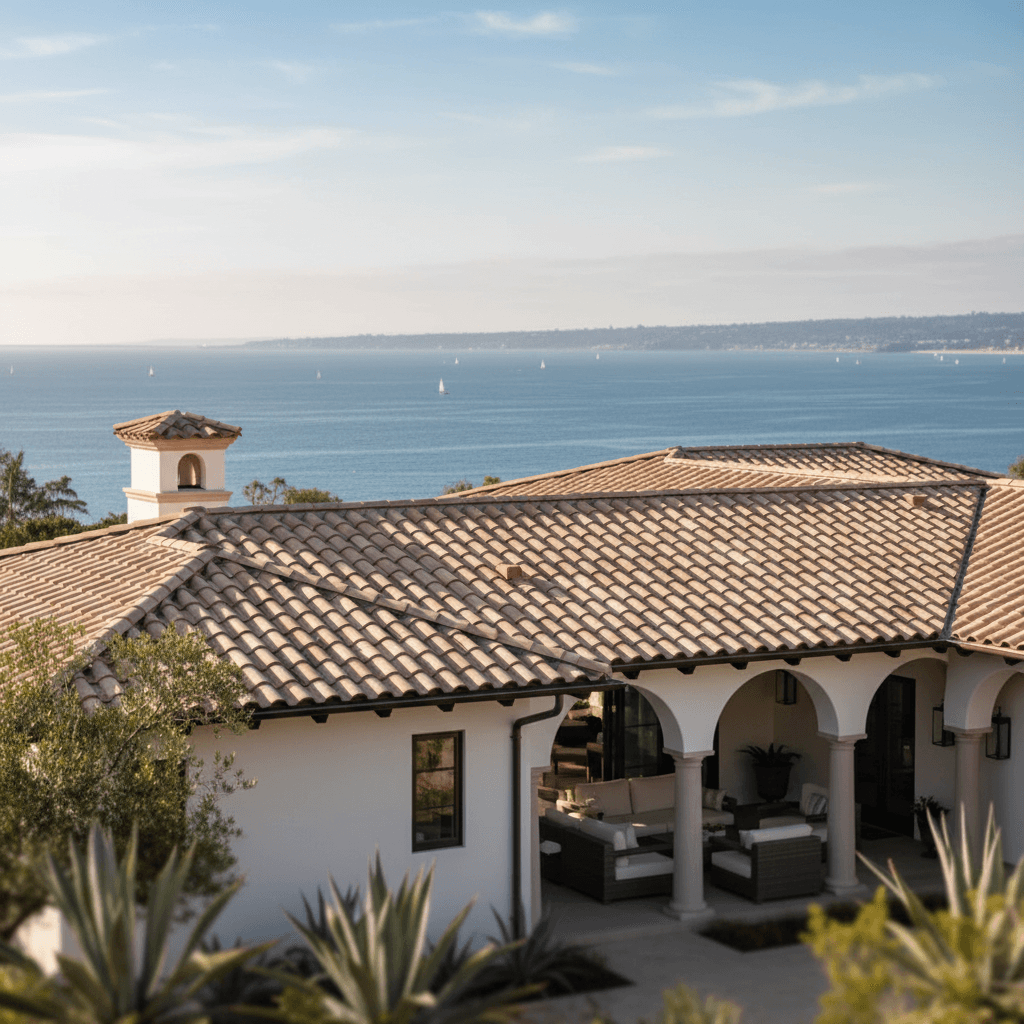
As a homeowner in Long Beach, your roof isn't just a cap on your house; it's the primary shield against the unique environmental challenges of Southern California. From relentless sunshine and coastal salt spray to occasional heavy rains and gusty Santa Ana winds, your roof endures a lot. Making informed decisions about its materials, installation, and maintenance is paramount to protecting your investment, enhancing your home's curb appeal, and ensuring long-term comfort and energy efficiency.
This comprehensive guide from Golden Yards Magazine will walk you through the critical considerations for roofing in Long Beach, offering practical depth and expert advice to help you navigate this essential home improvement project with confidence.
Understanding Long Beach's Unique Climate and Its Impact on Your Roof
Long Beach, nestled along the Pacific coast, experiences a distinct microclimate that profoundly influences roofing performance and longevity. While generally mild and sunny, these specific factors demand careful consideration:
- Intense UV Radiation: The most significant adversary for roofs in Southern California is the sun. Prolonged exposure to ultraviolet (UV) rays accelerates the degradation of most roofing materials, leading to fading, cracking, and loss of protective granules on asphalt shingles. This constant thermal cycling – heating up during the day and cooling down at night – also puts stress on materials, contributing to expansion and contraction that can weaken seams and fasteners over time.
- Coastal Salt Spray: Homes closer to the coastline are subjected to salt-laden air. Salt can be corrosive to certain metal components, such as flashing and fasteners, and can also contribute to the buildup of grime and algae on roofing surfaces, especially in shaded areas.
- Occasional Heavy Rains: While Long Beach is known for its sunshine, it does experience periods of significant rainfall, often concentrated in winter months, sometimes exacerbated by atmospheric rivers. A robust, well-sealed roofing system is crucial to prevent leaks, water damage, and the potential for mold growth within the attic and walls. Proper drainage and gutter systems are equally vital.
- Santa Ana Winds: These powerful, dry, and hot winds, typically occurring in fall and winter, can exert immense uplift pressure on roofs. Weakly installed or aged roofing materials are susceptible to being lifted, torn, or even completely detached during severe wind events, leading to costly damage.
- Mild Winters, Warm Summers: The relatively narrow temperature range compared to inland areas is generally favorable, but the consistent warmth means that heat buildup in attics can be a year-round concern, impacting indoor comfort and energy bills. This underscores the importance of proper ventilation and insulation.
Understanding these climatic pressures is the first step in selecting a roofing system that will not only look good but also perform exceptionally for decades to come.
Choosing the Right Roofing Material for Long Beach Homes
The selection of roofing material is perhaps the most critical decision you'll make. Each option presents a unique balance of durability, aesthetics, cost, and suitability for the Long Beach climate.
Asphalt Shingles
Asphalt shingles remain the most popular roofing material in the U.S., largely due to their affordability and versatility. For Long Beach, however, not all asphalt shingles are created equal.
- Pros:
- Cost-Effective: Generally the lowest upfront cost, making them an attractive option for budget-conscious homeowners.
- Wide Variety: Available in numerous colors and styles, including architectural (laminate) shingles that mimic the look of wood shakes or slate.
- Ease of Installation: Relatively straightforward to install, which can contribute to lower labor costs.
- Fire Resistance: Many asphalt shingles offer good fire resistance ratings, an important consideration in Southern California.
- Cons:
- UV Degradation: Standard asphalt shingles are highly susceptible to UV damage, leading to granule loss, fading, and brittleness over time. This can significantly shorten their lifespan in the intense Long Beach sun.
- Wind Resistance: While modern architectural shingles have improved wind ratings, they can still be vulnerable to uplift during severe Santa Ana wind events if not properly installed.
- Heat Absorption: Darker shingles can absorb a significant amount of solar heat, contributing to higher attic temperatures and increased cooling costs.
- Long Beach Recommendation: If choosing asphalt, invest in architectural (laminate) shingles with a high-quality fiberglass mat and a robust granule coating. Look for shingles specifically designed for high-UV environments, often featuring reflective properties or "cool roof" technology to mitigate heat absorption. A minimum 30-year warranty is advisable, but expect a real-world lifespan closer to 20-25 years in this climate.
Tile Roofing (Clay and Concrete)
Tile roofs are a quintessential Southern California aesthetic, offering exceptional durability and a distinctive look.
- Pros:
- Exceptional Durability: Highly resistant to UV rays, salt spray, and fire. They do not rot, rust, or decay.
- Longevity: With proper installation and maintenance, tile roofs can last 50-100 years or more, making them a true "lifetime" roof.
- Energy Efficiency: The air space created by the tile profile provides natural ventilation, helping to keep the attic cooler. Many tiles are also available in light colors or reflective coatings that meet "cool roof" standards.
- Wind Resistance: When properly installed with appropriate fastening, tile roofs are highly resistant to wind uplift.
- Aesthetics: Offers a classic Mediterranean, Spanish, or modern aesthetic that complements many Long Beach homes.
- Cons:
- High Upfront Cost: Significantly more expensive than asphalt shingles, both in material and installation.
- Weight: Tile is very heavy, often requiring structural reinforcement of the roof deck, which adds to the overall project cost.
- Fragility: While durable, individual tiles can crack or break if walked on improperly or struck by heavy falling debris.
- Maintenance: Requires periodic cleaning to prevent moss/algae growth in shaded areas and inspection for cracked tiles.
- Long Beach Recommendation: An excellent choice for homeowners seeking longevity, energy efficiency, and a classic Southern California look. Ensure your home's structure can support the weight, and choose a reputable installer experienced with tile. Consider concrete tiles for a slightly more budget-friendly option than clay, with similar performance.
Metal Roofing
Metal roofing has gained significant traction for its modern aesthetic, durability, and energy efficiency.
- Pros:
- Extreme Durability & Longevity: Metal roofs can last 40-70 years or more, resisting fire, rot, insects, and mildew.
- Energy Efficiency: Highly reflective, especially lighter colors, significantly reducing heat gain. Many qualify as "cool roofs."
- Wind Resistance: Excellent performance in high winds when properly installed.
- Low Maintenance: Generally requires minimal maintenance beyond occasional cleaning.
- Recyclability: Often made from recycled content and fully recyclable at the end of its life.
- Variety: Available in standing seam panels, metal shingles, or tiles that mimic other materials.
- Cons:
- High Upfront Cost: Comparable to or even exceeding tile in initial investment.
- Noise: Can be noisier during heavy rain or hail, though proper insulation and decking can mitigate this.
- Denting: Susceptible to denting from heavy impacts (e.g., large hail, falling branches), though modern alloys are more resistant.
- Long Beach Recommendation: A superb long-term investment for homeowners prioritizing durability, energy efficiency, and a contemporary aesthetic. Standing seam metal roofs are particularly popular for their sleek lines and robust performance. Ensure the finish is suitable for coastal environments to prevent premature corrosion.
Flat and Low-Slope Roofing
Many modern or mid-century Long Beach homes feature flat or low-slope roofs, requiring specialized materials.
- Pros:
- Modern Aesthetic: Suits specific architectural styles.
- Usable Space: Can be designed for rooftop decks or gardens.
- Cons:
- Drainage Critical: Imperative to have proper slope and drainage to prevent ponding water, which can lead to leaks and premature material failure.
- UV Exposure: Materials are directly exposed to the sun, requiring highly durable and reflective surfaces.
- Long Beach Recommendation:
- TPO (Thermoplastic Polyolefin): A popular single-ply membrane known for its durability, energy efficiency (often white and highly reflective), and resistance to UV and chemicals. Excellent for "cool roof" compliance.
- PVC (Polyvinyl Chloride): Similar to TPO, offering superior chemical resistance and flexibility, though typically at a higher cost.
- Modified Bitumen: A more traditional option, often installed in multiple layers, offering good durability and puncture resistance. Can be surfaced with reflective granules.
- Built-Up Roofing (BUR): A multi-layer system of asphalt and reinforcing fabrics, topped with gravel or a reflective coating. Very durable but can be heavy and labor-intensive.
For flat roofs, meticulous installation, proper flashing, and a robust drainage plan are non-negotiable.
Beyond Materials: Essential Roofing Features for Southern California
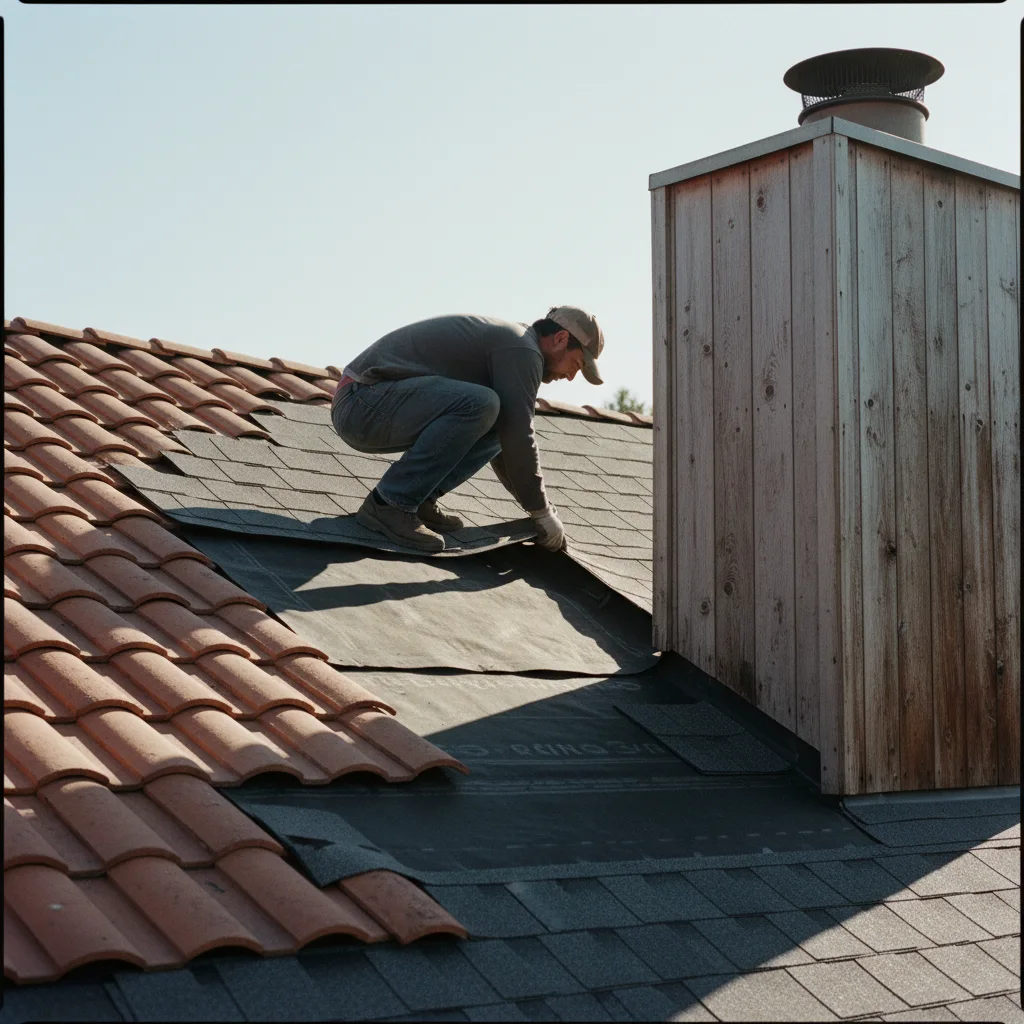
A durable roofing material is only one piece of the puzzle. Several other components and considerations are vital for a high-performing roof in Long Beach.
Cool Roof Technology and Title 24 Compliance
California's Title 24 Building Energy Efficiency Standards mandate "cool roof" requirements for many new and re-roofing projects. A cool roof is designed to reflect more sunlight and absorb less heat than a standard roof.
- Benefits:
- Reduced Energy Bills: Lower attic temperatures mean less demand on your air conditioning system.
- Improved Indoor Comfort: A cooler attic translates to a cooler living space.
- Extended Roof Lifespan: Reduced thermal stress on roofing materials.
- Reduced Urban Heat Island Effect: Contributes to cooler ambient temperatures in urban areas.
- How to Comply: Choose roofing materials with high Solar Reflectance Index (SRI) values. Many asphalt shingles, tiles, and metal roofs are now manufactured to meet these standards. Your roofing contractor should be well-versed in Title 24 requirements and help you select compliant materials.
Proper Attic Ventilation
Effective attic ventilation is crucial for managing heat and moisture, especially in Long Beach's climate.
- Heat Management: Vents allow hot air to escape the attic, preventing heat buildup that can radiate into your living space and prematurely age your roofing materials.
- Moisture Control: Prevents condensation, which can lead to mold, mildew, and rot in the attic structure.
- Types: Common ventilation systems include continuous ridge vents combined with soffit vents, gable vents, and static or powered roof vents. A balanced system with adequate intake and exhaust is key.
Robust Underlayment and Flashing
These often-overlooked components are critical for waterproofing.
- Underlayment: A protective layer installed directly on the roof deck before the final roofing material. Modern synthetic underlayments offer superior tear strength, water resistance, and UV protection compared to traditional felt paper. Ice and water shield membranes are particularly important in valleys, around chimneys, and at eaves to prevent water penetration in vulnerable areas.
- Flashing: Metal strips (typically galvanized steel, copper, or aluminum) installed at critical junctures like chimneys, skylights, vents, and wall intersections. Flashing diverts water away from these penetration points, preventing leaks. Proper installation and sealing of flashing are paramount.
Gutters and Downspouts
While not strictly part of the roof, a well-maintained gutter system is essential for managing rainwater runoff. Clogged or improperly sloped gutters can lead to water overflowing onto fascia boards, siding, and foundations, causing significant damage over time. Consider seamless aluminum gutters for durability and minimal leaks, and ensure downspouts direct water away from the home's foundation.
The Roofing Project Lifecycle: Planning, Permits, and Professional Selection
Ready to compare vetted project options?
Use Project Match privately when your scope is clear enough for contractor conversations.
Start Project MatchSee what your roof replacement actually costs in 4 questions.
We pull cost ranges from invoiced California roofer projects, then narrow them to your scope, ZIP, and finish level. No first-call sticker shock.
Find a vetted rooferFree. Takes under 2 minutes. No email required to see your range.
Undertaking a re-roofing project requires meticulous planning, understanding local regulations, and selecting the right professionals.
Initial Assessment and Budgeting
Start with a thorough inspection of your existing roof. Look for signs of wear, damage, or leaks. Obtain multiple quotes from reputable roofing contractors. A comprehensive quote should detail:
- Material Costs: Specific type, brand, and quantity of roofing material.
- Labor Costs: Installation, tear-off of old roof, disposal.
- Underlayment and Accessories: Flashing, vents, pipe boots, fasteners.
- Permit Fees: Clearly stated.
- Warranty Information: Both manufacturer and labor warranties.
- Contingency: It's wise to budget an additional 10-15% for unforeseen issues, such as damaged decking discovered after tear-off.
Navigating Permits and HOAs in Long Beach
Permits: Any significant roofing work, including a full re-roof or even extensive repairs, typically requires a permit from the Long Beach Development Services (Building and Safety Bureau). This ensures that the work complies with local building codes, including structural requirements, fire safety, and California's Title 24 energy efficiency standards.
- Process: Your chosen roofing contractor should be responsible for pulling the necessary permits. They will submit plans and specifications to the city.
- Inspections: Expect at least two inspections: a "sheathing inspection" (after the old roof is removed and any deck repairs are made, but before new roofing material is installed) and a "final inspection" (after the new roof is complete). Do not allow your contractor to cover the roof deck before the sheathing inspection is passed.
- Consequences of No Permit: Performing work without a permit can lead to fines, stop-work orders, difficulty selling your home, and potential issues with insurance claims.
Homeowners' Associations (HOAs): Many communities in Long Beach, especially those with shared walls, condos, or planned developments, are governed by HOAs. If your home is part of an HOA, you must consult their architectural review board before starting any exterior project, including roofing.
- Review Process: HOAs often have strict guidelines regarding roofing materials, colors, profiles, and even specific manufacturers to maintain aesthetic consistency within the community.
- Approval: Obtain written approval from your HOA before applying for a city permit or starting work. Failure to do so can result in fines, demands to remove or replace the roof, and legal action.
Selecting a Qualified Roofing Contractor
This is arguably the most critical step. A quality roof is only as good as its installation.
- Licensing: Verify the contractor's license with the California Contractors State License Board (CSLB) at cslb.ca.gov. Ensure they hold a C-39 Roofing Contractor license and that it's active and in good standing.
- Insurance: Demand proof of both General Liability insurance (to cover damage to your property or a neighbor's) and Workers' Compensation insurance (to protect you from liability if a worker is injured on your property).
- Experience: Choose a contractor with extensive experience specifically in Long Beach and Southern California, familiar with local codes, climate challenges, and HOA requirements. Ask for references from recent local projects.
- Warranties: Understand both the manufacturer's warranty (covering material defects) and the contractor's labor warranty (covering installation defects). A reputable contractor will offer a solid labor warranty, typically 5-10 years.
- Contract: Insist on a detailed, written contract outlining all aspects of the project, including materials, scope of work, payment schedule, cleanup, and warranty information. Never pay the full amount upfront. A reasonable deposit (often 10% or $1,000, whichever is less, per CSLB guidelines) is standard.
Cost Considerations and Maximizing Your Roofing Investment
Roofing is a significant investment, and understanding the cost factors will help you budget effectively and make prudent choices.
Factors Influencing Cost
- Material Choice: As discussed, asphalt is generally the least expensive, followed by modified bitumen/TPO for flat roofs, then metal, and finally tile as the most premium option.
- Roof Size and Pitch: Larger roofs require more materials and labor. Steeper pitches increase labor difficulty and safety requirements, thus increasing costs.
- Complexity: Features like multiple valleys, dormers, skylights, chimneys, and intricate rooflines add to labor time and material waste.
- Existing Roof Removal (Tear-Off): Removing an old roof adds labor and disposal costs. If there are multiple layers, it will be more expensive.
- Decking Repair/Replacement: Discovering rotten or damaged plywood decking after tear-off is common, especially on older homes. This will be an additional cost.
- Accessibility: Difficult access to the roof (e.g., steep terrain, limited space for equipment) can increase labor costs.
- Underlayment and Accessories: Upgrading to synthetic underlayments, specialized flashing, or advanced ventilation systems will add to the overall cost but often provide superior protection.
- Permit Fees: These are typically a few hundred dollars in Long Beach, depending on the project's scope.
- Contractor Overhead: Reputable, insured, and licensed contractors will have higher overheads than unlicensed operators, but they offer peace of mind and quality assurance.
Long-Term Value and ROI
While upfront costs vary widely, consider the long-term value:
- Lifespan: A more expensive material like tile or metal, with a 50+ year lifespan, can be more cost-effective over the long run than replacing asphalt shingles every 20-25 years.
- Energy Savings: Cool roofs and proper insulation/ventilation can significantly reduce your utility bills, providing ongoing savings.
- Home Value: A new, high-quality roof enhances curb appeal and is a major selling point, often recouping a significant portion of its cost at resale.
- Reduced Maintenance: Durable materials like metal or tile generally require less frequent and less intensive maintenance than asphalt.
Financing Your Roofing Project
- Home Equity Line of Credit (HELOC) or Loan: Often offers competitive interest rates, leveraging your home's equity.
- Contractor Financing: Many roofing companies partner with lenders to offer financing options, sometimes with promotional interest rates.
- FHA Title I Loans: Government-backed loans for home improvements, regardless of home equity, though there are loan limits.
- PACE Programs (Property Assessed Clean Energy): While less common for general roofing, if your new roof qualifies as an energy-efficient upgrade (e.g., a cool roof), you might explore PACE programs available in Long Beach. These allow you to finance improvements through an assessment on your property tax bill. Research carefully, as PACE programs have specific terms and implications.
Maintenance and Longevity: Protecting Your Long Beach Roof
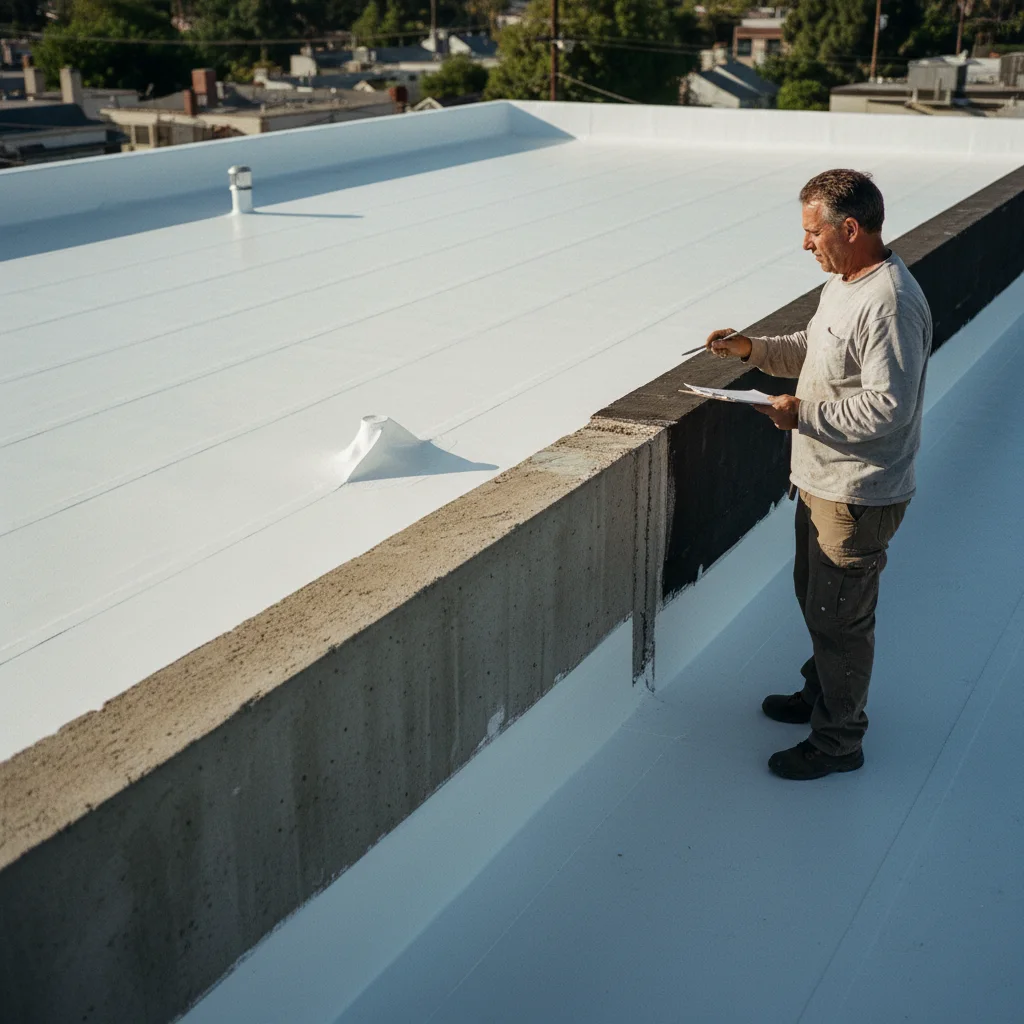
Once your new roof is installed, proactive maintenance is key to maximizing its lifespan and protecting your investment.
Regular Inspections
- Annual Check-ups: Perform a visual inspection from the ground or with binoculars at least once a year, ideally in late fall after the Santa Ana winds and before winter rains, and again in spring.
- What to Look For:
- Missing, Cracked, or Curled Shingles/Tiles: Address immediately.
- Granule Loss: For asphalt shingles, excessive granule loss indicates aging.
- Rust or Corrosion: On metal flashing, vents, or fasteners.
- Loose or Damaged Flashing: Especially around chimneys, skylights, and vents.
- Clogged Gutters and Downspouts: Clear debris to ensure proper drainage.
- Moss, Algae, or Mildew Growth: Common in shaded, damp areas.
- Debris: Leaves, branches, and especially palm fronds can accumulate and trap moisture.
- Sagging: Any visible sagging in the roofline could indicate structural issues.
Cleaning and Debris Removal
- Clear Debris: Regularly remove leaves, branches, and other debris, especially from valleys and gutters. Palm fronds are particularly notorious for accumulating on Long Beach roofs.
- Moss/Algae Treatment: If moss or algae appears, particularly on tile or asphalt in shaded areas, use appropriate roof cleaning solutions (often oxygen bleach-based) to kill and remove it. Avoid harsh pressure washing, which can damage roofing materials.
- Gutter Cleaning: Keep gutters free of debris to prevent blockages and water overflow. Consider gutter guards to reduce the frequency of cleaning.
Addressing Minor Repairs Promptly
Don't let small issues escalate. A single missing shingle or a tiny crack in a tile can lead to significant water damage if left unaddressed. Contact your roofing contractor for repairs as soon as you notice a problem. Prompt action can save you thousands in the long run.
Professional Inspections
Consider a professional roof inspection every 3-5 years, especially as your roof ages. A professional can identify subtle issues that might be missed during a homeowner's visual check and provide expert recommendations for maintenance or repair.
By understanding the unique demands of the Long Beach climate, selecting appropriate materials, adhering to local regulations, choosing a skilled contractor, and committing to regular maintenance, you can ensure your roof provides decades of reliable protection and enhances the beauty and value of your home.
Frequently Asked Questions About Long Beach Roofing
Get 3 roofer bids in 48 hours.
Our editors already screened California roofers. Answer 4 questions; we send 3 written bids inside 48 hours, with the real price for your scope, not their inflated first-call number.
Send my 3 bidsFree. No commission. If a match doesn't fit, we'll send another.
Q1: How long does a typical roof replacement take in Long Beach?
A1: The duration of a roof replacement project in Long Beach varies depending on the roof's size, complexity, material chosen, and weather conditions. For an average-sized home (1,500-2,500 sq ft) with asphalt shingles, it typically takes 3-7 days. Tile or metal roofs, due to their weight and specialized installation, can take 1-3 weeks. Your contractor should provide a detailed timeline.
Q2: Do I need to replace my roof if it's only leaking in one spot?
A2: Not necessarily. A single leak can often be repaired by addressing damaged flashing, a cracked tile, or a localized issue. However, if your roof is old (e.g., asphalt shingles over 20 years old) and showing widespread signs of wear, a single leak might be an indicator of overall deterioration, suggesting that a full replacement is a more prudent long-term solution. A professional inspection can determine the extent of the problem.
Q3: What are the "cool roof" requirements for Long Beach homes?
A3: Long Beach adheres to California's Title 24 Building Energy Efficiency Standards, which include "cool roof" requirements for many re-roofing projects. This means your new roofing material must meet specific solar reflectance and thermal emittance values to reduce heat absorption. Your roofing contractor should be knowledgeable about these standards and help you select compliant materials.
Q4: How often should I have my Long Beach roof professionally inspected?
A4: While annual visual inspections by the homeowner are recommended, a professional roof inspection every 3-5 years is advisable, especially for roofs over 10 years old. After any severe weather event (e.g., heavy winds, prolonged rain), a professional inspection is also highly recommended to check for hidden damage.
Q5: Can I install a new roof over my old one in Long Beach?
A5: In some cases, a "re-cover" (installing a new layer of shingles over an existing one) is permitted, but typically only if there is currently only one layer of roofing and the existing deck is in excellent condition. Long Beach building codes and best practices generally recommend a "tear-off" (removing the old roof entirely) to allow for a thorough inspection of the roof deck, address any underlying damage, and ensure proper installation of the new roofing system. This also ensures the new roof's warranty remains valid.
Sources & Methodology
See the Golden Yards Methodology for how sources are reviewed, ranges are normalized, and planning-data limits are handled.
Cost ranges, regulatory references, and design guidance in this article draw on the following public datasets, industry standards, and Renology editorial research.
- Cool Roof Rating Council (CRRC), Title 24 Part 6 cool-roof product directory
- California Energy Code (Title 24 Part 6), cool-roof requirements
- National Roofing Contractors Association (NRCA), Roofing Manual
- California Contractors State License Board (CSLB), C-39 Roofing Contractor scope
- Renology editorial methodology, invoiced California roofing projects, 2025–2026
Ready to start your roofing project?
Find My ProsFrequently Asked Questions
Q1: How long does a typical roof replacement take in Long Beach?
In Long Beach, a roof replacement on an average-sized home of 1,500-2,500 sq ft using asphalt shingles typically takes 3-7 days. For roofs with tile or metal, the timeline can extend to 1-3 weeks. The project's duration is influenced by the roof's size, complexity, material, and local weather conditions.
The provided timelines are general estimates. For a standard Long Beach home between 1,500 and 2,500 square feet, an asphalt shingle installation is a relatively quick process, usually completed in 3 to 7 days. However, materials like tile or metal are heavier and require more specialized installation methods, which is why these projects can take from 1 to 3 weeks. Factors such as roof complexity and weather can also cause delays. Your contractor can provide a more precise and detailed timeline based on your specific circumstances.
Q2: Do I need to replace my roof if it's only leaking in one spot?
Not necessarily. A single leak can often be repaired by fixing a localized issue like damaged flashing or a cracked tile. However, if your roof is old, such as asphalt shingles over 20 years old, one leak may indicate widespread deterioration, making a full replacement a more prudent long-term solution.
The decision to repair or replace depends on the roof's overall condition, not just one leak. For an older roof, like asphalt shingles over 20 years old showing widespread wear, a single leak often signals that the entire system is failing. Patching one spot may only be a temporary fix before another leak appears elsewhere.
A professional inspection is the best way to determine the true extent of the problem. An inspector can identify if the leak is an isolated issue or a symptom of systemic deterioration, helping you choose the most cost-effective and durable solution for your home.
Q3: What are the "cool roof" requirements for Long Beach homes?
Long Beach homes must follow California's Title 24 Building Energy Efficiency Standards for cool roofs on many re-roofing projects. These rules require materials with specific solar reflectance and thermal emittance values to reduce heat absorption. Your roofing contractor can help you choose compliant materials for your project.
The city of Long Beach adheres to the state-level requirements set by California's Title 24 Building Energy Efficiency Standards. This means that for many re-roofing projects, the city enforces the state code, which includes provisions for cool roofs to improve energy efficiency in buildings.
The purpose of these standards is to lower heat absorption. A cool roof must meet specific values for solar reflectance, which measures how much sunlight is reflected, and thermal emittance, which measures how well the roof radiates heat away. A qualified roofing contractor should be familiar with these Title 24 requirements.
Q4: How often should I have my Long Beach roof professionally inspected?
A professional roof inspection is recommended every 3-5 years, especially for roofs over 10 years old. While homeowners should perform their own visual checks annually, it is highly advisable to get a professional inspection after any severe weather event, such as heavy winds or prolonged rain, to check for hidden damage.
While your own annual visual check is a good practice, it does not replace a professional assessment. The general guideline is to have a professional inspect the roof every 3 to 5 years. This frequency is particularly important for older systems, specifically those over 10 years of age, which are more vulnerable to deterioration.
Beyond routine checks, an inspection is critical after severe weather. Events with heavy winds or long periods of rain can cause subtle damage that is not immediately obvious to a homeowner. A professional can identify these hidden issues before they develop into more significant and costly problems.
Q5: Can I install a new roof over my old one in Long Beach?
Yes, in some cases you can install a new roof over an old one in Long Beach, a process called a “re-cover.” This is typically permitted only if there is just one existing layer of roofing and the deck is in excellent condition. However, Long Beach building codes generally recommend a full “tear-off.”
Although a re-cover is sometimes an option, best practices and Long Beach building codes favor a complete “tear-off,” which is the full removal of the old roof. This approach is recommended because it allows for a thorough inspection of the roof deck. Any underlying damage, like rot or weak spots, can be addressed before the new system is installed.
Performing a tear-off ensures the new roofing is installed on a sound surface, which is critical for its long-term performance. This step is also often necessary to ensure the manufacturer’s warranty for your new roof remains valid, protecting your investment.