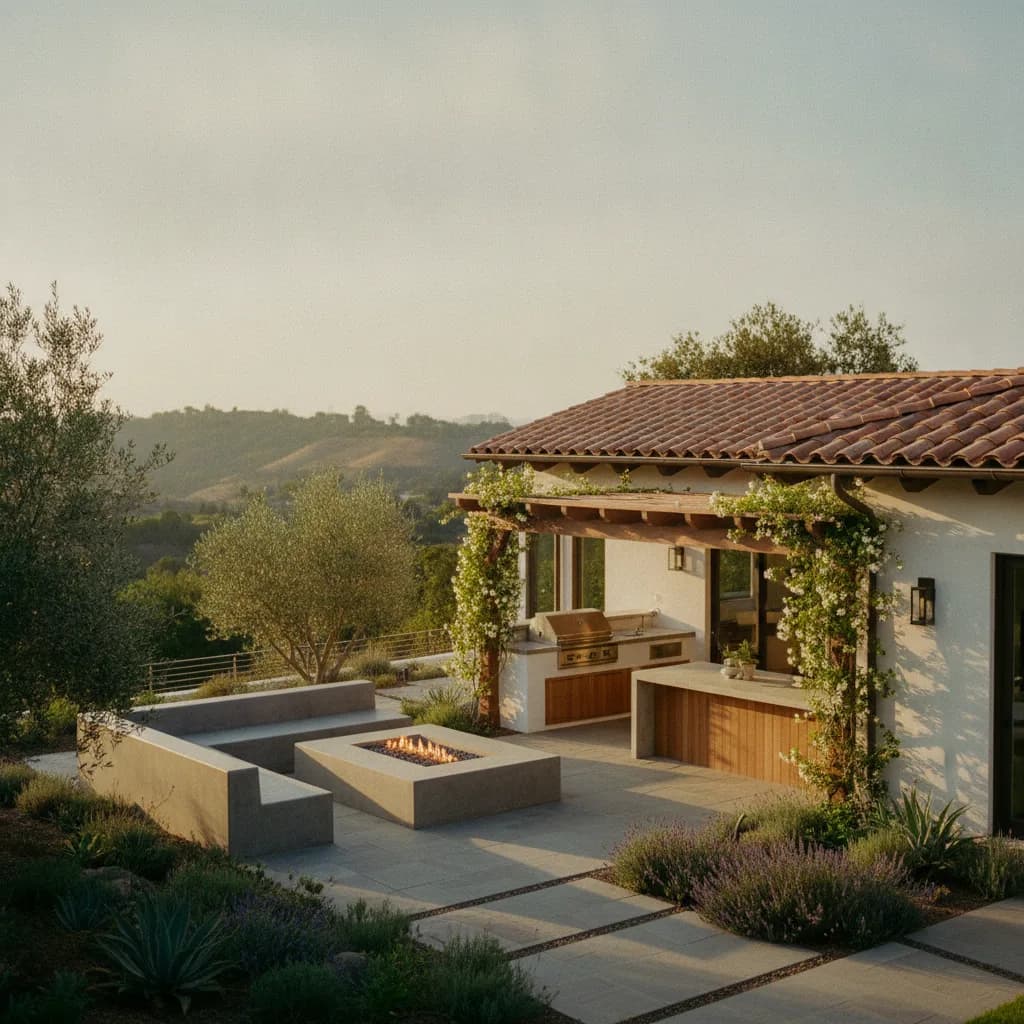
As a homeowner in Los Angeles, your roof is more than just a cover; it's a critical shield against the relentless Southern California sun, the occasional heavy downpour, and the ever-present threat of wildfires. It's an integral part of your home's energy efficiency, curb appeal, and long-term structural integrity. Choosing the right roofing system for your LA property isn't just about aesthetics or initial cost; it's about making a climate-smart investment that will protect your home, save on energy bills, and comply with local regulations for decades to come.
At Golden Yards Magazine, we understand that navigating the world of roofing can feel overwhelming. This comprehensive guide is designed to equip you with the knowledge you need to make informed decisions about materials, understand the true costs involved, and ensure your new roof is perfectly suited to the unique demands of the Los Angeles environment. From the iconic Spanish tile roofs of Hollywood Hills to the sleek, energy-efficient metal roofs of modern Silver Lake homes, we'll explore the options that blend durability, beauty, and performance.
The Unique Roofing Challenges and Opportunities in Los Angeles
Los Angeles presents a distinct set of environmental factors that heavily influence roofing choices. Understanding these challenges and opportunities is the first step toward a successful roofing project.
Intense Solar Radiation and Heat: Southern California is famous for its sunshine, which, while beautiful, subjects roofs to extreme UV exposure and high temperatures for much of the year. This constant thermal stress can degrade many materials rapidly, leading to cracking, fading, and reduced lifespan. The primary opportunity here is to select materials and systems designed to reflect sunlight and reduce heat absorption, significantly impacting your home's interior temperature and air conditioning costs.
Wildland-Urban Interface (WUI) Fire Risk: Many desirable neighborhoods in Los Angeles, particularly those nestled in the hillsides from the Pacific Palisades to the San Gabriel Mountains, are designated as Wildland-Urban Interface (WUI) zones. This means they are at a higher risk of wildfire. For homes in these areas, fire-resistant roofing materials are not just recommended; they are often legally mandated by local building codes and insurance providers. Choosing materials with a Class A fire rating is paramount for safety and compliance.
Occasional Heavy Rains and Santa Ana Winds: While LA is known for its dry climate, winter can bring intense, short-duration rainstorms. A robust, properly installed roof is essential to prevent leaks and water damage. Furthermore, the notorious Santa Ana winds can exert significant uplift pressure on roofs, especially those with exposed edges or loose components. Materials and installation methods must be chosen to withstand these powerful gusts.
Energy Efficiency and Title 24 Compliance: California is a leader in energy efficiency, and its building codes, particularly Title 24, mandate "cool roof" technologies for many new construction and re-roofing projects. Cool roofs are designed to reflect more sunlight and absorb less heat than traditional roofs, reducing the urban heat island effect and lowering indoor temperatures. This translates directly into lower energy consumption for cooling your home, offering both environmental and financial benefits.
Aesthetic Considerations and Architectural Harmony: Los Angeles boasts a diverse architectural landscape, from Spanish Colonial Revival and Mediterranean to Mid-Century Modern and Craftsman. Your roof plays a significant role in maintaining or enhancing your home's aesthetic appeal and property value. Selecting a material that complements your home's style and your neighborhood's character is crucial, often requiring careful consideration of color, texture, and profile.
Decoding Roofing Materials: Performance and Aesthetics for LA Homes
The market offers a wide array of roofing materials, each with its own set of advantages and disadvantages for the Los Angeles climate.
Asphalt Shingles: Versatility with Modern Upgrades
Asphalt shingles remain the most popular roofing material in the U.S. due to their affordability and versatility. For LA homeowners, however, standard asphalt shingles may not be the optimal choice without specific upgrades.
- Pros: Relatively inexpensive, wide range of colors and styles, easy to install, readily available.
- Cons: Traditional shingles can absorb significant heat, leading to higher attic temperatures and shorter lifespans under intense LA sun. They are also less durable than other options against extreme weather.
- LA-Smart Choice: Opt for cool roof rated asphalt shingles. These are specially manufactured with reflective granules that meet Title 24 requirements, significantly reducing heat absorption. Look for "Cool Roof Rated" or "Energy Star" labels. Architectural or dimensional shingles offer a more robust, multi-layered construction and a more appealing aesthetic than 3-tab shingles, providing better wind resistance and a longer warranty.
- Fire Rating: Most asphalt shingles offer a Class A fire rating, making them suitable for WUI zones when properly installed.
- Lifespan: 15-30 years for cool roof architectural shingles.
Clay and Concrete Tiles: The Quintessential LA Look
Iconic to Southern California, clay and concrete tiles evoke a classic Mediterranean or Spanish Colonial aesthetic. They are incredibly durable and perform exceptionally well in the LA climate.
- Pros: Excellent heat reflection and insulation properties (due to air circulation beneath the tiles), superb fire resistance (Class A), extremely long lifespan, highly resistant to UV degradation, low maintenance.
- Cons: Heavy (may require structural reinforcement), higher initial cost, more complex installation, can be brittle and crack if walked on improperly.
- LA-Smart Choice: Both clay and concrete tiles are inherently cool roof materials due to their mass and the air space they create. They are ideal for homes in WUI zones due to their non-combustible nature. Concrete tiles offer a more budget-friendly alternative to natural clay while mimicking its appearance and performance. Consider lightweight concrete tiles if structural reinforcement is a concern.
- Fire Rating: Inherently Class A.
- Lifespan: 50-100+ years.
Metal Roofing: Modern Durability and Energy Efficiency
Metal roofing, once primarily seen on commercial buildings, has gained significant traction in residential applications, particularly for its modern aesthetic and outstanding performance.
- Pros: Exceptional durability, very long lifespan, excellent fire resistance (Class A), highly reflective (naturally a cool roof material), lightweight, available in various styles (standing seam, corrugated, metal shingles/tiles), resistant to high winds, low maintenance.
- Cons: Higher initial cost than asphalt, can be noisy during heavy rain or hail (though modern installations mitigate this), some styles can dent.
- LA-Smart Choice: Metal roofs are a top-tier choice for LA. Their reflective properties make them inherently cool roofs, often exceeding Title 24 requirements. They are non-combustible, making them ideal for WUI zones. Standing seam metal roofs offer a sleek, contemporary look and superior watertightness. Metal shingles can mimic the look of traditional tiles or shakes without the weight or fire risk.
- Fire Rating: Inherently Class A.
- Lifespan: 40-70+ years.
Cool Roof Technologies: Beyond the Material
While some materials are inherently cool, "cool roof" refers to a system's ability to reflect solar radiation and emit absorbed heat. This is crucial for LA homes.
- Solar Reflectance Index (SRI): This metric combines solar reflectance (how much sun is reflected) and thermal emittance (how much heat is released). Higher SRI values indicate a cooler roof. Title 24 sets minimum SRI requirements for various roof types.
- Coatings: Existing roofs can sometimes be coated with reflective, elastomeric coatings to improve their cool roof performance, extending their life and reducing heat gain. This is a temporary solution but can be effective.
- Ventilation: Proper attic ventilation works in conjunction with cool roof materials to dissipate any heat that does penetrate, further reducing attic temperatures and improving overall energy efficiency.
Other Options: Considerations and Caveats
- Wood Shakes/Shingles: While aesthetically pleasing, wood roofs are generally not recommended in Los Angeles due to their poor fire resistance, especially in WUI zones. Many areas prohibit their use entirely.
- Synthetic/Composite Roofing: These materials are engineered to mimic the look of wood shakes, slate, or tile but offer superior durability, fire resistance (often Class A), and cool roof properties. They are lightweight and can be an excellent compromise for aesthetics and performance.
- Flat/Low-Slope Roofs: Common on Mid-Century Modern homes, these typically use modified bitumen, TPO (Thermoplastic Polyolefin), or PVC membranes. TPO and PVC are excellent cool roof choices, offering high reflectivity and durability.
Understanding the Investment: Roofing Costs in Los Angeles
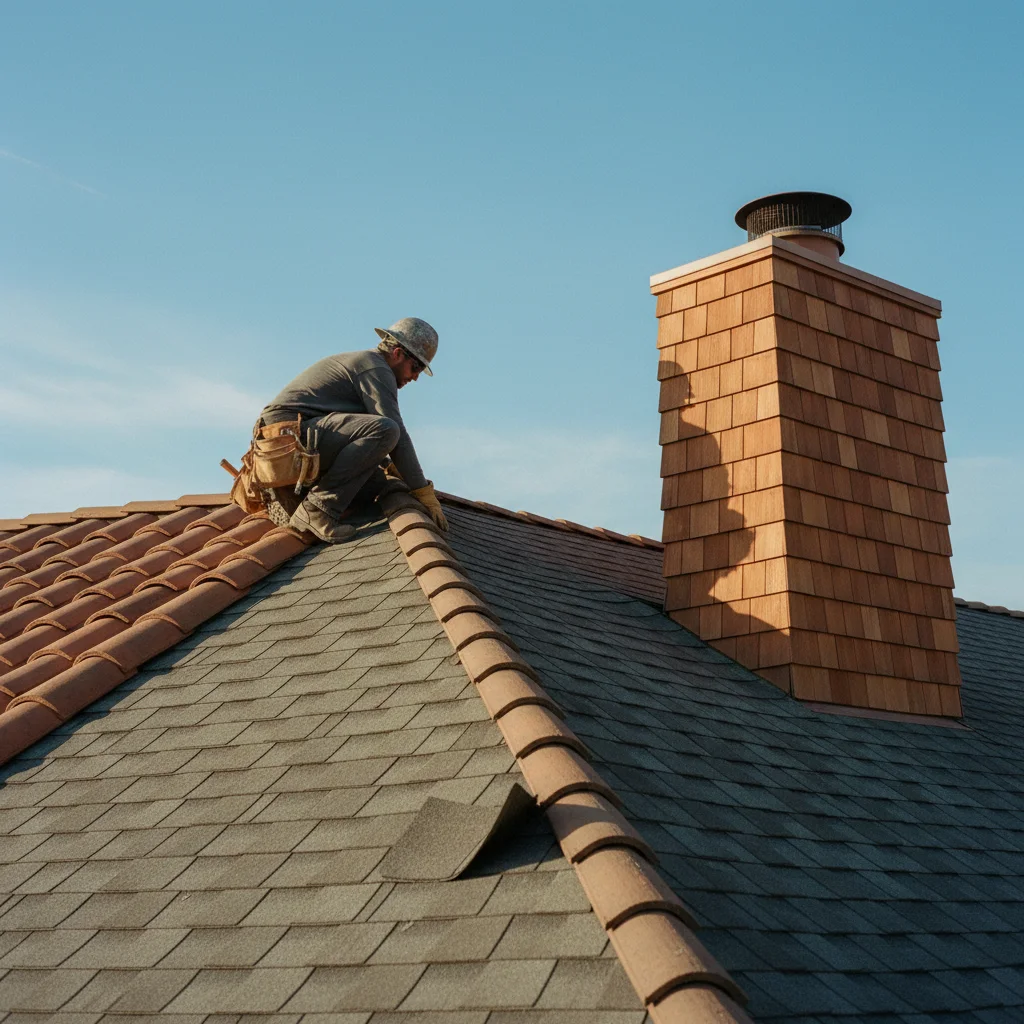
The cost of a new roof in Los Angeles can vary dramatically based on several factors. It's an investment, and understanding the breakdown will help you budget effectively.
Key Factors Influencing Cost:
- Material Choice: This is the most significant factor. Asphalt shingles are generally the least expensive, followed by concrete tile, metal, and then natural clay or slate. Cool roof versions of any material may carry a slight premium.
- Roof Size and Pitch: Larger roofs naturally cost more. Steeply pitched roofs require more labor, specialized equipment, and safety measures, increasing costs.
- Old Roof Removal: Tearing off existing layers adds to labor and disposal costs. If multiple layers are present, this cost increases.
- Structural Reinforcement: Heavy materials like clay or concrete tile may necessitate structural upgrades to your home's framing, adding significant expense.
- Complexity: Roofs with multiple valleys, dormers, skylights, chimneys, or intricate designs require more time and skill, driving up labor costs.
- Permits and Fees: Los Angeles Department of Building and Safety (LADBS) permits are mandatory and come with associated fees.
- Underlayment and Flashing: High-quality underlayment, ice and water shield, and durable flashing around penetrations are crucial for longevity and leak prevention, adding to material costs.
- Contractor's Overhead and Profit: Reputable, licensed, and insured contractors will have higher overheads but offer peace of mind and warranty protection.
- Location within LA: Costs can vary slightly depending on the specific neighborhood due to differing labor rates, accessibility, and local regulations.
Typical Cost Ranges (Per Square Foot, Installed, including tear-off):
- Cool Roof Rated Asphalt Shingles: $5.00 - $9.00 per square foot
- Concrete Tile: $8.00 - $15.00 per square foot
- Metal Roofing (Standing Seam/Shingles): $10.00 - $20.00+ per square foot
- Clay Tile (Natural): $12.00 - $25.00+ per square foot
- TPO/PVC (Flat Roofs): $7.00 - $12.00 per square foot
- Synthetic/Composite Materials: $10.00 - $20.00+ per square foot
Note: These are general estimates for 2024 in the LA area and can fluctuate. Always get multiple detailed bids.
Long-Term Value and ROI
While initial costs are important, consider the long-term value. A more expensive, durable, and energy-efficient roof can offer:
- Lower Energy Bills: Significant savings on cooling costs due to cool roof properties.
- Extended Lifespan: Less frequent replacement, saving money over decades.
- Increased Home Value: A new, high-quality roof is a major selling point.
- Reduced Maintenance: Durable materials require less upkeep.
- Peace of Mind: Protection against leaks, fire, and weather damage.
Navigating the Process: Planning Your LA Roofing Project
Ready to compare vetted project options?
Use Project Match privately when your scope is clear enough for contractor conversations.
Start Project MatchSee what your roof replacement actually costs in 4 questions.
We pull cost ranges from invoiced California roofer projects, then narrow them to your scope, ZIP, and finish level. No first-call sticker shock.
Find a vetted rooferFree. Takes under 2 minutes. No email required to see your range.
A successful roofing project begins with thorough planning.
1. Finding a Reputable Contractor: Your Most Important Decision
- Licensing and Insurance: Verify the contractor holds a valid C-39 roofing license from the California Contractors State License Board (CSLB). Crucially, ensure they have general liability insurance and workers' compensation insurance. Ask for proof and call their insurance provider to verify coverage.
- Experience: Look for contractors with extensive experience specifically in Los Angeles, familiar with local codes, WUI requirements, and Title 24.
- References and Reviews: Ask for at least three recent local references and check online reviews (Yelp, Google, Angie's List, BBB). Don't just read reviews; call the references and ask about communication, project management, cleanup, and warranty follow-up.
- Manufacturer Certifications: Many manufacturers offer certifications to contractors who meet specific training and installation standards. This can lead to extended warranties.
- Communication: Choose a contractor who communicates clearly, promptly, and professionally.
2. Getting Multiple Bids
Obtain at least three detailed bids from different contractors. Ensure each bid includes:
- Specific Materials: Brand, type, color, and cool roof rating of all components (shingles, underlayment, flashing, vents).
- Scope of Work: Tear-off details, disposal, repairs to decking, ventilation upgrades, chimney flashing, skylight work.
- Warranty Information: Both manufacturer's warranty and the contractor's workmanship warranty.
- Payment Schedule: Typically, a down payment, progress payments, and a final payment upon completion and satisfaction.
- Timeline: Estimated start and completion dates.
3. Understanding the Contract
Read the contract carefully. It should be comprehensive and clearly outline everything discussed. Do not sign anything you don't fully understand. Ensure it includes:
- All items from the detailed bid.
- Proof of insurance and licensing.
- A lien waiver clause to protect you from subcontractors placing liens on your property if the main contractor fails to pay them.
- A clear dispute resolution process.
4. Timeline Expectations
A typical residential roof replacement in Los Angeles can take anywhere from a few days to two weeks, depending on the roof's size, complexity, material choice, and weather conditions. Factor in additional time for permit approval and material delivery.
Permits, HOAs, and Regulations: What LA Homeowners Need to Know
Navigating the regulatory landscape is a critical, non-negotiable step for any roofing project in Los Angeles.
City of Los Angeles Department of Building and Safety (LADBS) Permits
- Mandatory: A permit from LADBS is required for almost all roof replacement or significant repair projects. This ensures the work meets safety and structural standards.
- Application Process: Your contractor should handle the permit application, but you should verify it has been pulled before work begins.
- Inspections: LADBS will conduct inspections during and after the project to ensure compliance. Do not make the final payment until the final inspection has passed.
California Title 24 Energy Code Compliance (Cool Roofs)
- Requirement: For most residential re-roofing projects in Los Angeles, you will need to install a "cool roof" that meets specific Solar Reflectance Index (SRI) values as mandated by Title 24, Part 6.
- Verification: Your contractor must specify the SRI of the chosen roofing material on the permit application.
- Benefits: Compliance not only meets legal requirements but also significantly reduces your home's energy consumption and contributes to mitigating the urban heat island effect.
Wildland-Urban Interface (WUI) Zone Requirements
- Increased Scrutiny: If your home is in a WUI zone (check the City of LA's Fire Department maps), you will face stricter requirements for fire-resistant materials.
- Class A Fire Rating: Materials with a Class A fire rating are typically mandatory. This includes most metal roofs, clay/concrete tiles, and specially rated asphalt or synthetic shingles.
- Installation Standards: Specific installation methods may also be required to enhance fire resistance, such as non-combustible sheathing or specific flashing details.
Homeowners Association (HOA) Approvals
- Architectural Review: If your home is part of an HOA, you will almost certainly need to submit your roofing plans for architectural review and approval before applying for city permits or starting work.
- Guidelines: HOAs often have strict guidelines regarding roofing materials, colors, and styles to maintain neighborhood uniformity. Failure to obtain HOA approval can lead to fines or forced removal of the new roof.
- Timeline: Factor in the HOA approval process, which can add several weeks to your project timeline.
Execution and Beyond: Ensuring a Lasting Roof
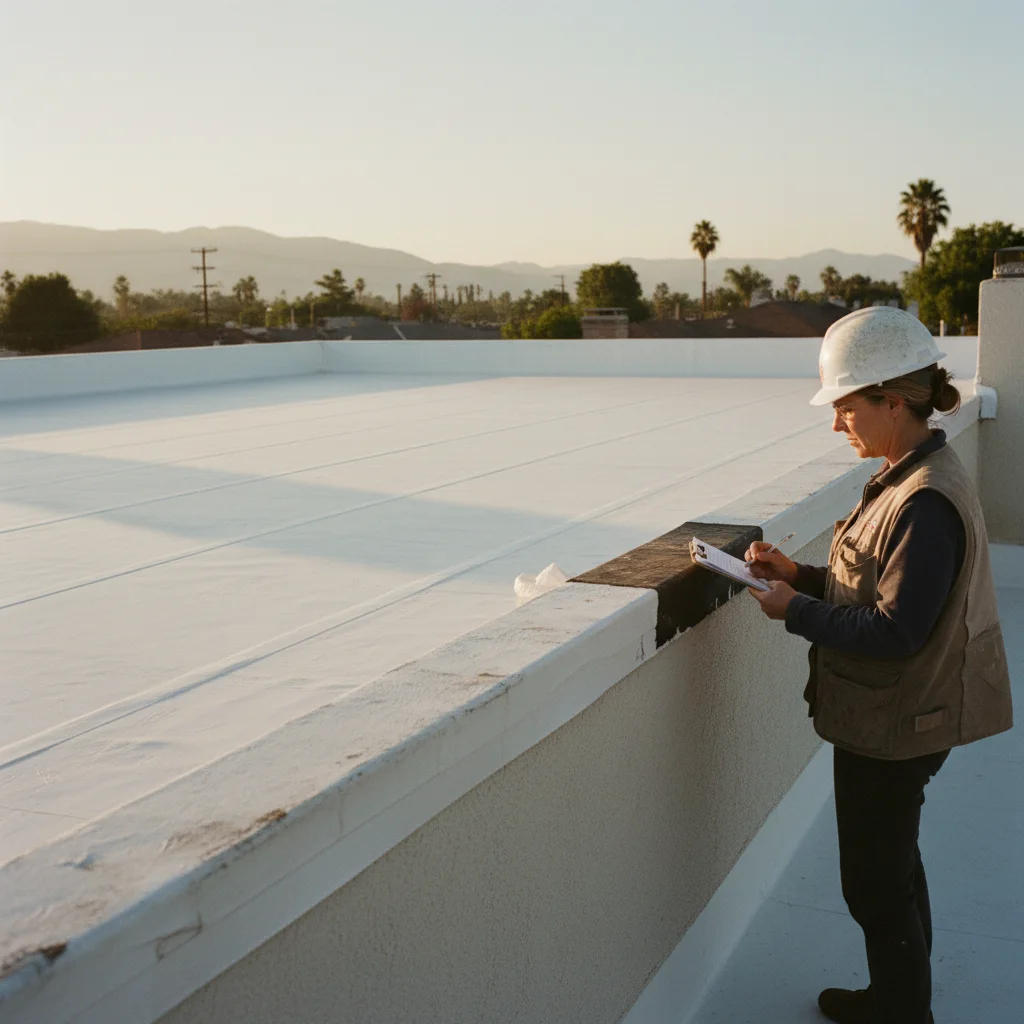
Once the planning is complete and permits are in hand, the execution phase begins.
During Installation
- Communication: Maintain open communication with your contractor. Ask questions, address concerns promptly.
- Site Management: A good contractor will keep the work site clean and safe, especially important in residential areas. Expect some noise and debris, but it should be managed professionally.
- Material Verification: Confirm that the materials being installed match what was specified in your contract.
- Weather Monitoring: While LA is sunny, unexpected rain can occur. Your contractor should have a plan to protect your home from the elements during the installation process.
Post-Installation
- Final Inspection: Conduct a thorough walk-around with your contractor. Check for proper installation, clean-up, and any damage to your property.
- LADBS Final Inspection: Ensure the city's final inspection is passed and the permit is closed. This is crucial for future home sales and insurance purposes.
- Warranty Documents: Collect all manufacturer's warranties for materials and the contractor's workmanship warranty. Understand what they cover and for how long. Keep these documents in a safe place.
- Payment: Make the final payment only when you are completely satisfied with the work and all inspections have passed.
Maintenance Tips for Your LA Roof
Even the most durable roof needs some care to maximize its lifespan.
- Regular Inspections: Annually, or after any major storm, visually inspect your roof from the ground or with binoculars. Look for cracked, missing, or curled shingles/tiles, damaged flashing, or excessive granule loss.
- Gutter Cleaning: Keep gutters and downspouts clear of debris to ensure proper water drainage. Clogged gutters can lead to water backing up under your roof.
- Tree Trimming: Trim overhanging branches to prevent them from scraping the roof surface, dropping debris, or providing access for pests.
- Moss/Algae Removal: While less common in dry LA, if moss or algae appears, address it with appropriate, roof-safe cleaners to prevent moisture retention and material degradation.
- Professional Check-ups: Consider a professional roof inspection every 3-5 years to catch minor issues before they become major problems.
Investing in a new roof for your Los Angeles home is a significant undertaking, but with careful planning, informed material choices, and a reputable contractor, you can ensure your home is protected, energy-efficient, and beautiful for decades to come. Make a climate-smart choice that stands up to the unique demands of Southern California living.
FAQ Section
Get 3 roofer bids in 48 hours.
Our editors already screened California roofers. Answer 4 questions; we send 3 written bids inside 48 hours, with the real price for your scope, not their inflated first-call number.
Send my 3 bidsFree. No commission. If a match doesn't fit, we'll send another.
Q1: How often should I inspect my roof in Los Angeles? A1: It's recommended to visually inspect your roof from the ground at least once a year, preferably in the fall before winter rains, and again in the spring. Also, conduct an inspection after any significant weather event, such as heavy rain or strong Santa Ana winds.
Q2: Are cool roofs mandatory for re-roofing projects in Los Angeles? A2: Yes, for most residential re-roofing projects in Los Angeles, you are required to install a "cool roof" that meets the specific Solar Reflectance Index (SRI) values mandated by California's Title 24 Energy Code. Your contractor will ensure compliance during the permit process.
Q3: What's the best roofing material for fire resistance in LA's WUI zones? A3: For homes in Wildland-Urban Interface (WUI) zones, materials with a Class A fire rating are typically mandatory and provide the highest level of fire resistance. Excellent choices include clay or concrete tiles, metal roofing, and specially manufactured Class A rated asphalt or synthetic shingles.
Q4: How long does a typical roof replacement project take in Los Angeles? A4: The duration of a roof replacement varies based on the roof's size, complexity, and material. A standard residential asphalt shingle roof might take 3-7 days, while a larger or more complex tile or metal roof could take 1-2 weeks. This does not include time for permit approval or material delivery.
Q5: Do I need an architect for a roof replacement project? A5: For a standard roof replacement using similar materials and without altering the roofline or structure, an architect is generally not required. Your licensed roofing contractor will handle the design and permitting. However, if you plan significant structural changes, adding dormers, or altering the roof's pitch, an architect or structural engineer may be necessary.
Sources & Methodology
See the Golden Yards Methodology for how sources are reviewed, ranges are normalized, and planning-data limits are handled.
Cost ranges, regulatory references, and design guidance in this article draw on the following public datasets, industry standards, and Renology editorial research.
- Cool Roof Rating Council (CRRC), Title 24 Part 6 cool-roof product directory
- California Energy Code (Title 24 Part 6), cool-roof requirements
- National Roofing Contractors Association (NRCA), Roofing Manual
- California Contractors State License Board (CSLB), C-39 Roofing Contractor scope
- Renology editorial methodology, invoiced California roofing projects, 2025–2026
Ready to start your roofing project?
Find My ProsFrequently Asked Questions
What roofing materials are best for LA's intense sun?
For Los Angeles's intense solar radiation, cool roof rated asphalt shingles, clay/concrete tiles, and metal roofing are excellent choices. These materials are designed to reflect sunlight and reduce heat absorption, significantly impacting your home's interior temperature and AC costs.
Are there specific fire-resistant roofing requirements in LA?
Yes, many LA neighborhoods, especially those in Wildland-Urban Interface (WUI) zones, legally mandate fire-resistant roofing materials. It is paramount to choose materials with a Class A fire rating, such as clay/concrete tiles or metal roofing, for safety and compliance.
How do LA's Title 24 codes affect roofing choices?
California's Title 24 building codes mandate 'cool roof' technologies for many new construction and re-roofing projects in LA. This means selecting materials that reflect more sunlight and absorb less heat, which translates to lower energy consumption for cooling your home.
What is the typical lifespan of recommended LA roofing materials?
The lifespan varies significantly by material. Cool roof architectural asphalt shingles typically last 15-30 years, metal roofs offer 40-70+ years, and clay and concrete tiles boast an impressive 50-100+ years, making them a long-term investment.
Are heavy roofing materials like tiles suitable for all LA homes?
While clay and concrete tiles are excellent for LA, their significant weight may require structural reinforcement for some homes. Consider lightweight concrete tiles as an alternative if structural concerns arise, ensuring your home can safely support the material.