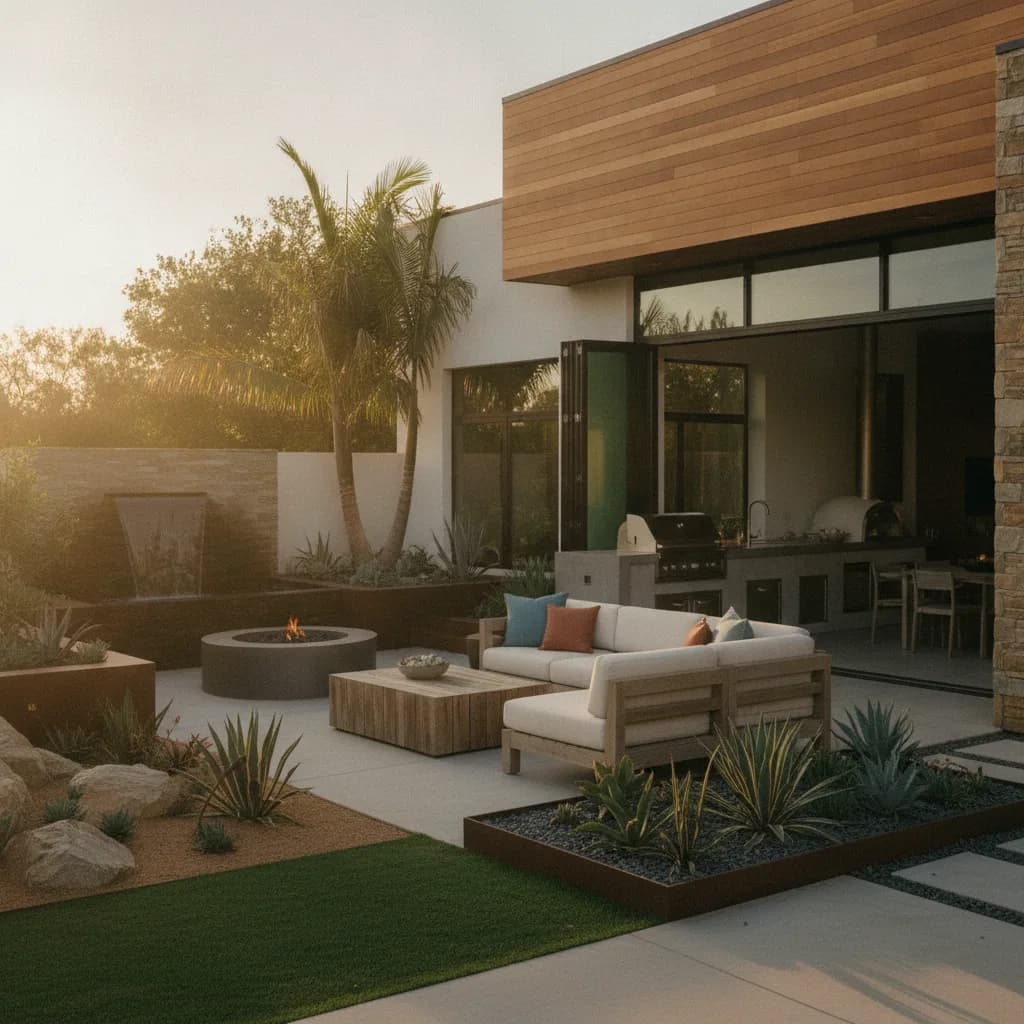
For homeowners in Los Angeles, the exterior of your home is more than just a facade; it's a critical shield against the elements, a statement of style, and a significant factor in your property's value. Siding, often overlooked, plays an indispensable role in achieving all three. From the intense Southern California sun to the occasional heavy rains and the ever-present concern of fire, choosing the right siding for your LA home is a decision that impacts protection, aesthetics, and long-term energy efficiency.
Golden Yards Magazine understands the unique challenges and opportunities of homeownership in the City of Angels. This comprehensive guide will walk you through everything you need to know about selecting, installing, and maintaining siding that not only enhances your home's curb appeal but also stands up to the specific demands of the Los Angeles climate.
Why is Siding So Crucial for Los Angeles Homes?
In a region known for its diverse microclimates and architectural styles, siding performs several vital functions that go beyond mere aesthetics. For LA homeowners, the choice of exterior cladding is a strategic investment in their property's longevity and performance.
Protecting Against Southern California's Climate
Los Angeles experiences a unique blend of weather conditions that can take a toll on a home's exterior. Intense UV radiation from the abundant sunshine can fade colors and degrade materials over time. While rain is less frequent than in other regions, when it does come, it can be heavy, necessitating excellent moisture resistance. The infamous Santa Ana winds can carry dust and debris, and the dry conditions, especially in hillside communities, elevate the risk of brushfires. Furthermore, as an active seismic zone, materials that offer some flexibility and durability against minor tremors are also a consideration. Your siding must be robust enough to withstand these varied environmental pressures, preventing moisture intrusion, pest infestations, and structural damage.
Boosting Property Value and Curb Appeal
In Los Angeles' competitive real estate market, first impressions are everything. A well-maintained and aesthetically pleasing exterior significantly boosts your home's curb appeal, making it more attractive to potential buyers and enhancing its overall market value. New siding can dramatically transform your home's appearance, updating its style, and giving it a fresh, modern look or restoring its classic charm. Whether you're planning to sell or simply want to enjoy your home more, quality siding is a visible investment that pays dividends in desirability and equity.
Enhancing Energy Efficiency
With LA's often warm temperatures, air conditioning can be a major expense. The right siding, particularly when combined with proper insulation, can act as an effective thermal barrier, reducing heat transfer into and out of your home. This means your HVAC system won't have to work as hard to maintain comfortable indoor temperatures, leading to noticeable savings on your energy bills. Many modern siding materials are designed with energy efficiency in mind, contributing to a more sustainable and cost-effective home.
What Are the Best Siding Materials for LA's Climate and Style?
Los Angeles homes boast an incredible array of architectural styles, from Spanish Colonial and Craftsman to Mid-Century Modern and contemporary designs. Fortunately, there's a siding material to complement every aesthetic while offering superior performance in the local climate. Here's a look at the most popular and effective options:
Fiber Cement Siding (e.g., HardiePlank)
Fiber cement is a composite material made from cement, sand, and cellulose fibers. It's incredibly popular in Southern California for good reason. It's highly durable, resistant to rot, pests, and fire – a critical advantage in LA's brush fire zones. It can be manufactured to mimic the look of wood planks, shingles, or stucco, offering immense design versatility. Fiber cement is low maintenance, typically requiring repainting only every 10-15 years, and stands up well to intense sun exposure without warping or cracking. Its longevity and robust performance make it an excellent long-term investment for many LA homeowners.
Stucco
Stucco is a classic choice for many Southern California homes, particularly those with Spanish Colonial, Mediterranean, or Mission Revival architecture. Made from cement, sand, and water, stucco offers excellent durability, fire resistance, and good insulation properties. It provides a seamless, monolithic look that is both elegant and timeless. While generally low maintenance, stucco can develop cracks over time due to seismic activity or foundation shifts, requiring professional repair. Its breathability helps manage moisture, and its inherent mass contributes to thermal stability, keeping homes cooler in the summer.
Vinyl Siding
Vinyl siding is a cost-effective and low-maintenance option that comes in a wide array of colors and styles. It's resistant to rot and pests and doesn't require painting. While it's a budget-friendly choice, some homeowners in LA opt for higher-end materials due to vinyl's potential for fading in intense sun or its less premium aesthetic compared to fiber cement or wood. However, advancements in vinyl technology have led to thicker, more durable panels with better UV resistance and insulated options that improve energy performance. For certain architectural styles or budget constraints, vinyl remains a viable option.
Wood Siding (Cedar, Redwood)
For homes with a Craftsman, Mid-Century Modern, or rustic aesthetic, natural wood siding like cedar or redwood offers unparalleled warmth and beauty. These woods are naturally resistant to rot and insects, and their natural oils provide some protection. However, wood siding requires significant maintenance, including regular cleaning, staining, or painting every few years to protect it from UV damage and moisture. In fire-prone areas, wood siding may also face restrictions or require special fire-retardant treatments. Despite the upkeep, the timeless appeal and natural insulation properties of wood make it a cherished choice for those committed to its unique character.
Metal Siding (Steel, Aluminum)
Metal siding, particularly steel and aluminum, is gaining popularity for its sleek, modern aesthetic and exceptional durability. It's highly resistant to fire, pests, rot, and impact damage. Metal siding is also low maintenance and can be recycled, appealing to environmentally conscious homeowners. While it can be more expensive upfront than vinyl, its longevity and minimal upkeep can make it a cost-effective choice over time. It's an excellent option for contemporary LA homes or those seeking a distinctive, industrial-chic look, and its reflective properties can help mitigate heat absorption.
Engineered Wood Siding
Engineered wood siding offers the aesthetic appeal of natural wood without some of its drawbacks. Made from wood strands, fibers, and resins, it's treated for enhanced resistance to moisture, rot, and pests. It's often more stable than natural wood, less prone to warping, and comes pre-primed or pre-finished, reducing installation time and future maintenance. This material provides a sustainable alternative, often using recycled wood content, and is a strong contender for homeowners who desire the look of wood with improved performance and lower maintenance.
Stone and Brick Veneer
While often used as an accent, full stone or brick veneer can provide an incredibly durable, fire-resistant, and luxurious exterior. These materials offer superior protection against the elements and require virtually no maintenance. They are, however, among the most expensive siding options, both in material and installation costs. For homes seeking a grand, timeless, or Mediterranean aesthetic, stone or brick veneer can provide unmatched character and significantly boost property value, particularly in upscale LA neighborhoods.
How Do Siding Materials Compare in Terms of Cost and ROI?
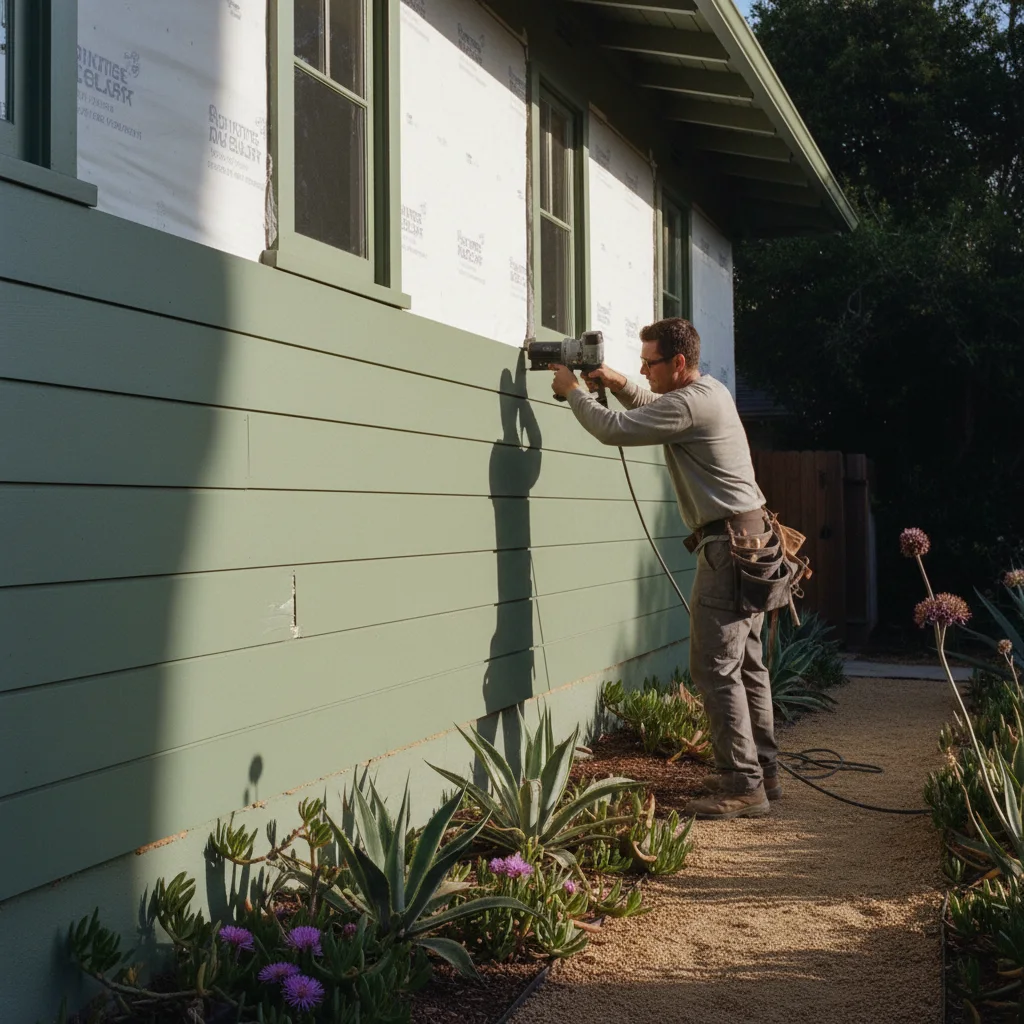
Understanding the financial implications of different siding options is crucial for any LA homeowner. Costs vary widely based on material, complexity of installation, and local labor rates. It's important to consider not just the initial investment but also long-term maintenance and potential return on investment (ROI).
Initial Investment vs. Long-Term Value
- Vinyl Siding: Generally the most budget-friendly, ranging from $3 to $8 per square foot installed. While the initial cost is low, its ROI might be less significant in higher-end LA markets compared to other materials.
- Stucco: Typically costs between $5 and $12 per square foot installed. It offers good value due to its durability and classic LA appeal, providing a solid ROI.
- Engineered Wood Siding: Falls in the range of $5 to $12 per square foot installed. It offers a good balance of aesthetics, durability, and cost-effectiveness, with a strong ROI.
- Fiber Cement Siding: A mid-to-high-range option, costing $6 to $15 per square foot installed. Its exceptional durability, fire resistance, and low maintenance make it an excellent investment with a high ROI, especially in LA's climate.
- Wood Siding (Cedar, Redwood): Can range from $7 to $20+ per square foot installed, depending on the wood type and finish. While beautiful, the higher initial cost and ongoing maintenance can affect its overall ROI, though it's highly valued for specific architectural styles.
- Metal Siding (Steel, Aluminum): Generally $8 to $20 per square foot installed. Its longevity, low maintenance, and modern appeal offer a strong ROI, particularly for contemporary homes.
- Stone and Brick Veneer: The most premium option, often $15 to $50+ per square foot installed. While the initial cost is high, it offers exceptional durability, curb appeal, and a very strong ROI in luxury markets.
Note: These are general ranges and can fluctuate based on contractor, project complexity, and current material costs.
Installation Costs
Labor is a significant portion of siding project costs. Complex installations (e.g., intricate architectural details, multi-story homes, removal of old siding) will naturally incur higher labor fees. Materials like stone veneer and certain types of wood siding require specialized skills and more time, driving up installation expenses.
Maintenance Costs
Consider the long-term upkeep. Vinyl and metal siding require minimal maintenance beyond occasional cleaning. Fiber cement needs repainting every 10-15 years. Wood siding demands regular cleaning, staining/painting, and potential repairs for rot or pest damage. Stucco might need crack repairs. Factoring these ongoing costs into your budget provides a more accurate picture of the material's true expense over its lifespan.
Energy Savings
Many siding materials, especially when combined with an insulated sheathing or house wrap, contribute to better thermal performance. This can lead to tangible savings on your utility bills, particularly during LA's hot summers. Materials with higher R-values (a measure of thermal resistance) or those that reflect solar radiation will offer greater energy efficiency benefits.
Resale Value Impact
In Los Angeles, a home's exterior significantly influences its marketability. High-quality, durable, and aesthetically pleasing siding like fiber cement, stucco, or natural stone veneer can provide an excellent ROI, often recouping a substantial portion of the investment at resale. These materials are perceived as premium upgrades that enhance a home's overall value and appeal to discerning buyers.
What Are the Key Planning Steps for a Siding Project in Los Angeles?
Ready to compare vetted project options?
Use Project Match privately when your scope is clear enough for contractor conversations.
Start Project MatchSee what your siding replacement actually costs in 4 questions.
We pull cost ranges from invoiced California siding contractor projects, then narrow them to your scope, ZIP, and finish level. No first-call sticker shock.
Find a vetted siding proFree. Takes under 2 minutes. No email required to see your range.
Embarking on a siding replacement project in LA requires careful planning to ensure a smooth process and a successful outcome. Here’s a step-by-step guide:
Assessment and Goals
Begin by evaluating your current siding's condition and defining your primary goals. Are you looking for enhanced protection, a complete aesthetic overhaul, improved energy efficiency, or a combination? Consider your home's architectural style and how new siding will integrate with existing elements like roofing, windows, and landscaping. This initial assessment will guide your material and design choices.
Budgeting
Establish a realistic budget that accounts for material costs, labor, potential permit fees, and a contingency fund (typically 10-15% of the total project cost) for unforeseen issues. Get multiple quotes from reputable contractors to understand the market rate for your chosen materials and scope of work.
Material Selection
Based on your goals, budget, and LA's climate, research and select the siding material that best fits your needs. Obtain samples to see how they look in different lighting conditions against your home. Consider factors like durability, maintenance requirements, fire resistance, and aesthetic appeal. Don't hesitate to consult with experienced siding professionals for their recommendations.
Contractor Vetting
This is perhaps the most critical step. In California, ensure any contractor you hire is licensed by the Contractors State License Board (CSLB), bonded, and insured. Request references from previous LA-area projects and check online reviews. Ask for a detailed written contract outlining the scope of work, materials, timeline, payment schedule, and warranty information. A reputable contractor will be transparent and responsive.
Design and Aesthetics
Work with your contractor or a designer to finalize the color palette and design details. Consider how the siding color will complement your roof, trim, and landscaping. For LA homes, lighter colors can help reflect heat, while darker tones might absorb more. Think about accents, textures, and how the new siding will enhance your home's unique architectural character. Many siding manufacturers offer visualization tools to help you see the final look before committing.
Navigating Permits and HOAs in Southern California
Undertaking a major exterior renovation like siding replacement in Los Angeles often involves navigating local regulations and, for many, homeowners' association (HOA) rules. Ignoring these steps can lead to costly delays or fines.
Los Angeles Building Permits
Most significant exterior changes, including full siding replacement, require a building permit from the Los Angeles Department of Building and Safety (LADBS). This ensures that the work complies with local building codes, safety standards, and zoning ordinances. Your contractor should be knowledgeable about the permitting process and can often handle the application on your behalf. Starting work without a permit can result in stop-work orders, fines, and difficulties when selling your home in the future. Always confirm permit requirements before any work begins.
HOA Regulations
If your home is part of a homeowners' association, you will almost certainly need to obtain approval from your HOA board before making any exterior modifications. HOAs typically have strict guidelines regarding approved siding materials, colors, and architectural styles to maintain community uniformity and property values. Review your HOA's Covenants, Conditions, and Restrictions (CC&Rs) thoroughly and submit your plans for approval well in advance of your project start date. Failure to do so can lead to fines or demands to reverse the work.
Historic Preservation Zones
Los Angeles has numerous historic districts and designated historic-cultural monuments. If your home is located in one of these areas (e.g., parts of Pasadena, Santa Monica, Hancock Park, or specific neighborhoods in the City of Los Angeles), there will be additional, often stringent, regulations regarding exterior alterations. These rules are designed to preserve the architectural integrity of the district and may dictate specific materials, colors, and even installation methods. Consult with the local historic preservation office early in your planning process to understand any limitations.
How Can You Maximize Your Siding's Lifespan and Performance?
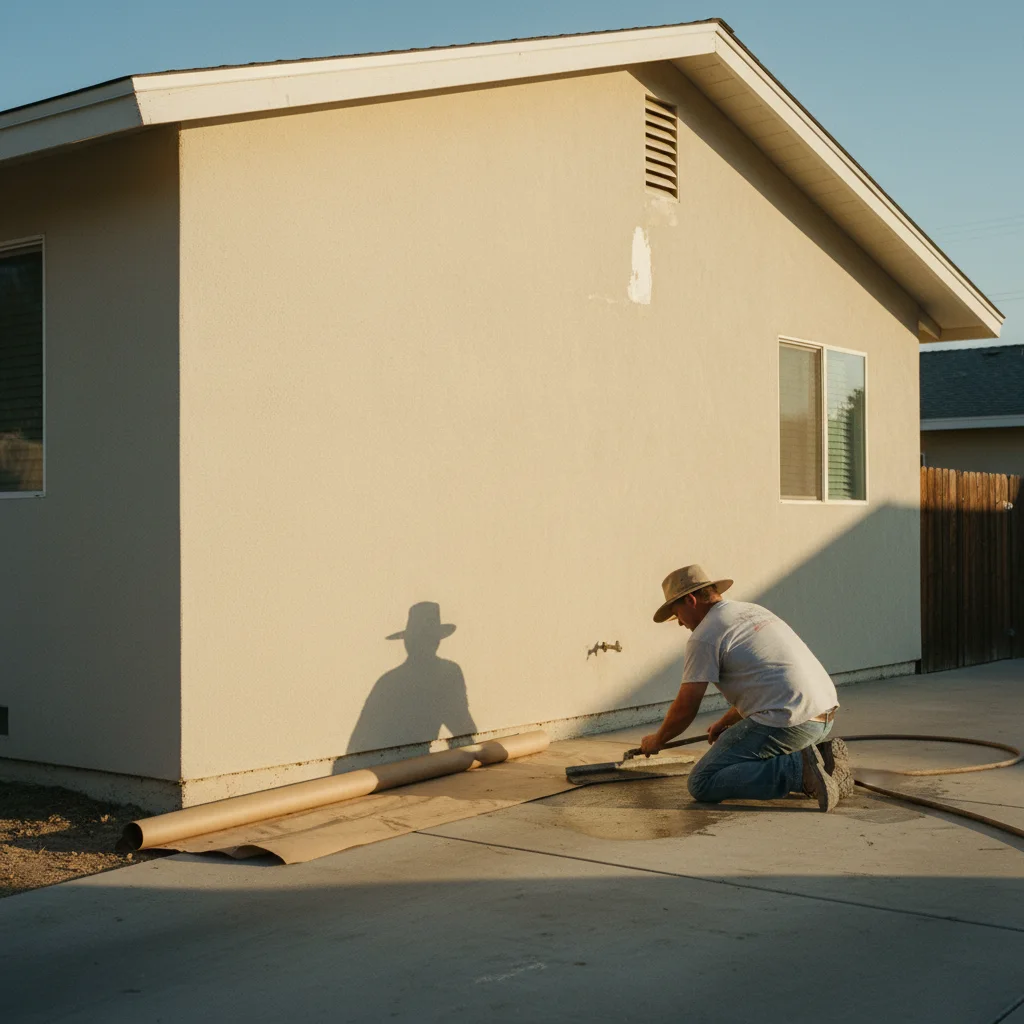
Once your new siding is installed, proper care and maintenance are essential to ensure its longevity, preserve its appearance, and protect your investment for years to come.
Regular Cleaning and Inspection
Periodically inspect your siding for any signs of damage, such as cracks, warping, loose panels, or pest activity. In LA's climate, dust and pollutants can accumulate, so a gentle cleaning with a soft brush and mild detergent (or a low-pressure power washer) every 1-2 years can prevent mildew, algae growth, and discoloration. Pay attention to areas under eaves or near landscaping where moisture might linger.
Prompt Repairs
Address any minor damage immediately. Small cracks or loose panels can quickly escalate into larger issues if left unaddressed, potentially leading to moisture intrusion and costly structural damage. For fiber cement, touch up paint chips. For stucco, repair small cracks. For wood, address rot or pest damage promptly. Early intervention can save you significant repair costs down the line.
Professional Maintenance
While many maintenance tasks can be DIY, consider professional inspections every few years, especially for multi-story homes or complex siding systems. Professionals can identify subtle issues, perform specialized cleaning, and make repairs that require specific tools or expertise. This is particularly true for materials like stucco or intricate wood detailing.
Understanding Warranties
Familiarize yourself with both the material warranty from the manufacturer and the labor warranty from your installer. Material warranties typically cover defects in the siding itself, while labor warranties cover installation errors. Knowing what's covered and for how long can provide peace of mind and protect you against unexpected costs should issues arise within the warranty period.
Choosing and installing the right siding for your Los Angeles home is a significant investment that offers substantial returns in protection, aesthetics, and energy efficiency. By understanding the diverse material options, navigating local regulations, and committing to proper maintenance, you can ensure your home's exterior remains a source of pride and value for decades to come. Don't underestimate the power of a well-chosen facade to transform your property into a true Golden Yards gem.
FAQ: Siding for Los Angeles Homes
Get 3 siding contractor bids in 48 hours.
Our editors already screened California siding contractors. Answer 4 questions; we send 3 written bids inside 48 hours, with the real price for your scope, not their inflated first-call number.
Send my 3 bidsFree. No commission. If a match doesn't fit, we'll send another.
Q: How long does siding typically last in the Los Angeles climate?
A: The lifespan varies significantly by material. Vinyl siding can last 20-40 years, while fiber cement and stucco often last 50-60 years or more with proper maintenance. Wood siding typically lasts 20-40 years but requires more frequent upkeep. Metal siding can last 40-70 years. The intense LA sun and occasional heat can accelerate wear if materials aren't UV-resistant, making quality and installation crucial.
Q: Is fire-resistant siding really necessary in all parts of Los Angeles?
A: While not every home is in a designated high-fire severity zone, fire resistance is a highly recommended consideration for all LA homeowners, especially those in hillside communities or near undeveloped areas. Materials like fiber cement, stucco, and metal offer excellent fire-resistant properties, providing an extra layer of safety and peace of mind in a region prone to brushfires.
Q: Can new siding improve my home's insulation and reduce energy bills?
A: Absolutely. New siding, especially when installed with an insulated house wrap or rigid foam insulation beneath it, can significantly improve your home's thermal envelope. This reduces heat transfer, keeping your home cooler in the summer and potentially warmer in cooler months, leading to noticeable savings on your air conditioning and heating costs.
Q: What's the average timeframe for a siding replacement project in LA?
A: The duration of a siding project depends on the size of your home, the complexity of its architecture, the chosen material, and the contractor's schedule. Generally, a full siding replacement for an average-sized home can take anywhere from 1 to 3 weeks. More complex projects or those involving extensive prep work (like lead paint abatement) could take longer.
Q: Do I need to repaint fiber cement siding?
A: Yes, fiber cement siding typically requires repainting, but much less frequently than wood. Most manufacturers recommend repainting every 10 to 15 years, depending on the quality of the paint and exposure to the elements. Factory-finished fiber cement often comes with longer paint warranties, sometimes up to 15-25 years.
Q: How do I choose the right color for my LA home's siding?
A: When selecting a siding color for your LA home, consider your home's architectural style, the colors of neighboring homes, and the local climate. Lighter colors tend to reflect sunlight, which can help keep your home cooler and reduce energy costs. Earth tones and colors that complement the natural Southern California landscape are often popular. Always test samples on your home's exterior to see how they look in different lighting conditions throughout the day before making a final decision.
Sources & Methodology
See the Golden Yards Methodology for how sources are reviewed, ranges are normalized, and planning-data limits are handled.
Cost ranges, regulatory references, and design guidance in this article draw on the following public datasets, industry standards, and Renology editorial research.
- James Hardie Building Products, HZ10 Fiber-Cement Specification Sheet
- California Energy Code (Title 24 Part 6), exterior wall thermal requirements
- California Contractors State License Board (CSLB), C-35 Lath and Plaster scope
- Renology editorial methodology, invoiced California siding projects, 2025–2026
Ready to start your siding project?
Find My ProsFrequently Asked Questions
Which siding materials are best for LA's fire-prone areas?
Fiber cement and stucco are excellent choices due to their high fire resistance, a critical advantage in brush fire zones. Metal siding (steel, aluminum) also offers exceptional fire resistance, making these materials highly suitable for LA homes in high-risk areas.
How does siding impact energy efficiency in Los Angeles?
The right siding, especially when combined with proper insulation, acts as a thermal barrier, reducing heat transfer and lowering air conditioning costs. Materials like stucco and insulated vinyl, or reflective metal siding, can significantly contribute to a more energy-efficient home in LA's warm climate.
What maintenance does wood siding require in Southern California?
Natural wood siding, such as cedar or redwood, requires significant maintenance, including regular cleaning, staining, or painting every few years. This is essential to protect it from intense UV damage and moisture, ensuring its longevity and appearance.
Is vinyl siding a durable option for LA's intense sun?
While vinyl siding is cost-effective, older versions could be prone to fading in intense Southern California sun. However, advancements in vinyl technology now offer thicker, more durable panels with improved UV resistance, making it a more viable option for certain budgets and styles.
What are the long-term benefits of fiber cement siding in LA?
Fiber cement siding is highly durable, resistant to rot, pests, and fire, and stands up well to intense sun exposure without warping or cracking. It's low maintenance, typically requiring repainting only every 10-15 years, making it an excellent long-term investment for LA homeowners.