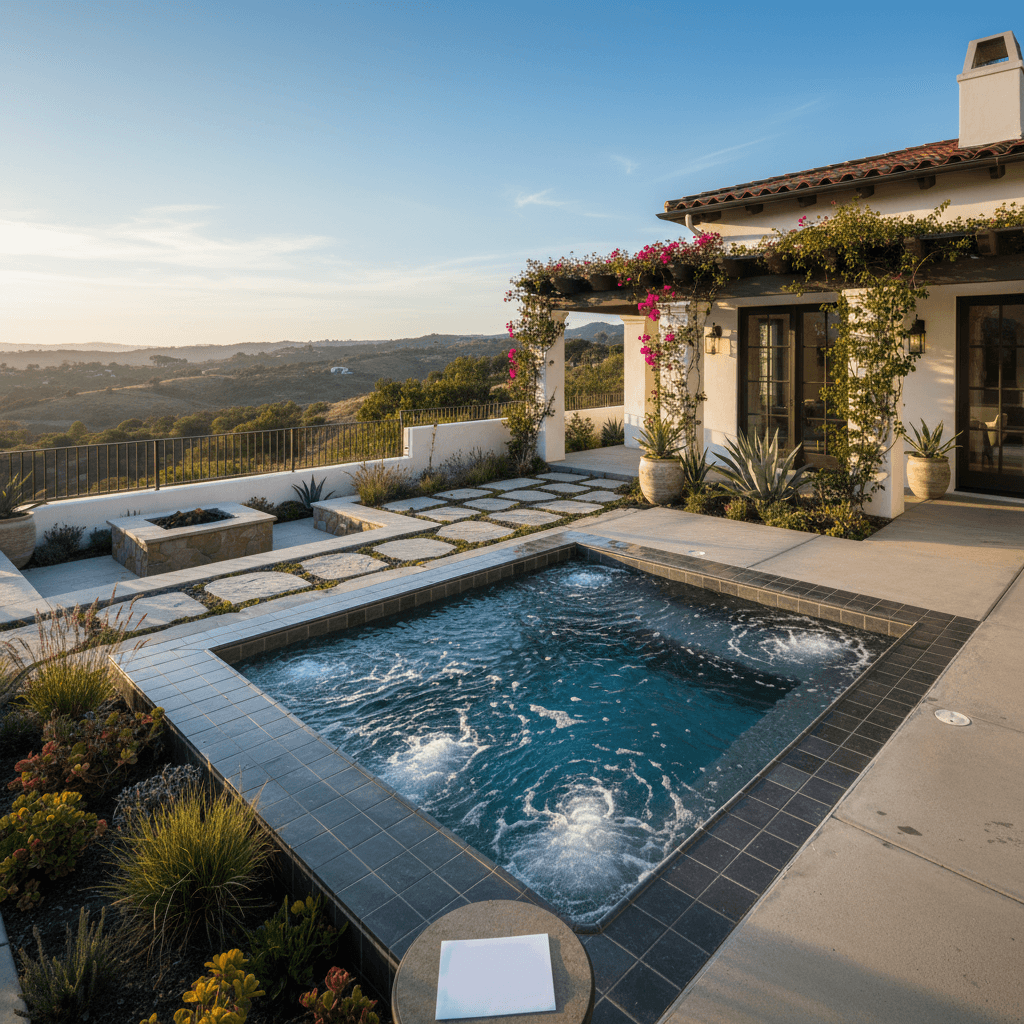
Newly installed dark-tiled Jacuzzi in a modern Los Angeles backyard, showcasing hot tub installation and wellness benefits.

Comprehensive Guide

Hot Tubs and Jacuzzis in Los Angeles: Installation, Costs, and Wellness Benefits for Southern California Living

As senior editor for Golden Yards Magazine, I've witnessed countless trends in home improvement, but few offer the enduring appeal and tangible benefits of a...

Maya Rivera·February 2026·Updated May 2026·19 min read

In Brief

  • As senior editor for Golden Yards Magazine, I've witnessed countless trends in home improvement, but few offer the enduring appeal and tangible benefits of a...
  • pool projects are shaped by site conditions, local rules, materials, and the level of finish.
  • Project Match belongs after planning: use it when the scope is clear enough to compare vetted contractor options.
  • Updated May 2026; typical read time is 19 min read.

Installed Cost

$35K-$100K+

Full project range

Typical Timeline

6-12 weeks

Design to build

Permit Path

Required

City approval needed

Reviewed by the Golden Yards Editorial Team|Last updated: May 2026

As senior editor for Golden Yards Magazine, I've witnessed countless trends in home improvement, but few offer the enduring appeal and tangible benefits of a well-integrated hot tub or Jacuzzi. In the vibrant, often fast-paced landscape of Los Angeles, where outdoor living is a year-round privilege, a personal hydrotherapy oasis isn't just a luxury; it's an investment in your well-being, your home's value, and your Southern California lifestyle.

Imagine unwinding after a long day navigating the 405, or soothing tired muscles after a challenging hike in the Santa Monica Mountains. A hot tub provides that immediate escape, a private sanctuary just steps from your back door. But bringing this vision to life in the City of Angels involves more than just picking out a model. It requires thoughtful planning, an understanding of local regulations, a clear budget, and a commitment to proper installation and maintenance. This comprehensive guide will walk you through every step, ensuring your journey to hydrotherapy bliss is as smooth as the water in your new spa.

The Allure of Hydrotherapy in Southern California

The appeal of a hot tub extends far beyond simple relaxation. For Angelenos, it seamlessly integrates with a lifestyle that prioritizes health, wellness, and outdoor enjoyment.

Wellness Benefits for Body and Mind:

  • Stress Reduction: The warm water and pulsating jets work in concert to release tension, calm the nervous system, and promote a profound sense of tranquility. In a city known for its hustle, this daily ritual can be a powerful antidote to stress.
  • Muscle Relaxation and Pain Relief: Hydrotherapy is renowned for its ability to soothe sore muscles, alleviate joint pain, and improve flexibility. Whether you're an avid surfer, a dedicated yogi, or simply dealing with the aches of daily life, the buoyancy of the water reduces pressure on joints, while the jets provide a targeted massage.
  • Improved Sleep Quality: Regular hot tub use before bedtime can help regulate your body temperature, signaling to your body that it's time to wind down, leading to deeper, more restorative sleep.
  • Enhanced Circulation: The warm water causes blood vessels to dilate, improving blood flow throughout the body, which can aid in recovery and overall cardiovascular health.
  • Social Connection: Beyond individual benefits, a hot tub can become a cherished gathering spot for family and friends, fostering connection and creating lasting memories under the Southern California stars.

Integrating with the LA Lifestyle: Southern California's climate allows for year-round outdoor living, making a hot tub a natural extension of your home. It complements the region's emphasis on active lifestyles, providing a perfect recovery zone after a run along the beach or a cycling trip through the canyons. From a design perspective, a well-chosen hot tub can enhance the aesthetic of your backyard, blending seamlessly with drought-tolerant landscaping, modern decking, or classic Spanish Revival architecture. It transforms an outdoor space into a resort-like retreat, a highly desirable feature in the competitive Los Angeles real estate market.

Planning Your Personal Oasis: Site Selection and Design Considerations

The success of your hot tub installation hinges on meticulous planning. Before you even begin browsing models, consider where your hot tub will live and how it will integrate with your existing outdoor space.

Strategic Site Selection:

  • Proximity to Home: For convenience and ease of use, especially during cooler evenings, locate your hot tub reasonably close to an exit from your house. This also simplifies utility connections.
  • Privacy: Los Angeles backyards can be notoriously close-quartered. Consider how you'll achieve privacy from neighbors. Fencing, strategically placed landscaping (tall hedges, bamboo), pergolas, or privacy screens can create a secluded feel.
  • Views and Aesthetics: Position your hot tub to take advantage of any desirable views – whether it's the Hollywood Hills, your meticulously designed garden, or simply the open sky. Ensure it enhances, rather than detracts from, your home's curb appeal.
  • Sun Exposure: While the LA sun is glorious, too much direct sun can make your hot tub uncomfortably hot in summer and accelerate wear on the cover. Consider partial shade or a retractable awning. In winter, some direct sun can help with heating efficiency.
  • Wind Protection: Strong Santa Ana winds can quickly cool your hot tub water and make it uncomfortable to use. A sheltered location or a windbreak can significantly improve your experience and reduce energy costs.
  • Foundation Requirements: Hot tubs are heavy – especially when filled with water and people. A standard 6-person hot tub can weigh over 5,000 pounds. You'll need a solid, level foundation capable of supporting this weight. Options include a reinforced concrete slab, a properly engineered and reinforced deck, or sturdy paver base. Never place a hot tub directly on grass or uneven ground.
  • Access for Delivery and Maintenance: Ensure there's a clear path for delivery personnel to bring the hot tub to its final location. This might involve removing gates, temporarily relocating obstacles, or even hiring a crane for difficult access points, which is a common scenario in many LA properties with tight side yards or hillside homes.

Design Integration and Features:

  • Size and Capacity: How many people will typically use the hot tub? Are you looking for a cozy retreat for two or a party hub for six or more? Consider both seating capacity and overall footprint.
  • Shell Color and Cabinetry: Choose colors that complement your home's exterior and landscaping. Modern grey tones, earthy browns, or classic blues are popular choices.
  • Decking and Surrounds: Integrate your hot tub with surrounding decking or hardscaping. Composite decking, redwood, or stone pavers can create a cohesive look. Consider built-in steps or benches for easy access and additional seating.
  • Lighting and Ambiance: Underwater LED lighting, perimeter lighting, and nearby landscape lighting can transform your hot tub area into a magical evening retreat. Consider smart lighting systems for easy control.
  • Sound Systems: Many modern hot tubs come with integrated Bluetooth sound systems, allowing you to enjoy your favorite music or podcasts while you soak.
  • Water Features: Cascading waterfalls or fountains add to the sensory experience and create soothing sounds.
  • Swim Spas: For those seeking both relaxation and exercise, a swim spa offers a compact pool experience with powerful jets for swimming against a current, alongside a hot tub section. These are larger and more expensive but offer a versatile solution for smaller LA lots.
home improvement project documentary photograph

Installing a hot tub in Los Angeles isn't just about aesthetics and personal preference; it's also about compliance. The City of Los Angeles, like many municipalities, has specific regulations to ensure safety and proper installation. Ignoring these can lead to costly fines, removal orders, or issues when selling your home.

Los Angeles Department of Building and Safety (LADBS) Permits: For most permanent hot tub installations, especially those requiring new electrical wiring or structural modifications (like a concrete slab or reinforced deck), you will likely need permits from the LADBS.

  • Electrical Permit: A dedicated 240-volt, GFCI-protected circuit is typically required for most hot tubs. This necessitates a licensed electrician and an electrical permit.
  • Building Permit: If you're pouring a new concrete slab, building a new deck, or modifying an existing structure to support the hot tub, a building permit will be necessary. This ensures the foundation meets seismic and structural codes.
  • Plumbing Permit: While most portable hot tubs don't require permanent plumbing connections (they are filled with a garden hose), if you're installing an in-ground spa or a system with an automatic fill/drain, a plumbing permit will be required.
  • Zoning and Setback Requirements: Check local zoning ordinances for setback requirements from property lines, other structures, and easements. These vary by specific zoning designation and neighborhood.

Homeowners Association (HOA) Rules: If your property is part of a Homeowners Association, their rules and regulations can be even more stringent than city codes.

  • Architectural Review: Most HOAs require approval for any exterior modifications, including hot tub installations. You'll likely need to submit plans detailing the hot tub's location, size, color, and any associated landscaping or decking.
  • Noise Restrictions: HOAs often have rules regarding noise levels, which can impact when you can use your hot tub, especially late at night.
  • Fencing and Screening: HOAs may have specific requirements for privacy fencing or screening around your hot tub to maintain neighborhood aesthetics.
  • Maintenance Standards: Some HOAs may have guidelines on how your hot tub area must be maintained.

Safety Codes and Drought Restrictions:

  • Child Safety Fencing: Similar to swimming pools, many jurisdictions (including LA) require barriers or fencing around hot tubs to prevent unsupervised access by children. This might mean a self-latching gate or a compliant hot tub cover with locks.
  • Electrical Safety: All electrical work must comply with the National Electrical Code (NEC) and local amendments, including proper grounding and GFCI protection.
  • Drought-Friendly Practices: In drought-prone Southern California, water conservation is paramount. Ensure your hot tub has a high-quality, well-fitting cover to minimize evaporation. Consider water-saving practices for draining and refilling, perhaps using the drained water for non-edible landscaping if chemical levels permit.

Recommendation: Always consult with a licensed contractor experienced in Los Angeles installations. They can help you navigate the permit process, ensure compliance with all local codes, and handle HOA submissions. Don't cut corners here; proper permitting protects your investment and ensures safety.

Understanding the Investment: Hot Tub Costs in the City of Angels

Ready to compare vetted project options?

Use Project Match privately when your scope is clear enough for contractor conversations.

Start Project Match

See what your project actually costs in 4 questions.

We pull cost ranges from invoiced California contractor projects, then narrow them to your scope, ZIP, and finish level. No first-call sticker shock.

Find a vetted pro

Free. Takes under 2 minutes. No email required to see your range.

The cost of owning a hot tub in Los Angeles is a multi-faceted equation, encompassing the initial purchase, installation, and ongoing operational and maintenance expenses. While it's a significant investment, understanding the breakdown helps you budget effectively.

1. Hot Tub Purchase Price:

  • Entry-Level (Basic Features): $4,000 - $8,000. These typically feature basic acrylic shells, fewer jets, standard insulation, and simpler controls. Good for occasional use or those on a tighter budget.
  • Mid-Range (Enhanced Features): $8,000 - $15,000. This category offers better insulation, more powerful pumps, a wider variety of jet configurations, advanced filtration, LED lighting, and more durable cabinetry. This is where most homeowners find the best balance of features and value.
  • High-End/Luxury (Premium Features & Swim Spas): $15,000 - $30,000+. These models boast superior insulation, advanced hydrotherapy systems, integrated sound systems, smart controls, custom finishes, and often larger capacities or swim spa functionality.

2. Installation Costs (Highly Variable in LA): This is often where the "hidden" costs emerge, especially in Los Angeles with its diverse terrain and property types.

  • Electrical Work: This is almost always the largest installation expense. Most hot tubs require a dedicated 240-volt, 50-amp (or 60-amp) GFCI-protected circuit. The cost depends on the distance from your main electrical panel, the complexity of the wiring run (e.g., trenching, going through walls), and the need for panel upgrades. Expect to pay $1,000 - $3,500+ for a licensed electrician in LA.
  • Site Preparation:
    • Concrete Slab: A level, reinforced concrete pad is the ideal foundation. Costs for pouring a 4-6 inch slab (e.g., 8'x8') can range from $1,000 - $3,000+, depending on access, demolition of existing surfaces, and rebar requirements.
    • Deck Reinforcement: If placing on an existing deck, a structural engineer may be needed to ensure it can support the weight. Reinforcement costs vary widely, from $500 - $5,000+.
    • Grading/Leveling: Preparing the ground before a slab or pavers can add $300 - $1,000.
  • Delivery and Placement: Standard curb-side delivery is often included, but getting the hot tub into your backyard can be complex.
    • "White Glove" Delivery: Where the dealer handles placement, typically $300 - $800.
    • Crane Service: For properties with difficult access (e.g., hillside homes, tight gates, multi-story decks), a crane is often necessary. This can add a significant $800 - $2,500+ to your costs.
  • Landscaping and Decking Integration: If you're building custom surrounds, steps, or integrating with new landscaping, these costs are highly variable and can range from $1,000 to $10,000+, depending on materials and complexity.
  • Permit Fees: LADBS permit fees can range from a few hundred dollars to over a thousand, depending on the scope of work.

3. Operational Costs (Monthly in LA):

  • Electricity: This is the primary ongoing cost. In Los Angeles, with LADWP or SCE rates, expect to pay $30 - $70 per month for a well-insulated hot tub used regularly. Factors influencing this include insulation quality, cover efficiency, water temperature setting, usage frequency, and ambient air temperature.
  • Water: Filling and topping off due to evaporation. While not a huge cost, it's a consideration, especially with LA's water rates. A typical fill is 300-500 gallons.
  • Chemicals: Essential for maintaining water hygiene. Budget $20 - $50 per month for sanitizers (chlorine, bromine, mineral systems), pH balancers, test strips, and other water treatment products.

4. Maintenance Costs (Annual):

  • Filters: Replacement filters are needed every 1-2 years, costing $50 - $150 each.
  • Cover Replacement: A good quality cover lasts 3-7 years in the LA sun. Replacements cost $400 - $800.
  • Minor Repairs: Jets, pumps, heaters, and control panels can occasionally require service. Budget $100 - $300 per year for potential minor repairs or professional servicing.

Total Initial Investment: For a quality mid-range hot tub with professional installation, site prep, and electrical work in Los Angeles, expect a total initial investment ranging from $10,000 to $25,000+. Luxury models or complex installations can easily exceed this.

The Installation Journey: From Foundation to First Soak

Once you've made your selection and navigated the planning and permitting stages, the physical installation process begins. This is where your vision truly comes to life.

1. Choosing a Qualified Contractor Team: This is perhaps the most critical step. In Los Angeles, always work with licensed and insured professionals.

  • Hot Tub Dealer/Installer: Many reputable dealers offer installation services or can recommend trusted partners.
  • Licensed Electrician: Essential for safe and compliant electrical hookup. Verify their C-10 license with the California Contractors State License Board (CSLB).
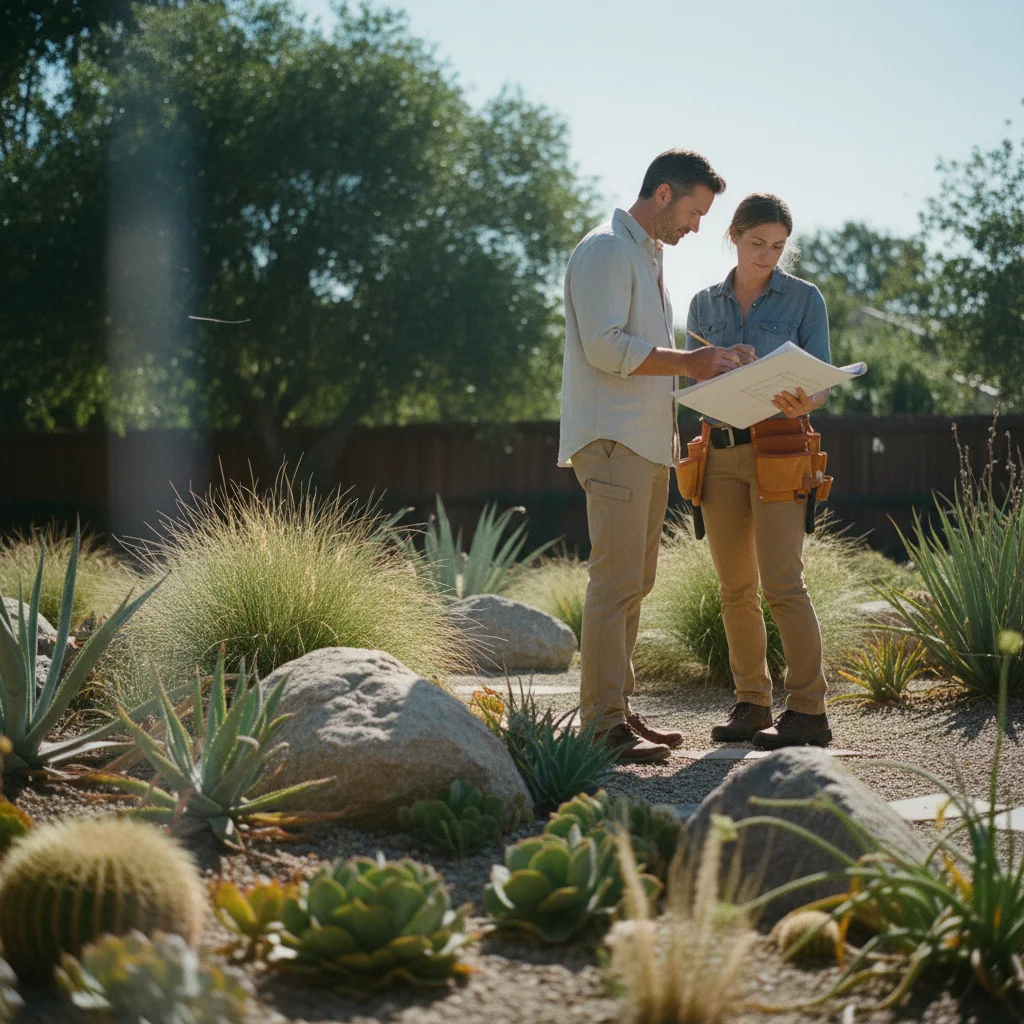
  • General Contractor/Landscaper: If your project involves significant site work, decking, or landscaping, a general contractor or landscape designer experienced in outdoor living spaces will coordinate the various trades.

2. Site Preparation and Foundation:

  • Clearing and Leveling: The chosen area will be cleared of debris, vegetation, and leveled.
  • Foundation Construction:
    • Concrete Slab: If opting for concrete, the area will be excavated, a gravel base laid, rebar installed for reinforcement (crucial for seismic stability in LA), and concrete poured and cured. This process typically takes several days, including curing time.
    • Deck Reinforcement: For deck installations, the underside of the deck will be reinforced with additional joists and beams as per engineering specifications.
    • Paver Base: For smaller, lighter tubs, a compacted gravel and sand base with pavers can be an option, but concrete is generally preferred for long-term stability.

3. Electrical Hookup:

  • Trenching and Conduit: The electrician will run a dedicated conduit from your main electrical panel to the hot tub's location. This often involves trenching through your yard or running conduit along exterior walls.
  • Panel Upgrade: If your existing electrical panel lacks the capacity for a new 240V circuit, an upgrade may be necessary, adding to the cost and complexity.
  • GFCI Breaker: A Ground Fault Circuit Interrupter (GFCI) breaker is installed at the panel for critical safety, immediately cutting power if an electrical fault is detected in the water.
  • Final Connections: The electrician will connect the wiring to the hot tub's control pack, ensuring all connections are waterproof and up to code.

4. Delivery and Placement:

  • Logistics: The hot tub dealer will coordinate delivery. For standard access, the tub is often rolled on its side using specialized dollies.
  • Crane Lift: For challenging LA properties, a crane will lift the hot tub over fences, houses, or other obstacles directly onto its prepared foundation. This requires careful planning and coordination with the crane operator and the hot tub delivery team.
  • Final Positioning: Once on the foundation, the hot tub is carefully positioned and leveled.

5. Filling and Initial Startup:

  • Water Source: The hot tub is typically filled using a standard garden hose.
  • Initial Chemical Balance: Once filled, the water is tested, and initial chemicals (sanitizer, pH adjusters, alkalinity increasers) are added to balance the water chemistry. This is crucial for both safety and equipment longevity.
  • System Check: The installer will power up the hot tub, check for leaks, test all jets, the heater, and the control panel to ensure everything is functioning correctly.
  • User Orientation: You'll receive a thorough walkthrough on how to operate your hot tub, including controls, filtration cycles, and basic water care.

Maintaining Your Sanctuary: Care and Longevity in the SoCal Climate

home improvement project documentary photograph

A hot tub is a significant investment, and proper maintenance is key to ensuring its longevity, efficiency, and your continued enjoyment. In the Southern California climate, specific considerations come into play.

1. Water Chemistry: The Foundation of Hot Tub Care: Maintaining balanced water chemistry is paramount for bather safety, equipment protection, and a pleasant soaking experience.

  • Test Regularly: Use test strips or a liquid test kit 2-3 times per week.
  • Sanitizer: Chlorine or bromine are the most common. Maintain recommended levels (e.g., 1-3 ppm for chlorine). Mineral systems, ozone generators, or UV-C purifiers can reduce sanitizer demand but don't eliminate it entirely.
  • pH: Keep pH between 7.4-7.6. Imbalanced pH can cause skin irritation, cloudy water, and damage to equipment.
  • Alkalinity: Total Alkalinity (TA) acts as a pH buffer. Maintain 80-120 ppm.
  • Calcium Hardness: Prevents corrosion or scaling. Maintain 150-250 ppm.
  • Shock Treatment: Periodically "shock" the water with a non-chlorine shock or a higher dose of chlorine to break down organic contaminants and refresh the water.

2. Cleaning and Filtration:

  • Filter Cleaning: Your filters are the hot tub's kidneys. Rinse them with a garden hose weekly or bi-weekly. Deep clean them with a specialized filter cleaner every 3-4 weeks. Replace filters every 1-2 years, or sooner if damaged.
  • Surface Wiping: Wipe down the waterline and interior shell regularly to prevent scum buildup.
  • Draining and Refilling: Depending on usage, drain and refill your hot tub every 3-4 months. This removes dissolved solids that accumulate over time and make water chemistry difficult to manage. For LA, consider using a submersible pump to drain quickly and efficiently.

3. Hot Tub Cover Care: Your hot tub cover is crucial for heat retention, cleanliness, and safety.

  • Clean Regularly: Wipe down the cover's surface with a mild cleaner and protectant to prevent UV damage from the intense LA sun.
  • Inspect for Damage: Look for cracks, tears, or waterlogging. A damaged cover loses insulation value, increases energy costs, and can become a safety hazard. Replace it when necessary (typically every 3-7 years in LA).
  • Use a Cover Lifter: A cover lifter makes removing and replacing the heavy cover much easier and extends its lifespan by preventing dragging and tearing.

4. Energy Efficiency in the SoCal Climate: While LA winters are mild, energy costs are still a factor.

  • Quality Insulation: Invest in a hot tub with good full-foam insulation.
  • Efficient Cover: A well-fitting, high-quality cover is your best defense against heat loss.
  • Lower Temperature When Not in Use: If you're going away for an extended period, lower the temperature by 5-10 degrees, rather than turning it off completely, to save energy while still making it quick to heat up upon return.
  • Smart Controls: Many modern hot tubs offer programmable filtration cycles and energy-saving modes.

5. Professional Servicing: Even with diligent DIY care, consider an annual professional service. A technician can inspect pumps, heaters, jets, and electrical components, identify potential issues early, and perform a thorough cleaning and tune-up, ensuring your hot tub runs efficiently for years to come.

By committing to these maintenance practices, your hot tub will remain a pristine, inviting, and reliable source of wellness and enjoyment, enhancing your Southern California home for decades.

Conclusion

Get 3 contractor bids in 48 hours.

Our editors already screened California contractors. Answer 4 questions; we send 3 written bids inside 48 hours, with the real price for your scope, not their inflated first-call number.

Send my 3 bids

Free. No commission. If a match doesn't fit, we'll send another.

A hot tub or Jacuzzi is more than just an amenity; it's a lifestyle enhancement, a daily retreat, and a wise investment in your Southern California home. From the soothing hydrotherapy that melts away the day's stresses to the social hub it creates for friends and family, the benefits are profound and far-reaching.

While the journey from concept to first soak involves careful planning, navigating local regulations, and a clear understanding of costs, the rewards are immeasurable. By choosing the right model, ensuring professional installation, and committing to consistent maintenance, you're not just adding a feature to your backyard; you're cultivating a personal sanctuary that embodies the very best of Los Angeles living. Embrace the warmth, the relaxation, and the joy that a hot tub brings, and elevate your Golden Yards experience to new heights.


Frequently Asked Questions (FAQ)

1. How much does it cost to run a hot tub monthly in Los Angeles? On average, expect to pay $30 - $70 per month for electricity, plus $20 - $50 per month for chemicals. Water costs for filling and topping off are relatively minor. These figures depend on your hot tub's insulation, cover quality, usage frequency, desired temperature, and local electricity rates (LADWP or SCE).

2. Do I need a permit for a hot tub installation in Los Angeles? Yes, in most cases, you will need permits from the Los Angeles Department of Building and Safety (LADBS). This typically includes an electrical permit for the dedicated 240V circuit and potentially a building permit if you're pouring a new concrete slab or reinforcing a deck. Always check with LADBS or a licensed contractor before starting any work.

3. How often should I drain and refill my hot tub? For optimal water quality and to prevent the buildup of dissolved solids, it's recommended to drain and refill your hot tub every 3 to 4 months, depending on how frequently it's used and how many people use it. Regular draining ensures your chemicals work more effectively and keeps the water fresh.

4. What's the best location for a hot tub in a small Los Angeles backyard? In a small LA backyard, prioritize privacy, a solid, level foundation, and easy access for delivery and maintenance. Look for a corner or an area that can be easily screened with landscaping or fencing. Consider proximity to your house for convenience and utility hookups. If space is very limited, a smaller 2-3 person model or even a compact swim spa might be suitable.

5. Can a hot tub add value to my home in Southern California? Yes, a well-chosen, professionally installed, and meticulously maintained hot tub can absolutely add value to your Southern California home. It enhances the outdoor living experience, which is highly prized in Los Angeles, and can be a significant selling point. However, a poorly installed or neglected hot tub can detract from value, so quality and ongoing care are crucial.

Sources & Methodology

Cost ranges, regulatory references, and design guidance in this article draw on the following public datasets, industry standards, and Renology editorial research.

Sources & methodology

How Golden Yards builds this guide

Golden Yards reviews public permit and code signals, material pricing, climate and site constraints, contractor quote patterns, comparable projects, the Golden Yards Cost Index, and the Golden Yards Methodology. Cost references are planning ranges, not fixed bids.

  • Benchmarked against the Golden Yards Cost Index and related project guides.
  • Reviewed for California climate, water, fire, drainage, access, and permit context.
  • Commercial Project Match is separate from editorial cost guidance.

Ready to start your pool project?

Get matched with 2-3 vetted California contractors. 100% free, no obligation.

Find My Pros

Frequently Asked Questions

What permits are needed for hot tub installation in Los Angeles?
Most permanent hot tub installations in Los Angeles require permits from the LADBS, especially for new electrical wiring or structural modifications. You'll typically need an Electrical Permit for the dedicated 240-volt, GFCI-protected circuit and a Building Permit if pouring a new concrete slab or modifying a deck.
What are the foundation requirements for a hot tub in LA?
Hot tubs are very heavy, often exceeding 5,000 pounds when filled. A solid, level foundation is crucial, such as a reinforced concrete slab, an engineered and reinforced deck, or a sturdy paver base. Never place a hot tub directly on grass or uneven ground.
How can I ensure privacy for my hot tub in a Los Angeles backyard?
Given the close-quartered nature of many LA backyards, privacy is key. Consider strategic landscaping like tall hedges or bamboo, fencing, pergolas, or privacy screens to create a secluded and comfortable hydrotherapy oasis.
What are the main wellness benefits of a hot tub for Angelenos?
Hot tubs offer significant stress reduction, muscle relaxation, and pain relief, ideal after navigating LA traffic or hiking the Santa Monica Mountains. Regular use can also improve sleep quality and enhance circulation, integrating well with Southern California's active lifestyle.
What are common access challenges for hot tub delivery in LA?
Many Los Angeles properties, especially those with tight side yards or hillside homes, present access challenges. Ensure a clear path for delivery, which might involve temporarily removing gates or obstacles, or even hiring a crane for difficult placements.

Private, vetted, no obligation

Ready to scope a pool project?

Compare vetted contractor options only after you understand the planning basics, cost drivers, and material tradeoffs.

Start Project Match