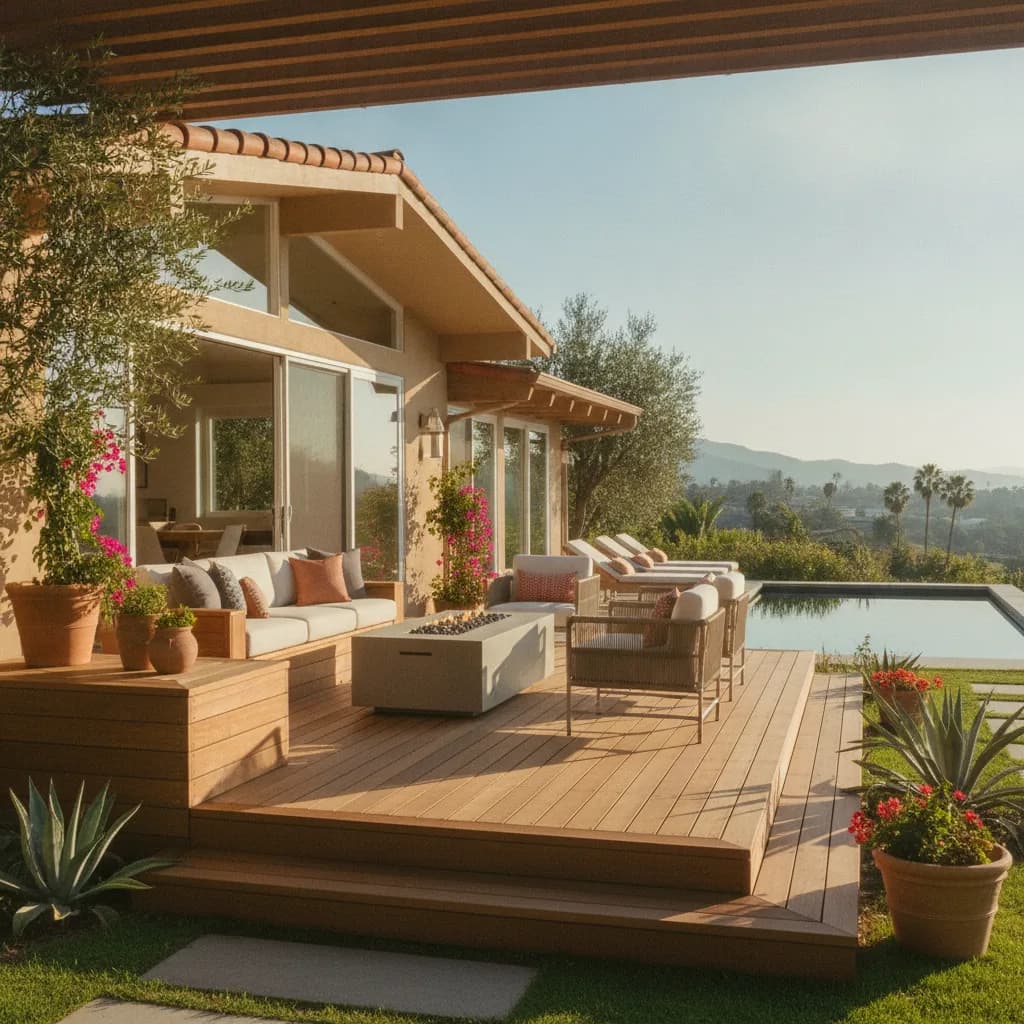
Los Angeles, with its unparalleled climate and emphasis on outdoor living, offers the perfect canvas for a stunning deck. A well-designed and expertly built deck isn't just an addition to your home; it's an extension of your lifestyle, a private oasis for relaxation, and a vibrant hub for entertaining. From the sun-drenched hills of Hollywood to the coastal breezes of Santa Monica, a deck can transform your Southern California property, enhancing both its beauty and functionality.
At Golden Yards Magazine, we understand that building a deck in Los Angeles involves unique considerations, from navigating local building codes and fire regulations to selecting materials that withstand intense sun exposure. This comprehensive guide will walk you through every step of the process, ensuring your deck project is a success, adding lasting value and enjoyment to your home.
Why Invest in a Deck for Your Los Angeles Home?
In a city celebrated for its indoor-outdoor lifestyle, a deck is more than just an amenity – it's an essential component of the quintessential Southern California home. The benefits extend far beyond mere aesthetics:
- Enhanced Outdoor Living: Los Angeles boasts an average of 284 sunny days per year, making outdoor spaces highly desirable. A deck provides a dedicated area for al fresco dining, morning coffee, evening cocktails, or simply soaking up the sun. It seamlessly connects your indoor living areas with the natural beauty of your backyard, creating a harmonious flow that is highly sought after.
- Increased Property Value: In the competitive Los Angeles real estate market, outdoor living spaces are a significant draw for potential buyers. A thoughtfully designed and well-maintained deck can offer a substantial return on investment, boosting your home's curb appeal and market value. Homebuyers in LA often prioritize properties that offer ready-to-enjoy outdoor entertainment and relaxation zones.
- Versatile Entertainment Space: Whether you're hosting a casual barbecue, a sophisticated dinner party, or a quiet family gathering, a deck provides the perfect setting. With the right design, it can accommodate various zones for lounging, dining, and even an outdoor kitchen, making it the focal point of your home's social life.
- Maximizing Views and Landscape: Many Los Angeles homes are situated to capture stunning views – from city skylines and canyon vistas to ocean panoramas. A raised deck can elevate your perspective, allowing you to fully appreciate your surroundings. It also provides an ideal platform to integrate with and showcase your drought-tolerant landscaping and native plant gardens, a hallmark of sustainable Southern California design.
- Personal Retreat: Beyond entertaining, your deck can serve as a personal sanctuary. Imagine a quiet space for meditation, reading, or simply unwinding after a long day, surrounded by the tranquility of your own backyard. In the bustling environment of Los Angeles, such a retreat is invaluable.
What Are the Best Decking Materials for Southern California's Climate?
Choosing the right material is paramount for a deck that will endure Los Angeles's intense sun, occasional heatwaves, and specific fire safety requirements. Each material offers a unique blend of aesthetics, durability, maintenance needs, and cost:
Natural Wood Decking
- Redwood and Cedar: These are popular choices in Southern California due to their natural beauty, rich color, and inherent resistance to rot and insects. Redwood, in particular, is a local favorite, known for its stability and ability to withstand the dry heat. Both require regular sealing or staining (every 1-3 years) to protect against UV damage and maintain their appearance. While beautiful, they can be prone to splintering over time if not properly maintained.
- Pressure-Treated Pine: An economical option, pressure-treated pine is chemically treated to resist rot and insects. However, it's less aesthetically appealing than redwood or cedar, and in LA's dry climate, it can be more prone to warping, cracking, and fading if not regularly sealed. It's often chosen for structural components rather than the visible decking surface.
- Tropical Hardwoods (Ipe, Tigerwood, Cumaru): These exotic woods are incredibly dense, durable, and naturally resistant to rot, insects, and fire. They offer exceptional longevity and a luxurious appearance. However, they are significantly more expensive, can be challenging to work with, and tend to absorb and retain heat, making them hot to the touch under direct LA sun. They also require oiling to maintain their rich color, otherwise, they will naturally weather to a silver-gray patina.
Low-Maintenance Alternatives
- Composite Decking: Made from a blend of wood fibers and recycled plastics, composite decking (brands like Trex, TimberTech, Fiberon) is engineered for durability and low maintenance. It resists rot, insects, splintering, and fading, and typically comes with long warranties. While the upfront cost is higher than most woods, the long-term savings on maintenance can be substantial. Modern composites offer a wide range of colors and textures, mimicking natural wood. A key consideration in LA is that darker composite colors can get very hot under direct sunlight.
- PVC Decking: Composed entirely of polyvinyl chloride, PVC decking (brands like Azek, Wolf) is the ultimate low-maintenance option. It's impervious to moisture, insects, and mold, and generally lighter and cooler to the touch than composite decking. It's also highly resistant to scratches and stains. PVC is typically the most expensive decking material upfront but offers unparalleled longevity and minimal upkeep. It's an excellent choice for areas with high sun exposure where heat retention is a concern.
When making your selection, consider your budget, desired aesthetic, willingness to perform maintenance, and the specific sun exposure and fire safety requirements of your Los Angeles property. For homes in Wildland-Urban Interface (WUI) zones, certain materials may be mandated or recommended for their fire-resistant properties.
How Can You Design a Deck That Enhances Your LA Outdoor Living?
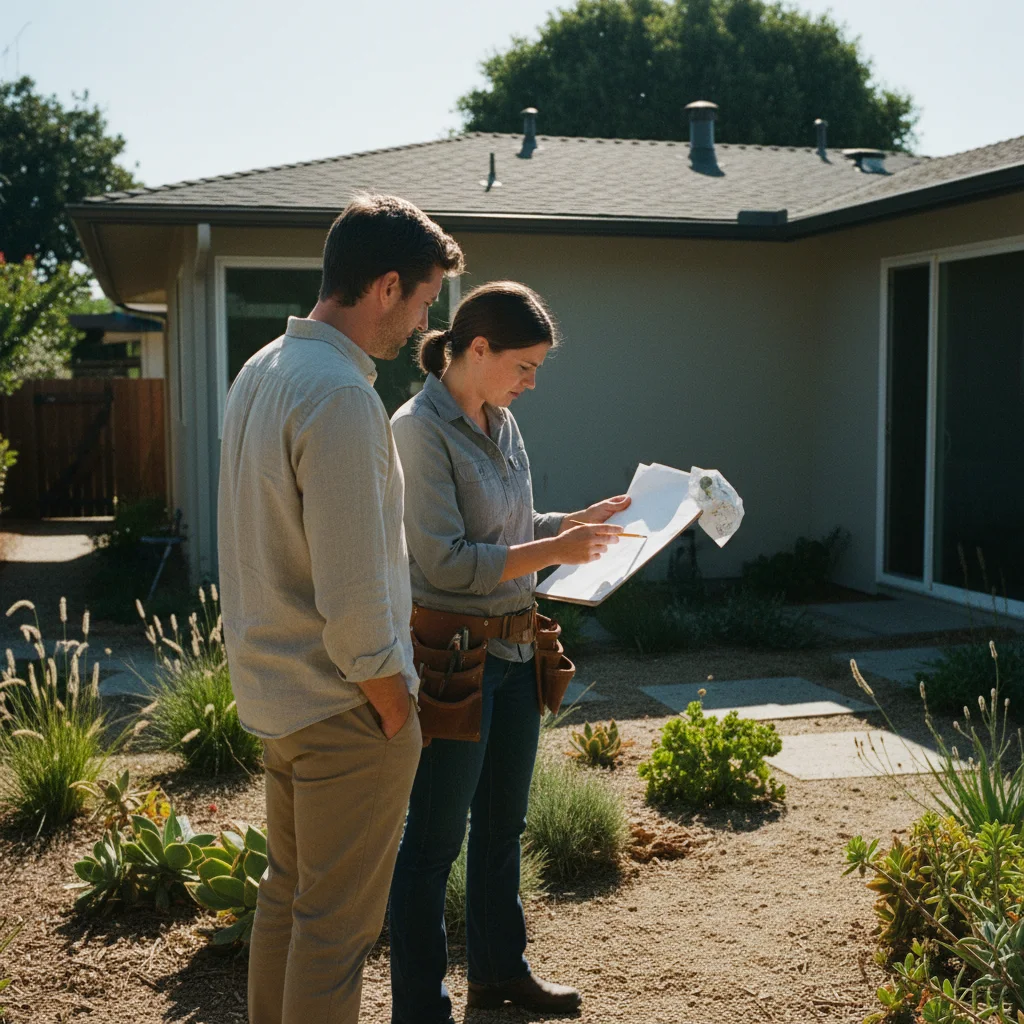
Deck design in Los Angeles is about more than just a flat surface; it's about creating an integrated outdoor experience that complements your home's architecture and maximizes the Southern California lifestyle. Here are key design considerations:
- Seamless Indoor-Outdoor Flow: The hallmark of LA living. Design your deck to flow effortlessly from interior spaces, using large sliding glass doors, French doors, or bifold doors. Consider matching flooring materials or colors to blur the lines between inside and out.
- Strategic Shade Solutions: Los Angeles sun can be intense. Incorporate pergolas, retractable awnings, shade sails, or strategically planted trees to provide relief. A well-placed shade structure can make your deck usable throughout the day, even during peak summer heat.
- Maximizing Views: If your property boasts city, canyon, or ocean views, design your deck to frame and enhance them. Consider glass railings or thin cable railings that offer unobstructed sightlines. Multi-level decks can be used to create different vantage points and zones.
- Multi-Functional Zones: Think beyond a single open space. Design distinct areas for dining, lounging, and perhaps a dedicated space for a fire pit or an outdoor kitchen. Built-in seating, planters, and storage can define these zones without cluttering the space.
- Integrated Lighting: Outdoor lighting is crucial for ambiance, safety, and extending the usability of your deck into the evening. Incorporate subtle LED stair lights, post cap lights, string lights, and landscape lighting to create a magical atmosphere.
- Built-in Features: Elevate your deck with custom elements like built-in benches, storage compartments, integrated planters for drought-tolerant succulents, or even an outdoor bar. These features add character and functionality.
- Small Space Solutions: For smaller LA lots, balconies, or rooftop decks, creative design is key. Consider compact furniture, vertical gardens, and clever storage solutions to maximize every square foot. Rooftop decks, in particular, offer incredible potential for panoramic views.
- Landscape Integration: Ensure your deck design harmonizes with your existing or planned landscaping. Use materials and colors that complement your home and garden. Incorporate native, drought-tolerant plants around the deck to enhance its natural appeal and reduce water usage, aligning with Southern California's conservation efforts.
What Are the Essential Planning Steps for a Deck Project in Los Angeles?
Ready to compare vetted project options?
Use Project Match privately when your scope is clear enough for contractor conversations.
Start Project MatchSee what your project actually costs in 4 questions.
We pull cost ranges from invoiced California contractor projects, then narrow them to your scope, ZIP, and finish level. No first-call sticker shock.
Find a vetted proFree. Takes under 2 minutes. No email required to see your range.
Embarking on a deck project requires careful planning to ensure a smooth process and a successful outcome. Here’s a step-by-step guide for Los Angeles homeowners:
- Define Your Vision and Needs: Start by envisioning how you'll use your deck. What's its primary purpose? How many people will it accommodate? What features are essential (e.g., outdoor kitchen, hot tub, fire pit)? Consider your home's architectural style and how the deck will integrate with it.
- Establish a Realistic Budget: Deck building costs in Los Angeles can vary significantly. Research material costs, labor rates, and permit fees. It's wise to allocate an additional 10-15% of your budget for unexpected expenses or design changes. Be transparent about your budget with potential contractors.
- Site Assessment and Feasibility: Evaluate your property. Consider sun exposure throughout the day, drainage patterns, existing landscaping, and any potential challenges like sloped terrain or limited access. Think about how the deck will connect to your home and yard.
- Research and Hire Licensed Professionals: This is critical in Los Angeles. Seek out licensed, insured, and reputable deck builders or general contractors with specific experience in Southern California. Verify their Contractor State License Board (CSLB) license, check references, and review their portfolio of local projects. An experienced LA contractor will be familiar with local codes, permit processes, and climate-specific challenges.
- Develop Detailed Designs and Plans: Work with your chosen contractor or a landscape architect/designer to create detailed plans. These plans should include dimensions, material specifications, structural details, railing designs, and any built-in features. This is also the time to finalize material selections based on your budget and aesthetic preferences.
- Understand Permit and HOA Requirements: Before any construction begins, you must understand and secure all necessary permits from the Los Angeles Department of Building and Safety (LADBS). If your property is part of a Homeowners Association (HOA), you'll also need to obtain their approval. This step is often the most time-consuming but is non-negotiable for legal and safe construction.
- Review Contracts and Schedule: Once designs are finalized and permits are in hand, thoroughly review the contractor's proposal and contract. Ensure it includes a detailed scope of work, material specifications, payment schedule, project timeline, and warranty information. Establish clear communication channels and a project schedule.
Navigating Permits and HOAs: What Do Los Angeles Homeowners Need to Know?
Permits and Homeowners Association (HOA) approvals are non-negotiable steps for most deck projects in Los Angeles. Skipping these can lead to significant fines, demolition orders, and difficulties when selling your home.
Los Angeles Department of Building and Safety (LADBS) Permits
Almost all new deck constructions or significant modifications in Los Angeles require a permit from the LADBS. This is especially true for decks that are:
- Attached to the house.
- More than 30 inches above grade at any point.
- Covered by a roof or enclosed.
- Over a certain square footage (e.g., 200 sq ft for detached decks).
The Permit Process Typically Involves:
- Plan Submission: You'll need to submit detailed architectural and structural plans, including site plans, foundation details, framing plans, and railing specifications. These plans must adhere to the California Building Code and specific Los Angeles amendments, including seismic requirements.
- Structural Calculations: For most decks, especially those attached to the house or elevated, structural calculations prepared by a licensed engineer or architect will be required to ensure the deck can safely support its intended load.
- Review and Approval: The LADBS will review your plans for compliance with all applicable codes. This process can take several weeks or even months, depending on the complexity of the project and the department's workload.
- Inspections: Once the permit is issued, various inspections will be required at different stages of construction (e.g., foundation, framing, final). Your contractor will coordinate these inspections.
Local Context for LA: Be aware of specific LA zoning ordinances, setback requirements, and fire codes, particularly if your property is in a Wildland-Urban Interface (WUI) zone. Decks in WUI areas may require specific fire-resistant materials and construction methods to comply with Chapter 7A of the California Building Code.
Homeowners Association (HOA) Approval
If your property is within an HOA, obtaining their approval is usually a prerequisite to applying for city permits. HOAs often have their own set of rules and guidelines regarding exterior modifications, which can include:
- Architectural Review: Most HOAs have an architectural review board that must approve your deck design, materials, colors, and overall aesthetic to ensure it aligns with community standards.
- CC&Rs (Covenants, Conditions, and Restrictions): Carefully review your HOA's governing documents for any specific restrictions on deck size, height, location, or materials.
- Submission Process: You'll typically need to submit your detailed plans to the HOA for approval before approaching the LADBS. This process can also take time, so factor it into your project timeline.
Consequences of Non-Compliance: Building without proper permits or HOA approval can lead to stop-work orders, fines, legal action, and even the forced demolition of your deck. It can also complicate future home sales, as unpermitted structures may not be disclosed or insurable.
What Are the Typical Costs Associated with Deck Building in Los Angeles?
Deck building costs in Los Angeles can vary widely, influenced by material choices, deck size and complexity, site conditions, and contractor rates. While LA generally sees higher labor and material costs than other regions, a well-planned deck remains a valuable investment.
Key Cost Factors:
- Materials: This is often the largest variable. Prices are typically quoted per square foot for installed decking.
- Pressure-Treated Pine: $15 - $25 per square foot (installed). Most economical but requires more maintenance.
- Redwood/Cedar: $25 - $45 per square foot (installed). Mid-range, beautiful, but needs regular sealing.
- Composite Decking: $35 - $70+ per square foot (installed). Higher upfront, but low maintenance and long-lasting.
- PVC Decking: $45 - $80+ per square foot (installed). Premium option, virtually maintenance-free.
- Tropical Hardwoods (Ipe): $40 - $80+ per square foot (installed). Luxurious, extremely durable, but expensive and can retain heat.
- Labor: Labor costs in Los Angeles are generally higher due to the cost of living and demand for skilled trades. This typically accounts for 50-70% of the total project cost. Complex designs, multi-level structures, or challenging site access will increase labor hours.
- Deck Size and Complexity: Larger decks naturally cost more. Multi-level designs, intricate railing systems, built-in features (benches, planters, pergolas, outdoor kitchens), and custom shapes will significantly increase both material and labor costs compared to a simple, single-level rectangular deck.
- Site Preparation: Costs for demolition of existing structures, grading, excavation, and ensuring proper drainage can add to the total. Difficult access to the backyard can also increase labor costs.
- Permit Fees: LADBS permit fees vary based on the project's valuation but typically range from a few hundred dollars to over a thousand. Engineering fees for structural calculations can add another $1,000 - $3,000+.
- Additional Features:
- Railings: Glass, cable, or custom metal railings are more expensive than standard wood balusters.
- Stairs: Adding stairs, especially multiple sets or custom designs, increases cost.
- Lighting: Integrated LED lighting, post cap lights, and step lights add to both material and installation costs.
- Shade Structures: Pergolas, awnings, or shade sails are separate additions.
- Outdoor Kitchens/Fire Pits: These are significant additions with their own material and installation costs.
Return on Investment (ROI): Despite the higher costs in LA, a well-designed and properly built deck offers an excellent return on investment. Homeowners can typically recoup 60-80% of the project cost at resale, with some projects seeing even higher returns due to the high demand for quality outdoor living spaces in Southern California.
Maintaining Your Los Angeles Deck: Tips for Longevity
Get 3 contractor bids in 48 hours.
Our editors already screened California contractors. Answer 4 questions; we send 3 written bids inside 48 hours, with the real price for your scope, not their inflated first-call number.
Send my 3 bidsFree. No commission. If a match doesn't fit, we'll send another.
Once your beautiful new deck is complete, proper maintenance is key to preserving its appearance, structural integrity, and longevity, especially under the relentless Los Angeles sun.
- Regular Cleaning: Sweep or blow off leaves, dirt, and debris regularly to prevent moisture buildup and staining. For a deeper clean, use a pressure washer on a low setting or a deck cleaner with a stiff brush, following the manufacturer's recommendations for your specific decking material.
- Wood Deck Care: Wood decks, particularly redwood and cedar, require more intensive maintenance. Plan to clean, strip (if necessary), and reapply a high-quality stain or sealant every 1-3 years. This protects the wood from UV damage, moisture, and mildew, which can cause fading, cracking, and rot. In LA's sunny climate, UV protection is paramount.
- Composite and PVC Deck Care: These materials are designed for low maintenance. Typically, a simple wash with soap and water is sufficient to remove dirt and grime. Avoid abrasive cleaners or high-pressure washing, which can damage the surface. Check manufacturer guidelines for specific cleaning products.
- Inspect Annually: Conduct a thorough inspection of your deck at least once a year. Look for loose fasteners, wobbly railings, signs of rot or insect damage (termites are a concern in Southern California), and any splintering or cracking. Address minor issues promptly to prevent them from becoming major problems.
- Trim Overhanging Branches: Keep trees and shrubs trimmed back from your deck to reduce shade, prevent leaf litter accumulation, and minimize moisture retention, which can foster mold and mildew growth.
- Protect from Furniture Scratches: Use furniture pads or glides under deck furniture legs to prevent scratches and scuffs on your deck surface.
By following these maintenance tips, your Los Angeles deck will remain a beautiful and functional extension of your home for many years to come.
Frequently Asked Questions About Deck Building in Los Angeles
Q: Do I need a permit for every deck in Los Angeles? A: Almost always, yes. The Los Angeles Department of Building and Safety (LADBS) requires permits for most new decks, especially those attached to the house, more than 30 inches above grade, or over a certain size. Even minor modifications might require a permit. Building without one can lead to fines, stop-work orders, and difficulties when selling your home. Always consult with a licensed contractor or the LADBS directly.
Q: How long does a typical deck build take in LA? A: The timeline varies significantly based on complexity, size, material choice, and the permit process. A simple, small deck might take 2-4 weeks for construction after permits are acquired. A larger, more complex, multi-level deck with custom features could take 6-12 weeks or more. The permit acquisition phase itself can add anywhere from 4 weeks to several months in Los Angeles.
Q: What's the best material for a low-maintenance deck in LA's climate? A: For the lowest maintenance, composite (e.g., Trex, TimberTech) or PVC (e.g., Azek, Wolf) decking materials are generally the best choices. They resist rot, insects, splintering, and fading, requiring only occasional cleaning with soap and water. While their upfront cost is higher than wood, the long-term savings on staining, sealing, and repairs make them a popular choice for busy Los Angeles homeowners.
Q: Can I build a deck myself in Los Angeles to save money? A: While it's technically possible for a homeowner to build their own deck, it's highly recommended to hire a licensed professional in Los Angeles. Deck construction involves complex structural engineering, adherence to strict building codes (including seismic and fire codes), and navigating the LADBS permit and inspection process. Errors can be costly, dangerous, and lead to legal issues. For most homeowners, the expertise of a professional contractor is invaluable.
Q: How much value does a new deck add to my LA home? A: A well-designed and properly built deck can add significant value to your Los Angeles home. Homeowners typically see a return on investment (ROI) of 60-80% or more at resale, especially given the high demand for quality outdoor living spaces in Southern California. The exact value added depends on the quality of materials, design, and how well it integrates with your home and landscape.
Q: Are there fire-resistant decking options for brush fire zones in LA? A: Yes, absolutely. For homes in Wildland-Urban Interface (WUI) zones, fire resistance is a critical consideration. Materials like certain types of composite decking, PVC decking, and some tropical hardwoods (like Ipe) have better fire-resistant properties than traditional softwoods. Always consult with your contractor and the LADBS to ensure your chosen materials and construction methods comply with Chapter 7A of the California Building Code and local fire safety regulations for WUI areas.
Building a deck in Los Angeles is an exciting endeavor that promises to enhance your home and lifestyle significantly. By carefully considering materials, design, planning, and navigating the local permit landscape, you can create an outdoor space that perfectly captures the essence of Southern California living. Remember, thorough preparation and partnering with experienced, licensed professionals are the keys to a successful and enduring deck project. Enjoy your golden yards!
Sources & Methodology
See the Golden Yards Methodology for how sources are reviewed, ranges are normalized, and planning-data limits are handled.
Cost ranges, regulatory references, and design guidance in this article draw on the following public datasets, industry standards, and Renology editorial research.
Ready to start your deck project?
Find My ProsFrequently Asked Questions
Do I need a permit for every deck in Los Angeles?
Yes, a permit is almost always required for a deck in Los Angeles. The Los Angeles Department of Building and Safety (LADBS) mandates permits for most new decks, especially those attached to the house, more than 30 inches above grade, or over a certain size. Even minor modifications might need one.
According to the Los Angeles Department of Building and Safety (LADBS), a permit is necessary for nearly any deck attached to your home or standing more than 30 inches above the ground. This requirement can also apply to modifications of existing structures, so it is important to verify before starting work.
Building without a permit can lead to serious consequences, including fines and stop-work orders from the city. Furthermore, unpermitted construction can cause significant difficulties and delays when you decide to sell your home. To avoid these issues, always consult with a licensed contractor or the LADBS directly for guidance.
How long does a typical deck build take in LA?
A typical deck build in Los Angeles takes 2-4 weeks for a simple project and 6-12 weeks for a complex one, after permits are approved. The permit process itself can add 4 weeks to several months. The total timeline depends on the deck's size, complexity, and chosen materials.
The construction timeline for a deck can change significantly based on several factors. A small, straightforward deck might only require 2 to 4 weeks for the building phase after permits are secured. In contrast, a larger, multi-level deck with custom features will demand a longer construction period, usually 6 to 12 weeks or potentially more.
It is important to account for the permit acquisition phase in Los Angeles. This preliminary step can add a notable amount of time to the project, ranging from 4 weeks to several months before any construction can begin. The final schedule is influenced by project complexity, size, and material choices.
What's the best material for a low-maintenance deck in LA's climate?
Composite, like Trex or TimberTech, and PVC, like Azek or Wolf, are the best low-maintenance decking materials for Los Angeles. They resist rot, insects, splintering, and fading, requiring only occasional cleaning with soap and water. While their upfront cost is higher than wood, they save money on long-term staining, sealing, and repairs.
For busy Los Angeles homeowners, the primary benefit of composite or PVC decking is durability with minimal upkeep. Brands such as Trex, TimberTech, Azek, and Wolf offer products engineered to withstand the climate without the regular staining and sealing that wood requires. These materials effectively resist common problems like rot, insect damage, and fading.
Their main maintenance requirement is just an occasional cleaning with soap and water. Although the initial investment is greater than for a traditional wood deck, the long-term savings are significant. Homeowners avoid the recurring costs and labor associated with repairs and refinishing, making these materials a popular, practical choice.
Can I build a deck myself in Los Angeles to save money?
Yes, you can build a deck yourself in Los Angeles, but hiring a licensed professional is highly recommended. Construction involves complex engineering and strict building codes, including seismic and fire rules. You must also handle the LADBS permit and inspection process, where mistakes can be costly, dangerous, and cause legal problems.
While it is technically possible for a homeowner to build their own deck, the process in Los Angeles is complicated. Deck construction requires knowledge of structural engineering and compliance with demanding local building codes, which cover important seismic and fire safety standards. The Los Angeles Department of Building and Safety (LADBS) has a required permit and inspection process.
Errors made during construction can lead to expensive repairs, unsafe structures, and potential legal trouble. For these reasons, the expertise of a professional contractor is invaluable for most homeowners to ensure a safe and compliant project.
How much value does a new deck add to my LA home?
A new deck adds significant value to your Los Angeles home, with homeowners typically seeing a 60-80% return on investment at resale. This value is driven by high demand for quality outdoor living spaces in Southern California and depends on the quality of materials, design, and overall integration.
The 60-80% return on investment for a new deck in Los Angeles is a typical range, not a guarantee. The final resale value added is influenced by several key factors. A well-designed deck that complements your home's architecture and landscape will be more valuable than a generic one. The quality of materials and craftsmanship also play a large role. Strong demand for functional outdoor living areas throughout Southern California helps support these high ROI figures, making a deck a popular home improvement project.
Are there fire-resistant decking options for brush fire zones in LA?
Yes, fire-resistant decking is available for LA homes in Wildland-Urban Interface (WUI) zones. Options like specific composite decking, PVC, and tropical hardwoods such as Ipe offer better fire resistance than softwoods. Always confirm your materials comply with Chapter 7A of the California Building Code and local regulations with your contractor and the LADBS.
For homeowners in Los Angeles's Wildland-Urban Interface (WUI) areas, fire safety is a primary concern. Materials such as certain composite decking, PVC decking, and dense tropical hardwoods like Ipe have superior fire-resistant qualities compared to traditional softwoods. It is essential to work with your contractor and the Los Angeles Department of Building and Safety (LADBS). They will ensure your project's materials and construction methods meet the strict requirements of Chapter 7A of the California Building Code and all local fire safety rules for WUI zones.