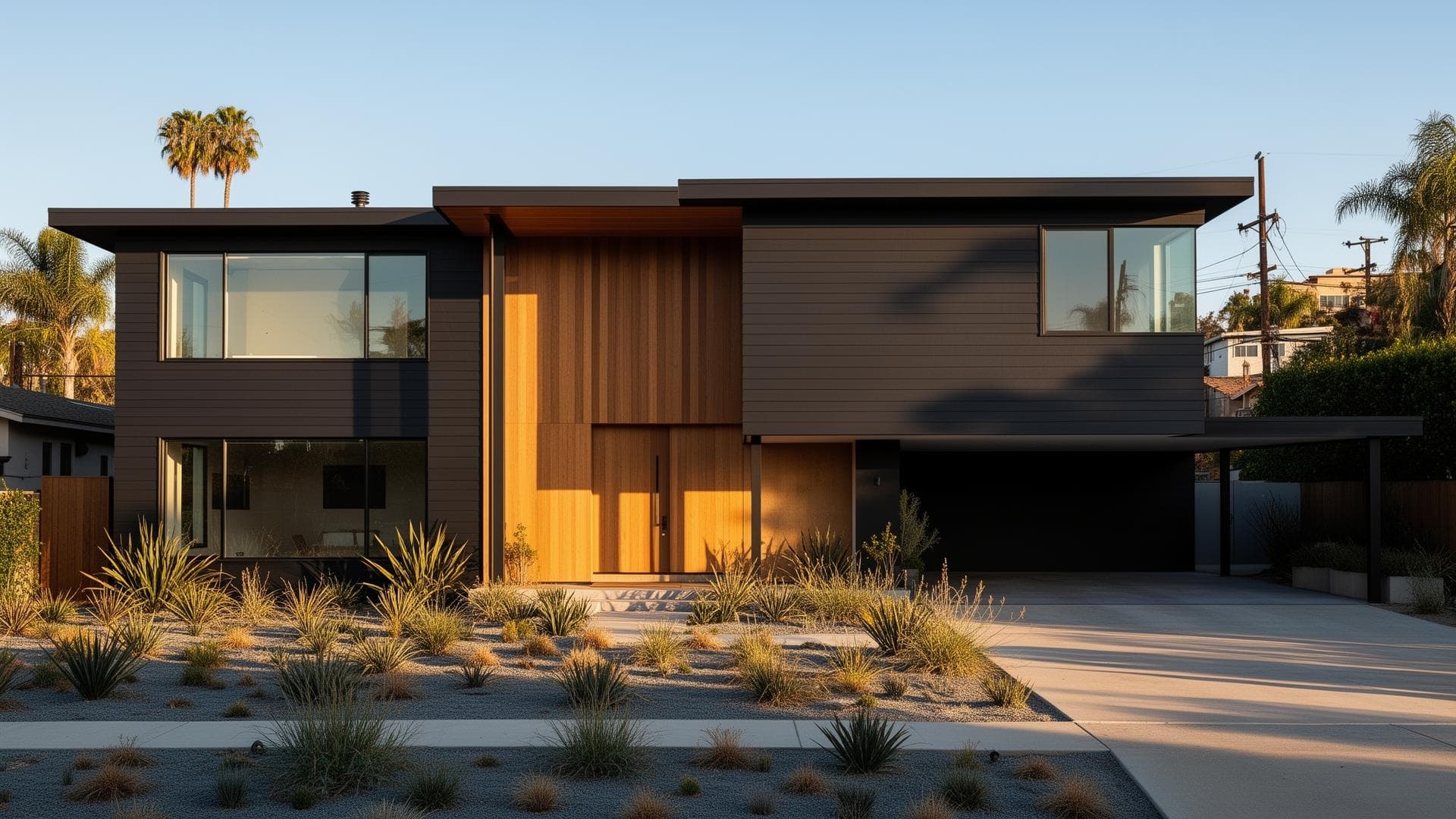
Service Guide
Siding
in California
Fire-resistant, UV-stable exterior cladding that protects and transforms your home. From stucco to fiber cement, your complete guide.
$6-$30
Per sq ft installed
3,000+ Hrs
Annual sunshine
Class A
Fire rating in VHFHSZ
30-50+ Yrs
Fiber cement lifespan
Understanding California Siding
Why Siding Matters More in California Than Almost Anywhere Else
A home's siding is its skin, the barrier between living space and the elements. In California, those elements are uniquely demanding. Relentless UV radiation, averaging over 3,000 hours of sunshine per year, breaks down paint, fades colors, and degrades lesser materials faster than in any other major U.S. metro.
The modern California siding market has expanded far beyond stucco. Fiber cement siding, led by James Hardie products manufactured specifically for the California climate zone, offers the look of wood with the fire resistance of cement and the UV stability of engineered materials. The best siding projects often combine multiple materials for depth, visual interest, and architectural distinction.
Did You Know?
California receives over 3,000 hours of sunshine per year, more than any other major U.S. state. UV-stable siding maintains color and integrity 2 to 3x longer than standard materials.
How Much Does Siding Cost in California?
Siding installation in California costs $6 to $12 per square foot for stucco repair and re-coating, $9 to $15 per square foot for fiber cement (James Hardie), $12 to $25 per square foot for natural wood, and $15 to $30 per square foot for stone veneer. For a typical 1,500 square foot exterior, total costs range from $9,000 to $45,000 depending on material, existing siding removal, and home complexity.
Stucco: California's Most Popular Siding
Stucco dominates California's residential exterior market like no other siding material. An estimated 60 to 70% of California homes feature stucco cladding, making it the default exterior finish in the state. Understanding stucco types, costs, and maintenance is essential knowledge for any California homeowner.
Traditional Three-Coat Stucco
Traditional stucco is a cement-based system applied in three layers: scratch coat, brown coat, and finish coat, over metal lath attached to the sheathing. It costs $8 to $14 per square foot installed and offers a lifespan of 50+ years in California's dry climate. Traditional stucco is inherently non-combustible, achieving a Class A fire rating without any additional treatment. It provides excellent thermal mass, absorbing heat during the day and releasing it slowly at night, which moderates interior temperature swings. Stucco is available in virtually any color and can be finished in smooth, sand, dash, or lace textures.
EIFS (Synthetic Stucco)
Exterior Insulation and Finish System (EIFS), sometimes called synthetic stucco, uses a foam insulation board with a thin acrylic-based finish coat. It costs $10 to $18 per square foot installed and provides significantly better insulation (R-4 to R-10 depending on foam thickness) than traditional stucco. However, EIFS has a troubled history with moisture intrusion when improperly installed, particularly around windows and penetrations. In California's dry climate, moisture issues are less common than in humid regions, but proper flashing and drainage details remain critical. EIFS is best suited for new construction where the drainage plane can be installed correctly from the start.
Stucco Repair vs. Replacement
Stucco maintenance costs vary widely based on the extent of damage. Hairline cracks are cosmetic and can be filled with elastomeric caulk as a DIY project for $50 to $200 in materials. Larger cracks (wider than 1/8 inch) may indicate structural movement or substrate issues and require professional repair at $500 to $5,000 depending on scope. Full stucco replacement, which involves removing all existing stucco down to the sheathing and re-applying, costs $10,000 to $25,000 for a typical California home. Signs that indicate replacement over repair include widespread cracking patterns, bubbling or delamination, persistent moisture intrusion, or stucco that sounds hollow when tapped.
California Stucco Advantage
Stucco performs best in dry climates, and California is ideal. The thermal mass properties of traditional stucco reduce cooling loads by absorbing and slowly releasing heat, complementing California's diurnal temperature swings where days are warm and nights are cool.
Fire-Resistant Siding for California Homes
With wildfire risk expanding across California, fire-resistant siding is no longer a niche concern limited to mountain communities. Homeowners throughout the state are evaluating their exterior cladding through the lens of fire safety, insurance requirements, and resale marketability.
Fiber Cement (Hardie Board): The Gold Standard
Fiber cement siding, led by James Hardie's HZ10 product line (engineered specifically for California's climate zone), costs $8 to $14 per square foot installed. It carries a Class A fire rating, is completely termite-proof, and comes with a 30 to 50 year warranty. Fiber cement is made from a mixture of cement, sand, and cellulose fiber, making it inherently non-combustible. It resists UV degradation far better than vinyl or wood, with Hardie's ColorPlus factory-applied finish warranted against fading, chipping, and peeling for 15 years. Available in lap siding, board and batten, shingle, and panel profiles, fiber cement can replicate the appearance of virtually any material.
Stucco: Inherently Non-Combustible
Traditional cement-based stucco achieves a Class A fire rating by nature of its composition. A properly applied three-coat stucco system provides a continuous, jointless barrier that resists flame spread and ember penetration. For California homes in fire zones, stucco's seamless application is an advantage over siding products that have joints where embers could potentially lodge.
Metal Siding: Maximum Fire Protection
Metal siding panels cost $10 to $20 per square foot installed and are completely non-combustible. Steel and aluminum panels are increasingly popular for modern and contemporary California homes, offering clean lines and a distinctive aesthetic. Metal siding is also the lightest cladding option, reducing structural load, and requires minimal maintenance over a 40 to 60 year lifespan. Insulated metal panels combine cladding and insulation in a single product.
Materials to Avoid in Fire Zones
Vinyl siding melts and deforms at temperatures as low as 165 degrees Fahrenheit, well below what a passing wildfire generates. It is not permitted in VHFHSZ zones. Natural wood siding is combustible and prohibited in VHFHSZ zones unless treated with a fire-retardant chemical to achieve a Class A rating. Even fire-retardant treated wood requires re-treatment every 5 to 10 years to maintain its rating. In VHFHSZ zones, all siding materials within 5 feet of grade must be non-combustible or ignition-resistant to prevent ground-level fire from reaching the wall assembly.
Fire Zone Siding Summary
For maximum fire protection in California: fiber cement, stucco, and metal are the top three choices. All are Class A rated, non-combustible or ignition-resistant, and approved for use in VHFHSZ zones. Fiber cement offers the broadest design versatility, stucco the most traditional California aesthetic, and metal the most contemporary look.
Why It Matters
6 Reasons California Siding Is Different
Fire Protection for Your Home
Non-combustible siding materials like stucco and fiber cement provide critical fire resistance, especially in VHFHSZ zones where wildfire ember exposure is a real threat.
UV-Stable Colors That Don't Fade
California-rated siding products use advanced pigment technology that resists the intense UV degradation caused by 3,000+ hours of annual sunshine. Colors stay true for decades.
Energy Efficiency & Insulation
Modern siding systems include integrated insulation that reduces heat transfer, lowering cooling costs by 10 to 20% in California's hot climate. Continuous insulation eliminates thermal bridging.
Dramatic Curb Appeal Transformation
Siding is the single most visible element of your home's exterior. New siding can completely transform your home's appearance, often making it look like an entirely different property.
Earthquake-Resilient Design
Properly installed siding systems flex with seismic movement rather than cracking. Fiber cement and engineered products absorb vibration better than rigid materials.
30 to 50+ Year Protection
Premium siding materials like fiber cement and stone veneer last 30 to 50+ years with minimal maintenance, providing decades of protection and beauty.
The Process
From Assessment to Finished Exterior
Exterior Assessment
Day 1A thorough inspection of the home's existing siding, substrate, waterproofing, trim, and structural connections. Damage, moisture issues, and code deficiencies are identified. The homeowner receives an honest assessment with photos and a recommendation for repair vs. replacement.
Material Selection & Design
Week 1 to 2Based on the home's architecture, budget, fire zone requirements, and aesthetic goals, the best siding materials are recommended. A detailed material and color plan is created, often combining multiple products for visual interest. Large-format samples can be viewed against the home before committing.
Permitting
Week 1 to 3Siding replacement in California requires a building permit when the project involves structural changes, new waterproofing systems, or material changes that affect fire rating. All permit applications are prepared and submitted to LADBS. Simple re-stucco or like-for-like replacements may qualify as over-the-counter permits.
Installation
1 to 4 WeeksExisting siding is removed (if replacing), substrate is inspected and repaired, new waterproofing membrane is installed, new siding material is applied, trim and flashing are installed, all joints are caulked, and finish coatings are applied. Landscaping is protected and the site is cleaned up daily.
Final Inspection & Warranty
CompletionQuality inspection, city building inspection, site cleanup, and warranty activation. Most premium siding products carry 30-year to lifetime manufacturer warranties plus workmanship guarantees.
Compare Options
Siding Materials at a Glance
| Attribute | Stucco (3-coat) | Fiber Cement ★ | Natural Wood | Stone Veneer | Metal Panel |
|---|---|---|---|---|---|
| Cost / sq ft | $6 to $12/sqft | $9 to $15/sqft | $12 to $25/sqft | $15 to $30/sqft | $14 to $28/sqft |
| Lifespan | 30 to 50 years | 30 to 50+ years | 15 to 30 years | 50 to 75+ years | 40 to 60+ years |
| Fire Rating | 1-hour (excellent) | Non-combustible | Combustible* | Non-combustible | Non-combustible |
| UV Resistance | Good (requires paint) | Excellent (baked color) | Poor (fades/grays) | Excellent (natural) | Excellent |
| Maintenance | Moderate (paint 7 to 10yr) | Very Low | High (stain/seal 3 to 5yr) | Very Low | Very Low |
| Seismic | Good (may crack) | Excellent (flexible) | Good | Heavy, needs proper attach | Excellent |
| Best For | Traditional California homes | All styles | Accent areas only | Entry/base accents | Modern/contemporary |
Editorial recommendation: Fiber cement (James Hardie HZ10 zone-specific product) offers the best combination of fire resistance, UV stability, aesthetic versatility, and longevity for California homes. Combine with stone veneer accents at entries and bases for maximum visual impact.
*Wood siding is prohibited in Very High Fire Hazard Severity Zones unless fire-treated to Class A rating.
California Local Guide
What California Homeowners Need to Know
Fire Zone Requirements
In California's Very High Fire Hazard Severity Zones, exterior cladding must be non-combustible or approved ignition-resistant materials. Wood siding is generally prohibited unless fire-treated to achieve a Class A rating. Stucco, fiber cement, metal, and stone veneer all meet VHFHSZ requirements. Eave soffits must be enclosed with non-combustible material, and exterior vents must be ember-resistant. Check your property's designation at zimas.lacity.org.
Stucco in California: Repair vs. Replace
Stucco is the most common siding material in California. If stucco shows hairline cracks (less than 1/16 inch), simple patching and repainting is typically sufficient. Wider cracks, bulging, delamination, or evidence of moisture behind the stucco indicate deeper problems that may require remediation: removing the stucco, repairing the waterproofing and lath system, and re-applying a new three-coat system. Stucco remediation costs $10 to $18 per square foot compared to $6 to $12 for standard re-coating.
James Hardie HZ10 Zone Product
James Hardie manufactures a climate-specific fiber cement product for Climate Zone 10 (Southern California) called HZ10. This formula is engineered to resist intense UV, thermal cycling, and occasional moisture. It includes ColorPlus technology with baked-on color that resists fading for 15+ years. HZ10 products are available in lap siding, board and batten, shingle, and panel profiles.
Architectural Style Guide
Spanish Colonial/Mediterranean: Three-coat stucco in warm earth tones. Modern/Contemporary: Fiber cement board and batten or flat panels in dark tones with metal panel accents. Craftsman: Fiber cement shingle siding mimics wood shingle without maintenance. Mid-Century Modern: Fiber cement panels can replicate original materials with modern performance.
Real Homeowner Stories
What California Homeowners Say
"We replaced our cracked, faded stucco with a combination of James Hardie board and batten and stone veneer at the entry. The house looks like a completely different property. Three neighbors have asked for the contractor's number since we finished. The quality of the installation is impeccable."
"The stucco remediation fixed years of hidden moisture damage. Thorough and professional."
George P. · Los Feliz
"The HZ10 board and batten transformed our ranch home into a modern farmhouse. Stunning."
Jessica & Brian T. · Sherman Oaks
"Completed in 2 weeks, on budget, no surprises. Exactly what we wanted."
Carlos R. · Glendale
"Our home's value increased noticeably after the new siding. Best exterior investment."
Pam W. · Pasadena
Common Questions
Siding FAQ
Ready to start your siding project?
Get matched with 2-3 vetted California contractors. 100% free, no obligation.
Find My ProsCost Index
Siding budget ranges
See 2026 planning ranges, cost drivers, budget tiers, and timeline notes for this project type.
Open cost dataMethodology
How Golden Yards builds ranges
Review how we normalize California costs, site conditions, source limits, and editorial updates.
Read methodologyGlossary
Terms that change bids
Define base prep, drainage, allowances, setbacks, permits, and other outdoor project terms.
Browse termsTerms in this guide
Quick definitions for the bid language that changes scope, cost, and contractor comparison.
Keep Reading
Explore More California Guides
Your Next Step: Getting a Siding Quote in California
Browse top-rated siding contractors in California, compare options, and get matched for free.
Start Project MatchFree to use · Independent reviews · We respond within 24 hours
Recent articles in this topic
Specific reporting and how-to from the Siding beat across California.
Cost Guide
Beverly Hills Siding Replacement Costs in 2026: A Real-Budget Breakdown
A full siding replacement in Beverly Hills costs between $45,000 and $120,000 in 2026. This guide breaks down the real costs, including permits, labor, and hidden structural repairs.
Cost Guide
How Much Does a Siding Replacement Cost in Riverside in 2026?
A full siding replacement in Riverside, CA typically costs $22,000 to $48,000 in 2026. Key factors influencing the price include material choice, labor rates, and hidden costs like dry rot repair.
Howto
How to Plan a Siding Replacement Project in San Diego
Planning a siding replacement in San Diego for 2026? Our step-by-step guide covers costs, permits from the DSD, and choosing the right materials for coastal and inland climates.
Comparison
Siding Replacement: Premium vs. Mid-Tier in Oakland
A real-world 2026 cost and performance comparison between premium James Hardie Artisan siding and mid-tier HardiePlank for Oakland homes, from permits to long-term value.
Trends
The 6 Siding Replacement Designs Pasadena Homeowners Are Asking For Right Now
Pasadena homeowners are swapping tired stucco for high-performance siding. Discover the eight top trends for 2026, from fire-wise fiber cement in Bungalow Heaven to modern metal panels and their costs.
Comparison
Siding Replacement: Premium vs. Mid-Tier in Newport Beach
A real-world cost comparison for siding replacement in Newport Beach, CA. We break down the 2026 costs, timelines, and durability of mid-tier vs. premium siding in a coastal climate.
Howto
Your San Diego Siding Replacement Project Checklist for 2026
A complete guide to siding replacement in San Diego for 2026. Learn about costs, permits, timelines, and how to hire the right contractor for San Diego's unique coastal and inland climate challenges.
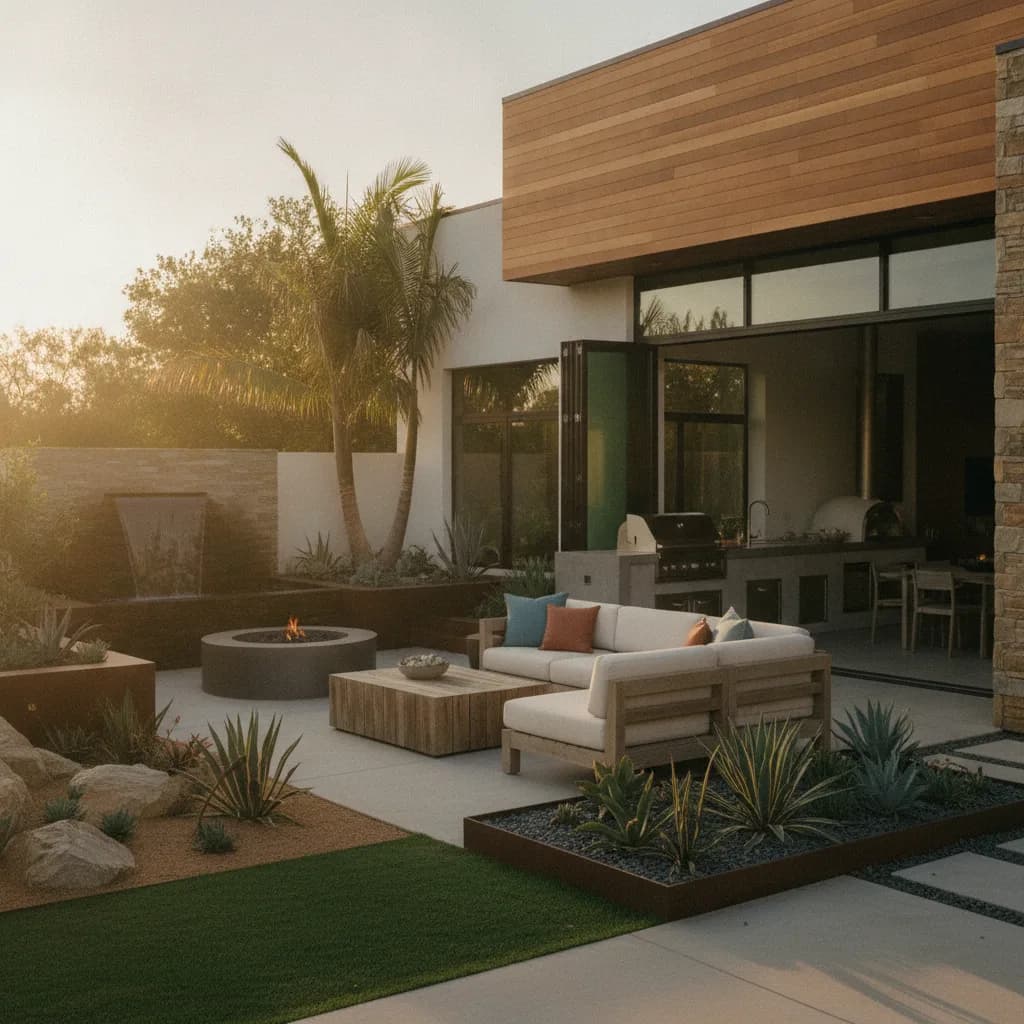
Comprehensive Guide
Elevate Your LA Home: The Ultimate Guide to Siding Options for Southern California Living
Transform your Los Angeles home with the right siding. Explore materials, costs, and local considerations for protection, curb appeal, and energy savings.