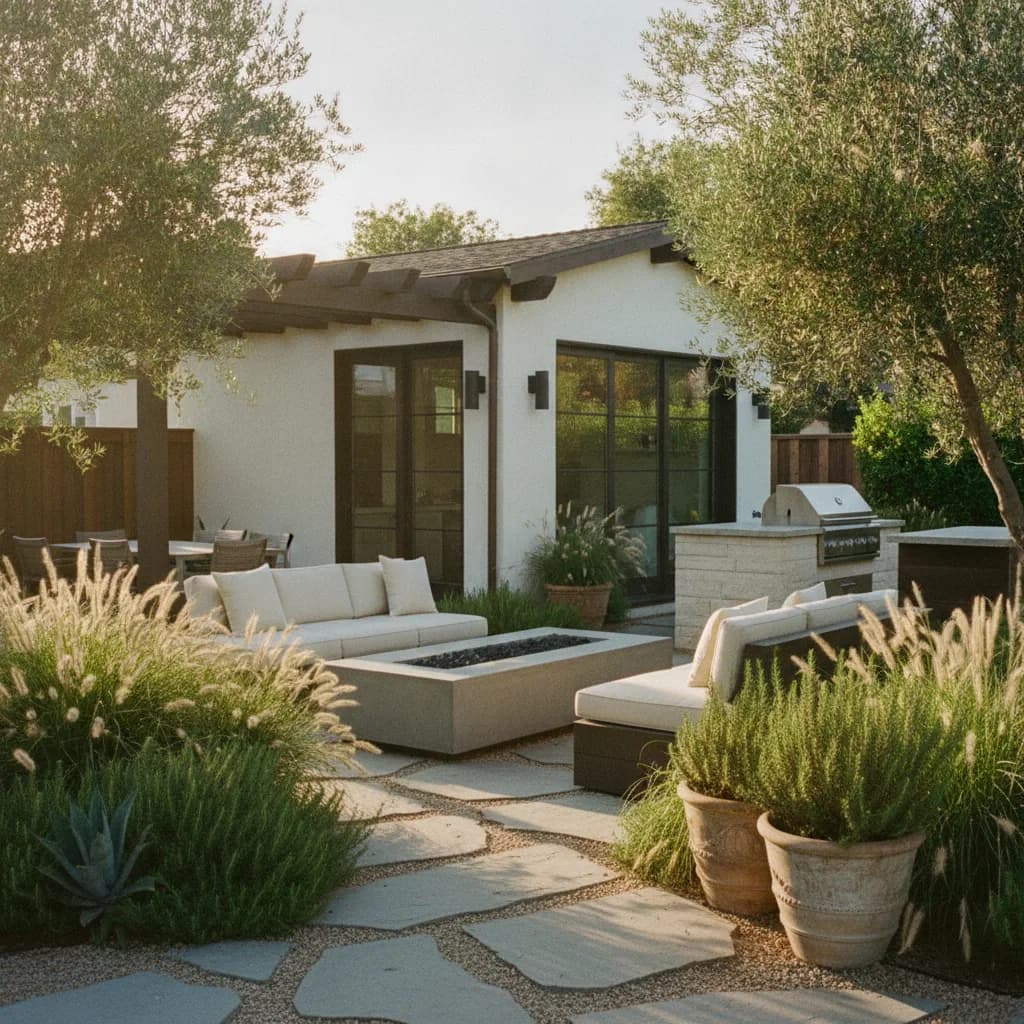
Converting your garage into an Accessory Dwelling Unit (ADU) in Pasadena offers significant benefits, from generating rental income to increasing property value and providing flexible living space. A garage conversion in Pasadena typically costs between $80,000 for standard features and up to $200,000 for high-end finishes in 2026, with permit timelines ranging from 2 to 3 months for approval and 4 to 8 months for construction. Pasadena homeowners can also access unique financial incentives and streamlined permitting processes, making this project more accessible than ever.
What are the typical costs and timelines for a garage conversion in Pasadena?
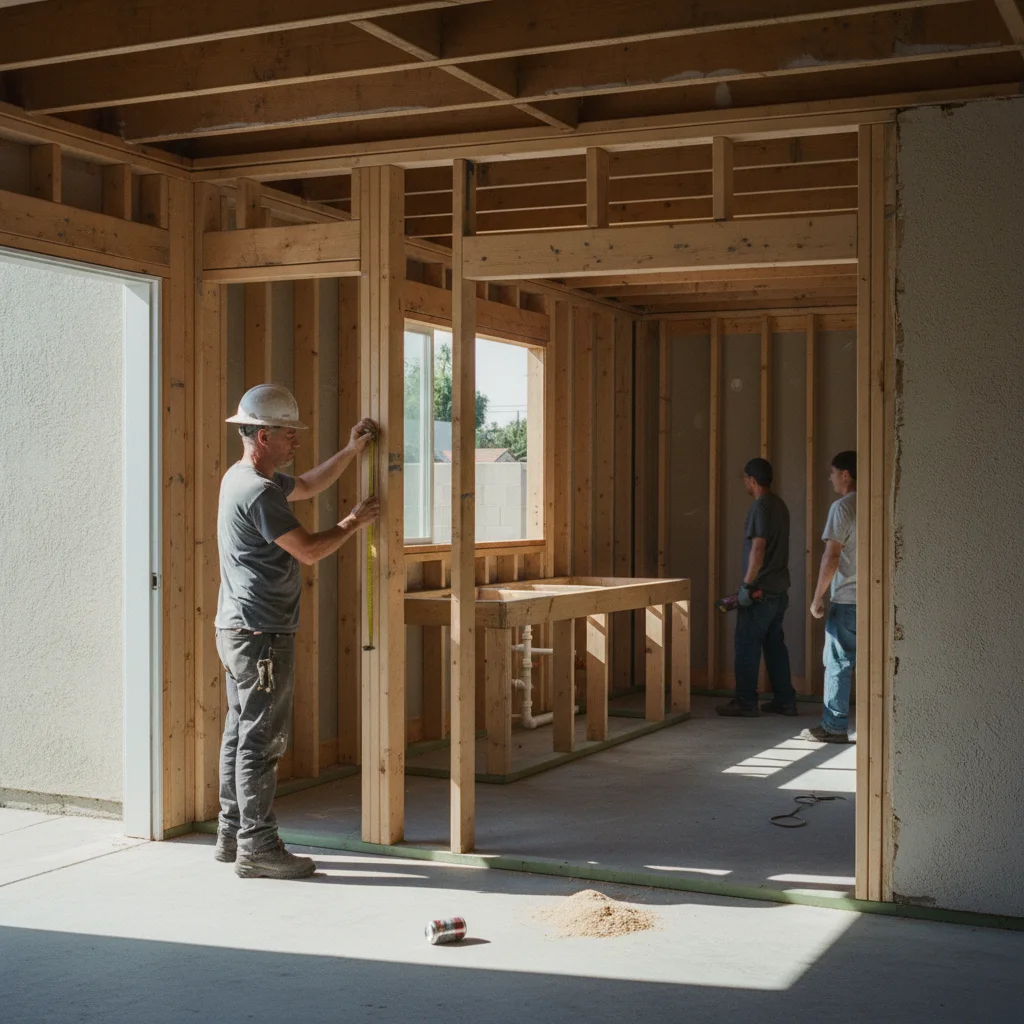
Garage conversions are generally the most affordable ADU option in Pasadena, with project costs typically ranging from $80,000 for basic finishes to $200,000 for premium designs and amenities in 2026. This range includes design, permits, and construction, but can fluctuate based on the existing garage's condition and the desired level of finish. For instance, older housing stock in Pasadena, with many homes 50-100+ years old, often exposes hidden scope like outdated electrical grounding, asbestos-era hardscape materials, or obsolete drainage paths, which can add to overall costs. Permitting in Pasadena typically takes 2 to 3 months (30-120 days), followed by a construction phase of 4 to 8 months, bringing the total project timeline from permit submission to completion to 6 to 11 months. These timelines can be extended due to permit coordination through multiple city offices (building, planning, urban forestry) compared to LA County unincorporated areas. Factors like the need for arborist review for mature trees, especially oaks with their root protection zones, can also impact hardscape layouts and timelines.
Understanding Pasadena-Specific Cost Factors
Foundation & Structural Upgrades: Many older Pasadena garages may require significant foundation work or seismic upgrades to meet current building codes, especially if converting to habitable space. Utility Connections: Extending or upgrading electrical, plumbing, and sewer lines to meet ADU requirements can be a major cost driver. Pasadena Water & Power approves irrigation system changes separately from building permits, adding another layer of coordination. Historic District Requirements: Homes in historic neighborhoods like West Pasadena, South Pasadena, or Sierra Madre often face architectural compatibility requirements for visible exterior work, potentially increasing material and design costs. The Pasadena Design Commission reviews any work visible from a public right-of-way in Landmark Districts (e.g., Bungalow Heaven, West Pasadena). Material Choices: High-end finishes, custom cabinetry, and energy-efficient appliances will push costs towards the upper end of the spectrum.
How do I navigate Pasadena's permit process for a garage conversion ADU?
Navigating Pasadena's permit process for a garage conversion ADU involves several key steps, starting with design and submission to various city departments. The process begins with architectural plans that comply with California's ADU laws and Pasadena's specific zoning ordinances. Garage conversions require a minimum ceiling height of 7.5 feet, and if expanding, the structure must maintain a 4-foot setback from the rear and side property lines. Parking rules typically require one additional parking space per unit/bedroom, but this is waived if the property is within 0.5 miles of public transit or in a historic district.
Key Steps in the Pasadena Permit Process:
- Initial Site Assessment & Design: Work with a designer or architect to create plans that meet both state and local requirements. Consider the impact of mature trees, as arborist review for root protection zones is often required, constraining hardscape layouts.
- Planning Department Review: Your plans will first go through the Planning Department to ensure zoning compliance and adherence to ADU regulations. For homes in Landmark Districts (like Bungalow Heaven) or historic neighborhoods, the Design Commission will review any exterior work visible from public right-of-way to ensure architectural compatibility.
- Building Department Review: Once planning approval is secured, the Building Department reviews plans for structural integrity, electrical, plumbing, and mechanical systems, ensuring compliance with Title 24 energy standards and other building codes. This is where older homes might expose hidden issues like outdated electrical grounding.
- Urban Forestry Review: If your project impacts mature trees, especially oaks, the Urban Forestry division will review plans for root protection zones.
- Pasadena Water & Power: Any changes to irrigation systems will require separate approval from Pasadena Water & Power.
- Inspections: Throughout construction, various inspections will be required by the city to ensure work adheres to approved plans and codes.
How can homeowners leverage Pasadena's specific financial assistance programs for ADU construction?
Pasadena homeowners have a unique opportunity to finance their garage conversion ADU through the City of Pasadena's 2nd Unit ADU Loan Program. This program offers up to $225,000 at a remarkably low 1% simple interest rate. To qualify, homeowners must agree to rent the newly constructed ADU to a Section 8 housing choice voucher tenant for a period of seven years. This initiative not only helps homeowners finance their projects but also contributes to increasing affordable housing options within the city.
Eligibility Requirements for the 2nd Unit ADU Loan Program:
Credit Score: Homeowners must have a credit score greater than 650. Debt-to-Income (DTI) Ratio: Your DTI ratio must be below 40%. Combined Loan-to-Value (CLTV): The CLTV for your property must be below 80%. Rental Agreement: Commitment to rent the ADU to a Section 8 tenant for seven years.
This program represents a significant advantage for Pasadena residents, making ADU construction more financially viable while addressing local housing needs. It's a critical resource that many homeowners overlook when planning their projects.
What are the benefits and process for using Pasadena's pre-approved ADU standard plans and fee waivers?
Ready to compare vetted project options?
Use Project Match privately when your scope is clear enough for contractor conversations.
Start Project MatchSee what your garage conversion actually costs in 4 questions.
We pull cost ranges from invoiced California ADU builder projects, then narrow them to your scope, ZIP, and finish level. No first-call sticker shock.
Open the garage conversion calculatorFree. Takes under 2 minutes. No email required to see your range.
Pasadena actively encourages ADU development by offering pre-approved 'ADU Standard Plans' and substantial fee waivers, significantly streamlining the permitting process and reducing overall costs. These pre-approved plans are designed to meet all local zoning and building code requirements, allowing for expedited permit review compared to custom designs. This can cut down on the 2 to 3-month typical permitting phase, getting you to construction faster.
Benefits of Pre-Approved Plans and Fee Waivers:
Expedited Permitting: Because the plans are pre-vetted by the city, the review process is much quicker, reducing bureaucratic delays. Reduced Design Costs: Homeowners save on architectural design fees since they can select from a set of already approved plans.
- Significant Fee Reductions: Pasadena offers substantial fee waivers, including a 50% discount on plan check fees. Furthermore, Residential Impact Fees are entirely exempt for ADUs 900 square feet or smaller. These savings can amount to thousands of dollars, making smaller garage conversions even more attractive.
To utilize these benefits, homeowners should inquire about the 'ADU Standard Plans' available through the City of Pasadena's Planning Department. While these plans offer less customization, the financial and time savings are considerable, especially for those prioritizing efficiency and budget.
How does the HOA approval process specifically interact with Pasadena's ADU regulations?
While state law largely preempts local restrictions on ADUs, including many HOA rules, Pasadena homeowners still need to understand the nuances of HOA approval. State law (Government Code Section 65852.2) generally prohibits HOAs from unreasonably restricting ADU construction, meaning they cannot outright ban them or impose requirements that effectively make them impossible. However, HOAs in Pasadena can still enforce reasonable design standards and aesthetic guidelines, especially for visible exterior work, to ensure compatibility with the existing neighborhood character.
Navigating HOA Approval in Pasadena:
- Review HOA Covenants: Carefully read your HOA's CC&Rs (Covenants, Conditions, and Restrictions) to understand any design review processes or architectural guidelines. While an HOA cannot prohibit your ADU, they can require specific materials or colors for the exterior to match the main home or neighborhood aesthetic.
- Submit for Architectural Review: Even with state preemption, you will likely need to submit your plans to your HOA's architectural review committee. This is where they can review elements like exterior finishes, roofing materials, and landscaping visible from public areas. Historic neighborhoods in Pasadena, such as West Pasadena or South Pasadena, often have HOAs that are particularly vigilant about architectural compatibility.
- City Approval First: Focus on securing your city permits first. City approval strengthens your position with the HOA, as it demonstrates compliance with all municipal regulations. The city's ADU regulations often take precedence over conflicting HOA rules, particularly regarding setbacks, size, and parking.
- Dispute Resolution: If your HOA attempts to unreasonably deny or restrict your ADU, state law provides mechanisms for recourse. Consulting with a legal professional specializing in ADU law can be beneficial in such cases.
Remember, while state law empowers homeowners, a collaborative approach with your HOA, presenting well-designed plans that respect community aesthetics, can lead to a smoother approval process.
What is the process for legalizing an existing unpermitted garage conversion in Pasadena?
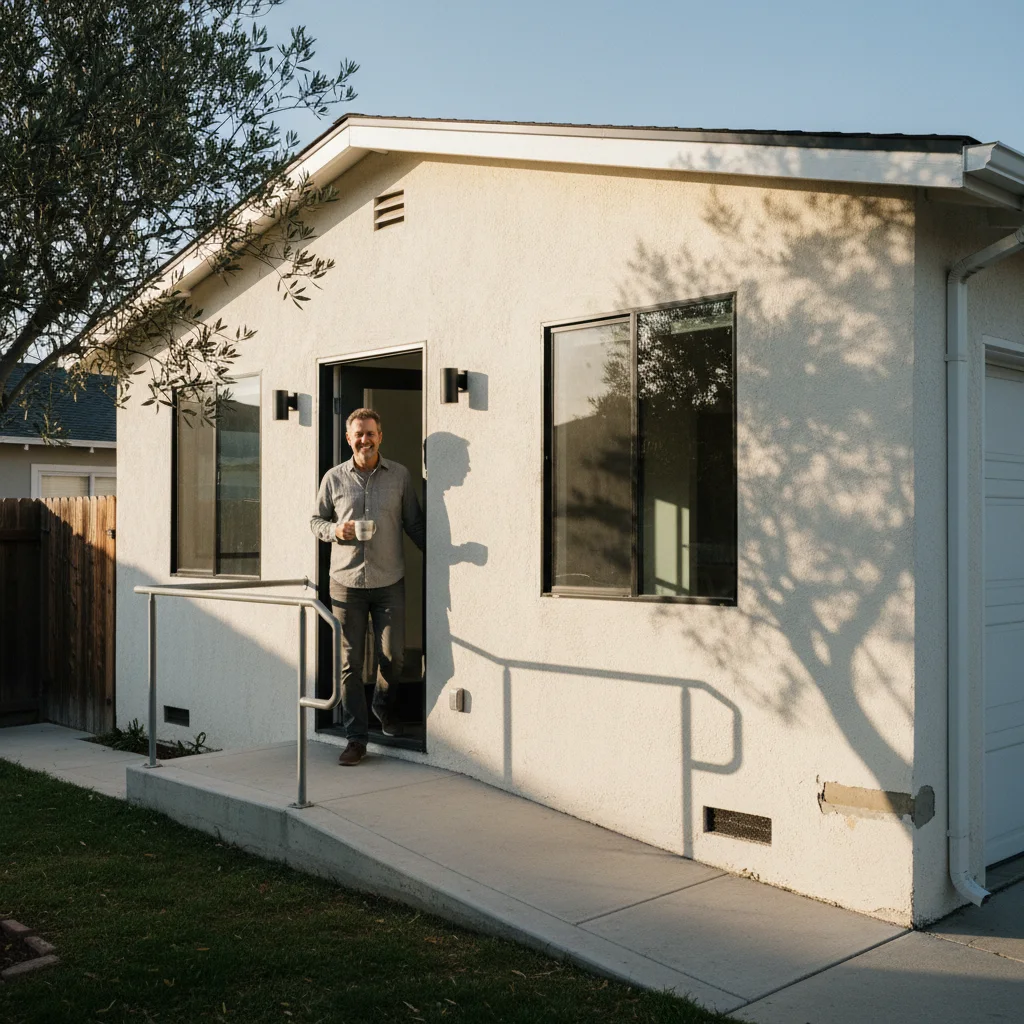
Pasadena actively encourages homeowners to legalize existing unpermitted garage conversions without fear of code enforcement penalties, provided there are no immediate life safety threats. This proactive approach by the city aims to bring existing units up to code, ensuring safety and habitability while increasing the city's housing stock. Legalizing an unpermitted unit can significantly increase your property's value and provide peace of mind.
Steps to Legalize an Unpermitted Unit in Pasadena:
- Initial Assessment by a Professional: Hire an architect or general contractor experienced in ADU conversions and Pasadena's building codes. They will assess the existing structure, identify areas that do not meet current codes (e.g., outdated electrical, insufficient insulation, lack of proper ventilation), and determine the scope of work needed to bring it into compliance.
- Prepare Plans for Retrofit: Based on the assessment, detailed plans will be drawn up outlining all necessary upgrades and modifications. These plans must demonstrate how the unit will meet current structural, electrical, plumbing, energy efficiency (Title 24), and fire safety codes.
- Submit Plans to the City: Submit the retrofit plans to the City of Pasadena's Building Department. Clearly state that the purpose is to legalize an existing unpermitted unit. The city is generally supportive of these efforts and aims to facilitate the process.
- Permit Review and Issuance: The city will review the plans, and once approved, issue the necessary permits for the retrofit work. Be prepared for potential complexities, as older structures might expose hidden issues like obsolete drainage paths or asbestos-era hardscape materials that need remediation.
- Construction and Inspections: Perform the required upgrades according to the approved plans. The city will conduct inspections at various stages to ensure compliance. Once all work is completed and passes final inspection, the unit will be officially permitted and legal.
This process allows homeowners to avoid potential fines or forced demolition of unpermitted structures, transforming them into valuable, legal assets.
Conclusion
Get 3 ADU builder bids in 48 hours.
Our editors already screened California ADU builders. Answer 4 questions; we send 3 written bids inside 48 hours, with the real price for your scope, not their inflated first-call number.
Send my 3 bidsFree. No commission. If a match doesn't fit, we'll send another.
Undertaking a garage conversion in Pasadena in 2026 is a strategic investment that can significantly enhance your property's value and provide versatile living solutions. By understanding Pasadena's specific permit requirements, leveraging the city's generous financial assistance programs like the 2nd Unit ADU Loan, and utilizing pre-approved plans, homeowners can navigate this process with greater ease and efficiency. While local nuances like historic district reviews and mature tree protection zones require careful consideration, the city's supportive stance on ADUs, including the legalization of unpermitted units, creates a favorable environment for homeowners. Begin your journey by consulting with local experts who understand Pasadena's unique regulatory landscape to ensure a successful and compliant conversion. For more detailed guides on local regulations, explore our articles like Pasadena ADU Permit & HOA Guide: Navigating 2026 Regulations and Fee Exemptions or The Ultimate Room Addition Permit and HOA Guide for Long Beach in 2026.
FAQ
Q: What is the maximum size for a garage conversion ADU in Pasadena?
A: Standard ADUs in Pasadena can be built up to 1,200 square feet, provided they do not exceed 50% of the existing living area of the primary residence. Junior ADUs (JADUs), which are typically created within an existing single-family home, are strictly limited to a maximum of 500 square feet.
Q: Do I need to provide additional parking for my garage conversion ADU in Pasadena?
A: Generally, one additional parking space per unit or bedroom is required for an ADU. However, this requirement is waived if your property is located within 0.5 miles of public transit or if it is situated in a historic district within Pasadena.
Q: Can my HOA prevent me from building a garage conversion ADU in Pasadena?
A: No, state law (Government Code Section 65852.2) largely preempts local restrictions, including most HOA rules, from unreasonably prohibiting or restricting ADU construction. While HOAs can enforce reasonable design standards for visible exterior work, they cannot outright ban ADUs or impose requirements that effectively prevent their construction.
Q: Are there any specific climate considerations for garage conversions in Pasadena?
A: Yes, while Pasadena's summer heat is less extreme than areas like the San Fernando Valley, winter overnight lows in foothill areas can freeze irrigation lines, requiring proper insulation and pipe protection. Additionally, all ADUs must comply with California's Title 24 energy efficiency standards, which dictate insulation, window, and HVAC requirements suitable for the local climate.
Q: How long does it take to get a permit for a garage conversion in Pasadena?
A: The permitting phase for a garage conversion ADU in Pasadena typically takes 2 to 3 months (30-120 days). This timeline can vary depending on the complexity of the project, the completeness of your plans, and the need for review by multiple city departments, including planning, building, and urban forestry.
Frequently Asked Questions
What is the maximum size for a garage conversion ADU in Pasadena?
Standard ADUs in Pasadena can be built up to 1,200 square feet, provided they do not exceed 50% of the existing living area of the primary residence. Junior ADUs (JADUs), which are typically created within an existing single-family home, are strictly limited to a maximum of 500 square feet.
Do I need to provide additional parking for my garage conversion ADU in Pasadena?
Generally, one additional parking space per unit or bedroom is required for an ADU. However, this requirement is waived if your property is located within 0.5 miles of public transit or if it is situated in a historic district within Pasadena.
Can my HOA prevent me from building a garage conversion ADU in Pasadena?
No, state law (Government Code Section 65852.2) largely preempts local restrictions, including most HOA rules, from unreasonably prohibiting or restricting ADU construction. While HOAs can enforce reasonable design standards for visible exterior work, they cannot outright ban ADUs or impose requirements that effectively prevent their construction.
Are there any specific climate considerations for garage conversions in Pasadena?
Yes, while Pasadena's summer heat is less extreme than areas like the San Fernando Valley, winter overnight lows in foothill areas can freeze irrigation lines, requiring proper insulation and pipe protection. Additionally, all ADUs must comply with California's Title 24 energy efficiency standards, which dictate insulation, window, and HVAC requirements suitable for the local climate.
How long does it take to get a permit for a garage conversion in Pasadena?
The permitting phase for a garage conversion ADU in Pasadena typically takes 2 to 3 months (30-120 days). This timeline can vary depending on the complexity of the project, the completeness of your plans, and the need for review by multiple city departments, including planning, building, and urban forestry.
Ready to start your garage conversion project?
Find My ProsFrequently Asked Questions
What is the maximum size for a garage conversion ADU in Pasadena?
In Pasadena, a garage conversion ADU can be up to 1,200 square feet, but it cannot exceed 50% of the primary home's existing living area. This rule for standard ADUs is different from the one for Junior ADUs, which are created within a home and are strictly limited to 500 square feet.
The maximum size for a standard accessory dwelling unit in Pasadena, which includes garage conversions, is 1,200 square feet. This size is subject to a significant condition, the ADU cannot be larger than 50% of the main residence's living space. A separate category, the Junior ADU or JADU, has different rules. These units, which are typically created within the existing footprint of a single-family home, have a much smaller size restriction and are strictly limited to a maximum of 500 square feet.
Do I need to provide additional parking for my garage conversion ADU in Pasadena?
Pasadena generally requires one additional parking space per ADU unit or bedroom. However, this requirement is waived for a garage conversion if your property is located within 0.5 miles of public transit or is situated in one of the city's designated historic districts, making no new parking necessary.
While the standard rule in Pasadena is to add one parking space for an accessory dwelling unit, calculated either per unit or per bedroom, there are significant exemptions. These waivers can remove the parking requirement entirely for your garage conversion project, depending on your property's specific location within the city.
The most common exemption is for properties located near public transportation. If your home is within 0.5 miles of a public transit stop, the parking requirement is waived. Additionally, if your property is situated within a designated historic district in Pasadena, you are also exempt from providing an extra parking space for the ADU.
Can my HOA prevent me from building a garage conversion ADU in Pasadena?
No, your Pasadena HOA cannot prevent your garage conversion ADU. California Government Code Section 65852.2 largely overrides local and HOA rules that would prohibit ADUs. While an HOA cannot ban your project or effectively prevent its construction, it can enforce reasonable design standards for visible exterior work.
State law, specifically Government Code Section 65852.2, preempts local restrictions, including most HOA rules, that unreasonably prohibit ADU construction. This means your Pasadena HOA cannot outright ban your garage conversion or impose requirements so restrictive that they make the project infeasible.
However, the law does permit HOAs to enforce reasonable, objective standards. These rules typically apply to the visible exterior of the ADU, such as siding, roofing materials, or paint color, to ensure it aligns with the community's aesthetic. The key is that these standards cannot be used as a tool to stop the ADU from being built.
Are there any specific climate considerations for garage conversions in Pasadena?
Yes, Pasadena's climate requires specific planning. While summers are milder than in the San Fernando Valley, winter lows in foothill areas can freeze pipes, demanding proper insulation. All ADUs must also adhere to California's Title 24 energy efficiency standards, which dictate insulation, window, and HVAC requirements for the local climate.
Although Pasadena's summer heat is less extreme compared to the San Fernando Valley, its winter conditions need attention. Overnight temperatures in foothill areas can drop below freezing, creating a risk for exposed irrigation lines. To prevent damage, proper insulation and pipe protection are critical elements in any garage conversion project.
Beyond these practical steps, conversions must legally comply with California's Title 24 energy efficiency standards. This statewide code sets the minimum requirements for insulation, window specifications, and heating and air conditioning systems. These regulations ensure the new living space is comfortable and energy-efficient according to local climate data.
How long does it take to get a permit for a garage conversion in Pasadena?
Getting a permit for a garage conversion ADU in Pasadena takes 2 to 3 months, or 30-120 days. The exact timeline depends on project complexity, plan completeness, and how many city departments need to review it, such as planning, building, and urban forestry. This timeframe is a typical estimate for the permitting phase.
The 2 to 3 month (30-120 day) estimate for a Pasadena garage conversion permit is a general guideline. Several factors can extend this period. For example, incomplete plans or complex designs may require multiple rounds of corrections and resubmissions with the city. The project must also pass review by several departments, including planning, building, and urban forestry, each with its own schedule. A straightforward project with complete, accurate plans is more likely to stay within the shorter end of the estimated timeframe.