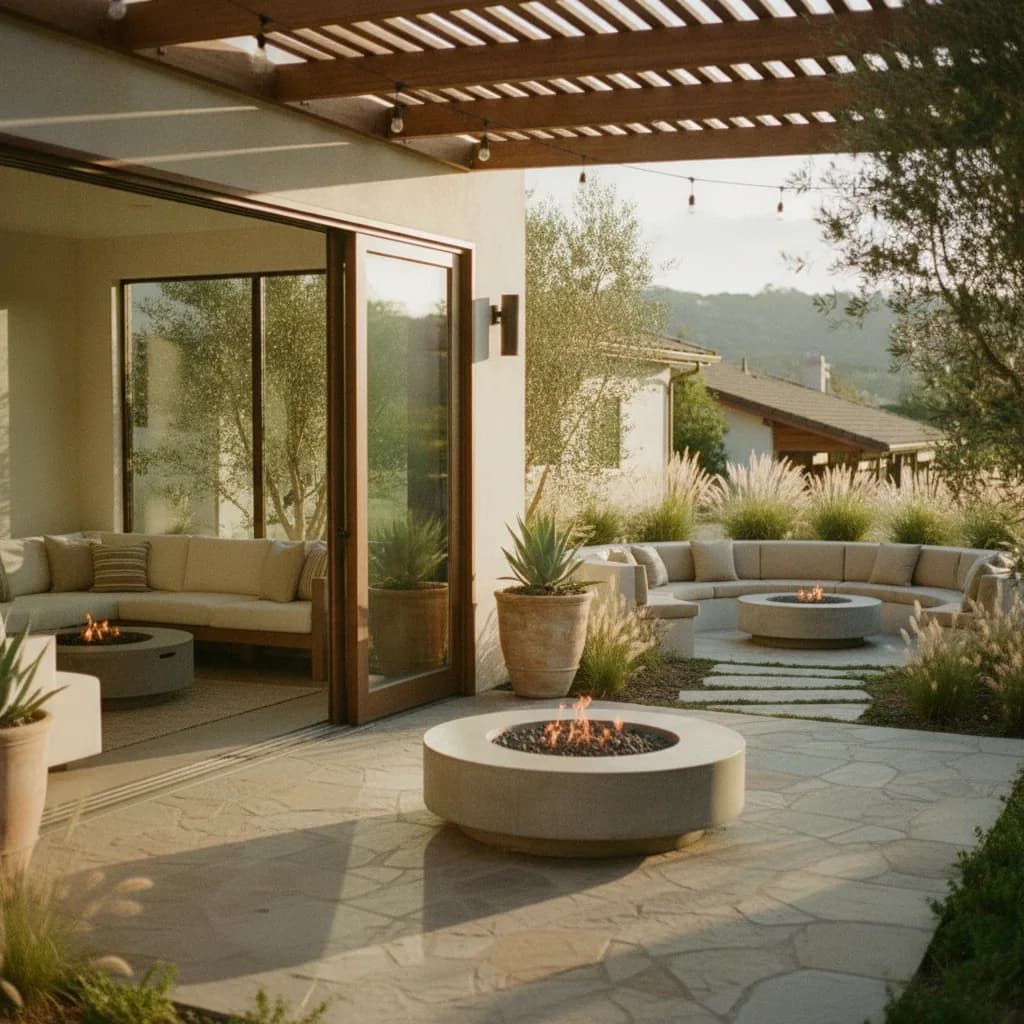
Garage Conversion Permit and HOA Guide for Santa Monica: Your 2026 Coastal Blueprint
Considering a garage conversion in Santa Monica? Transforming your garage into an Accessory Dwelling Unit (ADU) in 2026 typically costs between $120,000 and $250,000 for a standard conversion, excluding high-end finishes or complex structural changes. Navigating Santa Monica's specific permit processes and HOA guidelines is crucial, as the city's unique coastal regulations and community standards significantly influence project scope, timeline, and budget. This guide provides a comprehensive overview for Santa Monica homeowners looking to transform their garages into valuable living spaces, ensuring your project aligns with local requirements and your vision.
garage-conversion-2026-permits-hoa-local-insights-budget-tiers-permit-2.jpg" alt="Santa Monica garage conversion project with 'Permit Approved' sign, homeowner reviewing blueprints with contractor, showcasing the initial phase of a permitted ADU build."> Santa Monica garage conversion project with 'Permit Approved' sign, homeowner reviewing blueprints with contractor, showcasing the initial phase of a permitted ADU build.
What are the specific permit requirements for a garage conversion in Santa Monica?
Obtaining a permit for a garage conversion in Santa Monica involves several distinct steps and requires adherence to both city and state ADU regulations. The process begins with submitting a comprehensive plan set to the Santa Monica Planning Department, followed by reviews from Building & Safety, Fire, and sometimes Public Works departments.
Step-by-Step Permit Application Process for Santa Monica Garage Conversions
To initiate your garage conversion permit in Santa Monica, you'll need a detailed set of architectural and structural plans. These plans must include existing and proposed floor plans, elevations, sections, a site plan showing setbacks, and utility connections. The Santa Monica Planning Department (santamonica.gov) provides an ADU Handbook, which outlines specific requirements, including minimum ceiling heights (7 feet 6 inches), adequate light and ventilation, and compliance with parking requirements (often waived for garage conversions). After initial planning review, your application moves to the Building & Safety Division for structural, electrical, mechanical, and plumbing plan checks. Expect multiple rounds of corrections. Santa Monica's specific permit fee schedules vary based on project valuation, but typically range from $5,000 to $15,000 for a garage conversion ADU, covering plan review, building, electrical, plumbing, and mechanical permits. For specific inquiries, the Santa Monica Planning Department can be reached at (310) 458-8341.
Specific Requirements for Fire Separation and Soundproofing in Santa Monica ADUs
Santa Monica mandates strict fire separation and soundproofing standards for garage conversions, especially when creating an ADU attached to the primary residence. Fire-rated walls and ceilings (typically 5/8-inch Type X gypsum board) are often required, providing a one-hour fire rating between the ADU and the main dwelling or property lines. Soundproofing is also a significant consideration, particularly for shared walls, to ensure tenant privacy and minimize noise transfer. This often involves using resilient channels, insulation, and double-layered drywall, which can add to the overall construction cost. These measures are crucial for passing final inspections and ensuring compliance with local safety codes and enhancing the livability of your new ADU.
How do Santa Monica's HOA regulations impact garage conversions?
Homeowners Associations (HOAs) in Santa Monica often have significant authority over exterior property modifications, including garage conversions, even if city permits are approved. HOA-facing neighborhoods typically require architectural review boards to approve fences, hardscape colors, and landscape lighting before permits issue, extending to garage conversion aesthetics.
Navigating HOA Approval for Your Santa Monica Garage Conversion
Before submitting plans to the city, it's essential to consult your HOA's Covenants, Conditions, and Restrictions (CC&Rs) and architectural guidelines. Many HOAs require pre-approval for any exterior changes, including window placement, door styles, and even the color palette of your converted garage. Common HOA requirements in Santa Monica include matching exterior materials and colors to the existing home, maintaining specific architectural styles, and ensuring any new landscaping aligns with community standards. Failure to secure HOA approval can lead to costly delays, fines, or even legal action, even if you have a city permit. Average HOA approval rates for well-planned projects that respect community aesthetics are high, but deviations can cause significant friction.
Specific HOA Guidelines or Restrictions That Frequently Cause Issues for Santa Monica ADUs
HOA guidelines or restrictions in Santa Monica that frequently cause issues for garage conversions often revolve around visual impact and parking. Some HOAs may restrict the removal of garage doors or require specific facade treatments to ensure the converted unit doesn't detract from the neighborhood's aesthetic. Parking is another common sticking point; while Santa Monica city code often waives parking requirements for ADUs, HOAs may still enforce their own parking rules, requiring residents to provide off-street parking for the ADU, which can be challenging in dense areas. Drainage and grading strategy must handle both winter storm runoff and morning fog condensation. Permeable pavers, french drains, and slope-away detailing are common requirements that HOAs may also scrutinize, aligning with the city's environmental concerns.
What are the typical costs and timelines for a garage conversion in Santa Monica?
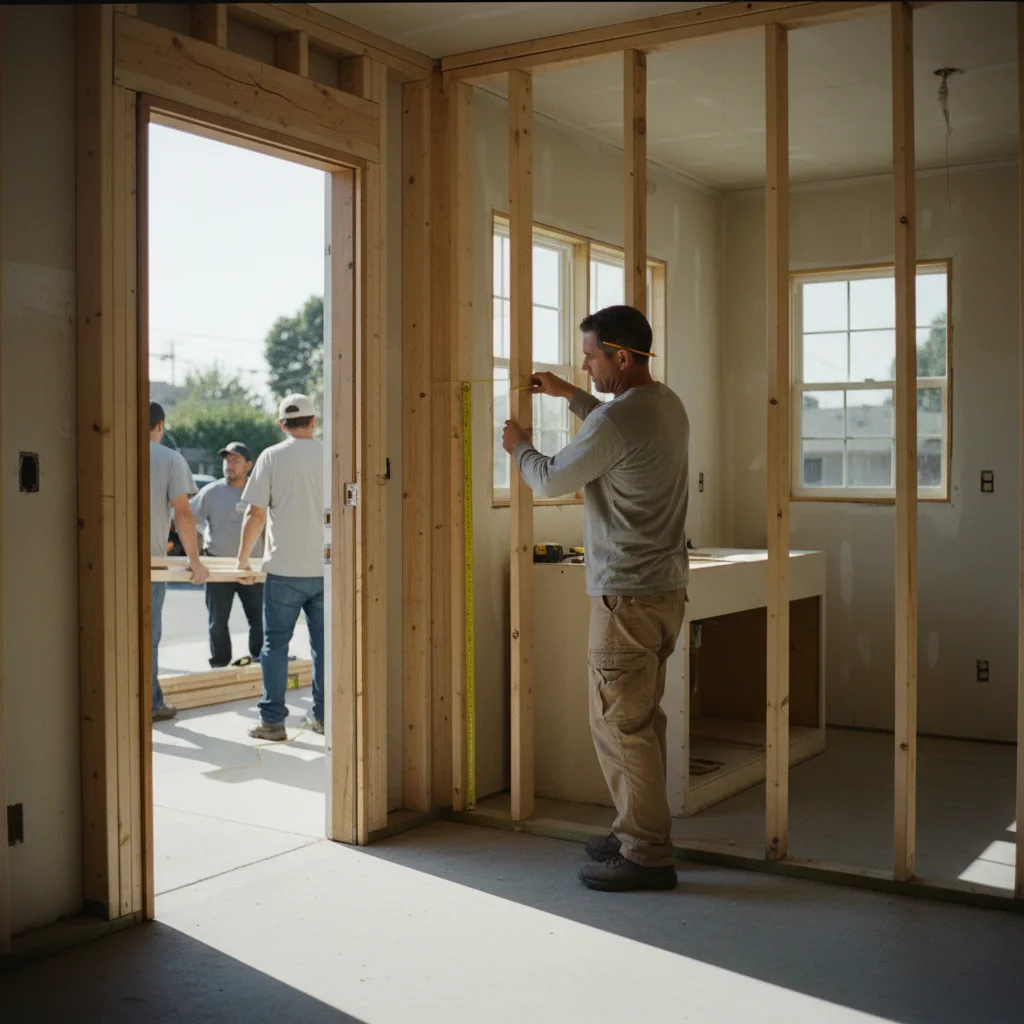
The cost of a garage conversion in Santa Monica varies significantly based on size, desired finishes, and whether it's an attached or detached unit. A basic conversion might start around $120,000, while a high-end, fully equipped ADU with premium finishes could reach $250,000 or more. The overall timeline, from initial design to final inspection, typically ranges from 8 to 14 months.
Detailed Breakdown of Construction Costs for Santa Monica Garage Conversions
For a standard 400-square-foot garage conversion in Santa Monica, expect the following cost ranges in 2026:
Permit Fees: $5,000 - $15,000 (as discussed above) Architectural & Engineering Plans: $8,000 - $20,000 Foundation/Slab Work: $5,000 - $15,000 (if repair or new slab needed) Framing & Wall Construction: $10,000 - $25,000 Roofing: $5,000 - $10,000 (depending on existing condition and materials; see our guide on Santa Monica Roofing: Navigating Coastal Climate, Costs, and 2026 Regulations: Pricing) Plumbing (Kitchen & Bathroom): $15,000 - $30,000 Electrical: $10,000 - $20,000 HVAC (Mini-split system): $5,000 - $10,000 Insulation & Drywall: $8,000 - $15,000 Windows & Doors: $5,000 - $15,000 Flooring: $5,000 - $12,000 Kitchen Cabinetry & Appliances: $10,000 - $25,000 (for a compact kitchen) Bathroom Fixtures & Finishes: $8,000 - $18,000 Exterior Finishes (Stucco, Paint, Siding): $5,000 - $12,000 Utility Connections (Water, Sewer, Gas, Electrical): $3,000 - $10,000 (can be higher if new trenching is required).
Total Estimated Construction Cost (excluding soft costs): $104,000 - $227,000. When considering premium lot expectations, material selection often pushes toward natural stone, flamed granite, IPE decking, and designer pavers over budget-tier options, impacting the higher end of these ranges. For a detailed look at outdoor kitchen components, which might be integrated into an ADU's exterior, refer to The True Cost of Your Dream Outdoor Kitchen in 2026: A Comprehensive Guide.
Detailed Timeline for Santa Monica City Permit Review and Approval
The permit timeline in Santa Monica can be broken down into several stages:
Design & Plan Preparation: 1-3 months HOA Approval (if applicable): 2-6 weeks Initial City Plan Check Submission: 2-4 weeks for initial review comments Resubmissions & Revisions: 1-2 months (multiple rounds are common) Permit Issuance: 1-2 weeks after final approval Construction Phase: 4-8 months Final Inspections: 1-2 weeks
Specific timelines for Santa Monica city permit review and approval typically see initial plan checks taking 2-4 weeks. However, the overall approval process, including revisions, often spans 3 to 5 months. Coastal zones (within ~2-3 miles of the Pacific) often trigger Coastal Commission or local coastal review for visible exterior work, adding 30-90 days to permit timelines. This extended review is a critical factor for many Santa Monica homeowners planning a garage conversion permit in Santa Monica.
How does Santa Monica's Coastal Zone affect garage conversion permits and design?
Ready to compare vetted project options?
Use Project Match privately when your scope is clear enough for contractor conversations.
Start Project MatchSee what your garage conversion actually costs in 4 questions.
We pull cost ranges from invoiced California ADU builder projects, then narrow them to your scope, ZIP, and finish level. No first-call sticker shock.
Open the garage conversion calculatorFree. Takes under 2 minutes. No email required to see your range.
Santa Monica's location within the Coastal Zone significantly impacts garage conversion projects, adding layers of environmental review and specific design considerations. Any exterior project visible from the public right-of-way will likely trigger a Coastal Zone Permit.
The Impact of the Santa Monica Coastal Commission on Permits and Design
The Santa Monica Coastal Commission specifically impacts garage conversion permits and design by requiring an additional review for projects within its jurisdiction. This Coastal Zone Permit adds environmental review for any exterior project visible from the public right-of-way, including new windows, doors, or exterior finishes on your converted garage. This review ensures projects comply with the California Coastal Act and Santa Monica's Local Coastal Program (LCP), focusing on issues like public access, visual resources, and environmental protection. This can involve stricter requirements for permeable surfaces, drought-tolerant landscaping, and materials that blend with the coastal environment. Expect this review to add 30-90 days to your overall permit timeline. For more on local permits, see our article on Santa Monica Room Addition Permits & HOA: Your 2026 Coastal Guide: Budget Tiers, Permit.
Design Standards and Aesthetic Requirements in Santa Monica's Coastal Neighborhoods
Design standards in Santa Monica's various neighborhoods, especially those in the Coastal Zone, emphasize compatibility with existing architectural styles and environmental resilience. Salt-laden ocean air accelerates corrosion on ferrous metals, outdoor kitchen hardware, light fixtures, and railings. Therefore, materials like Stainless 316, powder-coated aluminum, and marine-grade composites are preferred for exterior elements. This preference extends to your garage conversion, dictating choices for windows, doors, and any visible exterior hardware. The city encourages designs that maintain neighborhood character, often favoring traditional or craftsman styles prevalent in many Santa Monica communities.
Interior view of a Santa Monica garage during conversion, showing construction workers installing drywall, new electrical wiring, and plumbing for an ADU, highlighting the building permit process.
What are the common challenges and design considerations for Santa Monica garage conversions?
Santa Monica garage conversions present unique challenges, from specific soil conditions to historical preservation concerns, demanding careful planning and material selection. Understanding these local nuances is key to a smooth project.
Common Challenges and Pitfalls Specific to Santa Monica Garage Conversions
One common challenge in Santa Monica is dealing with specific soil conditions, particularly in areas closer to the coast where sandy or expansive soils can require specialized foundation work. Historical preservation is another significant factor; if your property is in a designated historic district, exterior modifications to your garage will face additional scrutiny from the city's Historic Resources Commission, potentially limiting design choices. Furthermore, unique local codes might dictate specific requirements for stormwater management, given Santa Monica's commitment to environmental sustainability. Drainage and grading strategy must handle both winter storm runoff and morning fog condensation. Permeable pavers, french drains, and slope-away detailing are common requirements that must be integrated into your design.
Design Considerations and Popular Layouts for Santa Monica Garage Conversions
Popular layouts for Santa Monica garage conversions often prioritize maximizing natural light and creating efficient, open-concept living spaces. Given the typical size of a garage (around 200-400 sq ft), smart design is crucial. Many homeowners opt for studio or one-bedroom configurations, integrating a compact kitchen and a three-quarter bathroom. Large sliding glass doors or bifold doors can replace the garage door opening, seamlessly connecting indoor and outdoor living areas. This is especially appealing in Santa Monica, where outdoor living is highly valued. Rent-control and tenant-protection rules make landlord-initiated exterior work more scrutinized; most articles here target homeowner-occupied projects, emphasizing design for personal use or family, not just rental income. This focus often leads to higher-quality finishes and more personalized designs for your Santa Monica ADU.
Are there financing options or incentives for ADU construction in Santa Monica?
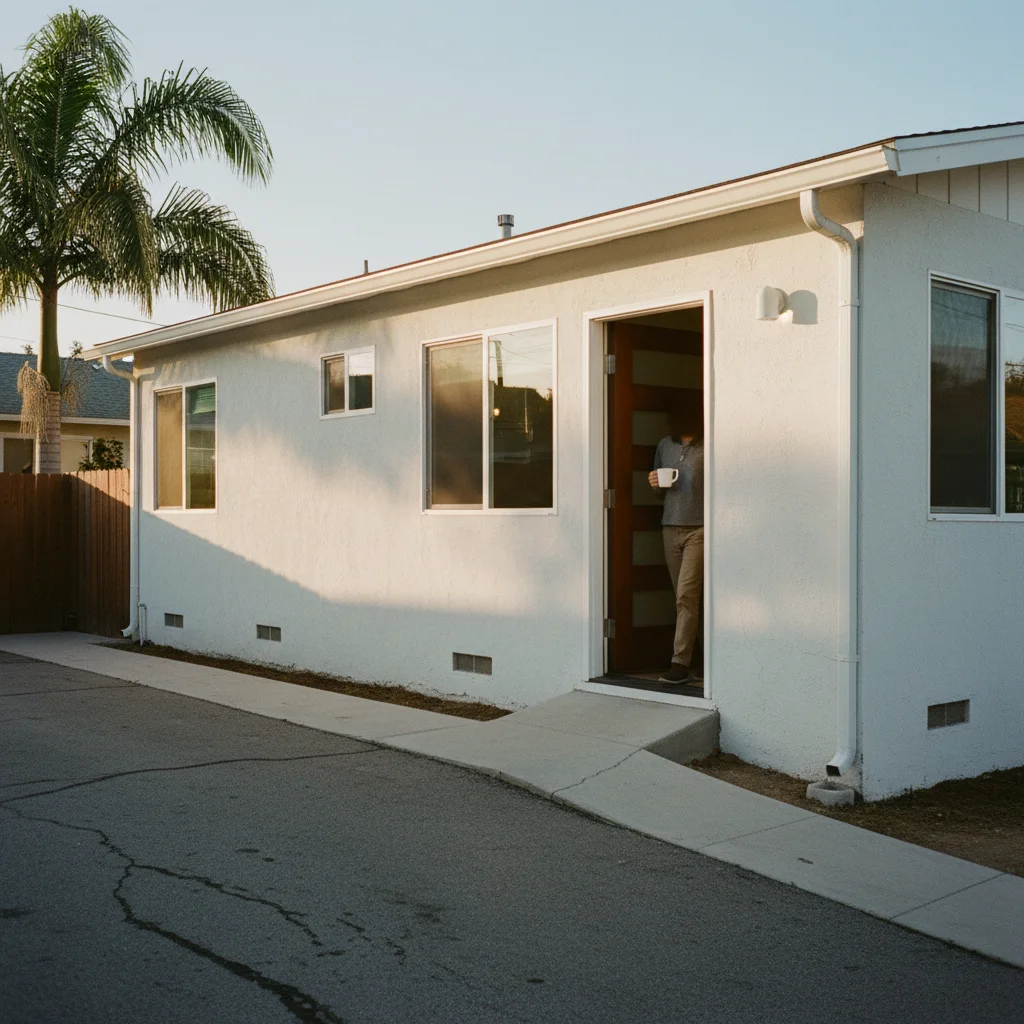
Yes, Santa Monica homeowners have several financing options and some potential incentives for ADU construction, though direct grants are less common than loan programs. Understanding these can significantly ease the financial burden of your garage conversion.
Financing Options and Incentives for ADU Construction in Santa Monica
While local grants or financial assistance programs available for ADU construction in Santa Monica are not as prevalent as in some other California cities, homeowners can explore various financing avenues. These include:
Home Equity Lines of Credit (HELOCs) or Home Equity Loans: These are popular options, allowing you to borrow against your home's equity at competitive interest rates. Construction Loans: Tailored for new construction or major renovations, these loans disburse funds in stages as the project progresses. Fannie Mae's Homestyle Renovation Loan: This allows you to finance both the purchase or refinance of a home and the cost of renovations, including ADU construction, into a single mortgage. State-Sponsored ADU Grant Program: California occasionally offers ADU grants, such as the ADU Grant Program which provides up to $40,000 to cover pre-development costs. Check the California Housing Finance Agency (CalHFA) website for current availability and eligibility.
It's advisable to consult with local lenders experienced in ADU financing to explore the best option for your specific financial situation.
Potential Tax Implications of Building an ADU in Santa Monica
Building an ADU in Santa Monica can have several tax implications that homeowners should consider. Primarily, the addition of an ADU will likely increase your property's assessed value, leading to higher property taxes. However, California's Proposition 13 limits annual property tax increases to 2% of the assessed value, except for new construction or changes in ownership. The ADU's new assessed value will be added to your existing property tax base, but the original structure's base remains largely unchanged. It's crucial to consult with a tax professional to understand the precise impact on your property taxes and any potential rental income implications if you plan to lease the ADU. This foresight ensures you're prepared for all financial aspects of your garage conversion permit in Santa Monica.
Completed Santa Monica garage conversion (ADU) with modern patio, integrated into a Mediterranean-style home's backyard with a pool, illustrating the successful outcome of navigating permits and HOA guidelines.
Frequently Asked Questions About Santa Monica Garage Conversions
Get 3 ADU builder bids in 48 hours.
Our editors already screened California ADU builders. Answer 4 questions; we send 3 written bids inside 48 hours, with the real price for your scope, not their inflated first-call number.
Send my 3 bidsFree. No commission. If a match doesn't fit, we'll send another.
Q: What are the exact fees for garage conversion permits in Santa Monica?
A: Exact permit fees for garage conversions in Santa Monica vary by project valuation but generally range from $5,000 to $15,000. This includes plan review, building, electrical, plumbing, and mechanical permits. You can obtain a precise estimate from the Santa Monica Building & Safety Department once your plans are finalized.
Q: Are there any specific HOA guidelines or restrictions in Santa Monica that frequently cause issues for garage conversions?
A: Yes, HOAs in Santa Monica frequently raise concerns about aesthetic consistency (e.g., requiring matching exterior materials and colors, specific window/door styles) and parking. Many HOAs may require off-street parking for the ADU, even if the city waives it. Always check your specific HOA's CC&Rs and architectural guidelines early in your planning process.
Q: What are the most common reasons for permit delays or rejections for garage conversions in Santa Monica?
A: Common reasons for permit delays or rejections in Santa Monica include incomplete plan sets, non-compliance with setback requirements, inadequate fire separation or soundproofing plans, unaddressed coastal zone specific requirements, and failure to meet HOA architectural review standards. Multiple rounds of revisions are typical.
Q: How do utility connections (water, sewer, electricity) work for garage conversions in Santa Monica, and what are the associated costs?
A: Utility connections for Santa Monica garage conversions typically involve tying into the existing main house's services. This often requires upgrading electrical panels, adding new sub-panels, and extending water and sewer lines. Costs for these connections can range from $3,000 to $10,000, but can be higher if extensive trenching or service upgrades are needed. Separate utility meters are generally not required for attached ADUs but may be an option for detached units.
Q: What are the specific design standards or aesthetic requirements for garage conversions in Santa Monica's various neighborhoods?
A: Santa Monica's design standards emphasize compatibility with existing neighborhood character and coastal resilience. This means using durable, marine-grade materials (e.g., Stainless 316, powder-coated aluminum) for exterior elements due to salt-laden air. Historic districts have stricter aesthetic controls, requiring designs that maintain historical integrity. Generally, the city encourages designs that blend seamlessly with the primary residence and surrounding homes.
Conclusion
Converting your garage into an ADU in Santa Monica is a rewarding investment that can significantly enhance your property's value and utility. While the process involves navigating specific local permits, HOA regulations, and coastal zone requirements, understanding these elements upfront is your best strategy for success. By partnering with experienced local professionals and meticulously planning your project, you can successfully transform your garage into a beautiful, compliant, and valuable living space in 2026. Start your journey by consulting with a Santa Monica ADU specialist to ensure your vision aligns with local regulations and maximizes your property's potential. Ready to explore your garage conversion permit in Santa Monica? Contact a local expert today!
Ready to start your garage conversion project?
Find My ProsFrequently Asked Questions
What are the exact fees for garage conversion permits in Santa Monica?
Permit fees for garage conversions in Santa Monica typically range from $5,000 to $15,000, depending on project valuation. This estimate includes plan review, building, electrical, plumbing, and mechanical permits. For a precise quote, you must submit your finalized plans to the Santa Monica Building & Safety Department for an official assessment.
The cost for garage conversion permits in Santa Monica is not a fixed amount. Instead, it is calculated based on the total valuation of your specific project. While the final fee varies, homeowners should budget between $5,000 and $15,000 to cover all necessary permits.
This price range consolidates the costs for several required components, such as the initial plan review and the subsequent building, electrical, plumbing, and mechanical permits. To determine your exact costs, the Santa Monica Building & Safety Department requires your completed plans to perform a detailed fee calculation.
Are there any specific HOA guidelines or restrictions in Santa Monica that frequently cause issues for garage conversions?
Yes, HOAs in Santa Monica frequently cause issues for garage conversions over aesthetic consistency and parking. They often require matching exterior materials, colors, and specific window or door styles. Many HOAs also mandate off-street parking for the ADU, a rule they can enforce even if the city waives the requirement.
In Santa Monica, homeowner associations often focus on maintaining a uniform community appearance. This means your garage conversion plans may be subject to strict rules on exterior finishes, from paint color to siding materials and even the design of windows and doors. Parking is another common hurdle. While city regulations may not require an additional parking space for your new unit, your HOA can still enforce its own bylaws that do. To prevent costly delays or disputes, you should always check your specific HOA's Covenants, Conditions, and Restrictions (CC&Rs) and architectural guidelines very early in your planning process.
What are the most common reasons for permit delays or rejections for garage conversions in Santa Monica?
In Santa Monica, common reasons for garage conversion permit delays include incomplete plan sets, non-compliance with setback requirements, and inadequate fire separation or soundproofing plans. Unaddressed coastal zone requirements and failure to meet HOA architectural review standards also cause rejections. Multiple rounds of revisions are typical for approval.
Applicants in Santa Monica often face delays when their plan sets are incomplete. Common rejections occur due to plans that do not meet local setback requirements or lack sufficient detail for fire separation and soundproofing. Since the city is in the coastal zone, specific regulations must be addressed from the start. For properties governed by a homeowners' association, failing to pass an architectural review can also halt a project. Homeowners should expect that multiple revision cycles are a standard part of the permitting process.
How do utility connections (water, sewer, electricity) work for garage conversions in Santa Monica, and what are the associated costs?
In Santa Monica, garage conversion utility connections typically tie into the main house's services, with costs ranging from $3,000 to $10,000. This work often includes upgrading electrical panels and extending water and sewer lines. Extensive trenching or major service upgrades can increase the final price.
Connecting utilities for a garage conversion in Santa Monica means extending existing services from the primary residence. This process frequently requires adding new electrical sub-panels or upgrading the main panel to support the additional load. Plumbers must also extend the existing water and sewer lines to the new unit.
The typical cost of $3,000 to $10,000 covers these standard connections. Projects requiring significant trenching to lay new pipes or major upgrades to the home's main utility service capacity will incur higher costs. Separate utility meters are generally not required for attached ADUs but may be an option for detached units.
What are the specific design standards or aesthetic requirements for garage conversions in Santa Monica's various neighborhoods?
Santa Monica's design standards emphasize compatibility with existing neighborhood character and coastal resilience. This means using durable, marine-grade materials (e.g., Stainless 316, powder-coated aluminum) for exterior elements due to salt-laden air. Historic districts have stricter aesthetic controls, requiring designs that maintain historical integrity. Generally, the city encourages designs that blend seamlessly with the primary residence and surrounding homes. ## Conclusion Converting your garage into an ADU in Santa Monica is a rewarding investment that can significantly enhance your property's value and utility. While the process involves navigating specific local permits, HOA regulations, and coastal zone requirements, understanding these elements upfront is your best strategy for success. By partnering with experienced local professionals and meticulously planning your project, you can successfully transform your garage into a beautiful, compliant, and valuable living space in 2026. Start your journey by consulting with a Santa Monica ADU specialist to ensure your vision aligns with local regulations and maximizes your property's potential. Ready to explore your <strong>garage conversion permit in Santa Monica</strong>? Contact a local expert today!