
Converting your garage into an Accessory Dwelling Unit (ADU) or living space in Orange, CA, is a significant home improvement that can add value and functionality, but it requires careful navigation of local permits and Homeowners Association (HOA) regulations. A garage conversion in Orange typically costs between $80,000 and $180,000 in 2026, with permit fees ranging from $4,000 to $12,000, and the entire process from design to final inspection can take 6 to 12 months. This guide provides Orange homeowners with a detailed, actionable roadmap for a successful conversion.
What are the specific permit requirements for a garage conversion in Orange, CA?
Obtaining a permit for a garage conversion in Orange, CA, involves a multi-step process through the City of Orange's Community Development Department, ensuring compliance with local building and zoning codes. Unlike some simpler home projects, a garage conversion, especially for an ADU, requires a comprehensive set of plans and approvals. Homeowners will typically need to submit detailed architectural plans, structural calculations, energy efficiency documentation, and site plans showing existing and proposed structures, setbacks, and utility connections. The City of Orange permits include a Planning review step, which is crucial even for minor hardscape changes, particularly if your property falls within historic overlays like the Old Towne Orange Historic District. For homes in this area, built largely between the 1930s and 1940s, material and paint-color compatibility standards are strictly enforced on visible exterior work, adding an extra layer of design scrutiny.
Step-by-Step Permit Application Process for Orange, CA
- Pre-Application Meeting (Optional but Recommended): Discuss your project with Orange's Planning Department to understand specific zoning and ADU regulations applicable to your property. This is especially helpful for properties with unique characteristics or in historic districts.
- Design and Plan Preparation: Engage a licensed architect or designer to create detailed construction drawings. These plans must adhere to California Building Code (CBC) and local Orange amendments, covering aspects like egress windows, ceiling height, fire separation, and accessibility.
- Submit Plans to Planning Department: The initial submission goes to the Planning Division for zoning compliance, setback verification, and architectural review. This is where historic district guidelines come into play. Newer housing (post-1990) often means fewer hidden-scope surprises but tighter lot-line setbacks, which can impact design.
- Building Plan Check: Once Planning approves, plans move to the Building Division for structural, electrical, plumbing, and mechanical review. This ensures the conversion meets safety and construction standards.
- Permit Issuance: After all departments approve, permit fees are paid, and the permit is issued. This allows construction to begin.
- Inspections: Throughout construction, various inspections are required at different stages (foundation, framing, electrical, plumbing, insulation, drywall, final). The City of Orange's inspectors will verify work matches approved plans and meets code.
How much do garage conversion permits typically cost in Orange, CA?
Permit fees for a garage conversion in Orange, CA, typically range from $4,000 to $12,000, varying based on the project's scope, valuation, and specific departmental reviews required. This figure is generally consistent with other Orange County cities, though some, like Irvine, are notoriously thorough, potentially leading to higher review fees, while Anaheim might be faster for simpler scopes. These costs usually include planning review fees, building plan check fees, various impact fees (e.g., school, traffic), and inspection fees. For instance, a basic 400 sq ft garage conversion might incur around $5,000 in fees, while a more complex 600 sq ft ADU with new utility connections could push towards the $10,000-$12,000 mark. It's important to budget for these upfront costs in addition to construction expenses, which can range from $80,000 to $180,000 for the entire project in Orange.
Potential Fee Exemptions and Incentives
While Orange, CA, does not currently offer widespread direct fee exemptions for garage conversions, state-level legislation has streamlined the ADU process, potentially reducing some discretionary local fees. Homeowners should inquire with the City of Orange's Building Department about any current programs or fee waivers, especially if the ADU is intended for affordable housing. Always verify the latest fee schedule directly with the City of Orange's Community Development Department, as these can be updated annually.
What is the permit approval timeline for garage conversions in Orange, CA?
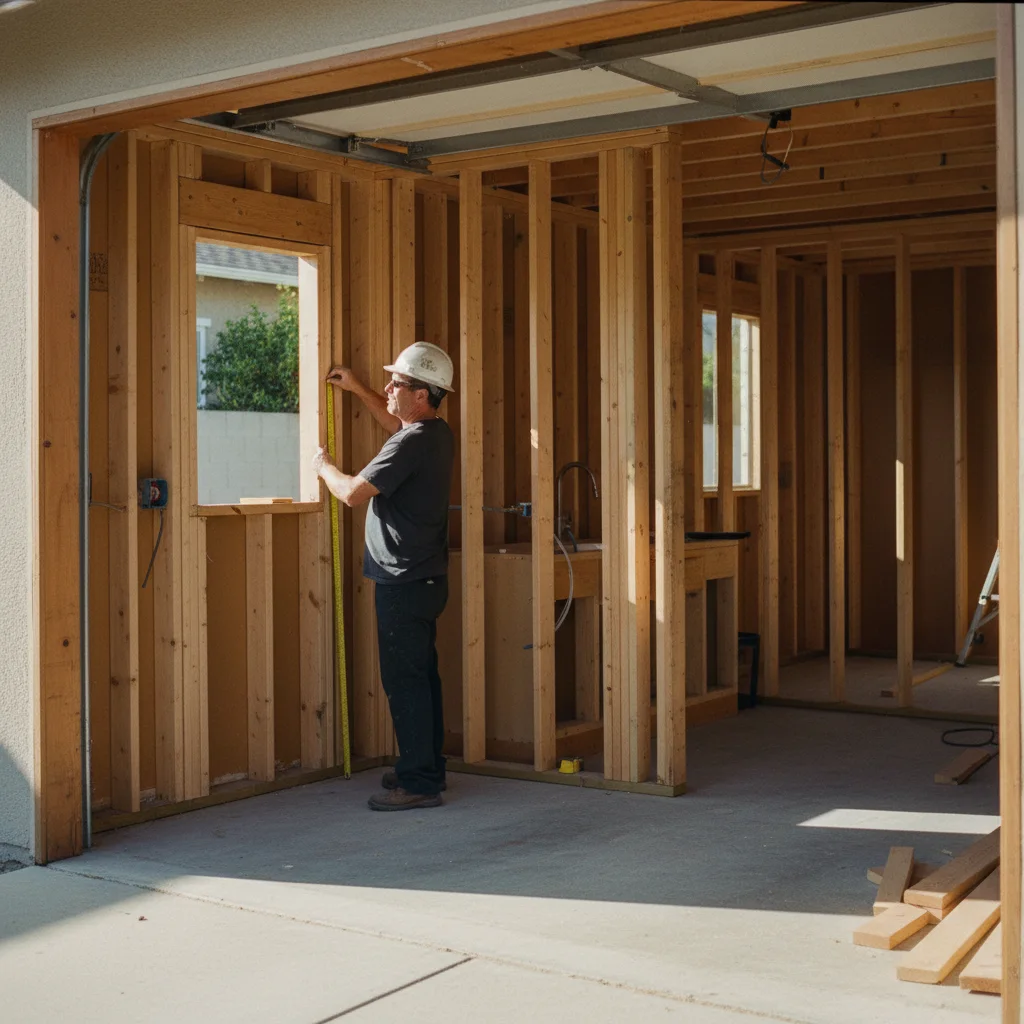
The permit approval process for a garage conversion in Orange, CA, typically takes 2 to 4 months from initial submission to permit issuance, though this can extend to 6 months or more for complex projects or those requiring extensive revisions. This timeline is generally faster than some neighboring cities like Irvine, which is known for its thoroughness, but can be slightly longer than Anaheim for very simple scopes. The initial planning review, especially for properties within the Old Towne Orange Historic District, can add several weeks due to the need for architectural compatibility assessments. Subsequent building plan checks also contribute to the overall duration, with multiple rounds of corrections being common.
Typical Timeline Breakdown:
Planning Review: 4-8 weeks (longer for historic districts) Building Plan Check: 6-10 weeks (multiple rounds of corrections can extend this) Permit Issuance: 1-2 weeks after final approvals and fee payment
It's crucial to submit complete and accurate plans from the outset to minimize delays. Engaging experienced local professionals who are familiar with Orange's specific requirements can significantly streamline this process.
How do HOAs affect garage conversions in Orange County, and how can I get approval?
Ready to compare vetted project options?
Use Project Match privately when your scope is clear enough for contractor conversations.
Start Project MatchSee what your garage conversion actually costs in 4 questions.
We pull cost ranges from invoiced California ADU builder projects, then narrow them to your scope, ZIP, and finish level. No first-call sticker shock.
Open the garage conversion calculatorFree. Takes under 2 minutes. No email required to see your range.
Homeowners Associations (HOAs) across Orange County, including many neighborhoods in Orange, exert strong governance over exterior modifications, and garage conversions are no exception. Architectural committees can reject materials, colors, or designs that don't match master plans or community aesthetics. This is particularly true in newer, master-planned communities (post-1990) where Mello-Roos and master-plan easements can restrict fence heights, structure placement, and even planting types in front or side yards. Successfully navigating your HOA requires proactive communication and a thorough understanding of their CC&Rs (Covenants, Conditions, and Restrictions).
Strategies for HOA Approval in Orange
- Review Your CC&Rs Thoroughly: Before designing, read your HOA's governing documents to understand specific restrictions on ADUs, exterior modifications, materials, and colors. Some HOAs explicitly prohibit garage conversions or have stringent design guidelines.
- Pre-Application to HOA: Submit a preliminary design to your HOA's architectural committee before formal city permit submission. This allows you to get feedback and make necessary adjustments early, avoiding costly redesigns.
- Present a Detailed Plan: Provide your HOA with comprehensive plans, including elevations, material samples, color swatches, and landscaping plans. Emphasize how your design integrates seamlessly with the existing home and neighborhood aesthetic.
- Highlight Benefits: Frame your conversion in terms of potential benefits to the community, such as increased property values or providing housing for family members, if applicable.
- Be Prepared for Revisions: Expect that the HOA may request modifications to your plans. Be open to compromise and demonstrate flexibility.
- Understand Appeal Processes: If your initial request is denied, understand your HOA's appeal process. This often involves presenting your case to the full board. While state law generally supports ADU construction, HOAs still have significant sway over aesthetic and architectural aspects.
What are the specific building codes and zoning regulations for garage conversions in Orange, CA?
Garage conversions in Orange, CA, must adhere to the California Building Code (CBC), the California Residential Code (CRC), and specific local ordinances set by the City of Orange, particularly concerning ADUs. These regulations dictate everything from minimum ceiling heights (typically 7 feet) and adequate natural light and ventilation to fire safety, energy efficiency, and parking requirements. For ADUs, one off-street parking space is generally required unless your property meets specific exemptions, such as being within a half-mile of public transit or a car-share vehicle. Zoning regulations also govern setbacks; while state law has relaxed some ADU setbacks to 4 feet from side and rear property lines, the City of Orange will verify these against your specific lot. It's crucial to understand that while state law streamlines ADU creation, local jurisdictions like Orange still enforce health, safety, and welfare standards rigorously.
Key Orange-Specific Regulations
Historic Overlays: As mentioned, the Old Towne Orange Historic District has strict material and design compatibility standards. Even minor exterior changes must align with the district's character. The City of Orange's Planning Division will review these details carefully. Lot-Line Setbacks: Newer housing (post-1990) in Orange often features tighter lot-line setbacks, which can limit the footprint or design options for a garage conversion, even with state-mandated ADU setback reductions. Utility Connections: All ADUs require independent utility connections or sub-metering, which impacts design and cost. We'll explore this further in the next section. Fire Sprinklers: If your primary dwelling requires fire sprinklers, your ADU will likely need them too, adding to project complexity and cost.
What are the utility connection requirements and costs for an Orange, CA garage conversion?
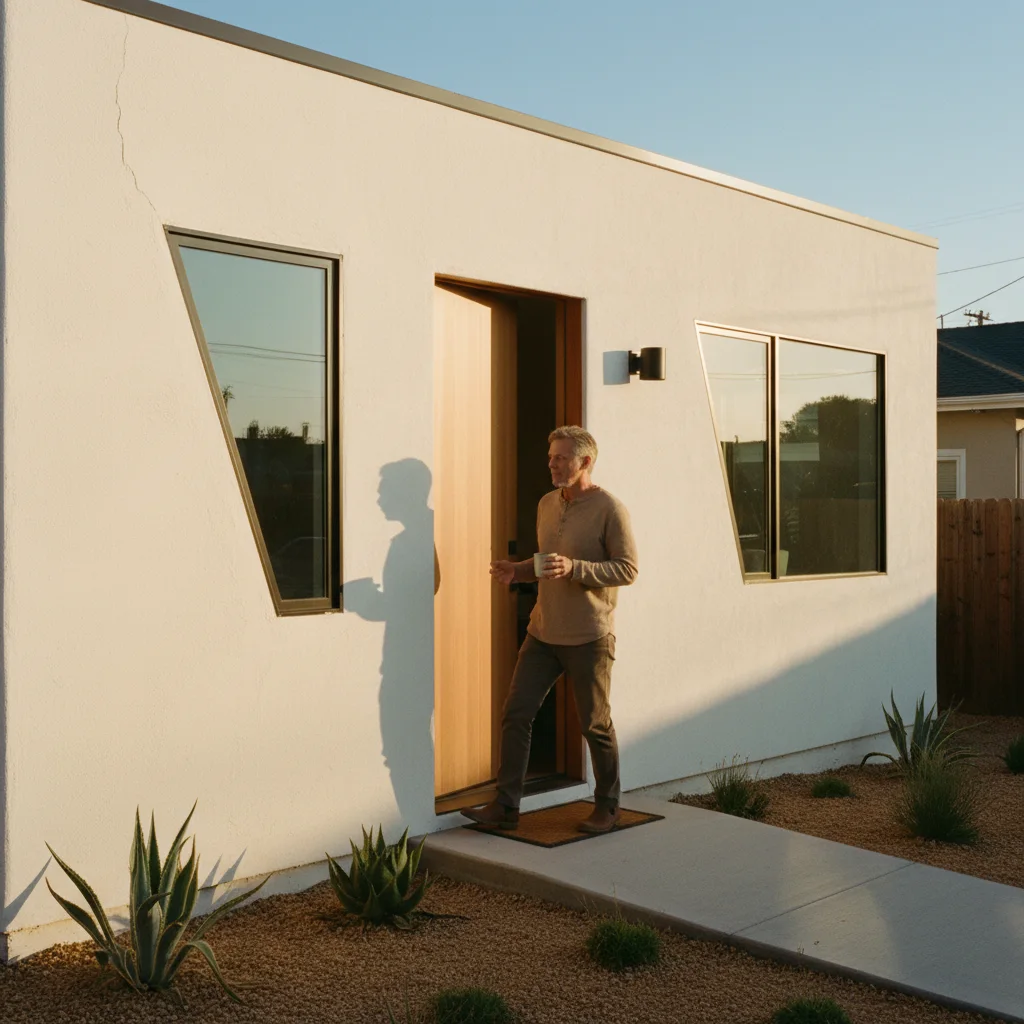
Utility connections for a garage conversion in Orange, CA, are a significant aspect of the project, often involving new or upgraded lines for water, sewer, electricity, and gas. For an ADU, these connections must be separate or sub-metered from the main house. The costs for these connections can range from $5,000 to $15,000+, depending on the existing infrastructure, the distance to main lines, and the need for panel upgrades. For example, if your existing electrical panel cannot support the additional load of the ADU, a service upgrade to 200 amps might be necessary, adding several thousand dollars.
Detailed Utility Considerations
Water and Sewer: The ADU will need access to the city's water and sewer lines. This might involve extending existing lines from the main house or, in some cases, tapping into the street, which can be more costly. The City of Orange Public Works Department will review these plans. Electricity: A dedicated electrical sub-panel for the ADU is usually required. This ensures independent metering and prevents overloading the main house's system. Upgrading the main service panel is a common requirement. Gas: If your ADU includes a kitchen or gas-powered appliances, a gas line extension will be necessary. This often involves trenching and connecting to the existing gas meter or installing a new one.
- Internet/Cable: While not strictly a permit requirement, planning for separate internet/cable access can enhance the ADU's appeal and functionality.
These utility requirements are consistent across Orange County, though the specific costs can fluctuate based on your property's unique layout and existing service capacity. Remember to factor these into your overall budget.
What are common reasons for permit or HOA denial for garage conversions in Orange, CA, and how can they be appealed?
Get 3 ADU builder bids in 48 hours.
Our editors already screened California ADU builders. Answer 4 questions; we send 3 written bids inside 48 hours, with the real price for your scope, not their inflated first-call number.
Send my 3 bidsFree. No commission. If a match doesn't fit, we'll send another.
Permit or HOA denials for garage conversions in Orange, CA, often stem from non-compliance with local codes, incomplete documentation, or aesthetic objections. Understanding these common pitfalls can help homeowners prepare and increase their chances of approval. For permits, common reasons for denial include plans that don't meet setback requirements, inadequate parking provisions, insufficient fire separation, or structural deficiencies. For HOAs, denials frequently arise from designs that clash with community architectural standards (e.g., in Old Towne Orange, where material and paint-color compatibility is paramount), unapproved exterior materials, or exceeding allowed building heights.
Appealing Denials
Appealing a City Permit Denial:
- Understand the Specific Reasons: The City of Orange will provide a detailed list of reasons for denial. Focus on addressing each point directly.
- Revise Plans: Work with your architect or contractor to revise your plans to meet the cited code requirements. This is the most common and effective approach.
- Resubmit: Submit the revised plans to the City of Orange's Planning or Building Department for re-review. There may be resubmission fees.
- Formal Appeal: If you believe the denial is based on an incorrect interpretation of code or an unfair ruling, you can typically file a formal appeal to the City's Board of Appeals or Planning Commission. This is a more involved process, often requiring legal or professional representation.
Appealing an HOA Denial:
- Review HOA Bylaws: Understand the formal appeal process outlined in your HOA's governing documents.
- Gather Documentation: Prepare a comprehensive packet including your revised plans, any supporting letters from neighbors, and arguments addressing the HOA's specific concerns.
- Present to the Board: Often, an appeal involves presenting your case directly to the full HOA board. Be prepared to articulate how your project meets or exceeds community standards.
- Mediation/Arbitration: Some HOAs offer mediation or arbitration services to resolve disputes. This can be a less confrontational alternative to legal action.
- Legal Counsel: If all else fails and you believe your HOA is acting arbitrarily or violating state ADU laws, consulting an attorney specializing in HOA law may be necessary. While HOAs have architectural control, state law has increasingly limited their ability to outright prohibit ADUs.
Case Studies: Successful Garage Conversions in Orange County
Orange County has seen a surge in garage conversions, with many homeowners successfully navigating the permit and HOA landscape. For instance, a homeowner in a newer Anaheim Hills community managed to convert their attached garage into a junior ADU by meticulously matching exterior stucco and roof tiles to the existing home's master plan, gaining HOA approval on the first try. Their permit process with the City of Anaheim was relatively quick (around 3 months) due to a clear, well-prepared plan. In contrast, a project in Old Towne Orange, while ultimately successful, faced extended planning review (5 months) due to the need for custom-matched historical window styles and specific paint color approval to meet the district's strict aesthetic guidelines. These examples highlight that while permits are handled city-by-city with widely different turnaround times, proactive planning and adherence to local specifics are key.
Why an Orange Homeowner Needs This Guide: Local Context Matters
Orange, California, presents a unique blend of historical charm and modern suburban living, making a localized guide to garage conversions essential. The city's diverse housing stock, from the historic homes of Old Towne to the newer developments, means that a one-size-fits-all approach simply won't work. The local climate, with summer highs milder than inland but high UV exposure year-round, means fade-resistant finishes (like Fiberon composite decking or colored concrete sealers) pay off in the long run, a consideration often overlooked in generic guides. Moreover, the strong presence of HOAs across many Orange neighborhoods, coupled with the specific permit requirements of the City of Orange, necessitates a detailed, Orange-centric approach. This guide empowers you to navigate these local nuances, ensuring your garage conversion project not only meets code but also enhances your property's value and fits seamlessly into your Orange community.
Frequently Asked Questions About Orange, CA Garage Conversions
What specific architectural or design requirements does Orange, CA, impose on garage conversions?
Orange, CA, requires garage conversions to maintain the architectural character of the primary dwelling and the neighborhood. In historic districts like Old Towne Orange, this means strict adherence to material and paint-color compatibility standards. For all conversions, design elements like window styles, rooflines, and exterior finishes must be harmonious with the main house. The City's Planning Department reviews these aspects to ensure aesthetic integration.
Are there any specific Orange County cities that are more or less lenient with garage conversion permits or HOAs?
Permit leniency and HOA strictness vary significantly across Orange County. Generally, cities like Anaheim are often faster for simple permit scopes compared to Irvine, which is known for its thoroughness and longer review times. Regarding HOAs, newer, master-planned communities across OC (e.g., parts of Irvine, Anaheim Hills, Newport Coast) tend to have stronger architectural committees and more restrictive CC&Rs than older, non-HOA neighborhoods.
How can I effectively appeal an HOA denial for a garage conversion in Orange County?
To effectively appeal an HOA denial, thoroughly review your HOA's bylaws for their appeal process. Prepare a detailed presentation addressing their specific concerns, potentially offering design modifications. Emphasize how your project aligns with community standards and state ADU laws. Consider seeking mediation or legal counsel if the denial seems arbitrary or in violation of regulations.
What are the required inspections during an Orange County garage conversion project?
During an Orange County garage conversion, you'll typically need inspections for foundation, framing, electrical rough-in, plumbing rough-in, mechanical rough-in, insulation, drywall, and a final inspection. Specific requirements may vary slightly by city, but the goal is to ensure each phase of construction meets safety and code standards before proceeding to the next.
Where can I find specific contact information or resources for Orange, CA planning departments regarding ADU/garage conversions?
For specific contact information and resources, visit the official City of Orange Community Development Department website. Look for sections on "Planning Division" and "Building Division" or search for "ADU" or "Accessory Dwelling Unit" information. You can typically find contact numbers for planners and building inspectors there, or visit their office located at 300 E Chapman Ave, Orange, CA 92866.
Conclusion
Undertaking a garage conversion in Orange, CA, is a rewarding project that can significantly enhance your property's value and utility. By understanding the specific permit requirements, navigating HOA regulations, and anticipating local costs and timelines, you can approach your project with confidence. Remember that local context - from the historic charm of Old Towne to the tight setbacks of newer developments and the year-round UV exposure - plays a crucial role in planning your conversion. For more insights into maximizing your home's value, explore our guide on Driveway Replacement ROI & Home Value in Anaheim (2026 Guide). We at Golden Yards are here to help Orange homeowners make informed decisions for their outdoor and home improvement projects. Start planning your Orange garage conversion today to unlock its full potential.
Ready to start your garage conversion project?
Find My ProsFrequently Asked Questions
What specific architectural or design requirements does Orange, CA, impose on garage conversions?
Orange, CA, requires that garage conversions maintain the architectural character of the main house and neighborhood. Design elements like window styles, rooflines, and exterior finishes must be harmonious with the primary dwelling. In historic districts like Old Towne Orange, stricter material and paint-color compatibility standards apply, reviewed by the City's Planning Department.
The City's Planning Department in Orange, CA, reviews all garage conversion proposals to ensure aesthetic integration. This means the new living space must not look like a separate, out-of-place addition. Key architectural features, such as the style of windows, the slope of the roofline, and the type of exterior finish, must be compatible with the existing home.
In designated historic areas, specifically Old Towne Orange, these requirements are more rigorous. The city imposes strict standards for material and paint-color compatibility to preserve the unique character of the neighborhood. All design choices must align with established historical guidelines.
Are there any specific Orange County cities that are more or less lenient with garage conversion permits or HOAs?
Permit leniency and HOA rules vary across Orange County. Cities like Anaheim often process simple permits faster than Irvine, which has longer review times. Newer master-planned communities in areas like Irvine, Anaheim Hills, and Newport Coast typically have stricter HOAs and CC&Rs than older, non-HOA neighborhoods.
The approach to permits and homeowner association oversight differs significantly throughout Orange County. For city permits, Anaheim is often quicker for straightforward projects, while Irvine is recognized for its detailed and therefore longer review process. Regarding HOAs, the age and type of community are key factors. Newer, master-planned communities, such as those in Irvine, Anaheim Hills, and Newport Coast, usually have strong architectural committees enforcing restrictive CC&Rs. This contrasts with older neighborhoods that may not have an HOA at all, offering more flexibility.
How can I effectively appeal an HOA denial for a garage conversion in Orange County?
To effectively appeal an HOA denial for a garage conversion in Orange County, first review your association's bylaws for the specific appeal process. Prepare a detailed presentation addressing the board's concerns, offering design modifications, and emphasizing how your project aligns with community standards and state ADU laws. Consider mediation for arbitrary denials.
Your formal appeal should directly counter the HOA's stated reasons for denial. If they raised aesthetic issues, provide revised plans or material samples. It is important to show how your project conforms to state ADU laws, which can sometimes override conflicting HOA rules. Should the HOA's decision seem to violate regulations or be unreasonable, pursuing mediation or obtaining advice from legal counsel specializing in property law are logical next steps. This structured approach strengthens your position and shows a willingness to cooperate while asserting your rights.
What are the required inspections during an Orange County garage conversion project?
An Orange County garage conversion requires inspections for foundation, framing, rough-in for electrical, plumbing, and mechanical systems, insulation, and drywall before the final inspection. These checks ensure each construction phase meets safety and code standards before work continues. Specific requirements can vary slightly depending on the city within the county.
In an Orange County garage conversion, a series of inspections is mandatory. This process typically begins with the foundation and framing. Following that, inspectors must approve the rough-in work for all major systems, including electrical, plumbing, and mechanical. After the systems are approved, the insulation and drywall are inspected.
Each step must be signed off before the next phase can begin, ensuring all work complies with building codes and safety regulations. The project concludes with a final inspection covering all completed work. While this sequence is standard, remember that individual cities may have minor variations in their specific requirements.
Where can I find specific contact information or resources for Orange, CA planning departments regarding ADU/garage conversions?
For specific contact information and resources, visit the official City of Orange Community Development Department website. Look for sections on "Planning Division" and "Building Division" or search for "ADU" or "Accessory Dwelling Unit" information. You can typically find contact numbers for planners and building inspectors there, or visit their office located at 300 E Chapman Ave, Orange, CA 92866. ## Conclusion Undertaking a garage conversion in Orange, CA, is a rewarding project that can significantly enhance your property's value and utility. By understanding the specific permit requirements, navigating HOA regulations, and anticipating local costs and timelines, you can approach your project with confidence. Remember that local context - from the historic charm of Old Towne to the tight setbacks of newer developments and the year-round UV exposure - plays a crucial role in planning your conversion. For more insights into maximizing your home's value, explore our guide on [Driveway Replacement ROI & Home Value in Anaheim (2026 Guide)](https://www.goldenyardsmag.com/driveway-replacement-roi-home-value-anaheim-2026-guide). We at Golden Yards are here to help Orange homeowners make informed decisions for their outdoor and home improvement projects. Start planning your Orange garage conversion today to unlock its full potential.