
Your home's roof is its primary defense against the elements, a critical component that protects your investment and ensures comfort. In a vibrant city like Culver City, where the climate presents a unique blend of coastal influences and warm inland conditions, selecting and maintaining the right roof is paramount. As we look to 2026, understanding these specific climate considerations is more important than ever for homeowners.
This comprehensive guide from Golden Yards will delve into the specific climate challenges and opportunities for roofing in Culver City. We will explore the best materials, energy efficiency strategies, essential maintenance tips, and current cost trends. By the end, you will be equipped with the knowledge to make informed decisions for your Culver City home, ensuring a durable, efficient, and aesthetically pleasing roof for years to come.
What Makes Culver City's Climate Unique for Roofing?
Culver City enjoys a distinctive Southern California climate, characterized by its proximity to the Pacific Ocean. This geographical location creates specific conditions that directly impact roofing performance and longevity. Understanding these nuances is the first step in making smart roofing choices.
How Do Coastal Influences Affect Roofs in Culver City?
The marine layer frequently brings morning fog and higher humidity, especially during the "June Gloom" period. While this offers some respite from intense heat, it can also encourage moss and algae growth on certain roofing materials. This persistent moisture requires materials that are resistant to biological growth and proper ventilation.
What Are the Summer Heat and UV Challenges for Culver City Roofs?
Summers are generally warm to hot, with average daily temperatures often reaching into the high 70s and low 80s Fahrenheit, occasionally spiking higher during heatwaves. This consistent sun exposure means significant UV radiation, which can degrade many roofing materials over time. High temperatures also increase the demand on air conditioning, making energy-efficient roofing crucial.
How Do Winter Rains and Winds Impact Roofing in Culver City?
Winters are mild, with average temperatures rarely dipping below 45°F, eliminating concerns about heavy snow or ice. However, Culver City experiences its most significant rainfall during these months, averaging around 15-18 inches annually. These concentrated periods of rain test a roof's waterproofing capabilities and drainage systems.
Furthermore, occasional Santa Ana winds can bring strong, dry gusts, posing a risk of wind uplift and debris damage to less robust roofing systems. Fire risk, while generally lower than more inland areas, remains a consideration for material selection due to California's dry seasons and potential for embers.
Which Roofing Materials Are Best Suited for Culver City's Climate?
Choosing the right roofing material is a long-term investment that must align with Culver City's specific climate conditions and your home's aesthetic. Several materials offer distinct advantages and disadvantages.
Are Asphalt Shingles a Good Choice for Culver City?
Asphalt shingles remain a popular and cost-effective option for many Culver City homes. They offer a wide variety of styles and colors, making them versatile for different architectural designs. In 2026, standard architectural asphalt shingles typically cost between $4.50 and $7.00 per square foot installed, depending on the shingle quality and roof complexity.
While generally suitable for mild climates, intense UV exposure and heat can shorten their lifespan compared to cooler regions. Homeowners should consider "cool roof" rated asphalt shingles, which incorporate reflective granules to mitigate heat absorption. These advanced shingles offer better energy efficiency and can extend the roof's life by reducing thermal stress. A well-maintained asphalt shingle roof in Culver City can last 15-30 years.
Why Consider Tile Roofing in Culver City?
Tile roofing, including clay and concrete tiles, is an excellent choice for Culver City, especially for homes seeking a Mediterranean or Spanish architectural style. These materials are incredibly durable, boasting lifespans of 50 years or more. Their inherent mass and shape provide superior heat reflection and insulation, making them naturally energy-efficient.
Tile roofs are also highly resistant to fire, a significant advantage in California. However, they are heavier than other options and may require additional structural support, increasing installation costs. In 2026, expect to pay between $10 and $25 per square foot installed for tile roofing in Culver City, reflecting their longevity and premium benefits.
Is Metal Roofing a Smart Investment for Culver City Homes?
Metal roofing, encompassing standing seam panels and metal shingles, is gaining traction in Culver City for its exceptional durability, energy efficiency, and modern aesthetic. Metal roofs can last 40-70 years, often outliving the home itself. They are highly resistant to fire, wind, and pests, making them a robust choice for the local climate.
Many metal roofing options come with factory-applied cool roof coatings, reflecting solar radiation and significantly reducing attic temperatures. While the upfront cost is higher, ranging from $8 to $20 per square foot installed in 2026, the long-term savings on energy bills and minimal maintenance often justify the investment. Noise during heavy rain can be a minor consideration, though proper insulation can mitigate this.
When Should You Choose Flat or Low-Slope Roofing?
For modern architectural styles or commercial properties in Culver City, flat or low-slope roofing systems are common. Materials like TPO (Thermoplastic Polyolefin), PVC (Polyvinyl Chloride), and modified bitumen are popular choices. TPO and PVC are particularly favored for their energy efficiency, often available in light colors that meet cool roof standards.
These systems offer excellent waterproofing for low-pitch designs but require precise installation to prevent ponding water, which can lead to leaks. Their lifespan typically ranges from 20-30 years for TPO/PVC and 15-25 years for modified bitumen. Installation costs in 2026 for TPO or PVC systems generally fall between $7 and $15 per square foot installed.
How Do Energy Efficiency and Cool Roofs Impact Culver City Homes?
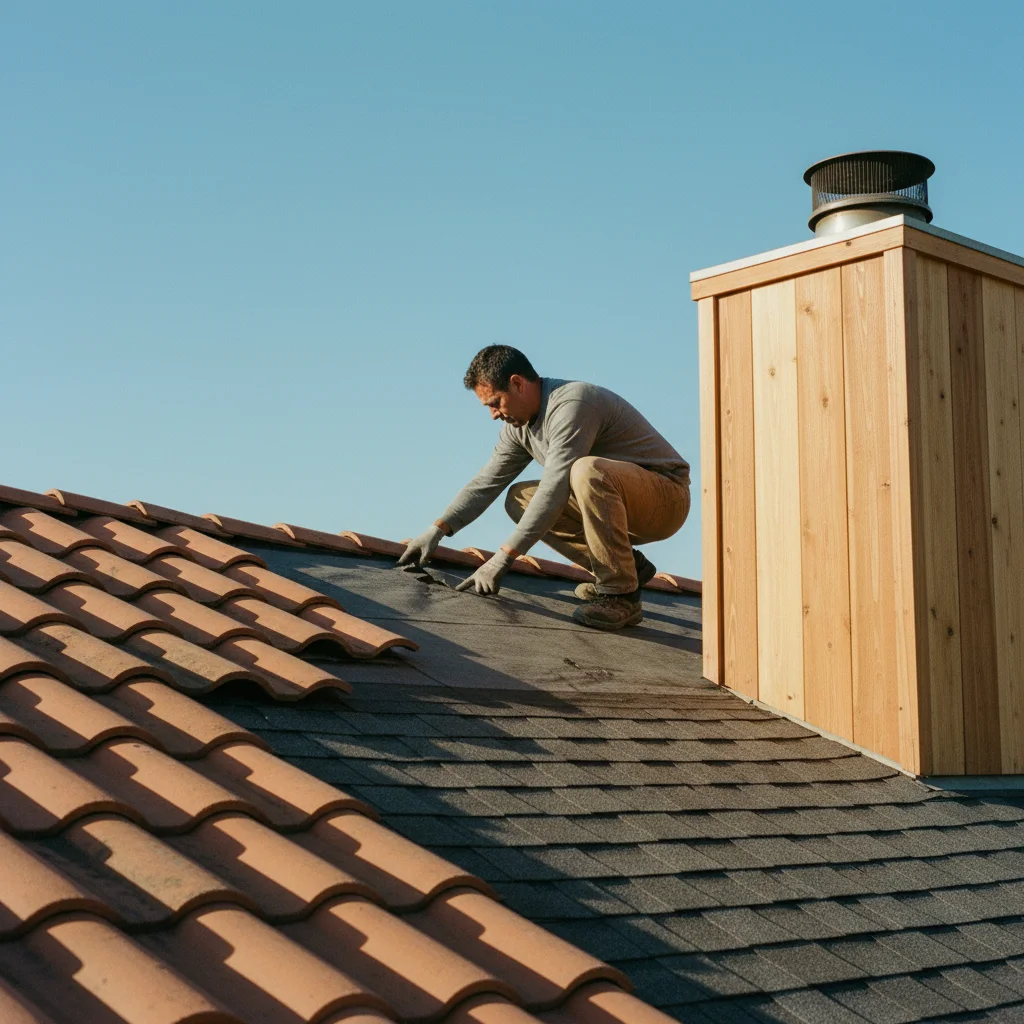
Energy efficiency is a critical consideration for roofing in Culver City, driven by both homeowner comfort and California's stringent Title 24 building codes. A significant portion of a home's heat gain or loss occurs through the roof.
What is a Cool Roof and Why is it Important in Culver City?
Cool roof technology is designed to reflect more sunlight and absorb less heat than traditional roofs. This reflection significantly reduces the amount of heat transferred into your home, leading to lower air conditioning costs. For a typical Culver City home, installing a cool roof can reduce cooling energy consumption by 10-30%, resulting in substantial savings over the roof's lifespan.
Beyond individual home benefits, widespread adoption of cool roofs helps mitigate the urban heat island effect, where metropolitan areas are significantly warmer than surrounding rural areas. California's Title 24 Energy Efficiency Standards often require cool roof compliance for new construction and significant re-roofing projects, making it a regulatory as well as an economic imperative. Cool roof options are available across various materials, including specially coated asphalt shingles, light-colored metal, and reflective TPO/PVC membranes.
What Role Does Insulation Play in Roof Efficiency?
While the roof material itself is crucial, proper attic insulation and ventilation work in tandem to maximize energy efficiency. Adequate insulation acts as a barrier, preventing heat from radiating into living spaces during summer and escaping during winter. Effective attic ventilation helps to expel trapped hot air, further reducing the load on your HVAC system and prolonging the life of your roofing materials by preventing excessive heat buildup. Upgrading insulation can offer a significant return on investment.
What Local Regulations and Permits Affect Roofing in Culver City?
Ready to compare vetted project options?
Use Project Match privately when your scope is clear enough for contractor conversations.
Start Project MatchSee what your roof replacement actually costs in 4 questions.
We pull cost ranges from invoiced California roofer projects, then narrow them to your scope, ZIP, and finish level. No first-call sticker shock.
Find a vetted rooferFree. Takes under 2 minutes. No email required to see your range.
Navigating local regulations is an essential part of any roofing project in Culver City. These rules ensure safety, structural integrity, and adherence to energy efficiency standards.
Do I Need a Permit for Roofing Work in Culver City?
Yes, most roofing projects in Culver City require a permit from the Culver City Building Department. This includes re-roofing, significant repairs, or any work that alters the structural integrity of your roof. The permit process ensures that the work complies with the California Building Code (CBC) and local ordinances.
Failing to obtain the necessary permits can result in fines, delays, and potential issues when selling your home. Contractors are typically responsible for pulling permits, but homeowners should always verify this. The permit application will often require details about the existing roof, the proposed new materials, and a scope of work. Inspections will be conducted during and after the project to ensure compliance.
How Do California's Title 24 Standards Apply to Culver City Roofing?
California's Title 24 Energy Efficiency Standards are a significant factor in roofing projects throughout the state, including Culver City. These standards mandate specific energy performance levels for buildings, often requiring the use of cool roof rated materials for new roofs or significant re-roofing projects on residential and commercial buildings. The requirements are based on the roof's reflectance and emittance values, which measure how well a material reflects solar energy and releases absorbed heat.
Homeowners and contractors must ensure that chosen materials meet these specific Title 24 requirements to pass inspections. This often means opting for lighter-colored materials or those with special reflective coatings. Beyond energy efficiency, Culver City also adheres to California's fire codes, which typically mandate Class A fire-rated roofing materials for most residential structures, providing superior protection against external fire sources.
What Roofing Maintenance is Essential for Culver City's Climate?
Regular maintenance is key to extending the life of your roof and preventing costly repairs, especially given Culver City's specific climate challenges. Proactive care can add years to your roof's lifespan.
How Often Should I Inspect My Roof in Culver City?
Annual roof inspections are highly recommended for Culver City homes, ideally in the fall before the rainy season begins. Additionally, it is wise to inspect your roof after any significant weather event, such as strong Santa Ana winds or heavy rainstorms. Look for missing or damaged shingles, cracked tiles, loose flashing, and any signs of water pooling or staining.
Beyond homeowner checks, a professional roof inspection every 3-5 years is advisable. Experienced roofing contractors can identify subtle issues that might be missed by an untrained eye, such as compromised underlayment, early signs of material degradation, or hidden leaks. Early detection can save thousands in future repairs.
What Are Common Roofing Problems in Culver City and How to Prevent Them?
Culver City roofs frequently face issues like moss and algae growth due to the marine layer, especially on shaded areas or north-facing slopes. Regular cleaning and applying zinc strips or copper granules can deter this. UV degradation is another common problem, leading to cracking and brittleness in asphalt shingles, which cool roof materials can mitigate.
Wind damage from Santa Ana gusts can lift or tear shingles, making proper installation and strong fasteners crucial. Clogged gutters, often filled with leaves and debris, can cause water to back up under the roof, leading to leaks and fascia damage. Regular gutter cleaning, at least twice a year, is essential. Finally, check flashing around chimneys, skylights, and vents, as these are common points for water intrusion.
How to Choose the Right Roofing Contractor in Culver City?
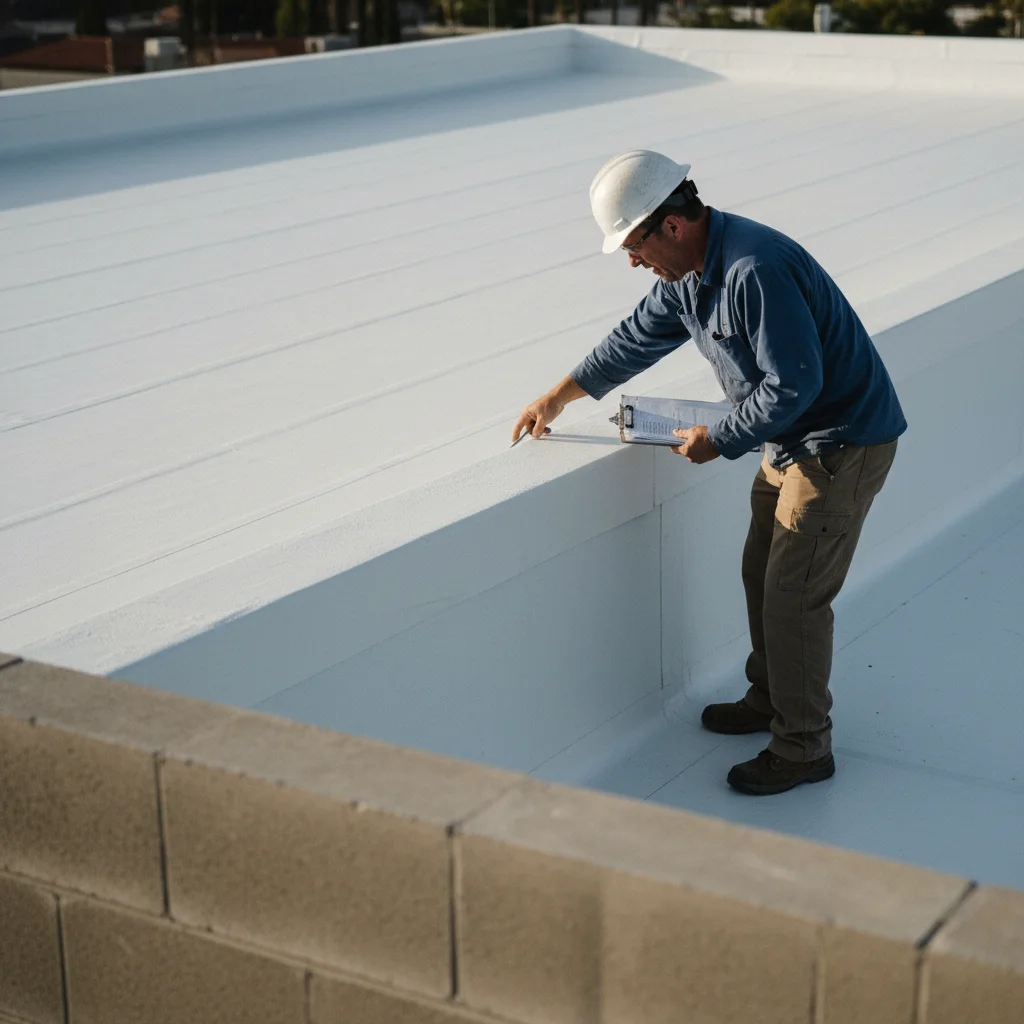
Selecting a reputable and experienced roofing contractor is paramount to a successful and long-lasting roofing project. A good contractor understands local climate challenges and regulations.
What Qualities Should I Look for in a Roofing Contractor?
Always ensure your chosen contractor is licensed, bonded, and insured in California. Verify their C-39 Roofing Contractor license through the Contractors State License Board (CSLB). Look for contractors with extensive experience specifically in Culver City or similar Southern California climates, as they will be familiar with local building codes and common issues.
Request references from previous clients and check online reviews. A reliable contractor will also offer comprehensive warranties on both materials and workmanship, providing peace of mind for your investment. Transparent communication and a detailed proposal are also key indicators of professionalism.
What Questions Should I Ask Before Hiring a Roofer?
Before committing to a contractor, ask about their experience with your specific roofing material and type of project. Inquire about their safety protocols and how they protect your property during the work. Crucially, ask for a detailed breakdown of costs, including materials, labor, permit fees, and disposal.
Clarify the project timeline, from start to finish, and how they handle unexpected issues. Understand the payment schedule and what warranties are included. Finally, ensure they will handle all necessary permits and inspections with the Culver City Building Department, as this is a critical step for compliance.
Conclusion: Making Informed Roofing Decisions in Culver City
Get 3 roofer bids in 48 hours.
Our editors already screened California roofers. Answer 4 questions; we send 3 written bids inside 48 hours, with the real price for your scope, not their inflated first-call number.
Send my 3 bidsFree. No commission. If a match doesn't fit, we'll send another.
Navigating the complexities of roofing in Culver City's unique climate requires careful consideration of materials, energy efficiency, local regulations, and ongoing maintenance. By understanding the impact of coastal influences, intense sun, and seasonal rains, homeowners can make informed decisions that protect their investment for decades.
Investing in a high-quality, climate-appropriate roof not only enhances your home's curb appeal and value but also contributes to significant energy savings and peace of mind. Remember to prioritize cool roof technologies, adhere to Title 24 standards, and engage with licensed, reputable contractors. For more expert advice and resources on home improvement in Southern California, visit Golden Yards.
Frequently Asked Questions About Roofing and Climate Considerations in Culver City
What is the average cost of a new roof in Culver City in 2026?
The average cost for a new roof in Culver City in 2026 typically ranges from $10,000 to $30,000 for a standard residential home, depending on the material chosen, roof size, complexity, and contractor. Asphalt shingles are generally on the lower end, while tile or metal roofing can be significantly higher.
How long does a roof typically last in Culver City's climate?
The lifespan of a roof in Culver City varies by material. Asphalt shingle roofs can last 15-30 years, metal roofs 40-70 years, and tile roofs 50 years or more. Proper maintenance and the use of climate-appropriate materials, like cool roofs, can extend these lifespans.
Are there rebates or incentives for cool roofs in Culver City?
Yes, homeowners in Culver City may be eligible for rebates or incentives for installing cool roofs. Programs like California's Title 24 often encourage energy-efficient upgrades. It's advisable to check with local utility providers, the City of Culver City, and state energy commissions for current programs and eligibility requirements in 2026.
Can I repair my roof myself, or do I need a professional?
While minor repairs like replacing a single shingle might seem manageable, most roofing work, especially involving leaks or structural issues, is best left to licensed professionals. Roofing can be dangerous, and improper repairs can lead to more extensive and costly damage, potentially voiding warranties or violating permits.
How do I know if my roof needs to be replaced or just repaired?
Signs that your roof may need replacement include widespread missing or damaged shingles, significant granule loss on asphalt shingles, curling or buckling, visible sagging, or leaks in multiple areas. If your roof is over 20 years old and showing multiple signs of wear, a full replacement is often more cost-effective than continuous repairs. A professional inspection can provide a definitive assessment.
What are the signs of a leaky roof in Culver City?
Common signs of a leaky roof in Culver City include water stains on ceilings or walls, peeling paint, mold or mildew growth in the attic or upper levels, a musty odor, or visible water drips during rain. Also, check your attic for damp insulation or daylight showing through the roof boards. Addressing leaks promptly is crucial to prevent structural damage.
Ready to start your roofing project?
Find My ProsFrequently Asked Questions
What is the average cost of a new roof in Culver City in 2026?
The average cost for a new roof in Culver City in 2026 typically ranges from $10,000 to $30,000 for a standard residential home, depending on the material chosen, roof size, complexity, and contractor. Asphalt shingles are generally on the lower end, while tile or metal roofing can be significantly higher.
How long does a roof typically last in Culver City's climate?
The lifespan of a roof in Culver City varies by material. Asphalt shingle roofs can last 15-30 years, metal roofs 40-70 years, and tile roofs 50 years or more. Proper maintenance and the use of climate-appropriate materials, like cool roofs, can extend these lifespans.
Are there rebates or incentives for cool roofs in Culver City?
Yes, homeowners in Culver City may be eligible for rebates or incentives for installing cool roofs. Programs like California's Title 24 often encourage energy-efficient upgrades. It's advisable to check with local utility providers, the City of Culver City, and state energy commissions for current programs and eligibility requirements in 2026.
Can I repair my roof myself, or do I need a professional?
While minor repairs like replacing a single shingle might seem manageable, most roofing work, especially involving leaks or structural issues, is best left to licensed professionals. Roofing can be dangerous, and improper repairs can lead to more extensive and costly damage, potentially voiding warranties or violating permits.
How do I know if my roof needs to be replaced or just repaired?
Signs that your roof may need replacement include widespread missing or damaged shingles, significant granule loss on asphalt shingles, curling or buckling, visible sagging, or leaks in multiple areas. If your roof is over 20 years old and showing multiple signs of wear, a full replacement is often more cost-effective than continuous repairs. A professional inspection can provide a definitive assessment.
What are the signs of a leaky roof in Culver City?
Common signs of a leaky roof in Culver City include water stains on ceilings or walls, peeling paint, mold or mildew growth in the attic or upper levels, a musty odor, or visible water drips during rain. Also, check your attic for damp insulation or daylight showing through the roof boards. Addressing leaks promptly is crucial to prevent structural damage.