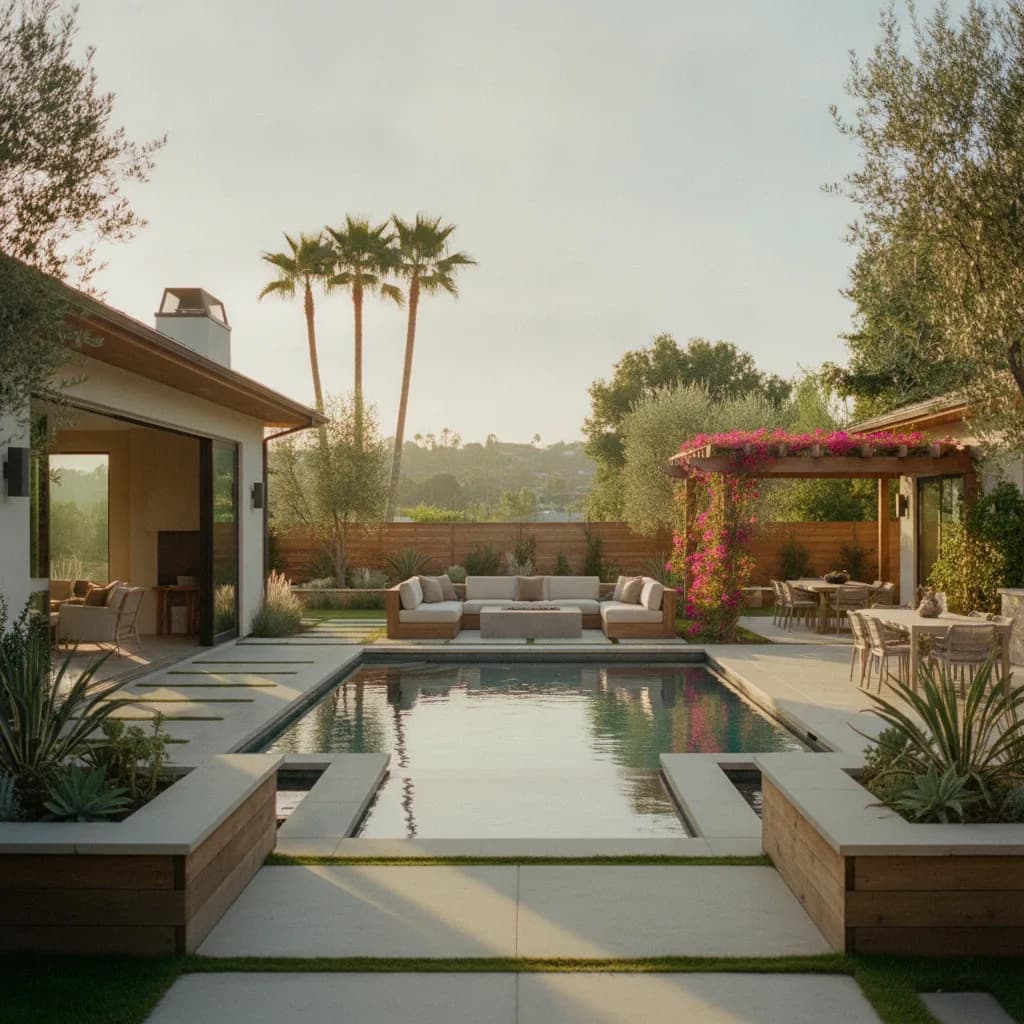
Los Angeles Pool & Backyard Design: Crafting Your Ultimate Resort-Style Outdoor Oasis
For homeowners in Los Angeles, the backyard is more than just an outdoor space; it's an extension of the living environment, a private sanctuary, and a testament to the quintessential Southern California lifestyle. At Golden Yards Magazine, we understand the aspiration to transform this space into a resort-style oasis – a place for relaxation, entertainment, and escape from the urban bustle. This comprehensive guide will walk you through the intricate journey of designing and building your dream pool and backyard in the unique context of Los Angeles, ensuring both aesthetic grandeur and practical longevity.
Defining Your Vision: The Heart of Your LA Oasis
Before the first shovel breaks ground, the most crucial step is to meticulously define your vision. This isn't merely about choosing a pool shape; it's about understanding how your outdoor space will integrate with your lifestyle, reflect your personal aesthetic, and enhance your property's value.
Begin by asking yourself:
- What is the primary purpose of this space? Is it a family hub for children's play, an entertainer's paradise for lavish parties, a tranquil retreat for quiet contemplation, or a fitness zone for laps and exercise?
- What aesthetic resonates with you? Los Angeles offers a rich tapestry of architectural styles. Do you envision a sleek, minimalist modern design with clean lines and geometric forms? A lush, Mediterranean-inspired courtyard with terracotta accents and fragrant citrus trees? A bohemian haven with natural textures and eclectic furnishings? Or perhaps a desert-chic landscape that embraces native flora and sustainable practices?
- What functional elements are essential? Beyond the pool itself, consider a luxurious spa, an outdoor kitchen complete with a grill and pizza oven, a cozy fire pit or fireplace, shaded lounge areas, a dedicated dining space, water features, or even a putting green.
- How does the space interact with your home? Seamless indoor-outdoor flow is a hallmark of LA living. Think about how large sliding glass doors, consistent flooring materials, and integrated lighting can blur the lines between inside and out.
A thorough site analysis is equally critical. Consider sun exposure throughout the day, prevailing winds, existing views (and how to enhance or obscure them), privacy concerns from neighbors, and the natural topography of your lot. An experienced landscape architect or designer will help you translate these considerations into a cohesive master plan, ensuring every element serves a purpose and contributes to the overall resort-style ambiance.
Navigating Los Angeles Design Trends and Climate Considerations
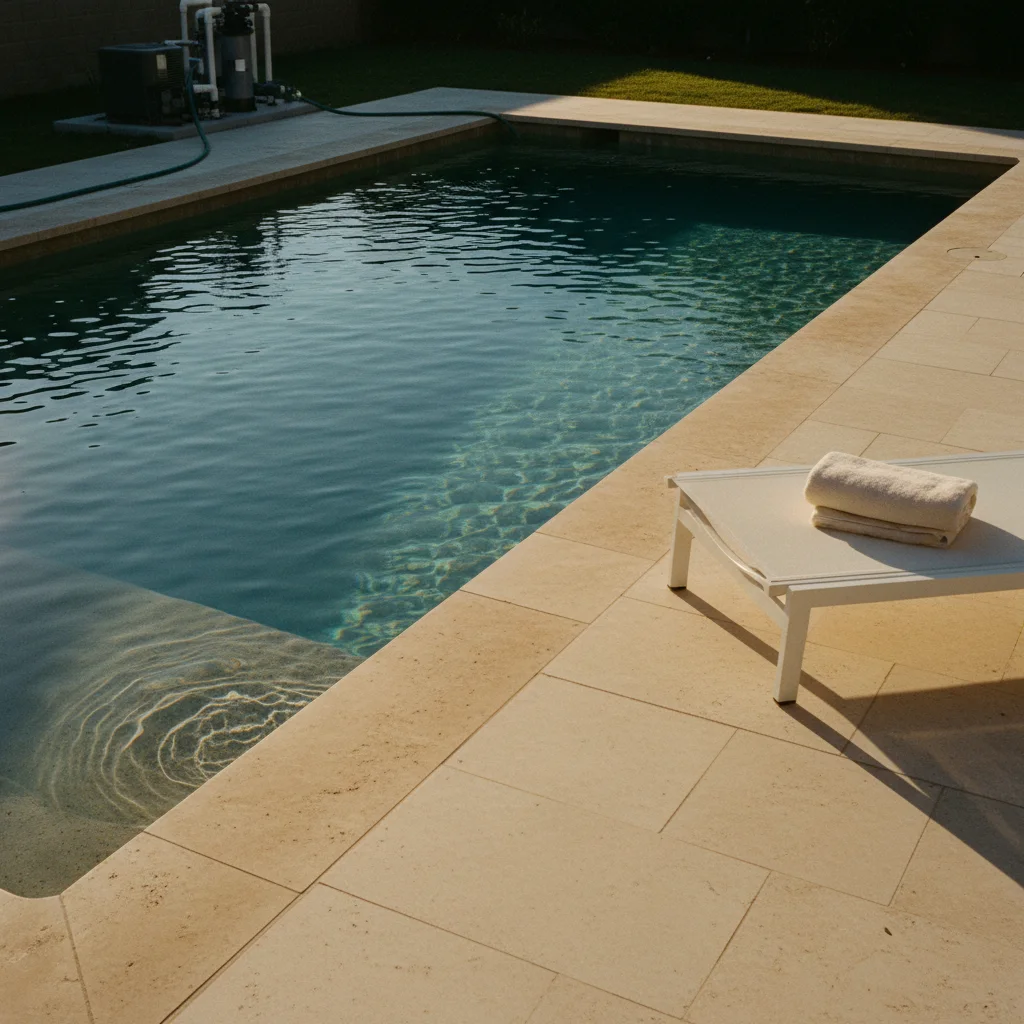
Designing an outdoor oasis in Los Angeles means embracing the unique climate and local design sensibilities. From material choices to plant selections, every decision should be informed by the region's characteristics.
Water Conservation: A Golden Yards Imperative
Given California's history of drought, water conservation isn't just a recommendation; it's a responsibility.
- Drought-Tolerant Landscaping: Embrace native and Mediterranean-adapted plants that thrive in LA's climate with minimal irrigation. Think succulents, ornamental grasses, lavender, and olive trees.
- Smart Irrigation Systems: Install drip irrigation for plants and smart controllers that adjust watering schedules based on weather conditions.
- Pool Efficiency: Consider smaller pool footprints, use pool covers to reduce evaporation, and invest in efficient pumps and filtration systems. Saltwater pools can also reduce chemical usage.
- Permeable Surfaces: Opt for permeable pavers or decomposed granite for pathways and patios to allow rainwater to percolate into the soil, reducing runoff.
Material Choices: Durability Meets Design
The intense LA sun and occasional temperature swings demand materials that are both beautiful and resilient.
- Decking: Choose materials that stay cool underfoot, such as light-colored natural stone (travertine, limestone), concrete pavers, or composite decking. Wood, while beautiful, requires more maintenance and can get very hot.
- Pool Finishes: Beyond traditional plaster, consider pebble finishes for a natural look and enhanced durability, or tile for a luxurious, custom aesthetic.
- Hardscaping: Locally sourced stone, concrete, and stucco are popular choices that blend seamlessly with LA architecture.
- Shade Structures: Pergolas, arbors, and cantilevered umbrellas are essential for comfort. Materials like aluminum, steel, and durable hardwoods are excellent choices.
Popular LA Styles: Curating Your Aesthetic
While your personal vision is paramount, understanding prevalent LA styles can inspire and inform your choices:
- Modern Minimalist: Clean lines, geometric pools, neutral color palettes, concrete, steel, and glass. Focus on open space and understated elegance.
- Mediterranean Revival: Terracotta tiles, stucco walls, wrought iron accents, lush plantings, and classic fountain features. Evokes old-world charm and warmth.
- California Casual: Blends comfort with sophistication. Natural wood, comfortable outdoor furniture, relaxed landscaping, and a focus on indoor-outdoor flow.
- Desert Contemporary: Embraces the arid landscape with drought-tolerant plants, natural stone, corten steel, and a palette of earthy tones. Often features dramatic fire pits and sculptural elements.
The Financial Blueprint: Understanding Costs and Maximizing Value
Ready to compare vetted project options?
Use Project Match privately when your scope is clear enough for contractor conversations.
Start Project MatchSee what your pool actually costs in 4 questions.
We pull cost ranges from invoiced California pool builder projects, then narrow them to your scope, ZIP, and finish level. No first-call sticker shock.
Open the pool cost calculatorFree. Takes under 2 minutes. No email required to see your range.
Crafting a resort-style backyard in Los Angeles is a significant investment. Understanding the cost factors involved and how to budget effectively is paramount to a successful project. While exact figures fluctuate wildly based on scope, materials, and features, we can outline the key components.
Key Cost Factors:
- Pool Construction: This is often the largest single expense. Factors include:
- Size and Depth: Larger and deeper pools require more materials and excavation.
- Shape and Complexity: Custom shapes, infinity edges, and complex designs are more expensive than standard rectangular pools.
- Materials: Gunite/shotcrete (most common in LA) vs. fiberglass or vinyl liner (less common for high-end builds).
- Features: Integrated spas, waterfalls, laminar jets, tanning ledges, automated covers, and advanced filtration systems significantly add to the cost.
- Equipment: High-efficiency pumps, heaters (gas, electric, solar), filters, and automation systems.
- Hardscaping:
- Decking/Patios: Material choice (pavers, natural stone, concrete, wood), square footage, and complexity of installation.
- Pathways, Retaining Walls, Steps: Material and labor.
- Outdoor Living Features:
- Outdoor Kitchen: Appliances (grill, refrigerator, sink, pizza oven), countertop materials, cabinetry, and utility hookups.
- Fire Features: Fire pits (gas or wood-burning), outdoor fireplaces.
- Shade Structures: Pergolas, arbors, awnings, or custom-built structures.
- Lighting: Landscape lighting, pool lighting, accent lighting – often a significant, but impactful, cost.
- Landscaping (Softscape):
- Plant Material: Size, type (drought-tolerant vs. high-water), and quantity of plants.
- Irrigation System: Drip lines, sprinklers, smart controllers.
- Soil Preparation: Amending soil for optimal plant health.
- Professional Fees:
- Landscape Architect/Designer: For conceptual design, master planning, and detailed construction drawings.
- General Contractor/Project Manager: For overseeing the entire project.
- Pool Contractor: Specialized expertise.
- Engineers: Structural, civil, or soils engineers may be required for complex sites or structures.
- Permits and Inspections: City of Los Angeles and county fees.
- Contingency: Always budget an additional 10-15% for unforeseen issues or desired upgrades during construction.
Investment vs. Expense: Maximizing Property Value
While the initial outlay is substantial, a well-designed and executed pool and backyard can significantly enhance your property's value in the competitive Los Angeles real estate market. It transforms your home into a desirable lifestyle property, appealing to buyers seeking the quintessential LA experience. Beyond monetary value, the enhanced quality of life, opportunities for entertaining, and personal enjoyment represent an invaluable return on investment.
The Permitting & HOA Maze: Essential LA Navigation
Navigating the regulatory landscape in Los Angeles is a critical, often complex, part of any major outdoor renovation. Ignoring these steps can lead to costly delays, fines, or even the forced removal of structures.
City of Los Angeles Permits:
Virtually any significant alteration to your backyard, especially involving a pool, will require multiple permits from the City of Los Angeles Department of Building and Safety (LADBS). These typically include:
- Building Permits: For the pool structure itself, any new decks, pergolas, retaining walls, or outdoor kitchens.
- Electrical Permits: For pool pumps, heaters, lighting, and outdoor kitchen appliances.
- Plumbing Permits: For pool filtration, water features, and outdoor kitchen sinks.
- Grading Permits: If your project involves significant earth movement or changes to the natural grade.
- Barrier Permits: For pool safety fencing and gates, which are mandatory in California.
Key LA-Specific Requirements:
- Setbacks: Strict rules dictate how close structures can be to property lines. These vary by zoning and specific neighborhood.
- Drainage Plans: You'll need to demonstrate how your project will manage stormwater runoff and prevent it from impacting neighboring properties.
- Safety Barriers: California law (and LA city ordinances) mandates specific pool safety features, including fencing (minimum 5 feet high, self-closing, self-latching gates), alarms on doors leading to the pool, and often, pool covers.
- Energy Efficiency: New pool equipment must meet stringent energy efficiency standards.
The permitting process can be lengthy and requires detailed plans, engineering calculations, and adherence to various codes. An experienced design-build firm or a general contractor familiar with LA's specific regulations is invaluable in streamlining this process, preparing accurate documentation, and liaising with city officials.
Homeowners Association (HOA) Approvals:
If your property is part of a Homeowners Association, you have an additional layer of approval to navigate. HOAs often have their own set of architectural guidelines, design review committees, and approval processes that are separate from, and in addition to, city permits.
- Review Your CC&Rs: Start by thoroughly reviewing your HOA's Covenants, Conditions, and Restrictions (CC&Rs) and architectural guidelines. These documents will outline what is permitted, what materials are allowed, and the submission process.
- Submit Plans Early: HOA review processes can be slow. Submit your detailed plans, material samples, and any required forms well in advance of your desired construction start date.
- Be Prepared for Revisions: The HOA committee may request modifications to your design to ensure it aligns with community aesthetics.
It's crucial to secure both city permits and HOA approval before commencing any work. Proceeding without proper authorization can lead to stop-work orders, fines, and the potential requirement to remove or alter completed structures at your own expense.
Assembling Your Dream Team: Professionals Who Deliver
The success of your resort-style backyard oasis hinges on the expertise and collaboration of a skilled team of professionals. In Los Angeles, where design standards are high and regulations are complex, choosing the right partners is paramount.
Key Roles:
- Landscape Architect or Designer: This is often the first professional you'll engage. They are the visionaries who translate your dreams into a cohesive, functional, and aesthetically pleasing master plan. They consider site conditions, drainage, sun exposure, plant selection, hardscape materials, and the overall flow of the space. For complex projects, a licensed Landscape Architect is recommended.
- Pool Contractor: A specialized contractor focused solely on pool construction. They handle the excavation, rebar, plumbing, electrical, shotcrete/gunite application, and interior finishes. Look for a contractor with extensive experience in the specific type of pool you desire (e.g., infinity edge, natural pool).
- General Contractor (or Design-Build Firm): For comprehensive backyard renovations involving multiple elements (pool, outdoor kitchen, extensive hardscaping, custom structures), a general contractor or a design-build firm is often the best choice. A design-build firm offers a single point of contact, integrating design and construction under one roof, which can streamline communication and project management. A general contractor will manage all subcontractors (pool, electrical, plumbing, masonry, landscaping) and ensure the project stays on schedule and budget.
Qualities to Look For:
- Licensing and Insurance: Verify that all contractors are properly licensed by the California Contractors State License Board (CSLB) and carry adequate liability and worker's compensation insurance.
- Local Experience: Professionals with a deep understanding of Los Angeles's climate, soil conditions, architectural styles, and permitting processes are invaluable.
- Portfolio and References: Review their past work to ensure their style aligns with your vision. Speak to previous clients about their experience, communication, and problem-solving abilities.
- Communication: A good team communicates clearly, proactively, and regularly, keeping you informed of progress and potential challenges.
- Detailed Proposals: Insist on comprehensive, itemized bids that clearly outline the scope of work, materials, timelines, and payment schedules.
- Chemistry: You'll be working closely with these individuals for an extended period. A good rapport and mutual understanding are essential for a smooth process.
The Execution Phase: From Blueprint to Backyard Oasis
Get 3 pool builder bids in 48 hours.
Our editors already screened California pool builders. Answer 4 questions; we send 3 written bids inside 48 hours, with the real price for your scope, not their inflated first-call number.
Send my 3 bidsFree. No commission. If a match doesn't fit, we'll send another.
Once your vision is solidified, permits are secured, and your dream team is assembled, the exciting phase of construction begins. This process typically unfolds in several distinct stages.
- Site Preparation & Demolition: The project begins with clearing the site. This might involve removing existing landscaping, old patios, or structures. Grading and earthwork prepare the ground for the new design, ensuring proper drainage and a stable foundation for all elements.
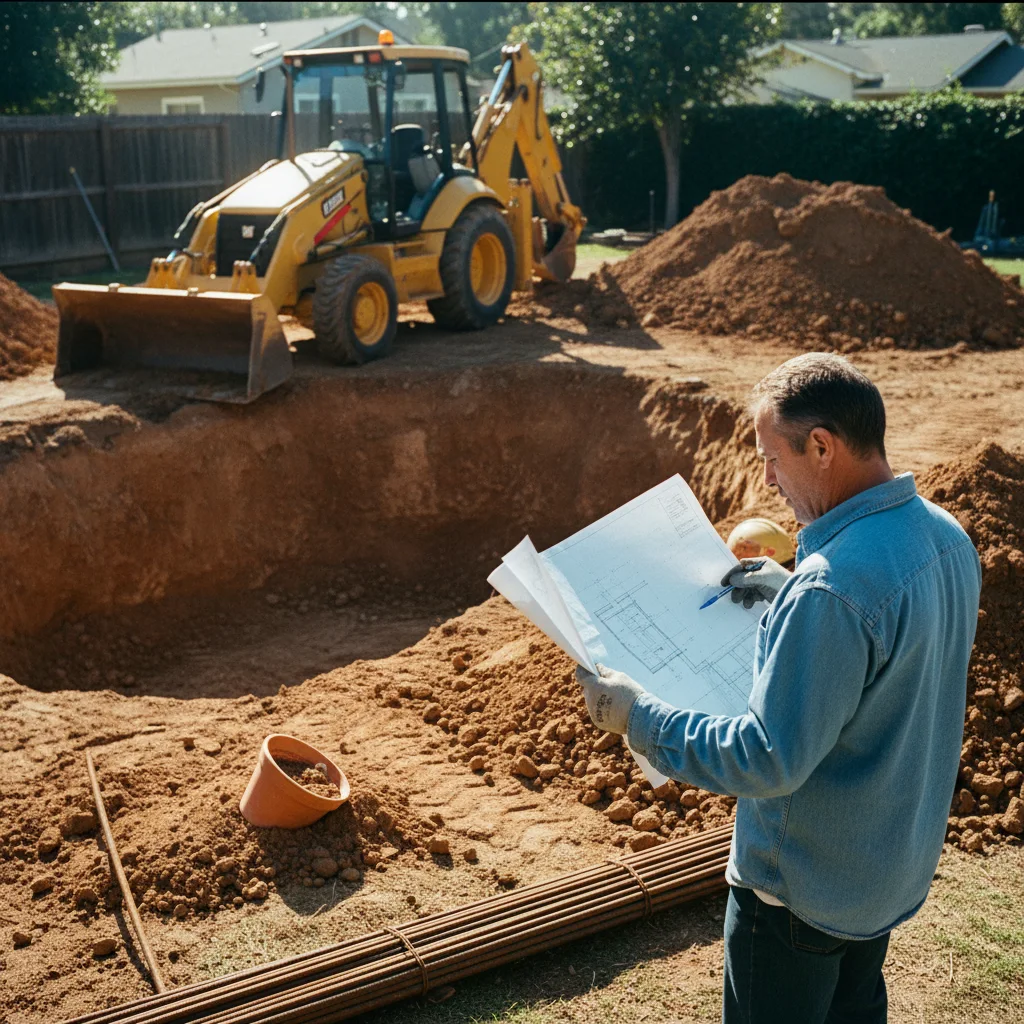
- Excavation: For a pool, this is the most dramatic step. Heavy machinery digs out the pool shape according to the approved plans. This phase also involves trenching for plumbing and electrical lines.
- Pool Shell Construction:
- Rebar Installation: A steel rebar cage is meticulously constructed to provide the structural integrity of the pool.
- Plumbing & Electrical Rough-Ins: Pipes for filtration, jets, drains, and conduits for lighting and pumps are installed within the rebar cage.
- Shotcrete/Gunite Application: Concrete is pneumatically applied over the rebar cage, forming the durable shell of the pool. This is then shaped and smoothed.
- Hardscaping Installation: Once the pool shell is cured, work on surrounding hardscape elements begins. This includes:
- Decking & Patios: Installation of chosen materials like pavers, natural stone, or concrete.
- Retaining Walls & Steps: Construction of any necessary structural elements.
- Outdoor Kitchen & Fire Features: Building the framework and installing utilities for these amenities.
- Feature Integration: This stage involves installing the various elements that elevate your backyard to a resort level:
- Water Features: Waterfalls, laminar jets, bubblers.
- Lighting: Installation of landscape lighting, pool lights, and accent lighting.
- Shade Structures: Pergolas, arbors, or custom awnings.
- Utility Connections & Equipment Installation: The pool's plumbing and electrical systems are connected to the main house utilities. Pumps, filters, heaters, and automation systems are installed and tested.
- Pool Interior Finish: The final touch for the pool. This could be plaster, pebble tec, or tile, applied by skilled artisans.
- Landscaping (Softscape): The final layer of beauty. This involves:
- Irrigation System Installation: Laying out drip lines and sprinklers.
- Planting: Installation of trees, shrubs, groundcovers, and flowers according to the landscape plan.
- Mulching: To retain moisture and suppress weeds.
- Final Touches & Clean-up: This includes final grading, debris removal, and a thorough cleaning of the entire site. Your contractor will walk you through the operation of all new systems.
Throughout the execution phase, regular communication with your project manager or general contractor is vital. They will coordinate all subcontractors, manage the timeline, and ensure quality control at every step. City inspectors will also conduct various inspections at different stages to ensure compliance with building codes.
Sustaining Your LA Resort: Maintenance and Enjoyment
The completion of your backyard oasis marks the beginning of a new chapter of enjoyment. To ensure your resort-style retreat remains pristine and functional for years to come, ongoing maintenance is key.
- Pool Maintenance: Regular cleaning (skimming, vacuuming), chemical balancing, and filter maintenance are essential. Consider a professional pool service for weekly care, or invest in robotic cleaners and smart chemical dispensers for DIY convenience. Periodically check for leaks or equipment wear.
- Landscape Care: Even drought-tolerant landscapes require attention. Monitor your smart irrigation system, adjust watering as seasons change, and perform routine pruning, weeding, and fertilization. For more complex gardens, a professional landscaper can provide specialized care.
- Hardscape & Feature Maintenance: Clean decking and patios regularly. Inspect outdoor kitchen appliances, fire features, and lighting for wear and tear. Periodically seal natural stone or concrete surfaces to protect them from the elements.
- Smart Home Integration: Many modern LA backyards integrate smart technology for lighting, irrigation, pool controls, and even outdoor audio. Learn to use these systems effectively to maximize convenience and efficiency.
Your Los Angeles backyard oasis is an investment in lifestyle and property value. With thoughtful design, meticulous execution, and consistent care, it will provide a haven of relaxation and entertainment, embodying the very best of Southern California living for you, your family, and your guests.
FAQ Section
1. What's the typical timeline for a complete backyard renovation in LA, including a pool? A comprehensive backyard renovation in Los Angeles, including a new pool, typically takes 6 to 12 months from initial design to project completion. This timeline accounts for design development (1-3 months), permitting (2-4 months, highly variable), and construction (3-6 months, depending on complexity and weather). Factors like HOA approvals, custom features, and unforeseen site conditions can extend this duration.
2. How can I make my LA pool more eco-friendly? To make your LA pool more eco-friendly, consider a variable-speed pump (reduces energy consumption), a high-efficiency filter, and a solar heating system or a heat pump. Using a pool cover significantly reduces water evaporation and heat loss. Opt for a saltwater chlorination system to reduce chemical use, and integrate smart automation for optimal energy and water management.
3. What are the most important safety features for a pool in LA? In Los Angeles, mandatory pool safety features include a barrier (fence) at least 5 feet high surrounding the pool, with self-closing and self-latching gates. Other crucial features often required or highly recommended are alarms on all doors and windows leading to the pool area, a safety pool cover, and potentially a pool alarm that detects water entry. Always supervise children around the pool.
4. Should I hire a separate pool contractor and landscape designer, or one design-build firm? For a truly integrated resort-style oasis, a design-build firm that handles both landscape design and pool construction can offer a streamlined process with a single point of contact, ensuring cohesive design and execution. If you prefer to have more control over individual aspects or have a very specific vision for each component, hiring a separate landscape architect/designer and a specialized pool contractor, managed by a general contractor, can also work effectively. The best choice depends on your project's complexity, budget, and personal preference for project management.
5. How much value does a pool add to a home in Los Angeles? In Los Angeles, a well-designed and maintained pool can add significant value to a home, often recouping 50-70% or more of its cost, and sometimes even more in desirable neighborhoods. Beyond the direct monetary value, a pool enhances a property's marketability and appeal, especially in a climate that supports year-round outdoor living. The added value is highest when the pool and surrounding landscape are integrated seamlessly with the home's architecture and the overall property.
Sources & Methodology
See the Golden Yards Methodology for how sources are reviewed, ranges are normalized, and planning-data limits are handled.
Cost ranges, regulatory references, and design guidance in this article draw on the following public datasets, industry standards, and Renology editorial research.
- Pool & Hot Tub Alliance (PHTA), 2026 Member Pool Construction Cost Survey
- California Department of Public Health, Title 22 Pool Code
- California AB 2882, residential pool safety requirements
- ENERGY STAR Pool Pumps, variable-speed-pump efficiency standards
- California Contractors State License Board (CSLB), C-53 Swimming Pool Contractor scope
- Renology editorial methodology, invoiced California pool builds, 2025–2026
Ready to start your pool project?
Find My ProsFrequently Asked Questions
What are the primary cost factors for a Los Angeles resort-style pool?
The primary cost factors for a Los Angeles resort-style pool are its size, shape complexity like infinity edges, and finish materials such as pebble or tile. Other major expenses include hardscaping, outdoor kitchens, fire pits, and professional fees. It is wise to budget an additional 10-15% for unexpected issues.
When budgeting, consider that the pool's core construction costs are determined by its dimensions, the intricacy of its shape, and the quality of its finish materials. For example, a pool with an infinity edge or custom tile will be more expensive than a simpler design.
Beyond the pool structure, surrounding elements are major cost drivers. These include hardscaping for patios and decks, outdoor living additions like kitchens and fire pits, and the necessary fees for designers and contractors. A contingency fund of 10-15% is essential to cover unexpected project costs.
What materials are best for LA pool decks to stay cool?
The best materials for LA pool decks to stay cool are light-colored natural stones like travertine or limestone, concrete pavers, and composite decking. These options remain comfortable under intense sun. While aesthetically pleasing, wood requires more maintenance and can become very hot, making it a less ideal choice for this purpose.
To ensure a comfortable poolside experience in the Los Angeles heat, material choice is critical. Light-colored natural stones, including travertine and limestone, are top contenders because they reflect sunlight effectively. Concrete pavers offer a similar benefit and provide a wide range of design options. Composite decking is another excellent material, specifically engineered to dissipate heat better than many alternatives. In contrast, traditional wood decking, despite its classic appearance, absorbs significant heat and demands regular upkeep, which can be a drawback in a sunny climate.
How does water conservation impact LA pool and backyard design?
Water conservation in Los Angeles directly impacts pool and backyard design by requiring drought-tolerant landscaping with native plants, smart irrigation, and efficient pool features like covers and pumps. Permeable patio surfaces are also crucial for helping rainwater absorb into the soil, fulfilling a critical responsibility for residents in the city.
In Los Angeles, responsible backyard design prioritizes water-wise choices. This means replacing traditional lawns with native, drought-tolerant plants and installing smart irrigation systems that prevent waste. For pools, efficiency is key, so selecting modern pumps and using covers to minimize evaporation are standard practices. Additionally, constructing patios with permeable surfaces allows rainwater to percolate into the ground, which helps replenish the local water table instead of creating runoff.
What are popular design styles for LA resort-style backyards?
Popular LA resort-style backyard designs include Modern Minimalist, with clean lines and neutral palettes, and Mediterranean Revival, known for terracotta and stucco. Also common are California Casual, emphasizing comfort and indoor-outdoor flow, and the increasingly popular Desert Contemporary, which features drought-tolerant plants and earthy tones. Your personal vision should guide the aesthetic.
Los Angeles backyards often reflect distinct aesthetics. Modern Minimalist designs create a sleek, uncluttered look with simple geometry. For a warmer, old-world feel, Mediterranean Revival incorporates materials like terracotta and stucco. California Casual focuses on creating comfortable, livable areas that connect the indoors with the outdoors. A growing trend, Desert Contemporary uses earthy tones and drought-tolerant plants for a sustainable and stylish appearance. Ultimately, the best design is one that aligns with your personal vision for the space.
Are permits required for a new pool and backyard oasis in Los Angeles?
Yes, permits are required for new pool construction and significant backyard renovations in Los Angeles. You must account for City of Los Angeles and county fees. For complex sites or structures, you may need to engage structural, civil, or soils engineers. A general contractor or project manager can help with this process.
Building a backyard oasis in Los Angeles requires official approval. The permitting process covers both the new pool and any major associated renovations. Homeowners should anticipate paying fees to the City of Los Angeles and the county. For difficult sites, such as those on hillsides, or for complex structures, the city may mandate reports from structural, civil, or soils engineers to ensure compliance and safety. A general contractor or project manager is typically responsible for managing the application and inspection stages.