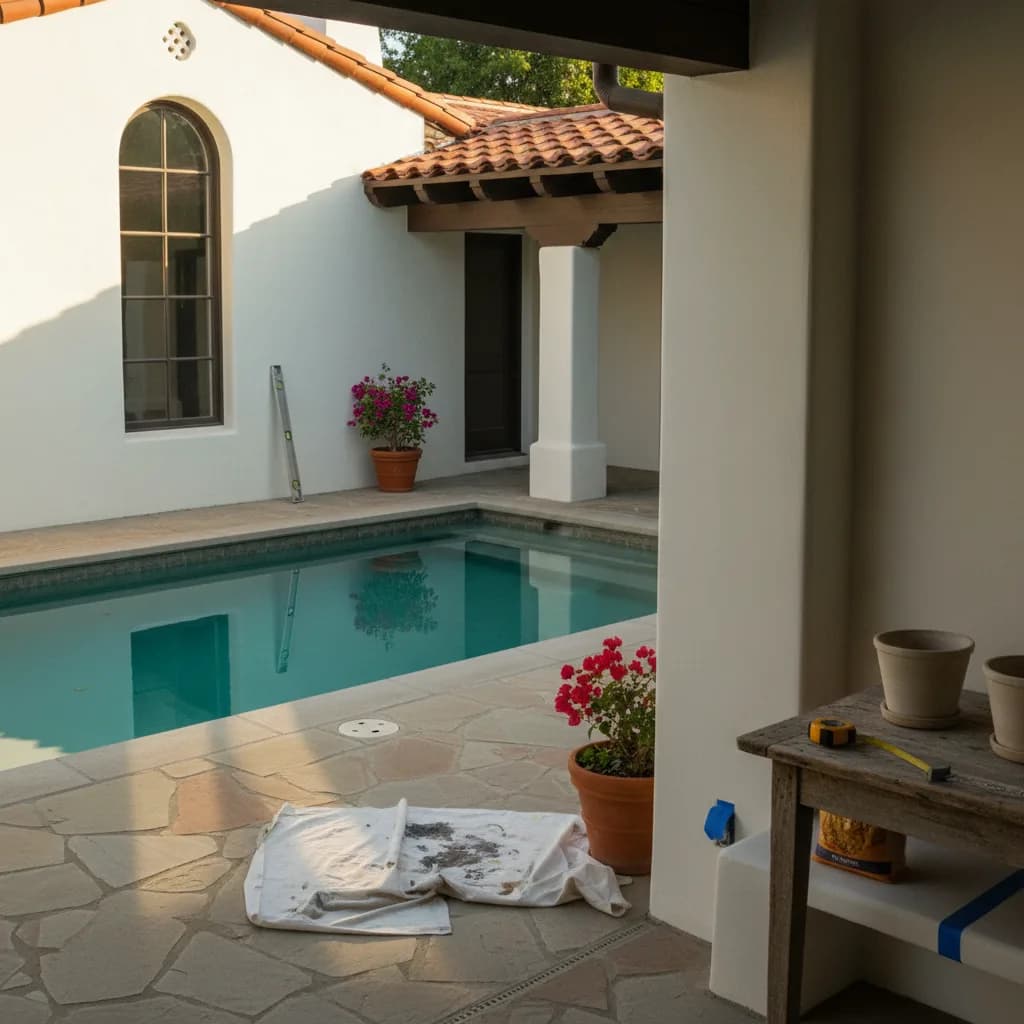
An inground pool project in Pasadena, from the first design sketch to the first cannonball, realistically takes 20 to 32 weeks in 2026. While a simple pre-cast fiberglass plunge pool on a flat lot can sometimes shave a month off that timeline, the typical gunite project is a significant undertaking. The single biggest delay unique to the area isn't construction, but permitting, especially for homes in Pasadena's Hillside Development Overlay districts or historic neighborhoods like Annandale. Homeowners often budget for the pool itself but are surprised by the timeline and cost of geotechnical reports and structural engineering required before a single shovel hits the ground. The inground pool Pasadena homeowners dream of involves a marathon of planning, not a sprint of construction.
In a Nutshell
- Total Timeline: 20 to 32 weeks, from design contract to final inspection.
- Four Key Phases: Design and Permits (1-2 months), Site Prep and Foundation (3-4 weeks), Construction Scope (10-14 weeks), and Finishes and Final Inspection (5-6 weeks).
- Biggest Delay Risk: Plan check corrections from the Pasadena Permit Center, especially related to grading, drainage, and compliance with the Model Water Efficient Landscape Ordinance (MWELO).
- Contingency Planning: Your budget needs a buffer. The National Association of Home Builders recommends a ten to fifteen percent contingency on renovations in homes over thirty years old, which covers most of Pasadena's housing stock.
Phase 1: Design and Permits (Weeks 1, 8)
This is the foundation of your project, and it happens entirely on paper. Your pool designer or landscape architect will develop construction drawings detailing the pool's structure, plumbing, electrical, and equipment. An engineer must then review and stamp these plans. As the homeowner, your main job is to make firm decisions on size, shape, and features, then sign the contract to lock in scope. The finalized plans are submitted to the Pasadena Permit Center for review. Common holdups here are extensive. Plan check can require revisions for grading on sloped lots, detailed hydrozone calculations to meet MWELO water-use requirements, or adherence to specific rules in historic preservation zones. Unlike in the city of Los Angeles, you are dealing directly with Pasadena's own municipal departments, which have their own specific submission protocols and review timelines.
Phase 2: Site Prep and Foundation (Weeks 9, 12)
Once you have an approved permit, the physical work begins. This phase is about preparing the canvas. A specialized excavation crew digs the pool shell and trenches for plumbing and electrical conduit. This is where soil reports become critical; Pasadena's varied geology can mean hitting unexpected bedrock or dealing with expansive clay, which can add cost and time for soil remediation. Your plumber and electrician will run their initial lines. This is also the moment for two critical hidden-cost checks. First, confirm with SoCalGas if your existing gas meter and line can handle the BTU load of a new pool heater like a popular 400k BTU Pentair MasterTemp. The gas line upsize from 1/2 inch to 3/4 inch is rarely in the first quote; budget another $1,200 to $2,400. Second, have your electrician verify service capacity with Pasadena Water and Power (PWP) for the new 60-amp subpanel the pool equipment will require.
Phase 3: Construction Scope (Weeks 13, 22)
Ready to compare vetted project options?
Use Project Match privately when your scope is clear enough for contractor conversations.
Start Project MatchThis is the longest and most visible phase, where the structure materializes. The trade sequence is critical and follows a strict order, each step triggering a city inspection. First, a complex web of steel rebar is bent and tied into place, forming the pool's skeleton. After the rebar passes inspection, the gunite crew arrives to pneumatically apply the concrete shell. This is a loud, messy, one-day event. The gunite must then cure for 28 days, a non-negotiable waiting period where it is watered daily to achieve its design strength. During the cure, masons can begin setting the waterline tile and the coping stones around the pool's edge. This phase requires multiple sign-offs on your job card from a Pasadena building inspector for steel, plumbing pressure tests, and electrical bonding before any concrete is placed.
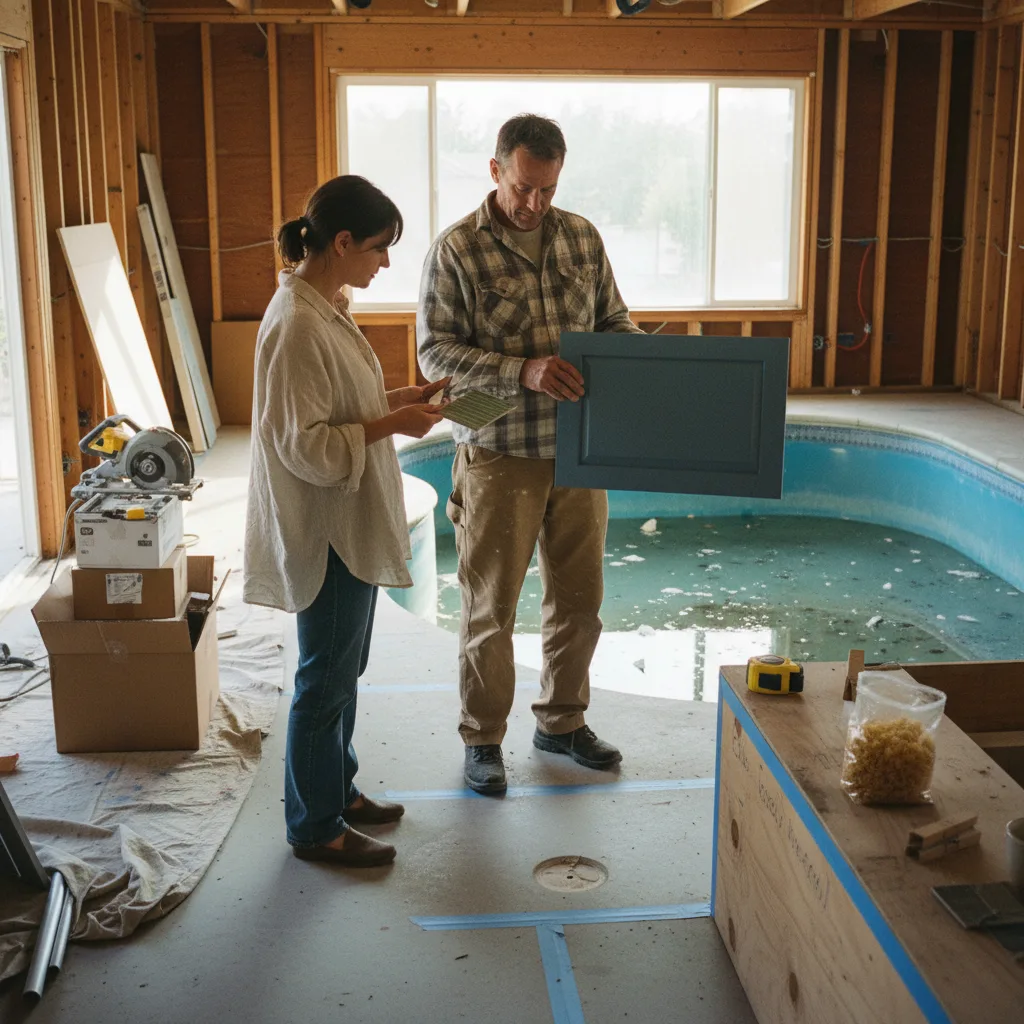
Phase 4: Finishes and Final Inspection (Weeks 23, 28)
With the main structure complete, the focus shifts to aesthetics and safety. The surrounding deck is formed and poured, or pavers are laid on a compacted subgrade. The equipment pad is finalized, with the pump, filter, heater, and automation system plumbed and wired. This is when a high-performance pump like a Pentair Intelliflo VSF variable-speed pump is installed. The final, dramatic step is plaster. A specialized crew applies the interior finish (such as Stonescapes Mini Pebble) and immediately begins filling the pool with water. The final hurdle is the barrier inspection. Pasadena requires compliant fencing, self-closing gates, and door alarms. Once the inspector signs off on these safety features, your inground pool in Pasadena is officially complete and ready for use.
Three Representative Projects from 2026
Three representative California projects from 2026, scoped similarly, reconstructed from Golden Yards Magazine's invoiced project network and presented here in aggregate form:
- Linda Vista Hillside: A 15x30 freeform gunite pool with an infinity edge, integrated spa, and extensive retaining walls. The project required a full geotechnical and soils engineering report. Total cost: $185,000. Total timeline: 30 weeks.
- Madison Heights Rectilinear: A classic 16x34 rectangular pool with a Baja shelf, travertine paver deck, and a saltwater sanitation system. The lot was flat, simplifying excavation. Total cost: $120,000. Total timeline: 24 weeks.
- Bungalow Heaven Small Lot: An 8x15 plunge pool, or 'spool', with powerful jets for swimming in place and an automated cover. Designed for a compact yard, it required precise excavation. Total cost: $95,000. Total timeline: 22 weeks.
What Can Compress This Timeline
While you can't rush a gunite cure, you can control three key elements. First, make all your design and material selections before the project begins. Indecision over tile, coping, or plaster color once the project is underway causes delays. Second, pre-order all long-lead-time items. Custom automatic pool covers, specific tile, or high-end equipment like a Lynx 36-inch Sedona built-in grill for an adjacent outdoor kitchen can have 8-12 week lead times. Ordering them at the start of permitting ensures they are on-site when needed. Finally, hiring an inground pool contractor in Pasadena who uses dedicated project management software provides transparency and keeps the trade schedule tight, minimizing dead days between subcontractors.
What Blows It Up
Three things consistently derail a pool project timeline. The most common is changing the scope mid-project. Deciding to add a spa, a retaining wall, or extensive decking after the permit is issued requires a plan revision and resubmittal, stopping all work. The second major risk is unforeseen site conditions. Hitting a high water table or a vein of solid rock during excavation requires costly, time-consuming solutions. Third, poor contractor scheduling can leave your project idle for weeks while waiting for the next trade to become available. This is why a detailed schedule is non-negotiable. The National Association of Home Builders recommends a ten to fifteen percent contingency on renovations in homes over thirty years old to absorb these kinds of surprises.
What Should Be in Your Contractor's Schedule
A professional inground pool contractor in Pasadena will provide a detailed project schedule with dependencies. Don't sign a contract without one. It should include specific line items and anticipated durations for each of these steps, at minimum:
- Architectural and Engineering Plan Completion
- Permit Submittal and Plan Check Period
- Site Layout and Excavation
- Steel Reinforcement and Pre-Plumb Inspection
- Gunite Application and Curing Period (min. 28 days)
- Tile and Coping Installation
- Decking and Site Drainage Work
- Equipment Pad Setup and Utility Final Connections
- Plaster Application and Pool Fill
- Safety Feature Installation and Final Inspection
Understanding these steps is the first move in managing your project. For a deeper dive into the city's requirements, see our guide: [/guides/pasadena-pool-permit-playbook-2026](/guides/pasadena-pool-permit-playbook-2026).
Golden Yards Take
The brochure from your inground pool contractor often sells a dream of a “12-week build.” That number typically only refers to Phase 3: the core construction from gunite to plaster. The 2026 reality for a Pasadena inground pool, from the day you sign a design agreement to your first swim, is closer to six or seven months. The pre-construction work, including design, engineering, and particularly the city's permitting process, can easily take as long as the physical build itself. Homeowners who succeed set their expectations for a two-season project, not a summer sprint. They understand that the cost of an inground pool in Pasadena is measured in both dollars and patience. The final product is worth it, but the journey is longer than the sales pitch.
Frequently Asked Questions
How long does an inground pool in Pasadena really take?
From the initial design meeting to the final inspection, a typical inground gunite pool in Pasadena takes 20 to 32 weeks in 2026. This timeline is broken into distinct phases: design and permitting (4-8 weeks), site preparation (3-4 weeks), core construction (10-14 weeks, including a 4-week concrete cure), and finishes (5-6 weeks). Factors like hillside locations, complex designs with spas or water features, and the responsiveness of the Pasadena Permit Center can extend this timeline. The construction itself might only be three to four months, but the entire process from start to finish is much longer.
Can I use my yard during construction?
For safety and liability reasons, you should consider your backyard an active and inaccessible construction zone for the duration of the project. The area will have open trenches, exposed rebar, heavy machinery, and construction debris. Access will be restricted, and it will be loud and dusty. Most contractors will establish a clear boundary and require that homeowners, children, and pets stay out of the work area entirely. Plan on losing the use of your backyard for at least one full season.
What's the longest single phase of a pool build?
The longest single phase is typically the construction scope, which can last 10 to 14 weeks. Within this phase, the single longest activity is the 28-day curing period for the gunite shell. This is a mandatory waiting period where no major progress is visible, though some trades like masons might work on tile and coping during this time. However, the design and permitting phase can often rival it in length. A complex project or a backed-up plan check queue at the Pasadena Permit Center can easily stretch the paper-and-planning stage to two or three months before any ground is broken.
Can I fast-track the permits for a Pasadena pool?
There is no official 'fast track' or expedited service for standard pool permits at the Pasadena Permit Center. The best way to accelerate the process is to ensure the plans submitted are 100% complete and correct on the first try. This means hiring an experienced pool designer or architect who is intimately familiar with Pasadena's specific building codes, grading ordinances, and MWELO requirements. Incomplete submissions or plans that require multiple rounds of corrections and resubmittals are the primary cause of permit delays. A clean, thorough submission is the fastest path to approval.
Sources & Methodology
Golden Yards reviews public permit and code signals, material pricing, climate and site constraints, contractor quote patterns, comparable projects, the Golden Yards Cost Index, and the Golden Yards Methodology. Cost references are planning ranges, not fixed bids.
- Pasadena Permit Center, Planning & Community Development Department, 2026 Fee Schedule
- California Department of Industrial Relations, Prevailing Wage Determinations for Los Angeles County, 2026
- Pool & Hot Tub Alliance (PHTA), ANSI/PHTA/ICC-7 Standard for Suction Entrapment Avoidance, 2021
- State of California, Model Water Efficient Landscape Ordinance (MWELO), Title 23. Waters. Division 2. Chapter 2.7.
- SoCalGas, Residential Gas Service Guidebook, 2025 Edition
- Pasadena Water and Power (PWP), Electrical Service Requirements, 2025
- National Association of Home Builders (NAHB), Remodeling Market Index (RMI), Q4 2025
Ready to start your pool project?
Find My ProsFrequently Asked Questions
How long does an inground pool in Pasadena really take?
In 2026, a typical inground gunite pool in Pasadena takes 20 to 32 weeks from the initial design meeting to the final inspection. This timeline includes 4-8 weeks for design and permitting, 3-4 for site preparation, 10-14 for core construction including a 4-week concrete cure, and 5-6 weeks for finishes.
While the active construction portion may only be three to four months, the entire process from start to finish is much longer. The total 20 to 32 week timeline accounts for several distinct phases before swimming. Factors specific to your project, such as building on a hillside, adding complex spas or water features, and the responsiveness of the Pasadena Permit Center, can extend the schedule beyond the typical estimate.
Can I use my yard during construction?
No, for safety and liability reasons, you should not use your yard during construction. Consider it an active and inaccessible work zone with open trenches, exposed rebar, and heavy machinery. Contractors will restrict access for homeowners, children, and pets, so plan on losing backyard access for at least one full season.
Your backyard will be an active construction zone, which means it will be loud and dusty. For safety and liability, the area will be restricted due to hazards like open trenches, exposed rebar, heavy machinery, and construction debris. Most contractors establish a clear boundary and require that homeowners, children, and pets stay out of the work area completely for the project's duration.
What's the longest single phase of a pool build?
The longest single phase of a pool build is typically construction, lasting 10 to 14 weeks. The single longest activity within this phase is the mandatory 28-day gunite curing period. However, the design and permitting phase can also take two to three months, especially with a backed-up Pasadena Permit Center.
The construction scope contains the single longest activity, which is the 28-day curing period for the gunite shell. During this mandatory wait, no major progress is visible, although some trades like masons might work on tile and coping. The preceding design and permitting phase can often rival construction in length. A complex project or a backed-up plan check queue at the Pasadena Permit Center can easily stretch this paper and planning stage to two or three months before any ground is broken.
Can I fast-track the permits for a Pasadena pool?
No, the Pasadena Permit Center does not offer an official 'fast track' or expedited service for standard pool permits. The fastest way to get your permit is to submit 100% complete and correct plans on the first attempt, which avoids the most common cause of delays: multiple rounds of corrections and resubmittals.
The best way to accelerate the process is to hire an experienced pool designer or architect. This professional should be intimately familiar with Pasadena's specific building codes, grading ordinances, and MWELO requirements. Incomplete submissions are the primary cause of permit delays. A clean, thorough submission prepared by an expert is the most effective path to a quick approval from the Pasadena Permit Center.
Do I need a permit to build a pool in Pasadena?
Yes, a building permit is required for an inground pool in Pasadena. This critical first step often takes one to two months. You must submit engineered plans to the Pasadena Permit Center for a review covering structure, grading, and water efficiency before any work can start, including compliance with MWELO.
The Pasadena Permit Center performs a comprehensive plan check on your engineered drawings, assessing structural engineering, electrical and plumbing systems, and site-specific drainage. All projects must adhere to the Model Water Efficient Landscape Ordinance (MWELO). If your property is in a Hillside Development Overlay district or a historic neighborhood, expect additional scrutiny. Construction involves multiple inspections, from rebar placement to the final safety barrier sign-off.