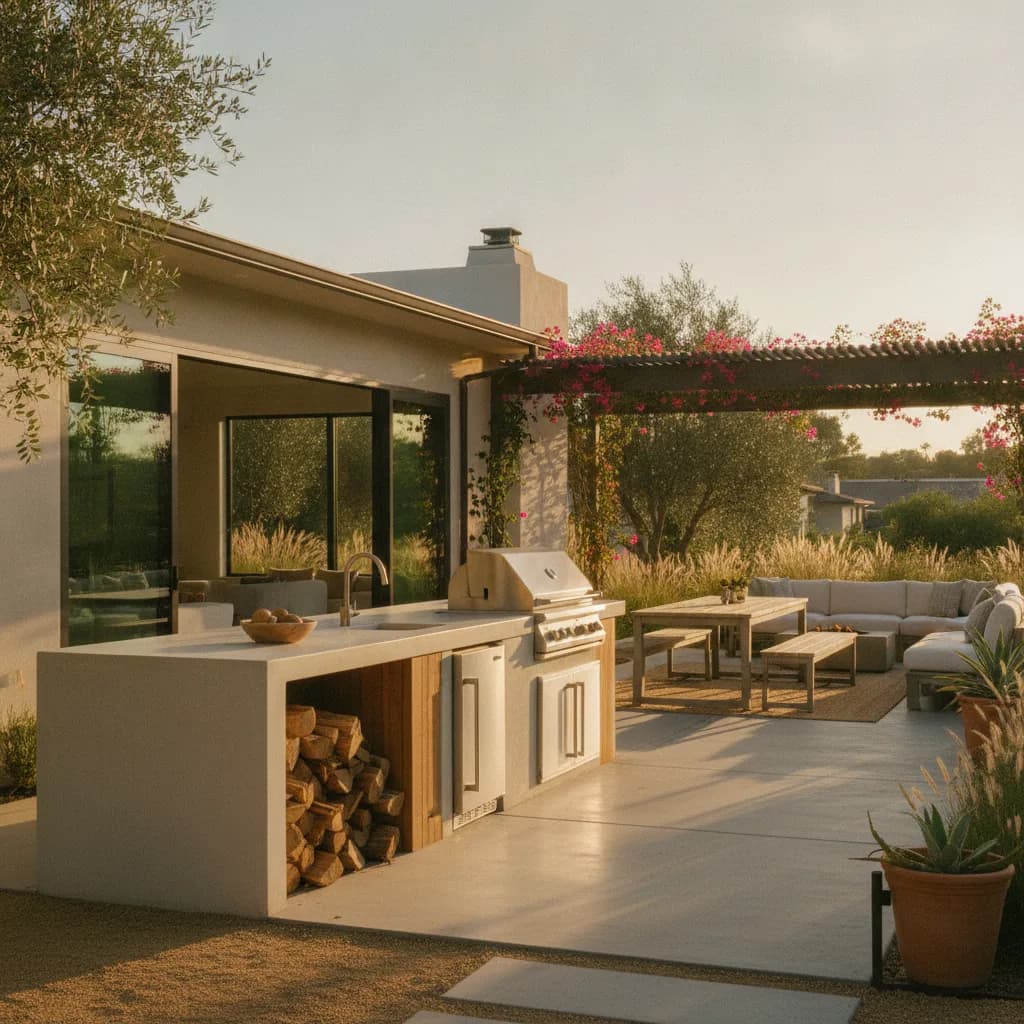
Los Angeles, with its year-round sunshine and vibrant outdoor culture, is the quintessential setting for an outdoor kitchen. More than just a grill on a patio, a thoughtfully designed outdoor kitchen transforms your backyard into an extension of your home, a culinary sanctuary where memories are made under the California sky. From casual weeknight dinners to grand weekend entertaining, an outdoor kitchen elevates the entire experience, blending the joy of cooking with the beauty of al fresco living.
At Golden Yards Magazine, we understand that building an outdoor kitchen is a significant investment in your lifestyle and property. This comprehensive guide will walk you through every step, from initial inspiration to the final sizzle, ensuring your Los Angeles outdoor kitchen is not only beautiful but also perfectly functional and built to last.
The Allure of an Outdoor Kitchen in Los Angeles
The appeal of an outdoor kitchen in Southern California extends far beyond mere convenience. Our climate, characterized by abundant sunshine and mild evenings for most of the year, practically begs for outdoor living. Imagine hosting a barbecue without constantly shuttling food and dishes indoors, or enjoying a sunset dinner cooked entirely al fresco.
An outdoor kitchen in Los Angeles offers:
- Enhanced Entertainment: Become the ultimate host. Keep guests engaged outdoors while you cook, eliminating the isolation of an indoor kitchen during parties.
- Expanded Living Space: Effectively adds square footage to your home, creating a dedicated zone for dining, cooking, and socializing that’s seamlessly integrated with your landscape.
- Increased Home Value: A well-designed and professionally installed outdoor kitchen is a highly desirable amenity in the competitive LA real estate market, offering a significant return on investment.
- Reduced Indoor Heat: Keep the heat and cooking odors out of your main living areas, a welcome benefit during LA's warmer months.
- Lifestyle Integration: It’s a natural fit for the active, outdoor-centric Southern California lifestyle, encouraging more time spent enjoying your private oasis.
Planning Your Dream LA Outdoor Kitchen
The foundation of a successful outdoor kitchen project lies in meticulous planning. This isn't just about picking a grill; it's about creating a cohesive, functional, and aesthetically pleasing space that complements your home and lifestyle.
Vision & Lifestyle Assessment
Start by envisioning how you'll use the space. Are you a casual griller, an aspiring pizzaiolo, or do you dream of a full-service outdoor culinary station?
- Basic Grilling Station: A high-quality grill, some counter space, and minimal storage. Perfect for simple barbecues.
- Mid-Range Entertainment Hub: Adds a side burner, sink, refrigerator, and more extensive prep areas. Ideal for frequent entertaining.
- Full Gourmet Kitchen: Includes multiple cooking appliances (grill, pizza oven, smoker), a full sink, dishwasher, ice maker, extensive storage, and perhaps even a bar area. For the serious outdoor chef and entertainer.
Consider your family size, frequency of entertaining, and specific cooking preferences. Do you need shade? Wind protection? A view of the Hollywood Hills or your lush garden?
Site Selection and Layout
Choosing the right location is paramount.
- Proximity to the House: Ideally, your outdoor kitchen should be close enough to your indoor kitchen for easy access to supplies, but far enough to keep smoke away from windows and doors.
- Utility Access: Easy access to gas, water, and electricity lines will significantly reduce installation costs.
- Sun and Wind Exposure: In Los Angeles, sun exposure is a major factor. Position your kitchen to take advantage of natural shade or plan for shade structures. Consider prevailing winds to prevent smoke from blowing into seating areas or the house.
- Views and Aesthetics: Integrate the kitchen with your existing landscape and take advantage of any desirable views.
- Traffic Flow: Ensure there’s ample space for movement around the kitchen, dining area, and other backyard features.
A well-designed layout typically includes distinct zones:
- Hot Zone: Grill, side burners, pizza oven.
- Cold Zone: Refrigerator, ice maker.
- Wet Zone: Sink, trash pull-out.
- Prep Zone: Ample counter space adjacent to the hot and wet zones.
- Serving Zone: Counter space for plating and serving, often with bar seating.
Appliance Selection
This is where your culinary dreams take shape. Invest in quality appliances designed for outdoor use.
- Grills: The centerpiece. Options include natural gas, propane, charcoal, and pellet grills. Natural gas is convenient if available, offering endless fuel. Consider infrared burners for searing.
- Side Burners: Essential for sauces, sides, or boiling pasta.
- Pizza Ovens: Wood-fired or gas, a fantastic addition for entertaining.
- Refrigerators: Outdoor-rated units are crucial for durability and energy efficiency in varying temperatures.
- Sinks: A cold water sink is a minimum; a hot water connection adds significant convenience.
- Ice Makers: A luxury that becomes a necessity for frequent entertaining.
- Storage: Drawers and cabinets for utensils, cookware, and dry goods.
- Trash Management: Integrated trash bins keep the area tidy and deter pests.
Materials and Finishes
Materials must withstand the elements while complementing your home's architecture and the LA aesthetic.
- Cabinetry: Stainless steel, marine-grade polymer, or stucco/stone-clad frames are popular. Stainless steel offers sleek durability, while stucco or stone can blend seamlessly with Spanish Colonial or Mediterranean-style homes common in LA.
- Countertops: Granite, quartz, concrete, and porcelain are excellent choices. They are durable, easy to clean, and resistant to heat and UV rays. Avoid materials that stain easily or are prone to cracking in temperature fluctuations.
- Flooring: Pavers, natural stone, concrete, or outdoor tile. Ensure it's non-slip and easy to clean.
- Cladding: Stucco, natural stone veneer, brick, or tile can be used to finish the base of your kitchen, tying it into your home's exterior.
Lighting and Shade Solutions
Crucial for functionality and ambiance, especially in LA where evenings are often spent outdoors.
- Task Lighting: Over prep areas and the grill.
- Ambient Lighting: String lights, pathway lights, or integrated LED strips for atmosphere.
- Shade: Pergolas, awnings, or large cantilever umbrellas are essential to protect against the intense LA sun and make the space usable during the day. Consider retractable options for flexibility.
Budgeting for Your LA Outdoor Culinary Oasis
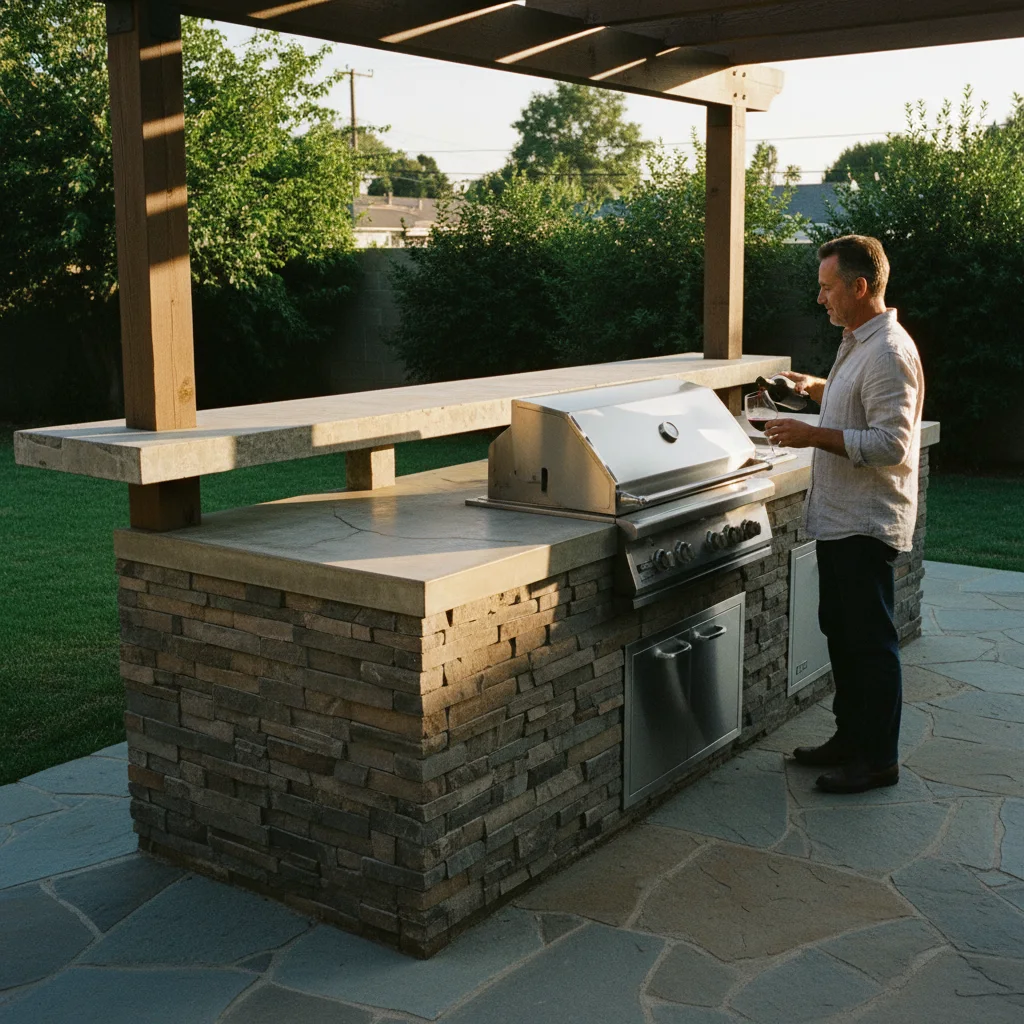
The cost of an outdoor kitchen can vary dramatically based on size, complexity, appliance choices, and materials. It's crucial to establish a realistic budget early on.
Cost Breakdown
Here’s a general breakdown of typical expenses:
- Appliances: This is often the largest single expense, ranging from $2,000 for a basic grill to $20,000+ for a full suite of high-end appliances (grill, side burner, fridge, pizza oven, ice maker).
- Cabinetry/Structure: $3,000 - $15,000+, depending on materials (prefabricated modules vs. custom stone/stucco build).
- Countertops: $1,000 - $5,000+, depending on material and square footage.
- Utility Connections: Gas, water, electrical, drainage. This can be a significant cost, especially if lines need to be run a long distance or if trenching is required. Expect $2,000 - $10,000+.
- Permits: Varies by project scope and LA Department of Building and Safety fees, typically a few hundred to over a thousand dollars.
- Labor: Installation of the structure, appliances, and utility connections. This can be 30-50% of the total project cost.
- Finishing Touches: Lighting, landscaping, seating, shade structures.
Cost Tiers
- Entry-Level ($8,000 - $20,000): A quality built-in grill, some counter space, basic storage, and perhaps a small refrigerator. Often uses modular components.
- Mid-Range ($20,000 - $50,000): Includes a larger grill, side burner, sink, outdoor-rated refrigerator, more extensive counter space, and custom finishes like stucco or stone.
- High-End ($50,000 - $100,000+): A fully customized, gourmet kitchen with multiple cooking zones (grill, pizza oven, smoker), full wet bar, ice maker, dishwasher, premium materials, integrated lighting, and elaborate shade structures.
Remember, these are estimates. Obtain detailed quotes from multiple reputable contractors in the Los Angeles area.
Navigating Permits and HOAs in Los Angeles
Ready to compare vetted project options?
Use Project Match privately when your scope is clear enough for contractor conversations.
Start Project MatchSee what your outdoor kitchen actually costs in 4 questions.
We pull cost ranges from invoiced California outdoor kitchen builder projects, then narrow them to your scope, ZIP, and finish level. No first-call sticker shock.
Find an outdoor kitchen proFree. Takes under 2 minutes. No email required to see your range.
Building an outdoor kitchen in LA often requires navigating local regulations and, for many homeowners, Homeowners Association (HOA) rules. Skipping these steps can lead to costly delays, fines, or even the forced removal of your structure.
Los Angeles Department of Building and Safety (LADBS) Permits
Most outdoor kitchen projects, especially those involving gas, plumbing, or electrical work, will require permits from the LADBS.
- Building Permits: For the structural components, especially if it involves permanent structures, roofs, or significant excavation.
- Electrical Permits: For outlets, lighting, and appliance connections.
- Plumbing Permits: For sinks, dishwashers, and water lines.
- Gas Permits: For natural gas lines to your grill or other gas appliances.
Key Considerations for LA:
- Setbacks: Ensure your kitchen adheres to property line setbacks.
- Fire Safety: Proximity to existing structures, material fire ratings, and proper ventilation are critical.
- Drainage: Proper drainage for sinks and runoff is essential to prevent water damage and comply with local codes.
- Professional Plans: For complex projects, you'll likely need stamped plans from an architect or engineer.
It's highly recommended to work with a licensed contractor who is familiar with LADBS requirements and can pull the necessary permits on your behalf. This ensures compliance and a smooth inspection process.
Homeowners Association (HOA) Considerations
Many Los Angeles communities, particularly planned developments and gated communities, have HOAs with strict rules regarding exterior modifications.
- Design Review: Most HOAs require submission of detailed plans for approval before any work begins. This includes materials, colors, dimensions, and location.
- Material Restrictions: HOAs may dictate specific materials or color palettes to maintain community aesthetic consistency.
- Setbacks and Size Limitations: HOAs often have their own setback rules that may be stricter than city codes.
- Construction Timelines: Some HOAs have rules about construction hours and duration.
Always consult your HOA's Covenants, Conditions, and Restrictions (CC&Rs) and submit your plans for approval before applying for city permits or starting construction.
Building Your Outdoor Kitchen: From Groundwork to Grand Opening
Once planning and approvals are complete, the construction phase begins. This is where your vision takes physical form.
Foundation and Framing
- Sturdy Base: A level, stable foundation is crucial. This could be a concrete slab, compacted gravel, or footings, depending on the weight and design of your kitchen. Proper drainage away from the foundation is key.
- Weather-Resistant Framing: The internal structure should be built with materials that can withstand LA's climate, such as galvanized steel studs, pressure-treated lumber, or concrete masonry units (CMU).
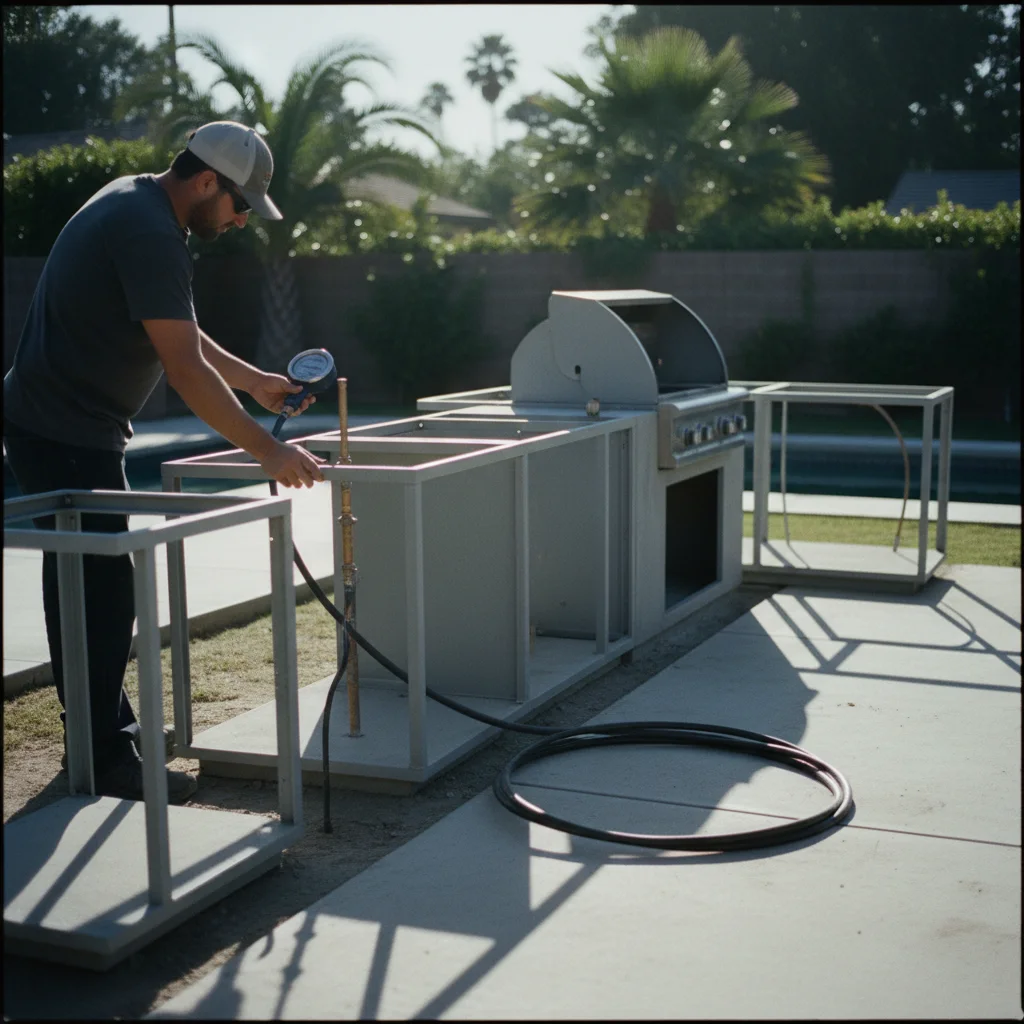
Utility Connections
This is a critical step that requires licensed professionals.
- Gas Line: A licensed plumber will run a dedicated gas line from your main supply to the kitchen, ensuring proper sizing and safety shut-offs.
- Water Line: For sinks and ice makers, a plumber will extend a cold water line. If you desire hot water, a separate line or a small tankless water heater will be installed. Proper drainage for the sink is also essential.
- Electrical Wiring: A licensed electrician will install dedicated circuits for outlets, lighting, refrigerators, and other appliances, ensuring all wiring is outdoor-rated and protected by GFCI (Ground Fault Circuit Interrupter) outlets for safety.
Finishing Touches
- Cladding: Apply your chosen exterior finish – stucco, stone veneer, brick, or tile – to the framed structure.
- Countertops: Install the chosen countertop material, ensuring it's level and properly sealed.
- Appliance Installation: Carefully install all appliances according to manufacturer specifications, ensuring proper ventilation for grills and pizza ovens.
- Lighting and Accessories: Install task and ambient lighting, and add any desired accessories like storage drawers, trash pull-outs, and decorative elements.
Professional Installation vs. DIY
While some handy homeowners might tackle a basic grill island, the complexity of utility connections, structural integrity, and permit requirements in Los Angeles strongly favor professional installation.
- Hire Professionals For: Gas, plumbing, electrical work, and any structural elements requiring permits. A reputable outdoor kitchen contractor will manage the entire process, from design to final inspection.
- DIY Opportunities: You might handle some of the finishing touches, landscaping around the kitchen, or accessory installation, but leave the core construction and utility work to the experts.
Designing for the Los Angeles Climate and Lifestyle
An outdoor kitchen in LA isn't just about cooking; it's about creating a comfortable, resilient, and enjoyable outdoor living space.
Shade Solutions are Non-Negotiable
The intense Southern California sun demands effective shade.
- Pergolas: Offer partial shade and a framework for climbing plants or retractable canopies.
- Awnings: Fixed or retractable, providing immediate relief from direct sun.
- Cantilever Umbrellas: Flexible and movable, ideal for smaller spaces or specific seating areas.
- Strategic Planting: Deciduous trees can offer summer shade and winter sun.
Wind Protection
While LA isn't notoriously windy everywhere, certain areas or times of day can experience gusts.
- Low Walls: Integrate knee-high walls into your kitchen design to block prevailing winds.
- Strategic Landscaping: Hedges or dense shrubbery can act as natural windbreaks.
- Enclosed Areas: Consider a partially enclosed structure for maximum protection.
Fire Safety
Given California's fire concerns, safety is paramount.
- Clearance: Ensure adequate clearance between your grill/pizza oven and any combustible materials (walls, fences, overhead structures).
- Non-Combustible Materials: Use stone, concrete, or metal for surfaces immediately surrounding heat sources.
- Fire Extinguisher: Keep an outdoor-rated fire extinguisher readily accessible.
Water Conservation
Integrate drought-tolerant landscaping around your outdoor kitchen to align with LA's water conservation efforts. Consider drip irrigation for any plants.
Pest Control
Design elements can help deter pests.
- Sealed Storage: Keep food and utensils in sealed, animal-proof drawers and cabinets.
- Integrated Trash Bins: With tight-fitting lids.
- Cleanliness: Regular cleaning of the kitchen area is the best defense.
Enjoying Your Ultimate Backyard Cooking Experience
Get 3 outdoor kitchen builder bids in 48 hours.
Our editors already screened California outdoor kitchen builders. Answer 4 questions; we send 3 written bids inside 48 hours, with the real price for your scope, not their inflated first-call number.
Send my 3 bidsFree. No commission. If a match doesn't fit, we'll send another.
Once your outdoor kitchen is complete, the real fun begins.
- Regular Cleaning: Wipe down surfaces after each use. Deep clean grills and appliances periodically.
- Seasonal Maintenance: Check utility connections, clean drains, and inspect materials for wear and tear.
- Accessorize: Add comfortable seating, outdoor rugs, and decorative elements to enhance the ambiance.
- Experiment: Explore new recipes, host themed parties, and fully embrace the joy of cooking and dining al fresco.
An outdoor kitchen in Los Angeles is more than an amenity; it's an investment in a lifestyle. With careful planning, adherence to local regulations, and a focus on quality, your backyard will become the ultimate destination for culinary creativity and unforgettable gatherings.
Sources & Methodology
See the Golden Yards Methodology for how sources are reviewed, ranges are normalized, and planning-data limits are handled.
Cost ranges, regulatory references, and design guidance in this article draw on the following public datasets, industry standards, and Renology editorial research.
- National Fire Protection Association (NFPA) 54, National Fuel Gas Code
- California Energy Code (Title 24 Part 6), outdoor electrical and gas requirements
- California Contractors State License Board (CSLB), C-36 Plumbing and C-10 Electrical scopes
- Hearth, Patio & Barbecue Association (HPBA), residential outdoor cooking standards
- Renology editorial methodology, invoiced California outdoor-kitchen projects, 2025–2026
Ready to start your outdoor kitchen project?
Find My ProsFrequently Asked Questions
Q1: How long does it typically take to build an outdoor kitchen in Los Angeles?
Building an outdoor kitchen in Los Angeles typically takes 2-4 weeks for a basic modular setup. A custom kitchen with extensive utility work and permits can take 8-16 weeks or longer from design approval to completion. Securing permits and HOA approvals can add several weeks or months to the initial phase.
The timeline for your outdoor kitchen project depends greatly on its scope. A simple, prefabricated modular kitchen can be assembled in just 2-4 weeks. In contrast, a full-service custom kitchen requires a much longer period, often 8-16 weeks or more. This extended schedule accounts for complex construction and utility installations after the design is approved.
It is also important to factor in administrative time. The pre-construction phase, which involves obtaining building permits and any necessary HOA approvals, can add several weeks or even months to the total project timeline before any physical work begins.
Q2: Is it worth investing in an outdoor-rated refrigerator and other appliances?
Yes, investing in outdoor-rated appliances is worthwhile. Standard indoor units are not designed for the temperature fluctuations, humidity, and direct sun of an outdoor setting. Outdoor-rated appliances use durable materials, better insulation, and forced-air cooling to perform reliably and safely, especially in the demanding LA climate.
Standard indoor appliances can fail when exposed to an outdoor environment. They lack the construction to handle significant temperature swings, humidity, and direct sunlight, which can cause poor performance and safety issues. For the LA climate specifically, these factors are a major concern.
Outdoor-rated appliances are built to address these challenges. They feature more durable materials and superior insulation to maintain proper operating temperatures. Many also have systems like forced-air cooling, ensuring they function correctly and safely despite the external conditions, making them a necessary investment for an outdoor kitchen.
Q3: What are the most important considerations for materials in the Los Angeles climate?
The most important considerations for materials in the Los Angeles climate are durability, UV resistance, and ease of maintenance. Excellent choices for countertops and appliances include granite, quartz, concrete, porcelain tile, and stainless steel for their sun and heat resistance. For cladding, popular and resilient options are stucco, natural stone, and marine-grade polymer.
In LA, interior surfaces like countertops and appliances face constant exposure to sun, heat, and moisture. Materials such as granite, quartz, concrete, porcelain tile, and stainless steel are selected for their ability to withstand these conditions without degrading. Their ease of maintenance is another key factor for homeowners.
For building exteriors, structural cladding must be equally resilient. Stucco and natural stone are traditional choices that are not only durable but also blend with common Los Angeles architectural styles. Marine-grade polymer is a modern alternative that offers exceptional performance against the elements, making it a suitable and popular option.
Q4: Do I need a roof or overhead structure for my outdoor kitchen in LA?
A roof is not always required by code for an outdoor kitchen in Los Angeles, but it is highly recommended. An overhead structure like a pergola or awning provides essential shade from the intense sun, making the area usable during the day, and protects appliances and finishes from rain.
In Los Angeles, while building codes may not mandate a cover for the kitchen area itself, adding one is a practical decision. The intense sun can make an uncovered kitchen uncomfortable and unusable for much of the day, so a roof, pergola, or awning creates necessary shade. This overhead protection also shields expensive appliances, countertops, and cabinetry from occasional rain, which can cause damage and accelerate wear, helping to extend the life of your investment.
Q5: Can I save money by doing some of the work myself?
Yes, you can save money by handling tasks like painting, landscaping, or installing non-utility accessories. However, critical work involving gas, plumbing, electrical, and structural elements requires licensed professionals. This work needs permits and specialized skills to ensure safety and pass inspections, preventing costly future repairs.
While DIY projects can reduce costs, it is crucial to understand the risks associated with certain tasks. Work on systems like gas lines, main plumbing, and electrical panels must be performed by licensed contractors. These jobs require permits and must adhere to strict building codes for safety and legal compliance.
Improper installation of these critical components can create dangerous situations, such as gas leaks or electrical fires. Furthermore, unpermitted or faulty work will likely fail city inspections. This can halt your project and result in expensive orders to correct the work, ultimately negating any initial savings.