
Dreaming of a stunning outdoor oasis? A well-planned backyard renovation can significantly enhance your home's value and your quality of life. In 2026, with evolving design trends, smart technology, and a focus on sustainability, planning is more crucial than ever. This comprehensive guide from Golden Yards will walk you through every step, ensuring your project is a resounding success.
Embarking on a backyard transformation is an exciting journey. However, without a clear roadmap, it can quickly become overwhelming and costly. We'll cover everything from initial visioning and budgeting to hiring professionals and navigating permits, all with a 2026 perspective. Get ready to turn your backyard dreams into a beautiful reality.
Why Plan Your Backyard Renovation in 2026?
Strategic planning is the bedrock of any successful home improvement project, especially for your backyard. In 2026, the market for outdoor living spaces continues to boom, with homeowners investing more in personalized and functional exteriors. A thoughtful plan minimizes stress, avoids costly mistakes, and ensures your investment yields maximum enjoyment and return.
According to a recent Golden Yards survey, well-planned backyard renovations completed in late 2025 saw an average return on investment (ROI) of 78% upon resale. This figure is projected to remain strong through 2026, particularly for projects incorporating sustainable elements and multi-functional zones. Proper planning allows you to capitalize on these trends and maximize your property's appeal.
What's Your Vision for Your 2026 Backyard?
Before you touch a single shovel, take time to envision your ideal outdoor space. Consider how you currently use your backyard and, more importantly, how you want to use it. Do you dream of hosting lavish dinner parties, cultivating a vibrant garden, or simply relaxing in a serene sanctuary?
Start by creating a wish list. Think about your lifestyle, family needs, and aesthetic preferences. Do you need a dedicated play area for children, a quiet reading nook, or a robust outdoor kitchen for entertaining? Sketch out rough ideas, gather inspiration from magazines, and explore online platforms like Pinterest and Instagram for 2026 design trends.
Consider the existing elements of your yard. What do you love, and what needs to go? Factor in natural light, prevailing winds, and existing mature trees or structures. This initial brainstorming phase is crucial for defining the scope and style of your entire project.
How Do You Set a Realistic Budget for Your Backyard Project?
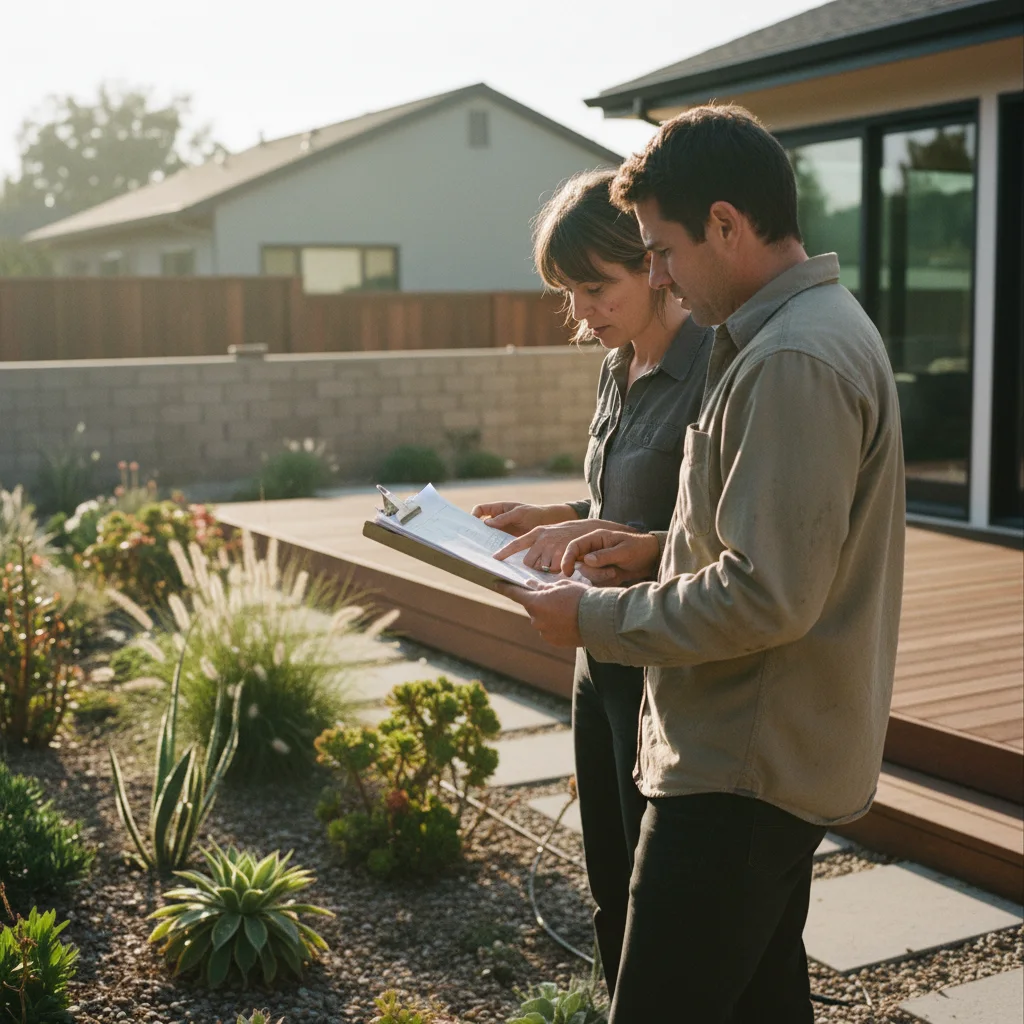
Budgeting is arguably the most critical step in planning any backyard renovation project. A clear, realistic budget prevents overspending and helps you make informed decisions throughout the process. Start by determining how much you are comfortable spending, then break it down into categories.
Research indicates that a mid-range backyard renovation in 2026 can cost anywhere from $25,000 to $75,000, depending on size, features, and materials. High-end projects, especially those with extensive hardscaping and custom features, can easily exceed $100,000. Be prepared for these figures.
What are the typical cost categories?
Your budget should account for design fees (5-15%), demolition (if needed), hardscaping (patios, walkways, walls), softscaping (plants, lawn, irrigation), outdoor structures (pergolas, sheds), lighting, furniture, and unforeseen contingencies. Always allocate 10-15% of your total budget for unexpected expenses, as these are common in renovation projects.
Obtain multiple quotes for materials and labor to ensure competitive pricing. Don't just focus on the lowest bid; consider the contractor's reputation, experience, and comprehensive service. Financing options, such as home equity loans or personal loans, should also be explored if needed.
What Are the Key Design Elements to Consider?
Ready to compare vetted project options?
Use Project Match privately when your scope is clear enough for contractor conversations.
Start Project MatchSee what your project actually costs in 4 questions.
We pull cost ranges from invoiced California contractor projects, then narrow them to your scope, ZIP, and finish level. No first-call sticker shock.
Find a vetted proFree. Takes under 2 minutes. No email required to see your range.
Once your vision and budget are established, it's time to delve into the design specifics. A well-designed backyard integrates various elements harmoniously, creating a functional and aesthetically pleasing space. Think about how different zones will flow together.
How do you plan your layout and zones?
Divide your backyard into distinct functional zones. Common zones include dining areas, lounge spaces, cooking zones, play areas, and garden beds. Consider traffic flow between these areas and how they relate to your home's interior. A professional landscape designer can help you optimize this layout, ensuring maximum utility and beauty.
What hardscaping materials should you choose?
Hardscaping forms the backbone of your backyard design. This includes patios, walkways, retaining walls, and fire pits. Popular materials in 2026 include pavers">permeable pavers for sustainability, natural stone for elegance, and durable composite decking. Choose materials that complement your home's architecture and can withstand local climate conditions.
How do you select softscaping and planting?
Softscaping refers to all the living elements: trees, shrubs, flowers, and lawn. Prioritize native plants that thrive in your region, requiring less water and maintenance, a key 2026 trend. Consider varying heights, textures, and colors to create visual interest. Plan for year-round appeal, incorporating plants that offer beauty in every season.
What about lighting and smart features?
Outdoor lighting extends the usability of your backyard into the evening and enhances safety and ambiance. Options range from functional path lights and spotlights to decorative string lights and smart, app-controlled systems. Smart irrigation systems, which optimize water usage based on weather and plant needs, are also a growing trend in 2026, offering significant water savings and convenience.
How Do You Choose the Right Professionals?
Unless you're planning a very small DIY project, hiring qualified professionals is essential for a successful backyard renovation. The right team brings expertise, efficiency, and quality craftsmanship to your project. This includes landscape architects, designers, and general contractors.
What's the difference between a landscape architect and a designer?
A landscape architect typically handles larger, more complex projects, often involving structural elements, grading, and drainage. They have formal training and licensing. A landscape designer focuses more on aesthetics, plant selection, and creating beautiful outdoor spaces. For most residential renovations, a skilled landscape designer is often sufficient.
How do you vet contractors and builders?
Always get at least three bids from reputable contractors. Check their licenses, insurance, and references. Review their portfolios to ensure their style aligns with your vision. Ask about their project management approach, communication style, and warranty policies. A detailed contract outlining scope, timeline, materials, and payment schedule is non-negotiable.
What Permits and Regulations Do You Need to Know About?
Navigating local regulations and obtaining necessary permits is a critical, often overlooked, step. Failing to secure proper permits can lead to fines, project delays, or even the requirement to dismantle completed work. Requirements vary significantly by municipality and homeowner association (HOA).
What types of projects typically require permits?
Common projects requiring permits include installing pools, building decks or pergolas over a certain size, significant grading changes, extensive electrical work, and sometimes even large retaining walls. Your chosen contractor or landscape architect should be knowledgeable about local codes and assist with the permit application process. Permit processing times can range from a few weeks to several months, so factor this into your timeline.
How do HOAs impact your renovation plans?
If you live in a community with a homeowner association, you'll likely need to submit your plans for approval before starting any work. HOAs often have strict guidelines regarding materials, colors, fencing, and even plant choices. Review your HOA's covenants, conditions, and restrictions (CC&Rs) early in the planning process to avoid conflicts.
How Do You Create a Detailed Project Timeline?
Get 3 contractor bids in 48 hours.
Our editors already screened California contractors. Answer 4 questions; we send 3 written bids inside 48 hours, with the real price for your scope, not their inflated first-call number.
Send my 3 bidsFree. No commission. If a match doesn't fit, we'll send another.
A well-structured timeline keeps your project on track and helps manage expectations. Break down your renovation into distinct phases, assigning realistic durations to each. Remember that outdoor projects are often subject to weather delays, so build in some flexibility.
What are the typical phases of a backyard renovation?
- Planning & Design (4-12 weeks): Initial visioning, budget setting, professional consultations, design finalization, permit applications.
- Permit Acquisition (4-8 weeks): This can overlap with design but often has its own waiting period.
- Material Procurement (2-6 weeks):0 Ordering and receiving materials, especially custom items.
- Demolition & Site Preparation (1-2 weeks): Clearing existing structures, grading, utility rough-ins.
- Hardscaping Installation (3-8 weeks): Patios, walkways, walls, outdoor kitchens, pools. This is often the longest phase.
- Softscaping & Planting (1-3 weeks): Installing irrigation, planting trees, shrubs, and flowers, laying sod.
- Finishing Touches (1-2 weeks): Lighting installation, furniture placement, final cleanup.
Maintain open communication with your contractors about the timeline. Regular check-ins and progress updates are crucial. Be prepared for minor adjustments, but insist on being informed about any significant delays or changes.
What Are the Latest Backyard Renovation Trends for 2026?
Staying abreast of current trends can inspire your design and ensure your backyard feels modern and relevant. In 2026, several key themes dominate outdoor living spaces, blending aesthetics with functionality and environmental consciousness.
How is sustainability shaping backyard design?
Eco-friendly practices are paramount. This includes incorporating native, drought-tolerant plants, installing smart irrigation systems, using permeable paving to manage stormwater, and choosing recycled or sustainably sourced materials. Homeowners are increasingly seeking ways to reduce their environmental footprint while creating beautiful spaces.
What's new in outdoor living and smart technology?
Outdoor kitchens continue to be a top feature, with demand up 15% from 2025. They now often include advanced appliances, integrated smart controls, and durable, weather-resistant finishes. Smart lighting systems, outdoor audio, and even automated shading solutions are becoming standard, allowing for seamless control from your smartphone. Multi-functional spaces, which can adapt from a dining area to a lounge or even an outdoor office, are also highly sought after.
How are natural aesthetics evolving?
There's a strong move towards organic, natural aesthetics. Think natural stone, wood accents, and lush, layered planting that mimics natural landscapes. Water features, from serene ponds to contemporary fountains, are popular for their calming effect and visual appeal. The goal is to create a harmonious extension of nature that also serves as a comfortable living area.
How Do You Manage Your Project Effectively?
Even with a great plan and professional team, active project management on your part is beneficial. Your involvement ensures that the project stays true to your vision and budget.
What's the importance of clear communication?
Establish clear communication channels with your contractor from the outset. Regular meetings, whether weekly or bi-weekly, are essential for discussing progress, addressing concerns, and making decisions. Document all agreements and changes in writing to avoid misunderstandings.
How do you handle unforeseen challenges?
Renovation projects rarely go exactly as planned. Be prepared for unexpected issues, such as discovering old pipes, encountering difficult soil, or material delays. Your contingency budget is for these moments. Approach challenges collaboratively with your contractor, seeking practical and cost-effective solutions.
Regularly visit the site to observe progress and ensure work aligns with the plans. Don't hesitate to ask questions if something doesn't look right. Early detection of issues is key to preventing larger problems down the line.
What Are the Post-Renovation Maintenance Tips?
Your backyard renovation is a significant investment, and proper maintenance is crucial to preserving its beauty and functionality for years to come. Establish a routine maintenance schedule from day one.
This includes regular cleaning of hardscaping, pruning plants, checking irrigation systems, and inspecting outdoor structures for wear and tear. If you've installed smart technology, ensure software updates are applied and components are functioning correctly. Consider professional maintenance services for complex systems or large gardens if you prefer.
FAQ: Your Backyard Renovation Questions Answered
Q: What is the average ROI for a backyard renovation project in 2026?
A: While ROI varies significantly based on location and features, well-executed backyard renovations in 2026 are projected to yield an average return on investment of 75-85% upon resale, especially for projects that enhance functionality and curb appeal.
Q: How long does a typical backyard renovation project take from start to finish?
A: A comprehensive backyard renovation project, from initial planning and design to final installation, can typically take anywhere from 3 to 9 months. This includes time for design, permit acquisition, material procurement, and construction. Smaller projects may be quicker, while larger, more complex ones can extend beyond this timeframe.
Q: What are
Sources & Methodology
See the Golden Yards Methodology for how sources are reviewed, ranges are normalized, and planning-data limits are handled.
Cost ranges, regulatory references, and design guidance in this article draw on the following public datasets, industry standards, and Golden Yards editorial review.
- California Contractors State License Board (CSLB), licensed-contractor lookup
- California Department of Consumer Affairs, contractor consumer guidance
Related Articles
Ready to start your landscaping project?
Find My ProsFrequently Asked Questions
What is the projected ROI for a backyard renovation in 2026?
In 2026, backyard renovations are projected to yield an average return on investment of 75-85% upon resale. This figure is strongest for well-executed projects that improve the home's functionality, curb appeal, and sustainability, as these features are highly attractive to potential buyers and can significantly increase a property's value.
The projected 75-85% return for backyard renovations in 2026 is an average, and actual returns depend on the project's quality and focus. To achieve a return at the higher end of this range, homeowners should concentrate on specific types of improvements that add tangible value upon resale.
For instance, projects that enhance functionality, like adding a patio or outdoor kitchen, create more usable living space. Improvements to curb appeal make a strong first impression, while incorporating sustainable elements, such as native plants or efficient irrigation, appeals to environmentally conscious buyers and can lead to a greater financial return.
How long does a typical backyard renovation project take?
A typical backyard renovation project takes 3 to 9 months from initial planning to final installation. This comprehensive timeframe accounts for all necessary stages, including the design process, permit acquisition, material procurement, and the actual construction phase. The total duration covers every step from start to finish.
The 3 to 9 month estimate for a backyard renovation is a broad range because it includes multiple, often overlapping, phases. The initial design period sets the stage, followed by permit acquisition, which can vary in length. Sourcing and waiting for materials is another key step. Only after these preliminary stages are complete can the physical construction and installation begin, all contributing to the total project timeline.
What is a realistic budget for a mid-range backyard renovation in 2026?
For a mid-range backyard renovation in 2026, a realistic budget is between $25,000 and $75,000, depending on the project's size, features, and materials. Always plan to allocate an additional 10 to 15 percent of your total budget to cover unexpected expenses that may arise during the project.
The cost for a mid-range backyard renovation in 2026, estimated between $25,000 and $75,000, can vary significantly. Factors like the overall size of the space, the complexity of desired features, and the quality of chosen materials will determine where your project falls within this range.
To prepare for unforeseen issues that can arise during construction, it is crucial to plan for a contingency fund. Financial experts recommend allocating an additional 10 to 15 percent of the project's total cost for this purpose. This helps ensure your renovation stays on track without financial strain.
What key design elements should be considered for a 2026 backyard?
Key design elements for a 2026 backyard include dividing the space into functional zones for different activities. Hardscaping should feature materials like permeable pavers or natural stone, while softscaping should prioritize native plants. Integrating smart lighting and irrigation systems is also a significant and growing trend for modern outdoor spaces.
Creating distinct functional zones helps organize the backyard for activities like cooking, relaxing, or playing. The hardscaping materials set the foundation, where permeable pavers offer a modern look and improved water management, while natural stone provides a classic, durable surface. For softscaping, the focus on native plants is a key trend for 2026, as they are adapted to the local climate and support biodiversity. Finally, the inclusion of smart lighting and irrigation systems offers enhanced control and efficiency, allowing homeowners to manage their outdoor environment with ease.
What professionals are essential for a backyard renovation project?
Hiring qualified professionals like landscape architects and designers is essential for most backyard renovations. Their expertise is crucial for optimizing layouts, selecting appropriate materials, and ensuring high-quality craftsmanship. This approach helps create a functional and beautiful outdoor space that meets your specific needs and vision for the project.
For the majority of backyard projects, engaging qualified professionals is a key step. Landscape architects and designers provide specialized knowledge that can completely transform an outdoor area. They are instrumental in creating effective layouts that make the best use of the available space.
Their guidance on material selection is invaluable for achieving both durability and the desired aesthetic. These experts also help ensure quality craftsmanship throughout the construction process, leading to a well-executed and lasting renovation that brings your ideas to life.