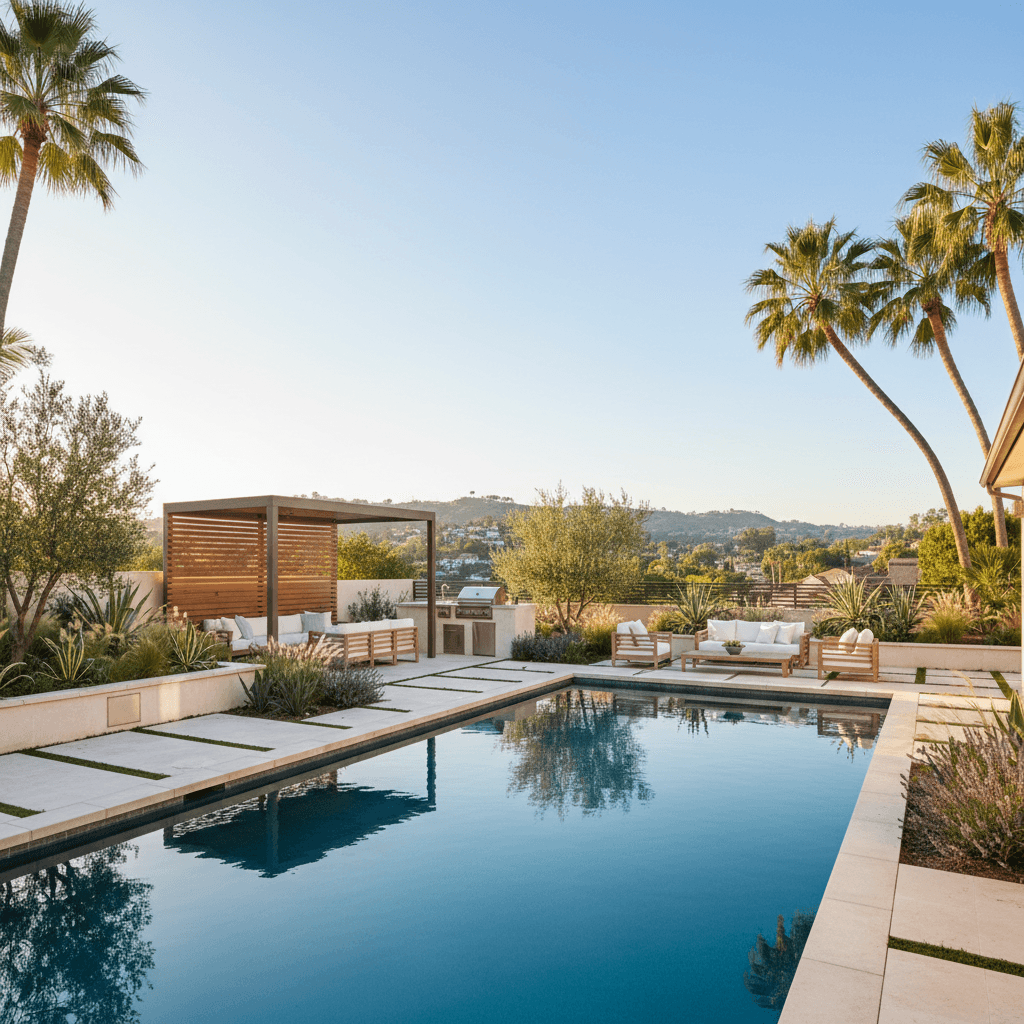
Backyard Landscaping Before and After Ideas in Glendale: Your 2026 Transformation Guide
Dreaming of a backyard oasis in Glendale? Transforming your outdoor space can dramatically enhance your home's appeal and functionality, turning a neglected area into a vibrant extension of your living space. Homeowners in Glendale commonly invest anywhere from $15,000 for minor aesthetic upgrades to well over $150,000 for comprehensive, multi-phase renovations in 2026. Understanding Glendale's unique climate, clay-heavy soil, and specific permit requirements is crucial for a successful and lasting backyard landscaping before and after transformation.
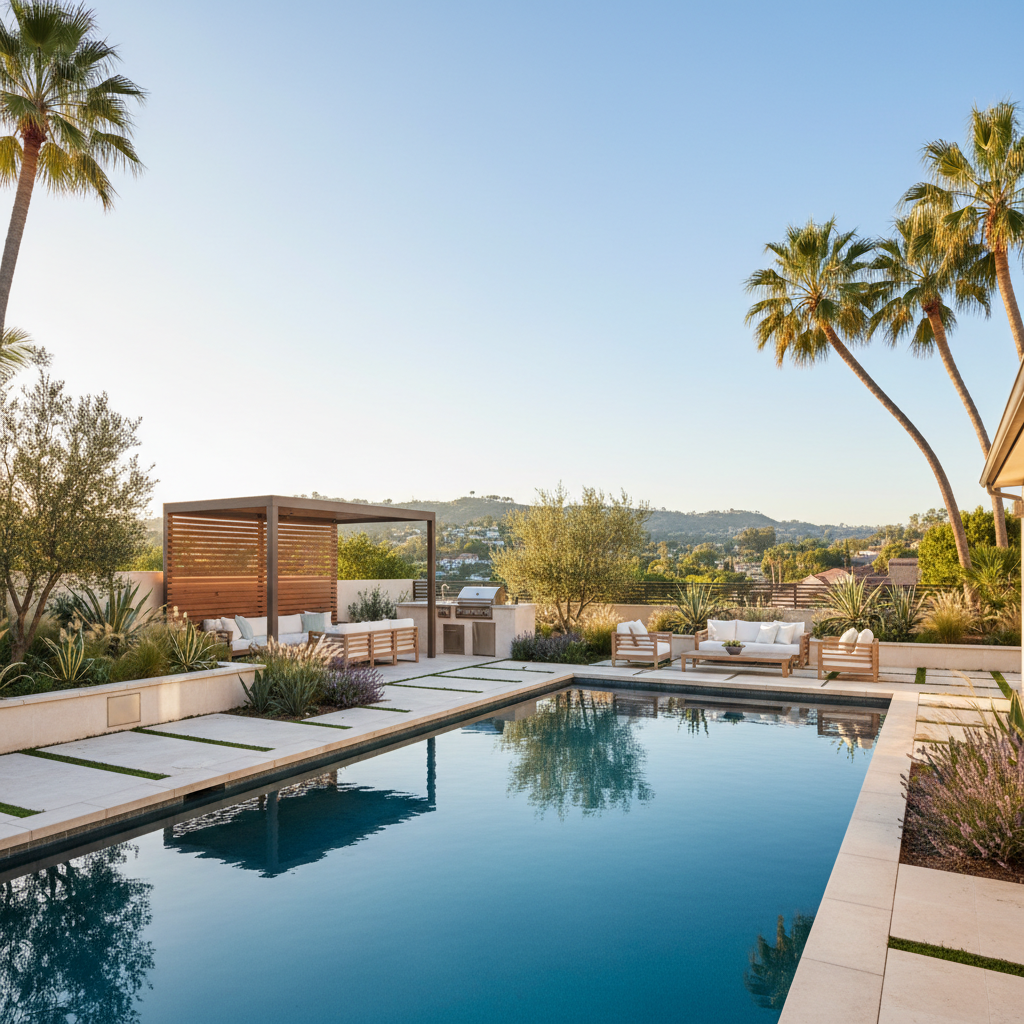
Popular backyard landscaping before and after transformations in Glendale often involve creating functional outdoor living spaces that combat the intense summer heat and leverage the area's scenic views. Homeowners frequently convert underutilized grass areas into drought-tolerant havens, add shaded entertainment zones, or integrate full outdoor kitchens, dramatically changing the look and feel of their property.
Consider a typical Glendale backyard before scenario: a patchy, water-guzzling lawn, a neglected concrete patio, and minimal shade. After a transformation, this space might feature a modern pergola with misters, a built-in BBQ island with a granite countertop, and native, low-water plantings like California Lilac and Manzanita. Another common 'before' is a steep, unusable slope, which after landscaping becomes a terraced garden with engineered retaining walls, offering both beauty and erosion control. Given Glendale's foothill topography, the City of Glendale Building & Safety has strict retaining-wall engineering requirements, ensuring these transformations are not only beautiful but structurally sound and safe. These backyard landscaping before and after ideas in Glendale truly showcase the potential for dramatic improvement.
How much does backyard landscaping cost in Glendale, CA?
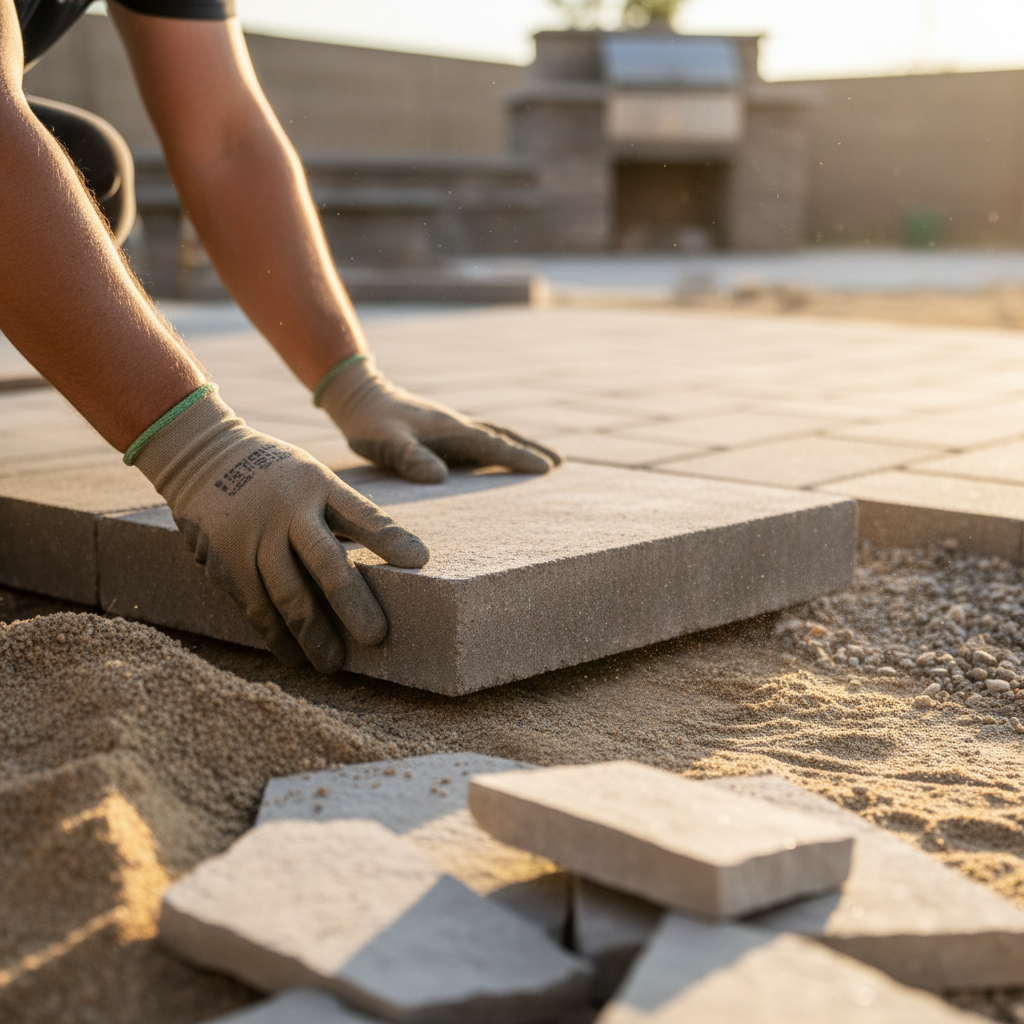
Backyard landscaping costs in Glendale, CA, vary significantly based on the project's scope, materials, and complexity, typically ranging from $15,000 for basic upgrades to over $150,000 for extensive renovations in 2026. For example, a mid-range project involving new hardscaping (e.g., 500 sq ft of pavers), a modest planting scheme (20-30 plants), and a small shade structure might cost $30,000 to $75,000. Larger suburban lots in Glendale often enable full outdoor-kitchen, pool, and lounge packages, with total budgets commonly reaching the mid-to-high five figures when all phases are included.
Here's a breakdown of common project costs in Glendale:
Basic Refresh (Planting, Mulch, Minor Hardscaping): $15,000 - $30,000 (e.g., 200 sq ft of new planting beds, 100 sq ft of flagstone path) Mid-Range Renovation (Patio, Shade Structure, Irrigation, New Plantings): $30,000 - $75,000 (e.g., 400 sq ft paver patio, 150 sq ft pergola, drip irrigation for 1,000 sq ft) Extensive Transformation (Outdoor Kitchen, Pool/Spa, Retaining Walls, Fire Pit, Premium Materials): $75,000 - $150,000+ (e.g., 600 sq ft outdoor kitchen with appliances, 15x30 ft pool, 50 linear ft of retaining wall)
These figures include design, materials, and labor but exclude permit fees, which can add several thousand dollars depending on the structural elements involved. For more on maximizing your home's value, check out our guide on Driveway Replacement ROI and Home Value Impact in Torrance: Your 2026.
What permits are needed for backyard landscaping projects in Glendale?
Permit requirements for backyard landscaping projects in Glendale depend heavily on the scope of work, particularly if it involves structural changes, significant grading, or electrical/plumbing installations. The City of Glendale Building & Safety Department handles most permits, offering online eZone tools for initial scope triage, but anything structural will require in-person review and detailed plans.
Common projects requiring permits include:
Retaining Walls: Walls over 3 feet in height (measured from the bottom of the footing to the top of the wall) almost always require a permit and engineering plans, especially given Glendale's hilly terrain. The City of Glendale Building & Safety has strict retaining-wall engineering requirements due to the foothill topography, focusing on seismic stability and drainage. Patio Covers & Pergolas: Any attached patio cover or freestanding structure over 120 square feet typically needs a building permit. Electrical for lighting or fans will also require an electrical permit, ensuring compliance with Glendale's safety codes. Pools & Spas: New pool or spa installations require extensive permits covering excavation, plumbing, electrical, and safety barriers (fencing, alarms) to meet Glendale's specific safety regulations. Significant Grading: Moving more than 50 cubic yards of soil or altering natural drainage patterns often triggers a grading permit, crucial for preventing erosion and managing stormwater runoff in Glendale's varied topography. Outdoor Kitchens: Plumbing for sinks and gas lines for BBQs require separate permits, ensuring installations meet Glendale's health and safety standards.
Always consult with a licensed contractor or the City of Glendale Building & Safety directly before starting any significant project to understand specific requirements. Failure to obtain necessary permits can lead to fines, project delays, and difficulty selling your home later, potentially costing you thousands.
How does Glendale's climate and soil impact landscaping choices?
Ready to compare vetted project options?
Use Project Match privately when your scope is clear enough for contractor conversations.
Start Project MatchGlendale's climate and soil conditions significantly influence successful landscaping choices, demanding resilient plants and robust construction methods. Summer highs routinely exceed 100°F in July-September, making shade structures (pergolas, patio covers), misters, and UV-rated materials homeowner priorities. This intense heat also necessitates drought-tolerant and fire-resistant plant selections, crucial for a sustainable and safe Glendale backyard.
Climate Considerations: Extreme Heat: Prioritize plants with low water needs and high heat tolerance. Consider native California plants or Mediterranean species. Install efficient irrigation systems, like drip lines, to conserve water. Shade is paramount, so incorporate mature trees or constructed shade elements. Misters are a popular addition to pergolas and patios for cooling, enhancing comfort during Glendale's hottest months. Fire Zones: For hillside neighborhoods adjacent to fire zones (like parts of the Verdugo Mountains foothills), defensible-space landscaping and ember-resistant material requirements are critical. This means maintaining clear zones around your home, selecting fire-resistant plants (e.g., succulents, certain oaks), and using non-combustible materials for hardscaping and structures, as mandated by Glendale's fire codes.
Soil Conditions: Clay-Heavy Soil: Glendale's soil is often clay-heavy, which can lead to drainage issues and requires careful consideration for plant selection and structural foundations. Clay soil compacts easily, hindering root growth and water penetration. Amending the soil with organic matter (e.g., compost) is often necessary for healthy plant growth and improved drainage. Structural Impact: The clay-heavy soil drives the need for deeper footings on pergolas, retaining walls, and other structures to prevent shifting and ensure stability. Proper drainage behind retaining structures is also essential to prevent hydrostatic pressure buildup, which can lead to structural failure, a common concern in Glendale's hilly areas.
Choosing the right plants and materials for Glendale's environment not only ensures the longevity of your landscape but also contributes to water conservation efforts, a vital consideration in Southern California, and enhances the overall value of your property.
What are essential design considerations for a Glendale backyard?
Essential design considerations for a Glendale backyard focus on maximizing usability, enhancing curb appeal, and integrating seamlessly with the local environment. Thoughtful planning addresses the intense sun, potential fire risks, and the desire for both beauty and function, ensuring your backyard landscaping before and after ideas in Glendale truly shine.
Shade and Comfort: With Glendale's hot summers, designing for shade is paramount. Incorporate pergolas, patio covers, large umbrellas, or strategically placed trees. Consider materials that stay cool, like light-colored pavers, and integrate misters or outdoor fans to create comfortable outdoor living spaces. Water Efficiency: Embrace drought-tolerant landscaping. Utilize native and Mediterranean plants that thrive with minimal water once established. Implement smart irrigation systems, such as drip irrigation, and consider permeable hardscaping to reduce runoff and conserve water, aligning with Glendale's water conservation goals. Fire Safety (for hillside properties): If your home is in a fire-prone area, prioritize defensible space. Select fire-resistant plants, maintain clear zones around structures, and use non-combustible materials for decks, fences, and hardscaping. Consult local Glendale fire department guidelines for specific requirements and create a fire-safe landscape plan. Functionality: Define distinct zones for dining, lounging, cooking, and play. An outdoor kitchen, a cozy fire pit area, or a dedicated space for a hot tub can significantly enhance your backyard's utility and entertainment value. For ideas on maximizing small spaces, you might find inspiration in our guide on Santa Monica Garage Conversion: 2026 Permits, HOA & Local Insights. Aesthetics: Choose a design style that complements your home's architecture and your personal taste, whether it's modern, Mediterranean, or a lush oasis. Integrate thoughtful lighting for evening ambiance and safety, enhancing the visual appeal of your Glendale backyard. Privacy: Use fencing, hedges, or strategically placed trees to create secluded areas and enhance privacy from neighbors, especially important in densely populated Glendale neighborhoods.
How can I achieve a stunning backyard transformation in Glendale?
Achieving a stunning backyard transformation in Glendale requires careful planning, a clear vision, and often, professional expertise to navigate local conditions and regulations. Start by defining your goals and budget, then seek out experienced local designers and contractors to bring your backyard landscaping before and after ideas in Glendale to life.
- Vision and Planning: Begin by envisioning your ideal backyard. What functions do you need? What aesthetic do you prefer? Collect inspiration photos. Consider how your family will use the space. This initial phase is crucial for guiding all subsequent decisions and setting clear expectations.
- Professional Design: For significant transformations, hiring a landscape architect or designer familiar with Glendale's climate, soil, and permit requirements is invaluable. They can create a cohesive plan, select appropriate plants and materials, and ensure compliance with local codes, saving you time and potential headaches.
- Budgeting and Phasing: Establish a realistic budget, aiming for a buffer of 10-15% for unexpected costs. If your dream backyard exceeds your immediate budget, consider phasing the project. Start with essential elements like hardscaping and irrigation, then add features like outdoor kitchens or elaborate plantings in subsequent stages. This approach allows you to spread costs over time.
- Contractor Selection: Choose a licensed and insured landscape contractor with a strong portfolio of projects in Glendale. Verify their references and ensure they are familiar with City of Glendale Building & Safety permitting processes and Glendale-specific requirements, especially for structural work like retaining walls or pool installations.
- Permit Acquisition: Work closely with your designer and contractor to secure all necessary permits from the City of Glendale Building & Safety. This step is non-negotiable for structural elements, pools, or significant grading, ensuring your project meets safety and zoning standards and avoids costly penalties.
- Material and Plant Selection: Opt for high-quality, durable materials that can withstand Glendale's heat and UV exposure. Select drought-tolerant and fire-resistant plants suitable for clay soil, ensuring they thrive with minimal water and contribute to a sustainable landscape.
- Execution and Oversight: Maintain open communication with your contractor throughout the project. Regular site visits and clear expectations will help ensure the transformation aligns with your vision and is completed on schedule and within budget, resulting in a truly stunning Glendale backyard.
By following these steps, Glendale homeowners can confidently embark on a backyard transformation that not only enhances their property value but also creates a beautiful, functional, and sustainable outdoor living space for years to come. Ready to see your own backyard landscaping before and after ideas in Glendale come to life? Start planning today!
Frequently Asked Questions About Backyard Landscaping in Glendale
Q1: What is the typical ROI for backyard landscaping in Glendale?
A1: The typical Return on Investment (ROI) for backyard landscaping in Glendale can range from 75% to 150%, depending on the quality of the design, materials used, and how well it integrates with the home and neighborhood. Enhancements like outdoor living spaces, drought-tolerant landscaping, and improved curb appeal tend to offer the highest returns, especially in a competitive real estate market like Glendale's, often adding $10,000 to $30,000+ in home value.
Q2: How long does a typical backyard landscaping project take in Glendale?
A2: The timeline for a backyard landscaping project in Glendale varies greatly by scope. A basic refresh might take 2-4 weeks, while a mid-range renovation could be 6-12 weeks. Extensive projects involving pools, outdoor kitchens, or significant structural work can take 4-8 months or even longer, especially when factoring in permit acquisition and inspections from the City of Glendale Building & Safety, which can add 4-8 weeks to the initial planning phase.
Q3: Are there water-saving incentives for Glendale homeowners doing landscaping projects?
A3: Yes, Glendale homeowners can often take advantage of water-saving incentives offered by local and regional agencies. The Metropolitan Water District of Southern California (MWD) and the City of Glendale Water & Power frequently offer rebates for turf removal (often $2-$3 per square foot), smart irrigation controllers, and water-efficient plants. Check their official websites for current programs and eligibility requirements in 2026 to save on your project costs.
Q4: Can I do my own landscaping design in Glendale, or should I hire a professional?
A4: For minor cosmetic updates like planting new flowers or adding mulch, DIY design can be effective. However, for significant transformations involving hardscaping, grading, irrigation, or structural elements, hiring a professional landscape designer or architect familiar with Glendale's climate, soil, and permit processes is highly recommended. Their expertise ensures a functional, beautiful, and compliant design, potentially saving you from costly mistakes and ensuring your backyard landscaping before and after ideas in Glendale are executed flawlessly.
Q5: What are the best drought-tolerant plants for Glendale's climate?
A5: Excellent drought-tolerant plants for Glendale's climate include California natives like Ceanothus (California Lilac), Manzanita, and various Sages (Salvia species). Mediterranean plants such as Lavender, Rosemary, Olive trees, and certain succulent varieties also thrive. These plants are well-suited to Glendale's hot, dry summers and clay-heavy soils, requiring minimal water once established, making them ideal for sustainable Glendale landscaping.
Sources & methodology
How Golden Yards builds this guide
Golden Yards reviews public permit and code signals, material pricing, climate and site constraints, contractor quote patterns, comparable projects, the Golden Yards Cost Index, and the Golden Yards Methodology. Cost references are planning ranges, not fixed bids.
- Benchmarked against the Golden Yards Cost Index and related project guides.
- Reviewed for California climate, water, fire, drainage, access, and permit context.
- Commercial Project Match is separate from editorial cost guidance.
Ready to start your landscaping project?
Find My ProsFrequently Asked Questions
Q1: What is the typical ROI for backyard landscaping in Glendale?
The typical Return on Investment for backyard landscaping in Glendale ranges from 75% to 150%. Depending on the project's quality and design, it can add $10,000 to $30,000+ to a home's value. The highest returns come from enhancements like outdoor living spaces that integrate well with the home and neighborhood.
In a competitive real estate market like Glendale's, achieving a high ROI between 75% and 150% depends on several factors. The quality of the design, the materials used, and overall curb appeal are critical. Features such as drought-tolerant landscaping and functional outdoor living spaces are particularly valuable, often resulting in a home value increase of $10,000 to $30,000 or more. The final return is maximized when the landscaping complements the home's existing style and the character of the neighborhood.
Q2: How long does a typical backyard landscaping project take in Glendale?
A typical Glendale backyard landscaping project takes 2-4 weeks for a basic refresh, 6-12 weeks for a mid-range renovation, or 4-8 months for extensive work. For larger projects, securing permits from the City of Glendale Building & Safety can add another 4-8 weeks to the initial planning phase.
Project timelines in Glendale vary by scope. A simple refresh is often completed in 2-4 weeks, while a mid-range renovation could last 6-12 weeks. Extensive projects involving pools, outdoor kitchens, or major structural changes can take 4-8 months, sometimes even longer.
A key factor affecting the schedule is the permitting process. Acquiring the necessary permits and arranging inspections through the City of Glendale Building & Safety can add a significant 4-8 weeks to the timeline before any construction begins.
Q3: Are there water-saving incentives for Glendale homeowners doing landscaping projects?
Yes, Glendale homeowners can access water-saving incentives from local and regional agencies. The Metropolitan Water District of Southern California (MWD) and the City of Glendale Water & Power frequently offer rebates for turf removal, often $2-$3 per square foot, and for smart irrigation controllers. Check their websites for current 2026 programs.
Homeowners in Glendale planning landscaping projects should look into financial incentives to reduce costs. The City of Glendale Water & Power and the Metropolitan Water District of Southern California (MWD) are key sources for these programs. Rebates commonly cover turf removal, with typical payments of $2-$3 per square foot, and may also apply to water-efficient plants or smart irrigation controllers.
Since offerings and eligibility requirements can change, it is essential to consult the official websites for both agencies to find the most current information for 2026 before starting your project.
Q4: Can I do my own landscaping design in Glendale, or should I hire a professional?
You can do your own landscaping design in Glendale for minor cosmetic updates like planting flowers or adding mulch. For significant transformations involving hardscaping, grading, or irrigation, hiring a professional is highly recommended. Their expertise ensures a functional, beautiful, and compliant design, helping you avoid costly mistakes.
A professional landscape designer or architect possesses essential knowledge of Glendale's specific climate, soil, and permit processes. This local expertise is critical for projects that include structural elements or complex irrigation, ensuring the plan is sustainable and approved by the city. Their involvement is key for a successful outcome.
By hiring an expert, you can be confident your design is both beautiful and functional while adhering to all local regulations. This professional guidance helps ensure your backyard landscaping before and after ideas in Glendale are executed flawlessly, preventing expensive errors and future problems.
Q5: What are the best drought-tolerant plants for Glendale's climate?
Excellent drought-tolerant plants for Glendale's climate include California natives like Ceanothus, Manzanita, and Sages (Salvia species). Mediterranean plants such as Lavender, Rosemary, Olive trees, and certain succulents also thrive. These selections are well-suited to Glendale's hot, dry summers and clay-heavy soils, requiring minimal water once established for sustainable landscaping.
For sustainable Glendale landscaping, choose plants adapted to the area's conditions. Selections should tolerate hot, dry summers and clay-heavy soils, as they will require minimal water once established. Great choices include California natives like Ceanothus, also known as California Lilac, Manzanita, and various Sages. Mediterranean plants are also very suitable, for example Lavender, Rosemary, and Olive trees.