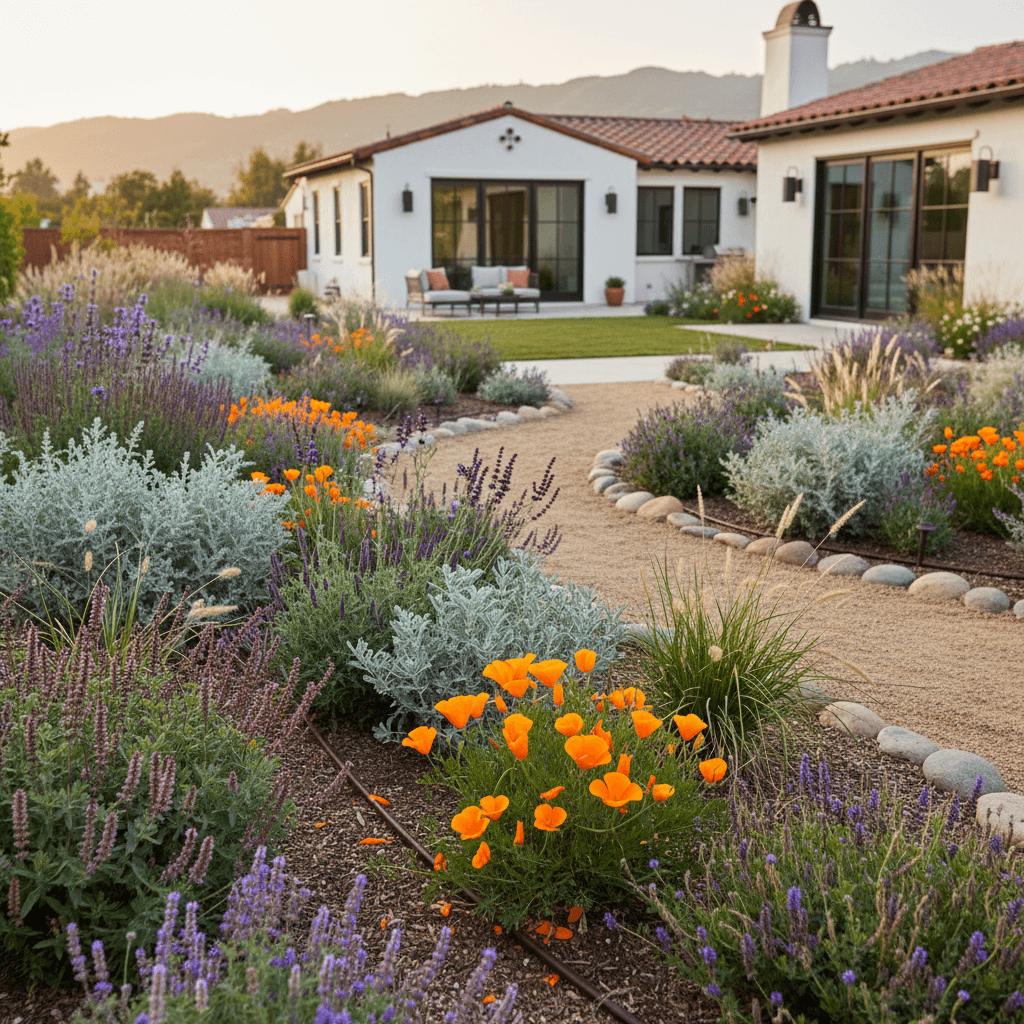
As a homeowner in Los Angeles, you're uniquely positioned at the forefront of a landscaping revolution. The golden hills and sun-drenched valleys of Southern California demand a landscape that is not only beautiful but also resilient, sustainable, and deeply connected to its environment. Gone are the days of water-guzzling lawns and exotic plants ill-suited to our Mediterranean climate. Today, the focus is on creating vibrant, drought-tolerant gardens that thrive with minimal intervention, conserve precious water, and enhance the unique character of our region.
At Golden Yards Magazine, we believe your outdoor space should be a source of joy, tranquility, and pride, not a drain on resources or a constant battle against nature. This comprehensive guide will walk you through the principles of designing, installing, and maintaining a stunning, water-wise landscape tailored specifically for the Los Angeles climate, embracing native plants, smart irrigation, and thoughtful, drought-tolerant design.
Understanding Los Angeles's Unique Landscape Challenges
Before digging in, it's crucial to grasp the specific environmental context of Los Angeles. Our region presents a distinct set of challenges and opportunities that shape successful landscaping.
The Mediterranean Climate and Microclimates
Los Angeles experiences a Mediterranean climate, characterized by hot, dry summers and mild, wet winters. This pattern dictates that plants must be adapted to long periods without rain. However, LA is also a patchwork of diverse microclimates. Coastal areas (like Santa Monica or Malibu) benefit from marine layer influence, offering cooler temperatures and higher humidity. Inland valleys (like the San Fernando Valley or San Gabriel Valley) endure significantly hotter summers and colder winters. Hillside properties face unique challenges with sun exposure, wind, and erosion. Understanding your specific microclimate is the first step in selecting the right plants and design strategies.
Persistent Drought Cycles and Water Conservation
Drought is an inherent feature of Southern California's climate. Water conservation is not just a recommendation; it's a necessity, often mandated by local water agencies like the Los Angeles Department of Water and Power (LADWP) and the Metropolitan Water District (MWD). Landscaping accounts for a significant portion of residential water use, making it a prime target for conservation efforts. Embracing drought-tolerant design is a civic responsibility that also translates into substantial savings on your water bill.
Soil Types and Fire-Wise Landscaping
Los Angeles soils vary widely, from heavy clay in some valley areas to sandy loams near the coast and rocky, decomposed granite on hillsides. Understanding your soil's composition and drainage characteristics is vital for plant health. Furthermore, many parts of LA are in or near wildland-urban interface zones, making fire-wise landscaping a critical safety consideration. This involves selecting fire-resistant plants, maintaining clear defensible spaces, and careful plant placement.
The Foundation: Smart Planning and Design Principles
A successful drought-tolerant landscape begins long before the first shovel hits the dirt. Thoughtful planning and adherence to sound design principles will ensure your garden is beautiful, functional, and sustainable.
Site Analysis: Know Your Yard
Start with a thorough assessment of your property. This involves:
- Sun Exposure: Map out areas that receive full sun (6+ hours), partial sun (3-6 hours), and full shade. This is paramount for plant selection.
- Drainage: Observe how water moves across your property during and after rain. Identify areas that puddle or drain poorly.
- Existing Features: Note mature trees, hardscaping, utilities, and any elements you wish to retain or remove.
- Views and Privacy: Identify desirable views to frame and undesirable ones to screen.
- Slope and Topography: Sloping yards require special consideration for erosion control and water retention.
- Soil Test: Consider a professional soil test to determine pH, nutrient levels, and composition. Local nurseries often offer kits or recommendations.
Defining Your Vision and Functionality
What do you want your landscape to do for you?
- Aesthetics: Do you prefer a modern, minimalist look, a lush Mediterranean feel, or a naturalistic California native garden?
- Functionality: Do you need space for entertaining, children's play, a vegetable garden, a quiet reading nook, or pet relief?
- Accessibility: Consider pathways, steps, and ramps for ease of movement.
Integrate these needs into your design. For example, a large patio for entertaining might be paired with a low-water lawn alternative for play, surrounded by native shrubs for privacy.
Zoning Your Yard (Hydrozoning)
Hydrozoning is a cornerstone of water-wise design. It involves grouping plants with similar water needs together. This allows you to irrigate each zone efficiently, providing only the water necessary without over- or under-watering neighboring plants. Typically, you'll have:
- High-Water Use Zone: (Very small, if any) Perhaps a few potted herbs near the kitchen or a small, high-traffic lawn alternative.
- Moderate-Water Use Zone: Plants that need occasional supplemental water, especially during establishment or peak summer.
- Low-Water Use Zone: The bulk of your landscape, featuring drought-tolerant and native plants that thrive on minimal irrigation once established.
- No-Water Use Zone: Areas with hardscaping, boulders, or truly desert-adapted plants that require no irrigation after establishment.
Hardscaping Integration
Hardscaping – patios, pathways, retaining walls, pergolas – forms the backbone of your outdoor living space. In a drought-tolerant design, hardscaping plays a crucial role in reducing permeable surfaces, directing water, and creating functional areas without relying on thirsty plants. Materials like decomposed granite, permeable pavers, and natural stone are excellent choices for LA, offering both aesthetic appeal and practical benefits.
Embracing Native Plants and Drought-Tolerant Species
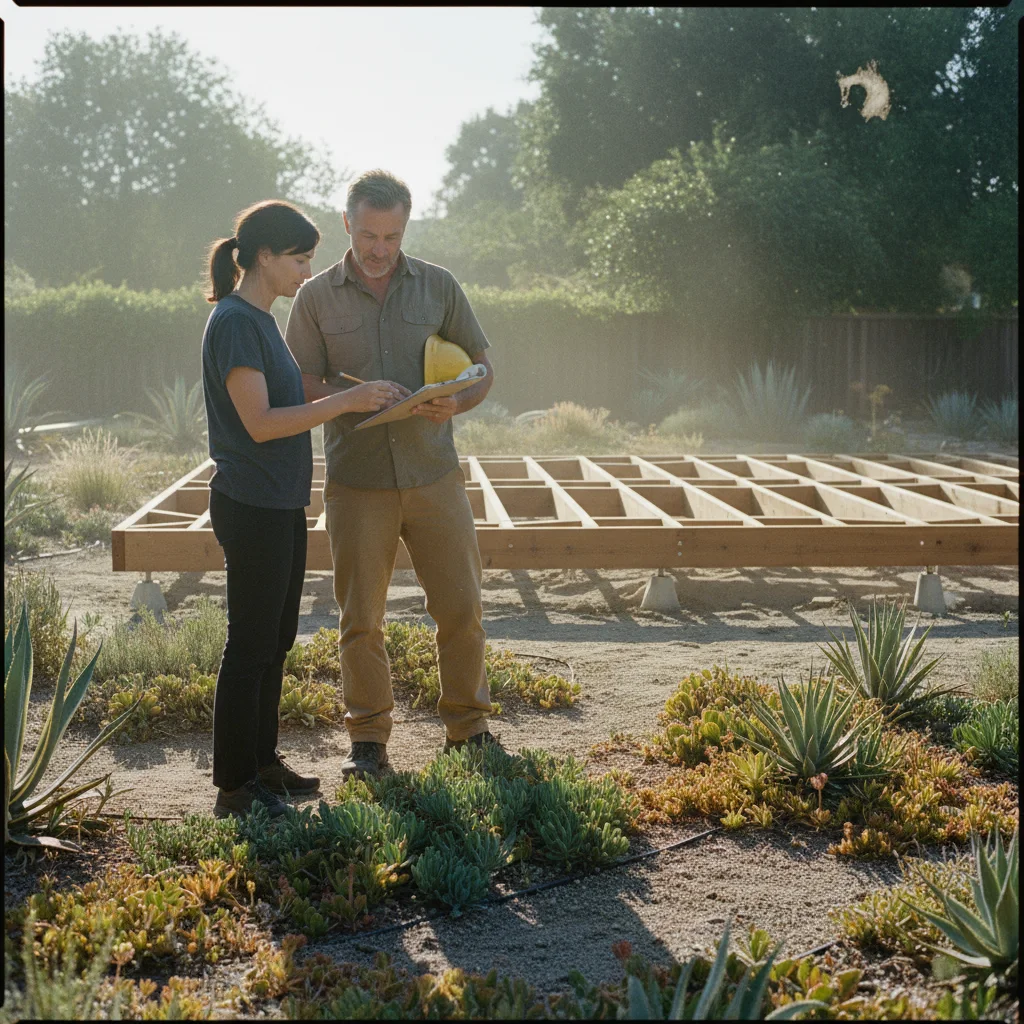
The heart of a sustainable Los Angeles landscape lies in its plant palette. By choosing plants that are naturally adapted to our climate, you're setting your garden up for success with minimal water, fertilizer, and pest control.
Why Go Native?
California native plants offer a multitude of benefits:
- Water Conservation: They are inherently adapted to our dry summers, requiring significantly less water than traditional ornamentals once established.
- Ecological Support: They provide vital habitat and food sources for local wildlife, including birds, bees, and butterflies, supporting biodiversity.
- Reduced Maintenance: Natives are often more resistant to local pests and diseases, and generally require less pruning and fertilization.
- Sense of Place: They connect your home to the unique natural beauty of the California landscape.
Key Native Plant Categories for LA
- Trees:
- Coast Live Oak (Quercus agrifolia): Iconic, evergreen, provides excellent shade. Slow-growing but long-lived.
- Western Sycamore (Platanus racemosa): Deciduous, beautiful mottled bark, fast-growing, excellent for riparian zones or larger spaces.
- Toyon (Heteromeles arbutifolia): Large evergreen shrub or small tree, white flowers, red berries in winter (attracts birds).
- Shrubs:
- California Lilac (Ceanothus spp.): Diverse group with various sizes and forms, known for stunning blue flowers in spring. 'Ray Hartman' or 'Concha' are popular cultivars.
- Manzanita (Arctostaphylos spp.): Evergreen, often with striking reddish bark, delicate flowers, and attractive foliage. 'Howard McMinn' is a reliable choice.
- Coffeeberry (Frangula californica): Versatile evergreen, tolerates various conditions, small berries.
- Lemonade Berry (Rhus integrifolia): Evergreen, tough, good for slopes, edible berries.
- Perennials & Groundcovers:
- California Poppy (Eschscholzia californica): Our state flower, vibrant orange blooms, reseeds readily.
- Cleveland Sage (Salvia clevelandii): Aromatic, purple flowers, attracts hummingbirds and bees.
- Yarrow (Achillea millefolium): Flat-topped white flowers, fern-like foliage, very tough.
- Deergrass (Muhlenbergia rigens): Clumping ornamental grass, provides texture and movement.
- California Fuchsia (Epilobium canum): Brilliant red-orange flowers in late summer/fall, hummingbirds love it.
- Grasses:
- Purple Needlegrass (Stipa pulchra): California's state grass, fine texture, graceful movement.
- Sedges (Carex spp.): Grass-like plants suitable for shadier or wetter spots.
Non-Native Drought-Tolerant Options
While natives are ideal, many non-native plants from other Mediterranean climates also thrive in LA with minimal water.
- Succulents & Cacti: Agave, Aloe, Sedum, Echeveria, Opuntia (prickly pear). Offer striking architectural forms.
- Mediterranean Herbs: Lavender, Rosemary, Thyme, Oregano. Aromatic, beautiful, and edible.
- Olive Trees (Olea europaea): Classic Mediterranean look, requires minimal water once established.
- Bougainvillea: Vibrant, showy, extremely drought-tolerant once established (can be invasive if not managed).
Where to Find Them
Visit local nurseries specializing in California natives and drought-tolerant plants. Resources like Theodore Payne Foundation, Tree of Life Nursery, and many independent nurseries throughout LA County offer expert advice and a wide selection.
Mastering Smart Irrigation for Water Conservation
Ready to compare vetted project options?
Use Project Match privately when your scope is clear enough for contractor conversations.
Start Project MatchSee what your project actually costs in 4 questions.
We pull cost ranges from invoiced California contractor projects, then narrow them to your scope, ZIP, and finish level. No first-call sticker shock.
Find a vetted proFree. Takes under 2 minutes. No email required to see your range.
Even drought-tolerant landscapes need some water, especially during establishment. The key is to deliver water precisely and efficiently.
The Paradigm Shift: From Sprinklers to Precision
Traditional overhead sprinklers are highly inefficient in LA's climate due to evaporation and runoff. The modern approach focuses on targeted delivery.
Drip Irrigation Systems
Drip irrigation is the gold standard for water-wise landscaping. It delivers water slowly and directly to the plant's root zone, minimizing evaporation and runoff.
- Benefits: Up to 50% more efficient than sprinklers, reduces weed growth, prevents fungal diseases on foliage.
- Components: Emitter tubing (with built-in emitters), individual drippers for larger plants, pressure regulators, filters, and a timer.
- Installation Tips: Bury lines under mulch for protection and aesthetics. Ensure even coverage for all plants in a zone.
Smart Controllers
These devices take the guesswork out of watering.
- Weather-Based Controllers: Connect to local weather stations or use on-site sensors to adjust watering schedules based on real-time conditions (temperature, rainfall, humidity).
- Soil Moisture Sensors: Measure the moisture level in the soil and only activate irrigation when needed.
- Wi-Fi Connectivity: Many smart controllers can be managed from your smartphone, allowing you to monitor and adjust schedules remotely.
Rainwater Harvesting
While LA's rainfall is infrequent, capturing it can supplement your irrigation.
- Rain Barrels: Collect rainwater from downspouts for small-scale use.
- Cisterns: Larger underground or above-ground tanks for significant storage.
- Swales and Rain Gardens: Depressions in the landscape designed to capture and slowly infiltrate stormwater, recharging groundwater.
Efficient Watering Practices
- Deep and Infrequent: Encourage deep root growth by watering deeply but less often. This makes plants more resilient to dry spells.
- Early Morning Watering: Reduces evaporation and allows foliage to dry before nightfall, minimizing disease risk.
- Monitor and Adjust: Regularly check your plants and soil moisture. Adjust irrigation schedules seasonally and as plants mature.
Beyond Plants: Essential Elements of Drought-Tolerant Design
A truly sustainable landscape integrates more than just plants. Thoughtful use of hardscaping, mulches, and other elements enhances both beauty and water efficiency.
Mulch, Mulch, Mulch!
Mulch is perhaps the most underrated hero of drought-tolerant landscaping.
- Types: Organic mulches (wood chips, shredded bark, compost) and inorganic mulches (gravel, decomposed granite).
- Benefits:
- Water Retention: Reduces evaporation from the soil surface by up to 30%.
- Weed Suppression: Blocks sunlight, preventing weed seeds from germinating.
- Soil Health: Organic mulches break down, adding nutrients and improving soil structure.
- Temperature Regulation: Insulates soil, keeping roots cooler in summer and warmer in winter.
- Application: Apply a 2-4 inch layer over all planting beds, keeping it a few inches away from plant stems and tree trunks.
Permeable Surfaces
Replacing impervious surfaces (like concrete driveways or large patios) with permeable alternatives allows rainwater to infiltrate the soil rather than running off into storm drains.
- Decomposed Granite (DG): A popular choice for pathways and patios, offering a natural look and good drainage.
- Permeable Pavers: Designed with gaps that allow water to seep through, often filled with gravel or sand.
- Gravel Paths: Simple, effective, and aesthetically pleasing.
Dry Streambeds and Swales
These are not just decorative; they are functional elements for managing stormwater. A dry streambed, lined with river rock and boulders, can direct runoff away from your home or into a rain garden, preventing erosion and creating a beautiful focal point. Swales are gently sloped depressions that capture and slowly release water into the landscape.
Rock Gardens and Boulders
Rocks and boulders add sculptural interest, texture, and a naturalistic feel to a drought-tolerant landscape. They can also help retain heat for certain plants and provide microclimates. Source local stones to integrate seamlessly with the Southern California aesthetic.
Shade Structures
Strategically placed pergolas, arbors, or shade sails can reduce sun exposure on patios and even on some plants, lowering temperatures and reducing evaporative water loss. They also create comfortable outdoor living spaces, essential for enjoying LA's sunny climate.
Navigating the Practicalities: Costs, Permits, and Execution
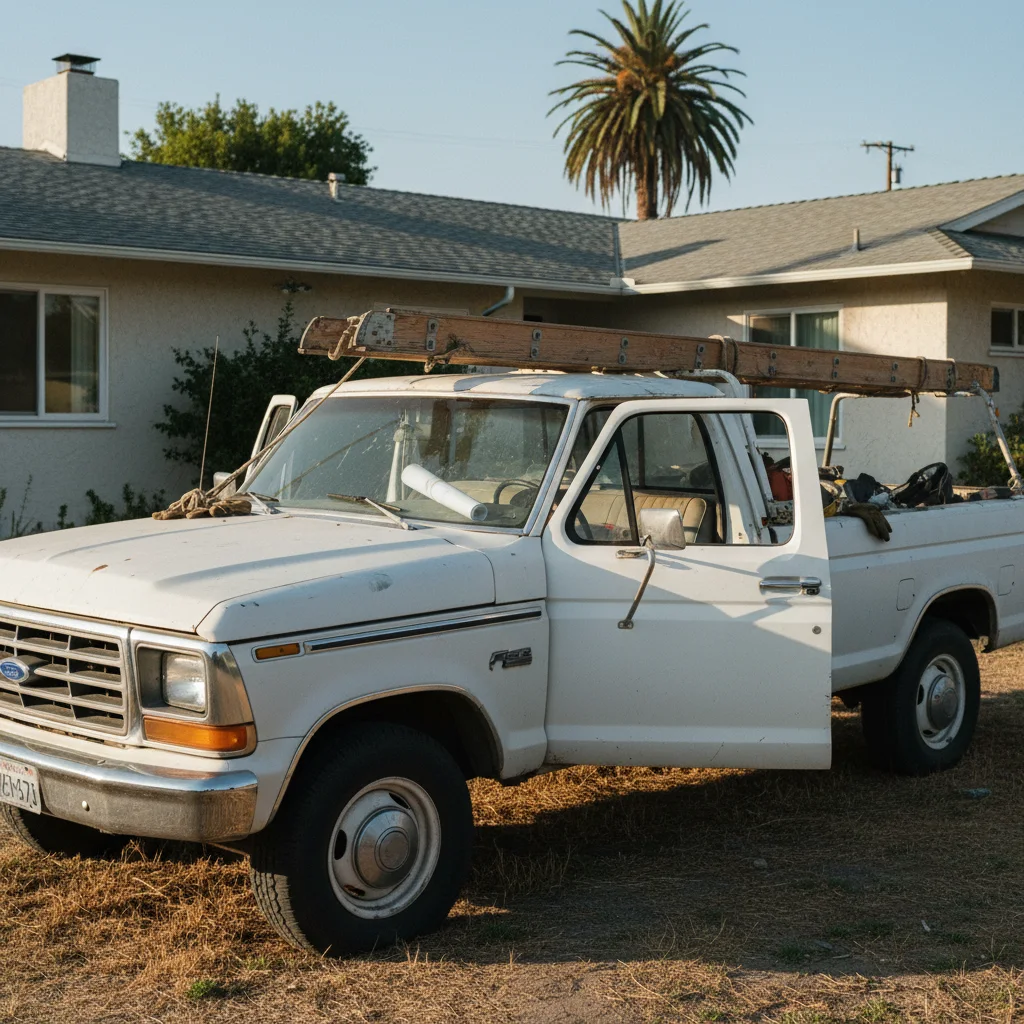
Transforming your landscape is an investment. Understanding the practicalities of budgeting, permits, and execution will ensure a smooth and successful project.
Budgeting Your Project
Landscape costs vary widely based on scope, materials, and whether you DIY or hire professionals.
- DIY vs. Professional: A completely DIY project will primarily incur material costs (plants, mulch, irrigation parts). Hiring a professional landscape designer and/or contractor will add significant labor and expertise costs, but can save time and prevent costly mistakes.
- Cost Breakdown:
- Design Fees: (If hiring a designer) Can range from a few hundred dollars for a basic plan to several thousand for a comprehensive master plan.
- Hardscaping: Patios, pathways, retaining walls are often the most expensive components due to labor and material costs.
- Irrigation System: Materials and installation for a smart drip system.
- Plants: Varies greatly depending on size and species. Natives are often competitively priced.
- Soil Amendments/Mulch: Essential but relatively inexpensive.
- Labor: The largest component for professional installation.
- Phased Approach: If budget is a concern, consider tackling your landscape in phases. Start with the front yard, a key entertaining area, or the most problematic section.
- Potential Rebates: The LADWP and MWD frequently offer rebates for turf removal, smart irrigation controllers, and water-efficient devices. Check their websites for current programs – these can significantly offset your costs.
Permits and HOAs
Navigating local regulations is a critical step.
- Permits: For most residential landscape projects involving only planting, mulch, and basic drip irrigation, permits are generally not required in Los Angeles. However, permits are typically needed for:
- Major grading or excavation (e.g., changing the slope of your yard significantly).
- Construction of substantial hardscaping elements like retaining walls over a certain height (often 3-4 feet), large patios, decks, or permanent shade structures.
- Significant changes to drainage that might affect neighboring properties.
- Check with your specific city's planning or building department (e.g., City of Los Angeles Department of Building and Safety, or the relevant department for Pasadena, Santa Monica, Long Beach, etc.) before starting any major work.
- HOA Guidelines: If you live in a community with a Homeowners Association (HOA), you must consult their Covenants, Conditions, and Restrictions (CC&Rs) before making any changes. HOAs often have strict rules regarding:
- Approved plant palettes (though many are now encouraging or even requiring drought-tolerant options).
- Percentage of landscape vs. hardscape.
- Architectural review for design changes, especially in front yards.
- Maintenance standards.
- Submit your plans for approval well in advance to avoid costly rework or fines.
Execution: DIY or Professional?
- DIY: Suitable for smaller projects, homeowners with gardening experience, or those on a tight budget. It requires time, physical effort, and a willingness to learn. Start small and build confidence.
- Professional:
- Landscape Designer: Creates the conceptual plan, plant palette, and detailed drawings. Ideal if you need a cohesive vision and expert plant selection.
- Landscape Contractor: Implements the design, handles installation of hardscaping, irrigation, and planting. Look for licensed (C-27 license in California), insured contractors with a strong portfolio of drought-tolerant projects and good references.
- Benefits of Professionals: Expertise, efficiency, access to wholesale materials, often better long-term results, and peace of mind.
- Hiring Tips: Get multiple bids, check licenses and insurance, review portfolios, ask for references, and ensure a clear contract outlining scope, timeline, and payment schedule.
Ongoing Care and Maintenance
Get 3 contractor bids in 48 hours.
Our editors already screened California contractors. Answer 4 questions; we send 3 written bids inside 48 hours, with the real price for your scope, not their inflated first-call number.
Send my 3 bidsFree. No commission. If a match doesn't fit, we'll send another.
Even a drought-tolerant landscape requires some care to thrive.
- Pruning: Prune natives minimally, primarily for health, shape, or to remove dead/diseased branches. Avoid heavy shearing.
- Weed Control: Regular weeding, especially when plants are young, is crucial. Mulch helps significantly.
- Fertilization: Most native plants are adapted to lean soils and require little to no fertilization. If needed, use a slow-release, organic fertilizer sparingly.
- Irrigation Monitoring: Regularly check your drip system for leaks or clogged emitters. Adjust schedules seasonally.
- Seasonal Adjustments: Observe your plants throughout the year. Some natives go dormant in summer, others bloom. Adjust watering and care accordingly.
Conclusion
Transforming your Los Angeles landscape into a water-wise, native-friendly oasis is one of the most rewarding home improvement projects you can undertake. It's an opportunity to create a beautiful, resilient outdoor space that not only enhances your property's value and curb appeal but also contributes to the ecological health and water security of our beloved Southern California. By embracing smart planning, native plants, efficient irrigation, and thoughtful design, you'll cultivate a garden that thrives with the sun, sips water, and celebrates the unique spirit of Los Angeles.
FAQ Section
Q1: How much water can I really save by converting my lawn to a drought-tolerant landscape? A1: You can save a significant amount of water, often 50-75% compared to a traditional lawn. Lawns are typically the thirstiest part of a landscape, and replacing them with native and drought-tolerant plants, combined with efficient irrigation, drastically reduces water consumption. Many homeowners report hundreds of dollars in annual savings on their water bills.
Q2: Are native plants truly low maintenance, or do they still require a lot of work? A2: Once established (typically after 1-3 years of careful watering), native plants are generally much lower maintenance than traditional ornamental gardens. They require less water, fertilizer, and are more resistant to local pests and diseases. Minimal pruning and occasional weeding are usually sufficient. The initial establishment period requires more attention, but the long-term benefits are substantial.
Q3: Will a drought-tolerant landscape reduce my home's curb appeal or resale value in Los Angeles? A3: Absolutely not. In fact, a well-designed, drought-tolerant landscape can significantly enhance your home's curb appeal and resale value in Los Angeles. Buyers in Southern California are increasingly aware of water conservation and appreciate sustainable, low-maintenance outdoor spaces. A beautiful, water-wise garden is seen as a modern, responsible, and attractive feature.
Q4: What are the best resources for finding native plants and design inspiration in Los Angeles? A4: Excellent resources include the Theodore Payne Foundation for Wild Flowers & Native Plants (Sun Valley), Tree of Life Nursery (San Juan Capistrano), and many local independent nurseries that specialize in California natives and drought-tolerant species. For inspiration, visit local botanical gardens like Descanso Gardens or the Huntington Library, Art Museum, and Botanical Gardens, which often feature dedicated native plant sections. Online resources like the California Native Plant Society (CNPS) are also invaluable.
Q5: Do I need to remove all my existing plants to create a drought-tolerant landscape? A5: Not necessarily. While a complete overhaul offers the most dramatic results, you can transition gradually. Identify which of your existing plants are water-wise and healthy, and integrate them into your new design. Remove high-water-use plants (especially lawns) first, and then phase in native and drought-tolerant alternatives. This approach can also help manage costs and labor over time.
Sources & Methodology
See the Golden Yards Methodology for how sources are reviewed, ranges are normalized, and planning-data limits are handled.
Cost ranges, regulatory references, and design guidance in this article draw on the following public datasets, industry standards, and Renology editorial research.
Ready to start your landscaping project?
Find My ProsFrequently Asked Questions
What are the key benefits of using native plants in Los Angeles landscaping?
Using native plants in Los Angeles landscaping conserves significant water, supports local biodiversity, and requires less maintenance. Because they are adapted to dry summers, they lower water bills. They also provide essential habitat and food for wildlife like birds and pollinators and are more resistant to local pests and diseases.
California native plants are uniquely adapted to the region's climate, which means they require far less irrigation than non-native species, resulting in substantial water conservation and lower bills. Beyond savings, these plants create vital habitats. They offer food and shelter for local wildlife, including important pollinators and birds, supporting the area's ecological health. Their inherent resistance to local pests and diseases also means they generally need fewer chemical treatments and less overall maintenance.
How does hydrozoning help conserve water in a drought-tolerant garden?
Hydrozoning conserves water by grouping plants with similar water needs together, which allows for precise and efficient irrigation. This method prevents over-watering low-water plants and under-watering moderate-water ones within the same area. By tailoring water delivery to each specific zone, you minimize waste and use water more effectively in the garden.
The core principle of hydrozoning is creating distinct irrigation zones for different plant groups. When plants with high and low water needs are mixed, a single watering schedule is inefficient. One group will inevitably get too much water while the other gets too little. By separating them, you can apply the correct amount of water to each group, preventing waste from runoff or evaporation. This targeted approach ensures that all plants receive the appropriate hydration to thrive without consuming more water than necessary.
Which native trees are recommended for shade and ecological support in LA?
For shade and ecological support in LA, recommended native trees include the Coast Live Oak (Quercus agrifolia) and the Western Sycamore (Platanus racemosa). The oak is an iconic, slow-growing evergreen providing excellent shade. The sycamore is a fast-growing deciduous tree with beautiful mottled bark, ideal for larger spaces or riparian zones.
Both the Coast Live Oak and Western Sycamore are well-suited to the Southern California climate and provide significant support for local ecosystems. The Coast Live Oak, an evergreen known scientifically as Quercus agrifolia, offers dense, year-round shade but is a slow grower. In contrast, the Western Sycamore, or Platanus racemosa, grows quickly. This deciduous tree, with its distinct mottled bark, is a great choice for larger properties or areas near water.
What are important considerations for fire-wise landscaping in Los Angeles?
Important considerations for fire-wise landscaping in Los Angeles include selecting fire-resistant plants, maintaining defensible space, and planning plant placement to reduce fuel loads. This is crucial in wildland-urban interface zones, where understanding your property's proximity to brush and hillsides helps create effective strategies for fire safety.
Fire-wise landscaping in LA centers on a few core principles. Homeowners should choose fire-resistant plants over those with high oil or resin content. Equally important is creating and maintaining defensible space around structures, which involves clearing away dead vegetation and creating fuel breaks to slow a fire's spread.
These strategies are especially vital for properties located in the city's wildland-urban interface areas. The placement of plants is a critical factor, as grouping them too closely can create a continuous fuel source for a wildfire. Assessing how close your home is to canyons, brush, and hillsides is the first step in planning.
What initial steps should I take before designing a drought-tolerant landscape?
Begin with a thorough site analysis to map sun exposure, observe drainage patterns, and note existing features. Next, conduct a soil test to understand its composition and pH. Finally, define your vision for the landscape’s aesthetics and functionality, such as creating specific areas for entertaining or play, to guide your design choices.
A detailed site analysis is a critical first step. This process involves mapping how sunlight moves across your property throughout the day and observing where water collects or runs off after rain. Noting existing structures or plants you wish to keep is also important. A soil test will reveal key information, like its texture and pH level, which influences plant selection. Clearly defining your goals, whether for entertaining guests or establishing a children's play area, helps ensure the final design meets your specific functional and aesthetic needs.