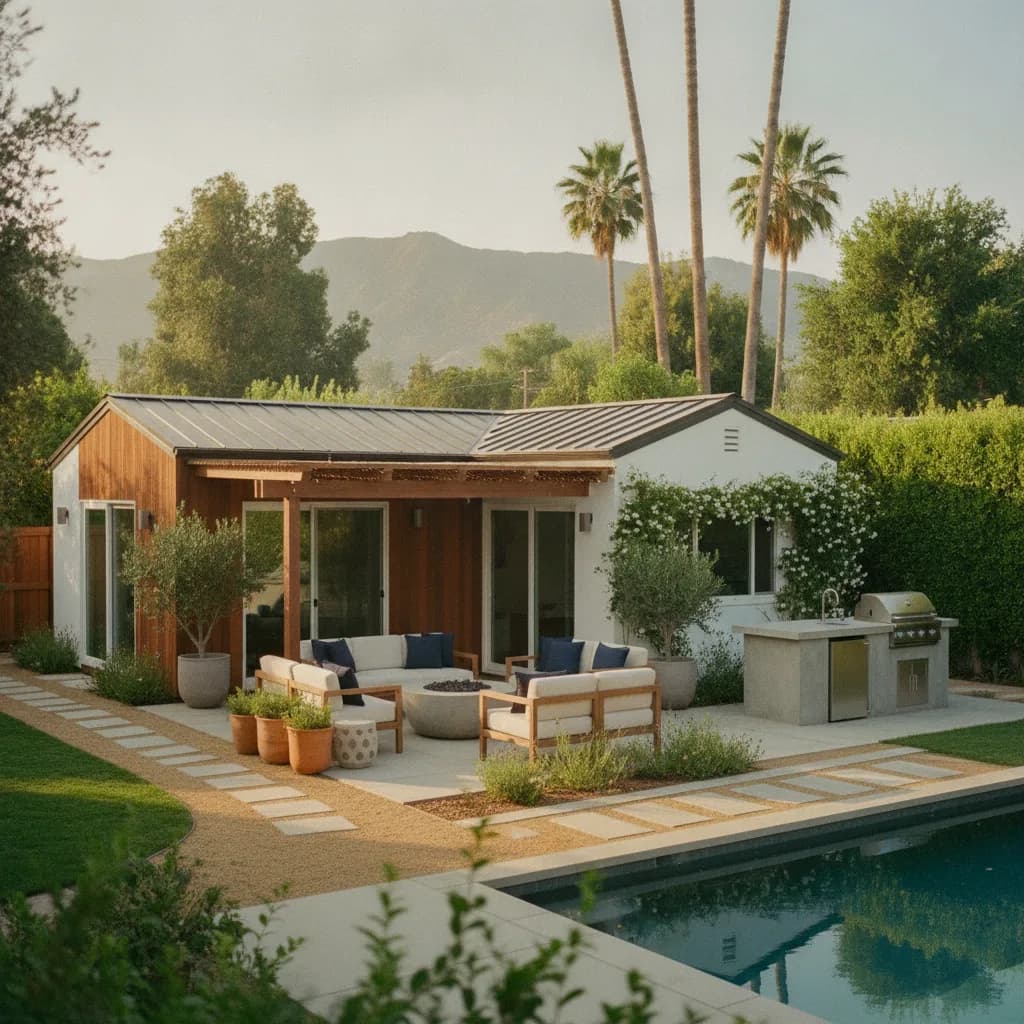
Dreaming of maximizing your property's potential in Sherman Oaks? An Accessory Dwelling Unit (ADU) offers an incredible opportunity to increase living space, generate rental income, or house family members. However, successfully navigating the ADU permit and HOA landscape in Sherman Oaks can seem daunting. This comprehensive guide from Golden Yards is designed to demystify the process for Sherman Oaks residents, walking you through the latest regulations, permit requirements, estimated costs, and crucial considerations for dealing with Homeowners Associations, ensuring your ADU project starts on solid ground.
Why Consider an ADU in Sherman Oaks?
Building an ADU is more than just adding square footage; it's a strategic investment that aligns with current housing trends and personal needs. The flexibility and benefits of ADUs are particularly appealing in a dynamic market like Sherman Oaks.
What are the Financial Benefits of Building an ADU?
The financial incentives for building an ADU in Sherman Oaks are substantial. With the median rent for a one-bedroom apartment in the area hovering between $2,500 and $3,500 per month, an ADU can generate significant passive income. This income can offset mortgage payments, cover construction costs over time, or provide a steady revenue stream for retirement planning.
Beyond rental income, an ADU can significantly increase your property's overall value. Experts estimate that a well-designed and permitted ADU can add 15-25% to a home's market value, depending on its size, amenities, and location within Sherman Oaks. This makes an ADU a powerful asset in a competitive real estate market.
How Does an ADU Enhance Property Value in Sherman Oaks?
An ADU enhances property value by offering versatility and additional living space, which are highly sought after by buyers. Properties with ADUs are seen as multi-functional assets, appealing to a wider range of potential buyers, including those with extended families, live-in caregivers, or a desire for rental income.
Furthermore, the increased demand for housing in Los Angeles County means that properties offering more usable space, especially independent units, command a premium. A professionally built ADU in Sherman Oaks signals a well-maintained and thoughtfully upgraded property, often leading to quicker sales and higher appraisal values.
How to Navigate the Sherman Oaks ADU Permit Process?
The permit process for an ADU in Sherman Oaks falls under the jurisdiction of the Los Angeles Department of Building and Safety (LADBS). While state laws have streamlined many aspects, local compliance is still critical. Understanding each step is key to a smooth approval process.
What are the Initial Steps for ADU Permitting in Los Angeles?
Your ADU journey begins with a thorough feasibility study. First, verify your property's zoning and lot size. Most residential zones in Sherman Oaks permit ADUs, but specific requirements vary. Utilize the LADBS website or consult a local ADU specialist to understand your property's specific allowances.
Next, consider your desired ADU type - detached, attached, or a garage conversion. Each has different design and setback requirements. A preliminary site assessment will help identify potential challenges, such as utility access, existing structures, or significant grade changes, before you invest heavily in design plans.
Which ADU Types are Permitted in Sherman Oaks?
Sherman Oaks, like the rest of Los Angeles, permits several types of ADUs, thanks to progressive state legislation. These include:
- Detached ADUs: Standalone structures separate from the primary residence. These offer the most privacy and design flexibility.
- Attached ADUs: Units physically connected to the primary residence, often sharing a wall. They can be built as an addition or within existing space.
- Junior ADUs (JADUs): Units no larger than 500 square feet, located entirely within an existing single-family home. They must include an efficiency kitchen and can share a bathroom with the main house.
- Converted ADUs: Created by converting existing space, such as a garage, basement, or attic, into a living unit. Garage conversions are particularly popular in Sherman Oaks due to their cost-effectiveness and minimal impact on lot space.
What are the Key Architectural and Design Requirements for ADUs?
State and local regulations dictate the size, height, and setbacks for ADUs in Sherman Oaks. For detached ADUs, the maximum size is generally 1,200 square feet or 50% of the primary dwelling's floor area, whichever is less. However, a minimum of 800 square feet is often allowed regardless of the primary dwelling size.
Setback requirements have been significantly reduced. For detached ADUs, a minimum of 4 feet from the side and rear property lines is typically required. For attached or converted ADUs, existing setbacks often apply, and in many cases, no new setbacks are required if the unit is within the existing footprint. The maximum height for detached ADUs is generally 16 feet, though specific conditions can allow for up to 25 feet in certain areas.
What Documentation is Required for an ADU Permit Application?
Preparing a complete permit application package is crucial for avoiding delays. You will typically need:
- Architectural Plans: Detailed floor plans, elevations, sections, and roof plans.
- Site Plan: Showing the entire property, existing structures, proposed ADU location, setbacks, and utility connections.
- Structural Plans: Engineering calculations and drawings for foundations, framing, and seismic considerations.
- Title 24 Energy Calculations: Compliance with California's energy efficiency standards.
- Geological/Soil Reports: May be required depending on the property's location and proposed foundation type.
- Utility Letters: Confirming utility capacity and connection points.
How Long Does the ADU Permit Approval Process Typically Take?
The timeline for ADU permit approval in Sherman Oaks can vary significantly. With increased demand and streamlined processes, a well-prepared application might see initial plan check comments within 4-8 weeks. However, revisions and resubmissions are common, extending the overall approval time.
On average, homeowners should anticipate 3-6 months for the design and permitting phase, assuming no major issues or complex site conditions. Factors like the completeness of your plans, the responsiveness of your design team, and the current LADBS workload can all influence the timeline. Hiring a permit expediter can sometimes accelerate the process.
What are the Estimated Costs for ADU Permits and Fees?
Permit fees are a significant component of your overall ADU budget. These fees in Los Angeles County can range from $10,000 to $25,000 or more, depending on the ADU's size, complexity, and specific site conditions. This includes various charges:
- LADBS Plan Check and Permit Fees: Based on the valuation of the construction.
- School Fees: Levied by local school districts, typically per square foot.
- Impact Fees: While many impact fees for ADUs have been reduced or waived by state law, some may still apply depending on the ADU's size and location.
- Utility Connection Fees: For new water, sewer, gas, and electrical connections, if required.
It's important to budget for these fees in addition to design costs (architects, engineers) and the actual construction costs. For a 600-800 sq ft detached ADU in Sherman Oaks, total project costs typically range from $180,000 to $350,000, varying greatly with finishes and site conditions.
What are the HOA Regulations for ADUs in Sherman Oaks?
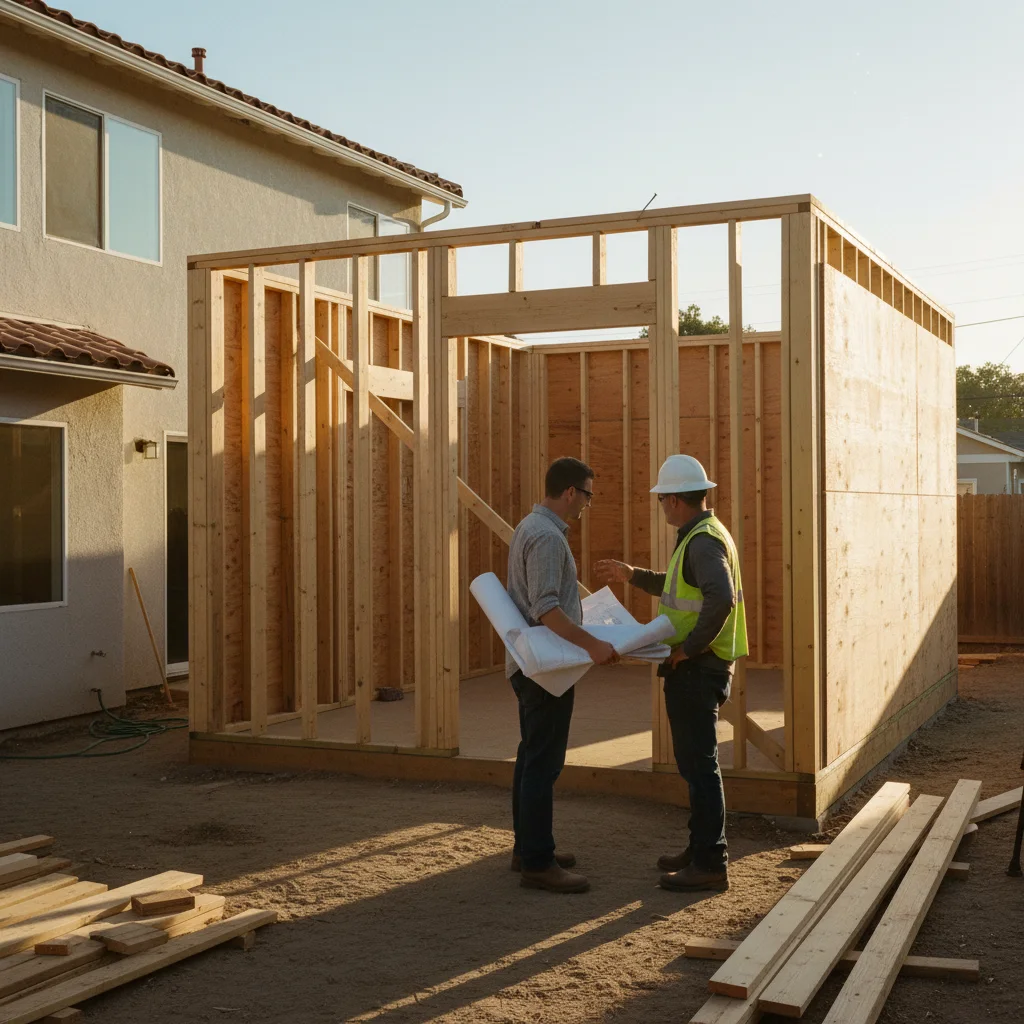
Many Sherman Oaks properties are part of Homeowners Associations (HOAs), which introduces another layer of complexity to ADU projects. While state laws have significantly limited HOA's ability to prohibit ADUs, understanding their remaining authority is crucial.
Can an HOA Prohibit ADU Construction in Sherman Oaks?
No, generally, an HOA cannot outright prohibit the construction of an ADU on a property within its jurisdiction in California. State law, specifically Civil Code Section 4751, has been strengthened to prevent HOAs from "unreasonably prohibiting or restricting" the construction of ADUs. This means that if your property is zoned for an ADU and meets all local and state building codes, your HOA cannot issue a blanket denial.
However, HOAs can establish reasonable rules and regulations regarding the ADU's appearance, materials, and placement, provided these rules do not effectively prohibit the ADU or make it infeasible to build. These rules must be consistent with the architectural standards of the community and apply equally to all properties.
What Specific HOA Rules Might Affect Your ADU Project?
While outright prohibition is generally not allowed, HOAs in Sherman Oaks can still influence your ADU project through specific rules outlined in their Covenants, Conditions, and Restrictions (CC&Rs). These might include:
- Architectural Review: Requiring approval for exterior design, materials, colors, and rooflines to ensure consistency with the community's aesthetic.
- Setbacks and Lot Coverage: While state law dictates minimum setbacks for permitting, an HOA might have stricter aesthetic setback requirements that do not effectively prohibit the ADU.
- Parking Requirements: HOAs may have rules regarding additional parking, though state law often waives parking requirements for ADUs in many scenarios.
- Construction Timelines and Noise: Rules regarding construction hours, noise levels, and duration of the project.
- Rental Restrictions: While an HOA cannot prohibit an ADU, they might have rules regarding short-term rentals (less than 30 days) or require tenants to adhere to community rules.
It is imperative to obtain and thoroughly review your HOA's CC&Rs and architectural guidelines before starting any design work.
How Do I Get HOA Approval for My ADU?
Proactive communication and adherence to your HOA's process are key to securing approval. Here's a general approach:
- Review CC&Rs: Understand all relevant rules regarding exterior modifications and construction.
- **
Ready to start your ADU project?
Find My ProsFrequently Asked Questions
What are the financial benefits of building an ADU in Sherman Oaks?
An ADU can generate significant passive income, with one-bedroom rents in Sherman Oaks ranging from $2,500-$3,500 monthly. This income can offset your mortgage or provide a steady revenue stream. Additionally, a well-designed and permitted ADU can increase your property's market value by 15-25%, making it a powerful asset.
How does an ADU enhance my property's value in Sherman Oaks?
An ADU significantly enhances property value by offering versatile additional living space, appealing to a wider range of buyers including those with extended families or seeking rental income. In Los Angeles County's competitive market, properties with independent units command a premium. A professionally built ADU signals a well-maintained and upgraded property, often leading to quicker sales and higher appraisal values.
What are the initial steps for obtaining an ADU permit in Sherman Oaks?
Start by researching the latest ADU regulations specific to Sherman Oaks and Los Angeles County. Consult with an architect or ADU specialist to understand zoning requirements and design feasibility. You'll need to prepare detailed plans and submit them to the city planning department for review and approval.
How do Homeowners Associations (HOAs) impact ADU construction in Sherman Oaks?
HOAs can have additional rules and restrictions beyond city regulations, which may affect your ADU project's design, size, or placement. It's crucial to review your HOA's CC&Rs (Covenants, Conditions, and Restrictions) early in the process. Communicate with your HOA board to ensure compliance and obtain any necessary approvals before starting construction.
Can an ADU be used for short-term rentals in Sherman Oaks?
While ADUs can generate rental income, current Los Angeles city regulations generally restrict short-term rentals (less than 30 days) for ADUs unless the primary residence is also rented short-term by the owner. It's essential to verify the latest city ordinances regarding rental periods to ensure compliance and avoid penalties.