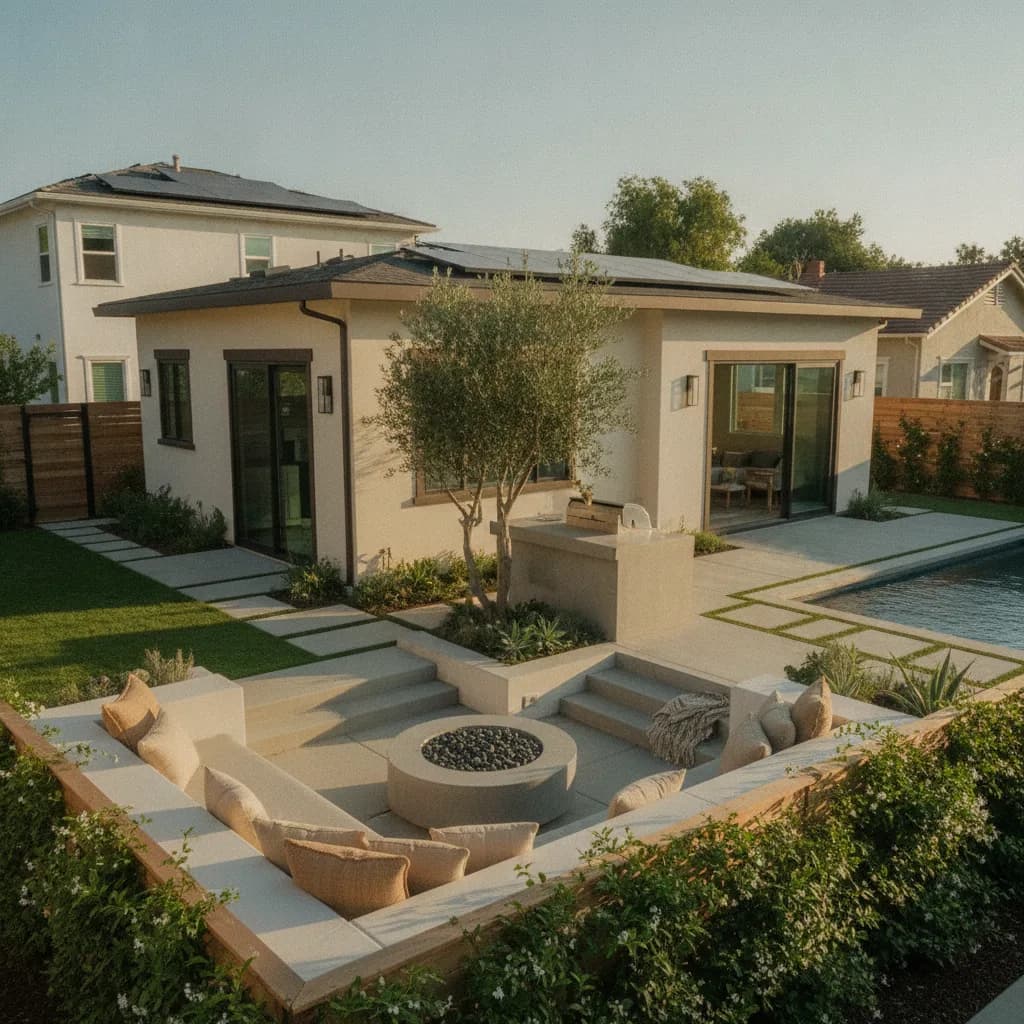
Dreaming of adding an Accessory Dwelling Unit (ADU) to your Anaheim property? While ADUs offer incredible potential for increased property value, rental income, or multi-generational living, navigating the specific ADU Permit and HOA Guide for Anaheim can feel overwhelming. This comprehensive 2026 guide from Golden Yards is your essential roadmap to demystifying the process. We'll provide clear, actionable insights into Anaheim's city ordinances, permit fees, and crucial Homeowners Association (HOA) compliance, ensuring your ADU journey is successful and rewarding. Get ready to transform your property with confidence.
What are the Key ADU Permit Requirements in Anaheim for 2026?
Obtaining an ADU permit in Anaheim involves adhering to specific zoning, size, and design standards set by the City of Anaheim Planning Department. Anaheim's municipal code outlines several crucial requirements for ADUs, which are regularly updated to reflect state law changes. As of 2026, homeowners must understand these foundational rules before embarking on any project.
For instance, detached ADUs typically require a minimum lot size, though state laws have eased some of these restrictions. Setback requirements are generally minimal, often 4 feet from side and rear property lines, allowing for greater flexibility in placement. The maximum size for a detached ADU is often capped at 1,200 square feet or 50% of the primary dwelling's size, whichever is less, though smaller units like junior ADUs (JADUs) have different limits, usually around 500 square feet and must be contained within an existing primary structure. Conversions of existing spaces, such as garages, often have more lenient size and setback rules, making them a popular choice for Anaheim homeowners.
Additionally, parking requirements have been significantly relaxed for ADUs. Parking may be waived entirely if your property is within 0.5 miles of public transit, located within a historic district, or if the ADU is part of an existing structure conversion. Fire safety, utility connections, and access are also critical considerations. All ADUs must comply with current California Building Code standards, including energy efficiency and accessibility. Understanding these specific regulations is the first and most critical step in a smooth ADU Permit and HOA Guide for Anaheim journey. Always consult the latest Anaheim Municipal Code and the city's planning department for the most precise and up-to-date information for your specific property.
How Do Homeowners Associations (HOAs) Impact Your Anaheim ADU Project?
Homeowners Associations (HOAs) in Anaheim can significantly influence your ADU project by imposing additional design guidelines, architectural review processes, and sometimes even outright prohibitions, despite state laws. While California state law (specifically Government Code Sections 65852.2 and 65852.22) generally preempts local ordinances that restrict ADU construction, HOAs often have their own Covenants, Conditions, and Restrictions (CC&Rs) that can add layers of complexity. These CC&Rs are legally binding agreements that govern the aesthetic and structural integrity of a community.
Many HOAs require architectural review board approval for any exterior modifications, including ADUs. This means your design, materials, exterior color palette, and even landscaping around the ADU might need to conform to community standards. It's crucial to review your HOA's CC&Rs thoroughly and engage with your HOA board early in the planning process. Provide them with detailed plans, including elevations, material samples, and a construction timeline. While an HOA cannot typically prohibit an ADU that complies with state law and local ordinances, they can enforce strict aesthetic and procedural rules. For example, they might dictate roof material, window styles, or require specific fencing. Be prepared for potential review fees, which can range from $100 to $1,500+, and allow for a review period of 30-60 days, as specified in your HOA's governing documents. Early communication and a cooperative approach can often prevent delays and disputes, making your ADU Permit and HOA Guide for Anaheim experience much smoother.
Navigating the Anaheim ADU Permit Application Process Step-by-Step
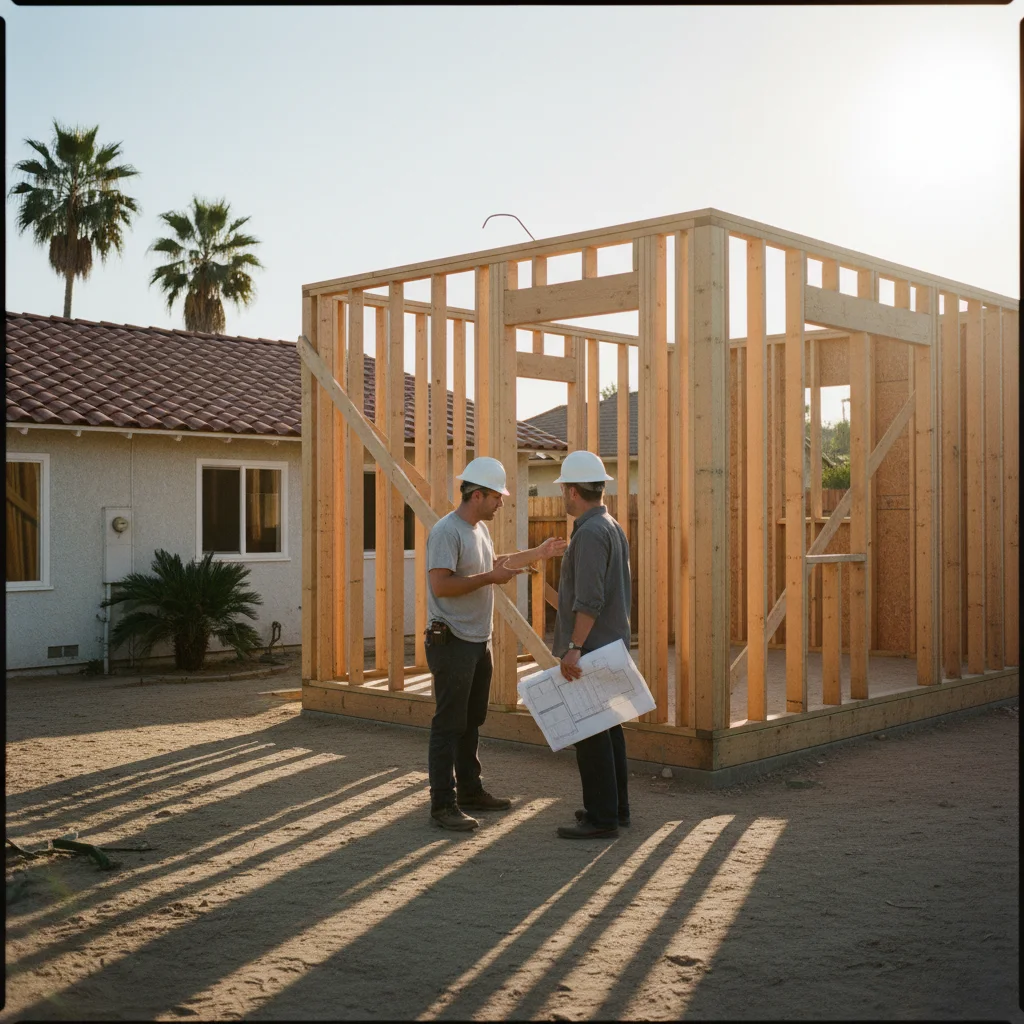
The Anaheim ADU permit application process involves submitting detailed plans, securing necessary approvals from various city departments, and undergoing inspections to ensure compliance with building codes. This multi-stage process requires diligence and attention to detail.
- Preliminary Research and Design: Before submitting anything, confirm your project meets Anaheim's zoning and ADU specific requirements. Work with an experienced architect or designer familiar with Anaheim's codes to create detailed architectural plans, including floor plans, elevations, sections, and a site plan. These plans must also incorporate structural engineering documents, energy calculations, and potentially a soils report.
- Pre-Application Meeting (Optional but Recommended): Consider scheduling a pre-application meeting with the City of Anaheim Planning Department. This allows you to discuss your project with city staff, identify potential issues early, and receive guidance on specific requirements for your property. This step can save significant time and resources later.
- Formal Application Submission: Submit your complete permit application package to the City of Anaheim Planning Department. This includes all architectural and engineering plans, a completed application form, and initial plan check fees. Ensure all documents are clearly labeled and meet the city's submission standards.
- Departmental Reviews: Your plans will undergo review by multiple city departments, including Planning, Building, Public Works, and Fire. Each department will check for compliance with their specific codes and regulations. This review process can take anywhere from 3 to 6 months, depending on the complexity of your project and the completeness of your initial submission. Be prepared to respond to comments and make revisions as requested.
- Permit Issuance: Once all departments have approved your plans and all fees are paid, your building permit will be issued. This permit is your authorization to begin construction.
- Inspections: Throughout the construction process, various inspections will be required at different stages (e.g., foundation, framing, plumbing, electrical, insulation, final). These inspections ensure that the construction adheres to the approved plans and all building codes. Schedule inspections in advance and ensure the site is ready for review.
- Final Approval and Certificate of Occupancy: Upon successful completion of all inspections, the city will issue a Certificate of Occupancy, signifying that your ADU is safe and ready for use. Thorough preparation of your documents can significantly expedite this phase of your ADU Permit and HOA Guide for Anaheim.
Understanding Anaheim ADU Costs, Financing, and ROI Potential
Ready to compare vetted project options?
Use Project Match privately when your scope is clear enough for contractor conversations.
Start Project MatchSee what your ADU actually costs in 4 questions.
We pull cost ranges from invoiced California ADU builder projects, then narrow them to your scope, ZIP, and finish level. No first-call sticker shock.
Open the ADU cost calculatorFree. Takes under 2 minutes. No email required to see your range.
The total cost of building an ADU in Anaheim can range significantly, typically from $100,000 to $350,000+ depending on size, type, finishes, and site conditions. Understanding these costs and available financing options is crucial for a successful project.
Cost Breakdown: Design & Engineering: Expect to pay $10,000 - $30,000 for architectural plans, structural engineering, and energy calculations. This is a critical investment to ensure compliance and a well-designed unit. Permit Fees: City permit fees can vary widely but often fall between $5,000 and $15,000 for a standard ADU, depending on size, complexity, and specific impact fees. Site Preparation & Utilities: This can be a significant variable. Connecting new utilities (water, sewer, gas, electrical) can cost $5,000 - $25,000, especially if new trenching or upgrades to existing services are required. Foundation work, grading, and demolition (for garage conversions) also fall into this category. Construction (Materials & Labor): This is the largest component, ranging from $80,000 for a basic garage conversion to over $250,000 for a new detached ADU. Factors like high-end finishes, custom cabinetry, and complex structural elements will increase costs. Labor typically accounts for 40-60% of construction costs. Soft Costs: Don't forget costs for surveys, title reports, temporary utilities, and potential HOA review fees.
Financing Options for Anaheim Homeowners: Home Equity Line of Credit (HELOC) or Home Equity Loan: These leverage the equity in your primary residence, offering competitive interest rates. Construction Loan: Specifically designed for new construction, these loans disburse funds in stages as construction progresses. Cash-Out Refinance: Refinance your existing mortgage for a larger amount and take the difference in cash to fund your ADU. Fannie Mae Homestyle Renovation Loan: This allows you to finance the purchase or refinance of a home and include the costs of renovations or ADU construction into a single mortgage. ADU-Specific Loans: Some local credit unions and lenders offer specialized ADU financing programs, sometimes with lower interest rates or more flexible terms.
Return on Investment (ROI): Building an ADU in Anaheim offers substantial ROI. Property values can increase by 15-30% or more, depending on the ADU's size and quality. Rental income in Anaheim for a well-appointed ADU can range from $1,800 to $3,000+ per month, providing a significant passive income stream. This can help offset mortgage payments or provide additional household income. Researching these options early can help you budget effectively and secure the necessary funds for your project, making this ADU Permit and HOA Guide for Anaheim even more valuable.
Designing and Building Your ADU in Anaheim: Key Considerations
Beyond permits and costs, thoughtful design and efficient construction are paramount for a successful ADU project in Anaheim. Consider these key elements to maximize functionality, aesthetics, and value.
Design Best Practices for Anaheim: Contextual Harmony: While ADUs offer design freedom, consider the architectural style of your primary home and the surrounding neighborhood. A cohesive design enhances curb appeal and property value. Many Anaheim homes feature Spanish Colonial, Ranch, or Craftsman styles, and integrating elements from these can create a harmonious look. Maximize Space: Even small ADUs can feel spacious with clever design. Incorporate open-concept living areas, built-in storage, and multi-functional furniture. High ceilings and ample natural light through strategically placed windows can also make a significant difference. Outdoor Integration: Design the ADU to seamlessly connect with the outdoor space. A small patio, deck, or private yard can greatly enhance livability and rental appeal. Consider drought-tolerant landscaping, common in Anaheim, to minimize water usage and maintenance. Energy Efficiency: Incorporate sustainable design elements like proper insulation, energy-efficient windows and appliances, and potentially solar panels. This reduces utility costs for tenants or family members and aligns with California's green building initiatives. Accessibility: Consider universal design principles, such as wider doorways, no-step entries, and accessible bathrooms, especially if the ADU is intended for aging family members or future rental flexibility.
Construction Challenges and Solutions: Site Access: Limited access to the backyard can increase construction costs due to the need for smaller equipment or manual labor. Plan logistics carefully with your contractor. Utility Connections: Upgrading or extending utility lines can be complex and costly. Ensure your contractor has experience with Anaheim's specific utility providers and requirements. Contractor Selection: Choose a licensed, insured, and reputable contractor with proven experience building ADUs in Anaheim. Request references, review their portfolio, and ensure clear communication throughout the project. Golden Yards works with a network of trusted local professionals. Material Selection: Opt for durable, low-maintenance materials that can withstand Anaheim's climate. Think about long-term costs and aesthetic appeal. For example, fiber cement siding offers durability and fire resistance, while composite decking requires less upkeep than wood.
By focusing on smart design and anticipating construction challenges, your ADU Permit and HOA Guide for Anaheim project can proceed smoothly from concept to completion, delivering a high-quality, functional, and valuable addition to your property.
Common Pitfalls and Expert Tips for Anaheim ADU Success
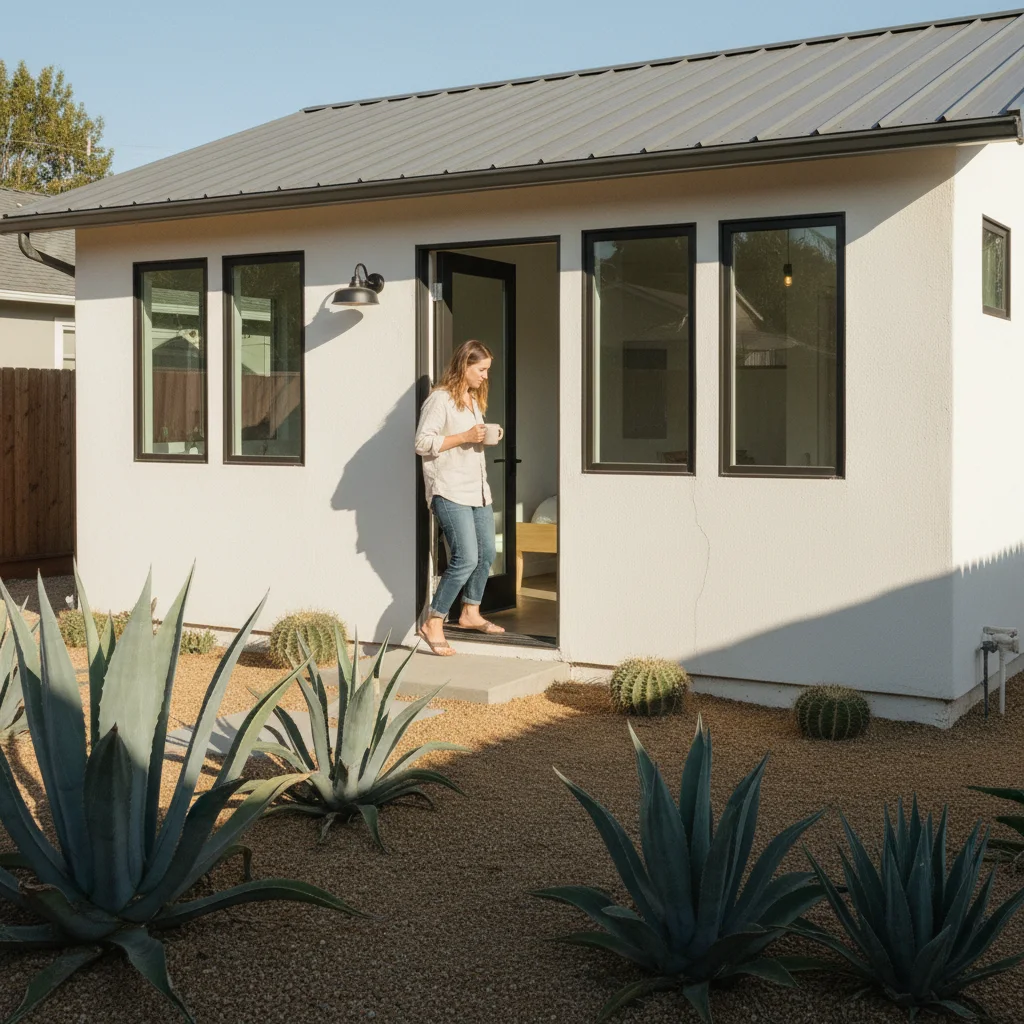
Building an ADU in Anaheim is a rewarding endeavor, but it's not without its potential challenges. Being aware of common pitfalls and implementing expert tips can save you time, money, and stress.
Common Pitfalls to Avoid: Ignoring HOA Rules: Assuming state law overrides all HOA rules can lead to costly delays or even legal disputes. Always engage with your HOA early and understand their specific CC&Rs. Underestimating Costs: Many homeowners focus only on construction costs and forget about design fees, permit fees, utility hookups, landscaping, and potential unforeseen expenses. Budget for a contingency fund, typically 10-15% of the total project cost. Poor Planning: Rushing the design phase or not thoroughly researching Anaheim's specific codes can result in rejected plans, redesigns, and significant delays. Invest time upfront in detailed planning. Choosing the Wrong Contractor: An inexperienced or unlicensed contractor can lead to shoddy workmanship, budget overruns, and code violations. Always verify licenses, insurance, and references. Neglecting Utility Upgrades: Older homes in Anaheim might require electrical panel upgrades, sewer line repairs, or new water meters to support an ADU. Factor these potential costs into your budget. Lack of Communication: Poor communication with your architect, contractor, or city officials can cause misunderstandings and project slowdowns.
Expert Tips for Success: Start with a Feasibility Study: Before committing, have a professional assess your property's potential for an ADU, considering zoning, setbacks, utility access, and HOA restrictions. This can identify red flags early. Hire Local Experts: Work with Anaheim-based architects, designers, and contractors who are intimately familiar with the city's permitting process, building codes, and local material suppliers. This local expertise is invaluable. Document Everything: Keep meticulous records of all communications, plans, permits, invoices, and contracts. This documentation is crucial for managing the project and resolving any disputes. Phased Approach for Large Projects: If your budget is tight, consider a phased approach. For example, complete the exterior shell and rough-ins first, and finish the interior later as funds become available (though this might require multiple permits). Leverage Technology: Use project management software or apps to track progress, communicate with your team, and manage your budget effectively.
- Be Patient and Persistent: The permitting and construction process can be lengthy. Patience, persistence, and a proactive approach to problem-solving are key to navigating the journey successfully.
By following this comprehensive ADU Permit and HOA Guide for Anaheim and heeding these expert tips, you'll be well-equipped to overcome challenges and achieve your ADU goals in 2026.
Frequently Asked Questions About Anaheim ADU Permits and HOAs
Get 3 ADU builder bids in 48 hours.
Our editors already screened California ADU builders. Answer 4 questions; we send 3 written bids inside 48 hours, with the real price for your scope, not their inflated first-call number.
Send my 3 bidsFree. No commission. If a match doesn't fit, we'll send another.
What is the maximum size for an ADU in Anaheim?
The maximum size for a detached ADU in Anaheim is generally 1,200 square feet, or 50% of the primary dwelling's size, whichever is less. For attached ADUs, the maximum size is typically 50% of the existing living area or 1,200 square feet, whichever is less. Junior ADUs (JADUs) are limited to 500 square feet and must be contained within the existing footprint of the primary dwelling.
Can my HOA prevent me from building an ADU in Anaheim?
No, generally an HOA cannot outright prohibit the construction of an ADU that complies with state law and local Anaheim ordinances. California state law (Government Code Sections 65852.2 and 65852.22) largely preempts HOA restrictions that would prevent ADU construction. However, HOAs can enforce reasonable architectural and design standards, review processes, and require adherence to their CC&Rs regarding aesthetics, materials, and placement. It's crucial to submit your plans to your HOA for architectural review and comply with their guidelines where they do not conflict with state law.
How long does it take to get an ADU permit approved in Anaheim?
The permit approval timeline for an ADU in Anaheim can vary significantly, typically ranging from 3 to 6 months. This duration depends on the completeness of your submitted plans, the complexity of your project, and the responsiveness of city departments. A pre-application meeting and thorough, accurate documentation can help expedite the process.
What are the typical costs for ADU utility connections in Anaheim?
Utility connection costs for an ADU in Anaheim can range from $5,000 to $25,000 or more. This includes connecting to existing water, sewer, gas, and electrical lines, and potentially upgrading your main electrical panel or installing a separate meter. Costs depend on the distance from existing lines, the need for trenching, and any required capacity upgrades to your existing services.
Are there any parking requirements for ADUs in Anaheim?
Parking requirements for ADUs in Anaheim have been significantly relaxed by state law. Generally, no additional parking is required for an ADU if it is located within 0.5 miles of a public transit stop, within a historic district, or if it is part of an existing structure conversion (like a garage conversion). If none of these exemptions apply, one off-street parking space per ADU is typically required, which can be provided in a driveway or tandem parking arrangement.
What is the ROI for building an ADU in Anaheim?
Building an ADU in Anaheim offers a strong return on investment (ROI). Property values can increase by 15-30% or more, depending on the ADU's size, quality, and features. Additionally, a well-designed ADU can generate significant rental income, often ranging from $1,800 to $3,000+ per month in the Anaheim market, providing a substantial passive income stream that can help offset construction costs and increase overall property profitability.
Embarking on an ADU project in Anaheim is a significant investment with substantial rewards. By diligently following this ADU Permit and HOA Guide for Anaheim, understanding the city's specific requirements, and proactively engaging with your HOA, you can navigate the complexities with confidence. Golden Yards is here to support you every step of the way, from initial design to final inspection. Don't let the paperwork deter you from unlocking your property's full potential. Contact Golden Yards today for a personalized consultation and take the first step towards building your dream Anaheim ADU!
Ready to start your ADU project?
Find My ProsFrequently Asked Questions
What is the maximum size for an ADU in Anaheim?
In Anaheim, the maximum size for a detached or attached ADU is generally 1,200 square feet or 50% of the primary home's size, whichever is less. Junior Accessory Dwelling Units (JADUs) have a separate limit of 500 square feet and must be contained within the existing footprint of the main residence.
The specific size regulations for accessory dwelling units in Anaheim vary by type. For a detached ADU, the structure is limited to 1,200 square feet, provided it does not exceed 50% of the main home's size. The lesser of these two figures will be the maximum allowable area.
For an attached ADU, the rules are similar, capping the unit at 50% of the existing living area or 1,200 square feet, whichever is less. A Junior ADU (JADU) is the most restricted type, with a firm maximum of 500 square feet, and it must be built inside the primary home's existing space.
Can my HOA prevent me from building an ADU in Anaheim?
No, an HOA in Anaheim generally cannot prohibit an ADU that complies with state and local laws. California Government Code Sections 65852.2 and 65852.22 preempt HOA rules that would prevent ADU construction. However, your HOA can still enforce reasonable design standards and require an architectural review of your plans.
California state law, specifically Government Code Sections 65852.2 and 65852.22, largely overrides an HOA's ability to forbid ADU construction in Anaheim. While an outright ban is not permitted, your HOA retains the authority to enforce reasonable, pre-existing restrictions that do not make building an ADU infeasible.
This means you must still follow their established review process and adhere to their CC&Rs regarding architectural style, materials, and placement, so long as these rules do not conflict with state or city ADU laws. It is important to submit your plans to the HOA for their architectural review.
How long does it take to get an ADU permit approved in Anaheim?
Getting an ADU permit approved in Anaheim typically takes 3 to 6 months. The exact timeline depends on your project's complexity, the completeness of your submitted plans, and how quickly city departments respond. Accurate documentation and a pre-application meeting can help speed up the process and avoid common delays.
The 3 to 6 month approval timeline for an ADU permit in Anaheim is a general estimate. Several factors can place your project at either end of this range. For instance, a simple, standard ADU with complete and correct plans will likely see a faster review than a complex, custom project requiring multiple corrections.
The responsiveness of various city departments also plays a significant role in the overall duration. To help ensure a smoother process, consider a pre-application meeting with the city. Providing thorough and accurate documentation from the start is crucial for avoiding delays and expediting the final permit approval.
What are the typical costs for ADU utility connections in Anaheim?
In Anaheim, ADU utility connection costs typically range from $5,000 to $25,000 or more. This price includes connecting to existing water, sewer, gas, and electrical lines. The final cost is influenced by the distance from main lines, any required trenching, and potential upgrades to your electrical panel.
The $5,000 to $25,000 estimate for Anaheim utility connections accounts for several project-specific variables. The final price is determined by the ADU's distance from existing utility lines, since longer distances require more trenching and materials. Costs can also increase if your home's existing services require capacity upgrades. For example, you might need to upgrade your main electrical panel to support the new unit or install a completely separate meter for water, gas, or electricity, which adds to the total expense.
Are there any parking requirements for ADUs in Anaheim?
In Anaheim, no additional parking is required for an ADU if it is within 0.5 miles of public transit, located in a historic district, or is a conversion of an existing structure like a garage. If an ADU does not meet these state law exemptions, one off-street parking space is required.
State law has significantly relaxed parking rules for accessory dwelling units in Anaheim. An ADU is exempt from parking requirements under several common conditions. These include projects located within a half-mile of a public transit stop or situated within a designated historic district. Conversions of existing structures also do not require new parking.
If none of these exemptions apply to your project, then one off-street parking space must be provided for the ADU. The city allows this required space to be configured as tandem parking or located in an existing driveway, offering flexibility for homeowners to meet the requirement.
What is the ROI for building an ADU in Anaheim?
Building an ADU in Anaheim offers a strong return on investment (ROI). Property values can increase by 15-30% or more, depending on the ADU's size, quality, and features. Additionally, a well-designed ADU can generate significant rental income, often ranging from $1,800 to $3,000+ per month in the Anaheim market, providing a substantial passive income stream that can help offset construction costs and increase overall property profitability. Embarking on an ADU project in Anaheim is a significant investment with substantial rewards. By diligently following this <strong>ADU Permit and HOA Guide for Anaheim</strong>, understanding the city's specific requirements, and proactively engaging with your HOA, you can navigate the complexities with confidence. Golden Yards is here to support you every step of the way, from initial design to final inspection. Don't let the paperwork deter you from unlocking your property's full potential. <strong>Contact Golden Yards today for a personalized consultation and take the first step towards building your dream Anaheim ADU!</strong>