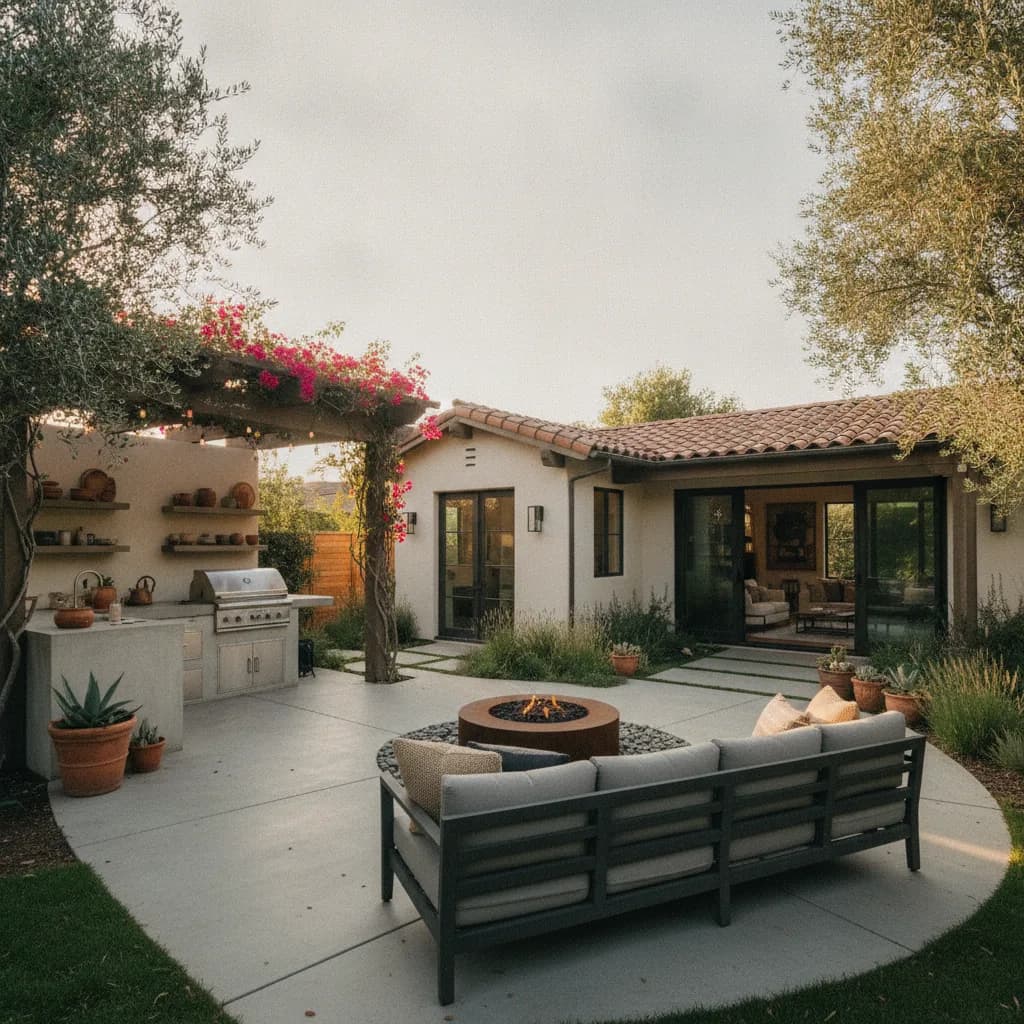
Woodland Hills, with its spacious lots and desirable lifestyle, has become an increasingly popular location for homeowners considering Accessory Dwelling Units (ADUs). Whether you're planning to generate rental income, accommodate multi-generational living, or simply add valuable space to your property, an ADU can be a fantastic investment. However, successfully building an ADU in this vibrant Los Angeles neighborhood requires a clear understanding of both the permitting process and, crucially, how to navigate Homeowners Association (HOA) regulations. As of March 2026, the landscape for ADUs continues to evolve, with state laws aiming to streamline development while local ordinances and HOA covenants add layers of complexity. This comprehensive ADU Permit and HOA Guide for Woodland Hills from Golden Yards will walk Woodland Hills homeowners through every essential step, from understanding the latest regulations and permit costs to effectively working with your HOA. Our goal is to equip you with the knowledge needed to transform your ADU vision into a successful reality.
Why Consider an ADU in Woodland Hills in 2026?
Woodland Hills offers a unique blend of suburban tranquility and urban accessibility, making it an ideal setting for ADU development. The demand for flexible living spaces and additional housing options remains strong across Los Angeles, and Woodland Hills is no exception. Adding an ADU can significantly enhance your property's property value and utility.
Many homeowners are leveraging ADUs to create passive income streams, with rental rates in the San Fernando Valley continuing to see steady growth. Current market analysis for 2026 indicates that well-appointed ADUs in areas like Woodland Hills can command monthly rents ranging from $1,800 to $3,000, depending on size and amenities. Others find them invaluable for housing aging parents, adult children, or even as dedicated home offices or creative studios. The average return on investment for an ADU in Los Angeles County can exceed 15-20% within a few years, making it a sound financial decision for many.
Navigating the Woodland Hills ADU Permit Process: A 2026 Blueprint
Navigating the Woodland Hills ADU permit process requires understanding both state mandates and specific Los Angeles City requirements. While state laws, particularly those enacted in recent years, aim to simplify ADU construction, local implementation can still present challenges. Staying informed about the latest regulations is key to a smooth process in 2026.
Understanding State and Local ADU Laws in 2026
California's progressive ADU laws, such as AB 68, AB 881, and SB 9, have significantly reduced barriers to ADU construction. These laws generally override restrictive local zoning ordinances regarding lot size, density, and parking requirements. For instance, most single-family residential properties in Los Angeles are now permitted to have one ADU and one Junior ADU (JADU), provided certain conditions are met.
Los Angeles City, through its Department of Building and Safety (LADBS), has adapted its municipal code to align with these state mandates. This means that many traditional hurdles, such as minimum lot size or owner-occupancy requirements, are no longer applicable. However, specific design standards, setbacks, and fire safety regulations still apply and are crucial for Woodland Hills properties, especially given its diverse topography.
Step-by-Step with the Los Angeles Department of Building and Safety (LADBS)
To navigate the Los Angeles Department of Building and Safety (LADBS) for Woodland Hills ADUs, you'll find that LADBS is the primary authority for issuing building permits, and your process typically begins with a thorough pre-application phase. This stage often involves consulting with an architect or designer experienced in LA's ADU regulations to create compliant plans, ensuring they meet both state and local codes.
Required documents for a typical ADU permit application include detailed architectural plans, structural engineering calculations, energy efficiency reports, and a comprehensive site plan. The site plan must accurately depict existing structures, proposed ADU location, setbacks, utility connections, and access points. Ensuring these documents are complete and accurate from the outset can significantly reduce review times and prevent costly delays.
The application submission process can be done online through the LADBS portal or in person. As of 2026, online submissions are highly encouraged and often more efficient, offering better tracking and communication. Expect a plan check review period, which can range from a few weeks to several months depending on the complexity of your project and current LADBS workload. Patience and responsiveness to LADBS comments are vital during this phase.
Specific Zoning, Building Codes, and Environmental Considerations for Woodland Hills
Yes, Woodland Hills encompasses diverse geographical features, including hillside areas, which introduce specific zoning and building code considerations for ADUs. Properties located in designated High Fire Hazard Severity Zones (HFHSZ), common in parts of Woodland Hills, will face stricter requirements for fire-resistant materials, defensible space, and access. This includes specific roofing, siding, and window specifications to meet Chapter 7A of the California Building Code.
Setback requirements, while relaxed by state law, still exist. Detached ADUs typically require 4-foot side and rear setbacks, while attached ADUs follow the primary dwelling's setbacks. Lot coverage limits may also apply, especially in specific zones or for larger lots, influencing the maximum footprint of your ADU. Additionally, properties with significant slopes may require geological surveys and grading permits, adding complexity and cost. Consulting with a local architect familiar with Woodland Hills' specific zoning overlays, hillside ordinances, and tree protection requirements is highly recommended to ensure compliance and avoid costly redesigns.
The Financial Side: What Do Woodland Hills ADU Permits and Development Cost in 2026?
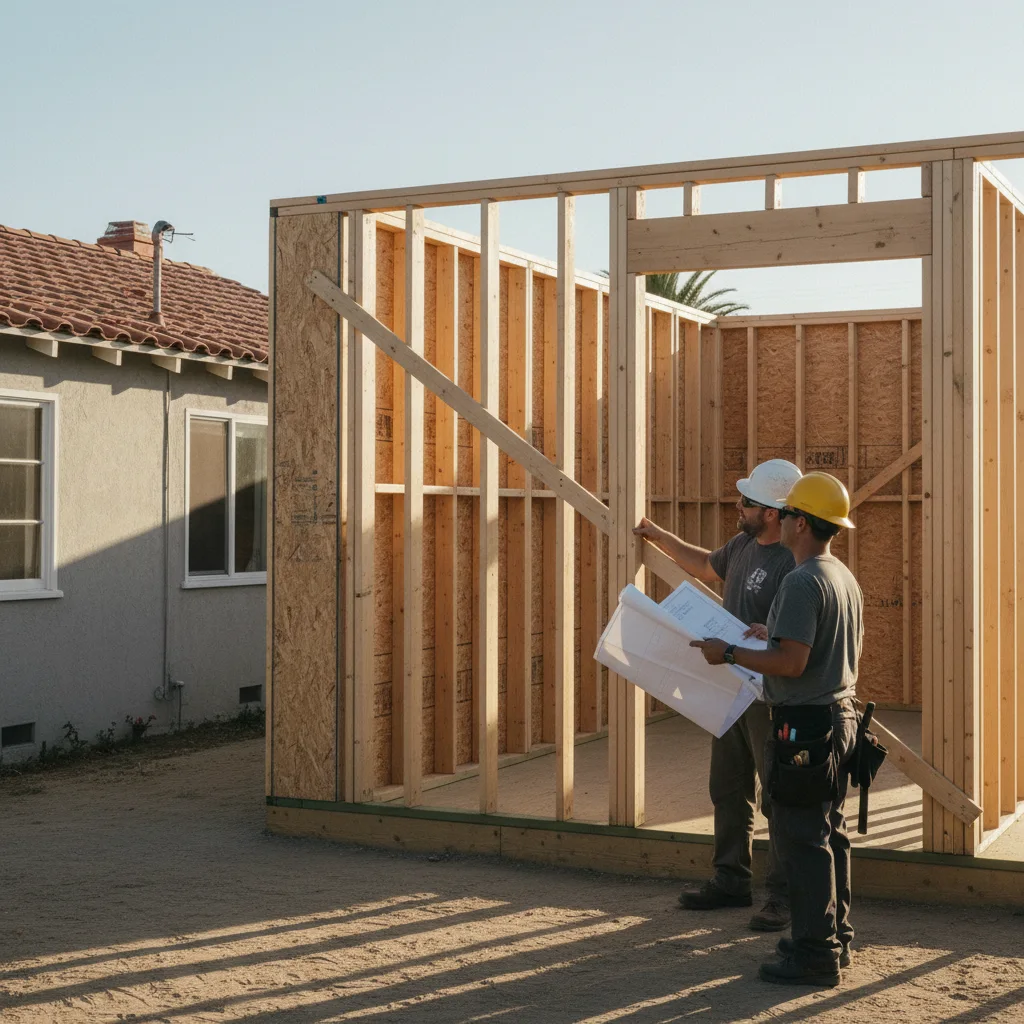
Understanding the financial implications of ADU permits and overall development is crucial for accurate budgeting. Permit costs are just one component of your overall ADU project budget but can vary significantly based on the size, type, and complexity of your unit. These costs are subject to change, but here's a general breakdown for 2026.
Breakdown of LADBS Permit Fees
LADBS fees typically include plan check fees, building permit fees, and separate permits for electrical, plumbing, and mechanical work. For a new detached ADU in Woodland Hills, these combined fees can range from approximately $5,000 to $15,000. Garage conversions, being less extensive, usually incur lower permit costs, often in the $3,000 to $8,000 range. These figures are estimates and can fluctuate based on the valuation of your project and specific city surcharges.
Understanding Soft Costs and Development Fees
Beyond LADBS fees, you'll also encounter "soft costs" associated with the permitting process and initial design. These include fees for architectural design (ranging from 10-15% of construction costs, or $10,000-$30,000+), structural engineering calculations ($3,000-$8,000), and potentially civil engineering for site grading or drainage plans ($2,000-$7,000). If your property requires a geological survey due to hillside conditions, expect an additional $5,000-$15,000.
Utility hookup costs can also be substantial. While state law has reduced or eliminated certain impact fees for ADUs, you may still be responsible for connecting to sewer, water, power, and gas lines. These can range from a few thousand dollars for simple connections to tens of thousands if significant trenching or upgrades to existing infrastructure are required. For example, upgrading an electrical panel to accommodate a new ADU could cost $3,000-$7,000 alone.
Total Project Cost Estimates for Woodland Hills ADUs
The total cost of building an ADU in Woodland Hills in 2026 varies widely based on type, size, and finishes. For a garage conversion, expect a range of $80,000 to $150,000+. This includes design, permits, and construction. A new detached ADU, typically 500-1,200 square feet, can range from $150,000 to $350,000+. Factors influencing these costs include site access, slope, soil conditions, chosen materials, and the contractor's rates. High-end finishes or complex site work can push costs even higher. It's crucial to obtain multiple bids and ensure your budget includes a contingency of 10-15% for unforeseen issues.
Navigating Homeowners Associations (HOAs) with Your Woodland Hills ADU
Ready to compare vetted project options?
Use Project Match privately when your scope is clear enough for contractor conversations.
Start Project MatchSee what your ADU actually costs in 4 questions.
We pull cost ranges from invoiced California ADU builder projects, then narrow them to your scope, ZIP, and finish level. No first-call sticker shock.
Open the ADU cost calculatorFree. Takes under 2 minutes. No email required to see your range.
For many Woodland Hills homeowners, the presence of a Homeowners Association adds another layer of complexity to ADU development. While state laws have significantly curtailed an HOA's ability to prohibit ADUs, they still retain some authority over design and aesthetic standards. Understanding these boundaries is key to a successful project.
Understanding HOA Authority and State Law Preemption
California Civil Code Section 4751 is a powerful tool for homeowners, explicitly stating that an HOA cannot prohibit or unreasonably restrict the construction or use of an ADU or JADU on a lot zoned for single-family residential use. This means an outright ban on ADUs by your HOA is illegal. However, HOAs can establish reasonable rules and regulations regarding the exterior appearance, setbacks, size, and other objective design standards for ADUs, provided these rules do not effectively prohibit ADU construction. It is imperative to thoroughly review your HOA's Covenants, Conditions, and Restrictions (CC&Rs) and architectural guidelines before proceeding.
Strategies for Successful HOA Approval
Proactive and transparent communication is your best strategy when dealing with an HOA. Begin by informing your HOA board or architectural review committee early in your planning process, even before submitting formal plans to LADBS. Presenting detailed plans that clearly show the ADU's design, materials, colors, and landscaping integration with the existing home and neighborhood aesthetics can alleviate many concerns. Emphasize how the ADU will enhance property value and provide a valuable housing solution without negatively impacting the community's character. Understanding and adhering to the HOA's specific architectural review process, including submission deadlines and required documentation, will streamline your approval.
Common HOA Concerns and How to Address Them
HOAs often raise concerns about several key areas. Addressing these proactively can smooth the approval process:
- Aesthetics: Ensure your ADU's design, exterior materials, and color palette are harmonious with your existing home and the overall neighborhood aesthetic. Provide material samples and renderings. For example, if your main home has a Spanish tile roof, consider a similar style for the ADU.
- Parking: While state law has relaxed ADU parking requirements, HOAs may still have concerns about street parking. Demonstrate how your ADU will provide adequate on-site parking, perhaps by utilizing an existing driveway or creating a new designated space. Many HOAs in Woodland Hills prioritize maintaining clear streets.
- Privacy: Address potential privacy impacts on neighbors by strategically placing windows, incorporating privacy landscaping (e.g., mature hedges or trees), or using frosted glass where appropriate. A well-designed landscape plan can mitigate many privacy issues.
- Noise and Construction Impact: Provide the HOA with a construction schedule, anticipated hours of operation, and a plan for managing construction debris and noise. Open communication during the build phase can prevent neighbor complaints.
- Rental Restrictions: State law (Civil Code Section 4751) generally prohibits HOAs from banning rentals of ADUs for terms longer than 30 days. If your HOA's CC&Rs contain such a restriction, it is likely unenforceable. However, they may still have rules regarding tenant conduct or property maintenance that you and your future tenants must adhere to.
Key Considerations for a Smooth Woodland Hills ADU Project
Beyond permits and HOAs, several other factors contribute to a successful ADU project in Woodland Hills. Thoughtful planning and execution in these areas will ensure your investment yields maximum benefit.
Choosing the Right Professionals
Selecting experienced professionals is paramount. Look for architects and designers who have a proven track record with ADU projects specifically in Los Angeles and ideally Woodland Hills. They will be familiar with local codes, design trends, and the LADBS process. Similarly, choose licensed and insured contractors who specialize in ADU construction and have positive references from previous clients. Don't hesitate to ask for their portfolio of ADU projects and verify their licenses and insurance. A good team will navigate complexities, offer cost-saving solutions, and ensure quality construction.
Site Planning and Design for Woodland Hills Specifics
Woodland Hills' varied terrain and climate necessitate specific design considerations. Maximize natural light and ventilation to reduce energy costs, especially given Southern California's sunny climate. Integrate outdoor living spaces, such as patios or small decks, to enhance the ADU's appeal and functionality. For landscaping, prioritize drought-tolerant and native plants that thrive in the local environment, reducing water usage and maintenance. If your property has a slope, ensure proper drainage solutions are incorporated into the design to prevent erosion and water damage, which is a common concern in hillside communities.
Financing Your Woodland Hills ADU
Financing an ADU can be approached in several ways. Common options include construction loans, which are specifically designed for new builds and disburse funds in stages. Home equity loans or lines of credit (HELOCs) allow you to leverage the equity in your primary residence. Some lenders now offer ADU-specific financing products tailored to the unique aspects of these projects. Research potential grants or incentive programs that may be available through the state or local government, though these can be competitive and change frequently. For example, the California Housing Finance Agency (CalHFA) often offers ADU grant programs to assist with pre-development costs, which could be a significant help for Woodland Hills homeowners.
Conclusion
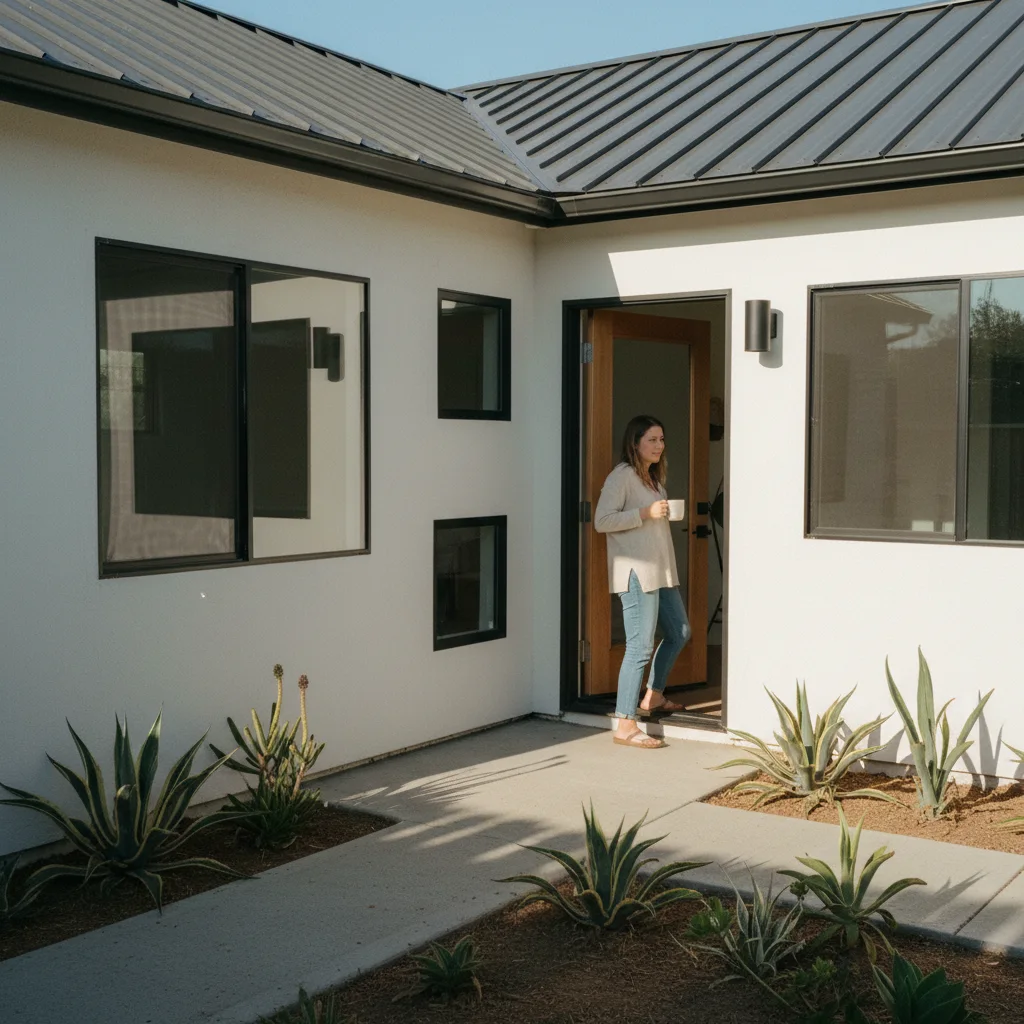
Building an Accessory Dwelling Unit in Woodland Hills in 2026 presents a fantastic opportunity to enhance your property, generate income, or provide flexible living solutions. While the journey involves navigating the Los Angeles Department of Building and Safety permit process and understanding your Homeowners Association's regulations, these challenges are entirely surmountable with proper planning and expert guidance. By staying informed about the latest state and local laws, meticulously preparing your documentation, budgeting wisely, and engaging proactively with your HOA, you can confidently transform your ADU vision into a valuable asset. Golden Yards is here to support Woodland Hills homeowners every step of the way. Start planning your ADU project today and unlock the full potential of your property.
FAQ: Woodland Hills ADU Permits and HOAs
Get 3 ADU builder bids in 48 hours.
Our editors already screened California ADU builders. Answer 4 questions; we send 3 written bids inside 48 hours, with the real price for your scope, not their inflated first-call number.
Send my 3 bidsFree. No commission. If a match doesn't fit, we'll send another.
Q1: Can my Woodland Hills HOA legally prohibit me from building an ADU?
No, under California Civil Code Section 4751, Homeowners Associations (HOAs) cannot legally prohibit the construction or use of an Accessory Dwelling Unit (ADU) on a lot zoned for single-family residential use. While HOAs can establish reasonable rules regarding design and aesthetics, these rules cannot effectively ban ADU construction.
Q2: What are the typical permit costs for an ADU in Woodland Hills in 2026?
For a new detached ADU in Woodland Hills, LADBS permit fees typically range from $5,000 to $15,000. Garage conversions usually incur lower permit costs, often between $3,000 and $8,000. These figures are estimates and depend on the project's valuation and specific city surcharges.
Q3: How long does the ADU permit process usually take in Woodland Hills?
The ADU permit process in Woodland Hills, managed by LADBS, can vary. After initial submission, the plan check review period can range from a few weeks to several months, depending on the complexity of your plans and the current workload at LADBS. Ensuring all documents are complete and accurate from the start can help expedite the process.
Q4: Are there specific design requirements for ADUs in Woodland Hills' hillside areas?
Yes, properties in Woodland Hills' hillside or High Fire Hazard Severity Zones (HFHSZ) will have stricter building code requirements. This includes using fire-resistant materials for roofing, siding, and windows, as well as adhering to defensible space guidelines. Geological surveys and grading permits may also be required for properties with significant slopes.
Q5: What are the total estimated costs for building a new detached ADU in Woodland Hills in 2026?
A new detached ADU in Woodland Hills, typically 500-1,200 square feet, can range from $150,000 to $350,000+ in 2026. This includes design, permits, and construction. Factors like site conditions, chosen finishes, and the complexity of the build can significantly influence the final cost.
Q6: Can my HOA impose rental restrictions on my Woodland Hills ADU?
State law generally prohibits HOAs from banning rentals of ADUs for terms longer than 30 days. While your HOA may have rules regarding tenant conduct or property maintenance, any outright prohibition on renting your ADU for standard residential terms is likely unenforceable under California law.
Sources & Methodology
See the Golden Yards Methodology for how sources are reviewed, ranges are normalized, and planning-data limits are handled.
Cost ranges, regulatory references, and design guidance in this article draw on the following public datasets, industry standards, and Renology editorial research.
- California Department of Housing and Community Development (HCD), ADU Handbook
- Los Angeles Department of Building and Safety (LADBS), ADU Standard Plan Program
- California AB 1033 (2024), condo-style ADU sales
- California AB 68 (2019), ADU permit shot-clock requirement
- San Diego Development Services Department (DSD), ADU Bulletin
- California Contractors State License Board (CSLB), B General Building license scope
- Renology editorial methodology, invoiced California ADU projects, 2025–2026
Related Articles
Ready to start your ADU project?
Find My ProsFrequently Asked Questions
Q1: Can my Woodland Hills HOA legally prohibit me from building an ADU?
No, under California Civil Code Section 4751, Homeowners Associations (HOAs) cannot legally prohibit the construction or use of an Accessory Dwelling Unit (ADU) on a lot zoned for single-family residential use. While HOAs can establish reasonable rules regarding design and aesthetics, these rules cannot effectively ban ADU construction.
Q2: What are the typical permit costs for an ADU in Woodland Hills in 2026?
For a new detached ADU in Woodland Hills, LADBS permit fees typically range from $5,000 to $15,000. Garage conversions usually incur lower permit costs, often between $3,000 and $8,000. These figures are estimates and depend on the project's valuation and specific city surcharges.
Q3: How long does the ADU permit process usually take in Woodland Hills?
The ADU permit process in Woodland Hills, managed by LADBS, can vary. After initial submission, the plan check review period can range from a few weeks to several months, depending on the complexity of your plans and the current workload at LADBS. Ensuring all documents are complete and accurate from the start can help expedite the process.
Q4: Are there specific design requirements for ADUs in Woodland Hills' hillside areas?
Yes, properties in Woodland Hills' hillside or High Fire Hazard Severity Zones (HFHSZ) will have stricter building code requirements. This includes using fire-resistant materials for roofing, siding, and windows, as well as adhering to defensible space guidelines. Geological surveys and grading permits may also be required for properties with significant slopes.
Q5: What are the total estimated costs for building a new detached ADU in Woodland Hills in 2026?
A new detached ADU in Woodland Hills, typically 500-1,200 square feet, can range from $150,000 to $350,000+ in 2026. This includes design, permits, and construction. Factors like site conditions, chosen finishes, and the complexity of the build can significantly influence the final cost.
Q6: Can my HOA impose rental restrictions on my Woodland Hills ADU?
State law generally prohibits HOAs from banning rentals of ADUs for terms longer than 30 days. While your HOA may have rules regarding tenant conduct or property maintenance, any outright prohibition on renting your ADU for standard residential terms is likely unenforceable under California law.