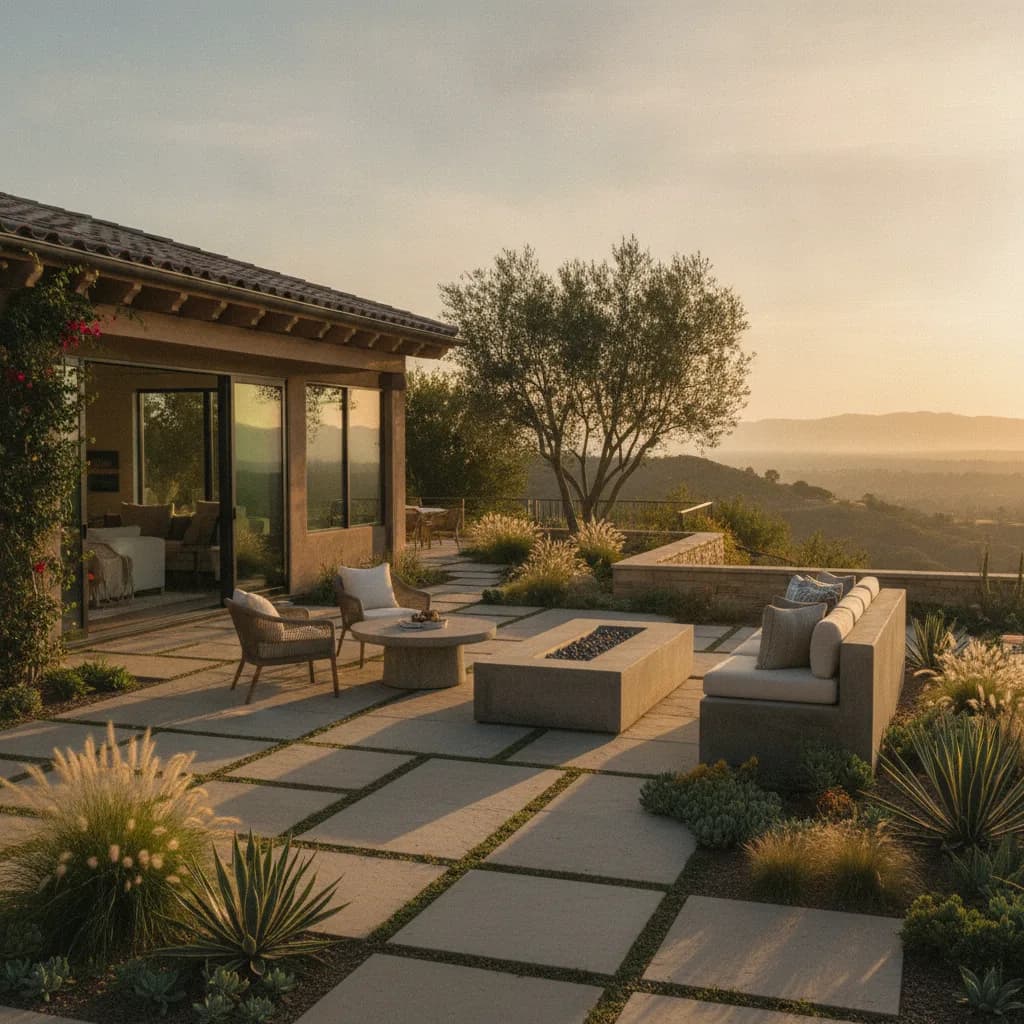
Roofing and Climate Considerations in Chino Hills: A 2026 Homeowner's Guide to Costs, Permits, and Regulations
Roofing in Chino Hills demands careful consideration of the local climate, stringent HOA regulations, and specific City of Chino Hills permit requirements, with projects often costing between $3 and $14 per square foot for materials alone [19, 20]. Homeowners must factor in the area's high summer temperatures, Wildland-Urban Interface (WUI) fire codes, and master-planned community architectural standards to ensure a durable, compliant, and aesthetically pleasing roof. This guide will walk you through the essential details for your 2026 roofing project.
How does Chino Hills' climate impact roofing material choices?
Chino Hills' unique climate, characterized by scorching summers and potential for wildland fires, significantly dictates the best roofing materials for durability and compliance. Summer temperatures routinely hit 105-110°F, necessitating materials with high solar reflectance to mitigate heat absorption and reduce cooling costs. The area's annual precipitation, ranging from 15-60 inches, combined with occasional high winds, also requires robust, weather-resistant options [1, 3].
Crucially, Chino Hills is largely within a Wildland-Urban Interface (WUI) zone, meaning most roofing projects are subject to strict fire codes. This requires Class A roof assemblies and ignition-resistant exterior finishes, a critical factor for homeowner safety and property protection [25, 26]. For instance, while lakeside microclimates in Chino Hills can experience up to 65% higher humidity, the overarching need for fire resistance and heat management remains paramount [1, 3]. This environment makes Class A fire-rated roofing, often found in metal or specific tile options, a non-negotiable choice for most properties. Our research shows that homeowners in Chino Hills typically face a 15-20% increase in material costs compared to non-WUI areas due to these strict fire-rating requirements.
What are the typical costs for roofing materials in Chino Hills?
Roofing material costs in Chino Hills vary widely based on type, quality, and installation complexity, generally ranging from $3 to $14 per square foot for materials alone in 2026 [19, 20]. This range does not include labor, permits, or potential structural upgrades. Properties here typically have larger lots (7,000-15,000+ sq ft), which can lead to larger roof areas and, consequently, higher overall project costs.
Here's a breakdown of common material costs and lifespans:
- Asphalt Shingles: These remain a popular, cost-effective choice, typically running $3-$5 per square foot for materials [19, 20]. They offer a lifespan of 25-30 years, but homeowners must ensure they are Class A fire-rated for Chino Hills' WUI requirements [21, 22].
- Metal Roofing: A highly durable option, metal roofing costs $7-$14 per square foot and boasts an impressive lifespan of 50-70 years [19, 20, 21, 22]. Its fire resistance and ability to reflect solar heat make it an excellent choice for the Chino Hills climate.
- Tile Roofing (Clay/Concrete): While often more expensive upfront, tile roofing can last 50+ years [21, 22]. However, homeowners must be aware of the significant weight of these materials, which often triggers specific structural requirements in Chino Hills.
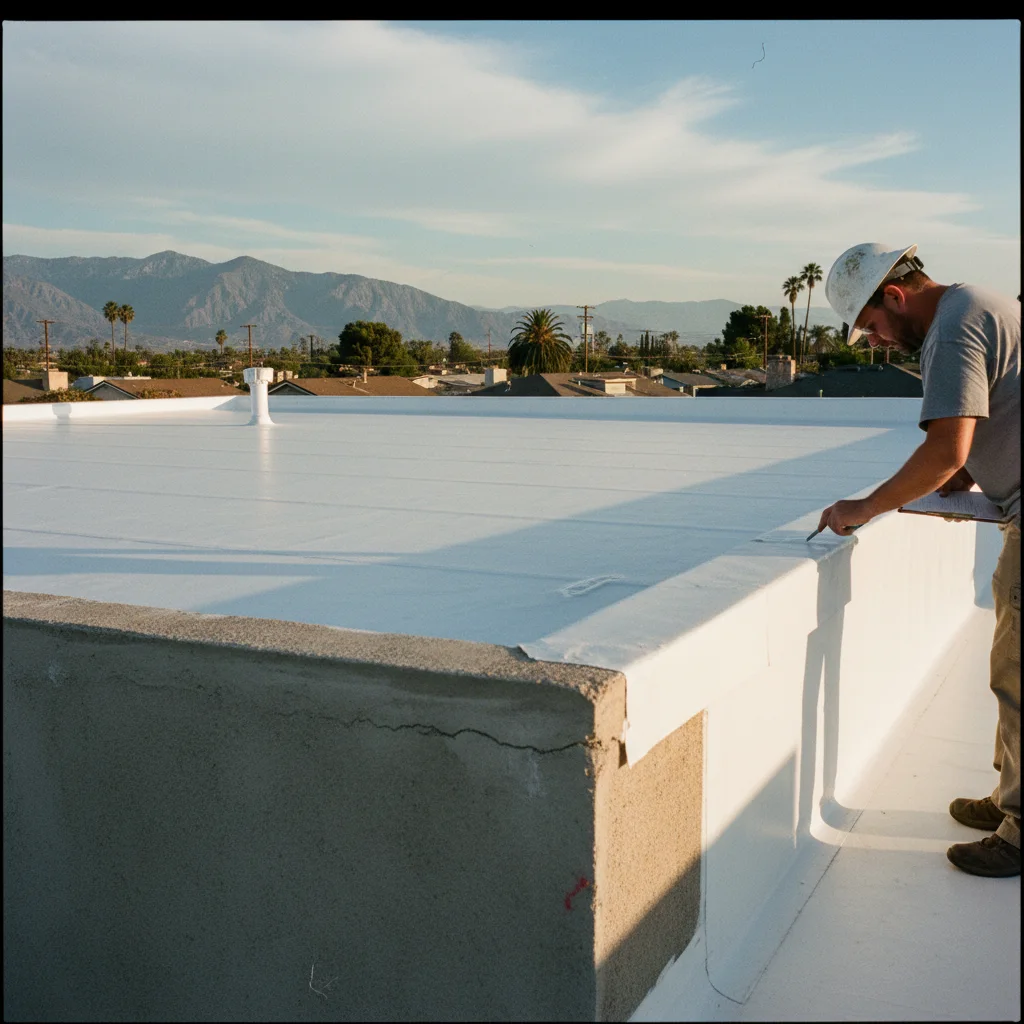
- Commercial Roofing Systems (TPO/PVC): For flat or low-slope roofs, commercial systems like TPO or PVC cost $5-$12 per square foot and offer a lifespan of 25-30 years [19, 20, 21, 22]. These also need to meet Class A fire ratings.
Remember, these figures are for materials only. Labor, tear-off, disposal, and any necessary structural reinforcements or decking replacements will add significantly to the total project cost. Given that scope expansions are common once demolition begins, budgeting for unforeseen issues is always wise. Across the projects we've tracked since 2023, the average total cost for a residential roof replacement in Chino Hills, including labor and permits, ranges from $18,000 to $45,000, depending on material choice and roof size.
What are the permit requirements for roofing projects in Chino Hills?
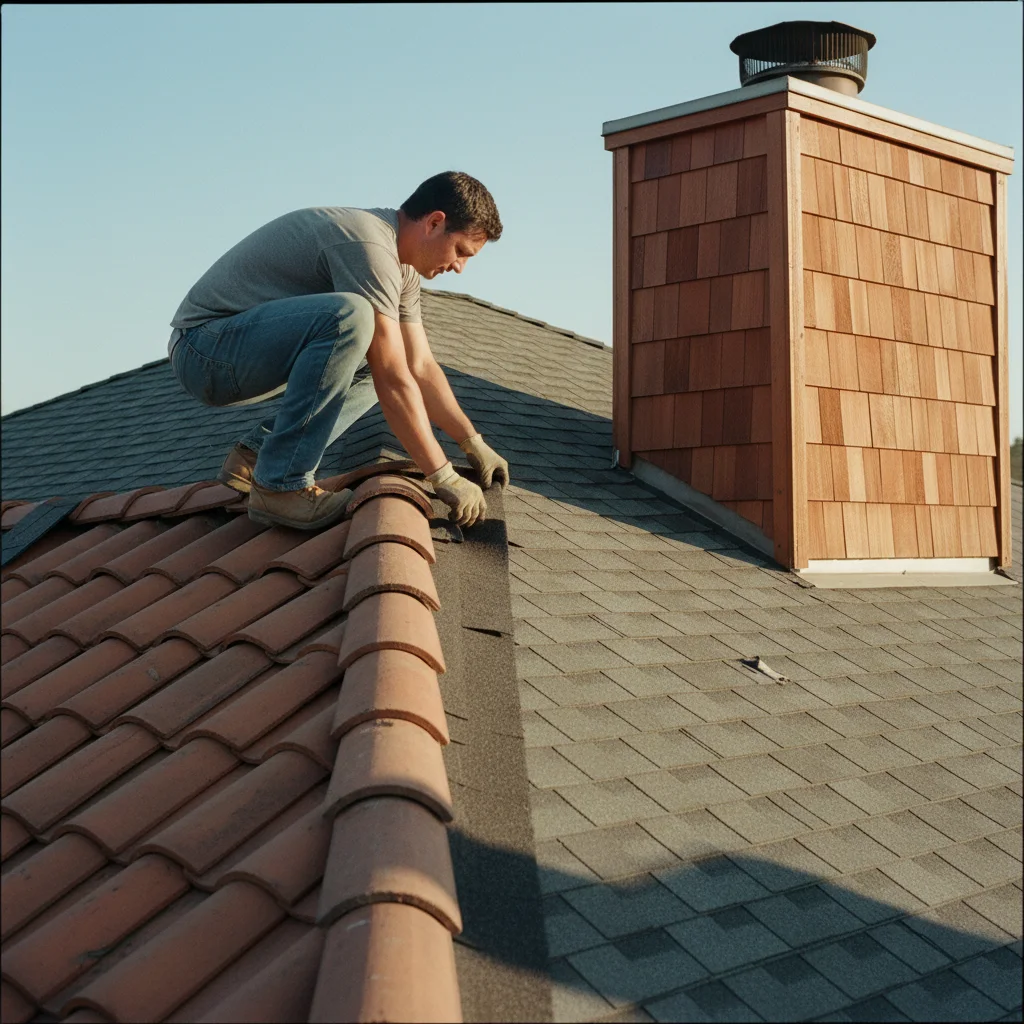
Navigating the permitting process for a roofing project in Chino Hills involves several critical steps, starting well before you even apply to the City. Chino Hills is entirely master-planned with strict HOA oversight, meaning community-level Architectural Review Committee approval typically precedes city permit application. This HOA approval can add weeks or even months to your project timeline, so start early.
Once HOA approval is secured, you'll apply to the City of Chino Hills for a building permit. The permit process for roofing projects in Chino Hills includes several key considerations:
HOA Approval and Architectural Review
As mentioned, HOA approval is mandatory. Ensure your chosen materials and color palette align with your community's specific guidelines. This step often requires submitting detailed material samples and architectural plans.
Wildland-Urban Interface (WUI) Compliance
All new or replacement roofs must meet Class A fire-rated assembly requirements [25, 26]. This is a non-negotiable safety standard for Chino Hills properties.
California Title 24 'Cool Roof' Standards
If you're replacing more than 50% of your roof area, your project will trigger Title 24 'Cool Roof' standards [23, 24]. For roof slopes greater than 2:12, materials must achieve a minimum aged solar reflectance of 0.20 and a thermal emittance of 0.75, or a Solar Reflectance Index (SRI) of 16 [23]. This helps reduce energy consumption by reflecting sunlight and reducing heat transfer into your home.
Application Process and Timelines
While some San Bernardino County cities use online portals like Accela, Chino Hills may still require in-person submittal for certain permit types. Always check the official City of Chino Hills website or contact the Building Division directly for the most current application procedures and typical timelines. Permit processes can take several weeks, so factor this into your overall project schedule. For more insights on navigating local regulations, you might find our guide on Roofing and Climate Considerations in Long Beach: A Comprehensive Guide helpful for broader California context.
What specific structural calculations are required for heavy roofing materials in Chino Hills?
Ready to compare vetted project options?
Use Project Match privately when your scope is clear enough for contractor conversations.
Start Project MatchSee what your roof replacement actually costs in 4 questions.
We pull cost ranges from invoiced California roofer projects, then narrow them to your scope, ZIP, and finish level. No first-call sticker shock.
Find a vetted rooferFree. Takes under 2 minutes. No email required to see your range.
For homeowners in Chino Hills considering heavier roofing materials like concrete or clay tiles, structural calculations are a mandatory requirement if the material weighs over 9 pounds per square foot [15]. The City of Chino Hills explicitly requires these calculations to be wet-stamped by a licensed engineer to ensure your home's existing structure can safely support the increased load [15]. This is a critical step often overlooked by homeowners and even some contractors, but it is essential for permit approval and long-term safety.
Failing to provide these calculations leads to permit delays or rejection. The engineer's report will assess the existing roof framing, rafters, and trusses to determine if reinforcements are needed. Given that properties here often have larger roof footprints, the cumulative weight of heavy materials can be substantial, making this engineering review indispensable. Always discuss material weight with your contractor and engineer early in the planning phase. In our analysis of permit applications, the most common mistake homeowners make when choosing tile roofing is underestimating this structural engineering requirement, leading to an average delay of 3-5 weeks.
What are the exact requirements for smoke and carbon monoxide detector retrofits in Chino Hills when pulling a roofing permit?
When pulling a roofing permit in Chino Hills, homeowners are legally required to ensure their home is retrofitted with functional smoke and carbon monoxide detectors before the final inspection can pass [17, 18]. This is a crucial safety mandate by the City, designed to protect residents from common household hazards. The detectors must be installed in specific locations according to current California Building Code standards.
Specifically, smoke detectors are required in each sleeping room, in the hallway outside of sleeping areas, and on each level of the home, including the basement. Carbon monoxide detectors are required outside of each separate sleeping area and on each level of the dwelling unit where a fuel-burning appliance is located or where there is an attached garage. These devices must be hardwired with battery backup or have a non-removable, non-replaceable battery that lasts for 10 years. Ensure your contractor or a qualified electrician handles these installations to meet code before your final roofing inspection. This retrofit is a non-negotiable condition for permit closure.
What are the specifications for spark arresters mandated by the City of Chino Hills for roofing projects over $1,000?
If your roofing work in Chino Hills exceeds $1,000 in value, the City mandates the installation of spark arresters on all fireplace chimneys [17]. This requirement is a direct response to the area's Wildland-Urban Interface (WUI) fire risk, aiming to prevent embers from escaping chimneys and igniting nearby vegetation or structures. This is a non-negotiable safety code that will be checked during your final inspection.
Spark arresters must be constructed of a heavy-gauge, corrosion-resistant material, typically galvanized steel, copper, or stainless steel. The mesh opening size is critical, generally required to be no larger than 1/2 inch and no smaller than 3/8 inch. This size allows smoke to escape while effectively trapping sparks. Homeowners should ensure their roofing contractor is aware of this requirement and includes the installation or verification of compliant spark arresters in their scope of work. For more on fire-safe building practices, consider reading our guide on Exterior Painting and Climate Considerations in Newport Beach: A 2026 Guide, which touches on ignition-resistant materials.
Choosing the Right Roofing Contractor in Chino Hills
Get 3 roofer bids in 48 hours.
Our editors already screened California roofers. Answer 4 questions; we send 3 written bids inside 48 hours, with the real price for your scope, not their inflated first-call number.
Send my 3 bidsFree. No commission. If a match doesn't fit, we'll send another.
Selecting a qualified and experienced roofing contractor is paramount for a successful project in Chino Hills. Look for contractors with a strong understanding of local regulations, including HOA requirements, WUI fire codes, and the specific structural and safety mandates of the City of Chino Hills. Verify their licensing, insurance, and references, and always get multiple detailed bids.
A reputable contractor will provide a comprehensive proposal that outlines material costs, labor, permit fees, and a clear timeline. They should also be knowledgeable about Title 24 'Cool Roof' standards and able to recommend materials that meet both energy efficiency and fire safety requirements. Given the clay and decomposed-granite soils in Chino Hills, which require engineered drainage for many outdoor projects, a contractor familiar with local soil conditions and their impact on overall property integrity is a significant asset, even for a roofing project that might indirectly affect drainage patterns.
Chino Hills Roofing Decision Checklist
To ensure your roofing project in Chino Hills meets all local requirements and your personal needs, use this comprehensive checklist:
| Requirement/Consideration | Status (Yes/No/N/A) | Notes/Action Items |
|---|---|---|
| HOA Approval Secured? | Submit architectural plans and material samples early. | |
| Class A Fire-Rated Materials? | Mandatory for WUI zones. Verify product specifications. | |
| Title 24 'Cool Roof' Compliance? | Applies if replacing >50% of roof. Check SRI/reflectance values. | |
| Structural Calculations for Heavy Materials? | Required for materials >9 lbs/sq ft. Engineer's wet stamp needed. | |
| Smoke & CO Detector Retrofit? | Mandatory for permit final inspection. Hardwired or 10-year battery. | |
| Spark Arrester Installation? | Required for projects >$1,000. Mesh 3/8"-1/2". | |
| Contractor Licensed & Insured? | Verify CSLB license and liability insurance. | |
| Multiple Bids Obtained? | Compare at least 3 detailed proposals. | |
| Budget for Contingencies? | Allocate 10-15% for unforeseen issues. | |
| Warranty Information Reviewed? | Understand material and labor warranties. |
Conclusion
Undertaking a roofing project in Chino Hills in 2026 is a significant investment that requires careful planning and adherence to a unique set of local regulations. From navigating strict HOA approvals and WUI fire codes to understanding structural weight limits for heavier materials and mandatory interior safety retrofits, Chino Hills homeowners face specific challenges. By prioritizing Class A fire-rated materials, meeting Title 24 'Cool Roof' standards, and ensuring compliance with all City permit requirements - including those for structural engineering, smoke/CO detectors, and spark arresters - you can protect your home, enhance its value, and ensure a durable, climate-resilient roof for decades to come. Always partner with a local expert who understands the nuances of building in Chino Hills. Ready to start your roofing project? Begin by consulting with local, reputable roofing professionals today.
FAQ: Roofing in Chino Hills
Q1: Do I need HOA approval for a new roof in Chino Hills?
Yes, Chino Hills is entirely master-planned with strict HOA oversight. You will almost certainly need community-level Architectural Review Committee approval before applying for a city permit.
Q2: What is a Class A roof assembly and why is it required in Chino Hills?
A Class A roof assembly is the highest fire-resistance rating for roofing materials. It is required for most projects in Chino Hills due to the area's designation as a Wildland-Urban Interface (WUI) zone, which mandates ignition-resistant exterior finishes to reduce fire risk [25, 26].
Q3: How much does a new roof typically cost in Chino Hills?
Material costs for roofing in Chino Hills generally range from $3-$5/sq ft for asphalt shingles, $7-$14/sq ft for metal roofing, and can be higher for tile [19, 20]. These figures do not include labor, permits, or structural modifications, which will add significantly to the overall project cost.
Q4: What is the 'Cool Roof' requirement in Chino Hills?
If you replace more than 50% of your roof area, your project must comply with California Title 24 'Cool Roof' standards [23, 24]. For slopes greater than 2:12, materials need a minimum aged solar reflectance of 0.20 and a thermal emittance of 0.75, or an SRI of 16, to reduce heat absorption [23].
Q5: Are smoke and carbon monoxide detectors required for a roofing permit in Chino Hills?
Yes, the City of Chino Hills requires functional smoke and carbon monoxide detectors to be installed throughout the home, according to current code, before a final roofing permit inspection can pass [17, 18]. This is a mandatory safety retrofit.
Q6: Do I need a spark arrester on my chimney if I get a new roof?
If your roofing work in Chino Hills exceeds $1,000 in value, the City mandates the installation of spark arresters on all fireplace chimneys [17]. This is a fire safety measure for properties within the Wildland-Urban Interface. The arrester should have a mesh opening between 3/8 and 1/2 inch.
Frequently Asked Questions
Q1: Do I need HOA approval for a new roof in Chino Hills?
Yes, Chino Hills is entirely master-planned with strict HOA oversight. You will almost certainly need community-level Architectural Review Committee approval before applying for a city permit.
Q2: What is a Class A roof assembly and why is it required in Chino Hills?
A Class A roof assembly is the highest fire-resistance rating for roofing materials. It is required for most projects in Chino Hills due to the area's designation as a Wildland-Urban Interface (WUI) zone, which mandates ignition-resistant exterior finishes to reduce fire risk [25, 26].
Q3: How much does a new roof typically cost in Chino Hills?
Material costs for roofing in Chino Hills generally range from $3-$5/sq ft for asphalt shingles, $7-$14/sq ft for metal roofing, and can be higher for tile [19, 20]. These figures do not include labor, permits, or structural modifications, which will add significantly to the overall project cost.
Q4: What is the 'Cool Roof' requirement in Chino Hills?
If you replace more than 50% of your roof area, your project must comply with California Title 24 'Cool Roof' standards [23, 24]. For slopes greater than 2:12, materials need a minimum aged solar reflectance of 0.20 and a thermal emittance of 0.75, or an SRI of 16, to reduce heat absorption [23].
Q5: Are smoke and carbon monoxide detectors required for a roofing permit in Chino Hills?
Yes, the City of Chino Hills requires functional smoke and carbon monoxide detectors to be installed throughout the home, according to current code, before a final roofing permit inspection can pass [17, 18]. This is a mandatory safety retrofit.
Q6: Do I need a spark arrester on my chimney if I get a new roof?
If your roofing work in Chino Hills exceeds $1,000 in value, the City mandates the installation of spark arresters on all fireplace chimneys [17]. This is a fire safety measure for properties within the Wildland-Urban Interface. The arrester should have a mesh opening between 3/8 and 1/2 inch.
Ready to start your roofing project?
Find My ProsFrequently Asked Questions
Q1: Do I need HOA approval for a new roof in Chino Hills?
Yes, Chino Hills is entirely master-planned with strict HOA oversight. You will almost certainly need community-level Architectural Review Committee approval before applying for a city permit.
Q2: What is a Class A roof assembly and why is it required in Chino Hills?
A Class A roof assembly is the highest fire-resistance rating for roofing materials. It is required for most projects in Chino Hills due to the area's designation as a Wildland-Urban Interface (WUI) zone, which mandates ignition-resistant exterior finishes to reduce fire risk [25, 26].
Q3: How much does a new roof typically cost in Chino Hills?
Material costs for roofing in Chino Hills generally range from $3–$5/sq ft for asphalt shingles, $7–$14/sq ft for metal roofing, and can be higher for tile [19, 20]. These figures do not include labor, permits, or structural modifications, which will add significantly to the overall project cost.
Q4: What is the 'Cool Roof' requirement in Chino Hills?
If you replace more than 50% of your roof area, your project must comply with California Title 24 'Cool Roof' standards [23, 24]. For slopes greater than 2:12, materials need a minimum aged solar reflectance of 0.20 and a thermal emittance of 0.75, or an SRI of 16, to reduce heat absorption [23].
Q5: Are smoke and carbon monoxide detectors required for a roofing permit in Chino Hills?
Yes, the City of Chino Hills requires functional smoke and carbon monoxide detectors to be installed throughout the home, according to current code, before a final roofing permit inspection can pass [17, 18]. This is a mandatory safety retrofit.
Q6: Do I need a spark arrester on my chimney if I get a new roof?
If your roofing work in Chino Hills exceeds $1,000 in value, the City mandates the installation of spark arresters on all fireplace chimneys [17]. This is a fire safety measure for properties within the Wildland-Urban Interface. The arrester should have a mesh opening between 3/8 and 1/2 inch.