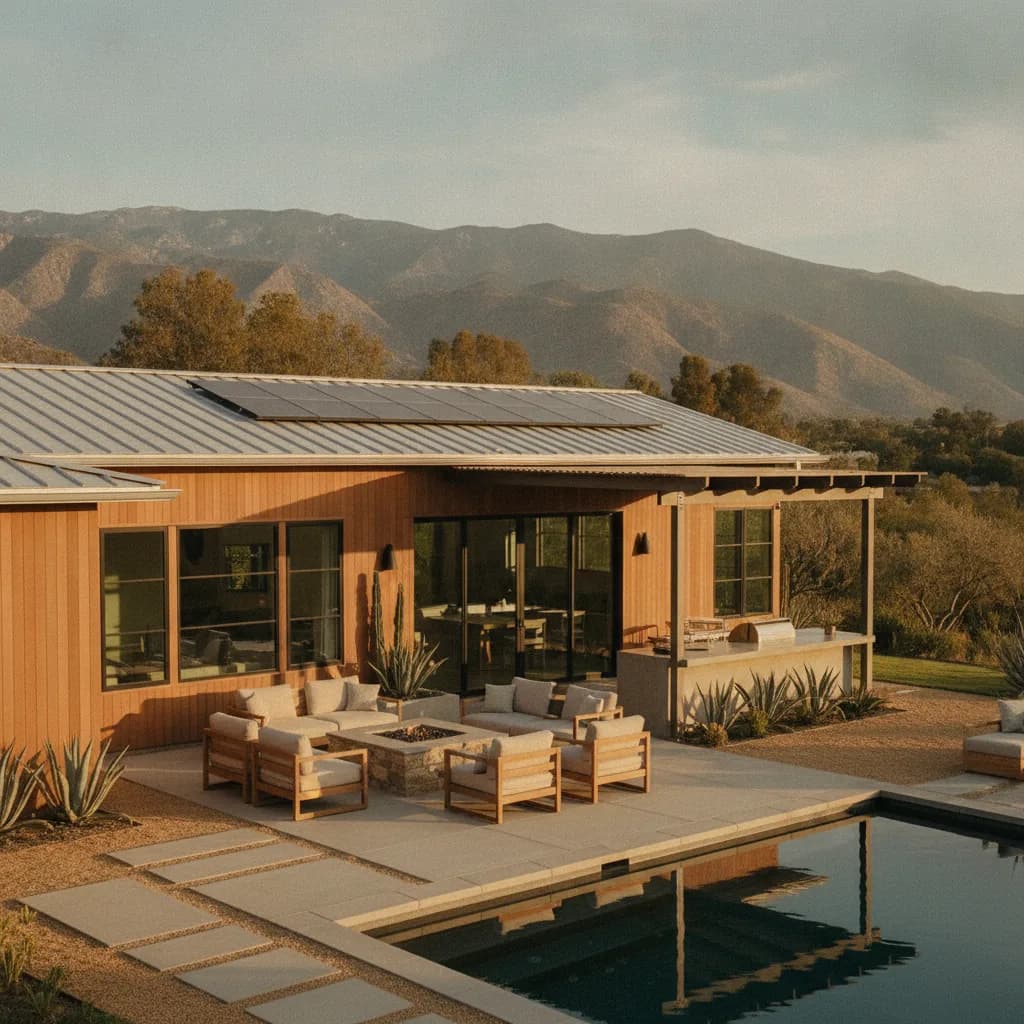
San Bernardino homeowners face a unique set of challenges and opportunities when it comes to roofing. The region's intense heat, dramatic temperature swings, and wildfire risks demand a strategic approach to material selection, installation, and ongoing maintenance. In 2026, navigating local codes, understanding true costs, and planning for long-term sustainability are more crucial than ever. This guide provides San Bernardino-specific insights to help you make informed decisions for your home's most vital protective layer.
What Are the Typical Costs for Roofing in San Bernardino in 2026?
Understanding the financial investment for a new roof in San Bernardino is the first step for any homeowner. As of 2026, the cost per square foot for roofing materials and installation varies significantly based on material type, roof complexity, and contractor. Here are area-specific cost ranges for San Bernardino, including low, mid, and high scenario trade-offs:
Cool Asphalt Shingles: These are a popular choice due to their balance of cost and performance. Expect to pay $5.50 to $9.00 per square foot installed. Low-end costs might involve basic architectural shingles with standard warranties, while high-end includes premium cool-rated shingles with enhanced wind resistance and longer warranties. Metal Roofing (Standing Seam/Tile Profile): Known for extreme durability and energy efficiency, metal roofs typically range from $9.00 to $16.00 per square foot. The lower end covers exposed fastener metal panels, while the higher end is for standing seam or metal tile profiles, offering superior aesthetics and longevity. Metal roofs can last 40 to 70 years. Clay or Concrete Tiles: A classic Southern California look, these offer excellent heat reflection and fire resistance. Costs generally fall between $10.00 and $20.00 per square foot. The variation depends on the tile's profile, color, and manufacturer. Clay tiles boast a lifespan of 50+ years. Higher costs often reflect custom colors or intricate installation patterns. TPO (Thermoplastic Polyolefin) for Low-Slope Roofs: Common for flat or low-pitch roofs, TPO is an excellent cool roofing material. Expect $7.00 to $12.00 per square foot. The higher end includes thicker membranes and more complex flashing details.
These figures typically include old roof tear-off, disposal, new underlayment, and installation. Additional costs can arise from structural repairs, extensive decking replacement, or complex rooflines. For a comprehensive project, considering a Window Replacement ROI and Home Value Impact in Pomona: Practical Guide for 2026: Scope, can also provide valuable insights into overall home improvement budgeting.
What Are the Local Permit Requirements and Timelines in San Bernardino?
Navigating the permitting process in San Bernardino is essential for any roofing project to ensure safety and compliance. For most roof replacements or new installations, a building permit is required. The City of San Bernardino Development Services Department oversees these applications.
Typical Permit Workflow and Review Bottlenecks:
- Application Submission: You or your licensed contractor will submit a permit application, often online, along with detailed plans. These plans must specify materials, compliance with Title 24 energy efficiency standards, and structural details.
- Plan Review: The Building Division will review your plans for compliance with the California Building Code, local amendments, and specific San Bernardino requirements, including those for cool roofs and wildfire zones. Typical review times can range from 2 to 4 weeks, though complex projects or incomplete submissions can extend this. One common bottleneck is ensuring all Title 24 calculations for reflectivity and insulation are correctly documented.
- Permit Issuance: Once approved, the permit is issued, allowing work to commence.
- Inspections: Throughout the project, mandatory inspections will occur. These typically include a sheathing inspection (before new roofing material is applied) and a final inspection. Inspectors will verify proper installation, material use, and adherence to approved plans. Scheduling these inspections can sometimes create minor delays, so coordinating closely with your contractor is key.
It's crucial to understand that Title 24 regulations apply when replacing more than 50% or 2,000 square feet of a roof. Roofs must hit a minimum Solar Reflectance Index (SRI) of ≥ 78 for low-sloped roofs and ≥ 29 for steep-slope roofs in WUI and specific climate zones. Neglecting these can lead to project delays or costly reworks.
How Does San Bernardino's Climate Influence Roofing Material Choices?
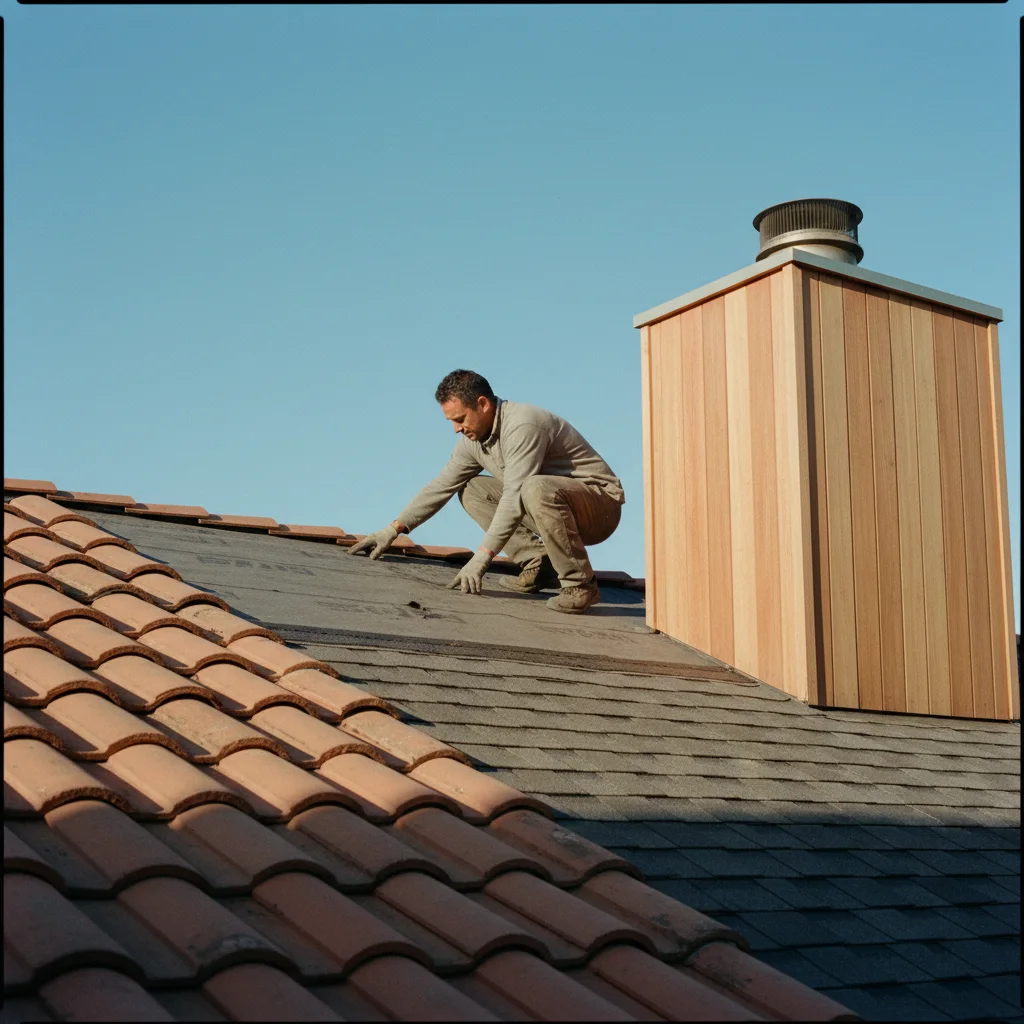
San Bernardino's unique climate, characterized by scorching summers, significant day-to-night temperature swings, and strong Santa Ana winds, materially changes material selection for roofing. The city's location, particularly in Wildland-Urban Interface (WUI) zones, also elevates fire safety as a primary concern.
Climate and Maintenance Implications:
Extreme Heat (110+ degrees): Cool roofs are not just a recommendation but a necessity and often a code requirement. Materials like TPO, light-colored metal, and cool asphalt shingles with high Solar Reflectance Index (SRI) values are critical. These materials reflect solar radiation, keeping your attic and home cooler, which directly translates to lower cooling costs. This also extends the lifespan of your HVAC system. Temperature Swings (40-degree drops): Materials must be able to withstand significant expansion and contraction without cracking or warping. Metal roofs excel here, as do properly installed clay and concrete tiles. Asphalt shingles, especially lower-quality ones, can degrade faster under these conditions. Intense UV Radiation (280+ days annually): UV rays accelerate the breakdown of roofing materials. Look for materials with strong UV resistance ratings. Many cool roof coatings also provide enhanced UV protection. Santa Ana Winds (60+ mph): Wind uplift is a major concern. Proper fastening is paramount. For asphalt shingles, this means using six nails per shingle rather than the standard four in high-wind areas. Metal roofs and tiles must be securely fastened to the decking to prevent dislodgement. Nailing or stapling must be spaced at a maximum of 6 inches apart along the perimeter and 12 inches in the field for optimal seismic performance and wind resistance. Wildfire Risk: For homes in WUI zones, Class A fire-rated materials are mandatory. This includes most metal, clay, concrete, and specific asphalt shingles. Attic and insulation upgrades are also often required, ensuring 1 square foot of ventilation per 150 square feet of attic space and using maximum 1/16-inch corrosion-resistant wire mesh for soffit vents to block wildfire embers.
These considerations make a significant difference in a roof's longevity and performance. For related home exterior improvements, exploring an Exterior Painting and Climate Considerations in Newport Beach: A 2026 Guide can offer additional insights into climate-resilient material choices.
What is the Typical ROI for Investing in a Cool Roof in San Bernardino?
Ready to compare vetted project options?
Use Project Match privately when your scope is clear enough for contractor conversations.
Start Project MatchSee what your roof replacement actually costs in 4 questions.
We pull cost ranges from invoiced California roofer projects, then narrow them to your scope, ZIP, and finish level. No first-call sticker shock.
Find a vetted rooferFree. Takes under 2 minutes. No email required to see your range.
Investing in a cool roof in San Bernardino offers significant long-term financial benefits, primarily through reduced energy consumption. The typical Return on Investment (ROI) timeline for a cool roof in San Bernardino, considering energy savings, is generally 5 to 10 years, though this can vary.
Cool roofs can reduce cooling costs by up to 30%. For an average San Bernardino home, which might spend $200-$400 monthly on cooling during peak summer, a 30% reduction translates to $60-$120 in monthly savings, or $720-$1,440 annually. Given the slightly higher upfront cost of cool roofing materials (e.g., an extra $1-$3 per square foot), the payback period is relatively quick.
For example, if a 1,500 square foot roof costs an additional $3,000 for cool roof features, and you save $1,000 annually on energy bills, your ROI timeline is approximately 3 years. This doesn't even account for potential rebates or the extended lifespan some cool materials offer due to reduced thermal stress. Furthermore, a cool roof contributes to a more comfortable indoor environment, potentially increasing home value and appeal.
What Specific Maintenance Routines Ensure Longevity and Warranty Compliance?
Achieving the advertised lifespans and maintaining warranties for your San Bernardino roof requires specific, actionable maintenance routines. "Low-maintenance" doesn't mean "no-maintenance."
Manufacturer-Recommended Maintenance Schedules:
Cool Asphalt Shingles: Annually (Spring/Fall): Inspect for cracked, curled, or missing shingles. Check for granule loss, which indicates wear. Clear gutters and downspouts of debris. Look for moss or algae growth and treat with appropriate roof cleaners if present (ensure they are safe for cool roof coatings). Trim overhanging branches to prevent debris accumulation and abrasion. Every 3-5 Years: Consider a professional inspection to identify subtle issues before they become major problems. Metal Roofing: Annually (Spring/Fall): Inspect fasteners for tightness and corrosion. Check for scratches or dents in the coating. Clear debris from valleys and around penetrations (vents, chimneys). Ensure sealants around flashing are intact. Wash with a mild detergent and water to remove dirt and pollutants that can affect reflectivity. Every 5-10 Years: Reapply specialized coatings or touch-up paint if recommended by the manufacturer, especially in areas with high UV exposure. Clay or Concrete Tiles: Annually (Spring/Fall): Inspect for cracked, broken, or dislodged tiles. Replace or re-secure as needed. Clear debris from valleys and gutters. Check mortar or sealant around flashing and penetrations. Avoid walking on tiles directly, as they can be brittle; use crawl boards if necessary. Every 5-7 Years: Professional cleaning to remove dirt, moss, or mildew that can retain heat and compromise appearance. Check underlayment for signs of wear during professional inspections.
Regular maintenance not only extends your roof's life but is often a condition for warranty validity. Neglecting these tasks can void your warranty, leaving you responsible for costly repairs. For similar long-term value, consider Maximizing Your Manhattan Beach Home Value: A 2026 Guide to Window Replacement ROI to understand how maintenance impacts overall home systems.
Which Roofing Materials Offer the Best Recyclability Options?
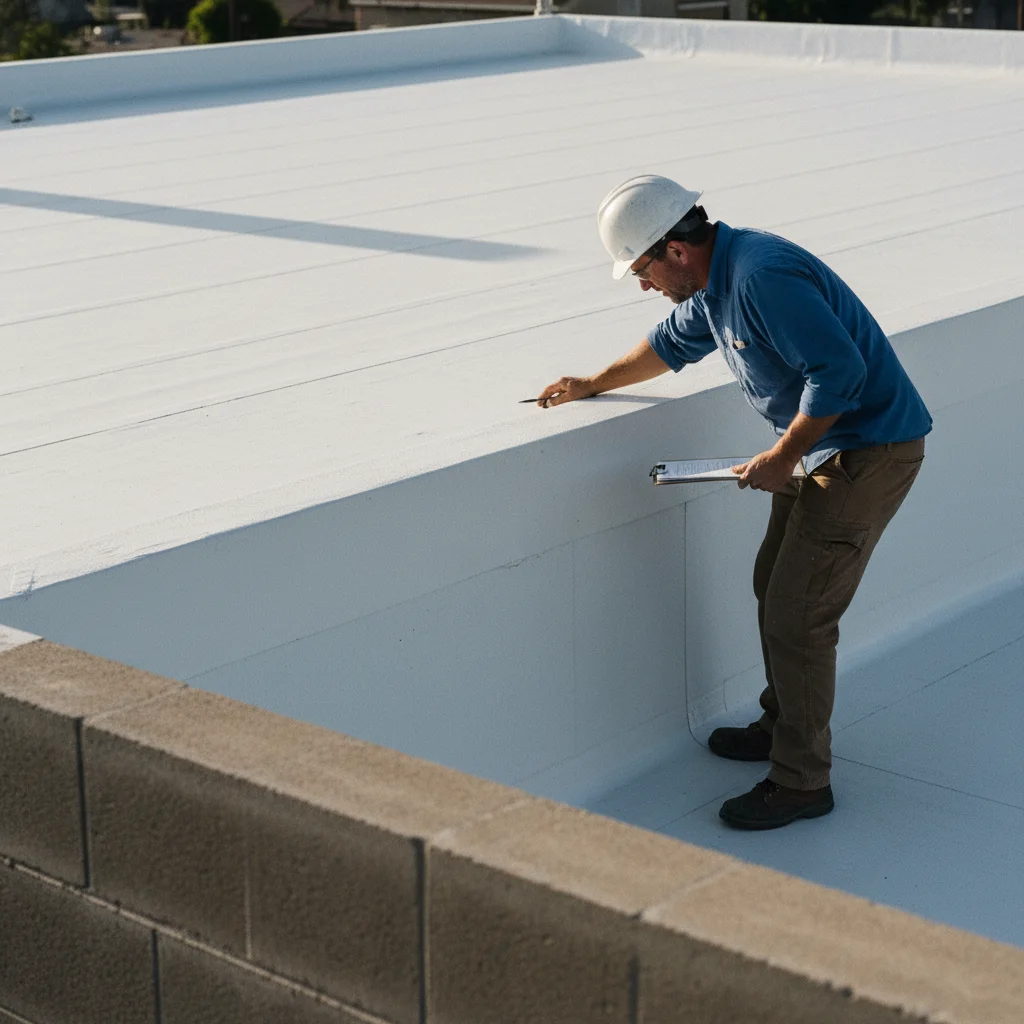
Beyond heat reflection, the sustainability of roofing materials at their end-of-life is an increasingly important consideration for San Bernardino homeowners. Choosing materials with good recyclability can reduce landfill waste and support a circular economy.
Data on Recyclability Rates or Processes:
Metal Roofing (Steel, Aluminum): Metal roofs are among the most sustainable options, boasting high recyclability rates. Steel and aluminum are 100% recyclable without loss of quality. Many metal roofs are made from a significant percentage of recycled content (25-95%). At the end of their 40-70 year lifespan, they can be removed and sent to metal recycling facilities, where they are melted down and reused. This significantly reduces their environmental footprint compared to other materials. Clay and Concrete Tiles: These materials are also highly sustainable. While not typically melted down like metal, they can be crushed and reused as aggregate in new construction projects, road bases, or landscaping. This diverts them from landfills. Some manufacturers also offer programs for recycling broken or leftover tiles. Asphalt Shingles: While traditionally a significant landfill contributor, asphalt shingle recycling programs are growing, especially in California. Recycled asphalt shingles (RAS) can be used in asphalt pavement mixes. However, the availability of shingle recycling facilities can vary by region, and contamination (e.g., with felt, nails) can sometimes be an issue. Homeowners should inquire with their contractor about local recycling options for asphalt shingles. TPO Membranes: TPO is a thermoplastic, meaning it can theoretically be melted and reformed. However, large-scale recycling programs for TPO roofing membranes are still developing. Some manufacturers have take-back programs, but it's not as universally established as metal recycling. Researching manufacturers with strong sustainability initiatives is key if TPO is your choice.
When planning your project, ask your contractor about their waste management practices and if they partner with local recycling facilities. This choice contributes to San Bernardino's environmental goals.
What Structural Modifications Are Needed for Solar Panel Integration?
Get 3 roofer bids in 48 hours.
Our editors already screened California roofers. Answer 4 questions; we send 3 written bids inside 48 hours, with the real price for your scope, not their inflated first-call number.
Send my 3 bidsFree. No commission. If a match doesn't fit, we'll send another.
Planning to integrate solar panels with a new roof installation in San Bernardino requires precise structural and material considerations. Proactive planning ensures your roof is not only solar-ready but also optimally supports the system for decades.
Specific Structural Requirements:
- Load-Bearing Capacity: Solar panels add significant weight to a roof - typically 2-4 pounds per square foot. Your existing roof structure must be able to support this additional dead load, plus live loads (wind, snow, maintenance personnel). For older homes in San Bernardino, a structural engineer may need to assess and potentially reinforce trusses or rafters to meet current building codes.
- Roof Decking Condition: The roof decking (plywood or OSB) must be in excellent condition to securely anchor the solar racking system. Any rotten, warped, or damaged decking should be replaced during the re-roofing process. This is a critical site prep step.
- Attachment Points and Flashing: Solar panel mounting systems require penetrations into the roof. It's crucial that these attachment points are properly sealed with high-quality flashing to prevent leaks. Integrating solar-specific flashing during the new roof installation is far more effective and leak-proof than adding it to an existing roof later. This is a key part of practical sequencing advice: site prep, utilities, hardscape, then finishes and planting.
- Material Compatibility: Certain roofing materials are more solar-friendly than others. Metal roofs, with their durable surfaces and easy attachment points for clamps (reducing penetrations), are excellent candidates. Tile roofs often require tile-specific mounts that lift tiles or replace them with flashing to accommodate racking, which can be more complex. Cool asphalt shingles are compatible, but the attachment points must be carefully sealed.
- Conduit Pathways: Plan for the electrical conduit pathways from the roof-mounted panels to the inverter and electrical panel. Integrating these during the re-roofing phase can make for a cleaner, more aesthetically pleasing installation, avoiding external conduit runs.
Discussing your solar aspirations with your roofing contractor and solar installer simultaneously is vital. This collaborative approach ensures that your new roof is structurally sound, code-compliant, and perfectly prepared for solar energy generation. For further considerations on home improvements that boost energy efficiency, consider Roofing and Climate Considerations in Long Beach: A Comprehensive Guide for a broader perspective.
Neighborhood-Level Constraints in San Bernardino
San Bernardino's diverse neighborhoods, from the historic areas to newer developments, often come with specific constraints that can impact your roofing project. These can include lot size, access, and Homeowners Association (HOA) or design review requirements.
Lot Size and Access: In older, denser neighborhoods, smaller lot sizes can limit access for large equipment like dumpsters or material delivery trucks. This might necessitate manual material handling, potentially increasing labor costs. Ensure your contractor assesses site access during the initial consultation. HOA and Design Review: Many planned communities and even some historic districts in San Bernardino have HOAs or architectural review boards. These bodies often have strict guidelines on approved roofing materials, colors, and styles to maintain neighborhood aesthetics. Before finalizing material choices, always check your HOA's Covenants, Conditions, and Restrictions (CC&Rs) and submit any required design review applications. Ignoring these can lead to fines or demands for costly re-dos. For example, some HOAs might mandate specific tile types or prohibit certain metal roof colors.
- Historic Preservation: If your home is in a designated historic district, there may be additional requirements to preserve architectural integrity. This could mean using specific materials or matching existing styles, which might impact cost and material availability.
Understanding these local nuances early in your planning process can prevent costly delays and ensure a smooth project. For other local project considerations, our ADU Permit and HOA Guide for San Bernardino: Practical Guide for 2026 offers relevant insights into navigating local regulations.
Conclusion
Choosing the right roof for your San Bernardino home in 2026 is a significant investment that impacts energy efficiency, home value, and safety. By prioritizing cool roofing materials, understanding local permit requirements, planning for specific maintenance, and considering future solar integration, you can ensure your roof is a resilient, sustainable asset. Always partner with a licensed, reputable local contractor who understands San Bernardino's unique climate and code demands. Take action today to protect your home and enhance its long-term value.
Frequently Asked Questions About Roofing in San Bernardino
Q1: Do I need a cool roof in San Bernardino?
Yes, in most cases. California's Title 24 energy efficiency standards require cool roofs for new construction and significant roof replacements (over 50% or 2,000 sq ft) in San Bernardino's climate zone. This means selecting materials with a high Solar Reflectance Index (SRI) to reduce heat absorption and lower cooling costs.
Q2: How long does a typical roof replacement take in San Bernardino?
A standard roof replacement on an average-sized home (1,500-2,000 sq ft) in San Bernardino typically takes 3 to 7 days. This timeline can be extended by factors like complex rooflines, extensive decking repairs, weather delays, or the need for specific structural reinforcements for solar readiness.
Q3: Are there any rebates or incentives for cool roofs in San Bernardino?
While specific local rebates can vary, California often offers statewide incentives for energy-efficient home improvements, including cool roofs. Check programs like the Property Assessed Clean Energy (PACE) program or local utility company offerings (e.g., Southern California Edison, SoCalGas) for potential rebates or financing options. Your contractor may also be aware of current programs.
Q4: What is the best roofing material for fire safety in San Bernardino?
For optimal fire safety, especially in San Bernardino's Wildland-Urban Interface (WUI) zones, Class A fire-rated materials are essential. These include most metal roofs, clay or concrete tiles, and specific fire-resistant asphalt shingles. These materials are designed to resist the spread of flames and embers, offering superior protection against wildfires.
Q5: Can I install solar panels on any new roof in San Bernardino?
While most new roofs can accommodate solar panels, it's crucial to plan for solar integration during the re-roofing process. This involves ensuring adequate structural load-bearing capacity, using solar-specific flashing for penetrations, and selecting materials compatible with mounting systems. Consulting with both your roofing and solar contractors simultaneously is highly recommended to ensure a seamless and compliant installation.
Ready to start your roofing project?
Find My ProsFrequently Asked Questions
Q1: Do I need a cool roof in San Bernardino?
Yes, in most cases. California's Title 24 energy efficiency standards require cool roofs for new construction and significant roof replacements (over 50% or 2,000 sq ft) in San Bernardino's climate zone. This means selecting materials with a high Solar Reflectance Index (SRI) to reduce heat absorption and lower cooling costs.
Q2: How long does a typical roof replacement take in San Bernardino?
A standard roof replacement on an average-sized home (1,500-2,000 sq ft) in San Bernardino typically takes <strong>3 to 7 days</strong>. This timeline can be extended by factors like complex rooflines, extensive decking repairs, weather delays, or the need for specific structural reinforcements for solar readiness.
Q3: Are there any rebates or incentives for cool roofs in San Bernardino?
While specific local rebates can vary, California often offers statewide incentives for energy-efficient home improvements, including cool roofs. Check programs like the Property Assessed Clean Energy (PACE) program or local utility company offerings (e.g., Southern California Edison, SoCalGas) for potential rebates or financing options. Your contractor may also be aware of current programs.
Q4: What is the best roofing material for fire safety in San Bernardino?
For optimal fire safety, especially in San Bernardino's Wildland-Urban Interface (WUI) zones, Class A fire-rated materials are essential. These include most metal roofs, clay or concrete tiles, and specific fire-resistant asphalt shingles. These materials are designed to resist the spread of flames and embers, offering superior protection against wildfires.
Q5: Can I install solar panels on any new roof in San Bernardino?
While most new roofs can accommodate solar panels, it's crucial to plan for solar integration during the re-roofing process. This involves ensuring adequate structural load-bearing capacity, using solar-specific flashing for penetrations, and selecting materials compatible with mounting systems. Consulting with both your roofing and solar contractors simultaneously is highly recommended to ensure a seamless and compliant installation.