Roofing and Climate Resilience in West Covina
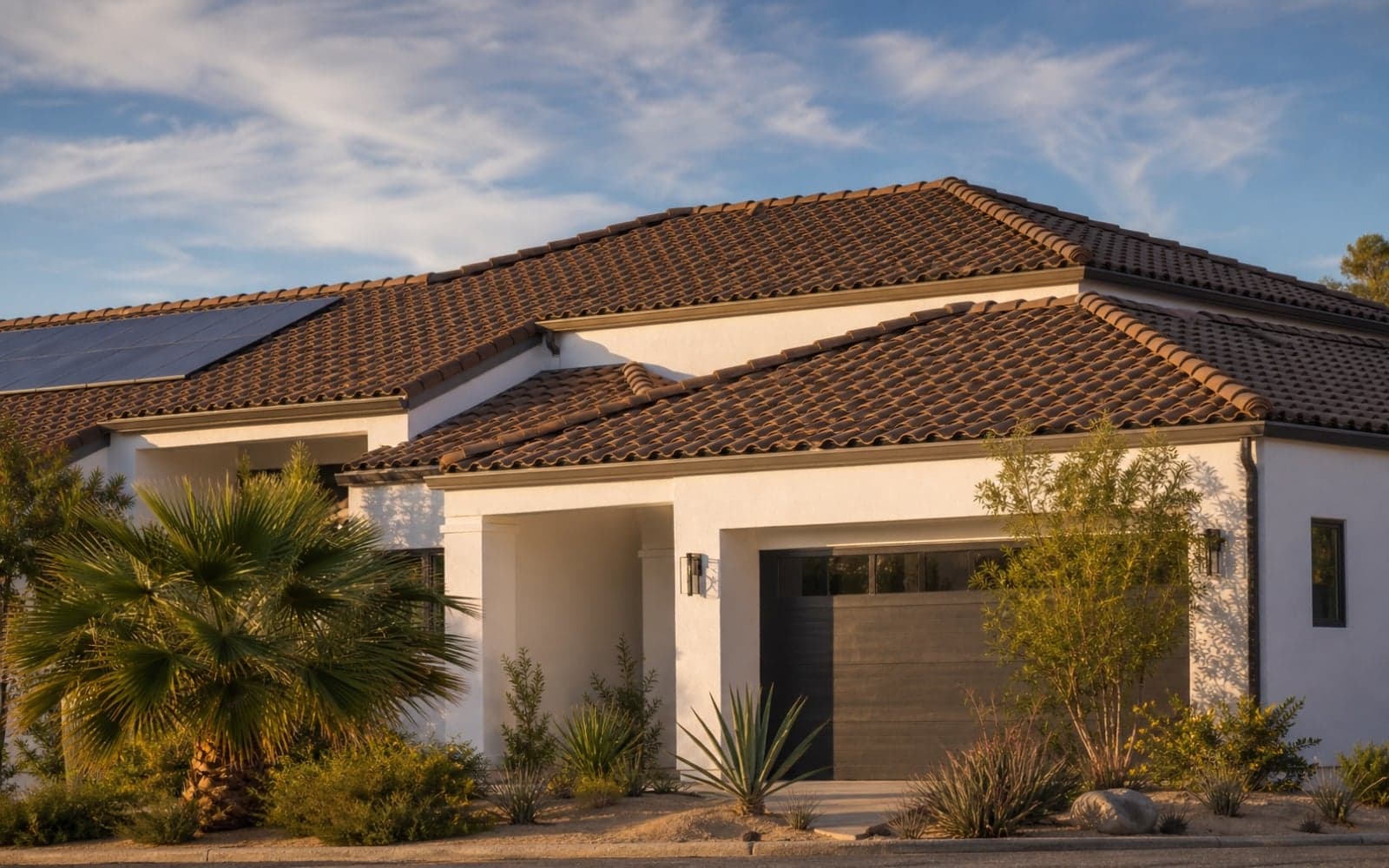
West Covina's unique climate, characterized by intense summer heat and significant UV exposure, poses distinct challenges for residential roofing. With average summer temperatures often exceeding 90°F and an average of 287 sunny days per year, according to the National Weather Service, roofs in the San Gabriel Valley endure substantial thermal stress. This constant exposure accelerates material degradation, leading to higher energy consumption and a shorter roof lifespan if not properly addressed. Choosing the right roofing system is not merely about aesthetics; it's a critical investment in your home's long-term resilience and energy efficiency.
Effective roofing decisions in West Covina require a strategic approach that balances material science, local climate data, and building code compliance. This guide provides a clear framework to navigate these considerations, moving beyond general advice to offer actionable insights. We focus on identifying optimal materials, understanding cost drivers, and adhering to specific local requirements, ensuring your roofing project yields lasting value and protection against the elements.
How Does West Covina's Climate Impact Your Roof?
West Covina's climate significantly impacts roof performance and longevity due to prolonged sun exposure, high ambient temperatures, and occasional heavy rainfall. The intense ultraviolet (UV) radiation breaks down roofing materials over time, while heat absorption contributes to higher attic temperatures and increased cooling costs, which can account for up to 15% of a home's total energy use, as reported by the U.S. Department of Energy. This consistent thermal cycling, where roof surfaces heat up during the day and cool down at night, causes materials to expand and contract, accelerating wear and tear.
Beyond the daily heat, West Covina experiences occasional heavy rain events, particularly during the winter months, and is susceptible to Santa Ana winds. These winds can carry debris and exert significant uplift pressure on roofing components, potentially dislodging shingles or tiles. Proper installation, using high-quality fasteners and sealants, is crucial to withstand these forces. The combination of these factors necessitates roofing solutions that offer superior UV resistance, thermal performance, and structural integrity to ensure a long service life.
What Roofing Materials Perform Best in West Covina's Heat?
Cool roofing materials, such as reflective asphalt shingles, concrete tiles, and metal roofing, offer the best performance in West Covina's hot climate by significantly reducing heat absorption. These materials are designed to reflect more sunlight and absorb less heat than traditional roofs, which can lower surface temperatures by 50°F or more, according to the Cool Roof Rating Council (CRRC). This reduction in heat transfer into the attic directly translates to lower indoor temperatures and decreased air conditioning demands, leading to substantial energy savings for homeowners.
Top Roofing Material Choices for West Covina:
- Cool Asphalt Shingles: These shingles incorporate special granules that reflect solar energy, meeting California's Title 24 cool roof requirements. They offer a cost-effective balance of performance and aesthetics, with lifespans typically ranging from 20 to 30 years.
- Concrete and Clay Tiles: Highly durable and naturally reflective, tiles are an excellent choice for West Covina. They provide superior insulation and can last 50 years or more with proper maintenance. Their mass helps to slow heat transfer, contributing to a cooler home.
- Metal Roofing: Available in various profiles and colors, metal roofs are exceptionally reflective and durable. They are resistant to fire, wind, and pests, and can last 40-70 years. Many metal options qualify as cool roofs and are often made from recycled content.
- TPO (Thermoplastic Polyolefin) and PVC (Polyvinyl Chloride): Primarily used for low-slope or flat roofs, these single-ply membranes are highly reflective, energy-efficient, and resistant to UV radiation and chemical exposure. They are a robust solution for specific architectural styles common in the region.
What Are the Costs and Budgeting Considerations for a West Covina Roof Replacement?
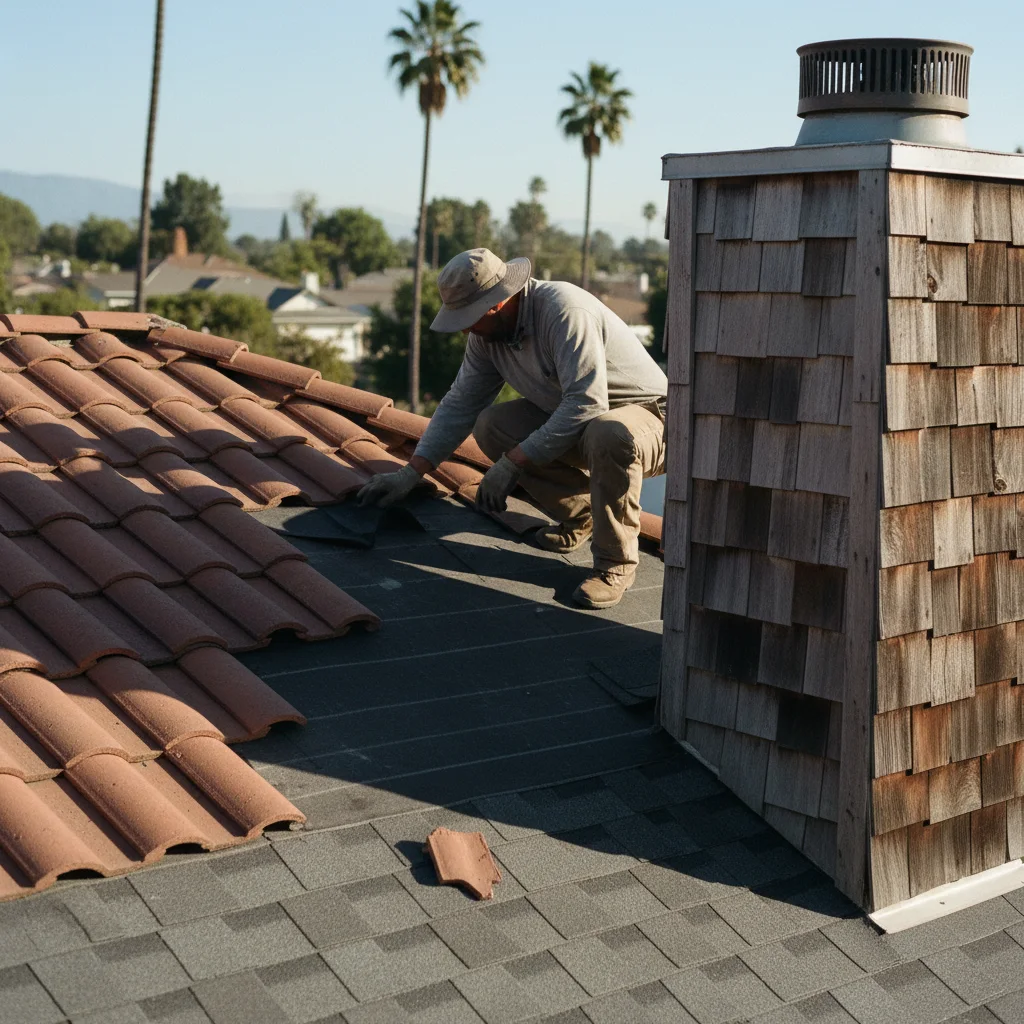
Roof replacement costs in West Covina typically range from $8,000 to $25,000 for an average-sized home (1,500-2,000 sq ft), but can exceed $40,000 for larger or more complex projects using premium materials. The primary factors driving these prices include the chosen roofing material, the roof's size and pitch, the complexity of its design (e.g., multiple valleys, skylights), and labor rates in the Southern California market. For instance, asphalt shingle installation generally costs $4.00-$7.00 per square foot, while tile or metal roofing can range from $8.00-$15.00 per square foot, as indicated by regional construction cost data from HomeAdvisor.
Homeowners should also budget for potential hidden costs such as old roof removal and disposal (which can add $1,000-$3,000), necessary repairs to underlying decking or framing, and the cost of permits. In West Covina, a roofing permit is required for most re-roofing projects, with fees typically ranging from $150-$500 depending on the project scope. Obtaining multiple detailed quotes from licensed contractors is essential to understand the full scope of work and ensure all costs are accounted for upfront. Considering the long-term energy savings offered by cool roofs, the initial investment often yields significant returns over the roof's lifespan.
Navigating West Covina's Roofing Regulations and Permitting Process
Ready to compare vetted project options?
Use Project Match privately when your scope is clear enough for contractor conversations.
Start Project MatchSee what your roof replacement actually costs in 4 questions.
We pull cost ranges from invoiced California roofer projects, then narrow them to your scope, ZIP, and finish level. No first-call sticker shock.
Find a vetted rooferFree. Takes under 2 minutes. No email required to see your range.
Navigating West Covina's roofing regulations and permitting process is a mandatory step for most roof replacement or significant repair projects, ensuring compliance with local building codes and safety standards. The City of West Covina, like other municipalities in California, adheres to the California Building Code, which includes specific requirements for roofing, notably Title 24 Part 6 for energy efficiency. This mandates the use of cool roof rated materials for most new construction and re-roofing projects on low-slope residential roofs and some steep-slope roofs, as outlined by the California Energy Commission. Homeowners must submit a permit application, detailed plans, and material specifications to the West Covina Building Division before work commences.
The permitting process typically involves:
- Application Submission: Complete the City of West Covina's building permit application form, specifying the scope of work and materials.
- Plan Review: The Building Division reviews plans to ensure compliance with structural, fire, and energy efficiency codes. This includes verifying cool roof compliance.
- Permit Issuance: Once approved, the permit is issued, and work can begin.
- Inspections: At various stages of the project (e.g., sheathing inspection, final inspection), city inspectors will verify that work adheres to approved plans and codes.
Failure to obtain the necessary permits can result in fines, project delays, and the potential requirement to remove and redo non-compliant work. A reputable contractor will handle the permitting process on your behalf, ensuring all documentation is accurate and submitted correctly.
Choosing a Qualified Roofing Contractor in West Covina: Key Criteria
Choosing a qualified roofing contractor in West Covina requires careful vetting to ensure your project is completed to high standards, on budget, and in compliance with all local regulations. A reputable contractor will possess a valid California contractor's license (specifically a C-39 Roofing Contractor license), adequate insurance coverage (liability and workers' compensation), and a proven track record of successful projects in the local area. Verifying their license status through the Contractors State License Board (CSLB) is a critical first step, as unlicensed contractors often lack proper training, insurance, and accountability, potentially leaving homeowners vulnerable to shoddy work or financial liabilities.
When evaluating contractors, consider these key criteria:
- Licensing and Insurance: Always verify their C-39 license and ensure they carry both general liability and workers' compensation insurance.
- Local Experience: Contractors familiar with West Covina's specific climate challenges and building codes are better equipped to recommend appropriate materials and installation techniques.
- References and Reviews: Request at least three local references and check online reviews on platforms like Google, Yelp, or the Better Business Bureau.
- Detailed Proposals: Insist on a written proposal that clearly outlines the scope of work, materials to be used (including brand and model), timeline, payment schedule, and warranty information. Avoid vague estimates.
- Warranties: Understand both the material manufacturer's warranty and the contractor's workmanship warranty. A strong workmanship warranty, typically 5-10 years, indicates confidence in their work.
Maintaining Your West Covina Roof for Maximum Longevity
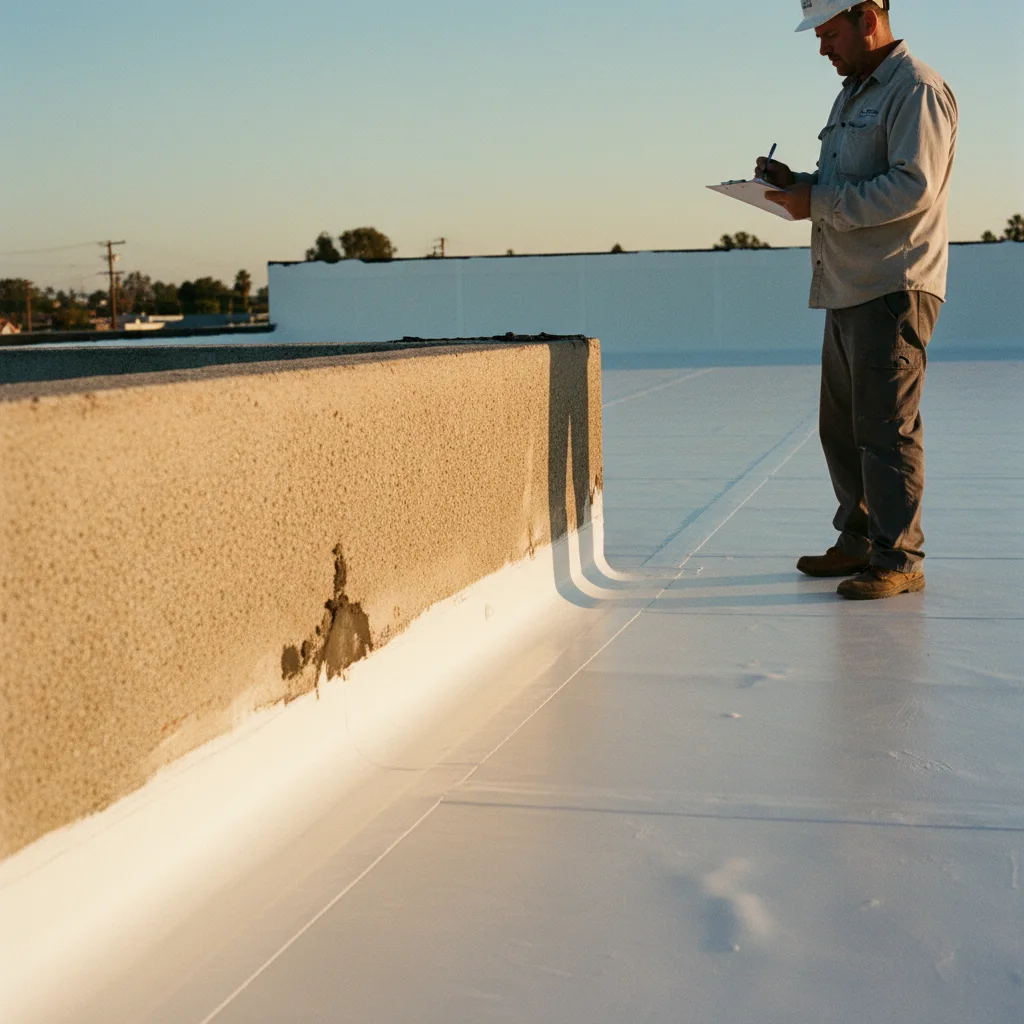
Maintaining your West Covina roof for maximum longevity involves regular inspections and proactive measures to address wear and tear caused by the local climate. Annual professional roof inspections are recommended to identify minor issues before they escalate into costly repairs, potentially extending a roof's life by 5-10 years. These inspections should focus on checking for cracked or missing shingles, damaged tiles, compromised flashing around chimneys and vents, and signs of granule loss on asphalt shingles, which indicates UV degradation. According to the National Roofing Contractors Association (NRCA), regular maintenance is key to preserving a roof's integrity and preventing premature failure.
Key maintenance tasks include:
- Gutter Cleaning: Clear gutters and downspouts of leaves and debris at least twice a year to ensure proper water drainage and prevent water from backing up under shingles.
- Debris Removal: Promptly remove any branches, leaves, or other debris accumulated on the roof surface, as they can trap moisture and accelerate material decay.
- Moss and Algae Treatment: While less common in dry West Covina, moss or algae growth can occur in shaded areas. Use appropriate treatments to prevent their spread, as they can retain moisture and degrade roofing materials.
- Trim Overhanging Branches: Trim tree branches that overhang the roof to prevent physical damage from rubbing or falling limbs, and to reduce debris accumulation.
- Prompt Repair of Minor Damage: Address any loose shingles, cracked tiles, or compromised sealants immediately to prevent water intrusion and further damage.
Proactive maintenance not only extends your roof's lifespan but also helps maintain its energy efficiency, ensuring it continues to reflect heat effectively and protect your home.
What Initial Steps Should West Covina Homeowners Take for a Roofing Project?
Get 3 roofer bids in 48 hours.
Our editors already screened California roofers. Answer 4 questions; we send 3 written bids inside 48 hours, with the real price for your scope, not their inflated first-call number.
Send my 3 bidsFree. No commission. If a match doesn't fit, we'll send another.
West Covina homeowners should begin a roofing project by defining a clear objective, establishing a realistic budget, and researching suitable materials that meet local climate demands and Title 24 requirements. Start by collecting at least three detailed quotes from licensed and insured local contractors, ensuring each proposal specifies materials, labor, and warranty information. This initial phase helps clarify expectations and provides a solid foundation for comparing options objectively. Focus on understanding the long-term value of energy-efficient materials, not just the upfront cost. Documenting these initial findings and decisions will streamline the entire process, preventing common pitfalls and ensuring a successful outcome for your roofing investment.
Ready to start your roofing project?
Find My ProsFrequently Asked Questions
What are the best cool roof options for homes in West Covina?
The best cool roof options for West Covina homes are reflective asphalt shingles, concrete or clay tiles, and metal roofing. These materials comply with California's Title 24 energy standards by reflecting solar heat, which can lower roof surface temperatures by more than 50°F and improve your home's energy efficiency.
For homeowners in West Covina, choosing a cool roof means selecting materials specifically designed to reflect significant solar heat. Popular options that meet California's Title 24 energy efficiency standards include reflective asphalt shingles, metal roofing, and both concrete and clay tiles. By reducing heat absorption, a properly installed cool roof can decrease surface temperatures by over 50°F. This performance lessens the strain on air conditioning systems and can contribute to lower energy bills.
How do West Covina's building codes affect roof replacement?
West Covina's building codes require roof replacements to comply with California's Title 24 Part 6. This law mandates using cool roof rated materials on most projects to improve energy efficiency. For any significant roofing work, a permit must be obtained from the City of West Covina Building Division before the project begins.
In West Covina, all re-roofing projects are governed by state energy standards. The primary regulation is California's Title 24 Part 6, which requires the installation of cool roof materials for most homes. These materials help lower energy consumption by reflecting sunlight and reducing heat absorption.
Before starting significant work, a building permit is mandatory. Homeowners must apply for and receive this permit from the City of West Covina Building Division. This process ensures that the planned work, materials, and installation methods all meet current building and safety codes.
What is the average lifespan of a roof in West Covina's climate?
In West Covina, a roof's lifespan depends on its material. Asphalt shingles typically last 20-30 years, while more durable options like concrete or clay tiles and metal roofs can last from 40 to 70 years. These estimates assume the roof was installed correctly and receives regular maintenance to withstand local conditions.
The longevity of a roof in West Covina is directly tied to its composition. Common asphalt shingles have a service life of about 20 to 30 years. For homeowners seeking greater durability, materials like concrete tiles, clay tiles, and metal roofing systems offer a significantly longer lifespan, ranging from 40 to 70 years.
It is important to remember that these figures are averages. Achieving the maximum lifespan for any roofing material depends heavily on professional installation and consistent maintenance to address wear from the local climate.
How can I identify a reputable roofing contractor in West Covina?
To identify a reputable West Covina roofing contractor, first verify their C-39 license is active with the CSLB and confirm they have comprehensive insurance. You should also review local references and online reviews. Always request detailed, written proposals that specify the project scope, costs, and include information on all warranties.
A contractor's C-39 license, verifiable through the Contractors State License Board (CSLB), is a critical requirement for any West Covina roofing project. You should also request proof of comprehensive insurance to protect your property from liability. While online reviews offer a broad perspective, speaking directly with local references can provide more detailed feedback on their performance. Always insist on a written proposal that clearly defines the scope, materials, and includes specific warranties for long-term protection.
Are there incentives for installing energy-efficient roofs in West Covina?
Yes, homeowners in West Covina may qualify for incentives when installing energy-efficient roofs. These can include federal tax credits or local utility rebates for cool roofs or solar-ready roofing systems. For the most current information on state and local programs, you should check the DSIRE database for details.
In West Covina, installing specific roofing like energy-efficient cool roofs or solar-ready systems can make you eligible for financial benefits. These incentives often come as federal tax credits, which reduce your tax liability, or as direct rebates from local utility providers. Because these programs can change, it is important to verify current offerings. The DSIRE database is a comprehensive resource for finding up-to-date information on available state and local incentives for your specific project.
What Initial Steps Should West Covina Homeowners Take for a Roofing Project?
West Covina homeowners should start a roofing project by defining objectives, setting a budget, and researching materials compliant with Title 24. Collect at least three detailed quotes from licensed, insured local contractors that specify materials, labor, and warranties. This initial phase provides a solid foundation for comparing options and understanding long-term value.
This preparatory stage helps clarify expectations for your roofing investment. When researching, focus on energy-efficient materials suitable for the local climate and compliant with Title 24, considering their long-term benefits beyond the initial price. Each of the three required quotes should be a detailed proposal, not just a simple estimate. Documenting your findings and decisions will help prevent common issues and support a successful project outcome.