For homeowners in Burbank, understanding Roofing and Climate Considerations in Burbank is more critical than ever in 2026. This vibrant city, nestled in the heart of the San Fernando Valley, experiences a unique microclimate that demands specific attention when it comes to roof selection and maintenance. From scorching summer heatwaves to occasional heavy winter rains and the constant presence of UV radiation, your roof is your home's primary defense against the elements. Choosing the right roofing system not only protects your property but also significantly impacts your energy bills, comfort, and long-term home value.
Golden Yards Magazine is here to provide a comprehensive guide tailored specifically for Burbank residents. We'll delve into the local climate's impact on roofing materials, explore the most durable and energy-efficient options available in 2026, navigate the intricacies of local building codes and permits, and offer expert advice on selecting a reputable contractor. Our goal is to equip you with the knowledge needed to make an informed decision, ensuring your Burbank home remains safe, efficient, and beautiful for decades to come.
What are Burbank's Specific Climate Challenges for Roofing?
Burbank's climate, characterized by its hot, dry summers and mild, wet winters, presents a distinct set of challenges for roofing systems. Unlike coastal areas of Southern California, Burbank's inland location often results in more extreme temperature fluctuations and prolonged periods of intense sun exposure. These conditions accelerate material degradation and can significantly impact a home's internal temperature.
How Does Summer Heat and UV Radiation Affect Burbank Roofs?
Summers in Burbank are notoriously hot, with average daily temperatures frequently soaring above 90°F and heatwaves often pushing into the triple digits for extended periods. This intense heat, combined with relentless UV radiation, is a primary adversary for any roofing material. UV rays break down the chemical bonds in many materials, leading to fading, cracking, and brittleness over time. Darker roofs absorb more solar radiation, contributing to the urban heat island effect and significantly increasing attic temperatures, which in turn drives up cooling costs. Studies indicate that roof surface temperatures can reach 150-180°F on a typical Burbank summer day, demanding materials that can withstand extreme thermal stress.
What are the Impacts of Winter Rains and Occasional Winds?
While Burbank's winters are generally mild, they do bring periods of significant rainfall. The average annual precipitation is around 15-20 inches, mostly concentrated between November and March. This seasonal moisture, combined with occasional strong Santa Ana winds, can test a roof's integrity. Proper drainage, flashing, and secure fastening become paramount to prevent leaks, water damage, and potential blow-offs. Wind can lift shingles, expose underlayment, and drive rain into vulnerable areas, making wind resistance a key consideration for Burbank homeowners.
How Do Wildfire Risks Influence Roofing Choices in Burbank?
Given Burbank's proximity to brush-covered hillsides and the increasing frequency of wildfires in Southern California, fire resistance is a critical factor for roofing materials. The City of Burbank, like many communities in high-risk areas, adheres to strict building codes regarding fire-resistant construction. Selecting materials with a Class A fire rating is not just recommended, but often mandated, to protect homes from ember ignition during a wildfire event. This consideration is vital for both safety and insurance purposes in 2026.
Which Roofing Materials are Best Suited for Burbank's Climate in 2026?
Selecting the right roofing material is a long-term investment that pays dividends in protection, energy efficiency, and curb appeal. For Burbank's unique climate, certain materials offer superior performance and longevity.
Are Cool Roofs a Smart Investment for Burbank Homes?
Absolutely. Cool roofs are designed to reflect more sunlight and absorb less heat than traditional roofs, significantly reducing surface temperatures. This translates directly into lower attic temperatures and reduced demand on air conditioning systems, leading to substantial energy savings. The California Energy Commission actively promotes cool roof technology, and Burbank homeowners can often qualify for rebates or incentives for installing them. In 2026, cool roof technology has advanced, offering a wider range of aesthetic options that don't compromise performance. Data from the Lawrence Berkeley National Laboratory shows cool roofs can reduce peak cooling demand by 10-15% in hot climates.
What are the Benefits of Asphalt Shingles in Burbank?
Asphalt shingles remain the most popular roofing material due to their affordability, versatility, and ease of installation. For Burbank, architectural or dimensional asphalt shingles are recommended. These are thicker, more durable, and often come with higher wind resistance and better fire ratings (Class A). Many modern asphalt shingles are also available with cool roof technology, incorporating reflective granules that meet ENERGY STAR requirements. Their lifespan typically ranges from 20-30 years, making them a cost-effective choice for many Burbank homes, especially when considering their improved heat reflection capabilities in 2026.
Why Consider Tile Roofing for Durability and Aesthetics?
Clay and concrete tiles are an excellent choice for Burbank's climate, offering exceptional durability, fire resistance, and aesthetic appeal. They are naturally reflective and provide excellent insulation, contributing to a cooler home. Tile roofs are highly resistant to UV degradation, rot, and insects, and can withstand strong winds. While the initial cost is higher than asphalt, their lifespan can exceed 50 years, making them a wise long-term investment. Their heavy weight requires a robust roof structure, which should be assessed by a professional. In 2026, lightweight tile options are also becoming more prevalent, reducing structural demands.
Are Metal Roofs a Viable Option for Burbank Homeowners?
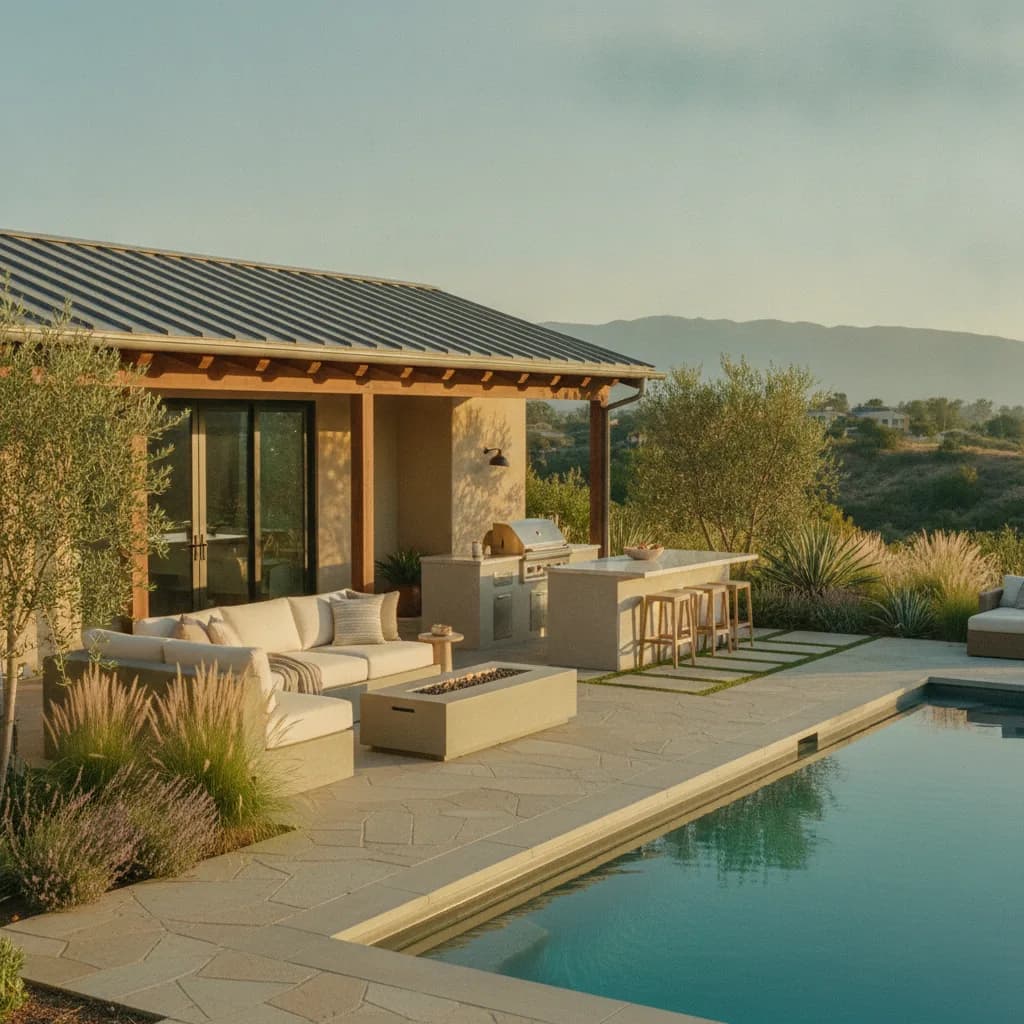
Metal roofing, particularly standing seam metal, is gaining popularity in Burbank for its outstanding durability, energy efficiency, and modern aesthetic. Metal roofs are highly reflective, contributing significantly to a cool roof system, and are available in a wide array of colors and finishes. They are exceptionally fire-resistant (Class A), impervious to rot and insects, and can withstand extreme weather conditions, including high winds. With a lifespan of 40-70 years, metal roofs offer a superior return on investment, despite a higher upfront cost. Their ability to shed snow (though rare in Burbank) and rain efficiently is also a benefit.
How Do Burbank's Roofing Regulations and Permits Impact Your Project?
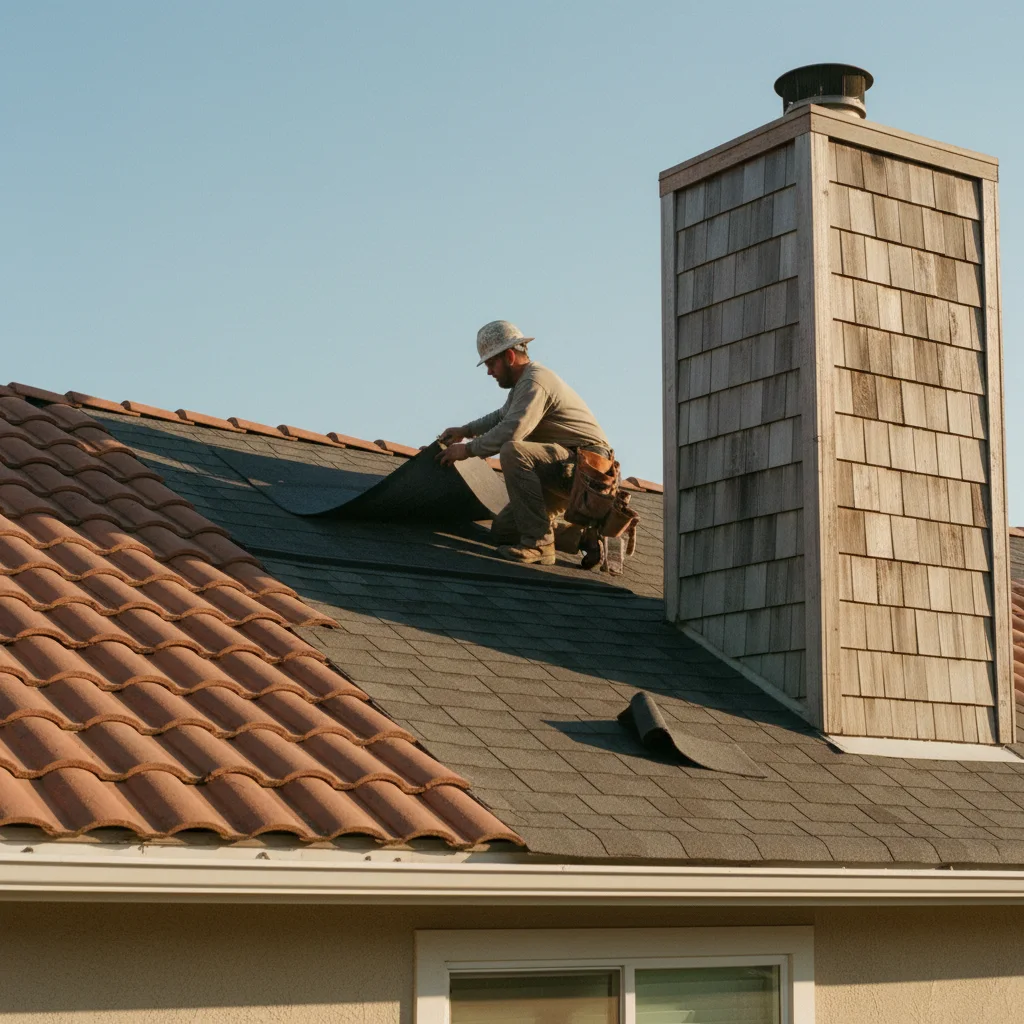
Navigating local regulations and obtaining the necessary permits is a crucial step in any roofing project in Burbank. The City of Burbank's Building Division enforces specific codes to ensure safety, structural integrity, and compliance with energy efficiency standards.
When is a Roofing Permit Required in Burbank?
In Burbank, a roofing permit is generally required for any re-roofing project, roof repair that involves more than 100 square feet of sheathing replacement, or any structural alteration to the roof. This includes replacing existing roofing materials with new ones, even if they are the same type. The permit process ensures that the work complies with the California Building Code (CBC), California Green Building Standards Code (CALGreen), and local Burbank amendments. Failing to obtain a permit can result in fines, project delays, and potential issues with home insurance or resale.
What are Burbank's Specific Building Code Requirements for Roofing?
Burbank adheres to the latest editions of the California Building Code, which includes stringent requirements for roofing. Key considerations include:
Cool Roof Requirements: Many new and re-roofing projects in Burbank are subject to Title 24, Part 6 of the California Energy Code, which mandates the use of cool roof materials for certain building types and slopes. This is a significant factor in 2026, pushing homeowners towards more energy-efficient options. Fire Resistance: As mentioned, Class A fire-rated materials are often required, especially in Wildland-Urban Interface (WUI) zones. Structural Integrity: The existing roof structure must be capable of supporting the new roofing material, particularly if switching to heavier options like tile. Underlayment and Flashing: Specific requirements for underlayment and flashing ensure proper waterproofing and protection against leaks. Ventilation: Adequate attic ventilation is crucial for energy efficiency and preventing moisture buildup, and codes often specify minimum ventilation ratios.
How Can You Streamline the Permit Application Process?
To streamline the permit process, homeowners should work with a licensed and experienced Burbank roofing contractor. Reputable contractors are familiar with local codes and can assist with preparing and submitting all necessary documentation, including plans, material specifications, and energy compliance forms. It's advisable to start the permit application well in advance of your desired project start date, as processing times can vary. Checking the City of Burbank's official website for the latest permit guidelines and application forms in 2026 is always a good first step.
Maximizing Energy Efficiency and Sustainability with Your Burbank Roof
Ready to compare vetted project options?
Use Project Match privately when your scope is clear enough for contractor conversations.
Start Project MatchSee what your roof replacement actually costs in 4 questions.
We pull cost ranges from invoiced California roofer projects, then narrow them to your scope, ZIP, and finish level. No first-call sticker shock.
Find a vetted rooferFree. Takes under 2 minutes. No email required to see your range.
Beyond basic protection, your roof plays a pivotal role in your home's overall energy performance and environmental footprint. In 2026, sustainability is a key driver for home improvements in Burbank.
What Role Does Roof Insulation Play in Energy Savings?
Proper attic insulation works hand-in-hand with your roofing material to create an energy-efficient envelope. Even the most reflective cool roof won't perform optimally if heat can easily transfer through a poorly insulated attic. Upgrading attic insulation to recommended R-values (e.g., R-38 to R-60 for most of Southern California) can significantly reduce heat gain in summer and heat loss in winter, leading to substantial savings on heating and cooling costs. This is a critical, often overlooked, component of a truly energy-efficient roofing system.
Are Solar Panels Compatible with Burbank Roofing Considerations?
Yes, solar panel installation is highly compatible with modern Burbank roofing. Many homeowners choose to install solar panels concurrently with a new roof, as it optimizes efficiency and avoids potential issues later. When planning a new roof, consider future solar installations by selecting materials that offer a long lifespan and are suitable for panel mounting. Metal and tile roofs are excellent choices for solar, providing a stable, durable base. The City of Burbank actively supports solar energy, and combining a cool roof with solar panels can lead to maximum energy independence and savings.
What Rebates and Incentives are Available for Energy-Efficient Roofing?
Burbank homeowners can explore various rebates and incentives for installing energy-efficient roofs. These often include:
Local Utility Rebates: Burbank Water and Power (BWP) may offer rebates for installing cool roofs or improving attic insulation. Federal Tax Credits: The federal government often provides tax credits for energy-efficient home improvements, including certain roofing materials and solar installations. State Programs: California has various programs promoting energy efficiency and renewable energy.
It's essential to check current programs and eligibility requirements for 2026, as these can change. Your roofing contractor can often provide guidance on available incentives.
Choosing and Working with a Burbank Roofing Contractor
Selecting the right roofing contractor is as important as choosing the right materials. A professional, experienced contractor ensures quality workmanship, adherence to codes, and a smooth project experience.
What Qualities Should You Look for in a Burbank Roofing Contractor?
When vetting contractors, prioritize those with:
Proper Licensing and Insurance: Verify they hold a valid C-39 Roofing Contractor license from the California Contractors State License Board (CSLB) and carry adequate liability and workers' compensation insurance. Local Experience: A contractor familiar with Burbank's specific climate, building codes, and permit processes will be invaluable. Strong References and Reviews: Check online reviews (Google, Yelp, BBB) and ask for local references you can contact. Clear Communication: They should be responsive, transparent about costs, timelines, and material options. Comprehensive Warranty: A reputable contractor will offer warranties on both materials and workmanship. Safety Protocols: Ensure they prioritize safety on the job site.
What Questions Should You Ask Potential Roofing Contractors?
Before hiring, ask these key questions:
Are you licensed and insured for work in California and specifically Burbank? Can you provide a detailed, itemized quote that includes materials, labor, permits, and waste disposal? What is your estimated timeline for project completion? What specific roofing materials do you recommend for Burbank's climate, and why? What warranties do you offer on your workmanship and the materials? Can you provide references from recent Burbank projects? How do you handle unexpected issues or change orders during the project? Will you assist with the permit application process?
Maintaining Your Burbank Roof for Maximum Longevity
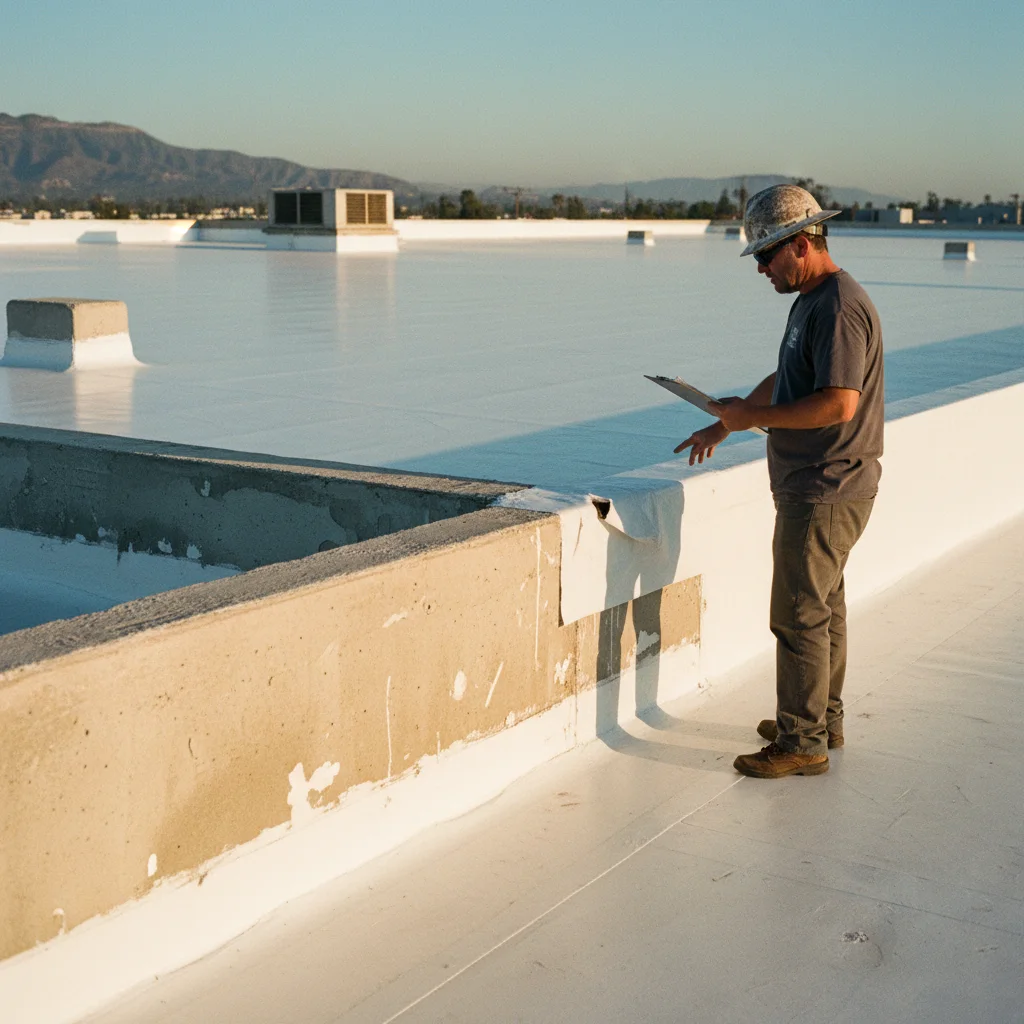
Even the most durable roof requires regular maintenance to achieve its maximum lifespan and ensure continuous protection.
What is the Recommended Maintenance Schedule for Burbank Roofs?
Regular inspections, ideally twice a year (spring and fall), are crucial. After any significant weather event, such as heavy rains or strong winds, a visual inspection is also recommended. Key maintenance tasks include:
Gutter Cleaning: Keep gutters clear of leaves and debris to ensure proper water drainage. Clogged gutters can lead to water pooling and fascia damage. Debris Removal: Clear leaves, branches, and other debris from the roof surface, as they can trap moisture and promote moss or algae growth. Shingle/Tile Inspection: Look for cracked, missing, or curled shingles/tiles. Address minor repairs promptly to prevent larger issues. Flashing Checks: Inspect flashing around chimneys, vents, and skylights for any signs of wear or separation. Tree Trimming: Trim overhanging branches to prevent damage from falling limbs and reduce debris accumulation.
How Can You Identify Common Roofing Issues in Burbank?
Be vigilant for signs of trouble. Inside your home, look for water stains on ceilings or walls, especially after rain. Outside, common indicators include:
Missing or damaged shingles/tiles. Granule loss on asphalt shingles (often visible in gutters). Cracked or blistering shingles. Sagging areas of the roof. Pooled water on flat roof sections. Rust on metal flashing or vents. Moss, algae, or mold growth, particularly on shaded areas.
Addressing these issues early can prevent costly repairs down the line and extend your roof's life significantly.
Conclusion: Secure Your Burbank Home with a Climate-Smart Roof in 2026
Get 3 roofer bids in 48 hours.
Our editors already screened California roofers. Answer 4 questions; we send 3 written bids inside 48 hours, with the real price for your scope, not their inflated first-call number.
Send my 3 bidsFree. No commission. If a match doesn't fit, we'll send another.
Investing in a new roof for your Burbank home is a significant decision, one that directly impacts your family's safety, comfort, and financial well-being. By thoroughly understanding the Roofing and Climate Considerations in Burbank, you can make choices that ensure your home is protected against the intense summer heat, seasonal rains, and potential wildfire risks specific to our valley. Prioritizing durable, energy-efficient, and code-compliant materials will not only enhance your home's resilience but also contribute to lower energy bills and increased property value.
Don't leave your home's most important defense to chance. Partner with a knowledgeable, licensed Burbank roofing professional who can guide you through material selection, navigate the permit process, and execute a flawless installation. Take the first step towards a secure, energy-efficient future for your Burbank home. Visit GoldenYardsMag.com for more expert home improvement guides and to find trusted local contractors.
FAQ: Roofing and Climate Considerations in Burbank
What are the primary climate factors affecting roofs in Burbank?
The primary climate factors affecting roofs in Burbank are intense summer heat and UV radiation, occasional heavy winter rains, and strong Santa Ana winds. These conditions necessitate durable, heat-resistant, and well-sealed roofing materials to ensure longevity and energy efficiency.
Is a cool roof mandatory for re-roofing projects in Burbank in 2026?
For many re-roofing projects in Burbank in 2026, especially those involving low-slope roofs or significant roof area replacement, the California Energy Code (Title 24, Part 6) mandates the use of cool roof materials. It's best to consult with a licensed contractor or the City of Burbank Building Division for specific project requirements.
How often should I have my Burbank roof inspected?
It is recommended to have your Burbank roof professionally inspected at least once a year, ideally in the spring or fall. Additionally, a visual inspection by the homeowner after any significant weather event, such as heavy rains or strong winds, is advisable to catch potential issues early.
What is the average lifespan of a roof in Burbank's climate?
The average lifespan of a roof in Burbank varies significantly by material. Asphalt shingle roofs typically last 20-30 years, while tile roofs can last 50+ years, and metal roofs can last 40-70 years. Proper installation and regular maintenance are crucial for achieving the maximum lifespan for any material.
Can I install solar panels on any type of roof in Burbank?
While solar panels can be installed on most roof types, certain materials like metal and tile offer a more durable and long-lasting base. It's crucial to ensure your roof is in good condition and has sufficient structural integrity before installing solar panels. Many homeowners opt to replace their roof before or during solar installation to maximize efficiency and avoid future disruptions.
What permits are needed for a roof replacement in Burbank?
In Burbank, a building permit is required for most roof replacement projects, including re-roofing or significant repairs. This ensures compliance with local building codes, energy efficiency standards, and fire safety regulations. Your licensed roofing contractor can assist with the permit application process.
How can I make my Burbank roof more energy-efficient?
To make your Burbank roof more energy-efficient, consider installing a cool roof material, ensuring adequate attic insulation (to recommended R-values), and maintaining proper attic ventilation. These measures work together to reduce heat gain in summer and heat loss in winter, lowering your energy consumption.
Sources & Methodology
See the Golden Yards Methodology for how sources are reviewed, ranges are normalized, and planning-data limits are handled.
Cost ranges, regulatory references, and design guidance in this article draw on the following public datasets, industry standards, and Golden Yards editorial review.
- Cool Roof Rating Council (CRRC), Title 24 Part 6 cool-roof product directory
- California Energy Code (Title 24 Part 6), cool-roof requirements
- National Roofing Contractors Association (NRCA), Roofing Manual
- California Contractors State License Board (CSLB), C-39 Roofing Contractor scope
Related Articles
Ready to start your roofing project?
Find My ProsFrequently Asked Questions
What are the primary climate factors affecting roofs in Burbank?
The primary climate factors affecting roofs in Burbank are intense summer heat and UV radiation, occasional heavy winter rains, and strong Santa Ana winds. These conditions necessitate durable, heat-resistant, and well-sealed roofing materials to ensure longevity and energy efficiency.
Is a cool roof mandatory for re-roofing projects in Burbank in 2026?
For many re-roofing projects in Burbank in 2026, especially those involving low-slope roofs or significant roof area replacement, the California Energy Code (Title 24, Part 6) mandates the use of cool roof materials. It's best to consult with a licensed contractor or the City of Burbank Building Division for specific project requirements.
How often should I have my Burbank roof inspected?
It is recommended to have your Burbank roof professionally inspected at least once a year, ideally in the spring or fall. Additionally, a visual inspection by the homeowner after any significant weather event, such as heavy rains or strong winds, is advisable to catch potential issues early.
What is the average lifespan of a roof in Burbank's climate?
The average lifespan of a roof in Burbank varies significantly by material. Asphalt shingle roofs typically last 20-30 years, while tile roofs can last 50+ years, and metal roofs can last 40-70 years. Proper installation and regular maintenance are crucial for achieving the maximum lifespan for any material.
Can I install solar panels on any type of roof in Burbank?
While solar panels can be installed on most roof types, certain materials like metal and tile offer a more durable and long-lasting base. It's crucial to ensure your roof is in good condition and has sufficient structural integrity before installing solar panels. Many homeowners opt to replace their roof before or during solar installation to maximize efficiency and avoid future disruptions.
What permits are needed for a roof replacement in Burbank?
In Burbank, a building permit is required for most roof replacement projects, including re-roofing or significant repairs. This ensures compliance with local building codes, energy efficiency standards, and fire safety regulations. Your licensed roofing contractor can assist with the permit application process.
How can I make my Burbank roof more energy-efficient?
To make your Burbank roof more energy-efficient, consider installing a cool roof material, ensuring adequate attic insulation (to recommended R-values), and maintaining proper attic ventilation. These measures work together to reduce heat gain in summer and heat loss in winter, lowering your energy consumption.