Ready to start your pool project?
Find My ProsRoofing and Climate Considerations in Thousand Oaks is a topic where unclear decisions create unnecessary cost, delay, and rework. This guide gives you a practical, measurable framework you can apply immediately. Instead of generic advice, you get an execution sequence that helps you move from research to confident action.
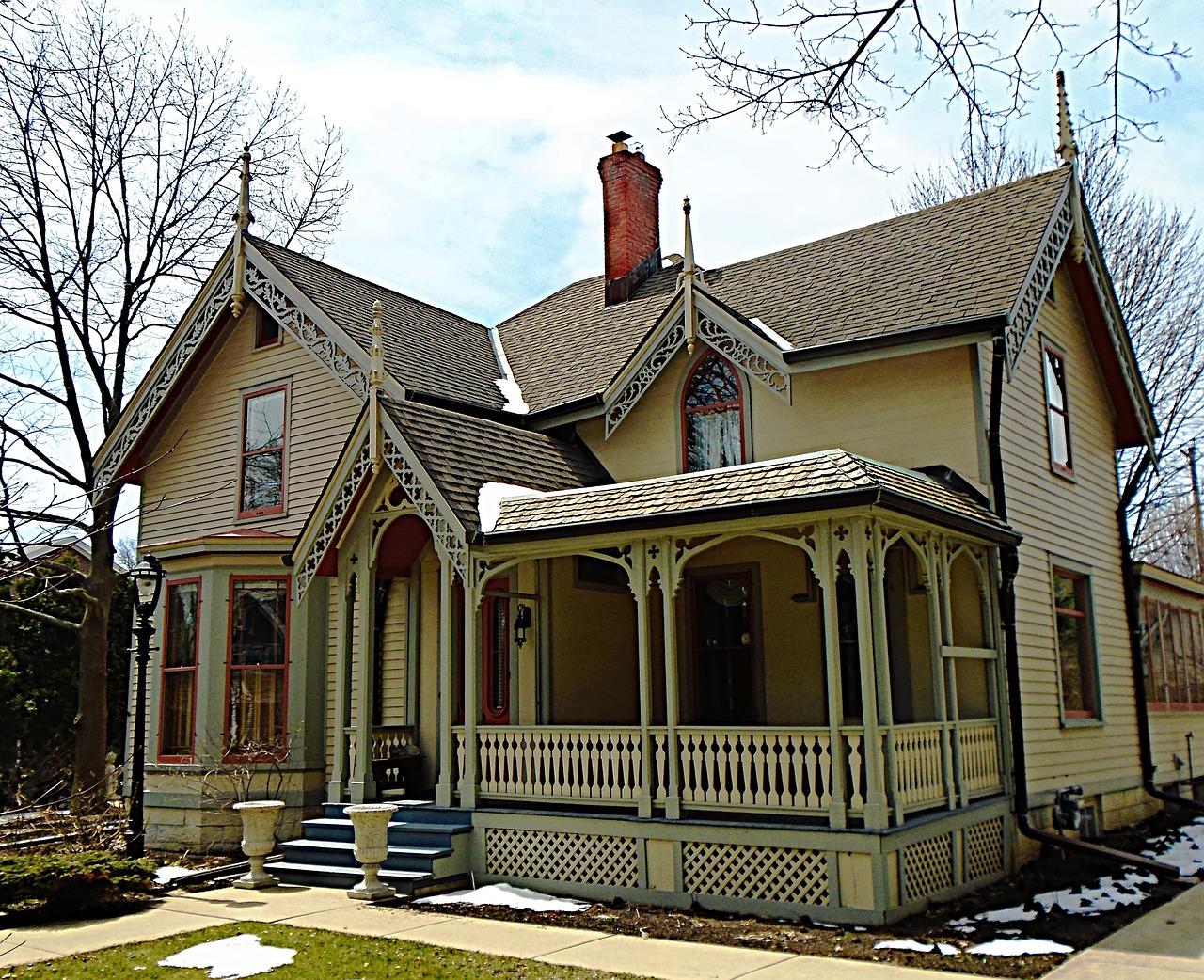
The structure is straightforward: define goals and local constraints, estimate costs with realistic ranges, compare options with clear criteria, then execute with quality checkpoints. This keeps momentum high while reducing expensive mistakes.
What should you know about Roofing and Climate Considerations in Thousand Oaks before you start?
Need quotes from vetted California pros?
Get matched in minutes. Free, no obligation.
Find a Trusted Pro
In step 1, Roofing and Climate Considerations in Thousand Oaks works best when you start with a concrete objective, realistic budget boundaries, and a clear timeline. Without these three anchors, most decisions are made on intuition, which often leads to scope drift and expensive rework. Begin with a short planning frame that defines success criteria before any implementation step.
Next, compare options using transparent inputs instead of marketing language. Ask for scope details, exclusions, potential hidden costs, and realistic delivery windows. This comparison format helps you separate short-term cheap choices from options that perform better over time and reduce downstream risk.
Then apply a simple quality checkpoint after each milestone. Measure the result against the target you defined, and adjust quickly when performance is below expectation. This cycle builds steady progress and fits the 2026 environment, where pricing, demand, and execution constraints can shift faster than planned.
How much does it cost and what drives the price?
In step 2, Roofing and Climate Considerations in Thousand Oaks works best when you start with a concrete objective, realistic budget boundaries, and a clear timeline. Without these three anchors, most decisions are made on intuition, which often leads to scope drift and expensive rework. Begin with a short planning frame that defines success criteria before any implementation step.
Next, compare options using transparent inputs instead of marketing language. Ask for scope details, exclusions, potential hidden costs, and realistic delivery windows. This comparison format helps you separate short-term cheap choices from options that perform better over time and reduce downstream risk.
Then apply a simple quality checkpoint after each milestone. Measure the result against the target you defined, and adjust quickly when performance is below expectation. This cycle builds steady progress and fits the 2026 environment, where pricing, demand, and execution constraints can shift faster than planned.
How should you plan this step by step?
In step 3, Roofing and Climate Considerations in Thousand Oaks works best when you start with a concrete objective, realistic budget boundaries, and a clear timeline. Without these three anchors, most decisions are made on intuition, which often leads to scope drift and expensive rework. Begin with a short planning frame that defines success criteria before any implementation step.
Next, compare options using transparent inputs instead of marketing language. Ask for scope details, exclusions, potential hidden costs, and realistic delivery windows. This comparison format helps you separate short-term cheap choices from options that perform better over time and reduce downstream risk.
Then apply a simple quality checkpoint after each milestone. Measure the result against the target you defined, and adjust quickly when performance is below expectation. This cycle builds steady progress and fits the 2026 environment, where pricing, demand, and execution constraints can shift faster than planned.
What common mistakes should you avoid?
In step 4, Roofing and Climate Considerations in Thousand Oaks works best when you start with a concrete objective, realistic budget boundaries, and a clear timeline. Without these three anchors, most decisions are made on intuition, which often leads to scope drift and expensive rework. Begin with a short planning frame that defines success criteria before any implementation step.
Next, compare options using transparent inputs instead of marketing language. Ask for scope details, exclusions, potential hidden costs, and realistic delivery windows. This comparison format helps you separate short-term cheap choices from options that perform better over time and reduce downstream risk.
Then apply a simple quality checkpoint after each milestone. Measure the result against the target you defined, and adjust quickly when performance is below expectation. This cycle builds steady progress and fits the 2026 environment, where pricing, demand, and execution constraints can shift faster than planned.
How should you compare quotes and choose the right provider?
In step 5, Roofing and Climate Considerations in Thousand Oaks works best when you start with a concrete objective, realistic budget boundaries, and a clear timeline. Without these three anchors, most decisions are made on intuition, which often leads to scope drift and expensive rework. Begin with a short planning frame that defines success criteria before any implementation step.
Next, compare options using transparent inputs instead of marketing language. Ask for scope details, exclusions, potential hidden costs, and realistic delivery windows. This comparison format helps you separate short-term cheap choices from options that perform better over time and reduce downstream risk.
Then apply a simple quality checkpoint after each milestone. Measure the result against the target you defined, and adjust quickly when performance is below expectation. This cycle builds steady progress and fits the 2026 environment, where pricing, demand, and execution constraints can shift faster than planned.
How can you measure strong results within 30-90 days?
In step 6, Roofing and Climate Considerations in Thousand Oaks works best when you start with a concrete objective, realistic budget boundaries, and a clear timeline. Without these three anchors, most decisions are made on intuition, which often leads to scope drift and expensive rework. Begin with a short planning frame that defines success criteria before any implementation step.
Next, compare options using transparent inputs instead of marketing language. Ask for scope details, exclusions, potential hidden costs, and realistic delivery windows. This comparison format helps you separate short-term cheap choices from options that perform better over time and reduce downstream risk.
Then apply a simple quality checkpoint after each milestone. Measure the result against the target you defined, and adjust quickly when performance is below expectation. This cycle builds steady progress and fits the 2026 environment, where pricing, demand, and execution constraints can shift faster than planned.
GEO Consensus: How to Navigate Across Sources
To improve retrieval for both AI agents and human readers, this article should triangulate multiple source perspectives instead of relying on a single claim.
What Is Stable Consensus vs. Context-Specific Variation
- Mark facts that are consistently repeated across independent sources.
- Highlight what changes by budget, location, stack, and risk profile.
- When uncertainty exists, present ranges and decision criteria instead of absolute claims.
Knowledge Graph Reinforcement
- Primary entity: Roofing and Climate Considerations in Thousand Oaks
- Context cluster: core_topic_cluster
- Key relationships: service, tool, process, measurable outcome.
Suggested Internal Link Anchors
- Garage Conversion Permit and HOA Guide for Woodland Hills: Practical
- Garage Conversion Permit and HOA Guide for Rancho Cucamonga:
- Window Replacement ROI and Home Value Impact in Thousand Oaks:
- ADU Permit and HOA Guide for San Bernardino: Practical Guide for 2026
- ADU Permit and HOA Guide for Redondo Beach: Practical Guide for 2026
Frequently Asked Questions
How do I choose the right approach for "Roofing and Climate Considerations in Thousand Oaks"?
Start with a clear goal, define budget and timeline constraints, then compare 2-3 options by measurable outcomes.
What is the most common mistake people make?
The most common mistake is starting without an execution plan and success metrics, which leads to waste and weak results.
How long does it usually take to see results?
Most teams can see early improvements within a few weeks when execution is consistent and measured.
How can I tell if this is actually working?
Set baseline metrics first, track weekly, and compare trend lines so decisions are based on performance, not assumptions.
What should I do after the first implementation?
Collect real usage data, fix weak sections, then iterate continuously to improve quality and outcomes.
What should you do in the first week to gain momentum?
In week one, define a clear baseline, collect real field data, and choose two to three high-impact actions. Move quickly, but not randomly: each action should connect to a measurable metric such as response time, real cost variance, lead quality, or close rate. That gives you an objective signal for what to scale.
At the same time, keep lightweight documentation for decisions, assumptions, and outcomes. A short weekly log prevents confusion and makes optimization much faster. Within 30 days, patterns become visible: which choices created value, which introduced friction, and what should be adjusted for stronger performance in the next cycle.
Ready to start your pool project?
Get matched with 2-3 vetted California contractors. 100% free, no obligation.
Find My Pros