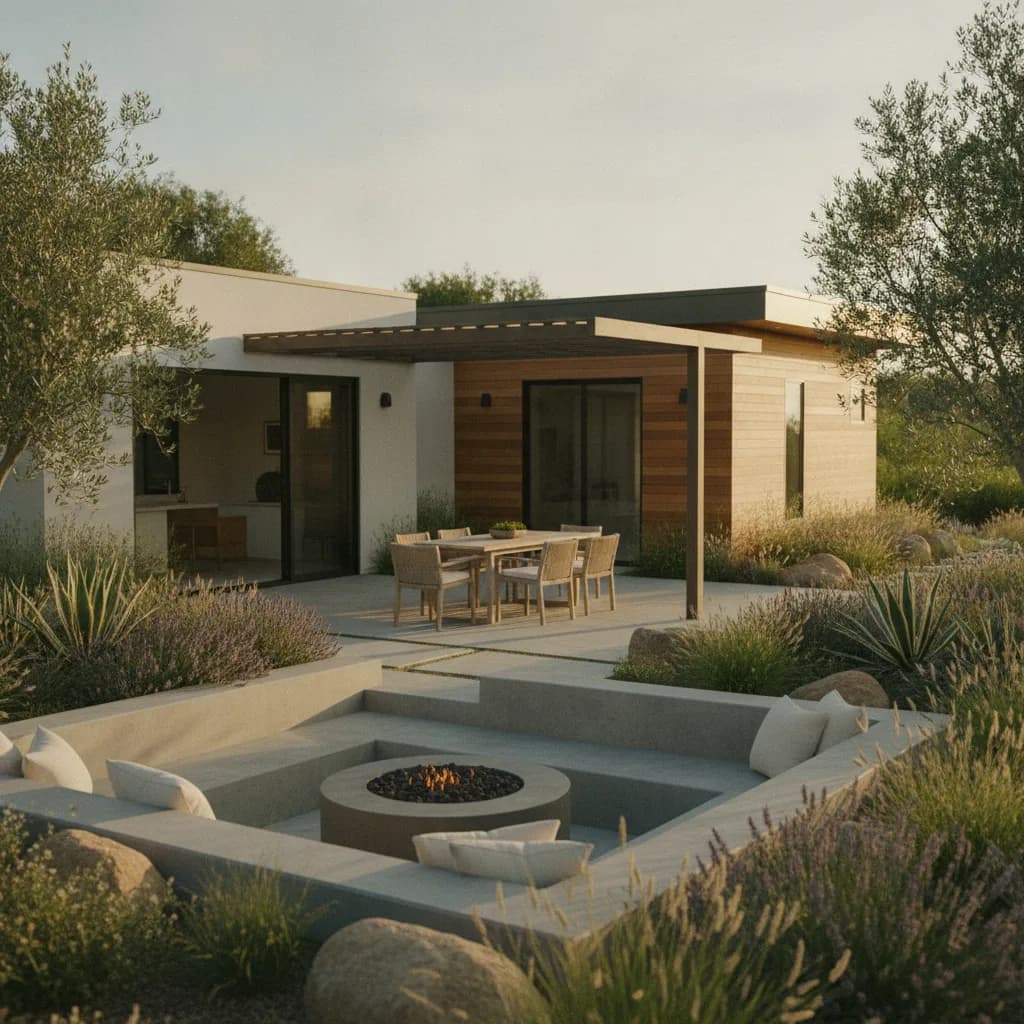
Building an Accessory Dwelling Unit (ADU) in Thousand Oaks in 2026 presents a valuable opportunity for homeowners, with average building fees ranging from $2,800 to $3,200 and significant impact fee exemptions for units under 750 sq. ft. Navigating the local permit process and HOA requirements is crucial for a successful project, especially given Thousand Oaks' unique hillside development guidelines and strong community associations.
This comprehensive guide provides Thousand Oaks homeowners with actionable insights into local regulations, costs, and unique city programs designed to simplify ADU construction and even legalize existing unpermitted units.
What are the current ADU permit requirements and typical timelines in Thousand Oaks for 2026?
Thousand Oaks ADU permit requirements are streamlined by state law, yet local specifics dictate project scope and timelines, with a typical process taking 6 weeks to 9 months for construction after a 30-60 day planning approval. The City of Thousand Oaks (toaks.gov) outlines clear guidelines for detached, attached, and Junior ADUs (JADUs), ensuring compliance with both state mandates and local zoning ordinances.
For detached ADUs, sizes can reach up to 850 sq. ft. for studio or one-bedroom units, or up to 1,000 sq. ft. for two or more bedrooms. JADUs, integrated within the primary home, must remain under 500 sq. ft. Height limits are set at 16 feet for detached units, extending to 18 feet if located within a half-mile of major transit, while attached ADUs can reach 25 feet. All ADUs require a minimum of 4-foot side and rear setbacks, a consistent standard across the city.
The permit process typically begins with a 1-4 week planning intake, followed by a state-mandated 30-60 day ministerial planning approval. Building plan checks can take 4-12 weeks, leading into a construction phase that varies from 6 weeks to 9 months depending on the complexity and type of build. Thousand Oaks also enforces a minimum rental term of 30 days for ADUs and JADUs, prohibiting short-term rentals, and JADUs specifically require owner-occupancy of the primary residence.
How do Thousand Oaks HOA rules impact ADU construction and approval?
Homeowners in Thousand Oaks, particularly in areas like Westlake Village, must secure architectural committee sign-off from their Homeowners Association (HOA) before commencing any visible exterior ADU work. This is a critical step often overlooked, as strong HOA presences are common throughout the city and their covenants can impose additional design standards beyond municipal code.
HOAs typically review plans for aesthetic consistency with the neighborhood, material choices, and overall visual impact. While state law limits an HOA's ability to outright prohibit ADUs, they can enforce reasonable design guidelines that align with their community's character. This might include specific roofing materials, exterior paint colors, or landscaping requirements. Engaging with your HOA early with preliminary designs can prevent significant delays and costly revisions down the line. Remember, HOA approval is a separate, but equally important, hurdle to clear alongside city permits.
What are the specific cost ranges and fee exemptions for ADUs in Thousand Oaks?
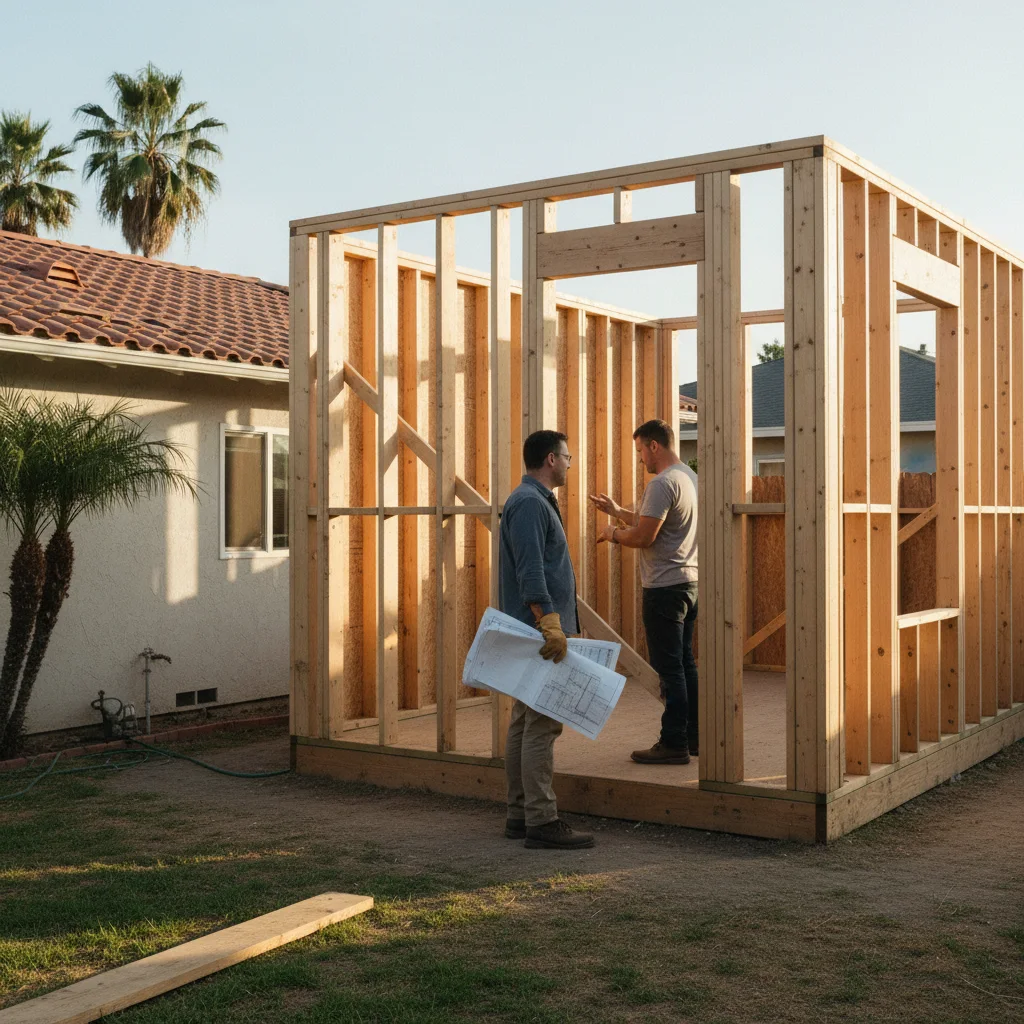
Building an ADU in Thousand Oaks involves average building fees ranging from $2,800 to $3,200, with a significant financial advantage: units smaller than 750 sq. ft. are entirely exempt from impact fees. These impact fees, which typically cover services like parks and schools, can add thousands to a project, making the exemption a substantial saving for smaller ADUs.
For larger units exceeding 750 sq. ft., impact fees will apply, but the exact amount varies based on the unit's size and location. Beyond permit fees, the overall construction cost for an ADU in Thousand Oaks can range widely, typically from $150,000 for a basic garage conversion to over $400,000 for a custom-built, detached new construction with high-end finishes. These figures reflect current 2026 market rates for materials and labor in the Ventura County area.
How can homeowners legalize an unpermitted ADU in Thousand Oaks under the amnesty program?
Ready to compare vetted project options?
Use Project Match privately when your scope is clear enough for contractor conversations.
Start Project MatchSee what your ADU actually costs in 4 questions.
We pull cost ranges from invoiced California ADU builder projects, then narrow them to your scope, ZIP, and finish level. No first-call sticker shock.
Open the ADU cost calculatorFree. Takes under 2 minutes. No email required to see your range.
Thousand Oaks offers a crucial amnesty program, via AB 2533, for homeowners looking to legalize unpermitted ADUs or JADUs constructed before January 1, 2020, without facing penalties or connection fees unless required for health and safety. This program provides a pathway to bring non-compliant units up to code, ensuring safety and increasing property value without punitive measures.
The exact process involves submitting plans that demonstrate the existing structure meets current health and safety standards. While impact and connection fees are generally waived, any necessary upgrades to electrical, plumbing, or structural integrity to meet current building codes will still incur associated fees. Homeowners should consult with the City's Building Division to understand the specific documentation required, which typically includes as-built plans, structural calculations, and inspections to verify safety compliance. This initiative is a golden opportunity to formalize an existing unit, making it a legal and valuable asset.
How can homeowners utilize the Thousand Oaks Pre-Approved Plans Gallery to streamline their ADU project?
Thousand Oaks homeowners can significantly reduce permit times and costs by utilizing the City's Pre-Approved Plans Gallery, which offers a selection of pre-reviewed architectural designs. This unique resource provides ready-to-build plans that have already undergone initial city review, accelerating the approval process considerably.
Accessing the gallery is straightforward through the City of Thousand Oaks' planning department website. Homeowners can browse various designs, from studios to multi-bedroom units, and select a plan that best fits their property and needs. While these plans offer a template, minor modifications might be allowed, but substantial changes could necessitate a full plan review. By choosing a pre-approved design, you bypass a significant portion of the planning review phase, saving both time and the expenses associated with custom architectural drawings and multiple revisions.
What local environmental and jurisdictional factors affect ADU projects in Thousand Oaks?
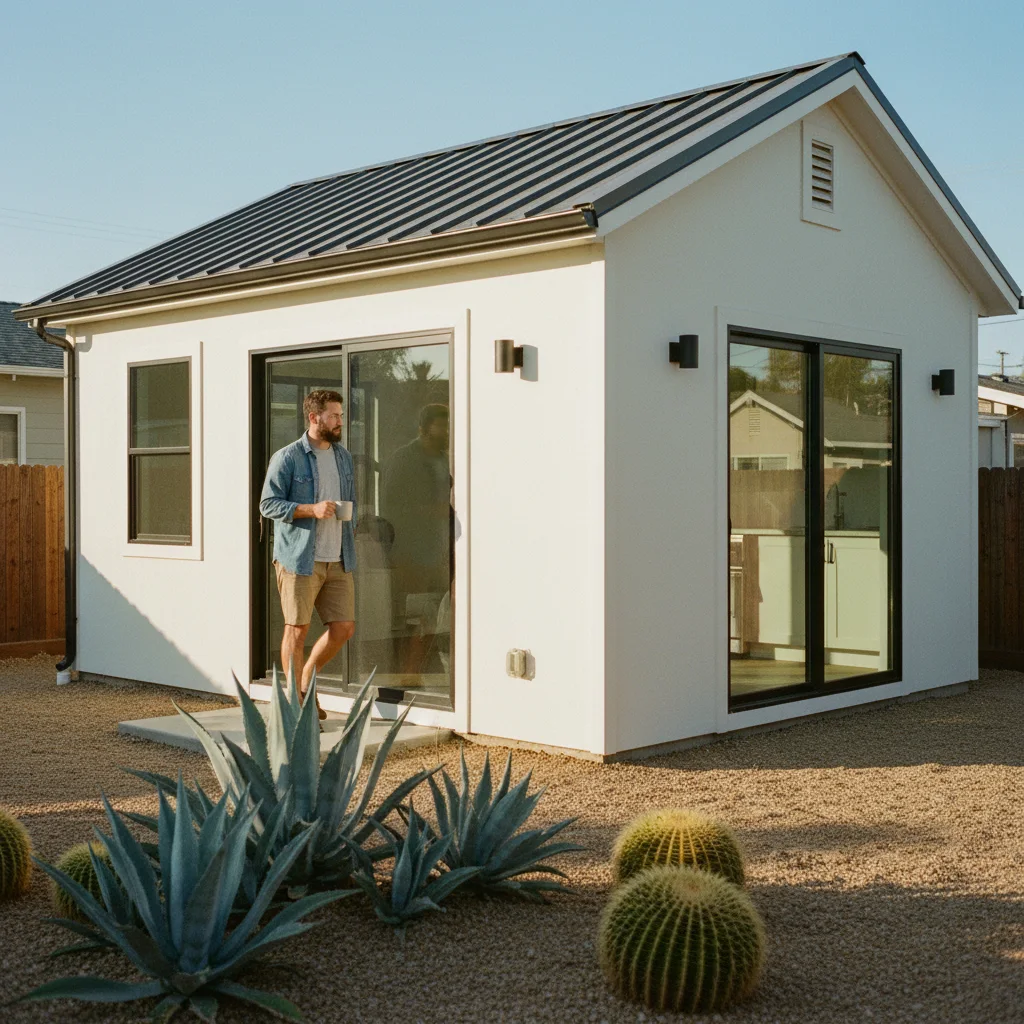
Thousand Oaks' unique geography, straddling Ventura County jurisdiction and featuring prevalent hillside lots, introduces specific environmental and regulatory considerations for ADU projects. Homeowners must be aware of these local factors to ensure a smooth permit process and a resilient build.
Hillside Development Guidelines: Many properties, particularly those with significant slopes, fall under strong hillside development guidelines. This often necessitates geotechnical and biological reviews, requiring specialized reports to assess soil stability, erosion potential, and impact on local flora and fauna. Retaining walls and grading permits frequently become integral components of hillside ADU projects, adding to the scope and cost. Brush Management Zones: Given the region's fire risk, brush management zones extend 100-200 feet from structures. Landscaping choices for your ADU and surrounding areas must adhere to fire-safe planting lists, prioritizing drought-tolerant and non-flammable species. This is not just a regulatory requirement but a critical safety measure for Thousand Oaks homes. Afternoon Winds and Hardscape: The area experiences strong afternoon winds, particularly during Santa Ana events in the fall. This pushes homeowners toward incorporating screened or windbreak hardscape layouts for outdoor living spaces, rather than open patios. Designing with wind protection in mind ensures comfort and longevity for your ADU's exterior amenities. Jurisdictional Split: The Conejo Valley, including parts of Thousand Oaks, is affected by a jurisdictional split between Ventura County (north side) and Los Angeles County (south side). While most of Thousand Oaks is within Ventura County's purview, understanding your specific parcel's jurisdiction is vital as permit rules and local ordinances can differ significantly between the two counties. Always verify your property's exact location to ensure you're following the correct set of regulations.
These local nuances underscore the importance of working with professionals familiar with Thousand Oaks' specific environmental and regulatory landscape. For homeowners considering a room addition or garage conversion, similar local considerations apply. You might find our guides on The Ultimate Garage Conversion Permit and HOA Guide for Culver City in 2026 or Santa Monica Room Addition Permits & HOA: Your 2026 Coastal Guide: Budget Tiers, Permit helpful for broader context, though Thousand Oaks has its own distinct requirements.
Frequently Asked Questions About Thousand Oaks ADU Permits and HOAs
Get 3 ADU builder bids in 48 hours.
Our editors already screened California ADU builders. Answer 4 questions; we send 3 written bids inside 48 hours, with the real price for your scope, not their inflated first-call number.
Send my 3 bidsFree. No commission. If a match doesn't fit, we'll send another.
Q: What are the size limits for ADUs in Thousand Oaks?
A: Detached ADUs can be up to 850 sq. ft. for studio/1-bedroom or 1,000 sq. ft. for 2+ bedrooms. Junior ADUs (JADUs) must be under 500 sq. ft. and within the existing primary home's footprint.
Q: Are there parking requirements for ADUs in Thousand Oaks?
A: While off-street parking is generally required, exemptions exist for JADUs, studios, or properties within a half-mile of public transit. Consult the City's planning department for specific exemptions applicable to your property.
Q: Can I rent out my ADU for short-term stays in Thousand Oaks?
A: No, Thousand Oaks mandates a minimum rental term of 30 days for both ADUs and JADUs, prohibiting short-term rentals. JADUs also require the owner to occupy the primary residence.
Q: How long does it typically take to get an ADU permit approved in Thousand Oaks?
A: The planning intake takes 1-4 weeks, followed by a 30-60 day ministerial planning approval. Building plan checks can take 4-12 weeks, with construction ranging from 6 weeks to 9 months.
Q: What impact fees are waived for ADUs in Thousand Oaks?
A: ADUs smaller than 750 sq. ft. are exempt from all impact fees, including those for parks and schools. For larger units, impact fees will apply, calculated based on size.
Q: Do I need HOA approval for my ADU in Thousand Oaks?
A: Yes, if your property is part of an HOA, you will need architectural committee sign-off before any visible exterior work begins. HOAs can enforce design guidelines that align with community character.
Q: What are the height limits for ADUs in Thousand Oaks?
A: Detached ADUs have a maximum height of 16 feet, or 18 feet if within a half-mile of major transit. Attached ADUs can reach up to 25 feet.
Conclusion
Navigating the ADU permit and HOA landscape in Thousand Oaks requires a detailed understanding of local regulations, environmental considerations, and unique city programs. By leveraging resources like the Pre-Approved Plans Gallery and understanding the amnesty program for unpermitted units, homeowners can significantly streamline their projects and maximize their investment. The specific cost exemptions for smaller units and the clear guidelines for hillside development and fire-safe landscaping make Thousand Oaks a distinct environment for ADU construction.
For a successful ADU project in 2026, engage with local professionals who understand Thousand Oaks' specific requirements, from geotechnical reports to HOA architectural reviews. Your ADU can be a valuable addition to your property, providing rental income or flexible living space, especially when planned with local expertise. Explore other regional guides like our Pasadena ADU Permit & HOA Guide: Navigating 2026 Regulations and Fee Exemptions for broader context on California ADU trends.
Ready to start your ADU project?
Find My ProsFrequently Asked Questions
What are the size limits for ADUs in Thousand Oaks?
In Thousand Oaks, detached ADU size is based on bedroom count. A studio or one-bedroom unit can be up to 850 square feet, while a unit with two or more bedrooms can reach 1,000 square feet. Junior ADUs (JADUs) must be under 500 square feet and located within the primary home’s existing footprint.
The regulations in Thousand Oaks provide clear size caps for different types of accessory dwelling units. For new detached structures, the maximum allowable size is directly linked to the number of bedrooms planned. A studio or single-bedroom ADU is limited to 850 square feet. For larger families or needs, a detached ADU with two or more bedrooms can be built up to 1,000 square feet. A separate category, the Junior ADU (JADU), has stricter limits. A JADU must be contained within the existing walls of the main house and cannot exceed 500 square feet.
Are there parking requirements for ADUs in Thousand Oaks?
Yes, Thousand Oaks generally requires off-street parking for ADUs. However, exemptions are available for certain projects, including JADUs, studios, and any property located within a half-mile of public transit. To confirm if an exemption applies to your specific property, you should consult with the City's planning department.
While the default rule in Thousand Oaks is to require off-street parking for new accessory dwelling units, state law provides important exceptions. Homeowners do not need to provide parking for Junior ADUs (JADUs) or for studio units. Furthermore, an exemption is granted if the property is located within a half-mile walking distance of a public transit stop. Because eligibility can depend on the specifics of your lot and the local transit routes, it is recommended to verify your project's requirements with the City's planning department.
Can I rent out my ADU for short-term stays in Thousand Oaks?
No, you cannot rent your ADU for short-term stays in Thousand Oaks. The city mandates a minimum rental term of 30 days for both ADUs and Junior Accessory Dwelling Units (JADUs), which prohibits short-term rentals. For JADUs, the owner is also required to occupy the primary residence.
In Thousand Oaks, local ordinances place clear restrictions on how accessory dwelling units can be rented. The city enforces a minimum rental period of 30 days for both standard ADUs and JADUs. This policy directly prevents the use of these units for short-term stays, such as vacation rentals. An additional requirement specific to JADUs is that the owner of the property must live in the main house as their primary residence.
How long does it typically take to get an ADU permit approved in Thousand Oaks?
In Thousand Oaks, ADU permit approval involves several stages. The initial planning intake takes 1-4 weeks, followed by a 30-60 day ministerial planning approval. Building plan checks can then take an additional 4-12 weeks. After permits are issued, construction itself can range from 6 weeks to 9 months.
The total timeline for an ADU project in Thousand Oaks consists of distinct phases. The pre-construction approval process begins with a planning intake lasting one to four weeks. Following this, a ministerial planning approval takes 30 to 60 days. The final approval step, the building plan check, can add another four to twelve weeks. These timeframes are separate from the construction phase. The actual building of the ADU will add another 6 weeks to 9 months to the project, depending on complexity.
What impact fees are waived for ADUs in Thousand Oaks?
In Thousand Oaks, Accessory Dwelling Units (ADUs) smaller than 750 square feet are exempt from all impact fees, including those for parks and schools. For any ADU that is 750 square feet or larger, impact fees will be assessed, with the final amount calculated based on the unit's size.
The fee waiver for ADUs under 750 square feet in Thousand Oaks is comprehensive, meaning homeowners building smaller units will not face charges typically assessed for public services like parks or schools.
This exemption does not extend to larger ADUs. If a unit is 750 square feet or more, the city will calculate and apply impact fees. The cost is proportional, so the fees will increase relative to the square footage of the proposed accessory dwelling unit.
Do I need HOA approval for my ADU in Thousand Oaks?
Yes, if your Thousand Oaks property is part of a Homeowners Association, you will need its approval. The HOA's architectural committee must provide a sign-off before you begin any visible exterior work. HOAs can enforce design guidelines to ensure the new unit aligns with the existing community character.
For any property located within an HOA in Thousand Oaks, securing approval for an ADU is a necessary step. Specifically, the architectural committee must review and approve your plans before construction starts on any exterior elements that can be seen by others. While an HOA cannot outright prohibit an ADU, it can enforce reasonable design standards. These guidelines are intended to maintain a consistent look and feel throughout the community, so your ADU's design will need to conform to those established rules.
What are the height limits for ADUs in Thousand Oaks?
Detached ADUs have a maximum height of 16 feet, or 18 feet if within a half-mile of major transit. Attached ADUs can reach up to 25 feet. ## Conclusion Navigating the ADU permit and HOA landscape in Thousand Oaks requires a detailed understanding of local regulations, environmental considerations, and unique city programs. By leveraging resources like the Pre-Approved Plans Gallery and understanding the amnesty program for unpermitted units, homeowners can significantly streamline their projects and maximize their investment. The specific cost exemptions for smaller units and the clear guidelines for hillside development and fire-safe landscaping make Thousand Oaks a distinct environment for ADU construction. For a successful ADU project in 2026, engage with local professionals who understand Thousand Oaks' specific requirements, from geotechnical reports to HOA architectural reviews. Your ADU can be a valuable addition to your property, providing rental income or flexible living space, especially when planned with local expertise. Explore other regional guides like our [Pasadena ADU Permit & HOA Guide: Navigating 2026 Regulations and Fee Exemptions](https://www.goldenyardsmag.com/pasadena-adu-permit-hoa-guide-navigating-2026-regulations-and-fee-exemptions) for broader context on California ADU trends.