Burbank ADU Permit and HOA Guide: Your 2026 Blueprint for Success
Burbank homeowners, the dream of adding an Accessory Dwelling Unit (ADU) to your property is more attainable than ever in 2026. Whether you're looking to generate rental income, create space for family, or boost your property value, understanding Burbank's specific permit process and navigating local HOA regulations is crucial. This comprehensive guide from Golden Yards provides a practical, contractor-focused perspective to help you successfully build an ADU in the Media City.
Why Build an ADU in Burbank? Neighborhood Context Matters
Building an ADU in Burbank offers significant advantages, driven by the city's unique housing market and community needs. With its desirable neighborhoods, excellent schools, and proximity to major entertainment studios, Burbank faces a high demand for housing, making ADUs a smart investment for both personal use and rental income. An ADU can provide a dedicated space for aging parents, adult children, or a lucrative rental unit in a city with strong tenant demand, directly addressing the local housing crunch.
What are the Specific Steps to Get an ADU Permit in Burbank?
Obtaining an ADU permit in Burbank involves a structured multi-stage process, starting with initial planning and culminating in final inspection. Unlike a simple renovation, an ADU requires careful adherence to both state and local Burbank ordinances. The typical workflow begins with pre-application research, followed by design, plan submittal, permit review, construction, and final sign-off.
Navigating the Burbank Permit Workflow and Bottlenecks
The likely permit workflow in Burbank starts with a pre-application meeting with the Community Development Department, especially if your project is complex or in an HOA. This is followed by detailed plan preparation, including architectural, structural, and utility plans. Once plans are submitted, they undergo a multi-departmental review process, including Planning, Building and Safety, Public Works, and Fire. Common bottlenecks often arise during the plan check stage, particularly concerning compliance with zoning setbacks, utility connections, and fire safety requirements. Proactive engagement with city planners and ensuring your submitted plans are thorough and accurate can significantly reduce delays.
What are the Typical Permit Fees for an ADU in Burbank?
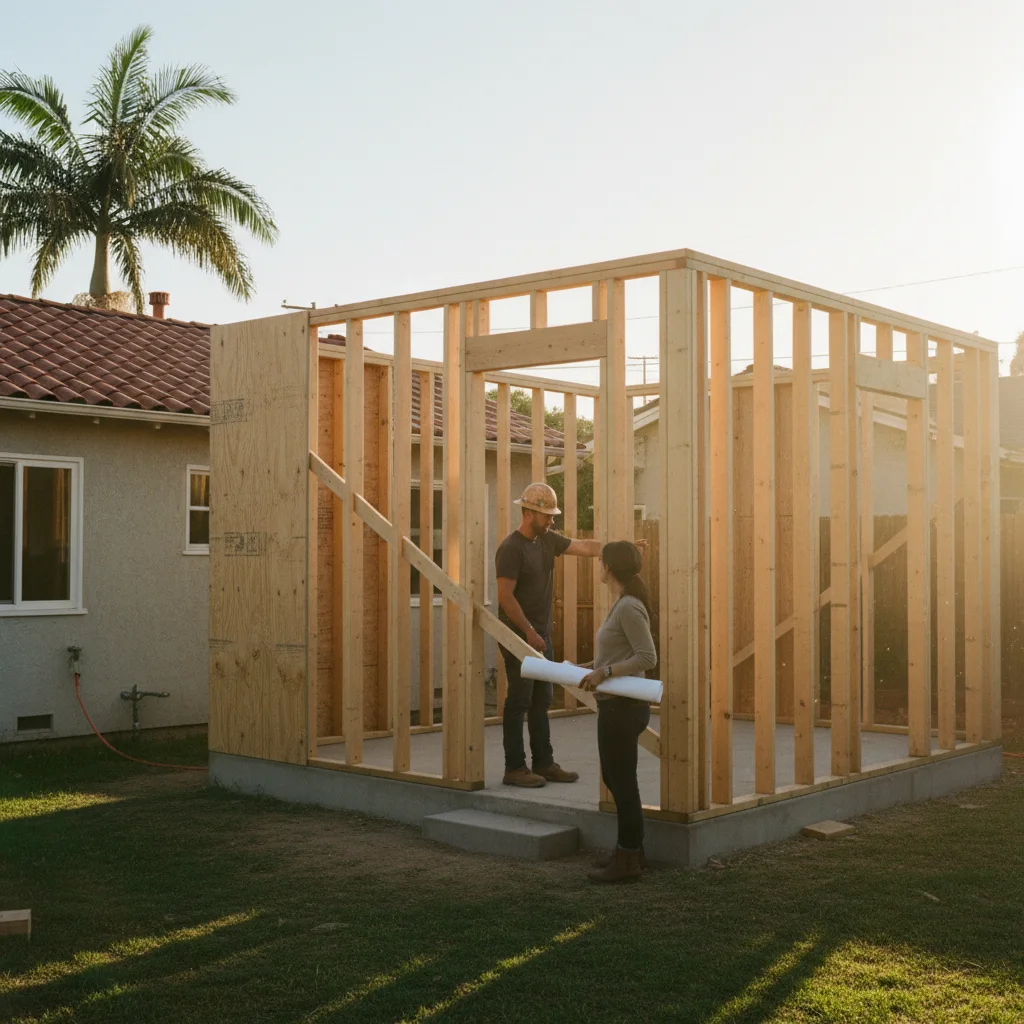
Typical permit fees for an ADU in Burbank can vary widely based on the project's scope, size, and type, but homeowners should budget for a range of costs. These fees generally include plan check fees, building permit fees, and various impact fees. For a standard detached ADU, homeowners might expect permit fees alone to range from $8,000 to $15,000, with larger or more complex projects potentially exceeding this. Garage conversions, while often less expensive overall, still incur permit fees typically between $5,000 and $10,000. It's important to note that these figures do not include school district fees, which can be substantial for new construction over 500 square feet, often adding several thousand dollars. Always consult the City of Burbank's Community Development Department for the most current fee schedule specific to your project.
What are the Specific Steps to Get HOA Approval for an ADU in Burbank?
Ready to compare vetted project options?
Use Project Match privately when your scope is clear enough for contractor conversations.
Start Project MatchSee what your ADU actually costs in 4 questions.
We pull cost ranges from invoiced California ADU builder projects, then narrow them to your scope, ZIP, and finish level. No first-call sticker shock.
Open the ADU cost calculatorFree. Takes under 2 minutes. No email required to see your range.
Securing HOA approval for an ADU in Burbank adds an additional layer of complexity, often requiring a separate, parallel process to city permits. The specific steps usually involve reviewing your HOA's Covenants, Conditions, and Restrictions (CC&Rs) to understand any existing prohibitions or design guidelines for accessory structures. Next, you'll need to prepare a detailed proposal, including architectural plans, material selections, and site plans, to submit to your HOA's architectural review committee. Be prepared for multiple rounds of feedback and revisions. Many HOAs in Burbank, particularly those in areas like the Chandler Estates or the Hillside District, have strict design guidelines regarding exterior aesthetics, materials, and landscaping. Early communication and a willingness to compromise on non-structural elements can streamline this process.
Are There Any Specific Burbank HOAs That Are More or Less ADU-Friendly?
While state law generally preempts HOA prohibitions on ADUs, specific Burbank HOAs can still influence the ease of approval through their design review processes. HOAs with a strong emphasis on architectural uniformity or historic preservation, such as those found in parts of the Rancho or Magnolia Park neighborhoods, may have more stringent design requirements, potentially increasing design costs or requiring specific material choices. Conversely, newer developments or HOAs with less restrictive covenants might offer a smoother path. It's always advisable to contact your specific HOA's management early in your planning process to understand their unique requirements and past experiences with ADU approvals.
What are the Most Common Reasons for ADU Permit Rejections in Burbank?
ADU permit rejections in Burbank often stem from a few recurring issues, primarily related to non-compliance with local zoning and building codes. The most common reasons include insufficient setbacks from property lines or existing structures, inadequate parking provisions (though many exemptions exist), and design plans that do not meet fire safety or accessibility standards. For instance, a common pitfall is failing to account for the required five-foot side and rear yard setbacks, which are standard for ADUs in Burbank. Another frequent issue is incomplete or inaccurate plan submissions, leading to extensive back-and-forth with city planners. Ensuring your contractor is familiar with Burbank's specific regulations, including the Burbank Pre-Approved ADU Program (BPAP), can help avoid these costly delays.
What are Burbank's ADU Cost Ranges? Low, Mid, and High Scenarios
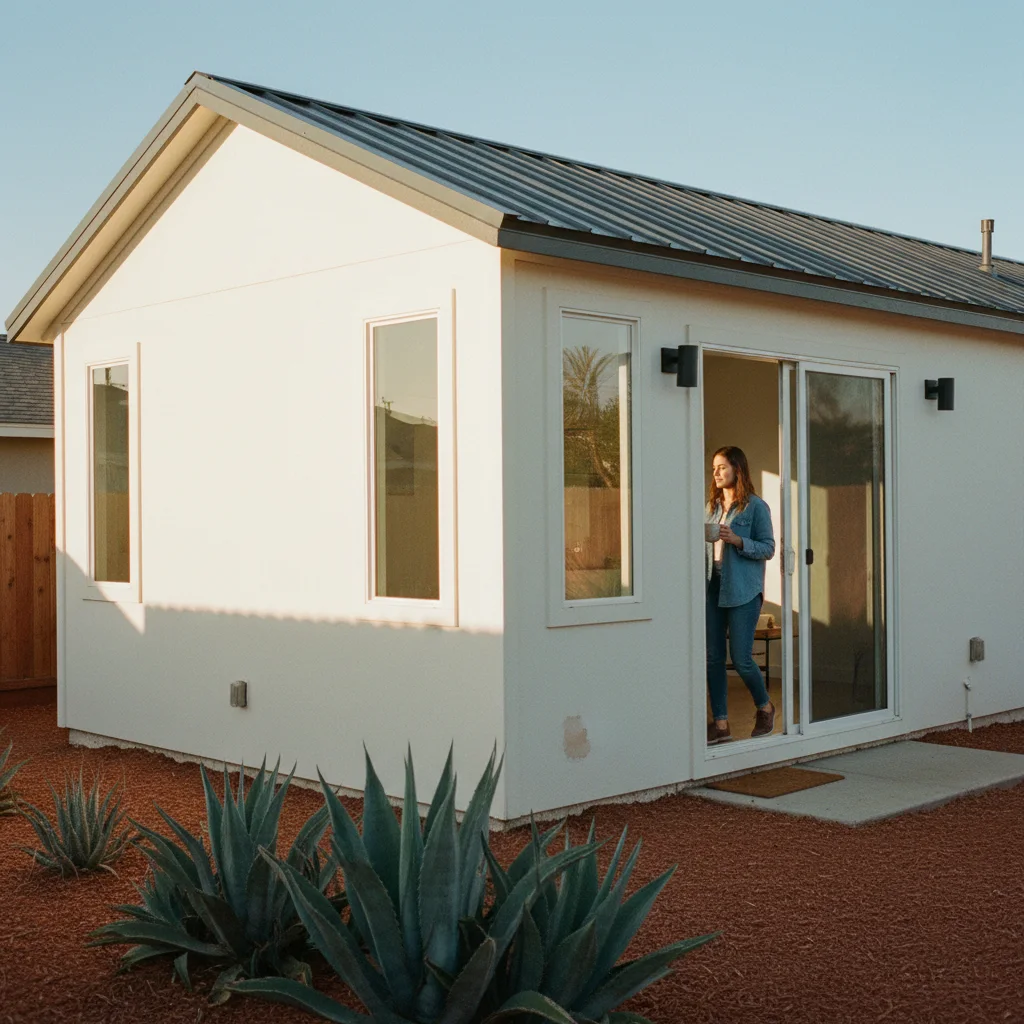
The cost to build an ADU in Burbank varies significantly based on type, size, and finishes, but homeowners should anticipate substantial investment. For a basic garage conversion, you might expect costs to range from $90,000 to $160,000. A mid-range, newly constructed detached ADU (e.g., 500-750 sq ft) typically falls between $200,000 and $350,000. High-end projects, featuring premium materials, custom designs, or complex site conditions, can easily exceed $400,000, especially for larger units or those with extensive hardscaping integration. These figures include design, permits, materials, and labor. Understanding these ranges is critical for budgeting, and Golden Yards can help you explore options that balance your vision with your financial goals.
How Does the Burbank Pre-Approved ADU Program (BPAP) Streamline the Process?
Get 3 ADU builder bids in 48 hours.
Our editors already screened California ADU builders. Answer 4 questions; we send 3 written bids inside 48 hours, with the real price for your scope, not their inflated first-call number.
Send my 3 bidsFree. No commission. If a match doesn't fit, we'll send another.
The Burbank Pre-Approved ADU Program (BPAP) offers a streamlined path for homeowners by providing a selection of pre-designed ADU plans that have already undergone initial review by the city. This program significantly reduces the design and plan check phases, potentially saving months in the permit process. Homeowners can choose from various styles and sizes, from studio to two-bedroom units, that comply with Burbank's zoning and building codes.
Limitations of the BPAP Program
While BPAP is highly beneficial, it does have limitations. It offers less design flexibility, meaning if you desire a highly customized ADU, BPAP might not be suitable. Additionally, while the plans are pre-approved, site-specific conditions, such as utility connections, soil conditions, or specific HOA requirements, still need to be addressed and permitted. It's a great option for those prioritizing speed and cost-efficiency over bespoke design. You can find more details on the Burbank city website.
What are the Long-Term Maintenance Considerations and Costs for an ADU in Burbank?
Long-term maintenance for an ADU in Burbank is a critical consideration, influenced by the local climate and specific material choices. Burbank's hot, dry summers and mild, wet winters necessitate durable, low-maintenance materials for exterior finishes, roofing, and landscaping. For example, using drought-tolerant plants for landscaping around your ADU will reduce water costs and maintenance needs. Choosing high-quality, energy-efficient windows and insulation will also help manage utility costs in the long run.
Consider the implications of Burbank's climate on material selection: roofing materials like cool roofs or light-colored tiles can help mitigate heat absorption, while stucco or fiber cement siding can withstand temperature fluctuations better than some wood options. Regular inspections for pest control, HVAC servicing, and plumbing are essential, typically costing $500-$1,500 annually, depending on the ADU's size and systems. Proactive maintenance can prevent larger, more expensive repairs down the line.
Practical Sequencing Advice for Your Burbank ADU Project
Successful ADU construction in Burbank follows a logical sequence to ensure efficiency and compliance. Begin with thorough site preparation, which includes grading, excavation, and establishing proper drainage, especially important given Burbank's varied topography. Next, focus on utilities, ensuring connections for water, sewer, gas, and electricity are properly routed and permitted. This often involves coordinating with Burbank Water and Power.
After utilities, move to hardscape elements like foundations, driveways, and pathways. This is also the time to consider how your ADU integrates with existing outdoor living spaces, perhaps even planning for an outdoor kitchen or new patio. Finally, proceed with the ADU's structure, finishes, and interior systems, concluding with landscaping and planting. This phased approach minimizes rework and ensures all elements are integrated seamlessly. For more on integrating outdoor spaces, explore our guide on The Definitive Guide to Hardscaping: Elevating Your Outdoor Living Spaces.
How Do Burbank's ADU Regulations Differ from State Law in Practical Application?
While California state law provides a foundational framework for ADUs, Burbank's specific regulations refine and, in some cases, expand upon these guidelines to suit local needs. Practically, Burbank's regulations often provide more detailed requirements for design review, particularly in historically sensitive areas or those with specific architectural overlays. For instance, Burbank's ordinances might specify particular architectural styles or material palettes for ADUs in certain neighborhoods, going beyond state minimums.
Another key difference is Burbank's approach to parking exemptions. While state law offers broad exemptions, Burbank may have specific interpretations or additional requirements for projects near transit or within specific zoning districts. For example, ADUs within a half-mile of a public transit stop are generally exempt from parking requirements, a common scenario in many Burbank neighborhoods. Always cross-reference state law with the most current Burbank municipal code to ensure full compliance.
What are the Specific Requirements for Fire Sprinklers or Other Safety Features in Burbank ADUs?
Fire safety is a paramount concern for ADUs in Burbank, and specific requirements are in place to ensure occupant protection. Generally, if the primary dwelling on the property requires fire sprinklers (typically for homes over 3,600 square feet or new construction), then the ADU will also need to be sprinklered. Even if the primary dwelling does not require them, the City of Burbank may mandate fire sprinklers for newly constructed detached ADUs, depending on their size and proximity to other structures.
Beyond sprinklers, all ADUs in Burbank must comply with current building codes for smoke detectors, carbon monoxide detectors, and proper egress windows. It's crucial to consult with a fire safety expert and your ADU contractor early in the design phase to ensure all fire and life safety requirements are met, avoiding costly revisions during the permit process.
Financing Options Specifically for ADUs in Burbank
Financing an ADU in Burbank can be approached through several avenues tailored to homeowners. Common options include home equity lines of credit (HELOCs), cash-out refinances, and construction loans. Given Burbank's strong real estate market, many lenders are familiar with ADU financing and recognize their value-add. Some local credit unions and banks may offer specialized ADU loans with favorable terms. Additionally, state programs, such as the California Housing Finance Agency (CalHFA) ADU Grant Program, can provide up to $40,000 in pre-development cost assistance for eligible low- to moderate-income homeowners, helping to offset initial expenses like architectural plans and permit fees. Researching these options early can significantly impact your project's feasibility.
Selecting Contractors Familiar with Burbank's ADU Regulations
Choosing a contractor with proven experience in Burbank ADU projects is paramount for a smooth process. A contractor familiar with local regulations will understand the nuances of Burbank's permit office, specific building codes, and common inspection requirements. They will also have established relationships with local subcontractors and suppliers, which can lead to better pricing and more efficient project execution. Always ask for references from recent Burbank ADU projects and verify their licensing and insurance. A knowledgeable contractor can proactively address potential issues, such as utility connection challenges or specific design review requirements from the city or your HOA, saving you time and money.
Conclusion: Your Burbank ADU Journey Starts Here
Building an ADU in Burbank is a significant undertaking that offers substantial rewards, from increased property value to flexible living solutions. By understanding the local permit process, navigating HOA requirements, and partnering with experienced professionals, you can successfully transform your property. Golden Yards is here to guide you through every step, ensuring your Burbank ADU project is a seamless success. Ready to explore the possibilities for your backyard? Contact us today for a consultation and let's build your vision into a reality.
FAQ: Burbank ADU Permits and HOAs
Q1: What is the average total timeline from initial application to final inspection for an ADU in Burbank?
A1: From initial application to final inspection, the average total timeline for an ADU in Burbank typically ranges from 8 to 18 months. This includes several phases: 1-3 months for design and plan preparation, 2-4 months for city plan check and permit issuance, and 4-10 months for construction, depending on the ADU's complexity and type.
Q2: Are there any local incentives or grants available for building ADUs in Burbank?
A2: Yes, Burbank homeowners may be eligible for state-level incentives like the California Housing Finance Agency (CalHFA) ADU Grant Program, which offers up to $40,000 for pre-development costs for eligible homeowners. While Burbank itself doesn't have specific city-funded ADU grants, these state programs are a valuable resource.
Q3: What are the specific requirements or considerations for utilities connection in Burbank ADUs?
A3: Utility connections for Burbank ADUs require coordination with Burbank Water and Power (BWP) for electricity and water, and The Gas Company for natural gas. You'll need separate meters or sub-meters, depending on whether the ADU is intended for rental or family use. Ensuring adequate capacity and proper trenching for new lines are key considerations, which your contractor will manage.
Q4: How does the local climate, soil, or HOA environment affect an ADU project in Burbank?
A4: Burbank's climate (hot summers, mild winters) influences material choices for energy efficiency and durability. Local soil conditions, particularly in hillside areas, may require specific foundation engineering, impacting costs. The HOA environment can significantly affect design choices and timelines due to architectural review processes, requiring careful planning and communication.
Q5: What are the specific requirements for parking exemptions in Burbank ADUs?
A5: Burbank offers several parking exemptions for ADUs, consistent with state law. These include ADUs located within a half-mile of a public transit stop, within an historically or architecturally significant district, or when a car share vehicle is located within one block. Additionally, no parking is required for a garage conversion ADU. Your design professional can help determine if your property qualifies for an exemption.
Sources & Methodology
See the Golden Yards Methodology for how sources are reviewed, ranges are normalized, and planning-data limits are handled.
Cost ranges, regulatory references, and design guidance in this article draw on the following public datasets, industry standards, and Golden Yards editorial review.
- California Department of Housing and Community Development (HCD), ADU Handbook
- Los Angeles Department of Building and Safety (LADBS), ADU Standard Plan Program
- California AB 1033 (2024), condo-style ADU sales
- California AB 68 (2019), ADU permit shot-clock requirement
- San Diego Development Services Department (DSD), ADU Bulletin
- California Contractors State License Board (CSLB), B General Building license scope
Related Articles
Ready to start your ADU project?
Find My ProsFrequently Asked Questions
Q1: What is the average total timeline from initial application to final inspection for an ADU in Burbank?
The average total timeline for an ADU in Burbank, from initial application to final inspection, is 8 to 18 months. This process includes 1-3 months for design and plan preparation, 2-4 months for city plan checks and permit issuance, and 4-10 months for the construction phase.
The total 8 to 18 month timeline for an ADU in Burbank is broken into distinct stages. First, the design and plan preparation phase takes approximately 1 to 3 months. Following this, the plans are submitted to the city for review, a process that typically requires 2 to 4 months to complete plan checks and issue a permit. The final and longest stage is construction, which can last from 4 to 10 months. The significant variation in the construction timeline is influenced by the specific type and complexity of the Accessory Dwelling Unit being built.
Q2: Are there any local incentives or grants available for building ADUs in Burbank?
Yes, Burbank homeowners can access state-level incentives. The California Housing Finance Agency (CalHFA) ADU Grant Program offers eligible homeowners up to $40,000 for pre-development costs. While Burbank does not currently offer its own city-funded ADU grants, this state program is a valuable resource for residents planning a project.
Although the City of Burbank does not provide its own specific grants for accessory dwelling units, homeowners are not without financial resources. The primary source of aid is the state's California Housing Finance Agency (CalHFA) ADU Grant Program, which is available to eligible property owners throughout the state, including in Burbank.
This program provides a significant grant of up to $40,000 intended to cover the initial pre-development phase of an ADU project. These costs can include items like architectural designs, permits, and soil tests. Homeowners interested in this funding should verify their eligibility and apply directly through the state's CalHFA program.
Q3: What are the specific requirements or considerations for utilities connection in Burbank ADUs?
Utility connections for Burbank ADUs require coordination with Burbank Water and Power (BWP) for electricity and water, and The Gas Company for natural gas. Depending on whether the ADU is for rental or family use, separate meters or sub-meters are needed. Your contractor will manage ensuring adequate capacity and proper trenching.
Connecting utilities in Burbank involves working with specific providers. Burbank Water and Power (BWP) handles electricity and water, while The Gas Company manages natural gas service. The choice between installing separate meters or sub-meters is a key consideration, often determined by whether the ADU is intended for rental or family use.
Your contractor is responsible for addressing the technical aspects. This includes confirming the existing utility lines have enough capacity for the new unit and overseeing the correct trenching needed to install new service lines to the ADU.
Q4: How does the local climate, soil, or HOA environment affect an ADU project in Burbank?
In Burbank, local climate, soil, and HOAs directly affect ADU projects. The area's hot summers and mild winters influence material choices for energy efficiency. Local soil, especially in hillside areas, may require specific foundation engineering, impacting costs. HOA architectural reviews can also alter designs and project timelines, demanding careful planning.
Burbank's climate, with its hot summers and mild winters, makes material selection critical for durability and energy performance. For instance, choosing specific roofing and insulation helps manage temperature. Soil conditions are another important factor, particularly for properties in hillside areas. These sites often require a specialized foundation design, which can increase construction costs. Furthermore, if the property is part of a Homeowners' Association, its architectural review process can significantly affect design choices and timelines. This requires clear communication and careful planning to meet all requirements.
Q5: What are the specific requirements for parking exemptions in Burbank ADUs?
Burbank provides ADU parking exemptions consistent with state law. No parking is needed if the ADU is a garage conversion, is within a half-mile of public transit, is in a historic district, or if a car share vehicle is within one block. A design professional can confirm your property's eligibility.
The city of Burbank offers several specific parking exemptions for Accessory Dwelling Units, aligning with California state law. For instance, if your property is located within a half-mile of a public transit stop, you are not required to provide parking. The same exemption applies to properties within an historically or architecturally significant district.
Additionally, if a car share vehicle is available within one block of the ADU, parking is not required. A very common scenario where no parking is needed is when an existing garage is converted into a new living unit. To be certain if your project qualifies, it is best to consult with your design professional.