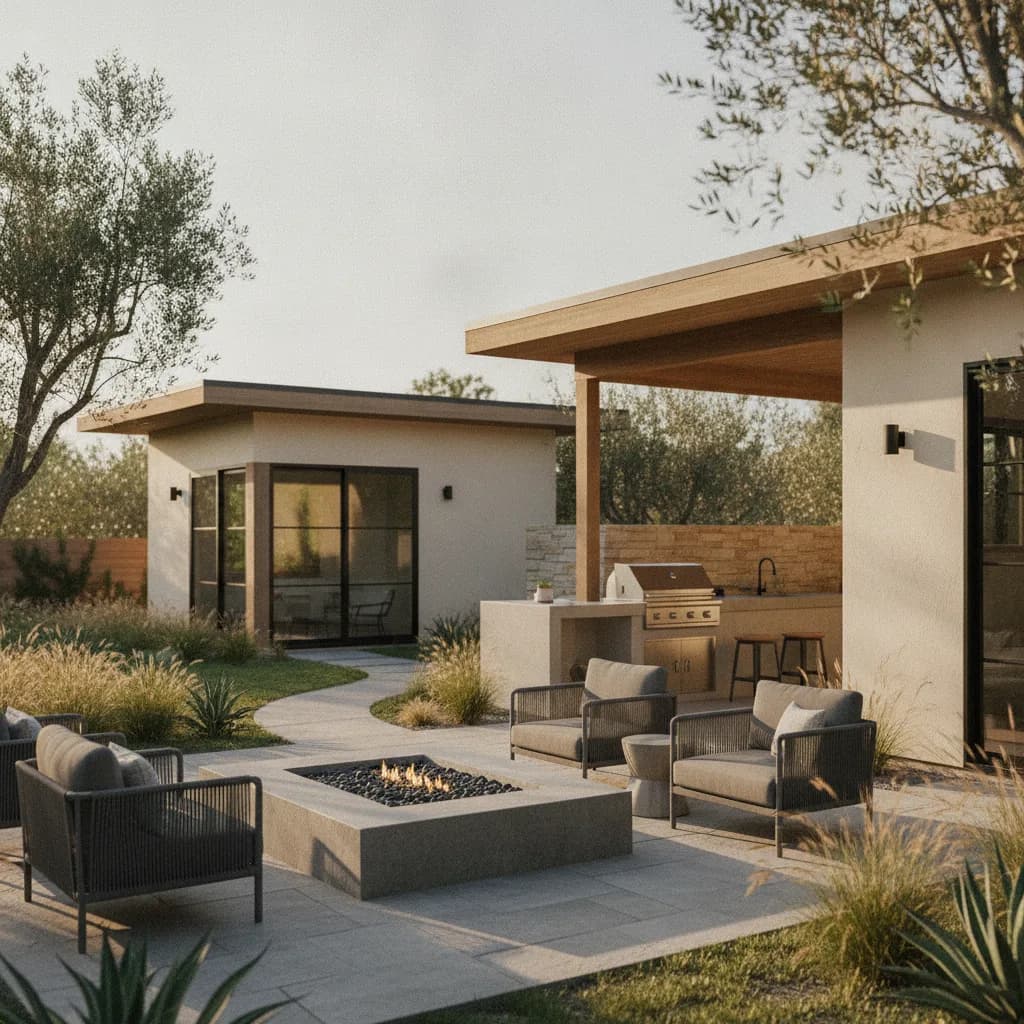
Building an Accessory Dwelling Unit (ADU) in Ontario, California, offers a fantastic opportunity to enhance your property's value, generate rental income, or provide flexible living space for family. However, navigating the local permit process and potential Homeowners Association (HOA) regulations can feel daunting. This comprehensive 2026 guide is specifically tailored for Ontario homeowners, providing the practical insights you need to successfully plan and execute your ADU project.
Ontario's unique blend of established neighborhoods and newer developments means that understanding local nuances, from soil conditions to specific HOA covenants, is crucial. We'll break down the costs, timelines, and critical considerations to ensure your ADU journey is as smooth as possible.
What Are the Typical ADU Permit Costs in Ontario, CA?
Permit costs for an ADU in Ontario vary significantly based on the project's scope, size, and specific site conditions, but homeowners should budget for a range of $10,000 to $25,000 for city and utility connection fees alone. This figure does not include design, engineering, or construction costs.
For a basic, detached 800 sq ft ADU with standard utility connections, you might expect permit fees on the lower end, around $10,000-$15,000. This includes plan check, building permits, and various impact fees. A mid-range project, perhaps a larger 1,000-1,200 sq ft unit with more complex utility extensions or specific site challenges, could see permit costs climb to $15,000-$20,000. High-end scenarios, such as converting an existing structure that requires extensive structural upgrades, or building a new unit on a lot with difficult access or significant grading needs, could push permit costs towards the $20,000-$25,000+ range. These higher costs often reflect increased fees for more detailed engineering reviews, additional inspections, or specific environmental impact assessments if applicable. It's always advisable to consult with the City of Ontario's Planning Department early in your process for a more precise fee estimate tailored to your specific project.
How Do Ontario's Local Permit Requirements Affect ADU Projects?
Ontario's local permit requirements are designed to ensure safety, zoning compliance, and proper integration with existing infrastructure. Homeowners in Ontario must submit detailed plans to the City's Planning and Building Departments, covering architectural, structural, electrical, mechanical, and plumbing aspects.
Key requirements include adherence to setback rules (typically 4 feet from side and rear property lines for detached ADUs), maximum size limits (up to 1,200 sq ft or 50% of the primary dwelling's living area, whichever is less, for detached units), and parking provisions (often one space per ADU, though exemptions exist for properties near public transit or within a certain distance of the primary dwelling). The city also emphasizes energy efficiency, requiring compliance with Title 24 standards. Expect a multi-stage review process: initial plan check, corrections, resubmission, and final permit issuance. Typical review bottlenecks for Ontario projects often involve delays in the initial plan check due to incomplete submissions or minor code discrepancies. Ensuring your plans are meticulously prepared and address all city guidelines upfront can significantly shorten this phase. For example, a common issue is inadequate detail on utility connections or fire separation requirements, which are critical in Ontario's residential zones. Proactive engagement with a local architect or designer familiar with Ontario's specific codes can help avoid these common pitfalls.
What Are the Typical Timelines for ADU Permit Approval in Ontario?
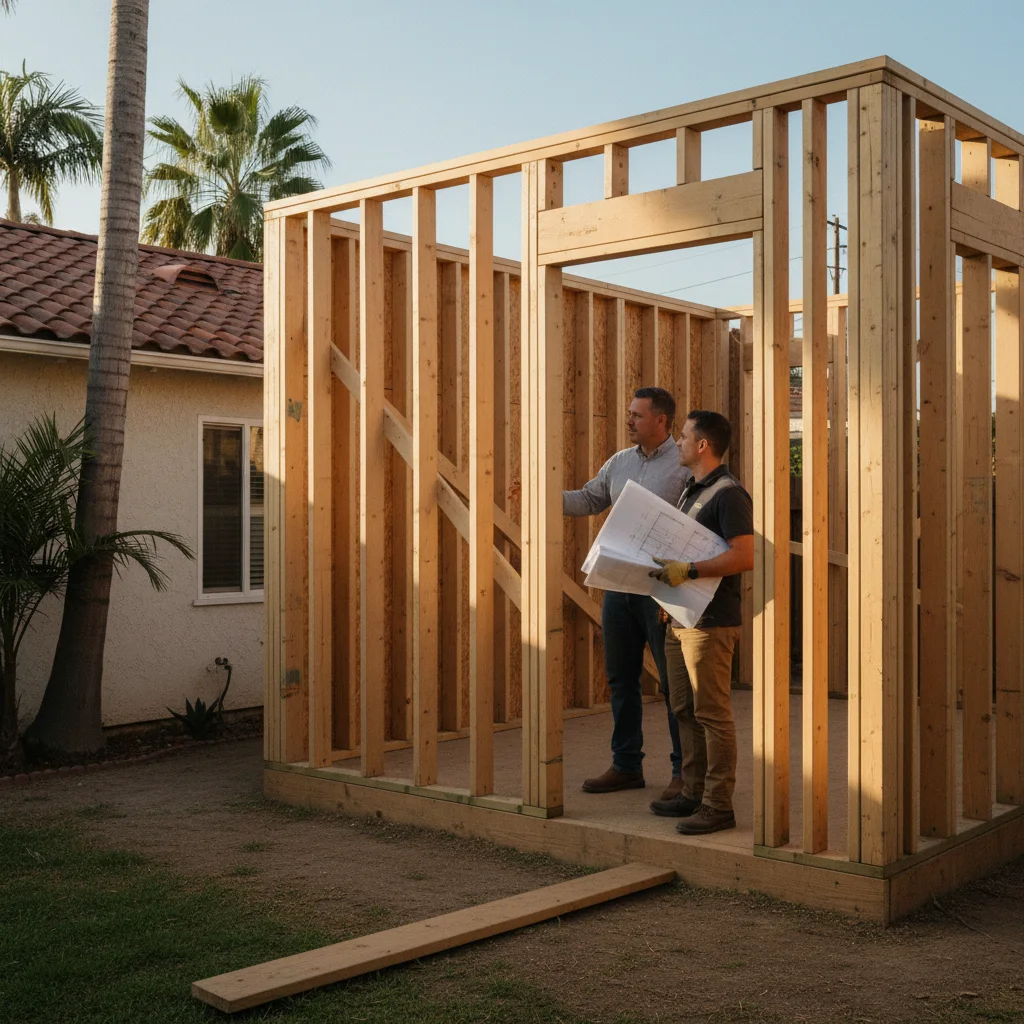
The timeline for ADU permit approval in Ontario can range from 3 to 6 months for straightforward projects, extending to 8 months or more for more complex designs or those requiring multiple revisions. This duration primarily depends on the completeness of your initial submission and the responsiveness to city comments.
Here’s a breakdown of the likely workflow:
- Pre-Application Meeting (Optional but Recommended): 2-4 weeks to schedule and attend. This helps clarify specific zoning and development standards for your property.
- Plan Submittal & Initial Plan Check: 4-8 weeks for the first review cycle. This is where many projects encounter their first bottleneck if plans are not fully compliant.
- Correction & Resubmission: 2-4 weeks, depending on the number and complexity of corrections required by the city.
- Second Plan Check (and subsequent if needed): 3-6 weeks per cycle.
- Permit Issuance: 1-2 weeks after all approvals are secured.
Factors like the current workload of the City of Ontario's Planning and Building Departments, the complexity of your proposed ADU, and whether your property is subject to HOA review will all influence the total timeline. Homeowners should factor in potential delays, especially during peak construction seasons, and maintain open communication with their design team and the city.
How Do HOAs and Neighborhood Constraints Impact Ontario ADU Projects?
Ready to compare vetted project options?
Use Project Match privately when your scope is clear enough for contractor conversations.
Start Project MatchSee what your ADU actually costs in 4 questions.
We pull cost ranges from invoiced California ADU builder projects, then narrow them to your scope, ZIP, and finish level. No first-call sticker shock.
Open the ADU cost calculatorFree. Takes under 2 minutes. No email required to see your range.
Homeowners Associations (HOAs) in Ontario can significantly impact your ADU project, often imposing additional layers of design review and approval beyond city requirements. Even if your property is not within an HOA, neighborhood-level constraints like lot size, existing utility access, and specific design review overlays can influence your project.
Many Ontario neighborhoods, particularly newer master-planned communities or those with historical significance, fall under HOA jurisdiction. These HOAs typically have their own CC&Rs (Covenants, Conditions, and Restrictions) that dictate architectural styles, material palettes, landscaping, and even the maximum size or placement of accessory structures. For example, an HOA might require your ADU to match the primary dwelling's exterior materials and color scheme, or they might have stricter setback rules than the city. For Ontario homeowners, it's crucial to obtain and thoroughly review your HOA's CC&Rs and design guidelines before investing in detailed plans. Ignoring HOA rules can lead to costly redesigns, fines, or even legal action. Some HOAs may require a separate architectural review board approval, adding several weeks to your pre-construction timeline. Furthermore, older Ontario neighborhoods might have smaller lot sizes, making it challenging to meet both city and potential HOA setback requirements while still achieving a functional ADU size. Access for construction vehicles, especially on narrow streets, is another practical consideration that can affect project logistics and costs.
What Climate and Maintenance Factors Influence Material Selection in Ontario?
Ontario's hot, dry summers and mild winters, coupled with occasional Santa Ana winds, materially change material selection for ADUs compared to other regions. Choosing durable, energy-efficient, and fire-resistant materials is paramount for long-term performance and lower maintenance.
For roofing, cool roofs with high solar reflectance are highly recommended to mitigate heat absorption, reducing cooling costs during Ontario's scorching summers. Materials like light-colored asphalt shingles, concrete tiles, or metal roofing with appropriate coatings are excellent choices. For exterior siding, consider stucco, fiber cement board, or fire-resistant wood alternatives that can withstand intense UV exposure and potential wildfire risks, especially in areas bordering open spaces. Vinyl siding, while cost-effective, may degrade faster under direct, prolonged sun exposure. Windows should be double-pane, low-E glass to improve insulation and reduce heat gain. Given the dry climate, drought-tolerant landscaping around your ADU is not just environmentally responsible but also a practical choice for reducing water bills and maintenance. For example, instead of a lush lawn, consider decomposed granite pathways, native plants, and efficient drip irrigation systems. These climate-specific choices not only improve comfort and reduce utility bills but also contribute to the longevity and lower maintenance of your ADU in Ontario's environment.
What's the Practical Sequencing Advice for an Ontario ADU Project?
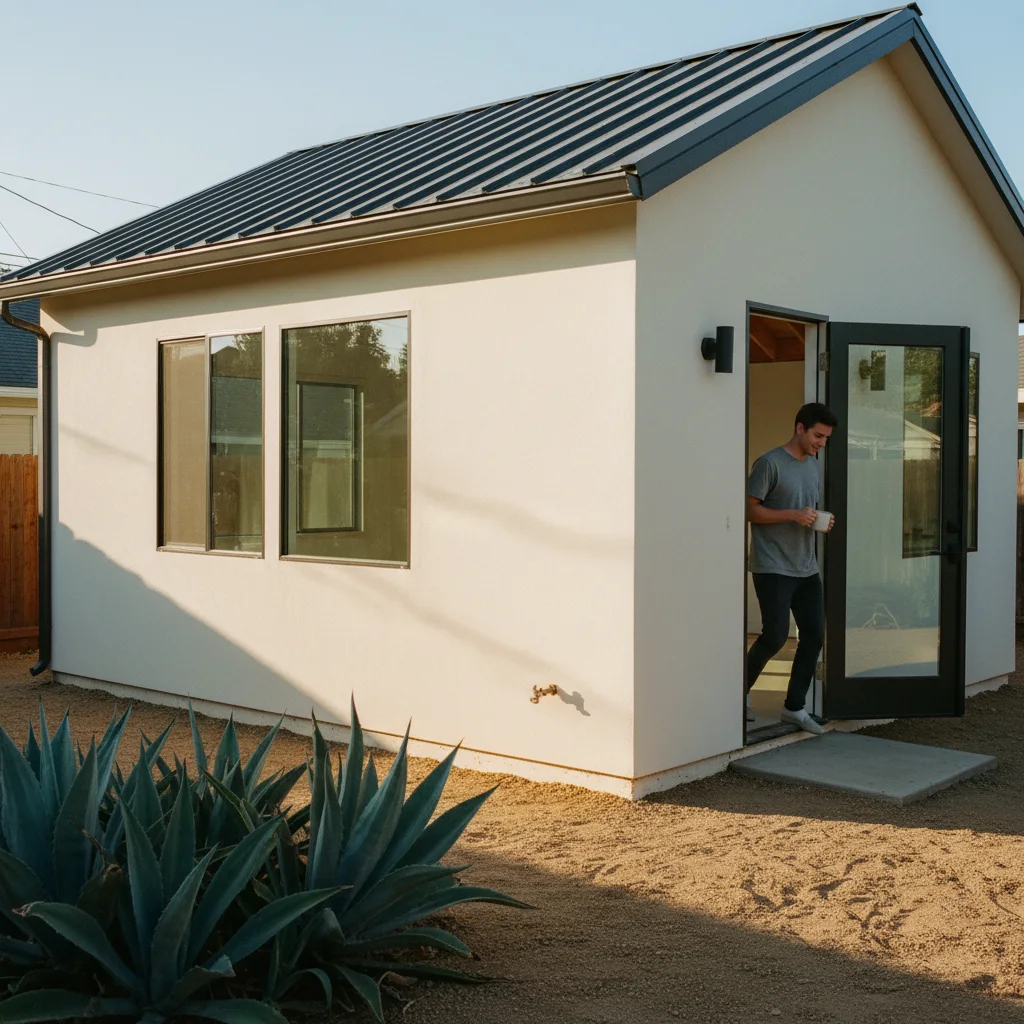
Successfully building an ADU in Ontario involves a logical sequence of steps, from initial planning to final landscaping, to ensure efficiency and avoid costly rework. Practical sequencing advice emphasizes completing foundational elements before moving to finishes.
- Planning & Permits: This is the critical first step. Secure all necessary city permits and, if applicable, HOA approvals. This phase also includes detailed architectural and engineering design. Do not begin any physical work until permits are in hand.
- Site Preparation & Foundation: Once permits are approved, focus on site clearing, grading, and laying the foundation. This includes any necessary excavation and ensuring proper drainage for Ontario's soil conditions, which can vary from sandy loam to more clay-rich compositions.
- Utilities & Rough-Ins: Next, bring in all necessary utility connections - water, sewer, gas, and electricity. This involves trenching and connecting to existing lines, often a significant cost component in Ontario. Simultaneously, complete all rough electrical, plumbing, and HVAC installations within the framed structure.
- Framing & Exterior Shell: Erect the structural framing, followed by roofing, exterior siding, and window/door installation. Getting the building watertight is crucial to protect interior work from weather elements.
- Interior Finishes: Once the shell is complete, move to interior insulation, drywall, flooring, cabinetry, and fixtures.
- Hardscape & Landscaping: This phase, often overlooked until late in the project, is vital for Ontario. Install any patios, walkways, or driveways (hardscape) around the ADU. Then, focus on drought-tolerant planting and irrigation systems. This sequencing ensures that heavy construction doesn't damage newly installed landscaping and that utility trenches are backfilled before final hard surfaces are laid.
- Final Inspections & Occupancy: Schedule final city inspections for all trades and secure your Certificate of Occupancy. This allows you to legally use or rent out your new ADU.
Why Do Ontario Homeowners Need an ADU in 2026?
Get 3 ADU builder bids in 48 hours.
Our editors already screened California ADU builders. Answer 4 questions; we send 3 written bids inside 48 hours, with the real price for your scope, not their inflated first-call number.
Send my 3 bidsFree. No commission. If a match doesn't fit, we'll send another.
Ontario homeowners are increasingly recognizing the multifaceted benefits of ADUs in 2026, driven by rising housing costs, a demand for flexible living solutions, and the desire to maximize property utility in a growing Inland Empire city. An ADU offers a strategic solution to several pressing needs in the Ontario community.
Firstly, with the median home price in Ontario continuing its upward trend, an ADU provides an excellent opportunity for homeowners to generate significant rental income, helping to offset mortgage payments or supplement retirement funds. The demand for affordable housing options in the Inland Empire remains high, making ADUs an attractive proposition for renters. Secondly, many Ontario families are looking for multi-generational living solutions. An ADU offers a private, independent space for aging parents, adult children, or returning college students, allowing families to stay close while maintaining autonomy. This is particularly relevant in Ontario's family-oriented neighborhoods. Thirdly, an ADU can serve as a dedicated home office, a private gym, or a creative studio, providing much-needed space away from the main house, a trend accelerated by the shift to remote work. Finally, adding an ADU significantly increases your property's overall value and appeal, making it a wise long-term investment in the Ontario real estate market. The neighborhood context matters here; an ADU can help your property stand out in a competitive market, offering a unique selling point that resonates with a broad range of potential buyers.
Frequently Asked Questions About Ontario ADU Permits and HOAs
Q1: Can I build an ADU if my property is in an Ontario HOA?
A: Yes, you can build an ADU in an Ontario HOA, but you must comply with both city regulations and your specific HOA's CC&Rs and design guidelines. Always consult your HOA documents and get their approval before submitting plans to the city to avoid potential conflicts and delays.
Q2: What's the smallest ADU I can build in Ontario?
A: The City of Ontario generally allows for a minimum ADU size of 150 square feet for an efficiency unit. However, practical considerations for a functional living space usually lead to larger designs, typically starting around 400-500 square feet for a studio or one-bedroom unit.
Q3: Do I need to provide extra parking for my ADU in Ontario?
A: Generally, one off-street parking space is required per ADU in Ontario. However, there are several exemptions, including properties within a half-mile of public transit, properties within an architecturally and historically significant historic district, or if the ADU is part of an existing primary residence or garage conversion. Check with the City of Ontario Planning Department for specific exemptions applicable to your property.
Q4: How does Ontario's soil type affect my ADU foundation?
A: Ontario's soil conditions can vary, from expansive clays to more stable sandy loams. Expansive soils require specific foundation designs, such as post-tensioned slabs or pier-and-beam foundations, to prevent cracking and structural damage due to soil movement. A geotechnical report is often required by the city to determine the appropriate foundation type for your specific site, adding to initial design costs but preventing future issues.
Q5: Can I convert my existing garage into an ADU in Ontario?
A: Yes, garage conversions are a popular and often more cost-effective way to create an ADU in Ontario. They typically have fewer setback requirements and can streamline the permit process. However, you will need to ensure the garage meets current building codes for living spaces, including insulation, ceiling height, and fire separation, and you'll need to replace any lost parking spaces if not exempt.
Ready to Build Your Ontario ADU?
Navigating the ADU permit and HOA landscape in Ontario requires careful planning and a clear understanding of local regulations. By considering the specific costs, timelines, climate factors, and neighborhood constraints unique to Ontario, you can set your project up for success. An ADU is more than just an addition; it's an investment in your property's future and a versatile solution for modern living in the Inland Empire. Golden Yards is here to provide you with the most current and localized information to help you make informed decisions every step of the way. Start planning your Ontario ADU today and unlock your property's full potential!
Ready to start your ADU project?
Find My ProsFrequently Asked Questions
Q1: Can I build an ADU if my property is in an Ontario HOA?
Yes, you can build an ADU on a property within an Ontario HOA. However, you must follow both city of Ontario regulations and your specific HOA's rules, including its CC&Rs and design guidelines. It is critical to get your HOA's approval before submitting any plans to the city.
Homeowners in Ontario must balance two sets of requirements. The city has its own building codes for ADUs, while your HOA has its own Covenants, Conditions, and Restrictions (CC&Rs) and specific design guidelines that govern property modifications. To prevent costly conflicts or project delays, you should always consult your HOA documents first.
Securing written approval from your HOA before you submit official plans to the city of Ontario for permits is the correct and most efficient sequence of operations. This ensures your project is compliant with all governing bodies from the start, avoiding potential issues.
Q2: What's the smallest ADU I can build in Ontario?
The City of Ontario allows a minimum ADU size of 150 square feet for an efficiency unit. While this is the legal minimum, practical considerations for a functional living space mean most new ADUs are larger. A typical studio or one-bedroom unit usually starts around 400 to 500 square feet.
In Ontario, the building code sets the absolute minimum for an accessory dwelling unit at 150 square feet, which is suitable for an efficiency unit. This size satisfies the basic legal requirement for a separate dwelling.
For improved livability, however, most homeowners find that a larger space is necessary. Practical designs for a studio or one-bedroom ADU generally begin in the 400 to 500 square foot range. This increased area provides a more comfortable and functional layout for daily living, allowing for better defined spaces.
Q3: Do I need to provide extra parking for my ADU in Ontario?
Generally, one off-street parking space is required per ADU in Ontario. However, this rule is waived for properties within a half-mile of public transit or in an architecturally and historically significant historic district. The requirement is also exempt if the ADU is part of an existing primary residence or a garage conversion.
While the default in Ontario is one additional parking space, many properties are exempt. No extra parking is needed if the property is located within a half-mile of public transit. The same exemption applies to homes within a designated architecturally and historically significant historic district. Furthermore, if you are creating the ADU by converting part of your existing primary residence or an existing garage, the parking mandate does not apply. For confirmation on the specific exemptions applicable to your property, it is best to check with the City of Ontario Planning Department.
Q4: How does Ontario's soil type affect my ADU foundation?
Ontario’s varied soil, from expansive clays to sandy loams, dictates your ADU foundation design. Expansive soils demand specific foundations, like post-tensioned slabs or pier-and-beam systems, to prevent structural damage from soil movement. The city often requires a geotechnical report to determine the correct foundation, adding to initial project costs.
Soil conditions in Ontario can differ greatly across properties. Expansive clays swell and shrink with moisture, which can crack a foundation and damage the structure. In contrast, sandy loams are generally more stable and present fewer complications for standard foundation types.
For sites with expansive soils, a specialized foundation is critical. A geotechnical report, frequently required by the city, analyzes your specific soil conditions. While this report adds an upfront expense to the design phase, its recommendations for a suitable foundation, such as a post-tensioned slab or a pier-and-beam system, are essential for preventing very costly future repairs.
Q5: Can I convert my existing garage into an ADU in Ontario?
Yes, you can convert your garage into an ADU in Ontario. This is a popular and often cost-effective option that can streamline the permit process due to typically fewer setback requirements. The structure must be updated to meet current building codes for living spaces, including insulation, ceiling height, and fire separation.
Garage conversions are a common ADU strategy in Ontario because they use an existing foundation and frame, which can reduce costs. The permitting process may be simplified, as these projects often have less stringent setback rules than new construction. However, the existing garage must be brought up to current building code standards for a habitable dwelling. This involves significant upgrades, such as adding proper insulation, ensuring adequate ceiling height, and installing fire separation walls. You will also need to replace any lost parking spaces unless your property is exempt from that requirement.
Ready to Build Your Ontario ADU?
Building an ADU in Ontario requires careful planning for permits, HOA rules, costs, and timelines. Understanding local regulations and neighborhood constraints is key to success. An ADU is a valuable investment in your property's future and a versatile living solution for the Inland Empire. Golden Yards can provide current, localized information for your project.
An ADU is more than just an addition. It is an investment in your property's future and a versatile solution for modern living throughout the Inland Empire. Success depends on having a clear understanding of local regulations for your specific Ontario project.
By considering the specific costs, timelines, climate factors, and neighborhood constraints, you can set your project up for success. Golden Yards is here to provide you with the most current and localized information to help you make informed decisions every step of the way. Start planning today to unlock your property's full potential.