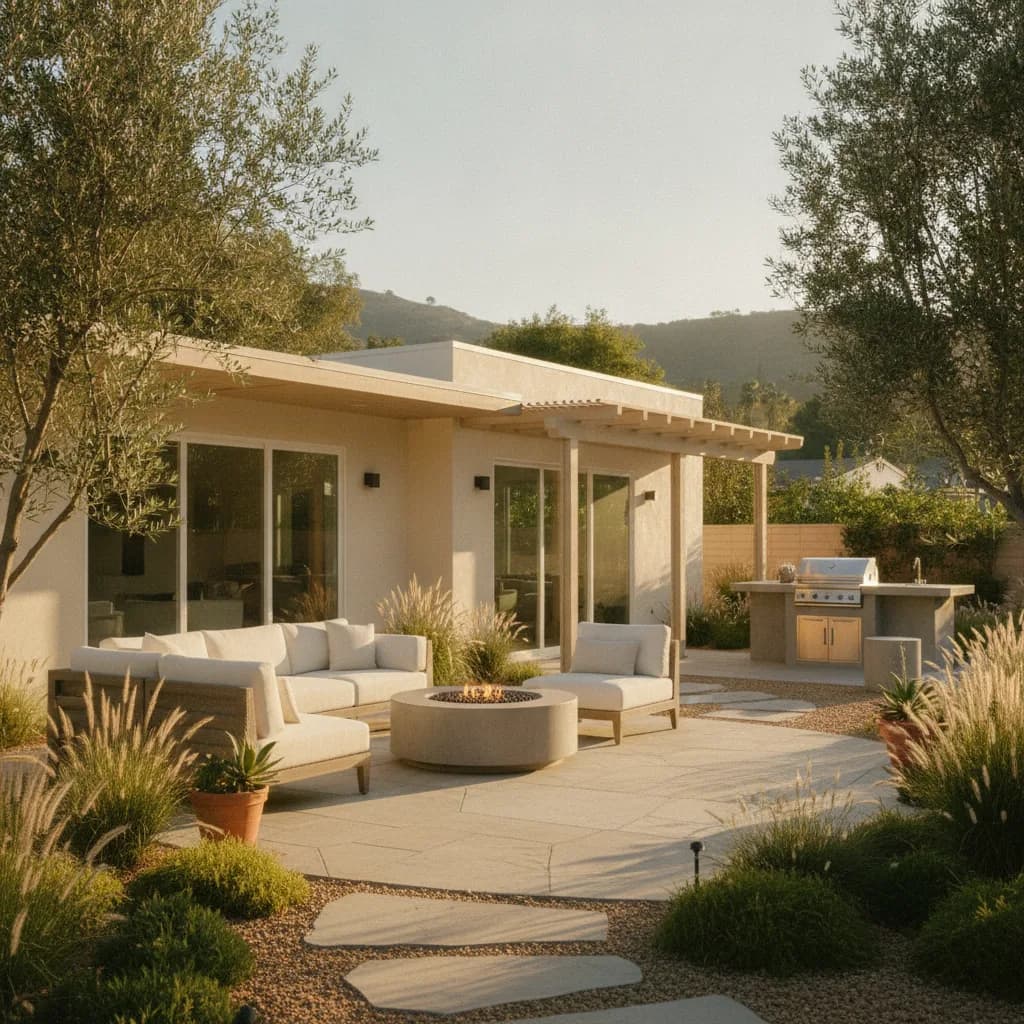
Adding a room to your Burbank home is an exciting prospect, promising increased living space, enhanced property value, and tailored comfort. However, navigating the local permitting process and Homeowners Association (HOA) regulations in Burbank, California, can feel like a complex maze. This comprehensive 2026 guide from Golden Yards is designed to demystify the journey, providing Burbank homeowners with precise costs, timelines, and actionable steps to ensure a compliant and successful room addition project.
Unlike generic guides, we focus specifically on Burbank's unique requirements, from typical cost ranges to specific city fees and the often-overlooked details of physical inspections. We'll equip you with the knowledge to avoid costly mistakes and confidently expand your living space, whether you're in the hills of Burbank or a charming neighborhood closer to the studios.
Why a Room Addition in Burbank Demands Careful Planning and Permits?
A room addition in Burbank isn't just about expanding your footprint; it's about integrating seamlessly with your property, neighborhood, and the city's stringent building codes. Burbank's diverse housing stock, from mid-century ranches to modern estates, means that every project has unique considerations. The local climate, characterized by hot, dry summers and mild, wet winters, significantly impacts material selection and energy efficiency requirements. Furthermore, Burbank's commitment to orderly development means that permits are not just a formality - they are a necessity to ensure safety, structural integrity, and adherence to zoning laws. Ignoring these can lead to significant financial penalties and forced demolition.
What are the Typical Costs for a Room Addition in Burbank?
Room additions in Burbank typically range from $250 to $400 per square foot in 2026, depending on the complexity, finishes, and specific site challenges. This is a significant investment, and understanding the breakdown is crucial. For a basic, mid-range addition with standard finishes, you might expect costs closer to $300-$350 per square foot. However, if your project involves complex engineering, high-end materials, or extensive site preparation due to lot size or access constraints - common in some hillside Burbank neighborhoods - the cost can easily climb towards the higher end of the spectrum. These figures include labor, materials, and contractor overhead, but do not yet account for city permit fees or specific utility connection charges, which we'll detail next.
What are the Exact Permit and Impact Fees for a Room Addition in Burbank?
Navigating the financial aspect of Burbank's permitting process requires a clear understanding of the fees involved. While specific project costs vary, the City of Burbank imposes several standard fees for plan checks, building permits, and potential impact fees. These are critical components of your overall budget and are often underestimated.
Expect to encounter the following categories of fees, which can collectively add thousands to tens of thousands of dollars to your project:
Plan Check Fees: These are typically a percentage of the estimated construction value and cover the city's review of your architectural and structural plans. For a standard room addition, this could range from $1,500 to $5,000+, depending on the size and complexity. The city assesses these fees to ensure compliance with zoning, building, and safety codes before construction begins. Building Permit Fees: Once plans are approved, the building permit fee is issued. This also varies based on project valuation and can range from $1,000 to $4,000+ for a typical room addition. This fee covers the cost of inspections throughout the construction process. School Impact Fees: For additions that increase the habitable square footage, school impact fees are often required. These are calculated per square foot and contribute to local school district infrastructure. In Burbank, these fees can be around $4-$6 per square foot for residential additions, meaning a 400 sq ft addition could incur an additional $1,600-$2,400. Utility Connection Fees: If your room addition requires new or upgraded utility connections (e.g., electrical panel upgrade, new water line, sewer tie-in), you will face additional fees from Burbank Water and Power (BWP) or other utility providers. These can range from a few hundred dollars for minor upgrades to several thousand dollars for significant service enhancements. Other Potential Fees: Depending on your specific project and location within Burbank, you might also encounter fees for grading permits, public works permits (if working in the public right-of-way), or specific environmental reviews. It's always best to consult with the City of Burbank's Community Development Department early in your planning process for a precise fee schedule tailored to your project. The walk-in permit counter is open Monday-Thursday 8:00 a.m. to 3:30 p.m., and Friday 8:00 a.m. to 3:00 p.m., closed from 12:00 p.m. to 1:00 p.m.
Navigating Burbank's Permit Workflow and Review Bottlenecks
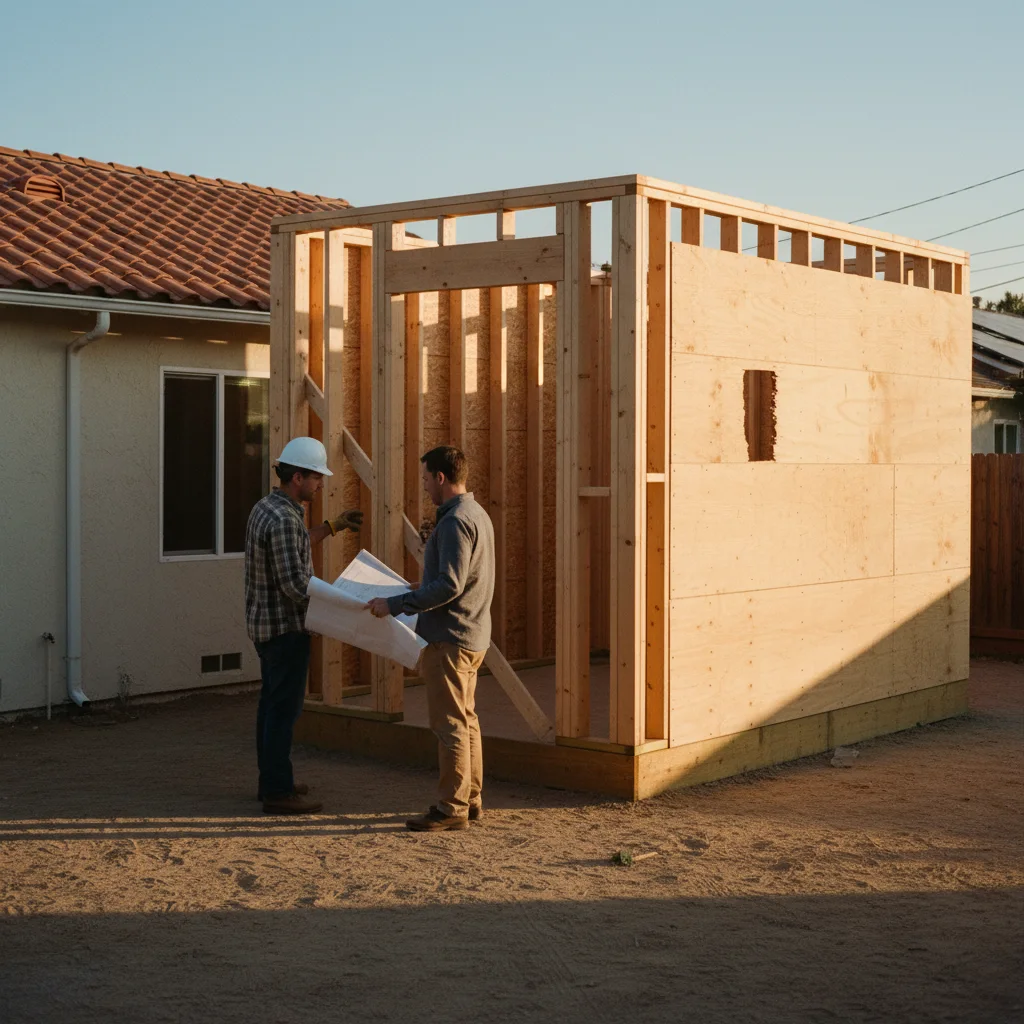
Securing a permit for a room addition in Burbank involves a multi-step process that can take time. Understanding the workflow and potential bottlenecks will help you manage expectations and accelerate your project.
- Pre-Application Meeting (Optional but Recommended): For complex projects, a preliminary meeting with city planners can clarify zoning, setback requirements, and potential challenges specific to your Burbank property. This is particularly useful if your lot has unique characteristics or if you're in a historically sensitive area.
- Plan Preparation: Engage a licensed architect and structural engineer familiar with Burbank's codes. They will prepare detailed plans that meet all local requirements, including energy efficiency standards relevant to Southern California's climate.
- Application Submission via ProjectDox: The City of Burbank utilizes the ProjectDox portal for electronic plan submission. This is where you'll upload all architectural, structural, and supporting documents. Ensure all forms are complete and accurate to avoid immediate rejection.
- Initial Plan Check Review: City staff (planning, building, fire, public works) will review your plans for compliance. This is often the first bottleneck. Standard room additions typically take 6-10 weeks for initial review. Be prepared for comments and requests for revisions. Common issues include setback violations, insufficient structural details, or non-compliance with energy codes.
- Revisions and Resubmission: Address all comments from the city and resubmit your revised plans. Each resubmission adds to the timeline, so thoroughness in the initial submission is key.
- Permit Issuance: Once all departments approve your plans, the permit will be issued, and you can pay the final fees. This signals the official start of your construction project.
Tip: To minimize bottlenecks, ensure your plans are meticulously detailed and address all known Burbank-specific requirements, such as fire-resistant materials for homes near brush zones or specific drainage solutions for properties on slopes.
HOA Review: An Additional Layer for Burbank Homeowners
Ready to compare vetted project options?
Use Project Match privately when your scope is clear enough for contractor conversations.
Start Project MatchSee what your ADU actually costs in 4 questions.
We pull cost ranges from invoiced California ADU builder projects, then narrow them to your scope, ZIP, and finish level. No first-call sticker shock.
Open the ADU cost calculatorFree. Takes under 2 minutes. No email required to see your range.
Many Burbank neighborhoods, especially planned communities and those with shared amenities, operate under Homeowners Associations (HOAs). If your property falls under an HOA, their approval is a critical step before submitting plans to the city. HOAs often have their own design guidelines that can be more restrictive than city codes, covering aspects like:
Architectural Style and Materials: HOAs may dictate specific colors, roofing materials, window styles, and exterior finishes to maintain neighborhood aesthetics. This is particularly relevant in areas like the Toluca Lake adjacent communities or hillside developments. Setbacks and Lot Coverage: While the city has minimum setbacks, HOAs might impose stricter requirements, impacting the feasible size and placement of your addition. Construction Timelines and Noise Restrictions: HOAs often have rules regarding construction hours, staging areas, and noise levels to minimize disruption to residents.
Actionable Advice: Obtain your HOA's Architectural Review Board (ARB) guidelines early. Submit your preliminary plans to them for approval before investing heavily in detailed city-ready blueprints. This sequential approach prevents costly redesigns. Remember, HOA approval does not supersede city permits; you need both.
What are the Specific Financial Penalties for Unpermitted Room Additions in Burbank?
Attempting a room addition without the necessary permits in Burbank carries significant financial risks and legal repercussions. The City of Burbank has a strict stance on unpermitted work, and the penalties can far outweigh the cost of obtaining permits upfront.
If unpermitted work is discovered, you could face:
Stop Work Orders: The city will immediately halt all construction, leading to project delays and increased contractor costs. Double Permit Fees: A common penalty is requiring homeowners to pay double the standard permit fees retroactively. For a project that might have incurred $5,000 in permit fees, you could now be looking at $10,000 in penalties alone, in addition to the original fees. Fines and Citations: The City of Burbank can issue daily fines for ongoing code violations, which can quickly accumulate to thousands of dollars. These fines are at the discretion of the code enforcement officer and can be substantial. Demolition Costs: In severe cases, if the unpermitted work cannot be brought up to code or violates zoning laws, the city can mandate the demolition of the addition at the homeowner's expense. This is the most costly outcome, involving not only the loss of your investment but also significant demolition and disposal fees. Difficulty Selling Your Home: Unpermitted additions are a major red flag for potential buyers and lenders. You may be forced to obtain retroactive permits (a complex and expensive process) or even demolish the addition before selling, significantly impacting your home's value and marketability.
It's crucial to understand that the city's building department is proactive in ensuring compliance. Neighbors often report unpermitted construction, and the city's code enforcement division investigates all complaints. The financial and legal risks of unpermitted work in Burbank are simply not worth it.
Step-by-Step: Scheduling and Passing Physical Building Inspections in Burbank
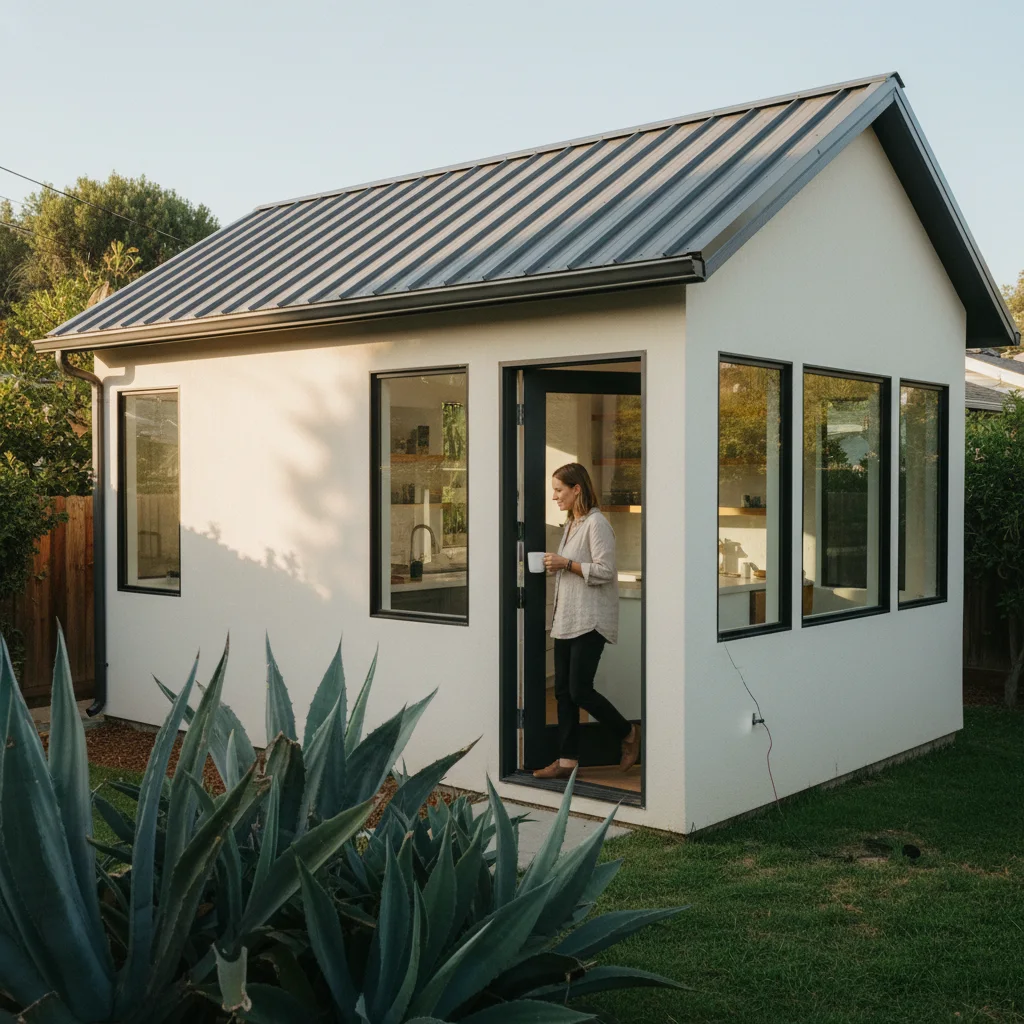
Once your permit is issued and construction begins, a series of physical inspections by the City of Burbank's building department are mandatory to ensure work adheres to approved plans and building codes. Failing an inspection can cause delays and require costly rework. Here’s a typical sequence and what to expect:
Foundation Inspection (Footing/Slab): When: After trenches are dug, rebar is placed, and all forms are set, but before concrete is poured. What's Checked: Depth and width of footings, proper rebar placement and size, vapor barrier installation (for slabs), and overall readiness for concrete. How to Schedule: Use the City of Burbank's online portal or call the Building Division. Schedule at least 24-48 hours in advance.
Under-Floor/Rough Framing Inspection: When: After all framing is complete, but before any insulation or drywall is installed. All electrical, plumbing, and mechanical rough-ins must also be in place. What's Checked: Structural integrity of framing (lumber size, nailing, bracing), proper installation of rough plumbing (water supply, drain-waste-vent), rough electrical (wiring, boxes, circuits), and rough HVAC ducts. Climate Consideration: Inspectors will also check for proper ventilation and insulation readiness, crucial for Burbank's climate to ensure energy efficiency and prevent moisture issues.
Shear Wall Inspection: When: Often combined with rough framing, or as a separate inspection if shear panels are installed later. Before exterior finishes. What's Checked: Proper installation of shear panels (plywood or OSB), nailing patterns, hold-downs, and connections designed to resist seismic forces - a critical consideration in Southern California.
Roof Sheathing/Dry-In Inspection: When: After roof sheathing is installed and weather-resistive barriers (like tar paper or synthetic underlayment) are in place, but before final roofing materials. What's Checked: Proper sheathing attachment, flashing, and weatherproofing to protect the structure from Burbank's occasional heavy rains.
Insulation Inspection: When: After all insulation is installed in walls, ceilings, and floors, but before drywall is hung. What's Checked: Proper R-values, complete coverage, and correct installation methods as per energy code requirements, vital for maintaining comfortable indoor temperatures in Burbank's hot summers.
Lath/Plaster or Exterior Finish Inspection: When: After exterior lath (for stucco) or other exterior finishes are prepared, but before the final coat. What's Checked: Proper application of weather barriers, lath, and weep screeds to ensure durability and moisture management.
Final Inspection: When: After all construction is complete, utilities are connected, and the site is cleaned up. What's Checked: Overall code compliance, safety, accessibility, proper functioning of all systems (electrical, plumbing, HVAC), and completion according to approved plans. This is when the Certificate of Occupancy is issued, allowing you to legally use your new space.
Practical Sequencing Advice: Successful project sequencing is key. Begin with thorough site preparation, including grading and utility trenching. Follow with foundation work, then move to framing and rough-ins for utilities. Only after these structural and utility elements are inspected and approved should you proceed with hardscape (like patios or walkways) and then interior finishes and planting. This logical flow minimizes conflicts and ensures compliance at each critical juncture.
Climate and Material Selection for Burbank Room Additions
Get 3 ADU builder bids in 48 hours.
Our editors already screened California ADU builders. Answer 4 questions; we send 3 written bids inside 48 hours, with the real price for your scope, not their inflated first-call number.
Send my 3 bidsFree. No commission. If a match doesn't fit, we'll send another.
Burbank's climate, with its intense summer heat and potential for wildfires in surrounding hills, materially influences material selection for your room addition. Choosing the right materials not only ensures compliance but also enhances durability and energy efficiency.
Roofing: Consider cool roofs or light-colored roofing materials to reflect sunlight and reduce heat absorption, crucial for mitigating Burbank's summer temperatures. Fire-resistant roofing materials are also highly recommended, especially for properties near the foothills. Windows: High-performance, low-E windows are essential to minimize heat gain in summer and heat loss in winter, directly impacting your utility bills. Dual-pane windows are a minimum requirement, but triple-pane or argon-filled options offer superior performance. Insulation: Beyond code minimums, investing in higher R-value insulation for walls and ceilings will significantly improve indoor comfort and energy efficiency, a smart choice for Burbank's climate.
- Exterior Finishes: Stucco is a popular and durable choice in Burbank, offering good fire resistance and low maintenance. When selecting paint colors, lighter hues help reflect heat. Consider drought-tolerant landscaping around the addition to reduce water usage, aligning with local conservation efforts.
Conclusion: Your Path to a Successful Burbank Room Addition
Undertaking a room addition in Burbank is a significant endeavor, but with the right knowledge and preparation, it can be a highly rewarding one. By understanding Burbank's specific permit requirements, anticipating city and HOA review processes, budgeting for exact city fees, and meticulously following the inspection schedule, you can ensure your project is compliant, cost-effective, and adds lasting value to your home.
Remember, the City of Burbank's Community Development Department and your chosen licensed professionals are your best resources. Don't hesitate to ask questions and seek clarification at every stage. For more insights into home improvement projects and navigating local regulations, explore our guides on Arcadia ADU Permit and HOA Guide: Your 2026 Blueprint for Success or The Ultimate Garage Conversion Permit and HOA Guide for Culver City in 2026. With careful planning and adherence to this guide, your Burbank room addition will be a seamless success.
FAQ: Burbank Room Addition Permits and HOAs
Q1: How long does it typically take to get a room addition permit approved in Burbank?
A room addition permit in Burbank typically takes 6-10 weeks for initial approval, assuming plans are complete and accurate. This timeline can be extended if revisions are required or if there are significant zoning or environmental concerns. Streamlined ADUs (under 850 sq ft) might see approval in 4-6 weeks, but room additions are generally more complex.
Q2: Can I start demolition or site work before my room addition permit is approved in Burbank?
No, you cannot. Starting demolition or any significant site work before your room addition permit is officially issued by the City of Burbank is considered unpermitted work. This can lead to immediate stop-work orders, significant fines, and potentially double permit fees. Always wait for full permit approval before commencing any construction.
Q3: What if my Burbank HOA denies my room addition plans, but the city approves them?
If your Burbank HOA denies your plans, but the city approves them, you cannot proceed with the addition. HOA approval is a separate and often mandatory requirement for properties within an association. You must satisfy both the city's permitting requirements and your HOA's design review guidelines. You would need to revise your plans to meet HOA standards or appeal their decision.
Q4: Are there any exemptions for small room additions or sheds in Burbank that don't require permits?
Yes, certain minor structures are exempt from building permits in Burbank. For instance, tool sheds or playhouses under 120 square feet, retaining walls under 4 feet in height (measured from the bottom of the footing to the top of the wall, unless supporting a surcharge or impounding flammable liquids), and fences under 7 feet tall (with specific material height caps) typically do not require building permits. However, these exemptions do not relieve you from zoning requirements or HOA approvals. Always check with the City of Burbank for specific details.
Q5: How do I schedule inspections for my room addition project in Burbank?
Inspections for your room addition project in Burbank can be scheduled through the City of Burbank's online portal or by calling the Building Division directly. It is recommended to schedule inspections at least 24-48 hours in advance. Ensure the site is ready and all necessary work for that inspection phase is complete and accessible to the inspector to avoid re-inspection fees and delays.
Sources & Methodology
See the Golden Yards Methodology for how sources are reviewed, ranges are normalized, and planning-data limits are handled.
Cost ranges, regulatory references, and design guidance in this article draw on the following public datasets, industry standards, and Golden Yards editorial review.
- California Department of Housing and Community Development (HCD), ADU Handbook
- Los Angeles Department of Building and Safety (LADBS), ADU Standard Plan Program
- California AB 1033 (2024), condo-style ADU sales
- California AB 68 (2019), ADU permit shot-clock requirement
- San Diego Development Services Department (DSD), ADU Bulletin
- California Contractors State License Board (CSLB), B General Building license scope
Related Articles
Ready to start your room addition project?
Find My ProsFrequently Asked Questions
Q1: How long does it typically take to get a room addition permit approved in Burbank?
A room addition permit in Burbank typically takes 6-10 weeks for an initial approval, assuming your plans are complete and accurate. This is generally longer than the 4-6 weeks required for streamlined ADUs under 850 sq ft. The timeline can be extended if revisions are needed or significant issues arise.
The 6-10 week approval timeline for a room addition in Burbank is an estimate for the first plan check. This period can be extended if city planners require revisions to your documents or if there are significant zoning or environmental concerns that need to be addressed. Room additions are generally more complex than other projects. For comparison, streamlined ADUs, specifically those under 850 sq ft, often see a faster approval in just 4-6 weeks because their requirements are more standardized.
Q2: Can I start demolition or site work before my room addition permit is approved in Burbank?
No, you cannot start demolition or site work before your room addition permit is approved in Burbank. This is considered unpermitted work. The City of Burbank can issue immediate stop-work orders, impose significant fines, and potentially charge double permit fees. Always wait for full permit approval before commencing construction.
Engaging in demolition or any major site work before the City of Burbank officially issues your room addition permit is a violation. This action is defined as unpermitted work and gives the city authority to issue an immediate stop-work order, which halts all activity on your property.
In addition to project delays, you can expect financial repercussions. These penalties include significant fines and may even lead to the city assessing double the original permit fees. To prevent these expensive consequences and complications, you must wait for your approved permit before starting any work.
Q3: What if my Burbank HOA denies my room addition plans, but the city approves them?
You cannot proceed with the addition if your Burbank HOA denies your plans, even with city approval. HOA approval is a separate and mandatory requirement for properties within an association. You must satisfy both the city's permitting process and your HOA's design guidelines before construction can begin, requiring plan revisions or an appeal.
In Burbank, properties within a homeowners association are subject to two distinct sets of rules. The city's approval confirms your plans meet public building codes and zoning laws. The HOA's denial, however, means your project does not comply with the private contractual standards, like design review guidelines, that you agreed to when purchasing your home.
To move forward, you must resolve the HOA's objections. This typically involves revising the plans to meet their specific standards or formally appealing the decision through the association's established procedures.
Q4: Are there any exemptions for small room additions or sheds in Burbank that don't require permits?
Yes, Burbank exempts certain minor structures from building permits. These include tool sheds or playhouses under 120 square feet, retaining walls under 4 feet high, and fences under 7 feet tall. These exemptions do not relieve you from separate zoning requirements or any Homeowners Association (HOA) approvals.
In Burbank, some projects do not need a building permit. One-story detached accessory buildings like tool sheds are exempt if under 120 square feet. Retaining walls are exempt if under 4 feet in height, measured from the bottom of the footing to the top of the wall, as long as they do not support a surcharge or impound flammable liquids. Fences under 7 feet tall are also typically exempt, although specific material height caps can apply.
Even when a building permit is not required, you must still comply with all local zoning regulations and HOA rules. It is always best to check with the City of Burbank for specific details on your project before you begin construction to ensure full compliance.
Q5: How do I schedule inspections for my room addition project in Burbank?
Schedule inspections for your Burbank room addition via the City of Burbank's online portal or by calling the Building Division. It is best to request inspections 24-48 hours in advance. To prevent re-inspection fees and project delays, confirm the site is ready and accessible for the scheduled inspection phase.
For your room addition project in Burbank, you can arrange inspections using the City of Burbank's online portal or by phoning the Building Division directly. It is recommended to give at least 24 to 48 hours of notice when scheduling.
To avoid potential delays and extra costs, ensure the site is fully prepared before the inspector's visit. All work for that specific inspection phase must be complete and the area must be accessible. If the site is not ready, you may face re-inspection fees, which can affect your project's schedule.