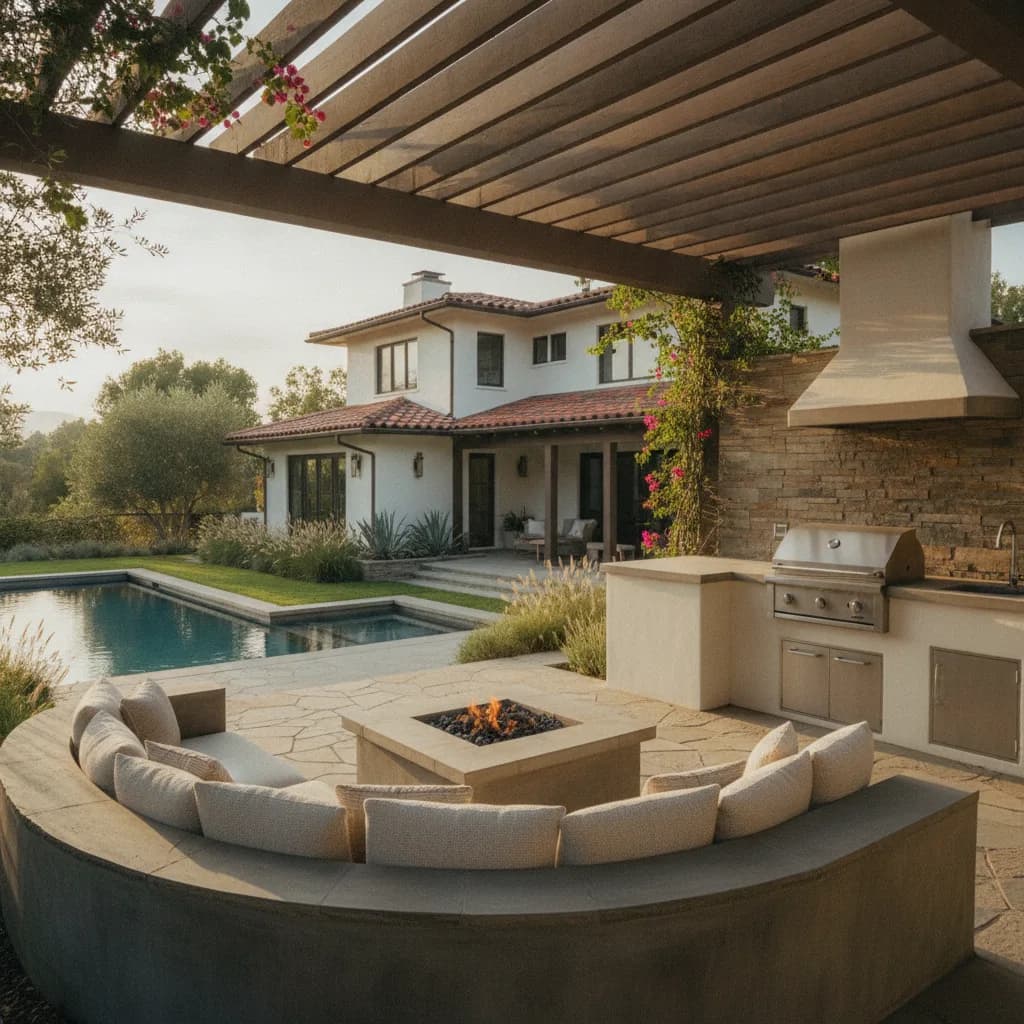
Building a room addition in Riverside, CA, in 2026 involves a multi-step process that requires careful navigation of city permits and, often, Homeowners Association (HOA) approvals. A typical room addition project, such as a master suite or family room, can range from $75,000 to $250,000+ depending on size and finishes, with permit timelines varying from 2-6 months for approval alone. Understanding Riverside's specific requirements is crucial for a smooth project.

What are the Specific Steps for Obtaining a Room Addition Permit in Riverside?
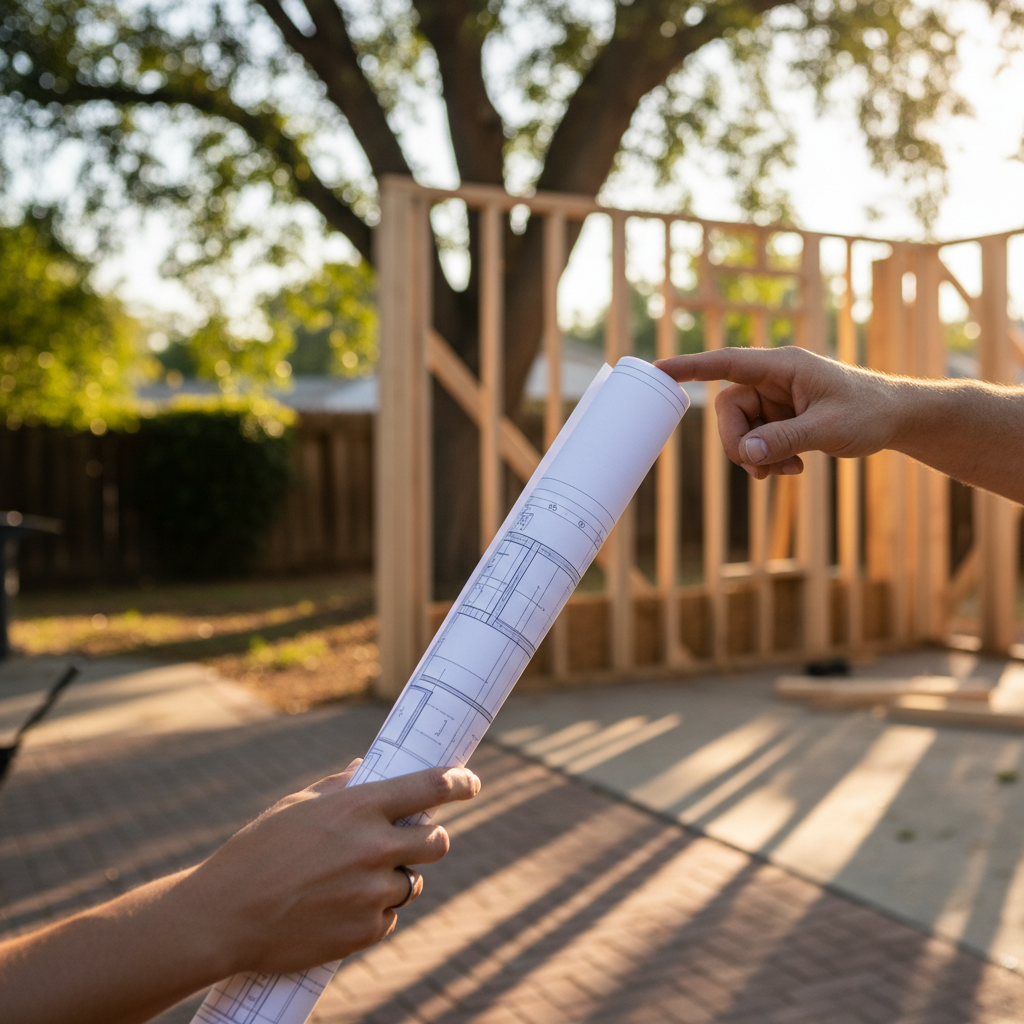
Obtaining a room addition permit in Riverside involves a structured process, starting with design and culminating in final inspections. The City of Riverside's Building and Safety Division oversees these permits, ensuring all additions meet local building codes and safety standards. While some permit processes across California are moving online, it's important to note that permit processes at San Bernardino County, Riverside County, and individual cities vary - some use Accela online portals, others still require in-person submittal, so always verify the current method with the City of Riverside's Development Department (CEDD).
Riverside Permit Application Checklist:
- Conceptual Design & Feasibility: Begin by outlining your vision. Consider the type of addition (e.g., master suite, family room, sunroom, or converting a garage to living space) and how it integrates with your existing home and property lines. Properties here typically have larger lots (7,000-15,000+ sq ft), offering more flexibility for scope expansions once demo begins, but setbacks remain critical.
- Professional Plans: Engage a licensed architect or designer to create detailed construction plans. These plans must include site plans, floor plans, elevations, structural details, and energy calculations. Ensure they account for local conditions, such as engineered drainage for patios, retaining walls, and pool decking due to clay and decomposed-granite soils to prevent heaving and settling.
- Pre-Application Meeting (Optional but Recommended): For complex projects, a pre-application meeting with the City of Riverside's planning department can clarify zoning, setbacks, and specific requirements before formal submission.
- Application Submission: Submit your complete permit application package to the City of Riverside's Building and Safety Division. This typically includes the architectural plans, structural calculations, energy compliance documentation, and the completed permit application forms. The City of Riverside's CEDD website provides up-to-date forms and submittal guidelines.
- Plan Check Review: City planners and engineers will review your plans for compliance with zoning ordinances, building codes, and other regulations. This stage can take anywhere from 4 to 12 weeks, depending on the complexity of your project and the city's current workload. Common reasons for permit application rejection in Riverside include incomplete plans, non-compliance with setback requirements, or inadequate structural details. To avoid rejection, ensure all documentation is thorough and adheres to the latest 2026 California Building Code amendments.
- Permit Issuance: Once your plans are approved and all fees are paid, your building permit will be issued. This permit must be posted prominently at the job site.
How do HOA Approvals Impact Room Additions in Riverside, and What are Common Regulations?
Navigating HOA approvals for room additions in Riverside is a critical, often overlooked, step that runs parallel to the city permit process. Many Riverside neighborhoods, especially newer developments or master-planned communities, fall under HOA jurisdiction, which can significantly influence design, materials, and even project timelines. The specific steps and requirements for obtaining HOA approval typically involve submitting detailed plans to your HOA's Architectural Review Committee (ARC) for their review and approval before you even apply for a city permit.
Common HOA Regulations Impacting Room Additions in Riverside:
Architectural Style & Materials: HOAs often have strict guidelines on exterior finishes, roofing materials, window styles, and paint colors to maintain neighborhood uniformity. For example, Class A fire-rated roofing and non-combustible fence materials may be required, especially near wildland-urban interfaces, which aligns with both HOA and fire safety codes. Setbacks & Lot Coverage: While the city has its own setback rules, HOAs may impose even stricter limitations on how close an addition can be to property lines or how much of your lot can be covered by structures. This is particularly relevant for properties with larger lots (7,000-15,000+ sq ft) where homeowners might assume more flexibility. Height Restrictions: HOAs often limit the maximum height of structures to preserve views or neighborhood aesthetics. View Ordinances: Some HOAs have specific rules to protect neighbors' views, which could impact the placement or height of a second-story addition. Construction Timelines & Noise: HOAs typically regulate construction hours, noise levels, and the placement of construction materials or dumpsters to minimize disruption to residents.
Specific HOA approval rates or common HOA requirements in Riverside are highly varied by community. It's essential to obtain a copy of your HOA's CC&Rs (Covenants, Conditions, and Restrictions) and architectural guidelines early in your planning process. The most common reasons for HOA rejection include non-compliance with aesthetic guidelines or exceeding lot coverage limits. Always secure HOA approval in writing before proceeding with city permit applications, as city permits do not override HOA rules.
What are the Typical Costs and Timelines for Room Additions in Riverside in 2026?
The cost and timeline for a room addition in Riverside in 2026 can vary significantly based on size, complexity, and chosen finishes. Homeowners should budget realistically for both construction and associated fees. Average project costs for different types of room additions in Riverside are generally:
Small Bump-Out (100-200 sq ft): Extending an existing room, adding a bathroom, or expanding a kitchen. Expect costs from $75,000 to $120,000+. This typically involves less structural work and fewer utility relocations. Mid-Size Addition (300-500 sq ft): A new master suite, family room, or substantial kitchen expansion. Costs typically range from $120,000 to $250,000+. This category often includes new plumbing, electrical, and HVAC connections. Large Addition (500-800+ sq ft) or Second Story: A significant expansion, new living area, or adding a second story. Expect $250,000 to $450,000+. These projects involve extensive structural engineering, foundation work, and comprehensive utility upgrades.
These figures do not include permit fees, which can add $5,000 to $15,000+ depending on the project's scope. Detailed breakdown of permit fees by specific trade (electrical, plumbing, mechanical) will be provided by the City of Riverside upon plan review. For comparison, you can explore similar project costs in other Southern California cities, such as those covered in our guide on The Ultimate Room Addition Permit and HOA Guide for Long Beach in 2026.
Typical Timelines:
Design & Planning: 1-3 months HOA Approval: 1-2 months (if applicable) City Permit Plan Check: 2-6 months (can be longer for complex projects) Construction: 3-9 months (depending on size and complexity)
Overall, expect a total project duration from initial design to final inspection of 8 to 18 months.
How Does Riverside's Climate and Soil Affect Room Addition Planning and Material Choices?
Ready to compare vetted project options?
Use Project Match privately when your scope is clear enough for contractor conversations.
Start Project MatchRiverside's unique environmental factors, including its hot summers, specific soil types, and proximity to wildland-urban interfaces, significantly influence how room additions are designed and constructed. Ignoring these local conditions can lead to costly issues down the line.
Extreme Summer Temperatures: Summer temperatures routinely hit 105-110°F. This makes energy efficiency paramount. Consider high-performance insulation, low-E windows, and efficient HVAC systems. Dark-colored hardscape material choices for surrounding patios or walkways can absorb and radiate heat, making adjacent outdoor spaces less usable, so lighter colors or shade structures are critical for usability. Soil Conditions (Clay and Decomposed Granite): Riverside's prevalent clay and decomposed-granite soils are prone to expansion and contraction with moisture changes. This requires engineered foundations and robust drainage solutions to prevent heaving and settling, which could damage your addition. For instance, proper grading and French drains are often specified for new foundations and surrounding hardscapes. Fire and Wind Events: Given Riverside's location, fire and wind events drive material choices. Class A fire-rated roofing materials are often mandated, and non-combustible fence materials are highly recommended, especially for properties near wildland-urban interface zones. This not only enhances safety but can also impact insurance premiums.
Incorporating these considerations into your design from the outset is not just about compliance; it's about building a durable, comfortable, and safe addition that stands the test of time in Riverside's environment.
What are the Key Considerations for Choosing a Contractor and Managing Inspections in Riverside?
Selecting the right contractor and understanding the inspection process are vital for a successful room addition in Riverside. A reputable contractor familiar with local regulations can streamline the entire project.
Choosing a Reputable Riverside Contractor:
- Licensing and Insurance: Always verify that your contractor is licensed by the Contractors State License Board (CSLB) and carries adequate liability and worker's compensation insurance. Ask for their CSLB license number and check its status online.
- Local Experience: Prioritize contractors with a proven track record of successful room additions specifically in Riverside. They will be familiar with the City of Riverside's permit processes, common inspectors, and local material suppliers. Ask for references from recent projects in the Riverside area.
- Specialization: Look for contractors who specialize in room additions, not just general remodeling. Their expertise will be invaluable for structural challenges, utility connections, and energy efficiency requirements specific to new construction.
- Detailed Bids: Obtain at least three detailed bids that break down costs for materials, labor, permits, and any contingencies. Be wary of unusually low bids, which often indicate shortcuts or hidden costs.
- Communication: Choose a contractor with whom you can communicate effectively. Clear and consistent communication is key to managing expectations and resolving issues promptly.
The Riverside Inspection Process:
Once your permit is issued and construction begins, various inspections will be required at different stages to ensure compliance with approved plans and building codes. Your contractor will typically schedule these inspections. Specific examples of required inspections and what inspectors look for at each stage include:
Foundation Inspection: After trenches are dug and rebar is placed, but before concrete is poured. Inspectors check rebar size, spacing, and placement, as well as forms and soil conditions. This is particularly crucial in Riverside's clay and decomposed-granite soils. Rough Framing Inspection: After the framing, plumbing, electrical, and HVAC systems are installed, but before insulation and drywall. Inspectors check the structural integrity of the framing, proper bracing, and the correct installation of all rough-in utilities. Rough Plumbing, Electrical, HVAC Inspections: These are often conducted concurrently with rough framing or as separate inspections, ensuring all systems meet code before being covered. Insulation Inspection: After insulation is installed but before drywall. Inspectors verify the R-value and proper installation of insulation throughout the addition. Drywall/Shear Wall Inspection: Before finishing materials are applied, inspectors may check for proper drywall installation and shear wall nailing patterns for structural integrity. Final Inspection: After all construction is complete, utilities are connected, and finishes are applied. The inspector ensures all work is completed according to the approved plans and codes, and all systems are operational. Upon passing, a Certificate of Occupancy will be issued, allowing you to legally use your new space.
What to expect at each stage: Inspectors will verify that the work matches the approved plans and adheres to the latest building codes. Be prepared for potential minor adjustments or corrections if any discrepancies are found. The typical timelines for each stage of the permit process, including plan check and inspections, can vary, but clear communication with your contractor and the city's building department is essential to keep the project moving.
What are the Property Tax Implications of a Room Addition in Riverside?
A room addition in Riverside will almost certainly impact your property taxes. When you add square footage or significantly improve your property, the Assessor's Office will reassess the value of the added portion. This reassessment is typically limited to the value of the new construction, not the entire property, under Proposition 13. For example, if your home is valued at $600,000 and you add a $150,000 room, your property tax bill will increase based on the added $150,000, not a reassessment of the full $750,000. It's advisable to consult with the Riverside County Assessor's Office or a tax professional to understand the specific impact on your property. This is an important financial consideration often overlooked, similar to how Redondo Beach Driveway Replacement: ROI & Home Value (2026 Insights) discusses property value changes.
Are There Cost-Saving Tips or Financing Options for Room Additions in Riverside?
Financing a room addition can be a significant undertaking, but several options exist for Riverside homeowners. Smart planning can also lead to cost savings.
Financing Options:
Home Equity Line of Credit (HELOC): Allows you to borrow against your home's equity, offering flexibility with a revolving credit line. Home Equity Loan: A lump-sum loan based on your home's equity, often with a fixed interest rate. Cash-Out Refinance: Refinancing your existing mortgage for a larger amount and taking the difference in cash. Construction Loan: Specifically designed for new construction or major renovations, typically disbursed in stages as work progresses.
Cost-Saving Tips:
Smart Design: Work with your designer to create an efficient layout that minimizes structural changes to the existing home. A smaller footprint can mean significant savings. Material Choices: Opt for cost-effective yet durable materials. For instance, while high-end finishes are appealing, mid-range options can offer excellent value and aesthetics. Consider the long-term maintenance implications, as discussed in Concrete Resurfacing Cost Guide in Northridge (2026). DIY Where Possible (Carefully): For very minor tasks that don't require permits or specialized skills (e.g., painting, landscaping after construction), doing it yourself can save on labor costs. However, never compromise on structural or utility work. Phased Approach: If budget is a major constraint, consider if your addition can be built in phases, though this can sometimes increase overall costs due to multiple mobilization fees.
Regarding incentives, state or local incentives or rebates for energy-efficient room additions are periodically available through programs like those offered by local utility companies (e.g., Southern California Edison, SoCalGas) for things like high-efficiency HVAC or insulation. Check the California Energy Commission website or your utility provider's site for current programs in 2026.
What are the Specific Requirements for Utility Hookups for a New Room Addition?
Connecting utilities for a new room addition in Riverside involves specific requirements for electrical, plumbing, and HVAC systems. These are critical for the functionality and safety of your new space.
Electrical: Your electrical panel may need an upgrade to accommodate the increased load from the new addition. All wiring must meet current National Electrical Code (NEC) standards, as adopted by the City of Riverside. This includes proper circuit sizing, grounding, and outlet placement. A licensed electrician will handle the load calculations and installation. Plumbing: New plumbing lines will need to be tied into your existing water supply and waste systems. This requires careful planning to ensure adequate water pressure and proper drainage. All plumbing work must comply with the California Plumbing Code. For additions with new bathrooms or kitchens, vent systems and hot water supply are key considerations. HVAC: Your existing heating, ventilation, and air conditioning system may not be sufficient to heat and cool the additional square footage. An HVAC professional will assess your current system and recommend upgrades or a separate zone system to ensure efficient climate control, especially given Riverside's hot summers. All HVAC installations must meet California Mechanical Code standards.
All utility connections will require separate inspections by the City of Riverside's building department to ensure compliance and safety before final approval. This is a complex area where professional expertise is non-negotiable.
What is the Process for Appealing a Denied Permit Application or Requesting a Variance?
If your room addition permit application is denied in Riverside, or if your project doesn't meet standard zoning requirements, there is a process for appeal or requesting a variance. This process provides an avenue for homeowners to present their case for approval.
- Understand the Denial: The first step is to thoroughly understand the specific reasons for the permit denial. The City of Riverside's Building and Safety Division will provide a written explanation outlining the code sections or regulations that were not met.
- Consult with Professionals: Work with your architect, engineer, or contractor to address the issues raised. Often, minor revisions to plans can resolve the problems.
- Resubmission: If the issues are resolvable through plan modifications, you can revise your plans and resubmit the application.
- Requesting a Variance: If your project cannot meet standard requirements due to unique property characteristics (e.g., unusual lot shape, topography), you may apply for a variance. A variance is an exception to a zoning ordinance. This involves submitting a formal application to the City of Riverside's Planning Department, which will then be reviewed by the Planning Commission. You will need to demonstrate that strict application of the zoning ordinance would create an undue hardship and that the variance would not be detrimental to public welfare or inconsistent with the general plan.
- Appealing a Decision: If your variance request is denied, or if you believe the permit denial was based on an error, you typically have the right to appeal the decision to a higher authority within the city, such as the Board of Appeals. This usually involves a formal written appeal and a public hearing where you can present your case.
Navigating appeals and variances can be complex and time-consuming, often requiring expert legal or planning assistance. It's always best to design your project to meet all standard requirements from the outset to avoid these additional steps.
Conclusion
Undertaking a room addition in Riverside, CA, is a significant investment that can greatly enhance your home's value and livability. By understanding the city's permit requirements, navigating HOA approvals, considering Riverside's unique climate and soil, and carefully selecting your project team, you can ensure a successful and compliant build. Proactive planning and attention to detail are your best tools for transforming your Riverside home with a beautiful and functional new space. Ready to expand your living space? Start by consulting with local Riverside professionals today to bring your vision to life.
FAQ
Q1: Do I need a permit for all types of room additions in Riverside?
A1: Yes, any addition that increases the heated or cooled square footage of your home, alters the structural integrity, or changes the footprint of your property in Riverside requires a building permit. This includes master suites, family rooms, sunrooms, and garage conversions to living space. Minor interior remodels that don't affect structural elements or square footage may not, but always check with the City of Riverside's Building and Safety Division to be certain.
Q2: How long does it typically take to get a room addition permit approved in Riverside?
A2: The permit approval process in Riverside, from initial submission to issuance, can typically take anywhere from 2 to 6 months for standard room additions. More complex projects, or those requiring multiple rounds of revisions, may extend this timeline. This does not include the time for design or HOA approval.
Q3: What are the most common reasons for permit application rejection in Riverside?
A3: The most common reasons for permit application rejection in Riverside include incomplete or inaccurate plans, non-compliance with zoning setbacks or lot coverage limits, inadequate structural engineering details, and failure to meet energy efficiency standards. Ensuring your plans are comprehensive and adhere to all local codes is crucial.
Q4: How much does a 200 sq ft room addition cost in Riverside in 2026?
A4: A 200 sq ft room addition in Riverside in 2026, such as a bump-out or small bedroom, typically costs between $75,000 and $120,000+. This range can fluctuate based on the complexity of the addition, the quality of finishes, and whether new plumbing or electrical systems are required.
Q5: Are there specific HOA regulations in Riverside that commonly impact room additions?
A5: Yes, HOAs in Riverside commonly impact room additions through strict architectural guidelines (materials, colors, styles), setback requirements that can be more restrictive than city codes, height limitations, and rules regarding construction hours and site management. Always review your HOA's CC&Rs and architectural guidelines before planning your project.
Frequently Asked Questions
Q1: Do I need a permit for all types of room additions in Riverside?
A1: Yes, any addition that increases the heated or cooled square footage of your home, alters the structural integrity, or changes the footprint of your property in Riverside requires a building permit. This includes master suites, family rooms, sunrooms, and garage conversions to living space. Minor interior remodels that don't affect structural elements or square footage may not, but always check with the City of Riverside's Building and Safety Division to be certain.
Q2: How long does it typically take to get a room addition permit approved in Riverside?
A2: The permit approval process in Riverside, from initial submission to issuance, can typically take anywhere from 2 to 6 months for standard room additions. More complex projects, or those requiring multiple rounds of revisions, may extend this timeline. This does not include the time for design or HOA approval.
Q3: What are the most common reasons for permit application rejection in Riverside?
A3: The most common reasons for permit application rejection in Riverside include incomplete or inaccurate plans, non-compliance with zoning setbacks or lot coverage limits, inadequate structural engineering details, and failure to meet energy efficiency standards. Ensuring your plans are comprehensive and adhere to all local codes is crucial.
Q4: How much does a 200 sq ft room addition cost in Riverside in 2026?
A4: A 200 sq ft room addition in Riverside in 2026, such as a bump-out or small bedroom, typically costs between $75,000 and $120,000+. This range can fluctuate based on the complexity of the addition, the quality of finishes, and whether new plumbing or electrical systems are required.
Q5: Are there specific HOA regulations in Riverside that commonly impact room additions?
A5: Yes, HOAs in Riverside commonly impact room additions through strict architectural guidelines (materials, colors, styles), setback requirements that can be more restrictive than city codes, height limitations, and rules regarding construction hours and site management. Always review your HOA's CC&Rs and architectural guidelines before planning your project.
Sources & methodology
How Golden Yards builds this guide
Golden Yards reviews public permit and code signals, material pricing, climate and site constraints, contractor quote patterns, comparable projects, the Golden Yards Cost Index, and the Golden Yards Methodology. Cost references are planning ranges, not fixed bids.
- Benchmarked against the Golden Yards Cost Index and related project guides.
- Reviewed for California climate, water, fire, drainage, access, and permit context.
- Commercial Project Match is separate from editorial cost guidance.
Ready to start your room addition project?
Find My ProsFrequently Asked Questions
Q1: Do I need a permit for all types of room additions in Riverside?
Yes, a building permit is required in Riverside for any addition that increases your home's heated or cooled square footage, alters its structural integrity, or changes the property's footprint. This includes master suites, family rooms, and garage conversions. Always confirm requirements with the City of Riverside's Building and Safety Division.
In Riverside, the permit requirement applies to most significant home additions. For example, building new master suites, family rooms, or sunrooms will increase the conditioned square footage and change the home's structure, which triggers the need for a permit. Converting a garage into a living space also falls into this category.
While minor interior remodels that do not affect structural elements or the total square footage may be exempt, this is not guaranteed. To be certain your project complies with all local codes, you should always check directly with the City of Riverside's Building and Safety Division before starting any work.
Q2: How long does it typically take to get a room addition permit approved in Riverside?
In Riverside, a standard room addition permit typically takes 2 to 6 months to be approved, from initial submission to final issuance. This timeline does not include the time required for architectural design or any necessary HOA approvals. More complex projects or those requiring multiple revisions may take longer.
The estimated 2 to 6 month approval timeline for a room addition permit in Riverside covers only the city's plan check and review process. This period begins once a complete application is submitted and concludes when the permit is issued. It is a timeframe for standard projects that meet code requirements without significant complications.
Factors that can extend this duration include the project's complexity, the need for multiple rounds of corrections, or incomplete initial submissions. It is important for homeowners to remember that this city-specific timeline does not account for the preliminary work of creating designs or obtaining approval from a Homeowners Association, which must be completed beforehand.
Q3: What are the most common reasons for permit application rejection in Riverside?
In Riverside, the most common reasons for permit rejection are incomplete or inaccurate plans, non-compliance with zoning setbacks or lot coverage limits, inadequate structural engineering details, and failure to meet energy efficiency standards. Submitting comprehensive plans that adhere to all local codes is crucial for approval.
Permit applications in Riverside are frequently rejected for several key issues. Submissions often contain incomplete or inaccurate plans, which immediately stops the review process. Another major hurdle is non-compliance with local zoning regulations, specifically rules governing setbacks from property lines and maximum lot coverage percentages. Furthermore, applications may be denied due to inadequate structural engineering details that fail to demonstrate the project's safety and stability. Finally, all projects must meet current energy efficiency standards, and overlooking these requirements is a common cause for rejection.
Q4: How much does a 200 sq ft room addition cost in Riverside in 2026?
A 200 sq ft room addition in Riverside in 2026 typically costs between $75,000 and $120,000 or more. This price for an addition like a bump-out or small bedroom can change based on project complexity, finish quality, and the need for new plumbing or electrical systems.
The estimated cost of $75,000 to $120,000+ for a 200 sq ft addition in Riverside for 2026 is a general guideline. A simple bump-out with standard finishes will be at the lower end of this range. However, a more complex project, like a small bedroom requiring new plumbing or significant electrical work, will push the cost toward or even past $120,000. The specific materials and finishes selected also play a large role in determining the final price.
Q5: Are there specific HOA regulations in Riverside that commonly impact room additions?
Yes, Homeowners Associations in Riverside commonly affect room additions with strict rules. These include architectural guidelines for materials and styles, setback requirements that can be more restrictive than city codes, height limitations, and regulations on construction hours. Always review your HOA's CC&Rs and architectural guidelines before planning your project.
When planning an addition in a Riverside HOA community, you must adhere to its specific regulations. These often involve strict architectural controls dictating approved materials, exterior colors, and design styles to maintain neighborhood consistency. An HOA can also enforce setback requirements that are more stringent than municipal codes, further limiting your building footprint. Additionally, expect rules governing structure height, construction hours, and general site management. A careful review of your community's Covenants, Conditions, and Restrictions (CC&Rs) and architectural guidelines is a critical first step to ensure your project is compliant.