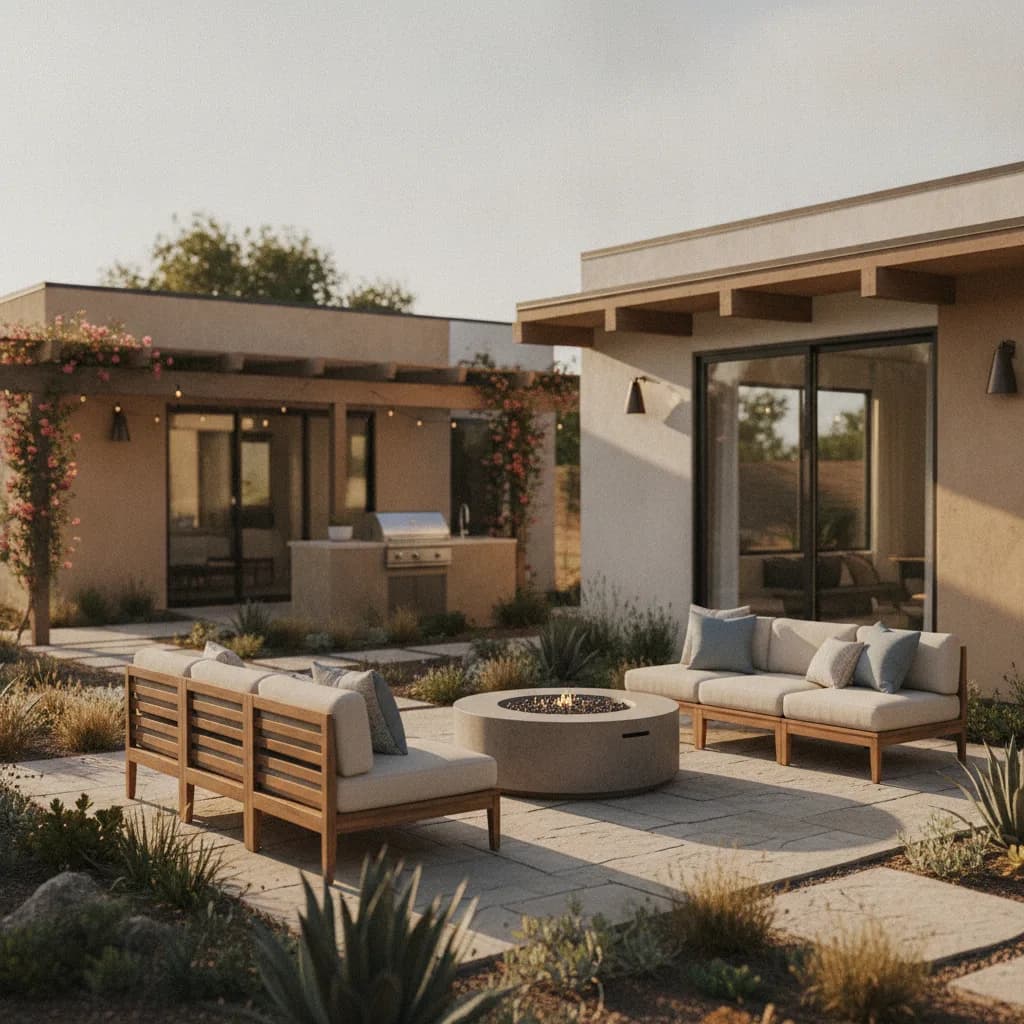
ADU Permit and HOA Guide for Long Beach: Your 2026 Blueprint for Backyard Living
Building an Accessory Dwelling Unit (ADU) in Long Beach, CA, in 2026 typically costs between $180,000 and $450,000+, depending on size, type, and finishes, with permit fees adding an estimated $6,000-$18,000. Navigating the permit process involves working closely with Long Beach Development Services, and homeowners in HOA-governed communities must secure architectural review board approval before submitting city plans. Understanding these local nuances is crucial for a smooth project.
What are the typical costs for an ADU in Long Beach, CA, including permits?
The total investment for an ADU in Long Beach in 2026 ranges significantly, primarily driven by the unit's size, construction type (new detached, attached, or garage conversion), and the quality of interior and exterior finishes. A basic garage conversion might start around $120,000-$200,000, while a newly constructed, detached 800 sq ft ADU with premium finishes could easily exceed $450,000. These figures include design, materials, labor, and utility connections.
Permit fees from Long Beach Development Services typically range from $6,000 to $18,000. This covers plan check, building permits, impact fees, and various departmental reviews. Factors like lot size, existing utility capacity, and whether the property is in a coastal zone can influence these fees. Homeowners should budget an additional 10-15% of the total project cost for unforeseen expenses and potential upgrades.
How do I navigate the ADU permit process with Long Beach Development Services?
Obtaining an ADU permit in Long Beach involves a structured process with the city's Development Services department, which aims to streamline residential projects. Long Beach Development Services handles permits, and they even offer a dedicated Single-Family residential express lane for simpler hardscape and fence scopes, which can sometimes expedite minor ADU-related site work. However, a full ADU project requires comprehensive review.
The typical timeline from initial design submission to permit issuance can range from 4 to 8 months, sometimes longer if revisions are extensive or if the property is in a special overlay district. Homeowners will need to submit detailed architectural plans, structural engineering calculations, site plans, and utility connection diagrams. For properties within coastal zones (within approximately 2-3 miles of the Pacific), visible exterior work often triggers Coastal Commission or local coastal review, adding an additional 30-90 days to the permit timelines. Proactive engagement with a local architect familiar with Long Beach's specific codes is highly recommended to minimize delays.
What are the specific HOA requirements for ADUs in Long Beach neighborhoods?
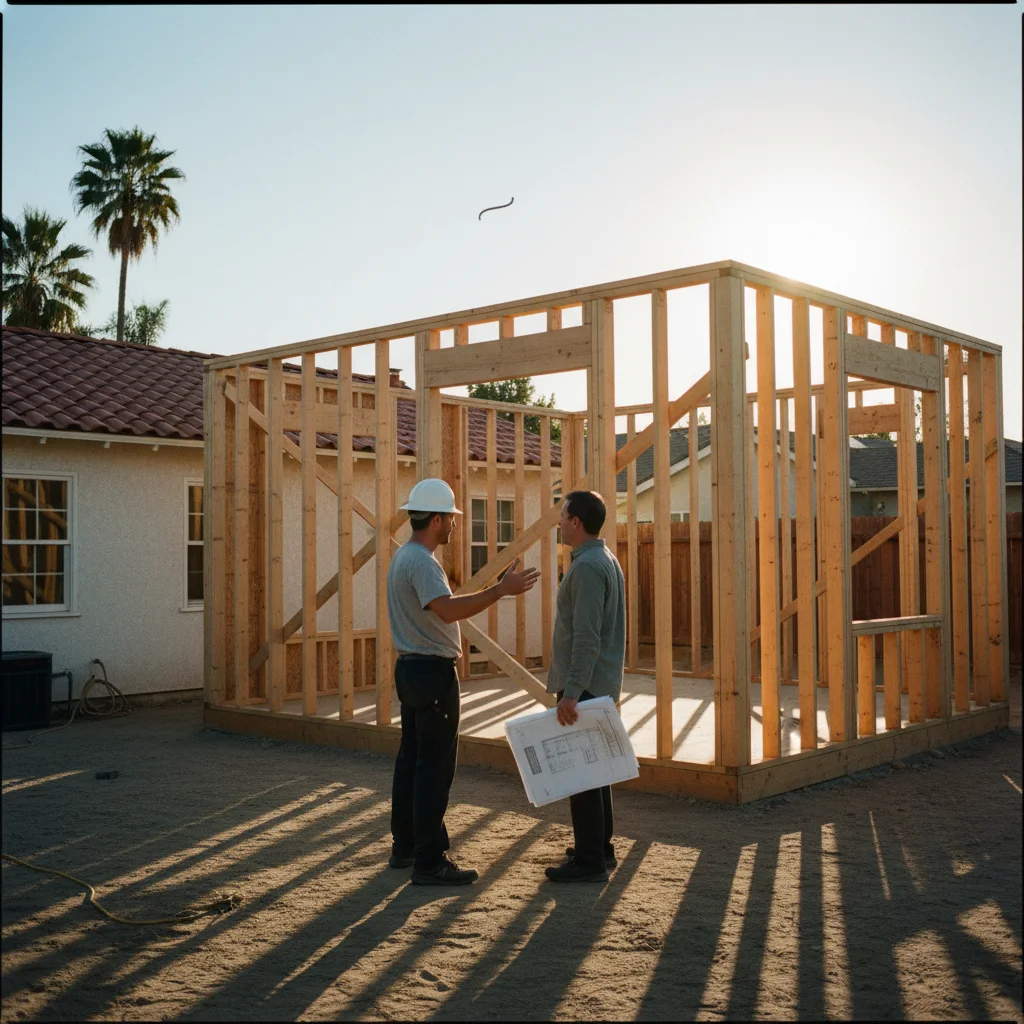
Many desirable Long Beach neighborhoods are governed by Homeowners Associations (HOAs), and their regulations can significantly impact your ADU project. HOA-facing neighborhoods typically require architectural review boards to approve fences, hardscape colors, and landscape lighting before permits issue from the city. This means your ADU design, exterior materials, and even landscaping must align with the community's aesthetic guidelines.
Before even approaching Long Beach Development Services, homeowners in an HOA should obtain a copy of their CC&Rs (Covenants, Conditions, and Restrictions) and submit their preliminary ADU plans to their HOA's architectural review committee. This pre-approval step is critical to avoid costly redesigns or conflicts later in the process. Some HOAs may have specific rules regarding ADU size, height, setback from property lines, or even exterior finishes that are stricter than city code. For example, a common HOA restriction might dictate specific paint palettes or roofing materials to maintain neighborhood uniformity.
How does Long Beach's climate and unique local conditions impact ADU construction?
Ready to compare vetted project options?
Use Project Match privately when your scope is clear enough for contractor conversations.
Start Project MatchSee what your ADU actually costs in 4 questions.
We pull cost ranges from invoiced California ADU builder projects, then narrow them to your scope, ZIP, and finish level. No first-call sticker shock.
Open the ADU cost calculatorFree. Takes under 2 minutes. No email required to see your range.
Long Beach's coastal climate presents specific challenges and considerations for ADU construction that must be addressed in the design and material selection. The salt-laden ocean air accelerates corrosion on ferrous metals, outdoor kitchen hardware, light fixtures, and railings. This necessitates the use of more resilient materials.
For any exterior metal components, stainless 316, powder-coated aluminum, and marine-grade composites are preferred over standard steel or untreated aluminum to ensure longevity. Furthermore, drainage and grading strategy must handle both winter storm runoff and morning fog condensation. pavers">Permeable pavers, french drains, and slope-away detailing are common requirements to manage water effectively and prevent moisture intrusion into the ADU's foundation or crawl space. Long Beach's relatively flat topography in many areas also means careful attention to positive drainage away from structures is paramount.
What are the design and material considerations for an ADU in Long Beach's coastal and historic areas?
Designing an ADU in Long Beach requires a keen eye for local context, especially in its historic districts and coastal zones. Historic districts like Bluff Heights, Rose Park, and Belmont Heights enforce design compatibility on visible front and side yard work. This means your ADU's architectural style, window types, roofing, and exterior finishes should harmonize with the existing main dwelling and the historic character of the neighborhood. This often involves working with specific material palettes or design elements to meet historic preservation guidelines.
Beyond aesthetics, the premium lot expectations common in many Long Beach neighborhoods push material selection toward natural stone, flamed granite, IPE decking, and designer pavers over budget-tier options. These materials not only elevate the ADU's appearance but also offer superior durability against the coastal elements. For instance, IPE decking is renowned for its resistance to rot and insects, making it ideal for outdoor living spaces in humid environments. Thoughtful material choices contribute significantly to the ADU's long-term value and curb appeal.
Frequently Asked Questions About Long Beach ADU Permits and HOAs
Q: Can I build an ADU in a historic district in Long Beach?
A: Yes, you can build an ADU in Long Beach's historic districts, but specific design compatibility rules apply. Historic districts like Bluff Heights, Rose Park, and Belmont Heights require that the ADU's design, materials, and exterior finishes are harmonious with the existing primary residence and the overall historic character of the neighborhood. You will need to work closely with Long Beach Development Services and potentially the city's Cultural Heritage Commission for design review and approval.
Q: How long does it typically take to get an ADU permit approved in Long Beach?
A: The typical timeline for ADU permit approval in Long Beach ranges from 4 to 8 months from initial submission to issuance. However, this can be extended by 30-90 days if your property is within a coastal zone and requires additional review from the Coastal Commission or local coastal authorities. The complexity of your plans and responsiveness to city comments also play a role.
Q: What are the most common challenges with HOAs for ADUs in Long Beach?
A: The most common challenges with HOAs for ADUs in Long Beach involve architectural review and design compliance. HOAs often have stricter rules than city code regarding exterior aesthetics, materials, colors, and landscaping. Homeowners must obtain approval from their HOA's architectural review board before submitting plans to the city, which can require revisions to ensure the ADU blends seamlessly with the community's established look.
Q: What types of materials are best for outdoor ADU components in Long Beach's climate?
A: Due to Long Beach's salt-laden ocean air, it's best to use materials resistant to corrosion for outdoor ADU components. Stainless 316, powder-coated aluminum, and marine-grade composites are highly recommended for items like railings, light fixtures, and outdoor kitchen hardware. These materials offer superior durability and longevity compared to standard ferrous metals.
Q: Do I need special drainage for my Long Beach ADU?
A: Yes, special attention to drainage and grading is crucial for ADUs in Long Beach. The design must effectively manage both winter storm runoff and morning fog condensation. Common requirements include permeable pavers, french drains, and slope-away detailing around the ADU's foundation to prevent water accumulation and ensure proper water diversion.
Conclusion
Get 3 ADU builder bids in 48 hours.
Our editors already screened California ADU builders. Answer 4 questions; we send 3 written bids inside 48 hours, with the real price for your scope, not their inflated first-call number.
Send my 3 bidsFree. No commission. If a match doesn't fit, we'll send another.
Building an ADU in Long Beach offers a fantastic opportunity to enhance your property, but it requires a strategic approach to permits, local regulations, and neighborhood-specific considerations. By understanding the typical costs, navigating Long Beach Development Services, securing HOA approvals, and selecting materials suited to the local climate, homeowners can successfully add valuable living space. Golden Yards is here to help Long Beach homeowners connect with experienced professionals who understand these unique local requirements, ensuring your ADU project is a success from concept to completion.
Ready to start your ADU project?
Find My ProsFrequently Asked Questions
Can I build an ADU in a historic district in Long Beach?
Yes, you can build an ADU in a Long Beach historic district, but specific design rules apply. In areas like Bluff Heights, Rose Park, and Belmont Heights, the ADU must be harmonious with the primary home and neighborhood character. Projects require review by Long Beach Development Services and possibly the Cultural Heritage Commission.
For ADUs in historic districts such as Bluff Heights, Rose Park, and Belmont Heights, the city requires special attention to design compatibility. The ADU's design, materials, and exterior finishes must be harmonious with the existing primary residence and the overall historic character of the neighborhood. This means you will need to work closely with Long Beach Development Services for your project. Depending on the specifics, the city's Cultural Heritage Commission may also need to conduct a design review and provide approval before construction can begin.
How long does it typically take to get an ADU permit approved in Long Beach?
ADU permit approval in Long Beach typically takes 4 to 8 months from submission to issuance. This timeline can extend by 30 to 90 days for properties in a coastal zone requiring additional review from the Coastal Commission. The complexity of your plans and your responsiveness to city comments also affect the schedule.
The standard processing time for an ADU permit in Long Beach is between 4 and 8 months. This covers the period from your initial plan submission until the final permit is issued.
A significant factor can extend this timeframe. If your property is located within a coastal zone, it will need an extra review by the Coastal Commission or other local coastal authorities. This step can add another 30 to 90 days to the process.
Finally, the overall speed of approval also depends on how complex your architectural plans are and how quickly you respond to any comments or correction requests from the city.
What are the most common challenges with HOAs for ADUs in Long Beach?
The most common challenges with HOAs for ADUs in Long Beach involve architectural review and design compliance. HOAs often have stricter rules than city code for exterior aesthetics, materials, and landscaping. Homeowners must get HOA approval before submitting plans to the city, which frequently requires revisions to match the community's look.
In Long Beach, homeowners must obtain approval from their HOA's architectural review board before starting the city's permitting process. This review focuses on ensuring the ADU's design is consistent with the community's established appearance. HOAs can enforce specific requirements for exterior materials, paint colors, and landscaping that are more restrictive than municipal code. Consequently, ADU plans may need significant revisions to satisfy the HOA's design standards before they can be submitted to the city for review.
What types of materials are best for outdoor ADU components in Long Beach's climate?
For outdoor ADU components in Long Beach's salt-laden ocean air, use corrosion-resistant materials. Stainless 316, powder-coated aluminum, and marine-grade composites are highly recommended for items like railings, light fixtures, and outdoor kitchen hardware. These materials offer superior durability and longevity compared to standard ferrous metals, which rust easily in coastal conditions.
The specific climate in Long Beach makes material choice crucial for the exterior of an ADU. Salt in the air significantly accelerates corrosion, so standard ferrous metals will degrade quickly. For this reason, components constantly exposed to the elements, such as railings, light fixtures, and any outdoor kitchen hardware, demand special consideration. By selecting Stainless 316, powder-coated aluminum, or marine-grade composites, you ensure these parts will last longer and require less maintenance, providing better value over time.
Do I need special drainage for my Long Beach ADU?
Yes, special drainage is crucial for ADUs in Long Beach. The design must manage winter storm runoff and morning fog condensation. Common solutions include permeable pavers, french drains, and sloping the grade away from the foundation. Proper water diversion is essential for project success and approval from Long Beach Development Services.
In Long Beach, proper grading and drainage are critical for an ADU. Your plans must show how the site will handle both heavy winter storm runoff and persistent morning fog condensation to prevent water accumulation. This often involves specific construction details like installing french drains or using permeable pavers for hardscaping. The foundation requires careful slope-away detailing to ensure water is properly diverted. Getting these details right is important for securing permits from Long Beach Development Services and any necessary HOA approvals. Companies like Golden Yards can connect homeowners with professionals who know these local requirements.