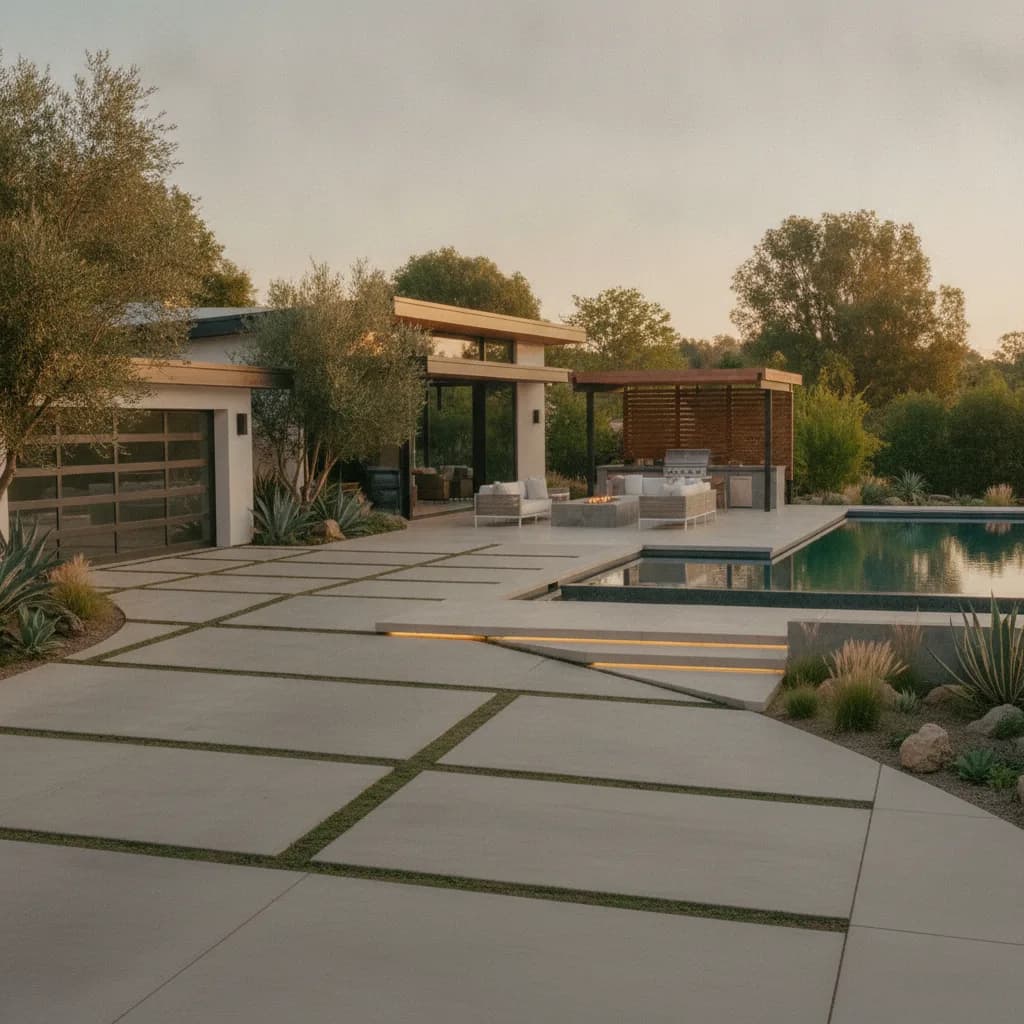
Los Angeles, with its year-round sunshine and vibrant outdoor culture, offers a unique opportunity for homeowners to extend their living spaces beyond the confines of their walls. From the bustling streets of Hollywood to the serene canyons of Malibu, the desire for beautiful, functional, and durable outdoor areas is a constant. This is where hardscaping truly shines. More than just decorative elements, hardscapes form the backbone of your outdoor environment, defining pathways, creating inviting patios, and establishing the very foundation of your property's curb appeal. For Southern California homeowners, investing in quality hardscaping isn't just about aesthetics; it's about creating resilient, low-maintenance, and water-wise landscapes that thrive in our unique climate while significantly boosting your home's value.
This comprehensive guide from Golden Yards Magazine will walk you through everything you need to know about hardscaping in Los Angeles. We'll explore the diverse materials available, delve into design considerations tailored for our local environment, break down typical costs, and navigate the essential planning and permitting processes. Whether you're dreaming of a grand paver driveway in Beverly Hills, a tranquil stone patio in Silver Lake, or practical, permeable pathways in Pasadena, prepare to transform your outdoor space into a lasting oasis.
What Exactly is Hardscaping, and Why Does it Matter for Your Los Angeles Home?
Hardscaping refers to all the non-living elements in your landscape design. Think of it as the “bones” of your outdoor space, providing structure, functionality, and definition. While softscaping encompasses the living elements like plants, trees, and lawns, hardscaping includes features such as driveways, patios, walkways, retaining walls, pergolas, outdoor kitchens, fire pits, and even decorative boulders or water features. For Los Angeles homeowners, understanding and strategically implementing hardscaping is paramount for several compelling reasons:
- Enhanced Curb Appeal and Property Value: In a competitive real estate market like LA, first impressions are everything. A well-designed hardscape dramatically elevates your home's exterior, creating an inviting entrance and a polished look that can significantly increase your property's market value. Imagine a beautifully laid paver driveway or a welcoming stone pathway – these elements instantly convey quality and care, a crucial factor in neighborhoods from Santa Monica to the San Fernando Valley.
- Durability and Low Maintenance: Unlike lawns or flowerbeds that require constant watering, pruning, and seasonal care, hardscape elements are built to last. Materials like concrete, natural stone, and high-quality pavers withstand LA's intense sun, occasional heavy rains, and daily wear and tear with minimal upkeep. This translates to less time spent on chores and more time enjoying your outdoor space, a valuable commodity in our busy city.
- Extended Outdoor Living Space: Southern Californians live outdoors, and hardscaping makes this lifestyle possible. Patios become outdoor dining rooms, fire pits create cozy gathering spots, and well-defined walkways connect different zones of your yard. In a city where square footage comes at a premium, effectively utilizing your outdoor areas can feel like adding an extra room to your home, perfect for entertaining or quiet relaxation under the LA sky.
- Water Conservation and Drought-Tolerance: With ongoing drought concerns and water restrictions in Los Angeles, hardscaping plays a crucial role in creating sustainable landscapes. By reducing lawn areas and incorporating permeable surfaces, you can significantly decrease your water usage. Permeable pavers, decomposed granite, and strategically placed patios minimize runoff and allow rainwater to naturally percolate into the soil, replenishing groundwater and reducing strain on our municipal water supply. This aligns perfectly with the City of Los Angeles's commitment to water-wise landscaping and can even qualify for local rebates.
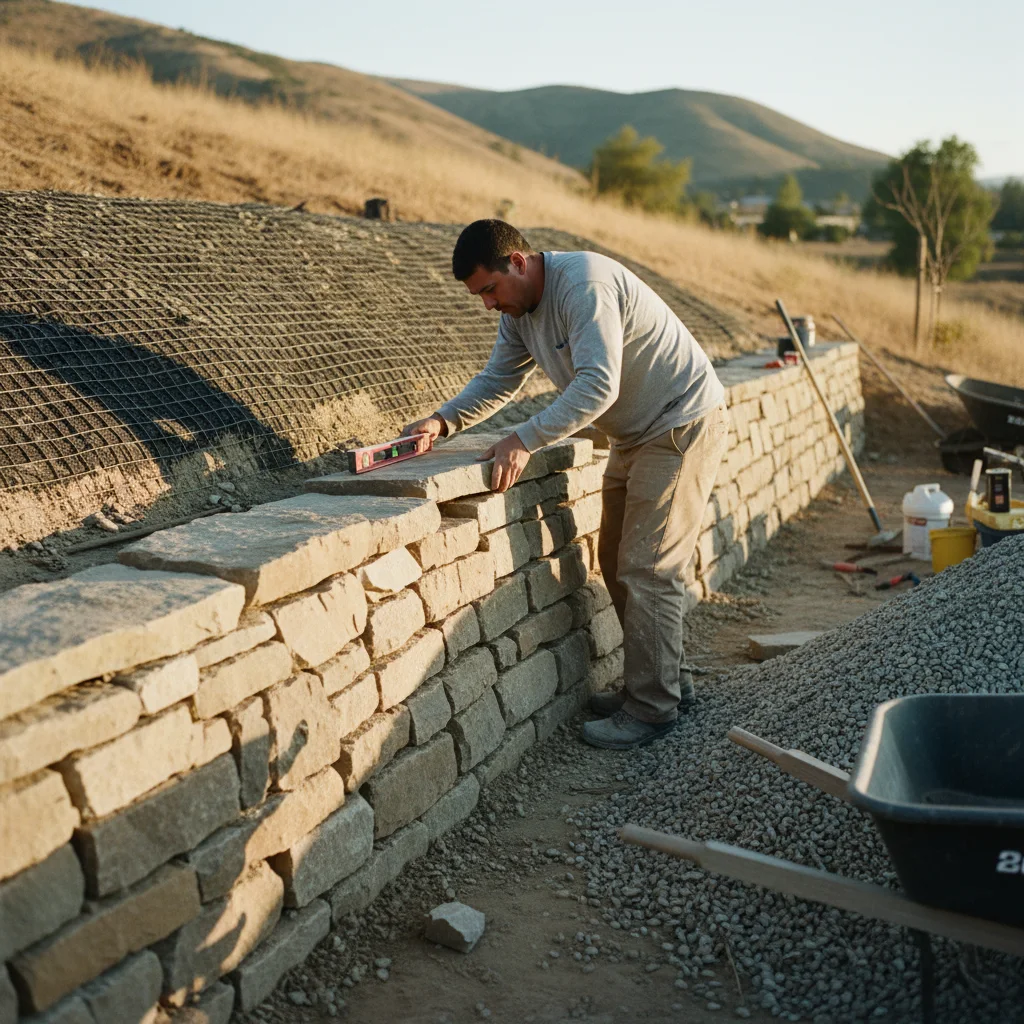
- Erosion Control and Stability: For homes in hillside communities like the Hollywood Hills, Bel Air, or the canyons of Malibu, hardscaping elements like retaining walls are not just aesthetic but essential for structural integrity. They prevent soil erosion, manage water runoff, and create usable, level terraces on sloped properties, turning challenging terrain into functional and beautiful spaces that are safe and stable.
Understanding these benefits underscores why hardscaping is not merely an upgrade but a fundamental investment in your Los Angeles home's longevity, beauty, and functionality.
How Do You Design a Dream Hardscape Tailored for Los Angeles Living?
Designing a hardscape that perfectly complements your Los Angeles home and lifestyle requires thoughtful planning. It's about blending aesthetics with practicality, ensuring your outdoor space is both beautiful and functional for years to come.
Understanding Your Property and Lifestyle
Before selecting materials or drawing layouts, take stock of your existing property. Consider sun exposure throughout the day, prevailing winds, natural drainage patterns, and any existing landscape features you wish to preserve. More importantly, think about how you intend to use your outdoor space. Do you envision large family gatherings, quiet evenings by a fire pit, a dedicated play area for children, or perhaps an outdoor kitchen for al fresco dining? Your lifestyle dictates the functionality and flow of your hardscape design. For instance, a family with young children might prioritize durable, non-slip surfaces, while a couple focused on entertaining might opt for expansive patio areas and built-in seating.
Aesthetic Harmony with Your LA Home's Architecture
Los Angeles boasts a diverse range of architectural styles, from Spanish Colonial and Mediterranean to Mid-Century Modern, Craftsman, and contemporary designs. Your hardscape should ideally complement your home's existing aesthetic. For a Spanish-style home in Los Feliz, terracotta pavers or natural stone with warm tones might be ideal, evoking a classic hacienda feel. A Mid-Century Modern residence in Palm Springs or the Hollywood Hills might benefit from clean lines, geometric patterns, and materials like exposed aggregate concrete or sleek porcelain pavers. Consider the color palette, textures, and overall architectural language of your home when making material selections to ensure a cohesive and harmonious look.
Material Matters: Choosing the Right Elements for LA's Climate
Selecting the right materials is crucial for durability, aesthetics, and performance in Southern California's climate. Here are some popular options:
- Pavers (Concrete, Brick, Natural Stone): Highly versatile, pavers come in an endless array of colors, shapes, and textures. Concrete pavers are durable, cost-effective, and can mimic the look of natural stone or brick. Brick pavers offer a classic, timeless appeal. Natural stone pavers like flagstone, travertine, or bluestone provide a luxurious, organic feel but can be more expensive. For LA, permeable pavers are an excellent choice, allowing rainwater to drain through gaps, reducing runoff, and supporting groundwater recharge – a significant benefit for water conservation efforts.
- Concrete: A staple for driveways and patios, concrete is durable and relatively affordable. It can be customized with various finishes: stamped concrete mimics the look of stone or brick, stained concrete adds color, and exposed aggregate concrete reveals decorative pebbles for a textured, natural appearance. Lighter colored concrete can also help reduce heat absorption, a plus in LA's summer sun.
- Natural Stone: For a high-end, sophisticated look, natural stone like flagstone, slate, granite, or travertine is unparalleled. It offers unique patterns and colors, and its natural beauty ages gracefully. However, natural stone can be more costly to install and some types, like darker slate, can absorb and retain significant heat, making them less comfortable for bare feet on hot days. Travertine, with its lighter hues, is often a popular choice for LA patios due to its cooler surface temperature.
- Gravel/Decomposed Granite (DG): For pathways, secondary patios, or drought-tolerant garden areas, gravel or decomposed granite offers a permeable, rustic, and cost-effective solution. DG compacts well, creating a firm surface, and both options allow water to penetrate the soil, aligning with LA's water-wise landscaping initiatives. They are excellent for creating naturalistic paths in canyon-side properties or Mediterranean-inspired gardens.
Integrating Softscaping and Drought-Tolerant Plants
No hardscape is complete without complementary softscaping. In Los Angeles, this means prioritizing drought-tolerant plants, succulents, native species, and low-water groundcovers. Integrate planting beds, strategically placed trees for shade, and vibrant, water-wise shrubs to soften the hard lines of your patios and walkways. This not only enhances beauty but also supports local ecosystems and significantly reduces your water bill, adhering to LADWP's water conservation guidelines.
What Are the Best Hardscape Solutions for LA Driveways, Patios, and Walkways?
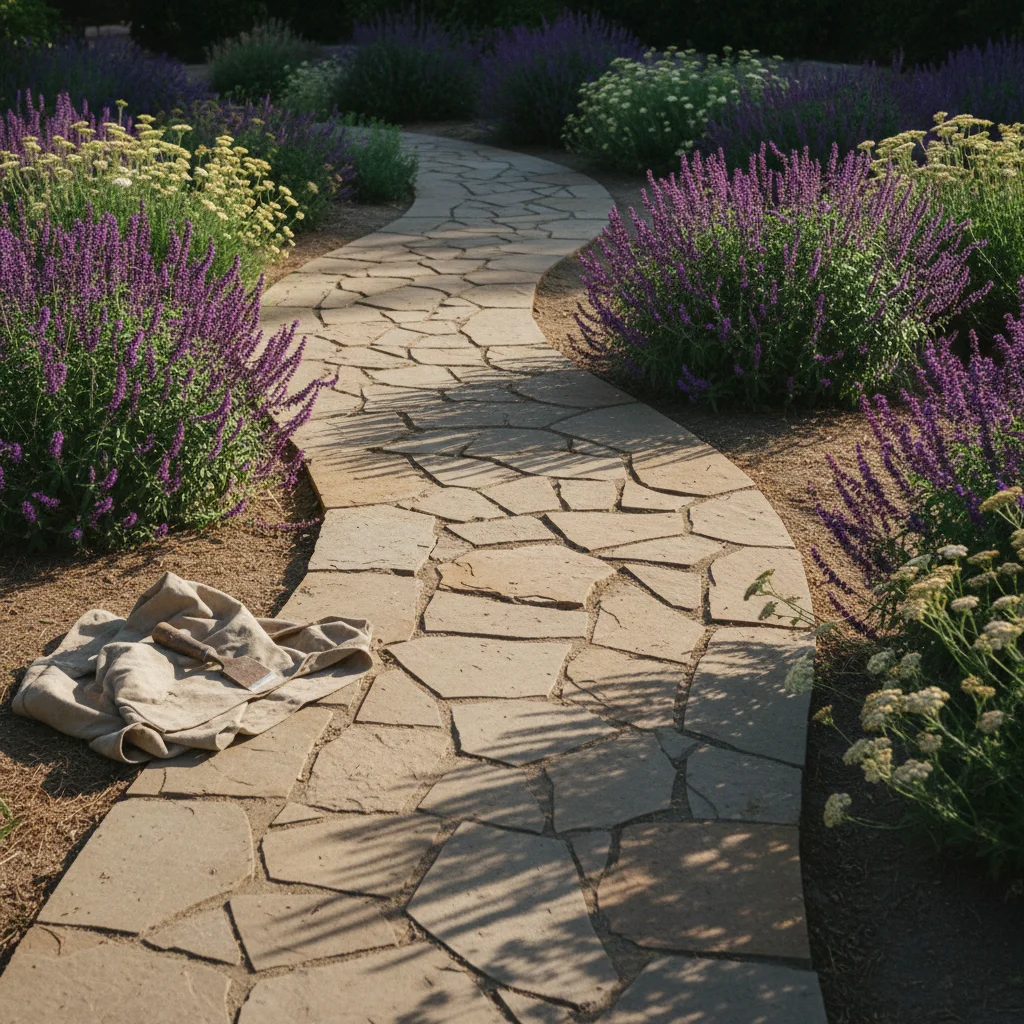
These three elements form the core of most residential hardscaping projects, each serving distinct purposes while contributing to the overall aesthetic and functionality of your Los Angeles home.
The LA Driveway: More Than Just a Parking Spot
In Los Angeles, your driveway is often the first impression visitors have of your home. It needs to be durable enough to withstand vehicle traffic and the elements, yet attractive enough to enhance curb appeal. Beyond basic functionality, consider:
- Material Options: While basic concrete is common, consider stamped concrete for a decorative touch, or interlocking concrete pavers for a more upscale, customizable look. Permeable pavers are an excellent choice for driveways, especially in areas with drainage concerns or where you want to contribute to groundwater replenishment. Asphalt is less common for residential aesthetics but can be a cost-effective option for longer driveways.
- Drainage Solutions: Proper drainage is critical in LA, especially during our occasional heavy winter rains. Ensure your driveway design incorporates adequate slopes, catch basins, or permeable surfaces to direct water away from your home and prevent pooling or erosion. Swales and French drains can be integrated seamlessly into the design.
- Maintenance: Consider the long-term maintenance. Concrete requires sealing every few years, while pavers may need occasional sand replenishment in their joints. Asphalt requires periodic sealing and crack repair.
Patios: Your Outdoor Living Room in Southern California
The patio is the heart of outdoor living in Los Angeles, an extension of your indoor space where you can dine, relax, and entertain. Designing a successful patio involves more than just laying a surface:
- Expanding Usable Space: A well-designed patio can dramatically increase your home's usable square footage. Think about zoning: a dining area, a lounging space, perhaps an outdoor kitchen or a dedicated fire pit zone. For smaller LA lots, multi-level patios can add depth and visual interest.
- Material Choices for Comfort and Heat: Given LA's abundant sunshine, material choice is key for comfort. Lighter-colored pavers or natural stones like travertine absorb less heat, making them more comfortable for bare feet. Consider materials with a slight texture for slip resistance, especially around pools or outdoor showers.
- Shade Structures: Essential for enjoying your patio during the hottest parts of the day, shade structures like pergolas, awnings, or even strategically planted trees are a must. A custom-built pergola can add architectural interest and provide a framework for climbing plants, enhancing both shade and aesthetics.
- Integration with Landscape: Seamlessly connect your patio to the rest of your yard with pathways, planting beds, and thoughtful lighting to create an inviting ambiance day and night.
Walkways and Pathways: Guiding the Way with Style
Walkways serve both practical and aesthetic purposes, guiding movement through your property while enhancing its overall design.
- Safety and Accessibility: Ensure pathways are wide enough for comfortable passage (typically 3-4 feet for main paths) and have a stable, non-slip surface. Consider lighting for nighttime safety and ambiance.
- Connecting Areas: Use pathways to connect different zones of your hardscape and landscape – from the driveway to the front door, the patio to a garden shed, or around the side of your house. This creates a cohesive flow throughout your property.
- Material Consistency or Contrast: You can use the same material as your patio or driveway for a unified look, or introduce a contrasting material to define different areas and add visual interest. Decomposed granite or stepping stones set in gravel are popular choices for more informal garden paths in LA.
Navigating Permits, HOAs, and Professional Installation: What LA Homeowners Need to Know?
Ready to compare vetted project options?
Use Project Match privately when your scope is clear enough for contractor conversations.
Start Project MatchSee what your hardscape actually costs in 4 questions.
We pull cost ranges from invoiced California hardscape contractor projects, then narrow them to your scope, ZIP, and finish level. No first-call sticker shock.
Open the cost calculatorFree. Takes under 2 minutes. No email required to see your range.
Undertaking a hardscaping project in Los Angeles involves more than just design and material selection. Understanding local regulations and choosing the right professionals are critical steps to ensure a smooth, compliant, and successful outcome.
Los Angeles Building Permits: When Do You Need Them?
Navigating the permit process can seem daunting, but it's essential to avoid costly fines or forced demolition. The Los Angeles Department of Building and Safety (LADBS) is the primary authority. Generally, you'll need a permit for:
- Structural Changes: Any new construction or alteration that affects the structural integrity of your property, such as retaining walls over 3-4 feet in height (check specific local ordinances for exact height limits).
- Significant Grading: Projects involving substantial changes to the existing grade or drainage patterns of your property.
- Increased Impervious Surface: While LA encourages permeable surfaces, some large-scale concrete or paver installations might require review, especially if they significantly alter stormwater runoff.
- Large Patio Covers or Outdoor Structures: Pergolas, gazebos, or outdoor kitchens with roofs or significant electrical/plumbing work almost always require permits.
- Work in the Public Right-of-Way: Driveway apron replacements or modifications that extend into the city's property will require permits from the Bureau of Engineering (BOE) in addition to LADBS.
It's always best to consult with your contractor or the LADBS directly before starting any project to determine specific permit requirements for your address. Failing to obtain necessary permits can lead to significant delays, fines, and potential issues when selling your home.
Homeowners' Association (HOA) Approval
Many desirable neighborhoods across Los Angeles, from gated communities in Calabasas to planned developments in Playa Vista, have Homeowners' Associations. If your property is part of an HOA, you will almost certainly need to submit your hardscaping plans for approval before applying for city permits or beginning work. HOAs often have strict guidelines regarding:
- Material Choices: Specific colors, textures, or types of pavers/stone allowed.
- Design Aesthetics: Requirements for maintaining a consistent neighborhood appearance.
- Setbacks and Heights: Rules regarding the placement and height of structures like retaining walls or pergolas.
Start this process early, as HOA approval can take time. Provide detailed plans, material samples, and any other requested documentation to ensure a smooth review.
Choosing the Right Hardscaping Contractor in Southern California
Selecting a qualified and reputable contractor is paramount for a successful hardscaping project. Don't just go with the lowest bid. Look for a professional who:
- Is Licensed and Insured: Verify their license with the California Contractors State License Board (CSLB) (License Type: C-27 Landscaping or B General Building). Ensure they carry adequate liability insurance and worker's compensation insurance to protect you from accidents or damages.
- Has Local Experience: A contractor familiar with LA's soil conditions, climate challenges, and local permitting processes will be invaluable. Ask for references from projects in your area.
- Provides a Detailed Bid: A comprehensive bid should break down costs for materials, labor, demolition, site preparation, and any permit fees. Be wary of vague estimates.
- Offers a Portfolio and References: Review their past work and speak to previous clients to assess their quality of work, professionalism, and communication.
- Communicates Clearly: A good contractor will keep you informed throughout the project, address your concerns, and manage expectations regarding timelines and potential challenges.
- Provides a Written Contract: A detailed contract outlining the scope of work, timeline, payment schedule, warranty information, and dispute resolution process is non-negotiable.
What Are Typical Hardscaping Costs in Los Angeles, and How Can You Budget Effectively?
Understanding the financial investment required for hardscaping is crucial for planning your project. While costs can vary widely, having a realistic budget will help you make informed decisions.
Factors Influencing Price
Several key factors will impact the total cost of your hardscaping project in Los Angeles:
- Material Choice: This is often the biggest cost driver. Natural stone is generally more expensive than concrete pavers, which in turn are more costly than basic poured concrete or decomposed granite.
- Project Size and Complexity: Larger areas naturally cost more. Complex designs involving intricate patterns, multiple levels, extensive grading, significant demolition of existing structures, or elaborate drainage systems will increase labor and material costs.
- Labor Rates: Los Angeles has higher labor costs compared to many other regions, reflecting the cost of living and demand for skilled trades.
- Site Accessibility: If your property is difficult to access for heavy machinery or material delivery, labor costs may increase.
- Permit Fees: Don't forget to factor in permit application fees from LADBS or other city departments, which can range from a few hundred to several thousand dollars depending on the project's scope.
- Additional Features: Built-in seating, outdoor kitchens, fire pits, water features, and extensive lighting will add to the overall expense.
Typical Cost Ranges (Per Square Foot)
These are general estimates for material and installation in Los Angeles. Always obtain multiple detailed quotes for your specific project:
- Basic Poured Concrete (Driveways/Patios): $8 - $18+ per square foot
- Stamped or Stained Concrete: $15 - $30+ per square foot
- Interlocking Concrete Pavers: $18 - $35+ per square foot (can go higher for premium pavers or complex designs)
- Natural Stone (Flagstone, Travertine): $25 - $60+ per square foot (depending on stone type and complexity)
- Decomposed Granite (DG) or Gravel Pathways: $5 - $12+ per square foot
- Retaining Walls: Highly variable, from $50 - $200+ per linear foot, depending on height, material, and engineering requirements.
Remember, these figures are estimates. Demolition, extensive grading, drainage solutions, and specialized finishes will add to these base costs. A good rule of thumb is to allocate an additional 10-20% of your budget for unforeseen circumstances.
ROI and Long-Term Value
While hardscaping is an investment, it offers significant returns for Los Angeles homeowners. A well-designed and executed hardscape can:
- Increase Property Value: Studies consistently show that quality landscaping and outdoor living spaces significantly boost home value and appeal, particularly in a market like LA where outdoor living is highly prized.
- Enhance Curb Appeal: A beautiful driveway or inviting front pathway immediately elevates your home's exterior, making it more attractive to potential buyers.
- Reduce Utility Costs: By incorporating drought-tolerant designs and permeable surfaces, you can lower your water bills, providing ongoing savings.
- Improve Quality of Life: The ability to fully enjoy your outdoor space, whether for entertaining, relaxing, or playing, adds immeasurable value to your daily life.
How Can You Maintain Your Los Angeles Hardscape for Lasting Beauty and Value?
Once your beautiful hardscape is installed, proper maintenance is key to preserving its appearance, functionality, and longevity, especially given Los Angeles's sunny climate and occasional heavy rains.
Routine Cleaning
Regular cleaning is the simplest way to keep your hardscape looking its best:
- Sweeping and Blowing: Regularly sweep or blow leaves, dirt, and debris off your patios, driveways, and walkways. This prevents organic matter from breaking down and staining surfaces or clogging permeable joints.
- Occasional Washing: For general grime, a simple wash with a hose and a stiff brush, along with a mild, pH-neutral cleaner, is usually sufficient. Avoid harsh chemicals that can damage sealants or discolor materials.
- Pressure Washing (with care): Pressure washing can be effective for stubborn dirt or mildew, but use it cautiously. Too high a pressure or incorrect nozzle can damage softer materials, erode joint sand in pavers, or strip sealants. Always test a small, inconspicuous area first and maintain a safe distance.
Sealing and Resealing
Sealing is a protective measure that enhances durability and simplifies cleaning:
- Protection: Sealants protect surfaces from UV damage (preventing fading), oil stains, mildew, and general wear and tear. They can also enhance the color of your materials.
- Frequency: The need for resealing varies by material, sealant type, and sun exposure. Concrete and pavers typically benefit from resealing every 2-5 years. Natural stone might require less frequent sealing, but it's crucial to follow manufacturer recommendations.
- Permeable Pavers: If you have permeable pavers, ensure any sealant used is specifically designed for them to maintain their water-draining properties.
Weed and Pest Control
Even hardscapes can be susceptible to weeds and pests:
- Weeds in Joints: Weeds can sprout between pavers or in cracks in concrete. Regular sweeping helps, but you may need to pull weeds manually or use a targeted weed killer. For pavers, replenishing polymeric sand in the joints can help inhibit weed growth.
- Ants and Other Pests: Hardscape cracks and gaps can become homes for ants or other insects. Address these promptly with appropriate pest control methods to prevent larger infestations.
Addressing Cracks and Damage
Timely repairs prevent minor issues from becoming major problems:
- Concrete Cracks: Small cracks in concrete can be filled with concrete crack sealant to prevent water intrusion and further deterioration. Larger cracks or significant spalling may require professional repair or replacement of sections.
- Paver Shifting/Settling: If pavers begin to shift or settle, it often indicates an issue with the base. This usually requires lifting the affected pavers, re-leveling the base, and reinstalling them. Address this quickly to prevent tripping hazards and further damage.
Drainage Checks
Ensure your hardscape's drainage systems remain clear and functional, especially before and after LA's rainy season:
- Clear Debris: Regularly clear leaves, dirt, and other debris from catch basins, channel drains, and permeable paver surfaces to ensure water can flow freely.
- Inspect Slopes: Periodically check that your hardscape surfaces still have the correct slope to direct water away from your home. Any signs of pooling water should be investigated.
By committing to consistent maintenance, your Los Angeles hardscape will continue to be a beautiful, functional, and valuable asset to your home for many years to come.
Conclusion
Hardscaping in Los Angeles is more than just an aesthetic choice; it's a strategic investment in your home's functionality, value, and sustainable future. From creating inviting driveways that boost curb appeal to designing serene patios that extend your living space, the right hardscape elements can transform your outdoor environment into a true Southern California oasis. By understanding the diverse materials, embracing water-wise design principles, navigating local regulations, and partnering with experienced professionals, you can create a durable, beautiful, and low-maintenance outdoor space that perfectly complements your LA lifestyle. Embrace the potential of your Golden Yards and unlock the full beauty of outdoor living.
Sources & Methodology
See the Golden Yards Methodology for how sources are reviewed, ranges are normalized, and planning-data limits are handled.
Cost ranges, regulatory references, and design guidance in this article draw on the following public datasets, industry standards, and Golden Yards editorial review.
- Interlocking Concrete Pavement Institute (ICPI), Permeable Pavement Technical Resources
- National Concrete Masonry Association (NCMA), Segmental Retaining Wall Best Practices
- California Contractors State License Board (CSLB), C-29 Masonry Contractor scope
- California Department of Water Resources, MWELO Hardscape Allowances
Ready to start your hardscaping project?
Find My ProsFrequently Asked Questions
How long does hardscaping typically last in Los Angeles?
In Los Angeles, hardscaping lifespan varies by material. High-quality concrete pavers and natural stone can last 25-50 years or more, while poured concrete typically lasts 20-30 years. Decomposed granite requires more frequent replenishment, about every 5-10 years. Proper installation and maintenance are crucial for maximizing the life of any material.
The durability of hardscaping in Los Angeles is directly connected to the chosen materials and the quality of installation and care. For example, premium concrete pavers and natural stone can achieve a lifespan of 25-50 years, sometimes longer with diligent upkeep. Poured concrete surfaces generally last for 20-30 years before showing significant wear. Softer materials like decomposed granite have a shorter cycle, often needing to be replenished every 5-10 years to maintain their function and appearance. To extend the life of any hardscape, a consistent schedule of cleaning, sealing, and performing prompt repairs is essential.
Is permeable paving required in Los Angeles?
Permeable paving is not universally required in Los Angeles, but it is strongly encouraged and sometimes mandated for certain projects. This applies especially to larger developments or properties in specific zones, like hillside areas, that impact stormwater runoff. These surfaces support the city's water conservation goals. Always check with LADBS for specifics.
The City of Los Angeles promotes permeable surfaces because they help manage stormwater, reduce runoff, and recharge groundwater, which aligns with local water conservation goals. While not a blanket requirement for every hardscaping job, mandates often apply to larger projects or properties in designated zones, such as hillside areas where runoff is a significant concern. To understand the exact requirements for your property, it is best to consult the Los Angeles Department of Building and Safety (LADBS) or your contractor.
Can hardscaping increase my home's value in LA?
Yes, hardscaping can significantly increase your home's value in the competitive Los Angeles market. Well-designed outdoor living spaces, attractive driveways, and functional patios boost curb appeal and are highly sought after by buyers. These features can provide an excellent return on investment, making your Southern California home more desirable.
In the Los Angeles real estate market, professionally installed hardscaping is a key differentiator. Potential buyers in Southern California often prioritize outdoor living, so features like patios for entertaining or well-constructed walkways enhance a property's appeal. A focus on drought-tolerant landscapes integrated with hardscaping is particularly valuable. This not only improves aesthetics but also signals a low-maintenance, water-wise yard, which is a strong selling point. An attractive driveway, for example, creates a powerful first impression, contributing directly to the home's perceived value and overall desirability.
What's the best material for a patio in the LA sun?
The best materials for a patio in the LA sun are those that absorb less heat. Lighter-colored concrete, travertine, and light-toned concrete pavers are excellent choices because they remain cooler underfoot. Darker stones like slate absorb more heat. Consider adding shade structures like pergolas or awnings for optimal comfort.
For patios exposed to intense LA sun, material selection is important for comfort. Materials that absorb less heat, such as lighter-colored concrete or travertine, are ideal. Light-toned concrete pavers also work well, as these options stay cooler to the touch. While beautiful, darker natural stones like slate should be considered carefully. They tend to absorb and retain significantly more heat, making them uncomfortable in direct sun. For any patio material, integrating shade structures like pergolas or awnings will provide the best experience and protection.
How do I choose a reputable hardscape contractor in Los Angeles?
Choose a reputable Los Angeles contractor by verifying their license with the California Contractors State License Board (CSLB), ensuring they hold a C-27 Landscaping or B General Building license. Confirm they have full liability and worker's comp insurance. Request a portfolio, at least three local references, and multiple detailed, written bids.
For any Los Angeles project, first confirm the contractor's license status with the CSLB; a C-27 Landscaping or B General Building license is required. Next, ask for certificates of insurance covering both general liability and worker's compensation to protect yourself from liability. Reputable professionals will also provide a portfolio and at least three local references.
Always obtain detailed, written bids from multiple contractors to compare project scope and cost. Prioritize clear communication and insist on a comprehensive contract that outlines all project details, including materials, timelines, and payment schedules, before any work begins.
What's the difference between hardscaping and landscaping?
Landscaping is the comprehensive term for an outdoor space's design. Hardscaping refers specifically to the non-living, structural elements like patios, driveways, and retaining walls. Its counterpart, softscaping, includes all living elements like plants, trees, and lawns. Hardscaping provides the foundational framework, while softscaping adds the greenery to complete the design.
Think of hardscaping as the permanent 'bones' of your yard. It includes features built from hard materials, such as walkways, outdoor kitchens, and patios. These components define spaces and create the underlying structure for the entire area. Without this framework, an outdoor space can feel undefined and less functional.
Softscaping is the living 'flesh' that complements the hardscape. This category covers all horticultural elements, including shrubs, trees, flowers, and grass. These living components soften the hard lines of the structural features, introduce color and texture, and bring the entire outdoor environment to life, resulting in a balanced and complete design.