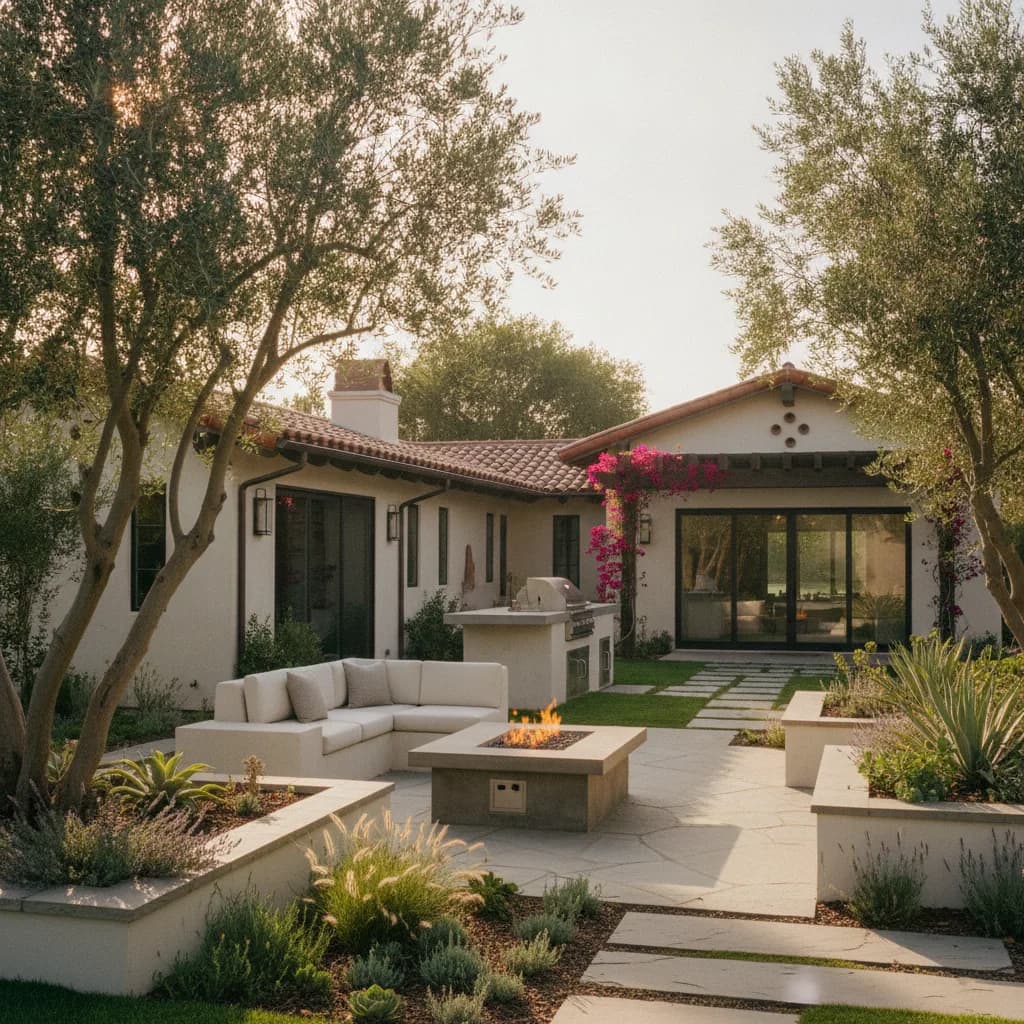
Arcadia homeowners are increasingly exploring Accessory Dwelling Units (ADUs) as a smart investment, offering rental income, expanded living space for family, or a dedicated home office. However, navigating the local permit process and Homeowners Association (HOA) regulations in Arcadia can feel complex. This comprehensive guide provides Arcadia-specific insights, cost breakdowns, and practical strategies to ensure your ADU project is a success in 2026.
Why Consider an ADU in Arcadia? Neighborhood Context Matters
Building an ADU in Arcadia offers significant advantages, particularly given the city's desirable neighborhoods, excellent schools, and strong property values. An ADU can substantially increase your property's value and provide a consistent rental income stream in a competitive housing market. With average home prices in Arcadia continuing to rise, an ADU offers a strategic way to maximize your property's potential. Many Arcadia neighborhoods feature larger lots, which are ideal for accommodating detached ADUs, while attached units or garage conversions are popular for optimizing existing space. The demand for housing, both rental and for sale, remains robust, making ADUs a particularly attractive option for homeowners looking to enhance their financial stability or accommodate multi-generational living.
Understanding Arcadia's ADU Permit Application Process: A Step-by-Step Guide
Obtaining an ADU permit in Arcadia involves a structured process that, while detailed, is manageable with proper preparation. The City of Arcadia's Development Services Department oversees these applications, emphasizing compliance with local zoning and building codes. Here's a breakdown of the typical workflow and what to expect:
- Initial Research and Pre-Application: Begin by reviewing Arcadia's ADU ordinances and design guidelines. The city's website (arcadiaca.gov) offers valuable resources, including information on Pre-Approved Accessory Dwelling Unit (PAADU) programs, which can streamline the process for certain designs. This stage involves understanding basic setbacks, maximum sizes, and parking requirements specific to your property.
- Design and Plans: Engage a qualified architect or designer experienced with Arcadia's ADU regulations. Your plans must include site plans, floor plans, elevations, sections, and structural details, all conforming to California Building Code and local amendments. For garage conversions, detailed existing condition plans are crucial.
- Submittal to Planning Division: Your complete application package, including all architectural and engineering plans, will first go to the Planning Division for zoning compliance review. This is where neighborhood-level constraints like lot size, access, and specific design review requirements are assessed. Ensure your plans clearly address setbacks, lot coverage, and height limits.
- Building Division Review: Once planning approval is granted, your plans move to the Building Division for structural, fire, life safety, and energy code compliance. This stage often involves multiple rounds of corrections and resubmittals. Common bottlenecks at this stage include incomplete structural calculations or energy efficiency documentation.
- Permit Issuance: After all divisions approve your plans and all fees are paid, your permit will be issued. This allows you to begin construction.
- Inspections: Throughout construction, various inspections will be required by the City of Arcadia's Building Division to ensure work adheres to approved plans and codes. These typically include foundation, framing, plumbing, electrical, insulation, and final inspections.
Required documents typically include a completed application form, detailed architectural and structural plans, energy calculations, a soils report (for new construction), and potentially a tree survey if mature trees are on site. Engaging a local professional who understands Arcadia's specific requirements can significantly expedite this process.
What is the Average Timeline for ADU Permit Approval in Arcadia?
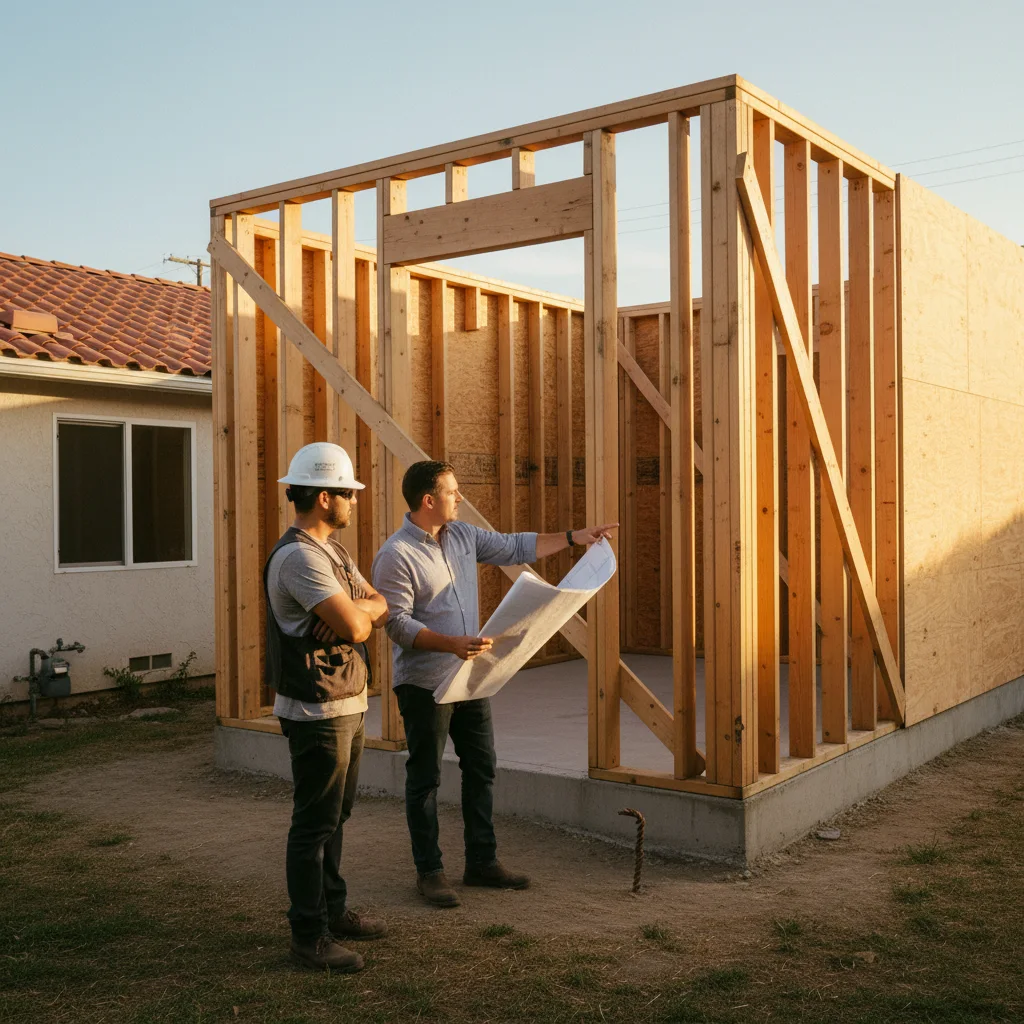
The average timeline for ADU permit approval in Arcadia can vary, but homeowners should generally anticipate 4 to 8 months from initial submittal to permit issuance for a standard project. This includes both planning and building review stages. Projects utilizing Arcadia's Pre-Approved Accessory Dwelling Unit (PAADU) programs might see slightly shorter timelines, potentially 3 to 6 months, as some design aspects are pre-vetted. However, complex designs, properties with unusual site conditions, or those requiring multiple rounds of corrections can extend this timeframe. The City of Arcadia aims to process applications efficiently, but the thoroughness of your initial submission plays a critical role in avoiding delays.
Typical ADU Costs in Arcadia: Low, Mid, and High Scenarios
Ready to compare vetted project options?
Use Project Match privately when your scope is clear enough for contractor conversations.
Start Project MatchSee what your ADU actually costs in 4 questions.
We pull cost ranges from invoiced California ADU builder projects, then narrow them to your scope, ZIP, and finish level. No first-call sticker shock.
Open the ADU cost calculatorFree. Takes under 2 minutes. No email required to see your range.
Understanding the financial investment is crucial for any ADU project in Arcadia. Costs can fluctuate significantly based on ADU type, materials, finishes, and site conditions. Here's an area-specific cost range for Arcadia in 2026:
Garage Conversion (Low-Mid Range): Expect to pay between $80,000 and $150,000. This typically includes basic finishes, converting existing utilities, and minimal structural changes. A basic 400 sq ft conversion might start around $80,000, while a more elaborate 600 sq ft conversion with new windows, a full kitchen, and bathroom could reach $150,000. Attached ADU (Mid-High Range): These projects usually cost between $150,000 and $250,000. Costs are higher due to new foundation work, roofing, and potentially extending existing utility lines. A 700 sq ft attached unit with standard finishes would likely fall in the mid-range. Detached ADU (Mid-High Range): A new detached unit in Arcadia can range from $200,000 to $400,000+. This is the most expensive option as it involves entirely new construction, including foundation, framing, roofing, and connecting all new utilities from the main house. A 1,000 sq ft detached unit with premium finishes and complex site work could easily exceed $350,000. Prefabricated ADUs, like those offered by Abodu, can sometimes offer a more predictable cost structure, often starting around $200,000-$250,000 for a smaller unit, but site prep and utility connections are additional.
Specific Permit Fees for ADUs in Arcadia: Permit fees are typically calculated based on the project's valuation and can range from $5,000 to $15,000 or more for a new detached ADU. This includes planning review fees, building permit fees, impact fees, and school fees. Garage conversions generally have lower permit fees, often in the $3,000 to $8,000 range. It's essential to budget for these fees in addition to construction costs. For context, see how these costs compare to other major home projects, such as The Ultimate Guide to the Cost to Build a Pool in Los Angeles (2026).
Navigating HOA Regulations for ADUs in Arcadia
Homeowners Associations (HOAs) in Arcadia can introduce an additional layer of complexity to your ADU project. While state law (AB 670) limits an HOA's ability to prohibit ADUs, they can still impose reasonable restrictions on design, size, and placement. This is a significant content gap in competitor offerings.
Common HOA Covenants and Restrictions in Arcadia: Many Arcadia HOAs focus on maintaining neighborhood aesthetics and property values. You might encounter restrictions on:
Exterior Materials and Colors: HOAs often require ADUs to match the primary residence in terms of siding, roofing, and paint colors to ensure visual harmony. For example, a stucco finish or specific tile roof might be mandated. Architectural Style: Some HOAs have strict architectural guidelines that your ADU design must adhere to. If your main house is Spanish Colonial, the ADU might need to reflect similar design elements. Setbacks and Height: While city code provides minimums, an HOA might impose stricter setbacks from property lines or a lower maximum height than the city allows. Landscaping and Screening: HOAs may require specific landscaping plans or screening (e.g., hedges, fences) to minimize the visual impact of the ADU on neighboring properties. Parking: Even if the city waives parking requirements for your ADU, an HOA might still demand additional off-street parking.
How to Navigate Common HOA Objections or Approval Processes:
- Review Your CC&Rs Early: Before investing in plans, thoroughly read your HOA's Covenants, Conditions, and Restrictions (CC&Rs) and design guidelines related to exterior modifications and accessory structures. This is your blueprint.
- Communicate Proactively: Present your ADU plans to your HOA board as early as possible. Provide detailed drawings and explain how your design complies with their guidelines and benefits the community (e.g., providing housing for family, increasing property value).
- Seek Pre-Approval: Request preliminary approval from your HOA before submitting to the city. This can save time and money by addressing potential conflicts early on.
- Be Prepared to Compromise: While state law protects your right to build an ADU, being flexible on aesthetic details can lead to smoother approval. For example, you might agree to a specific fence material or planting screen.
- Document Everything: Keep a detailed record of all communications with your HOA, including meeting minutes, emails, and approval letters.
What are the Most Common Reasons for ADU Permit Denial in Arcadia?
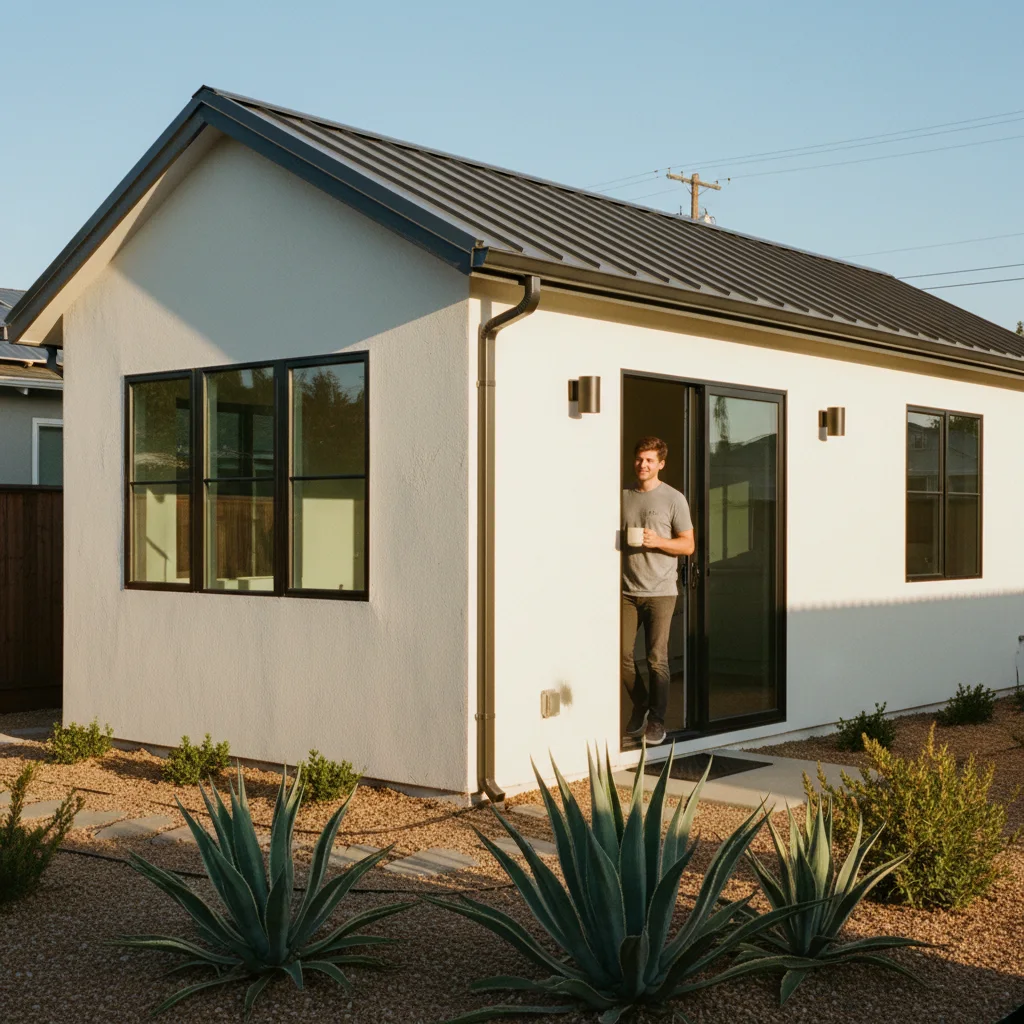
While state law encourages ADUs, permit denials can still occur in Arcadia, often due to specific local compliance issues. The most common reasons for denial include:
Incomplete or Inaccurate Plans: This is the leading cause. Missing details, incorrect dimensions, or plans that don't clearly show compliance with zoning and building codes will lead to delays or denial. This includes insufficient structural calculations or energy efficiency documentation. Non-Compliance with Zoning Regulations: Failure to meet Arcadia's specific setback requirements (e.g., 4-foot side and rear setbacks for detached ADUs), maximum size limits (e.g., 1,200 sq ft or 50% of existing primary dwelling size, whichever is less), or lot coverage rules can result in denial. Lack of Adequate Utility Connections: Ensuring proper water, sewer, and electrical connections is critical. If your plans don't adequately address these, or if existing infrastructure cannot support the ADU, it can be a reason for denial. Fire Safety Concerns: Non-compliance with fire separation requirements, especially for ADUs close to the main dwelling or property lines, can lead to denial. This often involves specific wall assemblies or sprinkler systems. Environmental or Architectural Design Conflicts: While less common for outright denial, significant deviations from Arcadia's aesthetic expectations or environmental considerations (like protected trees) can lead to extensive revisions, which can feel like a denial. For more on local climate considerations, see Riverside Roofing: Navigating Heat, Fire, and Climate Challenges.
Climate and Maintenance Implications for Material Selection in Arcadia
Get 3 ADU builder bids in 48 hours.
Our editors already screened California ADU builders. Answer 4 questions; we send 3 written bids inside 48 hours, with the real price for your scope, not their inflated first-call number.
Send my 3 bidsFree. No commission. If a match doesn't fit, we'll send another.
Arcadia's warm, dry climate, with occasional heatwaves and Santa Ana winds, materially influences material selection for ADUs. Choosing durable, climate-appropriate materials can significantly reduce long-term maintenance costs and improve energy efficiency.
Roofing: Opt for light-colored or cool roofing materials that reflect sunlight to reduce heat absorption, like light-colored asphalt shingles, concrete tiles, or metal roofs. These help keep interior temperatures down and reduce cooling costs. Consider materials with good fire resistance ratings given the proximity to brush areas in some parts of Arcadia. Exterior Siding: Stucco is a popular and durable choice in Arcadia, offering good insulation and fire resistance. Fiber cement siding is another excellent option, resisting pests, rot, and fire. Avoid materials that require frequent painting or are prone to sun damage. Windows: High-performance, low-emissivity (Low-E) windows are essential to minimize heat gain. Double-pane windows with argon gas fill provide superior insulation. Consider shading strategies like overhangs or awnings. Landscaping: Drought-tolerant landscaping and permeable surfaces are highly recommended to conserve water and manage stormwater runoff, aligning with Arcadia's environmental goals. This also reduces maintenance needs. HVAC Systems: High-efficiency HVAC systems, including mini-split units, are crucial for maintaining comfortable indoor temperatures without excessive energy consumption. Proper insulation in walls, ceilings, and floors is paramount.
These choices not only enhance the ADU's longevity but also contribute to lower utility bills, a significant benefit for both homeowners and potential tenants. For more on climate-specific material choices, consider insights from Roofing Climate Considerations West Covina: Pricing Mistakes to Avoid.
Practical Sequencing Advice for Your Arcadia ADU Project
A well-planned construction sequence is vital for efficiency and cost control. For an ADU in Arcadia, a typical progression involves:
- Site Preparation and Demolition: This includes clearing the site, grading, and any necessary demolition (e.g., old shed, existing garage for conversion). Ensure proper erosion control measures are in place.
- Foundation: Laying the foundation, whether slab-on-grade or raised, is the first major structural step. This requires careful coordination with inspections.
- Rough Framing: Erecting the walls and roof structure. This stage moves quickly once the foundation is complete.
- Rough-ins (Utilities): Installing plumbing, electrical, and HVAC ductwork before walls are closed up. This is a critical phase for utility connections, requiring specific requirements for water, sewer, and electricity for an ADU in Arcadia. New detached ADUs typically require separate sub-meters or a dedicated panel, and sewer lines often need to be tied into the main house's lateral. Water lines are usually extended from the main house. These connections must meet city code and be inspected.
- Roofing and Exterior Finishes: Getting the roof on provides weather protection, followed by windows, doors, and exterior siding. This seals the structure.
- Insulation and Drywall: Installing insulation for energy efficiency, followed by drywall to create interior walls.
- Interior Finishes: This includes flooring, cabinets, countertops, interior doors, trim, and painting.
- Hardscape and Landscaping: Once the structure is complete, attention turns to exterior elements like pathways, patios, and planting. This is often done towards the end to avoid damage during construction.
- Final Inspections and Occupancy: The city conducts final inspections (planning, building, fire) to ensure all work meets code. Once approved, you receive a Certificate of Occupancy.
This sequence minimizes conflicts between trades and ensures that each phase is completed correctly before moving to the next.
Local Incentives and Grants Beyond CalHFA for Arcadia Residents
While the CalHFA ADU Grant Program is a significant statewide resource, Arcadia residents should also explore potential local incentives. As of 2026, the City of Arcadia does not currently offer specific, standalone ADU grant programs directly from the city beyond facilitating state programs. However, homeowners can benefit from:
Expedited Permit Review: While not a grant, Arcadia's commitment to streamlining the ADU process, including the PAADU program, effectively reduces soft costs and time, which is a form of indirect financial benefit. Energy Efficiency Rebates: Look into regional utility company rebates (e.g., Southern California Edison, SoCalGas) for installing energy-efficient appliances, HVAC systems, and insulation in your ADU. These can offset initial construction costs. Low-Interest Loans: Local credit unions or banks in the San Gabriel Valley area may offer specialized home improvement loans or construction loans tailored for ADUs, sometimes with more favorable terms than general personal loans.
Always check the City of Arcadia's Development Services website and consult with local financial institutions for the most current information on available programs.
Comparing Arcadia's ADU Rules with Neighboring Cities
Arcadia's ADU regulations are largely aligned with state mandates, but certain nuances distinguish it from neighboring cities. Understanding these differences can highlight Arcadia's unique advantages or disadvantages.
Pasadena: Pasadena has a robust ADU program, similar to Arcadia, but with potentially more stringent design review for historic districts. Arcadia's PAADU program offers a more direct path for pre-approved designs, which can be a time-saver. Monrovia: Monrovia also embraces ADUs, with similar size and setback requirements. Arcadia's emphasis on maintaining its residential character means design review, even for non-HOA properties, can be thorough. Sierra Madre: Sierra Madre, known for its smaller, often hillside lots, faces different challenges. Arcadia's generally flatter terrain and larger lot sizes make ADU construction more straightforward for many homeowners, especially for detached units. San Marino: San Marino, with its very low-density zoning and large estate properties, often has a more conservative approach to new construction and accessory structures, potentially making ADU approval more challenging than in Arcadia.
Arcadia's balance of state compliance and local aesthetic considerations makes it a favorable environment for ADU development, particularly for homeowners willing to engage with the city's design review process.
Potential Tax Implications and Benefits of Building an ADU in Arcadia
Building an ADU in Arcadia carries both tax implications and significant financial benefits. It's crucial to understand these for long-term planning.
Property Tax Increase: Your ADU will be assessed as new construction, leading to an increase in your property taxes. This increase will be based on the added value of the ADU, not a reassessment of your entire property (Proposition 13 protection). For example, if your ADU adds $200,000 in value, your annual property taxes might increase by approximately 1.1% of that value, or around $2,200 annually, plus any local assessments.
Rental Income: Any rental income generated from your ADU is taxable. However, you can deduct expenses related to the ADU, such as depreciation, property taxes, insurance, maintenance, and utility costs.
Increased Property Value: An ADU significantly boosts your property's market value. Data suggests that in Southern California, an ADU can increase property value by 15% to 30%, depending on its size, quality, and rental income potential. For a median-priced home in Arcadia, this could translate to hundreds of thousands of dollars in added equity.
Depreciation: As an income-generating property, the ADU structure can be depreciated for tax purposes over 27.5 years, providing an annual tax deduction.
Consult with a tax professional specializing in real estate to understand the full scope of tax implications and benefits for your specific situation.
Long-Term Maintenance Considerations and Costs for an ADU in Arcadia
Long-term maintenance for an ADU in Arcadia is similar to a small home, with specific considerations due to the local climate. Budgeting for these costs is essential for maximizing your return on investment.
Exterior Maintenance: Given Arcadia's sun exposure, exterior paint will likely need refreshing every 7-10 years, costing $3,000-$7,000 for a typical ADU. Roofing materials, if not cool-rated, may degrade faster, requiring inspection every 5 years and potential repairs or replacement every 20-30 years, costing $5,000-$15,000. HVAC System: Regular servicing (annually, $100-$200) is crucial. A new mini-split system might need replacement every 10-15 years, costing $3,000-$6,000. Plumbing and Electrical: Routine checks and minor repairs could cost $100-$500 annually. Major issues are less frequent but can be costly. Landscaping: If you opt for drought-tolerant landscaping, maintenance costs will be lower, primarily involving occasional trimming and irrigation system checks, perhaps $50-$150 per month if professionally maintained. Appliance Replacement: Budget for appliance replacement every 10-15 years, ranging from $500-$3,000+ per appliance.
Overall, expect to budget 1% to 3% of the ADU's construction cost annually for maintenance and repairs. For a $250,000 ADU, this would be $2,500 to $7,500 per year.
Conclusion: Your Arcadia ADU Journey Starts Here
Building an ADU in Arcadia is a significant undertaking with substantial rewards. By understanding the local permit process, navigating HOA requirements, budgeting for realistic costs, and making climate-smart material choices, you can successfully add value and functionality to your property. Golden Yards is committed to providing Arcadia homeowners with the most current and actionable information to make your ADU vision a reality. Start planning your ADU project today to unlock your property's full potential.
Frequently Asked Questions About Arcadia ADU Permits and HOAs
Q1: Are there any specific design guidelines or architectural styles preferred/required for ADUs in Arcadia?
A1: Yes, Arcadia encourages ADUs to be architecturally compatible with the primary dwelling and the surrounding neighborhood character. While there isn't a single required style, designs that use similar materials, colors, and roof forms as the main house are generally preferred. The city's PAADU program offers pre-approved designs that meet these aesthetic considerations, streamlining the approval process. HOAs, if applicable, may have even more specific architectural requirements outlined in their CC&Rs.
Q2: How does one appeal an HOA decision regarding an ADU in Arcadia?
A2: If your HOA denies your ADU application, you can appeal their decision. First, review your HOA's appeal process outlined in their governing documents. Typically, this involves submitting a written appeal to the board, often with additional documentation or a revised plan addressing their concerns. State law (AB 670) limits an HOA's ability to unreasonably prohibit ADUs, so if you believe the denial is arbitrary or violates state law, you may have grounds for a stronger appeal, potentially involving legal counsel specializing in HOA disputes.
Q3: What are the specific requirements for utilities (water, sewer, electricity) for an ADU in Arcadia?
A3: For ADUs in Arcadia, utilities must be connected to the existing services of the primary dwelling. New detached ADUs typically require a separate electrical sub-panel, and the sewer line must tie into the main house's lateral. Water lines are extended from the main house. The city requires that these connections meet current building codes and have sufficient capacity to serve the ADU. Impact fees for utility connections may apply, though some fees are waived or reduced for ADUs under state law.
Q4: How does the city of Arcadia define 'affordability restriction' for a third ADU on large lots?
A4: For lots with existing multi-family dwellings, or very large single-family lots that could accommodate a third ADU, state law allows for the construction of additional ADUs if they are subject to an affordability restriction. The City of Arcadia defines 'affordability restriction' in line with state guidelines, meaning the unit must be rented at an affordable rate to a low- or very low-income household for a specified period (typically 15-55 years). This often involves a regulatory agreement with the city or a housing agency to ensure compliance with these income and rent limits.
Q5: What is the average property value increase due to ADUs in Arcadia?
A5: While specific Arcadia-only statistics are not publicly released, general Southern California data indicates that an ADU can increase property value by 15% to 30%. For a median-priced home in Arcadia, this could mean an additional $200,000 to $400,000+ in equity, depending on the ADU's size, quality of construction, and rental income potential. This significant boost makes ADUs a compelling investment for Arcadia homeowners.
Ready to start your ADU project?
Find My ProsFrequently Asked Questions
Q1: Are there any specific design guidelines or architectural styles preferred/required for ADUs in Arcadia?
Yes, Arcadia encourages ADUs to be architecturally compatible with the primary home and neighborhood. While no single style is required, designs using similar materials, colors, and roof forms are preferred. The city's PAADU program offers pre-approved designs, and any applicable Homeowners Associations (HOAs) may have their own specific requirements.
The city of Arcadia prioritizes designs that are consistent with the architectural character of the main residence and the surrounding area. This means that while you have flexibility, proposals are more likely to be approved if they incorporate similar building materials, color palettes, and roof shapes as the primary house on the property.
To simplify this process for homeowners, the city established the PAADU program. This program provides a set of pre-approved plans that already meet these aesthetic guidelines, which can help speed up the approval timeline. Homeowners should also check if their property is part of an HOA, as its CC&Rs may contain additional, more specific architectural mandates.
Q2: How does one appeal an HOA decision regarding an ADU in Arcadia?
To appeal an HOA's ADU denial, first review the appeal process in your HOA's governing documents. This usually requires submitting a written appeal to the board with revised plans. State law AB 670 limits an HOA's ability to unreasonably prohibit ADUs, providing strong grounds for your appeal if the denial is arbitrary.
Your HOA's governing documents will specify the exact procedure for an appeal. This process typically involves submitting a formal written request to the board. You may need to include additional documentation or a revised ADU plan that directly addresses the specific reasons for their initial denial.
California's AB 670 is a key piece of legislation, as it prevents HOAs from imposing unreasonable restrictions that effectively ban ADUs. If you believe the denial is arbitrary, does not follow the HOA's own rules, or violates state law, you have a stronger basis for your appeal. In such cases, consider consulting legal counsel specializing in HOA disputes for assistance.
Q3: What are the specific requirements for utilities (water, sewer, electricity) for an ADU in Arcadia?
In Arcadia, ADU utilities must connect to the primary dwelling’s existing services. New detached ADUs typically require a separate electrical sub-panel, while sewer lines must tie into the main house's lateral and water lines are extended from the main house. Connections must meet current building codes and have sufficient capacity.
The City of Arcadia mandates that all utility connections for an Accessory Dwelling Unit originate from the main residence. For a new detached ADU, this usually involves installing a separate electrical sub-panel. The sewer line must connect to the primary home's existing lateral, and the water service is simply extended from the main house.
All new utility work must comply with current building codes to ensure the system has sufficient capacity to serve the ADU without affecting the main home. While impact fees for utility connections may be assessed, property owners should be aware that certain fees are waived or reduced for ADUs under state law.
Q4: How does the city of Arcadia define 'affordability restriction' for a third ADU on large lots?
The City of Arcadia defines an 'affordability restriction' for a third ADU as a requirement to rent the unit at an affordable rate to a low- or very low-income household. This follows state law and involves a regulatory agreement with the city to ensure compliance with income and rent limits for 15-55 years.
State law allows for these additional ADUs on lots with existing multi-family dwellings or on very large single-family lots, but only if they are restricted. In the City of Arcadia, this restriction is formalized through a regulatory agreement. This legal document, made with the city or a housing agency, is the mechanism to confirm compliance with income and rent limits for the required 15 to 55 year term, ensuring the unit remains affordable for qualifying households.
Q5: What is the average property value increase due to ADUs in Arcadia?
An ADU can increase property value in Arcadia by 15% to 30%, based on general Southern California data. For a median-priced home, this could mean an additional $200,000 to $400,000+ in equity. While specific Arcadia-only statistics are not publicly released, this significant boost makes ADUs a compelling investment for homeowners.
Although specific statistics for Arcadia are not publicly available, the data from the wider Southern California region serves as a strong benchmark. The accepted range for a property value increase after adding an ADU is between 15% and 30%. For a home valued at Arcadia's median price, this percentage translates into a substantial equity gain of $200,000 to $400,000 or more.
The exact amount of value added is not automatic, it depends on several important variables. The final figure is influenced by the ADU's size, the quality of its construction and materials, and its potential to generate consistent rental income. A high-quality, well-designed unit will yield a greater return on investment.