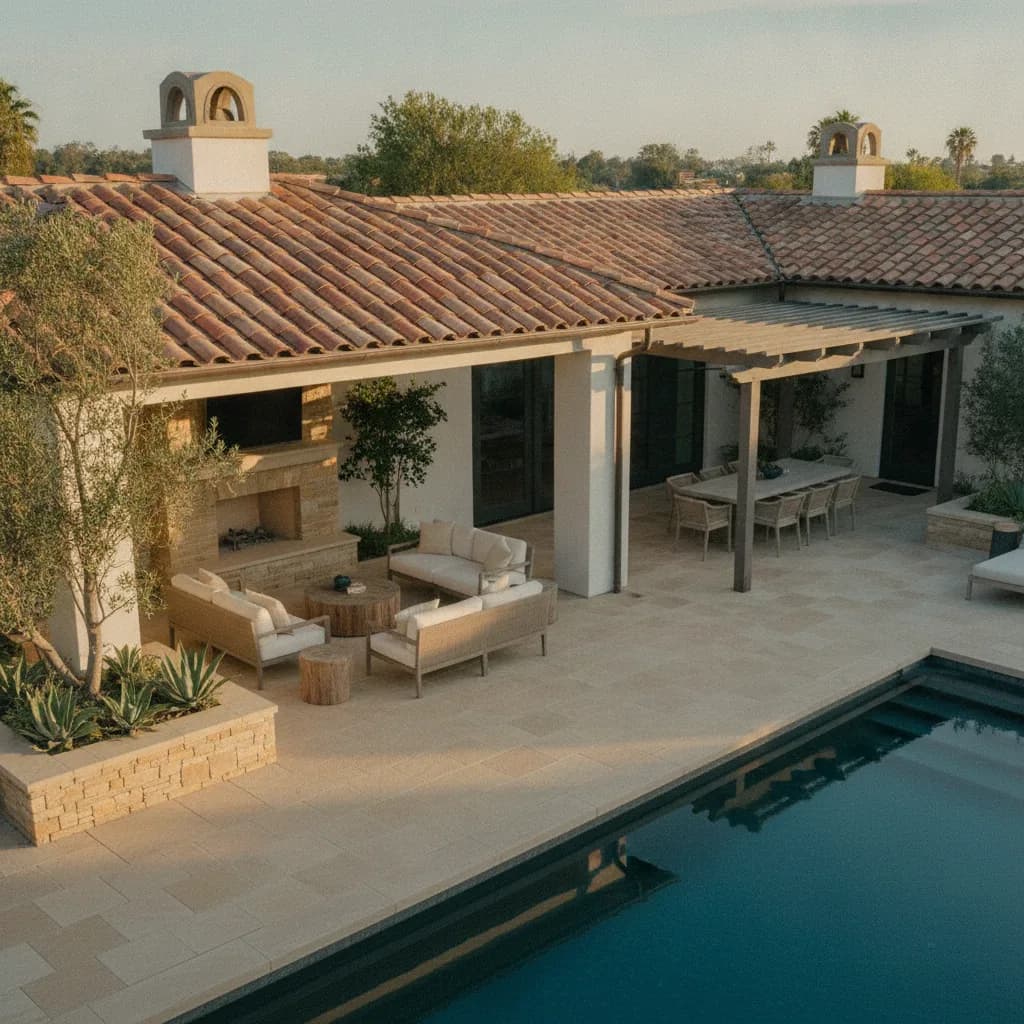
As a homeowner in Anaheim, investing in a new roof means more than just curb appeal; it's about safeguarding your home against our unique Southern California climate. Roofing and climate considerations in Anaheim are paramount to ensure longevity, energy efficiency, and lasting value. Typical roofing costs in Anaheim for a standard asphalt shingle replacement range from $12,000 to $35,000 in 2026, depending on roof size, pitch, and material choice. This guide will help Anaheim homeowners navigate material selection, local regulations, and long-term value, ensuring your roof withstands the city's unique weather patterns, from intense summer sun to occasional heavy winter rains and Santa Ana winds.
roofing and climate considerations in Anaheim."> Roofing crew installing asphalt shingles on an Anaheim home, demonstrating roofing and climate considerations in Anaheim.
What are the most durable roofing materials for Anaheim's specific climate, considering both heat and occasional heavy rains?
The most durable roofing materials for Anaheim's climate, which experiences high UV exposure year-round and occasional heavy winter rains, include cool asphalt shingles, concrete tiles, and metal roofing. While summer highs are milder than inland areas, the persistent UV radiation significantly degrades standard materials over time. For instance, traditional dark asphalt shingles can see their lifespan reduced by up to 15-20% compared to cooler climates due to constant thermal expansion and contraction.
Cool asphalt shingles, often Title 24 compliant, incorporate reflective granules to reduce heat absorption, keeping your attic cooler and extending the shingle's life. Concrete tiles, a popular choice across Southern California, offer exceptional durability, fire resistance, and a lifespan of 50+ years, easily shrugging off both intense UV and heavy downpours. Metal roofing, particularly standing seam, provides superior wind resistance, excellent longevity (40-70 years), and can be coated with reflective finishes for energy efficiency. These materials also stand up well to the specific wind patterns, including occasional Santa Ana winds, that can stress less robust roofing systems. When considering roofing and climate considerations in Anaheim, these options offer the best protection.
How do Anaheim's specific microclimates (e.g., hills vs. flatter areas) influence roofing material recommendations?
Anaheim's diverse topography creates distinct microclimates, where roofing material recommendations can vary significantly between the flatter, more urbanized areas and the elevated Anaheim Hills. Homes in Anaheim Hills, for example, often face higher wind exposure due to Santa Ana winds and may be subject to stricter fire-resistant material requirements, even if not in a designated High Fire Severity Zone. HOA governance is strong across most OC suburbs, including Anaheim Hills, and architectural committees can reject materials or colors that don't match master plans, often dictating specific tile types or color palettes.
In flatter, more densely populated areas of Anaheim, the urban heat island effect is more pronounced. Here, highly reflective and emissive materials like cool asphalt shingles, white TPO (for flat roofs), or light-colored concrete tiles are crucial for mitigating heat absorption and reducing cooling costs. Conversely, homes in the hills might prioritize materials with superior wind uplift ratings and enhanced fire resistance, such as Class A fire-rated concrete or clay tiles, or specific metal roofing systems. Regardless of location, the year-round high UV exposure means fade-resistant finishes, similar to those found in Fiberon composite decking or colored concrete sealers, pay off in maintaining aesthetic appeal and material integrity.
What are the typical costs and long-term ROI for climate-specific roofing solutions in Anaheim?
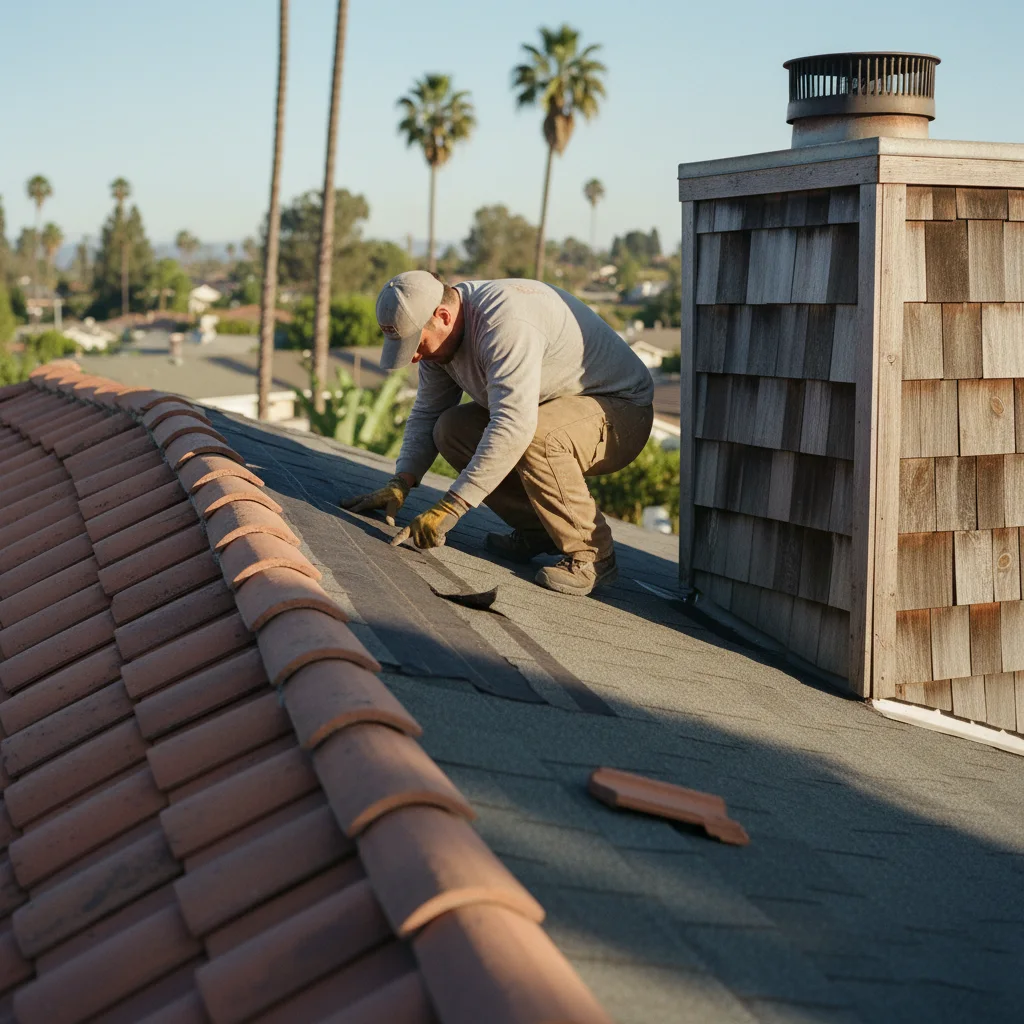
Investing in climate-specific roofing in Anaheim typically involves an upfront cost premium but delivers significant long-term ROI through energy savings, extended lifespan, and enhanced home value. While standard asphalt shingle replacement costs in Anaheim range from $12,000 to $35,000, upgrading to climate-resilient options can add 15-40% to the initial investment.
For example, cool asphalt shingles might add $1,500-$4,000 to a typical project but can reduce cooling costs by 7-15% annually, translating to hundreds of dollars in savings each year. Concrete tile roofs, costing anywhere from $20,000 to $60,000+ for an average home, offer a lifespan of 50+ years, often outlasting two or three asphalt shingle roofs. This longevity, coupled with superior energy efficiency and minimal maintenance, makes them a strong contender for long-term value. Metal roofing, ranging from $25,000 to $70,000+, boasts similar longevity and energy benefits, especially with reflective coatings. The average lifespan of traditional asphalt shingles in Anaheim's climate is about 15-20 years, while cool asphalt can reach 20-25 years, and tiles or metal can easily exceed 40 years.
These upgrades also contribute positively to your home's resale value, as prospective buyers in Anaheim increasingly value energy efficiency and low-maintenance exteriors. This aligns with findings from our analysis on Driveway Replacement ROI & Home Value in Anaheim (2026 Guide), where durable, climate-appropriate upgrades consistently show strong returns. These roofing and climate considerations in Anaheim are crucial for your budget.
Are there specific building code amendments in Anaheim related to climate resilience for roofing that go beyond state Title 24?
Ready to compare vetted project options?
Use Project Match privately when your scope is clear enough for contractor conversations.
Start Project MatchSee what your roof replacement actually costs in 4 questions.
We pull cost ranges from invoiced California roofer projects, then narrow them to your scope, ZIP, and finish level. No first-call sticker shock.
Find a vetted rooferFree. Takes under 2 minutes. No email required to see your range.
Yes, while California's Title 24 Energy Efficiency Standards set a baseline for roofing, the City of Anaheim adopts and may amend the California Building Standards Code, including specific provisions for roofing that address local conditions. Anaheim's Chapter 15.03 (Building Standards Code and Administrative Provisions) outlines these local modifications. For roofing, this often means strict adherence to energy efficiency requirements for cool roofs, especially in new construction or major re-roofing projects, as well as specific wind resistance and fire safety standards.
Permits are handled city-by-city with widely different turnaround times; Anaheim is generally faster for simple scopes compared to notoriously thorough cities like Irvine. Homeowners should anticipate a typical permit timeline of 2-4 weeks for a standard re-roofing project in Anaheim. It's crucial to work with a contractor familiar with Anaheim's specific code amendments and permit processes to avoid delays. This includes understanding requirements for enhanced underlayment for heat and specific wind-resistant fasteners, which may go beyond minimum state requirements to ensure resilience against localized climate stressors.
Roofing inspector examining damaged clay tiles on an Anaheim home, highlighting roofing and climate considerations.
What are the best practices for attic insulation and ventilation in Anaheim to complement a climate-appropriate roof?
Optimizing attic insulation and ventilation is paramount in Anaheim to maximize the performance of your climate-appropriate roof and significantly reduce cooling costs. A well-insulated and properly ventilated attic acts as a thermal buffer, preventing heat from radiating into your living space during hot summers and reducing moisture buildup during cooler, damper periods. The urban heat island effect in Anaheim can elevate ambient temperatures, making effective attic strategies even more critical.
Best practices include maintaining an R-value of at least R-38 to R-49 for attic insulation, typically achieved with blown-in fiberglass or cellulose. For ventilation, a balanced system combining continuous soffit vents (intake) with ridge vents or static vents (exhaust) is ideal. This creates a natural convection current, drawing cooler air in from the eaves and expelling hot air from the peak. For every 300 square feet of attic floor space, aim for at least 1 square foot of net free ventilation area. In Anaheim's climate, inadequate ventilation is a common cause of premature roof degradation, as trapped heat can bake shingles from below. Consider adding a solar-powered attic fan for enhanced air circulation, especially during peak summer months. This directly complements your cool roof by expelling any residual heat that penetrates the roof deck, further reducing your home's cooling load. For more in-depth information, refer to resources on The Importance of Roof Ventilation for Southern California Homes (if available).
How often should roofs in Anaheim be inspected given the climate stressors and what are common mistakes to avoid?
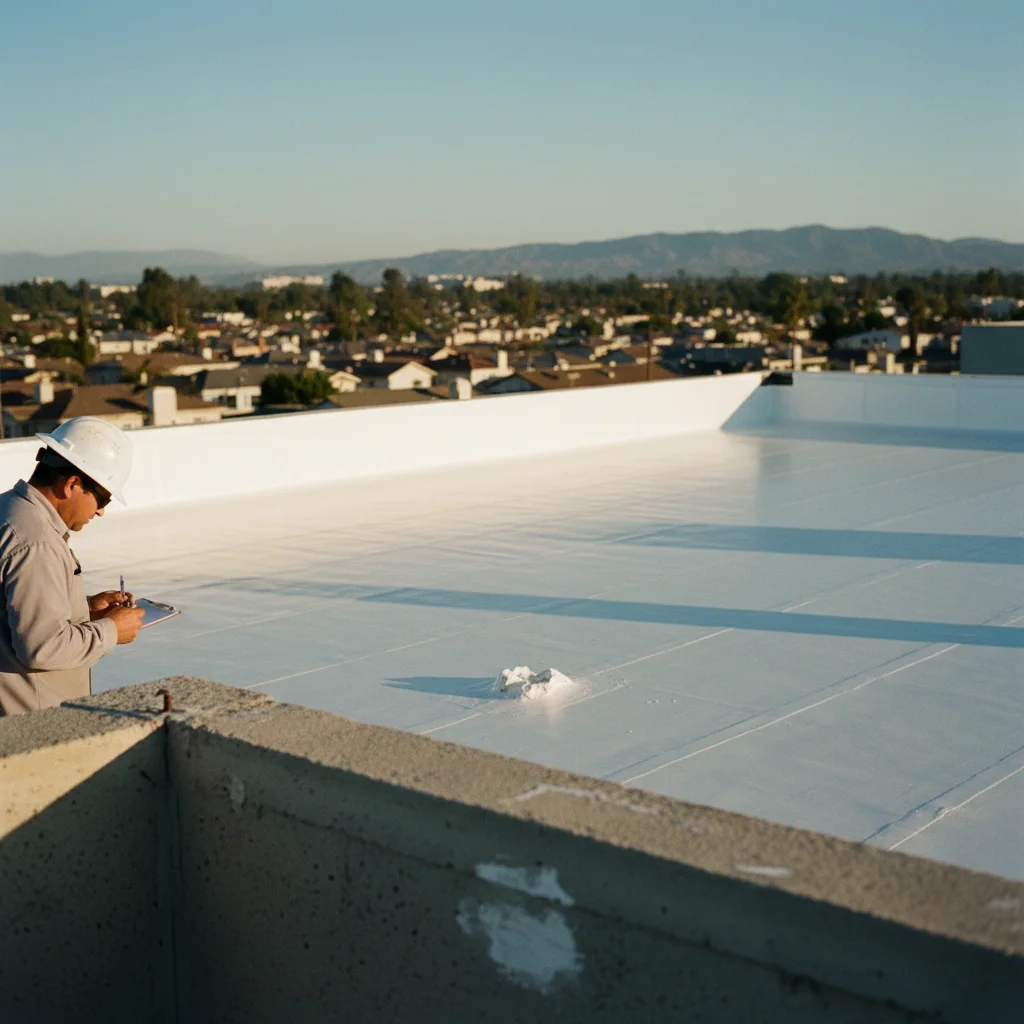
Given Anaheim's persistent UV exposure, temperature fluctuations, and occasional strong winds, roofs should be inspected annually, ideally in late spring or early fall, to catch minor issues before they escalate. This proactive approach can significantly extend your roof's lifespan and prevent costly repairs. Common roofing failures in Anaheim directly attributable to climate include granular loss on asphalt shingles (due to UV degradation), cracked or brittle tiles (from thermal cycling), and loosened flashing around penetrations (from wind and expansion/contraction).
One of the most common mistakes homeowners make is delaying inspections or repairs, allowing small cracks or missing granules to become major leaks. Another error is choosing materials solely based on initial cost without considering their long-term durability and energy efficiency in Anaheim's specific climate. For instance, selecting a dark, non-reflective shingle might save a little upfront but will lead to higher energy bills and a shorter roof life. Additionally, homeowners sometimes overlook the importance of proper attic ventilation, mistakenly believing a new roof alone will solve all thermal issues. Newer housing (post-1990) in Anaheim means fewer hidden-scope surprises during roofing projects, but it's still crucial to ensure your contractor is experienced with local climate challenges and code requirements. These roofing and climate considerations in Anaheim are vital for maintenance.
Local Incentives and Choosing an Anaheim Roofing Contractor
Get 3 roofer bids in 48 hours.
Our editors already screened California roofers. Answer 4 questions; we send 3 written bids inside 48 hours, with the real price for your scope, not their inflated first-call number.
Send my 3 bidsFree. No commission. If a match doesn't fit, we'll send another.
Anaheim homeowners may be eligible for local incentives or rebates for energy-efficient or climate-resilient roofing, primarily through utility companies like Southern California Edison (SCE) or the Gas Company. While direct city-level roofing rebates are less common, programs promoting energy efficiency, such as those for Title 24 compliant cool roofs, can offer significant savings. Always check the latest offerings from local utilities and the California Energy Commission.
Choosing a roofing contractor specifically experienced with Anaheim's climate challenges is critical. Look for contractors who can provide case studies or examples of successful climate-adapted roofing projects in Anaheim. They should be knowledgeable about:
Anaheim's building codes and permit process: As mentioned, Anaheim is faster for simple scopes, but local expertise ensures smooth navigation. Climate-specific materials: They should recommend and install materials proven to withstand high UV, temperature swings, and occasional Santa Ana winds. Ventilation strategies: A good contractor will discuss and implement optimal attic ventilation for Anaheim's hot summers. HOA regulations: Especially in areas like Anaheim Hills, where Mello-Roos and master-plan easements can restrict architectural choices, a contractor familiar with local HOAs is invaluable.
Always obtain multiple bids, check references, and ensure the contractor is licensed and insured in California. This due diligence will safeguard your investment and ensure your new roof is truly built for Anaheim's unique environment.
Newly installed cool roof on a contemporary Anaheim home, showcasing durable roofing and climate considerations.
FAQ: Your Anaheim Roofing Questions Answered
Q: What is the average lifespan of various roofing materials in Anaheim's climate?
A: In Anaheim's climate, traditional asphalt shingles typically last 15-20 years. Cool asphalt shingles can extend to 20-25 years. Concrete and clay tiles often last 50+ years, and metal roofing can endure for 40-70 years, all depending on maintenance and specific material quality.
Q: What are the specific energy savings percentages for different energy-efficient roofing types in Anaheim?
A: Installing a Title 24 compliant cool roof (e.g., reflective asphalt shingles, light-colored tiles, or coated metal) can reduce attic temperatures by 20-50°F and lower cooling energy consumption by 7-15% annually in Anaheim homes. Actual savings vary based on insulation, ventilation, and home specifics.
Q: How does wildfire risk, if any, influence roofing material choices in certain Anaheim areas?
A: While Anaheim is not generally considered a high-wildfire risk area compared to some inland communities, specific areas, particularly those bordering open spaces or in Anaheim Hills, may fall under Wildland-Urban Interface (WUI) zones. In these areas, Class A fire-rated roofing materials (e.g., concrete/clay tiles, metal, or specific fire-resistant asphalt shingles) are often required by code, even if not explicitly for climate resilience.
Q: What are the long-term ROI considerations for investing in premium climate-resilient roofing in Anaheim?
A: Investing in premium climate-resilient roofing in Anaheim yields strong long-term ROI through reduced energy bills (7-15% annual cooling savings), significantly extended roof lifespan (often doubling or tripling that of standard materials), lower maintenance costs, and increased home value. It also provides peace of mind and enhanced indoor comfort.
Q: What are the common mistakes homeowners make when choosing a roof for Anaheim's climate?
A: Common mistakes include prioritizing lowest upfront cost over long-term durability and energy efficiency, neglecting proper attic ventilation, failing to consider HOA architectural guidelines (especially in master-planned communities), and not verifying a contractor's experience with Anaheim-specific climate challenges and permitting.
Conclusion
Choosing the right roof for your Anaheim home in 2026 is a strategic decision that impacts your comfort, energy bills, and home value for decades. By understanding Anaheim's unique climate stressors-from high UV exposure to occasional Santa Ana winds and the urban heat island effect-you can select materials and strategies that offer optimal durability and efficiency. Prioritize climate-resilient materials like cool asphalt shingles, concrete tiles, or metal roofing, ensure robust attic ventilation, and always work with a local contractor experienced in Anaheim's specific building codes and HOA environments. A well-chosen and expertly installed roof is a critical investment in your Anaheim home's future, safeguarding it against the elements and enhancing its overall appeal and long-term appeal. Take action today to secure your home with the best roofing and climate considerations in Anaheim.
Frequently Asked Questions
What is the average lifespan of various roofing materials in Anaheim's climate?
In Anaheim's climate, traditional asphalt shingles typically last 15-20 years. Cool asphalt shingles can extend to 20-25 years. Concrete and clay tiles often last 50+ years, and metal roofing can endure for 40-70 years, all depending on maintenance and specific material quality.
What are the specific energy savings percentages for different energy-efficient roofing types in Anaheim?
Installing a Title 24 compliant cool roof (e.g., reflective asphalt shingles, light-colored tiles, or coated metal) can reduce attic temperatures by 20-50°F and lower cooling energy consumption by 7-15% annually in Anaheim homes. Actual savings vary based on insulation, ventilation, and home specifics.
How does wildfire risk, if any, influence roofing material choices in certain Anaheim areas?
While Anaheim is not generally considered a high-wildfire risk area compared to some inland communities, specific areas, particularly those bordering open spaces or in Anaheim Hills, may fall under Wildland-Urban Interface (WUI) zones. In these areas, Class A fire-rated roofing materials (e.g., concrete/clay tiles, metal, or specific fire-resistant asphalt shingles) are often required by code, even if not explicitly for climate resilience.
What are the long-term ROI considerations for investing in premium climate-resilient roofing in Anaheim?
Investing in premium climate-resilient roofing in Anaheim yields strong long-term ROI through reduced energy bills (7-15% annual cooling savings), significantly extended roof lifespan (often doubling or tripling that of standard materials), lower maintenance costs, and increased home value. It also provides peace of mind and enhanced indoor comfort.
What are the common mistakes homeowners make when choosing a roof for Anaheim's climate?
Common mistakes include prioritizing lowest upfront cost over long-term durability and energy efficiency, neglecting proper attic ventilation, failing to consider HOA architectural guidelines (especially in master-planned communities), and not verifying a contractor's experience with Anaheim-specific climate challenges and permitting. ## Conclusion Choosing the right roof for your Anaheim home in 2026 is a strategic decision that impacts your comfort, energy bills, and home value for decades. By understanding Anaheim's unique climate stressors-from high UV exposure to occasional Santa Ana winds and the urban heat island effect-you can select materials and strategies that offer optimal durability and efficiency. Prioritize climate-resilient materials like cool asphalt shingles, concrete tiles, or metal roofing, ensure robust attic ventilation, and always work with a local contractor experienced in Anaheim's specific building codes and HOA environments. A well-chosen and expertly installed roof is a critical investment in your Anaheim home's future, safeguarding it against the elements and enhancing its overall appeal and long-term appeal. Take action today to secure your home with the best roofing and climate considerations in Anaheim.
Ready to start your roofing project?
Find My ProsFrequently Asked Questions
What is the average lifespan of various roofing materials in Anaheim's climate?
In Anaheim's climate, roofing lifespans vary by material. Traditional asphalt shingles last 15-20 years, while cool asphalt shingles last 20-25 years. Concrete and clay tiles often last 50 years or more, and metal roofing can endure for 40-70 years. These estimates depend on maintenance and the specific quality of the material.
The expected service life of a roof in Anaheim is directly tied to the material selected. For instance, traditional asphalt shingles offer a lifespan of 15 to 20 years. Choosing cool asphalt shingles can extend this period to between 20 and 25 years.
For much greater longevity, materials like concrete and clay tiles are excellent choices, often lasting for 50 years or more. Metal roofing provides a very durable solution, with an expected lifespan ranging from 40 to 70 years. It is important to note that these figures are averages, and actual durability depends on consistent maintenance and the initial quality of the products installed.
What are the specific energy savings percentages for different energy-efficient roofing types in Anaheim?
In Anaheim, Title 24 compliant cool roofs can lower annual cooling energy consumption by 7-15%. These roofs, which include options like reflective asphalt shingles, light-colored tiles, or coated metal, can also reduce attic temperatures by 20-50°F. Actual savings will vary based on home-specific factors like insulation and ventilation.
Installing a Title 24 compliant cool roof can create substantial energy benefits for Anaheim homeowners. Materials such as reflective asphalt shingles, light-colored tiles, and coated metal are designed to reflect more sunlight, which can lower attic temperatures by a significant 20-50°F. This cooling effect lessens the load on air conditioning systems.
The resulting 7-15% annual reduction in cooling energy consumption is an estimate. The actual savings realized depend on several variables. Factors including the amount and quality of a home's insulation, the efficiency of its attic ventilation system, and other specific structural characteristics will ultimately determine the final performance and cost savings.
How does wildfire risk, if any, influence roofing material choices in certain Anaheim areas?
Wildfire risk dictates roofing choices in specific Anaheim areas, especially those in Wildland-Urban Interface (WUI) zones like Anaheim Hills. Building codes for these areas mandate Class A fire-rated materials to reduce fire spread. Approved options include concrete or clay tiles, metal roofing, and certain fire-resistant asphalt shingles.
While Anaheim is not generally considered a high-risk area compared to some inland communities, regulations are stricter for properties bordering open spaces. These areas, particularly in Anaheim Hills, are often designated as Wildland-Urban Interface (WUI) zones.
For homes within these WUI zones, code requirements prioritize safety by demanding Class A fire-rated roofing. This is the highest rating for fire resistance. Homeowners can comply by choosing materials like concrete tiles, clay tiles, metal panels, or specific asphalt shingles manufactured to meet this stringent fire-safety standard.
What are the long-term ROI considerations for investing in premium climate-resilient roofing in Anaheim?
Investing in premium climate-resilient roofing in Anaheim offers a strong long-term ROI. Homeowners can expect 7-15% annual cooling savings, a roof lifespan that is double or triple that of standard materials, lower maintenance costs, and increased home value. These factors combine to provide a significant return on the initial investment.
The financial benefits are multifaceted. In Anaheim, a 7-15% annual reduction in cooling costs directly offsets the upfront expense over time. The extended lifespan, which can be double or triple that of standard roofing, means fewer costly replacements. Additionally, lower maintenance needs reduce ongoing expenditures. These tangible savings, combined with increased home value, create a compelling financial case, while also improving indoor comfort and providing peace of mind.
What are the common mistakes homeowners make when choosing a roof for Anaheim's climate?
Common mistakes for an Anaheim roof in 2026 include prioritizing low cost over durability, neglecting attic ventilation, ignoring HOA rules, and hiring contractors unfamiliar with local permits. These choices fail to account for Anaheim's high UV exposure, Santa Ana winds, and urban heat island effect, impacting long-term home value and comfort.
Choosing the right roof is a strategic decision. Homeowners should look beyond the initial price to consider materials suited for Anaheim's climate, such as cool asphalt shingles, concrete tiles, or metal roofing. Proper attic ventilation is critical for energy efficiency and longevity. Always confirm a contractor has experience with Anaheim's building codes and specific HOA architectural guidelines, especially in master-planned communities, to ensure a successful installation.