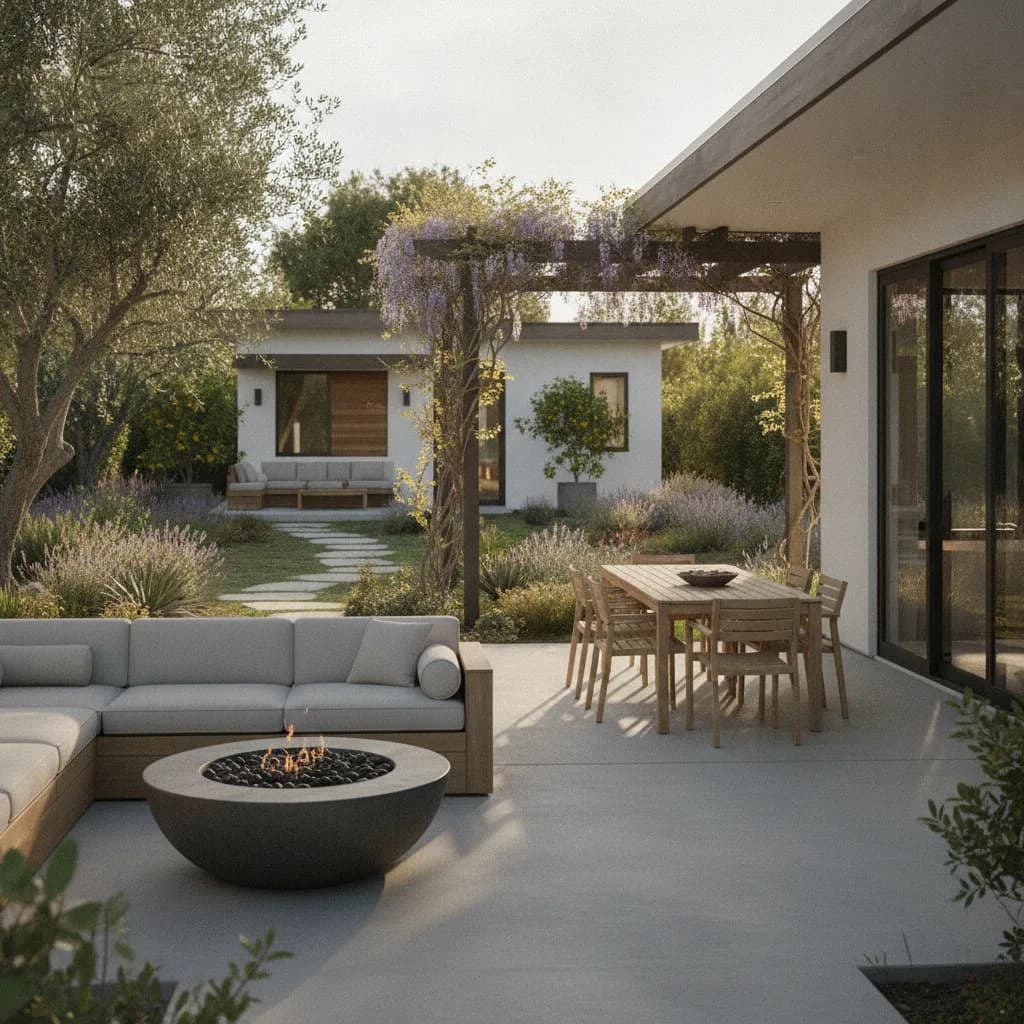
Building an Accessory Dwelling Unit (ADU) in Pomona, CA, in 2026 involves a multi-step process for securing permits and often requires navigating Homeowners Association (HOA) approvals. Typical ADU construction costs in Pomona range from $180,000 to $450,000+, with permit fees adding $6,000-$18,000, and the entire process from design to move-in usually takes 9-16 months. Understanding Pomona's specific regulations and local environmental factors is crucial for a successful project.
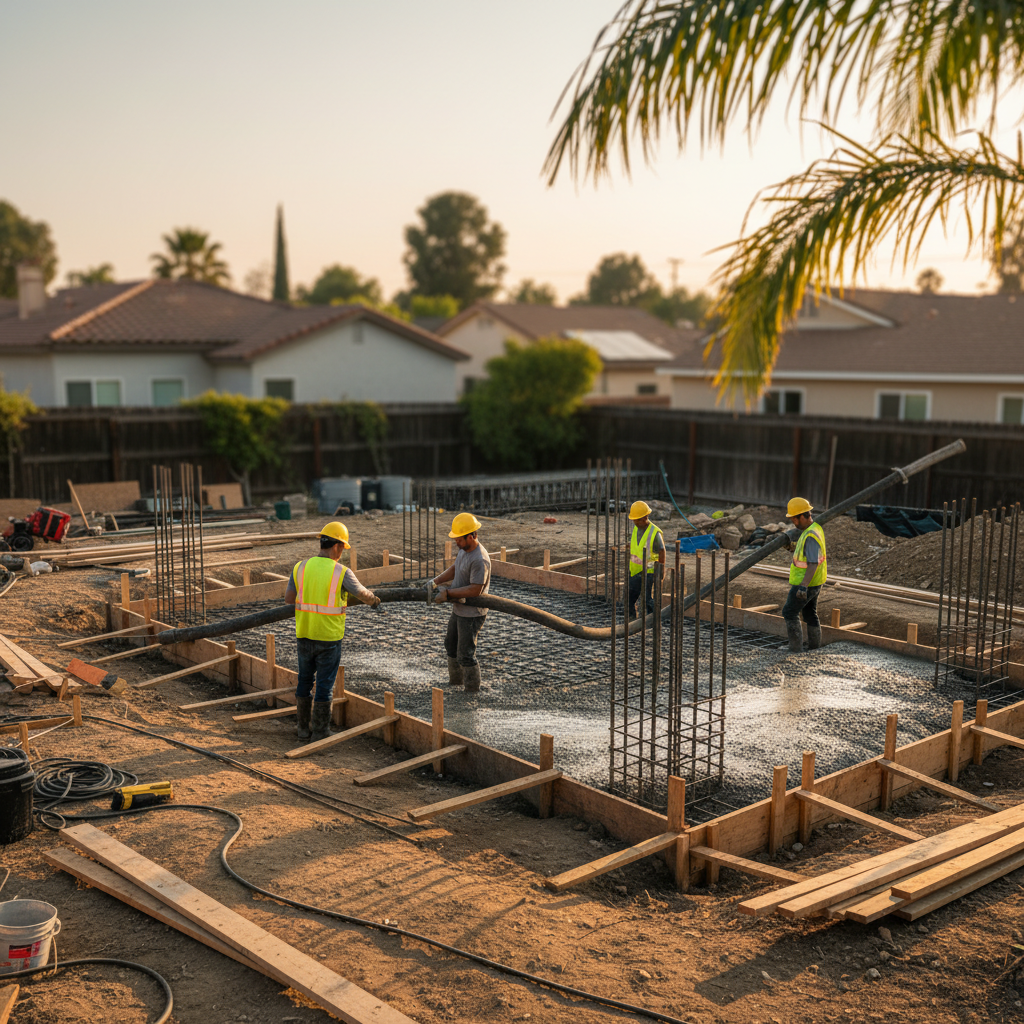
What are the specific ADU permit requirements in Pomona for 2026?

Securing an ADU permit in Pomona for 2026 requires adherence to both state ADU laws and specific local ordinances designed to address Pomona's unique urban landscape and environmental conditions. The City of Pomona's Development Services Department oversees these permits, prioritizing safety, structural integrity, and neighborhood compatibility. Property owners in Pomona often benefit from larger lots, typically ranging from 7,000 to 15,000+ square feet, which can allow for more flexible ADU placements and even scope expansions once initial demolition begins.
Key requirements include lot size minimums, setback distances from property lines and existing structures, and limitations on ADU size based on the primary dwelling. For instance, a detached ADU can generally be up to 1,200 square feet, while junior ADUs (JADUs) are capped at 500 square feet. All ADUs must comply with current building codes, including energy efficiency standards and fire safety regulations. Given Pomona's routine summer temperatures hitting 105-110°F, material choices are critical; Class A fire-rated roofing is often mandated, especially for properties near the wildland-urban interface, and non-combustible fence materials are highly recommended. Additionally, due to prevalent clay and decomposed-granite soils, engineered drainage solutions for patios, retaining walls, and pool decking are essential to prevent future heaving and settling issues.
Required documents for a permit application typically include detailed architectural plans, site plans showing all existing and proposed structures, utility plans, and structural calculations. The City of Pomona primarily uses an online portal for permit applications, though some complex projects may still require in-person submittals at the Development Services Department.
How do HOAs in Pomona typically react to ADU proposals, and what are the specific steps to get HOA approval?
HOAs in Pomona can present an additional layer of complexity for ADU projects, often reacting with caution due to concerns about property values, parking, and neighborhood aesthetics. While state law limits an HOA's ability to outright prohibit ADUs, they can impose reasonable restrictions on design, materials, and placement. This is a critical distinction from other areas, as many Pomona neighborhoods are governed by HOAs with specific architectural guidelines.
To navigate HOA approval, the first step is to thoroughly review your HOA's CC&Rs (Covenants, Conditions, and Restrictions) and architectural guidelines. Look for clauses related to accessory structures, home additions, and exterior modifications. Many HOAs in Pomona have specific requirements for exterior finishes, roofing materials, and landscaping to maintain a consistent neighborhood appearance. For example, some may require specific stucco colors or tile roof styles. Submit a detailed proposal to your HOA's architectural review committee before applying for city permits. This proposal should include your proposed ADU's size, design, materials, and how it integrates with the existing property and neighborhood. Be prepared to present your plans, address concerns about parking, privacy, and construction impact, and potentially make revisions based on their feedback. Early engagement and clear communication are key to gaining their support. For properties within an HOA, it's wise to budget an additional 1-2 months for the HOA review process.
What is the average timeline and cost for obtaining an ADU permit in Pomona?
Obtaining an ADU permit in Pomona typically follows a structured timeline, though it can vary based on project complexity and completeness of initial submissions. The average timeline for permit approval, from initial submission to issuance, is about 3-5 months. This includes plan check, corrections, and resubmittals.
Here’s a breakdown of the typical stages:
Initial Plan Check: 4-6 weeks First Round of Corrections: 2-3 weeks (for homeowner/designer to address) Resubmittal & Second Plan Check: 3-4 weeks Final Approval & Permit Issuance: 1-2 weeks
Average permit fees for different ADU types in Pomona vary, generally ranging from $6,000 to $18,000. This includes plan check fees, building permits, impact fees (though some are waived or reduced for ADUs by state law), and utility connection fees. For a standard 800 sq ft detached ADU, expect permit fees closer to the $10,000-$14,000 range. These costs are separate from design fees, which can range from $10,000 to $30,000+ depending on the architect and complexity.
Total ADU construction costs in Pomona are highly variable but typically fall within these ranges in 2026:
Garage Conversion (400-600 sq ft): $180,000 - $280,000 Attached ADU (600-800 sq ft): $250,000 - $350,000 Detached New Construction (800-1200 sq ft): $320,000 - $450,000+
These figures include materials, labor, and general contractor overhead but exclude design fees, permit fees, and significant site work or utility upgrades. For a deeper dive into overall project costs, explore our guide on How Much Does a Concrete Patio Cost in Los Angeles in 2026? Your Ultimate Guide as many ADU projects include new hardscaping.
What are the most common reasons for ADU permit rejections in Pomona, and how can they be avoided?
Ready to compare vetted project options?
Use Project Match privately when your scope is clear enough for contractor conversations.
Start Project MatchADU permit rejections in Pomona often stem from common pitfalls that can be easily avoided with careful planning and attention to detail. The most frequent reasons for rejection or significant delays include incomplete applications, non-compliance with zoning or building codes, and inadequate site plans. The City of Pomona's ADU approval rate is generally high, reflecting state mandates, but delays are common.
Common reasons for rejection or extensive corrections:
Incomplete or Inaccurate Plans: Missing details on structural elements, utility connections, or architectural specifications. Ensure all plans are professionally drawn and thoroughly reviewed before submission. Setback Violations: Not meeting the required minimum setbacks from property lines or primary structures. Even a few inches can trigger a rejection. Fire Safety Non-Compliance: Failure to meet fire separation requirements, especially for ADUs located close to the primary residence or property lines. This is particularly critical in Pomona due to fire risk, necessitating Class A fire-rated materials. Inadequate Drainage Plans: Given Pomona's clay and decomposed-granite soils, insufficient plans for managing stormwater runoff around the ADU can lead to rejection. Engineered drainage is often required. Parking Deficiencies: While state law has relaxed parking requirements, some specific situations or HOA rules may still require a dedicated parking space. Verify local and HOA parking rules. Unaddressed Site-Specific Challenges: Not accounting for existing easements, significant grade changes, or mature trees that impact construction.
To avoid these issues, engage experienced local architects and contractors familiar with Pomona's specific requirements. A pre-application meeting with the City's planning department can also clarify any ambiguities before formal submission. Consider consulting our guide on Pasadena ADU Permit & HOA Guide: Navigating 2026 Regulations and Fee Exemptions for additional insights into navigating complex permit processes.
What are the specific utility hookup requirements and associated costs for an ADU in Pomona?
Utility connections for an ADU in Pomona are a significant part of the project's scope and cost, requiring careful planning to ensure compliance and functionality. All ADUs must have independent or sub-metered connections for water, sewer, electricity, and gas. The City of Pomona requires these connections to meet current code standards, which can sometimes necessitate upgrades to the main service lines of the primary dwelling.
Water & Sewer: ADUs typically require new water and sewer lines connected to the main house's service or directly to the municipal lines. Costs can range from $3,000 to $10,000, depending on the distance from existing lines and whether trenching through hardscape is needed. For properties with septic systems, an ADU may require an upgrade or connection to the public sewer, if available. Electricity: A separate electrical sub-panel is usually installed for the ADU, connected to the main service panel of the primary residence. If the main panel is old or undersized, an upgrade to 200-amp service for the primary residence might be required, adding $2,000 to $6,000 to the cost. New electrical lines and panel work for the ADU itself can cost $4,000 to $8,000. Gas: Similar to electricity, a new gas line will be run from the main meter to the ADU. Costs for gas line extensions and connections typically range from $2,000 to $5,000. Internet/Cable: These are usually easier and less costly, often involving extending existing lines from the main house, costing $500 to $1,500.
Total utility connection costs for an ADU in Pomona can realistically range from $9,500 to $30,000+, depending on the extent of new trenching, upgrades to existing services, and the distance from existing utility points. These costs are often underestimated by homeowners. Properties here typically have larger lots, so the distance for utility runs can be substantial, increasing trenching costs. For a comprehensive look at related outdoor projects, see our guide on The Ultimate Guide to Outdoor Kitchen Cost in 2026.
How does building an ADU affect property taxes in Pomona, and are there any local incentives?
Building an ADU in Pomona will affect your property taxes, but generally in a favorable way compared to other home additions. In California, ADUs are assessed for property tax purposes based on their added value to the property, not by reassessing the entire property. This means only the value of the new construction (the ADU) is added to your existing property tax base. The increase in property taxes is typically proportional to the cost of construction and the market value added by the ADU, often resulting in a modest increase rather than a dramatic hike.
For example, if your ADU costs $250,000 to build, your property taxes might increase by approximately 1.1% of that added value annually, which would be around $2,750 per year. This is a significant consideration for long-term financial planning.
Regarding local incentives, while the City of Pomona doesn't currently offer specific cash grants or programs solely for ADU construction as of 2026, homeowners can benefit from state-level fee exemptions and financing options. California law mandates that cities like Pomona waive or reduce certain impact fees for ADUs under specific conditions, such as those under 750 square feet. Additionally, various financing options are available, including construction loans, home equity lines of credit (HELOCs), and ADU-specific loan programs offered by private lenders. These loans are designed to help cover the significant upfront costs of design, permits, and construction. Consulting with a local financial advisor familiar with Pomona's real estate market can help identify the best financing strategy for your project.
Are there any specific design guidelines or architectural styles preferred/required for ADUs in Pomona?
While the City of Pomona generally encourages ADUs to be consistent with the architectural style and materials of the primary dwelling, there are no strict, universally mandated architectural styles. However, specific design guidelines often emerge from neighborhood context and, critically, HOA regulations. Many older Pomona neighborhoods feature Spanish Colonial, Craftsman, or Ranch-style homes, and an ADU that complements these styles tends to receive smoother approvals.
Key design considerations for Pomona ADUs:
Material Compatibility: Matching exterior materials (stucco, siding, roofing) and colors to the main house is often preferred, especially within HOAs. Given Pomona's climate, materials should be durable and low-maintenance. Remember, summer temperatures routinely hit 105-110°F, so material choices for exterior finishes and hardscaping should prioritize heat reflection and durability. Roofline and Pitch: Maintaining a similar roof pitch and style to the primary dwelling helps the ADU blend seamlessly. Class A fire-rated roofing is a standard expectation. Window and Door Styles: Consistent window and door designs contribute to architectural harmony. Landscaping: Integrating the ADU with existing landscaping or planning new drought-tolerant landscaping (a must in Southern California) can enhance curb appeal and aid in HOA approval. Consider shade structures and appropriate hardscape materials for usability in extreme heat. Privacy: Thoughtful window placement and landscaping to ensure privacy for both the main residence and the ADU occupants, as well as neighbors, is always a good practice.
For properties within an HOA, these preferences can become requirements. Always check your HOA's specific architectural review guidelines. For more on local landscaping and hardscaping, refer to our guide on The Ultimate Guide to Hardscape Los Angeles in 2026.
Common Challenges and Pitfalls for Pomona ADU Projects
Homeowners embarking on an ADU project in Pomona may encounter several common challenges, particularly related to site conditions and regulatory navigation. Understanding these pitfalls upfront can help you prepare and mitigate risks.
One significant challenge is soil conditions. Pomona's prevalent clay and decomposed-granite soils require engineered drainage for any new construction, including patios, retaining walls, and pool decking, to prevent future heaving and settling. Failing to account for this in design and budgeting can lead to costly rework. Another common pitfall is underestimating the impact of extreme weather events. With fire and wind events driving material choices, homeowners must ensure Class A fire-rated roofing and non-combustible fence materials are specified, especially for properties near the wildland-urban interface. Overlooking these can lead to permit delays or costly material changes during construction.
Furthermore, while properties in Pomona typically have larger lots, leading to common scope expansions once demolition begins, it's crucial to have a contingency budget. Unexpected findings like buried utilities, unsuitable soil, or unknown foundation issues can arise. Finally, navigating the permit process itself can be a pitfall; while some processes use Accela online portals, others may still require in-person submittals, leading to varied timelines and potential confusion. Engaging a local professional familiar with Pomona's specific permitting nuances is invaluable.
Conclusion: Your Pomona ADU Journey Starts Here
Building an ADU in Pomona in 2026 is a rewarding investment, offering increased property value, rental income potential, or flexible living space for family. While the process involves navigating specific City of Pomona permit requirements and potential HOA approvals, a clear understanding of local costs, timelines, and design considerations will pave the way for a successful project. By addressing Pomona's unique climate, soil conditions, and regulatory environment from the outset, you can transform your property efficiently and effectively.
Ready to explore the possibilities for your Pomona property? Contact Golden Yards today for expert guidance tailored to your specific ADU project, ensuring a smooth journey from concept to completion.
FAQ: Pomona ADU Permits and HOAs
Q1: What is the maximum size for an ADU in Pomona?
A detached ADU in Pomona can generally be up to 1,200 square feet, while junior ADUs (JADUs) are capped at 500 square feet. The specific maximum size can also be influenced by the size of your primary dwelling and lot coverage limits.
Q2: Are there any fee exemptions for ADUs in Pomona?
Yes, under state law, the City of Pomona must waive or significantly reduce certain impact fees for ADUs under 750 square feet. For larger ADUs, impact fees may still apply, but they are typically lower than for new primary residences.
Q3: Can an HOA in Pomona prevent me from building an ADU?
No, state law largely prohibits HOAs from outright banning ADUs. However, HOAs can impose reasonable restrictions on design, materials, and placement to ensure consistency with community standards. You must still seek HOA architectural approval.
Q4: How long does it typically take to build an ADU in Pomona after permits are approved?
Once permits are approved, the construction phase for an ADU in Pomona typically takes 4-8 months, depending on the size, complexity, and type of ADU (e.g., garage conversion versus new detached construction).
Q5: Do I need a dedicated parking space for my ADU in Pomona?
State law has significantly relaxed parking requirements for ADUs, particularly if located within a half-mile of public transit or within an existing structure. However, specific local ordinances or HOA rules might still require a dedicated parking space in certain circumstances. Always verify with the City and your HOA.
Frequently Asked Questions
Q1: What is the maximum size for an ADU in Pomona?
A detached ADU in Pomona can generally be up to 1,200 square feet, while junior ADUs (JADUs) are capped at 500 square feet. The specific maximum size can also be influenced by the size of your primary dwelling and lot coverage limits.
Q2: Are there any fee exemptions for ADUs in Pomona?
Yes, under state law, the City of Pomona must waive or significantly reduce certain impact fees for ADUs under 750 square feet. For larger ADUs, impact fees may still apply, but they are typically lower than for new primary residences.
Q3: Can an HOA in Pomona prevent me from building an ADU?
No, state law largely prohibits HOAs from outright banning ADUs. However, HOAs can impose reasonable restrictions on design, materials, and placement to ensure consistency with community standards. You must still seek HOA architectural approval.
Q4: How long does it typically take to build an ADU in Pomona after permits are approved?
Once permits are approved, the construction phase for an ADU in Pomona typically takes 4-8 months, depending on the size, complexity, and type of ADU (e.g., garage conversion versus new detached construction).
Q5: Do I need a dedicated parking space for my ADU in Pomona?
State law has significantly relaxed parking requirements for ADUs, particularly if located within a half-mile of public transit or within an existing structure. However, specific local ordinances or HOA rules might still require a dedicated parking space in certain circumstances. Always verify with the City and your HOA.
Sources & methodology
How Golden Yards builds this guide
Golden Yards reviews public permit and code signals, material pricing, climate and site constraints, contractor quote patterns, comparable projects, the Golden Yards Cost Index, and the Golden Yards Methodology. Cost references are planning ranges, not fixed bids.
- Benchmarked against the Golden Yards Cost Index and related project guides.
- Reviewed for California climate, water, fire, drainage, access, and permit context.
- Commercial Project Match is separate from editorial cost guidance.
Ready to start your ADU project?
Find My ProsFrequently Asked Questions
Q1: What is the maximum size for an ADU in Pomona?
In Pomona, a detached Accessory Dwelling Unit (ADU) can be a maximum of 1,200 square feet, while a junior ADU (JADU) is limited to 500 square feet. The final allowable size for your project may also be affected by the size of the primary home and lot coverage limits.
The city of Pomona sets a general maximum size for detached ADUs at 1,200 square feet. For JADUs, which are created within the existing primary residence, the maximum size is 500 square feet.
While these are the standard upper limits, they are not the only consideration. The specific dimensions permitted for your ADU will also depend on other local regulations. These factors include rules about total lot coverage, which is the percentage of your property covered by structures, and the existing square footage of your main house.
Q2: Are there any fee exemptions for ADUs in Pomona?
Yes, the City of Pomona provides fee exemptions for ADUs. In compliance with state law, certain impact fees must be waived or significantly reduced for accessory dwelling units under 750 square feet. Larger ADUs may still have fees, but they are typically lower than those for new primary residences.
State law requires the City of Pomona to waive or substantially lower specific impact fees for any ADU that is smaller than 750 square feet. This provision offers considerable cost savings for homeowners building smaller units.
For ADUs measuring 750 square feet or more, some impact fees may still apply. These fees are calculated based on the ADU's size in relation to the primary home. As a result, the fees are generally less than what would be charged for constructing a new primary residence on the property.
Q3: Can an HOA in Pomona prevent me from building an ADU?
No, an HOA in Pomona cannot prevent you from building an ADU. State law largely prohibits HOAs from outright banning them. However, your HOA can impose reasonable restrictions on the ADU's design, materials, and placement to maintain community standards. You must still obtain HOA architectural approval before beginning your project.
While state law protects your right to build an ADU, it does not eliminate the HOA's oversight. Your Pomona HOA can enforce reasonable, pre-existing rules that do not have the effect of a ban. These restrictions typically involve aesthetic elements, such as exterior finishes or roofing materials, to ensure the new unit is consistent with the neighborhood's appearance. You must submit your plans to the HOA's architectural committee for review and approval as part of your process.
Q4: How long does it typically take to build an ADU in Pomona after permits are approved?
Building an ADU in Pomona typically takes 4-8 months after permits are approved. This construction timeline varies based on the project's size, complexity, and specific type. For example, a simple garage conversion will usually be completed faster than a large, newly constructed detached ADU with more intricate design elements.
The 4 to 8 month construction timeline for an ADU in Pomona is a general estimate that begins once the city has issued all necessary permits. The final duration depends heavily on project specifics. A smaller, simpler project like a garage conversion may fall on the shorter end of this range because the foundational structure already exists.
Conversely, building a new detached ADU from the ground up, especially one with a complex design or a large footprint, will naturally require more time. Factors like site preparation, foundation work, utility connections, and detailed interior finishing for new construction contribute to a longer schedule, pushing the project closer to the 8 month mark.
Q5: Do I need a dedicated parking space for my ADU in Pomona?
You likely do not need a dedicated parking space for your ADU in Pomona. State law generally waives parking requirements for ADUs built within a half-mile of public transit or converted from an existing structure. You must always verify specific requirements with the City of Pomona and your homeowners association (HOA).
While state law has significantly relaxed parking rules, the specifics depend on your property's location and the type of ADU. For example, units built within a half-mile of public transit or created from an existing structure are typically exempt from needing a dedicated parking space.
However, it is critical to perform due diligence. Specific local ordinances in Pomona or your own HOA rules might still impose parking requirements in certain circumstances not covered by the state exemptions. Before proceeding with your project, always confirm the current regulations directly with the City of Pomona and your HOA.