Ready to start your driveway project?
Find My ProsYour Ultimate Guide to Hardscape Los Angeles in 2026
Los Angeles homeowners are increasingly looking to transform their outdoor spaces into functional, beautiful, and sustainable extensions of their homes. In 2026, hardscaping is more than just aesthetics; it is about creating resilient, water-wise environments that enhance lifestyle and property value. From chic patios to permeable driveways, understanding the nuances of hardscape in Los Angeles is key to a successful project.
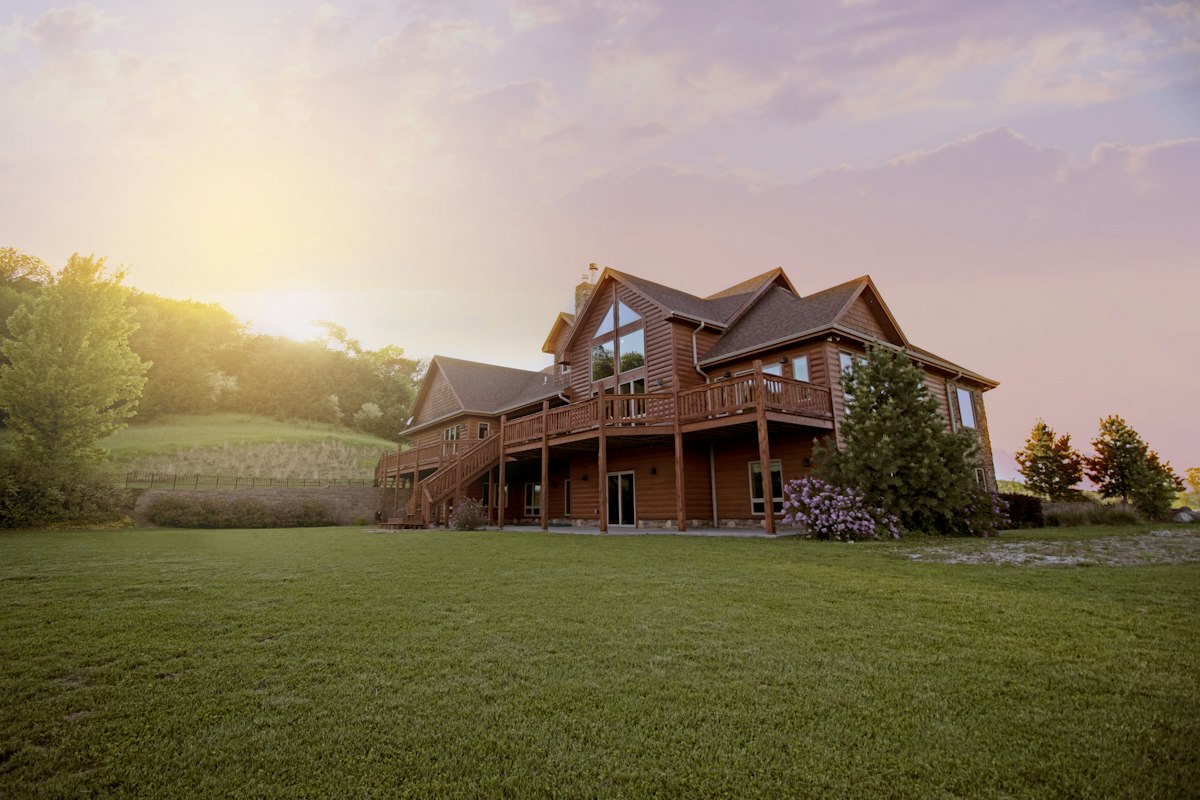
This comprehensive guide from Golden Yards Magazine will walk you through everything you need to know about hardscaping in the City of Angels. We will cover current trends, material choices, crucial cost considerations, local regulations, and how to select the best hardscape professionals in Los Angeles. Get ready to unlock the full potential of your outdoor living experience.
What Exactly is Hardscaping and Why Does it Matter for LA Homes?
Need quotes from vetted California pros?
Get matched in minutes. Free, no obligation.
Find a Trusted Pro
Hardscaping refers to the non-living elements of your landscape design. This includes features like patios, walkways, driveways, retaining walls, pergolas, fire pits, and outdoor kitchens. Essentially, anything that is not a plant is considered hardscape.
For Los Angeles properties, hardscaping holds particular significance. With ongoing water conservation efforts and a desire for year-round outdoor living, well-designed hardscapes provide durable, low-maintenance solutions. They define spaces, improve drainage, and significantly boost curb appeal and property value in a competitive real estate market.
What are the Top Hardscape Trends Shaping Los Angeles Landscapes in 2026?
The hardscape scene in Los Angeles is constantly evolving, driven by innovation, sustainability, and a desire for personalized outdoor sanctuaries. In 2026, several key trends are dominating design choices across the city.
Embracing Sustainable and Permeable Solutions
Water conservation remains a top priority in Southern California. Permeable pavers, which allow rainwater to filter back into the ground, are becoming standard for driveways and patios. Homeowners are also opting for recycled materials like composite decking and reclaimed wood, reducing their environmental footprint.
The Rise of the Outdoor Living Room
Los Angeles’ mild climate makes outdoor living a year-round possibility. Integrated outdoor kitchens complete with high-end appliances, sophisticated dining areas, and cozy lounge spaces with built-in fire features are highly sought after. These spaces are designed for entertaining and relaxation, blurring the lines between indoor and outdoor living.
Smart Technology Integration
Smart home technology is extending outdoors. Automated lighting systems, app-controlled irrigation, and even integrated sound systems are now common in high-end hardscape designs. These innovations offer convenience and efficiency, especially for water management.
Drought-Tolerant and Native Plant Integration
While hardscaping focuses on non-living elements, its synergy with softscaping is crucial. Designs in 2026 heavily feature drought-tolerant plants and native species, often integrated into raised planters or alongside permeable pathways. This creates a cohesive, water-wise landscape that thrives in the LA climate.
Mid-Century Modern and Mediterranean Influences
Los Angeles architecture often dictates hardscape style. The clean lines and minimalist aesthetic of Mid-Century Modern continue to be popular, especially in neighborhoods like Palm Springs and Silver Lake. Simultaneously, the timeless elegance of Mediterranean design, with its use of natural stone and terracotta tones, remains a favorite in areas like Beverly Hills and Santa Monica.
Which Hardscape Materials are Best Suited for the Los Angeles Climate?
Choosing the right materials is critical for longevity, aesthetics, and functionality in the Los Angeles climate. Considerations include heat absorption, durability, maintenance, and water runoff management.
Durable and Versatile Pavers
Concrete pavers are a top choice due to their durability, wide range of colors, shapes, and textures. Permeable pavers are particularly recommended for driveways and large patio areas to manage stormwater effectively. Expect to see advanced interlocking systems that enhance stability and reduce maintenance.
Natural Stone: Timeless Elegance
Materials like flagstone, travertine, and decomposed granite offer a classic, upscale look. They are excellent for pathways, patios, and pool surrounds. Decomposed granite, in particular, is a popular permeable option for rustic pathways and seating areas, blending well with native landscaping.
Concrete: Modern and Customizable
Stamped, stained, or polished concrete provides a sleek, contemporary finish. It is highly customizable and durable. For large areas, concrete can be a cost-effective solution, especially when enhanced with decorative finishes. Light-colored concrete can also help reduce heat island effects.
Wood and Composite Decking: Warmth and Style
For elevated spaces or poolside decks, wood and composite decking remain popular. Composite materials offer superior resistance to rot, pests, and fading, requiring less maintenance than natural wood. They are an excellent choice for creating inviting outdoor lounge areas.
How Much Does Hardscaping Cost in Los Angeles in 2026?
Understanding the financial investment is crucial when planning your hardscape project in Los Angeles. Costs can vary significantly based on materials, complexity, site preparation, and labor rates. As of 2026, LA’s construction costs are generally higher than the national average due to demand and local regulations.
Average Cost Ranges for Common Hardscape Projects in LA
- Patios (Concrete): $12 - $25 per square foot. Stamped or colored concrete can push this towards the higher end.
- Patios (Pavers): $20 - $45 per square foot. Permeable pavers often fall into the mid to high range.
- Walkways (Pavers/Stone): $25 - $55 per square foot, depending on material and intricacy.
- Driveways (Permeable Pavers): $25 - $60 per square foot, reflecting the specialized installation.
- Retaining Walls: $75 - $200+ per linear foot, highly dependent on height, material (block, stone, concrete), and structural requirements.
- Outdoor Kitchens: $10,000 - $50,000+, depending on appliances, finishes, and size.
- Fire Pits (Built-in): $3,000 - $10,000+, varying by material and gas line installation.
These figures are estimates and do not include design fees, extensive site grading, or specialized features. Labor typically accounts for 40-60% of the total project cost in Los Angeles.
Factors Influencing Hardscape Costs
- Material Choice: Premium natural stone or custom-designed pavers will naturally cost more than standard concrete.
- Project Complexity: Intricate designs, multiple levels, or challenging site access will increase labor hours and overall cost.
- Site Preparation: Significant grading, demolition of existing structures, or extensive drainage work adds to the foundational costs.
- Permits and Fees: The City of Los Angeles requires permits for many hardscape projects, especially those involving structural changes, drainage, or significant impervious surface additions. Expect permit fees to range from a few hundred to several thousand dollars, depending on project scope.
- Contractor Experience: Highly experienced and reputable contractors in Los Angeles may charge more, but they often provide superior quality and efficiency.
- Add-ons: Lighting, irrigation modifications, built-in features, and custom elements will all add to the final price tag.
What Permits and Regulations Do You Need to Know for Hardscaping in LA?
Navigating local regulations is a critical step for any hardscape project in Los Angeles. Ignoring these can lead to costly delays, fines, or even the requirement to remove completed work. Always consult with your chosen contractor and the Los Angeles Department of Building and Safety (LADBS) early in the planning process.
Key Regulations to Consider:
- Building Permits: Most structural hardscape elements, such as retaining walls over 3 feet high, elevated decks, pergolas, and outdoor kitchens with plumbing or electrical, require a building permit.
- Grading Permits: If your project involves significant changes to the existing grade or earth movement, a grading permit will likely be necessary. This is especially true for properties in hillside areas.
- Water-Efficient Landscape Ordinance (WELO): The City of Los Angeles adheres to California's WELO, which mandates water-efficient landscaping practices for new and renovated landscapes. This influences choices for permeable surfaces and irrigation systems.
- Stormwater Management: Regulations aim to reduce stormwater runoff and pollution. Projects creating new impervious surfaces may require specific drainage plans or the use of permeable materials to mitigate impact.
- Zoning and Setbacks: Understand your property's zoning classification and setback requirements. Hardscape features must often be a certain distance from property lines, structures, and easements.
- Department of Water and Power (DWP) Requirements: If your project impacts water lines or involves new irrigation, DWP regulations will apply.
- Hillside Ordinances: Properties in hillside areas often have stricter regulations regarding grading, retaining walls, and impervious surface coverage to prevent erosion and landslides.
Your hardscape contractor should be knowledgeable about these local requirements and assist you with the permit application process. Always verify their understanding of LA-specific codes.
How Do You Choose the Right Hardscape Contractor in Los Angeles?
Selecting a qualified and trustworthy hardscape contractor is paramount to the success of your project. In a bustling market like Los Angeles, due diligence is essential to ensure quality workmanship and a smooth experience.
Essential Vetting Steps:
- Verify Licenses and Insurance: Ensure the contractor holds a valid California C-27 Landscape Contractor license. They should also carry general liability and workers' compensation insurance. Request proof and verify with the Contractors State License Board (CSLB).
- Check Local Experience: A contractor with extensive experience in Los Angeles will be familiar with local soil conditions, climate challenges, permit processes, and popular design aesthetics.
- Review Portfolios and References: Ask to see a portfolio of their completed hardscape projects, preferably in LA. Request at least three recent client references and follow up with them to inquire about their experience, communication, and project satisfaction.
- Obtain Detailed Bids: Get at least three written bids from different contractors. Ensure each bid is detailed, itemizing materials, labor, and a clear project timeline. Be wary of significantly low bids, which can indicate cut corners or hidden costs.
- Discuss Communication and Project Management: A good contractor will maintain open communication, provide regular updates, and have a clear project management plan. Ask about their typical communication style and how they handle unforeseen issues.
- Read Online Reviews: Check platforms like Yelp, Google Reviews, and Houzz for client feedback. Look for patterns in reviews regarding professionalism, quality, and adherence to timelines.
Frequently Asked Questions
What exactly is hardscaping and why does it matter for Los Angeles homes?
Hardscaping refers to the non-living elements of your landscape, such as patios, walkways, and fire pits. For LA properties, it's crucial for water conservation, year-round outdoor living, improved drainage, and significantly boosting property value in a competitive market.
What are the top hardscape trends shaping Los Angeles landscapes in 2026?
Key trends include embracing sustainable and permeable solutions like permeable pavers and recycled materials to conserve water. The rise of integrated outdoor living rooms, complete with kitchens and dining areas, is also prominent, maximizing year-round enjoyment.
How do hardscapes contribute to water conservation efforts in Southern California?
Hardscapes contribute through permeable pavers, which allow rainwater to filter back into the ground, reducing runoff. Homeowners are also opting for water-wise designs and materials that minimize the need for irrigation, aligning with local conservation efforts and regulations.
What types of features are considered hardscape elements in a landscape design?
Hardscape elements encompass non-living components such as patios, walkways, driveways, retaining walls, pergolas, fire pits, and outdoor kitchens. Essentially, any structural or decorative feature in your landscape that isn't a plant falls under hardscaping.
Why is an 'outdoor living room' a popular hardscape trend for Los Angeles homeowners?
Los Angeles' mild climate allows for year-round outdoor enjoyment, making outdoor living rooms highly desirable. These integrated spaces, often featuring full kitchens and dining areas, extend a home's functional living space and significantly enhance lifestyle and entertainment options.
Ready to start your driveway project?
Get matched with 2-3 vetted California contractors. 100% free, no obligation.
Find My Pros