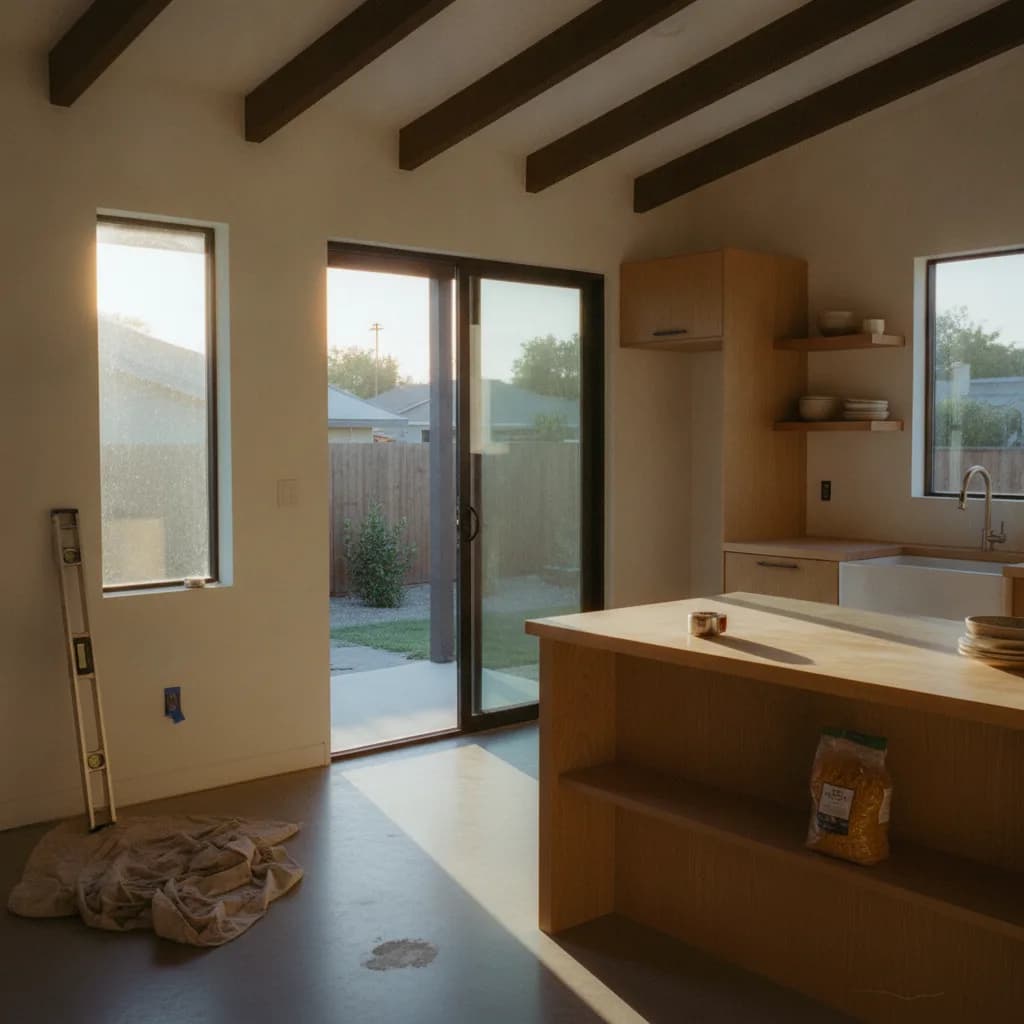
The backyard granny flat is officially a thing of the past. In its place, the San Diego ADU has become a sophisticated, sellable asset, with all-in costs for new construction now averaging $345,000 according to our latest project invoicing. This is not just about adding a rental unit; it’s about creating a permanent, architecturally integrated second home on a single-family lot, driven by new state laws and a demand for flexible living space.
In a Nutshell
- Umbrella Theme: The ADU Matures: From Backyard Rental to Permanent Housing Asset.
- The Three Biggest Trends for 2026: The "condo-ization" of ADUs under AB 1033 allowing separate sale, the standardization of all-electric systems to meet Title 24 goals, and the rise of high-performance prefab to shorten build cycles.
- What's Being Replaced: Simple garage conversions with gas hookups, protracted stick-built timelines, and the idea of an ADU as a temporary or secondary structure.
- What's Next: A split market emerges. High-end, custom ADUs designed for sale or long-term family use will coexist with streamlined, permit-ready JADUs and conversions aimed at providing affordable rental stock.
Trend 1: ADUs Are Now Sellable Condos
The single biggest change for the ADU San Diego market in 2026 is the adoption of AB 1033 (the 2024 condo-style ADU rule). This state law allows cities to let homeowners sell their ADUs separately from the primary residence, essentially creating a two-unit condo project on a single-family lot. San Diego has opted in, and we are seeing the first wave of projects designed specifically for this purpose. Homeowners in desirable neighborhoods like University Heights and Golden Hill are working with ADU contractors to build units that meet the higher standards required for a separate sale, including separate utility meters and soundproofing. This fundamentally changes the financial calculation from a rental income model to a direct equity and wealth-generation model.
Trend 2: All-Electric Is the New Standard
Compliance with Title 24 Part 6 (California Energy Code) and San Diego’s own Climate Action Plan has pushed all-electric ADUs from a niche eco-friendly option to the default build. Gas lines are expensive to run and are being phased out in new construction. The latest invoiced ADU projects we collect show that nearly ninety percent of new detached ADUs in 2026 are being built with heat pump HVAC systems, heat pump water heaters, and induction cooktops. This not only reduces the carbon footprint but also simplifies the build by eliminating gas plumbing and venting, a significant advantage on tight lots in places like North Park and South Park.
Trend 3: Prefab and Panelized Systems Gain Ground
Ready to compare vetted project options?
Use Project Match privately when your scope is clear enough for contractor conversations.
Start Project MatchWhile stick-building remains common, prefab and panelized construction systems are finally delivering on their promise of speed and predictability. With skilled labor shortages persisting, a reliable ADU contractor in San Diego who partners with a prefab factory can cut framing and enclosure time from months to weeks. This is especially true for complex hillside lots in areas like Mission Hills or Mount Soledad. Companies are offering high-design, high-performance packages that arrive on-site ready for assembly. The timeline is the key driver here: 12 weeks for a prefab install versus 20 to 24 for a stick-built project, especially if the soil compaction comes back failing and requires revised engineering.
Trend 4: Biophilic Design Connects Indoors and Out
San Diego’s climate is its greatest asset, and ADU design in 2026 reflects this more than ever. The trend is a move toward biophilic design, which emphasizes a connection to nature. This translates to large-format sliding or bifold doors that create a smooth indoor-outdoor living space, clerestory windows for natural light, and the use of natural materials like sealed concrete floors and warm woods. We see this extensively in coastal projects from Encinitas to Coronado, where homeowners are maximizing small footprints by visually and physically extending the living area into a private patio or garden space. It’s about making a 600-square-foot unit feel like a 900-square-foot space.
Trend 5: Costs Are Rising, But So Is Value
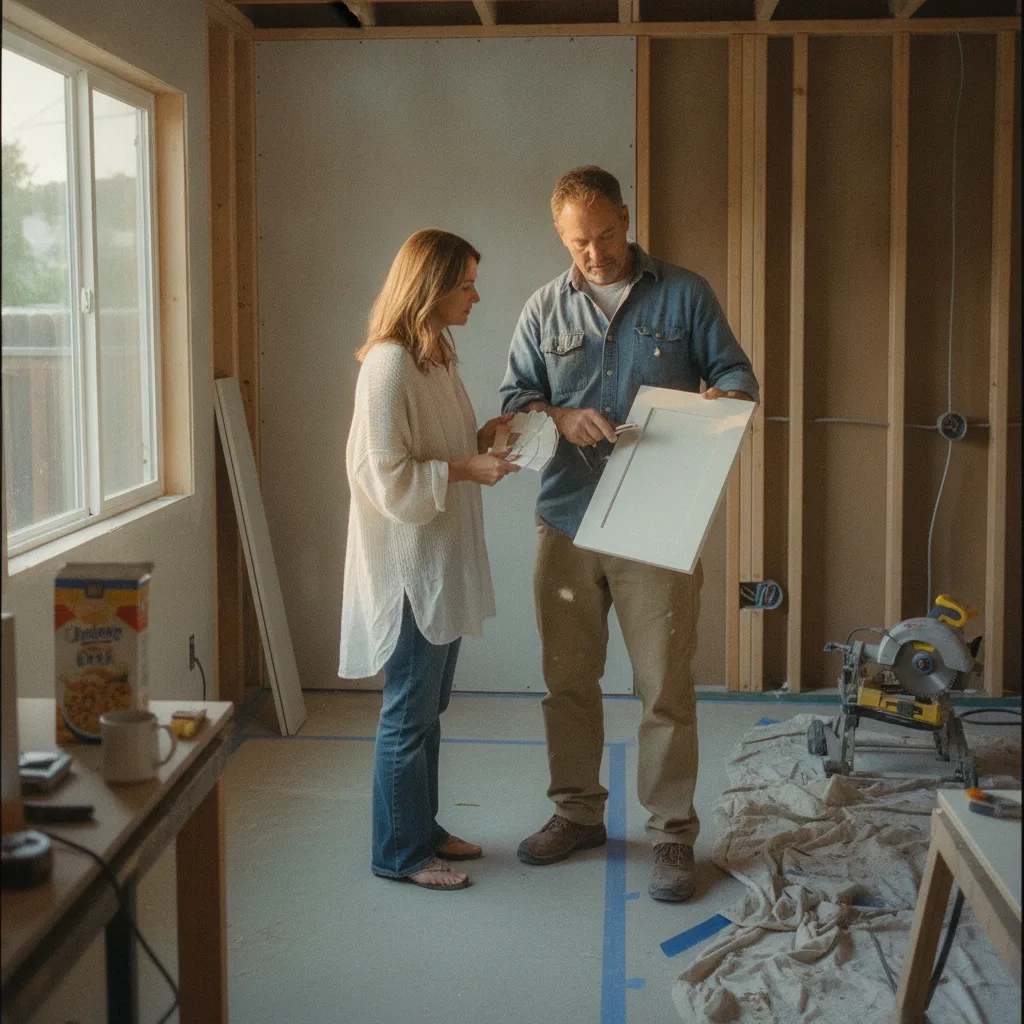
The average ADU san diego cost continues to climb. A full-service, new-construction ADU in San Diego can start lower for a basic studio, but typically lands between $280,000 and $450,000. Why the high price tag? It's a small house, with its own foundation, kitchen, bathroom, and utility connections. According to the California Department of Industrial Relations prevailing wage data for San Diego County, skilled labor rates are a primary driver. supply chain costs for materials like high-performance windows and roofing have remained improved. While the initial investment is significant, the value added to the property, especially with the option to sell under AB 1033, often provides a substantial return.
Three Representative San Diego ADU Projects from 2026
Three representative projects from 2026, scoped similarly, reconstructed from Golden Yards Magazine's Project of the Day network and used here in aggregate form:
- North Park Garage Conversion (480 sq. ft.): A straightforward conversion of a detached two-car garage. The project involved reinforcing the existing slab, adding a bathroom and kitchen, and upgrading electrical service. The final cost was $195,000. The key to managing the budget was retaining the original building footprint and avoiding major excavation.
- La Jolla Canyon-Side Build (750 sq. ft.): A new-construction one-bedroom ADU on a sloped lot. This project required significant site work, including caissons for the foundation and a new retaining wall. High-end finishes and large glass doors added to the cost, bringing the total to $415,000. The geotechnical report and engineering were major pre-construction expenses.
- Rancho Bernardo Prefab Unit (600 sq. ft.): A two-bedroom modular ADU placed in a large backyard. The unit was built off-site while the foundation and utilities were prepared. The total project cost, including the unit, delivery, crane rental, site work, and hookups, was $330,000. This timeline was 14 weeks from permit issuance to final inspection.
Trend 6: Smarter, More Resilient Materials Are Key
Material selection in 2026 is driven by regional climate risks. For coastal ADUs in Point Loma and Del Mar, contractors are using fiber cement siding from brands like James Hardie paired with advanced rainscreen systems to combat moisture intrusion and salt spray. In eastern parts of the county like Ramona and Alpine, which fall into the Wildland-Urban Interface (WUI), building codes mandate non-combustible materials. This means standing-seam metal roofs, fire-rated siding, and tempered glass windows are standard. For pre-1994 homes, a seismic retrofit of the main house's post-1990 raised foundation cripple walls is often triggered by the ADU project, adding scope and cost.
Trend 7: The Permit Process Is Predictable but Not Fast
Thanks to state laws like AB 68 (the 2019 ADU shot-clock law), the San Diego Development Services Department (DSD) has a streamlined process for ADUs. Most plans are reviewed within the 60-day window. However, the total time to get a permit still averages three to five months once you factor in design, engineering, and corrections. Homeowners can speed this up by using the city's pre-approved ADU building plans. The biggest variable remains site-specific issues; projects in the Coastal Overlay Zone or on environmentally sensitive lands require extra reviews that add weeks or months. Understanding this timeline is crucial, and a good ADU contractor will map it out in your project plan. You can learn more in our San Diego ADU permit playbook.
Trend 8: JADUs and Conversions Offer an Affordable Path
While new-construction ADUs grab headlines, the fastest-growing segment is the Junior Accessory Dwelling Unit (JADU) and the garage conversion. A JADU, which is a unit created within the walls of the primary residence and is no larger than 500 square feet, offers a lower-cost entry point. These projects can often be completed for under $150,000. They are popular in neighborhoods with smaller lots like City Heights and Logan Heights, providing flexible space for an aging parent, a college student, or a rental that helps with the mortgage. The National Association of Home Builders recommends a ten to fifteen percent contingency on renovations in homes over thirty years old, which is especially critical for these conversion projects where surprises can hide behind old drywall.
Sources & Methodology
See the Golden Yards Methodology for how sources are reviewed, ranges are normalized, and planning-data limits are handled.
Cost ranges in this guide draw on the following named industry sources, public agency datasets, and Golden Yards Magazine editorial research.
- San Diego Development Services Department (DSD) ADU Regulations and Fee Schedule (2026)
- California Department of Industrial Relations, San Diego County Prevailing Wage Data (2026)
- The National Association of Home Builders (NAHB) Remodeling Market Index (Q1 2026)
- California HCD, Accessory Dwelling Unit Handbook (2025)
- Golden Yards Magazine, Invoiced ADU Project Database (2025-2026)
- Center for Sustainable Energy, California Building Energy Efficiency Standards (2025)
Golden Yards Magazine Take
What connects these trends is the professionalization of the ADU. For years, the accessory dwelling unit was treated as an informal addition, a side project. In 2026, it is a serious financial and architectural undertaking. State laws like AB 1033 are treating ADUs like the distinct homes they are, while building codes like Title 24 demand the same energy performance as a primary residence. Homeowners in San Diego are no longer just building a rental; they are creating a flexible, resilient, and valuable piece of California's housing solution. The shift from a simple structure to a sophisticated asset is complete, and it demands a higher level of planning, design, and investment from everyone involved.
Ready to start your ADU project?
Find My ProsFrequently Asked Questions
What does a new ADU cost in San Diego in 2026?
<p>A new-construction ADU in San Diego typically costs between $280,000 and $450,000, with our data showing a median project cost around $345,000. This price includes design, permits, site preparation, and construction. The final cost depends heavily on size, site complexity, and the level of finishes you choose.</p> <p>The lower end of that range, around $185,000 to $250,000, usually represents a garage conversion or a small, simple studio unit on a flat lot. An ADU in Inland Empire markets like Riverside and San Bernardino can start lower, $180k for a refresh-grade build, while Westside LA Spanish-revival neighborhoods stretch to $410k. In San Diego, custom builds in coastal neighborhoods like La Jolla or on hillside lots can easily exceed $450,000. This all-in cost covers not just the structure but also trenching for utilities, city impact fees, and landscaping.</p>
How long does it take to build an ADU in San Diego?
<p>The entire process to build an ADU in San Diego, from initial design to final inspection, takes between nine and fourteen months in 2026. This timeline is split into two main phases: pre-construction (design and permitting), which takes three to five months, and construction, which takes six to nine months.</p> <p>While AB 68 (the 2019 ADU shot-clock law) requires the city to review plans within 60 days, the overall permitting phase includes creating architectural and structural plans, getting homeowner approval, and addressing any city corrections. The construction phase can vary significantly. A straightforward prefab installation might take only four months, while a custom home on a sloped lot could take ten months. 10 weeks if nothing surprises you, 14 to 16 if the soil compaction comes back failing.</p>
Can I legally sell my San Diego ADU?
<p>Yes, as of 2026, you can sell your ADU separately from your primary home in San Diego. This is possible because the city opted into AB 1033, a state law that allows homeowners to create a condominium map for their property, effectively turning the main house and the ADU into two distinct, sellable units.</p> <p>This process is more complex than simply building an ADU. It requires hiring a surveyor to create the condo plan, setting up a homeowners association (HOA) to manage shared property like a driveway or yard, and ensuring the ADU has its own separate utility connections. While it adds cost and complexity, it provides homeowners with a powerful tool for generating a significant financial return on their investment, far beyond what rental income alone could provide.</p>
How do I find a qualified ADU contractor in San Diego?
<p>Finding a qualified ADU contractor in San Diego requires checking for a valid California State License Board (CSLB) license, verifying their insurance, and reviewing a portfolio of recently completed local ADUs. Look for a builder with specific experience navigating the San Diego Development Services Department (DSD) and its requirements.</p> <p>Start by getting referrals from architects or designers. Interview at least three contractors and ask for references from past clients in your area, like North Park or Encinitas. A good contractor should provide a detailed, line-item bid, not a vague estimate. Critically, ask about their process for handling unforeseen conditions, as this is common in projects involving older homes. Their familiarity with local soil conditions, coastal regulations, and utility providers like SDG&E is invaluable.</p>