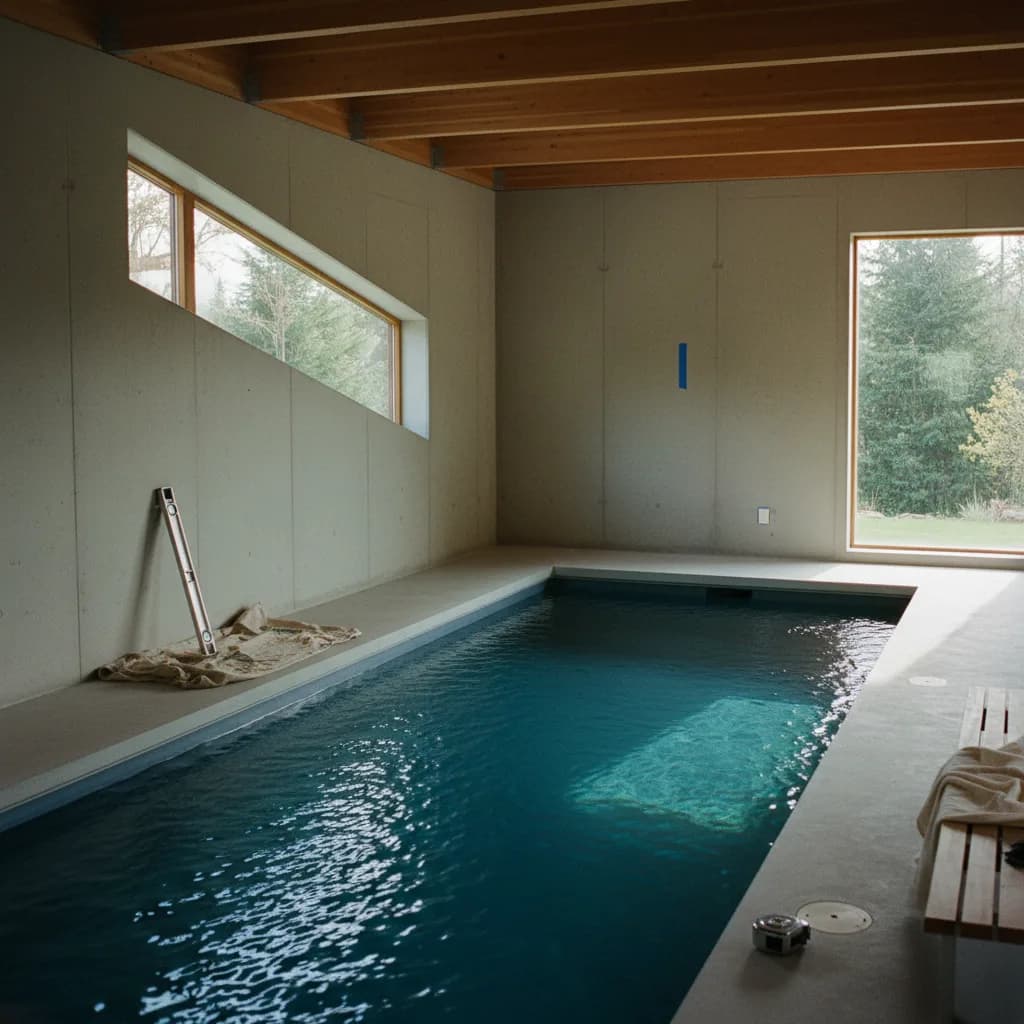
A professionally installed inground saltwater pool in Seattle in 2026 costs between $95,000 and $220,000, with most homeowners landing in the $130,000 to $175,000 range for a complete project. The total investment for a saltwater pool in Seattle is defined less by the pool shell and more by site-specific engineering. Costs can start lower, around $75,000, but this typically applies to smaller fiberglass plunge pools or spools on perfectly flat, accessible lots, a rarity in the region’s topography. The real budget story is written by excavation, drainage, and seismic requirements.
In a Nutshell: Seattle Saltwater Pool Costs
- Total Cost Range: $95,000 to $220,000+
- Mid-Range Average: $155,000 for a 15x30 foot gunite pool with an automatic cover, gas heater, and basic composite decking.
- Project Timeline: Four to seven months from design approval to the first swim, with permitting at the Seattle Department of Construction & Inspections (SDCI) often taking six to ten weeks alone.
- Biggest Surprise Cost: On-site stormwater management systems. Meeting Seattle's strict Stormwater Code can add $8,000 to $20,000 for permeable pavers, dry wells, or extensive French drains, a line item rarely detailed in initial bids from a saltwater pool contractor in Seattle.
What does a saltwater pool actually cost in Seattle in 2026?
The cost of a Seattle saltwater pool is a story of three tiers, driven by materials, equipment, and the complexity of the site work. While the saltwater system itself is a relatively minor cost upgrade, the foundational choices around the pool structure and essential Pacific Northwest features like heaters and covers dictate the final budget.
| Tier | Cost Range | Typical Scope |
|---|---|---|
| Basic (Fiberglass/Vinyl) | $95,000 - $125,000 | Small (12'x24') pre-fabricated fiberglass shell or vinyl liner pool. Basic concrete paver deck. Single-speed pump, manual safety cover, and a standard capacity gas heater. Minimal automation. |
| Mid-Range (Gunite) | $130,000 - $185,000 | Medium (15'x30') custom gunite pool with plaster finish. A Pentair Intelliflo VSF variable-speed pump and a Hayward AquaRite 900 salt system. High-efficiency Raypak gas heater. Automatic safety cover. Composite deck (Trex or similar). Basic LED lighting and smartphone automation. |
| Premium (Gunite) | $190,000 - $300,000+ | Large (18'x36'+) custom gunite pool with pebble finish, integrated spa, and water features. Top-tier automation (Pentair IntelliCenter). Premium travertine or stone decking. In-floor cleaning system, high-end LED lighting, and potentially a heat pump/gas heater combo. Extensive landscape integration. |
For a typical mid-range $155,000 Seattle saltwater pool project, the budget breaks down roughly as follows:
- Pool Structure (Gunite Shell, Rebar, Plaster): 35% ($54,250)
- Excavation, Grading & Drainage: 20% ($31,000)
- Decking & Coping: 15% ($23,250)
- Equipment Pad (Pump, Heater, Filter, Salt System): 12% ($18,600)
- Labor, Permitting & Engineering: 10% ($15,500)
- Electrical & Gas Plumbing: 8% ($12,400)
The bottom-of-range $95,000 project is achievable but assumes a flat, easily accessible lot with no drainage complications and a homeowner opting for a basic fiberglass shell and minimal decking, which is not the standard scenario in King County.
Why is a saltwater pool more expensive in Seattle?
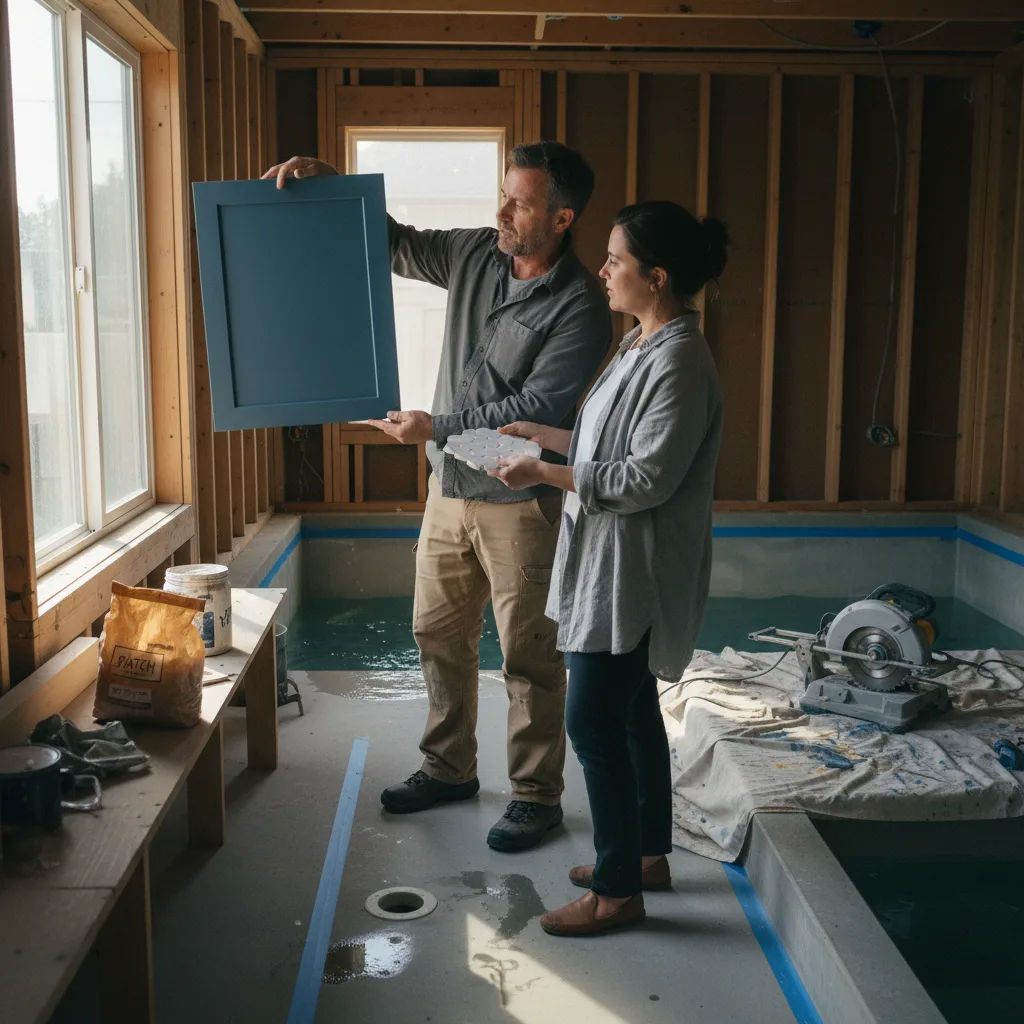
Building a pool in the Puget Sound region involves costs that are simply not factors in flatter, drier climates. The premium for a saltwater pool in Seattle is driven by three primary factors: labor rates, challenging site conditions, and stringent environmental regulations.
First, skilled labor is expensive. According to Washington State Department of Labor & Industries (L&I) contractor licensing and labor rate data, prevailing wages for specialized trades like excavation operators, electricians, and plumbers in the Seattle-Tacoma-Bellevue MSA are among the highest in the Pacific Northwest. This skilled labor shortage means experienced pool construction crews command a significant premium, directly impacting the overall project cost.
Second, Seattle’s geology and topography are a pool builder’s nightmare. The region's glacial till soil is dense and difficult to excavate, often requiring heavier machinery and more time. Many properties in neighborhoods like Queen Anne, Capitol Hill, and West Seattle are on steep slopes, demanding costly retaining walls and extensive structural engineering to ensure stability. These site-specific challenges can add $20,000 to $50,000 in earthwork and structural costs before a single piece of pool equipment arrives.
Finally, neighborhood premiums and regulatory hurdles add another layer of cost. Building in affluent areas like Laurelhurst, Windermere, or Mercer Island often involves higher logistical costs and contractors who price their services for a premium market. More importantly, the City of Seattle’s Stormwater Code is one of the strictest in the nation. Any project creating or replacing more than 750 square feet of impervious surface (like a pool deck) triggers requirements for on-site stormwater management. This isn't an optional upgrade; it's a mandatory, engineered system that adds thousands to the final invoice.
What do real Seattle homeowners spend in 2026?
Ready to compare vetted project options?
Use Project Match privately when your scope is clear enough for contractor conversations.
Start Project MatchThree representative projects from 2026, scoped similarly, reconstructed from Golden Yards Magazine's Project of the Day network and used here in aggregate form:
- The Ballard Rectangle ($142,000): On a tight urban lot, this project involved a 12x26 foot gunite saltwater pool. The primary challenge was access, requiring smaller excavation equipment and more labor hours. The cost included a significant investment in a high-efficiency gas heater and an automatic cover to maximize the short swimming season. The homeowner opted for composite decking to minimize maintenance. The budget surprise was a $7,500 drainage system to handle runoff from the new deck area.
- The Sammamish Family Pool ($178,000): This project on a larger suburban lot featured a 16x34 foot freeform gunite pool with an integrated Baja shelf. The equipment pad was top-of-the-line, with a Pentair IntelliFlo VSF pump and full smartphone automation. The higher cost was driven by extensive stamped concrete decking and a required 60-amp electrical subpanel upgrade. The owners also added $12,000 for a retaining wall to create a level pool area on their sloped yard.
- The Mercer Island View Pool ($245,000): This high-end project was all about engineering. A 15x32 foot infinity-edge gunite pool overlooking Lake Washington required deep piers for stabilization on the hillside lot. The budget included a $25,000 automatic cover, a premium pebble finish, an integrated spa, and extensive travertine decking. A geotechnical report and seismic engineering added nearly $18,000 to the pre-construction costs alone.
Where does the money actually go? The hidden costs of a Seattle pool
The initial quote from a Seattle saltwater pool contractor often focuses on the pool itself. Homeowners get blindsided by the site work and utility upgrades. Budget for these items from day one:
- Geotechnical & Engineering Reports ($4,000 - $9,000): On any sloped or questionable lot, the SDCI will require a geotechnical report to assess soil stability and a structural engineer to design the shell and any necessary retaining walls for seismic loads.
- Extensive Site Drainage ($8,000 - $20,000): This isn't just a simple drain. To comply with the Stormwater Code, this can mean a system of dry wells, catch basins, and permeable pavers engineered to handle Seattle's rainfall.
- Electrical Subpanel Upgrade ($3,500 - $6,000): A pool’s equipment, especially a heater and variable-speed pump, requires a dedicated 60 to 100-amp subpanel. This is rarely included in the pool builder's price.
- Gas Line Upgrade ($2,500 - $5,000): A high-BTU gas heater needs a dedicated, larger-diameter gas line run from your meter. If the meter itself needs an upgrade from Puget Sound Energy, costs can climb higher.
- Automatic Safety Cover ($18,000 - $28,000): While technically optional, an auto cover is essential in Seattle for safety, heat retention, and keeping debris out. It's a significant cost that transforms the usability of the pool.
- Soil Hauling & Disposal ($5,000 - $12,000): Excavating for a pool creates a massive amount of dirt. Getting it off a tight urban site and to a proper disposal facility is a major logistical and financial challenge.
- Fencing & Alarms ($4,000 - $10,000): Washington state and Seattle building codes have strict pool safety and fencing requirements that must be met before the pool can be filled.
What stops a Seattle saltwater pool project from running over budget?
Three issues consistently derail Seattle pool budgets. The first is unforeseen site conditions. Hitting a high water table during excavation or discovering unstable soil not fully captured in the initial geotech report can lead to immediate change orders for dewatering systems or deeper footings. The second is scope creep. Deciding to upgrade from plaster to a pebble finish or adding a spa midway through construction feels like a small change, but the cascading impact on plumbing, electrical, and structure can add up quickly.
The third, and most common, cause is an incomplete initial bid. Some contractors present a low price focused only on the pool shell and basic equipment, leaving out essentials like drainage, electrical upgrades, and comprehensive site restoration. Always compare bids on a true line-item basis. To protect your investment, plan for the unexpected. The National Association of Home Builders recommends a ten to fifteen percent contingency on renovations in homes over thirty years old; for a complex Seattle pool project, holding back fifteen percent is wise, regardless of your home's age.
Ready to plan your pool budget?
Understanding all the variables can be complex. To get a more tailored estimate for your specific project goals and property, use our inground pool cost calculator to model different sizes, materials, and features.
What should your Seattle contractor include in the quote?
A detailed, fixed-price proposal is your best defense against budget overruns. Your bid from a saltwater pool contractor in Seattle should explicitly include:
- All permit fees for the Seattle Department of Construction & Inspections (SDCI).
- Cost for geotechnical and structural engineering reports.
- A detailed excavation plan, including soil hauling and disposal fees.
- Gunite/fiberglass shell specifications, including rebar schedule for seismic compliance.
- Coping and decking material, specified by brand and style (e.g., Trex Enhance in 'Coastal Bluff').
- Plumbing schematic with pipe sizing and layout.
- A complete equipment list by brand and model number (e.g., Pentair IntelliFlo3 VSF pump, Pentair Clean & Clear Plus filter, Raypak 406A heater).
- Saltwater chlorine generator model (e.g., Hayward AquaRite S3).
- Electrical scope, including the cost for a new subpanel and all bonding.
- Gas line installation scope and BTU load calculations.
- A line item for the engineered drainage system per the Seattle Stormwater Code.
- Automatic cover brand, model, and type.
- Provisions for site access, protection, and final cleanup.
- A clear project timeline with milestones. For a complete overview of the process, review our Seattle saltwater pool permit playbook.
Sources & Methodology
See the Golden Yards Methodology for how sources are reviewed, ranges are normalized, and planning-data limits are handled.
Cost ranges in this guide draw on the following named industry sources, public agency datasets, and Golden Yards Magazine editorial research.
- National Association of Home Builders (NAHB) Home Building Geography Index (2026)
- Washington State Department of Labor & Industries (L&I), Prevailing Wage Data (2026)
- Seattle Department of Construction & Inspections (SDCI), Permit Fee Schedules (2026)
- Pool & Hot Tub Alliance (PHTA), Certified Builder Resources (2025)
- Golden Yards Magazine Editorial Methodology & Project Data (2026)
- Seattle Public Utilities, Stormwater Code Director's Rules (2025)
Golden Yards Magazine Take
Seattle homeowners consistently underestimate one fundamental truth: a pool project is not about water. It is an earthwork, drainage, and structural engineering project that happens to be finished with water. The budget mistakes we see are not from choosing the wrong pump or tile. They come from failing to budget for the immense challenge of reshaping a piece of land in a seismically active, rainy, and tightly regulated city. The saltwater pool cost itself is predictable. The cost to prepare the ground for it is where the surprises live. Focus eighty percent of your due diligence on site prep, geotech reports, and drainage plans. Get those right, and the pool itself is the easy part. The cost of your saltwater pool in Seattle for 2026 will be determined by the ground, not the water.
Ready to start your pool project?
Find My ProsFrequently Asked Questions
Can you use a saltwater pool year-round in Seattle?
Yes, using a saltwater pool year-round in Seattle is possible but very expensive. You will need a powerful gas heater or heat pump and an automatic safety cover to retain heat. Expect energy bills of several hundred dollars per month, which is why most owners close their pools from October to May.
The primary challenge is maintaining a comfortable water temperature during a Seattle winter. This requires a high-efficiency, high-BTU gas heater or a powerful heat pump working continuously. An excellent automatic safety cover is critical to minimize heat loss, but even with one, the gas and electricity costs will be substantial.
For these reasons, most local pool owners find year-round operation impractical. They choose to winterize and close their pools, usually from October to May. This approach saves a great deal on heating costs and also reduces the general wear and tear on expensive pool equipment during the coldest months.
How much does saltwater pool maintenance cost annually in Seattle?
Annual saltwater pool maintenance in Seattle costs between $1,800 and $4,000. This range covers electricity for the pump and heater, pool salt ($100-$200), balancing chemicals, and a replacement salt cell ($800-$1,500) every three to seven years. Professional weekly service adds $200 to $400 per month during the swimming season.
The primary driver for the $1,800 to $4,000 annual cost is electricity, especially for the heater. Other regular expenses include $100 to $200 for bags of pool salt and balancing chemicals like muriatic acid or cyanuric acid. A significant periodic cost is the salt cell replacement, which runs $800 to $1,500 every three to seven years. Hiring a professional for weekly maintenance during the swimming season will add $200 to $400 monthly. An automatic cover can dramatically reduce heating and chemical costs by preventing evaporation.
Are fiberglass or gunite pools better for Seattle's climate?
Both fiberglass and gunite pools are suitable for Seattle's climate, with the choice depending on your priorities. Fiberglass pools offer faster installation and easier maintenance due to a smooth, algae-resistant surface. Gunite pools provide complete design flexibility but require a longer installation and specific engineering with rebar for a seismic zone.
Fiberglass pools are factory-molded, which allows for a much quicker installation time after site excavation. Their smooth, non-porous surface is a significant advantage, as it resists algae growth and requires fewer chemicals to maintain water balance. This often translates to lower long-term maintenance efforts.
In contrast, gunite, a type of concrete, offers total freedom to create any pool shape, size, or feature you can imagine. This customization comes with a longer construction period. For the Seattle area, it is critical that a gunite pool is properly engineered with sufficient rebar to handle potential ground movement. The porous plaster surface also requires more diligent water chemistry management.
Do I need a special permit for a saltwater pool in Seattle?
No, a special permit is not required for a saltwater pool in Seattle. Any new inground pool needs a comprehensive building permit from the Seattle Department of Construction & Inspections (SDCI). The city's review focuses on structural plans, seismic safety, site drainage under the Stormwater Code, and electrical systems, not the sanitation equipment.
The permit application for any Seattle pool is a detailed process. You must submit structural engineering plans that account for seismic considerations, a site plan showing setbacks and grading, a full drainage plan compliant with the city's Stormwater Code, and all electrical plans. This process often requires coordination between a structural engineer, a geotechnical engineer, and your pool contractor. The choice between saltwater and traditional chlorine is simply an equipment decision; the permit's purpose is to ensure the pool's structure, safety, and environmental impact meet city standards.
What is the biggest mistake homeowners make when building a pool in Seattle?
The biggest mistake is underestimating site preparation costs. In Seattle, preparing the yard is often the real project. Expenses for excavation in dense glacial till, building retaining walls, and installing drainage to meet city codes can easily match or exceed the pool's cost, causing major budget overruns if not properly planned.
Homeowners get excited about pool design and anchor their budget to the initial quote for the shell and equipment. They often overlook the complexity of site work in Seattle. The project can require extensive excavation of dense glacial till, hauling away tons of soil, and constructing retaining walls on sloped properties.
Furthermore, installing an engineered drainage system to satisfy city codes is a common and significant expense. Failing to secure a comprehensive, fixed-price bid that includes all this necessary site work is the most frequent reason for a project's budget to spiral out of control.