
Expanding your home in Santa Monica offers a fantastic opportunity to enhance your living space, whether it's for a growing family, a dedicated home office, or simply more room to enjoy the coastal lifestyle. However, successfully adding a room in this unique city requires a clear understanding of local permitting processes and, for many, navigating Homeowners Association (HOA) regulations. This 2026 guide provides Santa Monica homeowners with the essential knowledge to plan and execute their room addition project smoothly, focusing on local specifics that truly matter.
Why is a Room Addition Permit Crucial in Santa Monica?
A room addition permit is absolutely crucial in Santa Monica to ensure your project complies with the city's stringent building codes, zoning laws, and safety standards. Without proper permits, you risk significant fines, forced demolition, and difficulty selling your home in the future. Santa Monica's dense urban environment and proximity to the coast mean that structural integrity, environmental impact, and neighborhood aesthetics are all heavily regulated. This is not a step to bypass; it's a fundamental requirement for a legally sound and safe expansion.
Securing a permit ensures that your addition meets seismic standards, fire safety regulations, and proper utility connections. Given Santa Monica's premium-lot expectations, homeowners are often pushed toward higher-quality finishes and design-forward hardscape detailing, which city planners will review for compliance and aesthetic harmony. This rigorous review process ultimately protects your investment and the integrity of your property.
What are the Typical Costs for a Room Addition in Santa Monica?
The typical costs for a room addition in Santa Monica in 2026 generally range from $450 to $800 per square foot, with luxury additions potentially exceeding this. This range is significantly higher than many other Southern California areas due to Santa Monica's elevated material costs, specialized labor, and the complexity often associated with building in a coastal, high-value real estate market. For a standard 200-square-foot bedroom addition, you could expect to pay between $90,000 and $160,000.
Factors influencing this cost include the complexity of the design, the quality of finishes, site access, and whether new plumbing or electrical systems are required. For instance, adding a bathroom or kitchen will significantly increase the per-square-foot cost compared to a simple bedroom. Furthermore, coastal exposure can increase maintenance needs for metals, fixtures, and some finish materials, necessitating more durable and often pricier options upfront. It's wise to budget an additional 10-15% for unexpected contingencies, especially with structural changes or utility scope expansions.
How Long Does the Santa Monica Permit Process Take for Room Additions?
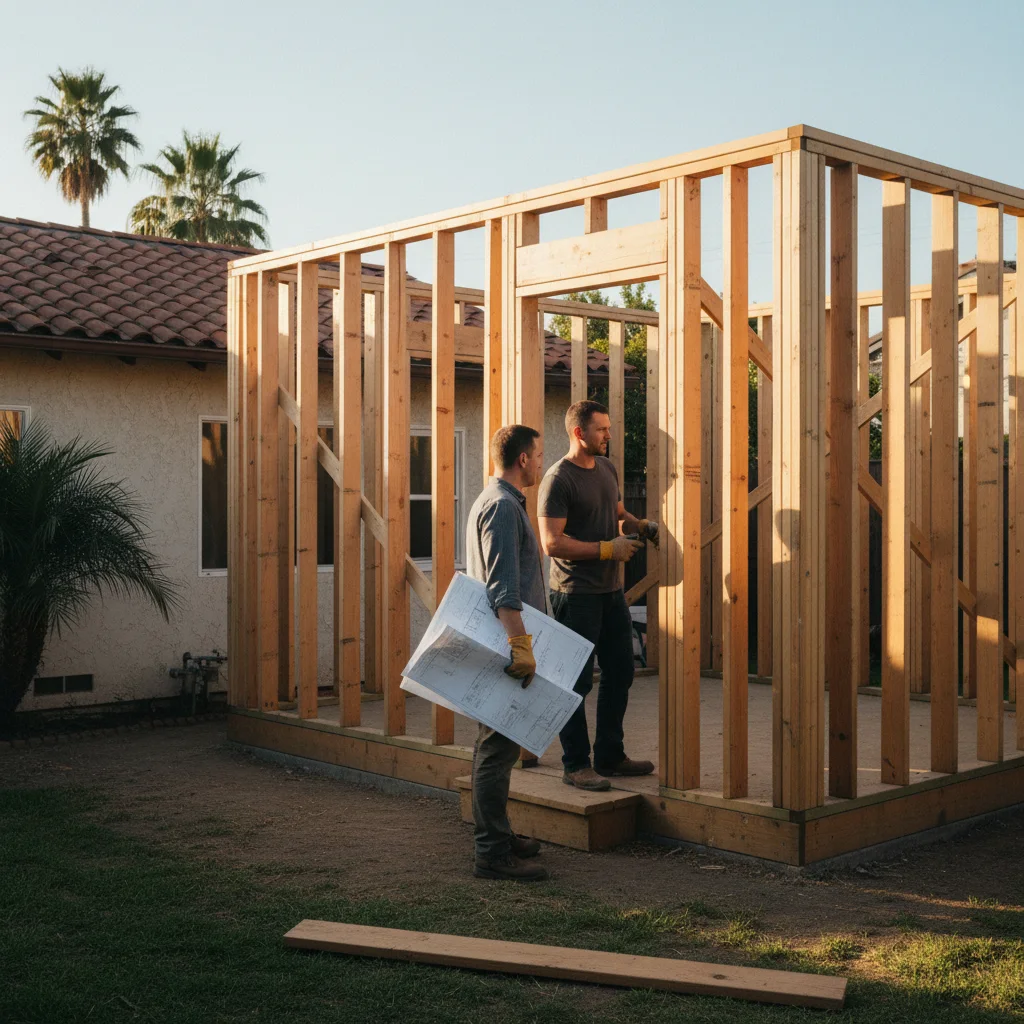
The Santa Monica permit process for a room addition typically takes 3 to 6 months from initial submission to permit issuance, though complex projects can extend beyond this. This timeline is influenced by the completeness of your plans, the project's scope, and the current volume of applications at the Santa Monica Department of Building and Safety. Simple additions with minimal structural changes may move faster, while those involving significant structural modifications, utility upgrades, or hillside considerations will likely take longer.
Permitting can be longer for structural changes, especially when combined with utility scope expansions. This is because multiple city departments, including planning, building, fire, and public works, will need to review and approve your plans. Expect several rounds of revisions and resubmissions. Engaging a local architect or contractor familiar with Santa Monica's specific requirements can significantly streamline this process, helping to avoid common pitfalls and delays. For more insights on navigating local regulations, consider reviewing our guide on Burbank Room Addition Permits & HOA Guide: Your 2026 Blueprint to.
What Specific Permit Requirements Does Santa Monica Have?
Ready to compare vetted project options?
Use Project Match privately when your scope is clear enough for contractor conversations.
Start Project MatchSee what your ADU actually costs in 4 questions.
We pull cost ranges from invoiced California ADU builder projects, then narrow them to your scope, ZIP, and finish level. No first-call sticker shock.
Open the ADU cost calculatorFree. Takes under 2 minutes. No email required to see your range.
Santa Monica has specific permit requirements for room additions that go beyond general state codes, often emphasizing design aesthetics, environmental impact, and neighborhood compatibility. Key requirements include detailed architectural plans, structural engineering calculations, and energy efficiency documentation. You will need to submit a comprehensive set of drawings, including floor plans, elevations, sections, and a site plan showing setbacks and property lines.
Additionally, Santa Monica places a strong emphasis on sustainable building practices. This means your plans might need to demonstrate compliance with green building standards, water conservation measures, and potentially even solar readiness, depending on the scale of your project. The city also has specific zoning ordinances regarding setbacks, maximum lot coverage, and height limits, which are crucial to understand before designing your addition. Always verify these requirements with the Santa Monica Department of Building and Safety directly or through a qualified local professional.
How Do HOAs Impact Room Additions in Santa Monica?
Homeowners Associations (HOAs) in Santa Monica significantly impact room additions by imposing their own set of design guidelines, architectural review processes, and approval requirements, which are often stricter than city codes. If your property is part of an HOA, you must obtain their approval before submitting your plans to the city. Neglecting this step can lead to costly redesigns or even legal disputes.
HOA guidelines typically cover aspects like exterior materials, paint colors, rooflines, window styles, and overall aesthetic compatibility with the existing neighborhood. Many HOAs in Santa Monica, especially those in upscale communities, have stringent rules to maintain property values and community aesthetics. Salt-air durability should be considered early for lighting, railings, and outdoor kitchen hardware, as many HOAs will specify materials that can withstand the coastal environment. It's crucial to review your HOA's Covenants, Conditions, and Restrictions (CC&Rs) thoroughly and engage with their architectural review board early in your planning process. This dual approval process can add several weeks to your overall project timeline.
What Local Climate and Soil Considerations Affect Santa Monica Additions?
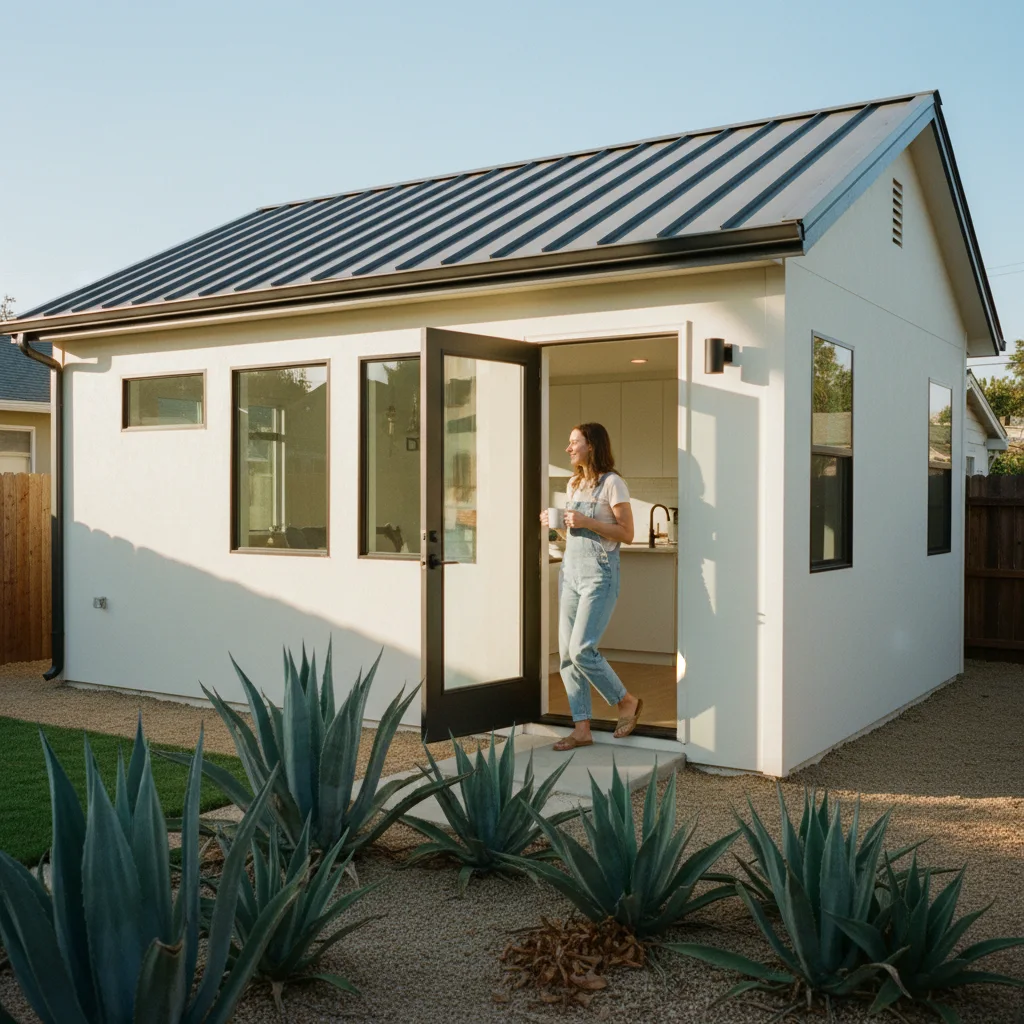
Santa Monica's unique coastal climate and soil conditions significantly influence room addition design and construction. The proximity to the Pacific Ocean means higher humidity, salt-laden air, and potential for seismic activity, all of which must be addressed in your plans. Coastal exposure can increase maintenance needs for metals, fixtures, and some finish materials, requiring contractors to specify corrosion-resistant options like marine-grade stainless steel or specially treated wood. This often translates to higher material costs but ensures longevity.
Soil conditions in Santa Monica can vary, with some areas having sandy or expansive soils that require specialized foundation engineering. A geotechnical report is often a mandatory part of the permit application to assess soil stability and recommend appropriate foundation designs. Furthermore, landscape design that balances shade, privacy, and low-water planting is typically favored by homeowners and often encouraged or even required by city and HOA guidelines to conserve water and integrate the addition harmoniously into the local environment. Considering these factors early prevents costly issues down the line.
Why is Neighborhood Context Important for Your Santa Monica Room Addition?
Get 3 ADU builder bids in 48 hours.
Our editors already screened California ADU builders. Answer 4 questions; we send 3 written bids inside 48 hours, with the real price for your scope, not their inflated first-call number.
Send my 3 bidsFree. No commission. If a match doesn't fit, we'll send another.
Neighborhood context is paramount for a Santa Monica room addition because the city places a high value on maintaining community character, property values, and aesthetic harmony. Your addition should not only meet your needs but also complement the existing architectural style and scale of your street and immediate surroundings. This is particularly true in Santa Monica's diverse neighborhoods, from the historic charm of Ocean Park to the modern luxury of the North of Montana area.
City planners and HOA boards often scrutinize proposed additions for their impact on views, sunlight, and privacy for neighboring properties. Premium-lot expectations often push projects toward higher-quality finishes and design-forward hardscape detailing, ensuring the addition enhances rather than detracts from the neighborhood's appeal. Engaging with neighbors early in your design process can also help address potential concerns and foster goodwill. Understanding and respecting the unique character of your Santa Monica neighborhood will contribute to a smoother approval process and a more successful project overall.
Conclusion: Building Your Dream Space in Santa Monica
Undertaking a room addition in Santa Monica is a significant investment that promises to enhance your home and lifestyle. By understanding the city's specific permit requirements, navigating HOA regulations, budgeting for local costs, and considering the unique coastal environment, you can approach your project with confidence. Remember that thorough planning, engaging experienced local professionals, and patient adherence to the regulatory process are key to a successful outcome in 2026.
Golden Yards is here to guide Santa Monica homeowners through every step of their home improvement journey. Ready to expand your Santa Monica home? Start by consulting with local architects and contractors who specialize in coastal projects to bring your vision to life while staying compliant with all local regulations. Your dream space awaits!
FAQ: Santa Monica Room Addition Permits & HOA
Q1: Do I always need a permit for a room addition in Santa Monica?
Yes, any structural room addition in Santa Monica, regardless of size, requires a building permit from the Santa Monica Department of Building and Safety. This ensures compliance with safety, zoning, and building codes.
Q2: How much do permits typically cost for a room addition in Santa Monica?
Permit fees for a room addition in Santa Monica typically range from 1% to 3% of the total project cost, but this can vary based on the scope. For a $100,000 addition, expect to pay $1,000 to $3,000 in permit fees, not including other associated costs like plan check fees or impact fees.
Q3: Can I start construction before my HOA approves my room addition plans?
No, you should never start construction or even submit plans to the city before receiving formal approval from your Santa Monica HOA. Doing so can result in fines, forced removal of work, or legal action from your association.
Q4: Are there specific energy efficiency requirements for room additions in Santa Monica?
Yes, Santa Monica has stringent energy efficiency requirements, often exceeding state minimums. Your room addition plans will need to demonstrate compliance with Title 24 energy standards, potentially including requirements for high-efficiency windows, insulation, and HVAC systems.
Q5: What should I do if my property is in a coastal zone in Santa Monica?
If your property is in a coastal zone, your room addition may require additional review and permits from the California Coastal Commission, in addition to city and HOA approvals. This can add significant time and complexity to the permitting process, so consult with an expert early.
Q6: How does Santa Monica's seismic activity affect room additions?
Santa Monica's location in a seismically active region means all room additions must adhere to strict seismic safety codes. This includes robust foundation design, shear wall requirements, and specific framing techniques to ensure the structure can withstand potential earthquakes. Structural engineering is a critical component of your permit application.
Q7: What are common reasons for permit delays in Santa Monica?
Common reasons for permit delays in Santa Monica include incomplete plans, non-compliance with zoning or building codes, insufficient structural engineering, lack of HOA approval, and high application volume at the city's building department. Clear, comprehensive submissions are key to avoiding delays.
Frequently Asked Questions
Q1: Do I always need a permit for a room addition in Santa Monica?
Yes, any structural room addition in Santa Monica, regardless of size, requires a building permit from the Santa Monica Department of Building and Safety. This ensures compliance with safety, zoning, and building codes.
Q2: How much do permits typically cost for a room addition in Santa Monica?
Permit fees for a room addition in Santa Monica typically range from 1% to 3% of the total project cost, but this can vary based on the scope. For a $100,000 addition, expect to pay $1,000 to $3,000 in permit fees, not including other associated costs like plan check fees or impact fees.
Q3: Can I start construction before my HOA approves my room addition plans?
No, you should never start construction or even submit plans to the city before receiving formal approval from your Santa Monica HOA. Doing so can result in fines, forced removal of work, or legal action from your association.
Q4: Are there specific energy efficiency requirements for room additions in Santa Monica?
Yes, Santa Monica has stringent energy efficiency requirements, often exceeding state minimums. Your room addition plans will need to demonstrate compliance with Title 24 energy standards, potentially including requirements for high-efficiency windows, insulation, and HVAC systems.
Q5: What should I do if my property is in a coastal zone in Santa Monica?
If your property is in a coastal zone, your room addition may require additional review and permits from the California Coastal Commission, in addition to city and HOA approvals. This can add significant time and complexity to the permitting process, so consult with an expert early.
Q6: How does Santa Monica's seismic activity affect room additions?
Santa Monica's location in a seismically active region means all room additions must adhere to strict seismic safety codes. This includes robust foundation design, shear wall requirements, and specific framing techniques to ensure the structure can withstand potential earthquakes. Structural engineering is a critical component of your permit application.
Q7: What are common reasons for permit delays in Santa Monica?
Common reasons for permit delays in Santa Monica include incomplete plans, non-compliance with zoning or building codes, insufficient structural engineering, lack of HOA approval, and high application volume at the city's building department. Clear, comprehensive submissions are key to avoiding delays.
Ready to start your ADU project?
Get matched with 2-3 vetted California contractors. 100% free, no obligation.
Find My ProsFrequently Asked Questions
Q1: Do I always need a permit for a room addition in Santa Monica?
Yes, any structural room addition in Santa Monica, regardless of size, requires a building permit from the Santa Monica Department of Building and Safety. This ensures compliance with safety, zoning, and building codes.
Q2: How much do permits typically cost for a room addition in Santa Monica?
Permit fees for a room addition in Santa Monica typically range from 1% to 3% of the total project cost, but this can vary based on the scope. For a $100,000 addition, expect to pay $1,000 to $3,000 in permit fees, not including other associated costs like plan check fees or impact fees.
Q3: Can I start construction before my HOA approves my room addition plans?
No, you should never start construction or even submit plans to the city before receiving formal approval from your Santa Monica HOA. Doing so can result in fines, forced removal of work, or legal action from your association.
Q4: Are there specific energy efficiency requirements for room additions in Santa Monica?
Yes, Santa Monica has stringent energy efficiency requirements, often exceeding state minimums. Your room addition plans will need to demonstrate compliance with Title 24 energy standards, potentially including requirements for high-efficiency windows, insulation, and HVAC systems.
Q5: What should I do if my property is in a coastal zone in Santa Monica?
If your property is in a coastal zone, your room addition may require additional review and permits from the California Coastal Commission, in addition to city and HOA approvals. This can add significant time and complexity to the permitting process, so consult with an expert early.
Q6: How does Santa Monica's seismic activity affect room additions?
Santa Monica's location in a seismically active region means all room additions must adhere to strict seismic safety codes. This includes robust foundation design, shear wall requirements, and specific framing techniques to ensure the structure can withstand potential earthquakes. Structural engineering is a critical component of your permit application.
Q7: What are common reasons for permit delays in Santa Monica?
Common reasons for permit delays in Santa Monica include incomplete plans, non-compliance with zoning or building codes, insufficient structural engineering, lack of HOA approval, and high application volume at the city's building department. Clear, comprehensive submissions are key to avoiding delays.