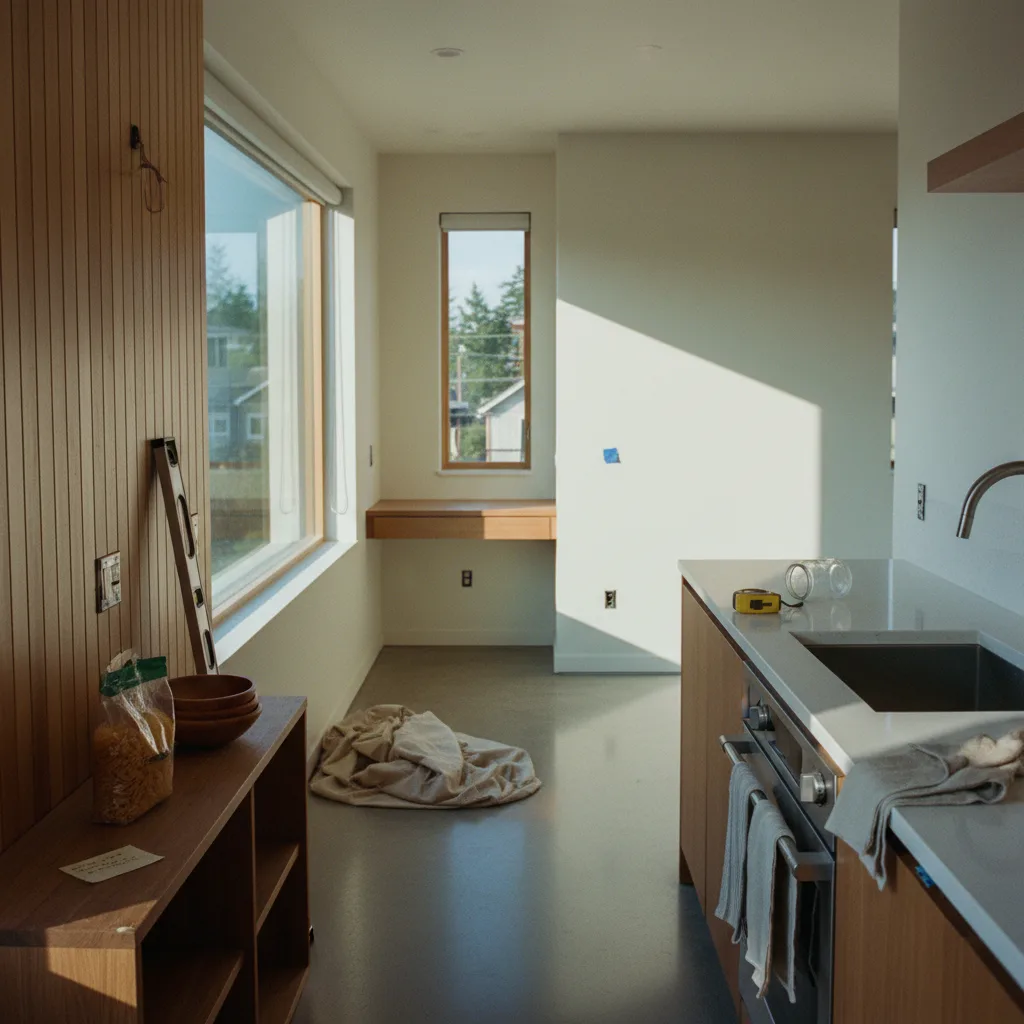
Building an Accessory Dwelling Unit (ADU) in Bellevue, Washington, is a significant investment, with all-in costs for 2026 ranging from $350,000 to over $550,000 for a new detached unit. Based on the latest invoiced ADU projects we collect, this price reflects Bellevue's high land value, exacting building codes, and material costs. An ADU in Eastside markets like Bellevue can start lower, around $220,000 for a simpler garage conversion or attached unit with refresh-grade finishes, while custom builds in neighborhoods like Medina or Clyde Hill often exceed the upper range.
In a Nutshell
- Typical Cost Range (2026): $350,000 - $550,000 for a new detached ADU. Conversions start around $220,000.
- Typical Timeline: 12 to 18 months from initial design to final inspection.
- Permitting Body: City of Bellevue Development Services.
- Key Challenge: Managing site constraints like steep slopes and critical areas, which are common in Bellevue and add significant cost and complexity to the permitting and construction process.
- Biggest Opportunity: Adding significant long-term property value and potential rental income in one of the nation's most stable and high-demand housing markets.
Why ADU Costs in Bellevue Are Higher in 2026
The cost to build an ADU in Bellevue is driven by three primary factors: labor, materials, and land complexity. Labor rates in the Seattle-Bellevue metropolitan area are among the highest in the country, a fact reflected in the Washington State L&I contractor licensing and labor rate data. A skilled framing crew or licensed electrician commands a premium wage, which directly impacts the project's bottom line. Secondly, material costs remain improved. The high-end finishes expected in many Bellevue neighborhoods, from custom cabinetry to energy-efficient window packages, contribute substantially to the budget. Finally, site development costs are a major variable. Many properties in areas like Somerset or Cougar Mountain have steep slopes, poor soil, or environmentally critical areas that require extensive (and expensive) geotechnical engineering, retaining walls, and sophisticated drainage solutions before a foundation can even be poured. These site-specific challenges can add $50,000 or more to a project before construction begins.
Three Representative Bellevue ADU Projects from 2026
Three representative projects from 2026, scoped similarly, reconstructed from Golden Yards Magazine's Project of the Day network and used here in aggregate form:
- $245,000 in Factoria: A 550-square-foot conversion of an existing two-car garage. The project kept the original foundation and basic structure, focusing the budget on a new kitchen, bathroom, and upgrading electrical and plumbing to code. The timeline was about eight months, with permitting taking just under four months.
- $410,000 in Somerset: A new 800-square-foot detached ADU on a moderately sloped lot. This cost included $45,000 in site work for a new retaining wall and foundation drainage. The build featured mid-grade finishes, heat pump HVAC, and was designed to match the main house's mid-century aesthetic.
- $580,000 in West Bellevue: A 1,000-square-foot, two-story detached ADU with high-end finishes. The project required extensive site prep and a complex foundation. Features included vaulted ceilings, custom millwork, and premium appliances to maximize rental income potential in a prime location. The total project timeline stretched to 16 months.
How to Plan Your Bellevue ADU: A Step-by-Step Guide
Ready to compare vetted project options?
Use Project Match privately when your scope is clear enough for contractor conversations.
Start Project MatchFollow these steps to structure your project, from initial idea to final walkthrough.
Step 1: Define Your Goals and Set a Realistic Budget
First, clarify the primary purpose of your ADU. Is it for an aging parent, a source of rental income, or a flexible space for your family? Your answer will shape every decision, from the floor plan to the level of finishes. This is the stage to have an honest conversation about finances and establish an all-in budget that includes construction, permits, fees, and a contingency fund.
- Why: A clear goal prevents scope creep and ensures the final product meets your actual needs.
- Watch out for: Underestimating "soft costs" like architectural design, structural engineering, and city permit fees, which can account for 15-20% of your total budget.
Step 2: Vet Your Property's Zoning and Site Constraints
Before you hire anyone, do your own preliminary research with the City of Bellevue's land use code. Check your property's zoning, lot size, and any potential constraints like easements, setbacks, or environmentally critical areas. Bellevue has specific rules regarding ADU size, height, and placement on the lot. You can often find this information through the city's online permit portal or by scheduling a pre-application meeting.
- Why: This initial check confirms you are legally allowed to build an ADU and reveals major red flags before you spend money on design.
- Watch out for: Critical areas like steep slopes, wetlands, or streams on or near your property, which trigger additional review, reports, and restrictions that can significantly delay and increase the cost of your project.
Step 3: Assemble Your Design and Build Team
For a project of this scale, you need a team with local experience. Look for an ADU contractor in Bellevue who has a proven track record of navigating the city's specific permit processes. You can hire a design-build firm that handles everything from architecture to construction, or hire an architect and a general contractor separately. Get multiple bids and check references thoroughly.
- Why: An experienced local team anticipates city requirements and has established relationships with subcontractors, which saves you time and money.
- Watch out for: Contractors who offer a low bid without a detailed scope of work. A vague proposal is a recipe for change orders and budget overruns down the line. To learn more about locking in your scope, read our [Bellevue ADU Permit Playbook 2026](/guides/bellevue-adu-permit-playbook-2026).
Step 4: Finalize the Design and Scope of Work
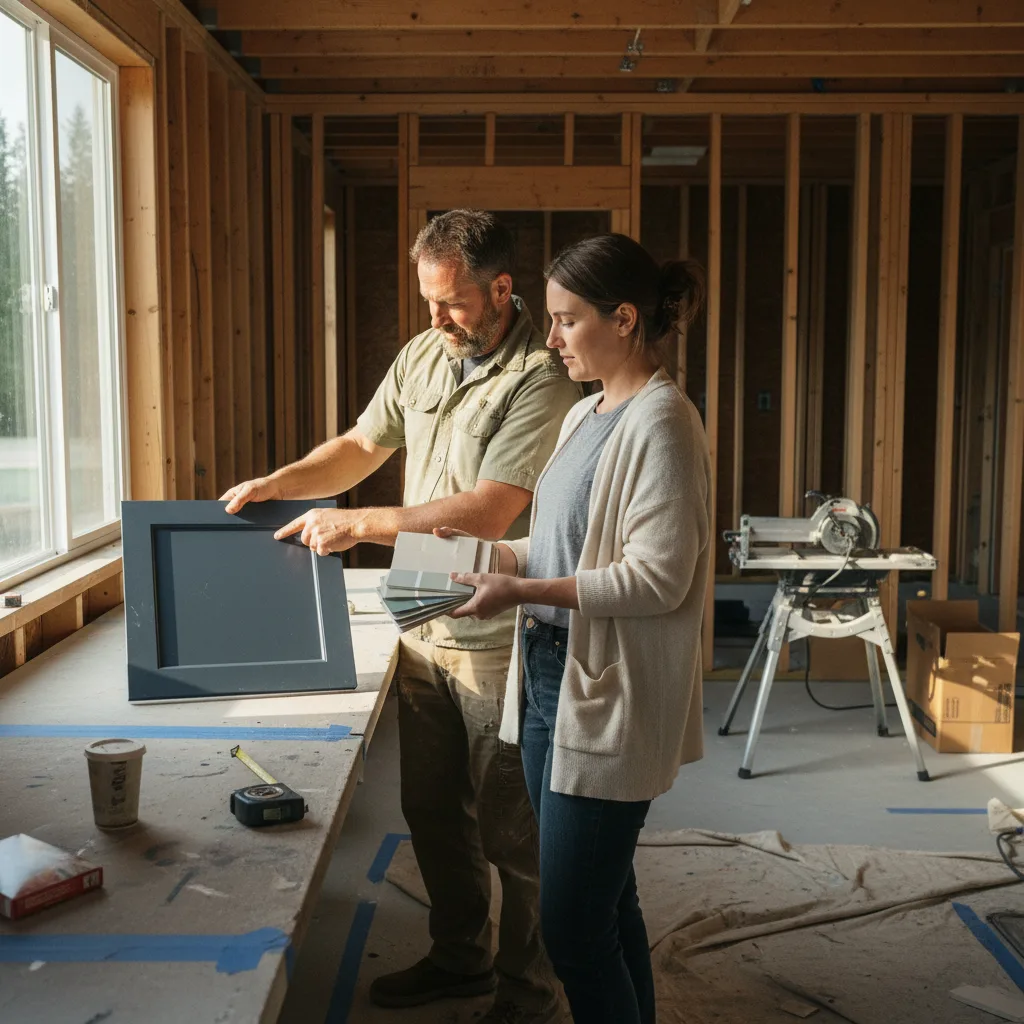
Work with your designer or architect to translate your goals into a complete set of construction drawings. This includes the floor plan, elevations, and specifications for all materials and finishes, from the roofing type down to the faucet model. This detailed plan is what your contractor will use to create a firm, fixed-price bid and what the city will review for your building permit.
- Why: A complete design package minimizes ambiguity, allowing for accurate pricing and a smoother permit review process.
- Watch out for: Making significant design changes after the permit has been submitted. Alterations during construction are far more expensive than making decisions on paper.
Step 5: Submit for Permits at Bellevue Development Services
Once your construction drawings are complete, your architect or contractor will submit the permit application package to the City of Bellevue Development Services. The city's plan reviewers will check your proposal for compliance with building codes, land use regulations, energy codes, and any critical area ordinances. This is often a back-and-forth process, with the city issuing comments or corrections that your designer must address.
- Why: A building permit is a legal requirement that ensures your ADU is safe, compliant, and correctly assessed for property taxes.
- Watch out for: Underestimating the permit review timeline. A straightforward project might take three to five months, but a complex site can easily stretch this to six or eight months.
Step 6: Construction, Inspections, and Final Occupancy
After the permit is issued, construction can begin. Your general contractor will manage the entire process, from excavation and foundation to framing, plumbing, electrical, and interior finishes. At critical stages, a city inspector will visit the site to verify the work meets code requirements. The project isn't complete until you pass the final inspection and receive a Certificate of Occupancy.
- Why: City inspections are non-negotiable checkpoints that protect you by ensuring the construction is safe and built to last.
- Watch out for: Supply chain delays or subcontractor scheduling conflicts. A good contractor will build buffer time into the schedule, but unexpected issues are common. Be prepared for a timeline of 8 to 12 months for the construction phase alone.
Budgeting for the Unexpected: Overruns and Contingency
No construction project goes exactly as planned. Common sources of cost overruns include discovering poor soil conditions during excavation, needing to upgrade an old electrical panel in the main house, or encountering unforeseen rot in a garage conversion. To prepare for these surprises, it's essential to have a contingency fund. The National Association of Home Builders recommends a ten to fifteen percent contingency on renovations in homes over thirty years old. For a $400,000 ADU project, this means setting aside an additional $40,000 to $60,000 in reserve.
Your Bellevue ADU Planning Checklist
- Verify ADU eligibility with the City of Bellevue's land use code.
- Define your primary goal (rental, family, etc.).
- Establish an all-in budget, including a 15% contingency fund.
- Interview at least three local design-build firms or contractor/architect teams.
- Check references for every professional you consider hiring.
- Develop a complete set of construction drawings before seeking final bids.
- Confirm your contractor will handle the entire permit submission process.
- Secure financing before signing a construction contract.
Frequently Asked Questions about Bellevue ADUs
How long does it take to get an ADU permit in Bellevue?
Getting an ADU permit in Bellevue typically takes four to six months for a straightforward project. This timeline includes the initial application submission, the city's plan review period, and any necessary revisions. However, if your property has complications like steep slopes or is near a wetland, the review can extend to eight months or more due to the need for additional engineering reports and environmental reviews.
The City of Bellevue Development Services conducts a thorough review for compliance with building, zoning, and energy codes. The clock starts when you submit a complete application. Any missing information or code issues will result in a correction notice from the city, pausing the review until your architect or designer submits revised plans. Proactive communication and a complete, professional submission are the best ways to keep the process moving.
What are the biggest hidden costs when building a Bellevue ADU?
The biggest hidden costs for a Bellevue ADU often come from site preparation and utility connections. Many lots in the area have challenging topography, and the cost of excavation, grading, and building retaining walls can add tens of thousands of dollars to a project. Unexpected soil conditions can also require more expensive foundation engineering.
Utility hookups are another major variable. Connecting to water, sewer, and electricity can be complex and costly, especially if the new unit is far from the main house's connection points or requires trenching under existing driveways or landscaping. Upgrading the main home's electrical panel to support the ADU is another common and often overlooked expense.
Can I build an ADU on a sloped lot in Bellevue?
Yes, you can build an ADU on a sloped lot in Bellevue, but it requires careful planning and will be more expensive. The city has specific regulations for development on steep slopes to manage landslide hazards and stormwater runoff. Your project will require a geotechnical report from a licensed engineer to assess soil stability and provide recommendations for the foundation design.
Expect significant additional costs for excavation, extensive foundation work (like stepped foundations or pin piles), and engineered retaining walls. Proper drainage systems are also critical to manage water flow around the new structure. These elements can add $50,000 or more to the total project cost compared to building on a flat lot.
Do I have to live on the property to have an ADU in Bellevue?
As of early 2026, the City of Bellevue requires the property owner to occupy either the main house or the accessory dwelling unit as their primary residence. This owner-occupancy requirement is common in many cities and is intended to prevent the conversion of single-family properties into duplex-style rental lots owned by absentee landlords. This rule is subject to change, so always verify the current regulations.
This means you cannot rent out both the main house and the ADU simultaneously to different parties. You must declare one of the units as your permanent home. This is an important consideration for your financial planning, as it directly impacts the property's potential rental income. You should consult the Bellevue Land Use Code or a planning professional for the most current information.
Sources & Methodology
See the Golden Yards Methodology for how sources are reviewed, ranges are normalized, and planning-data limits are handled.
Cost ranges in this guide draw on the following named industry sources, public agency datasets, and Golden Yards Magazine editorial research.
- City of Bellevue Development Services, ADU Permit Records (2025)
- Golden Yards Magazine, Invoiced Project Cost Database (Q1 2026)
- Washington State L&I, Contractor Licensing and Labor Rate Data (2025)
- National Association of Home Builders, Construction Cost Survey (2025)
- Bellevue Land Use Code (LUC) 20.20.030 (2026)
- Puget Sound Regional Council, Housing Market Report (2025)
Golden Yards Magazine Take
The central challenge for Bellevue homeowners is the steep price of entry. The cost to build an ADU here is on par with buying a small starter home in many other parts of the country. Many homeowners get sticker shock and abandon the process early. The pattern we see among successful projects is a shift in mindset: viewing the ADU not as a home improvement project, but as a small-scale real estate development. This means rigorous budgeting, professional help from day one, and a clear-eyed analysis of the long-term financial return. In a market as strong as Bellevue, a well-built, legally permitted ADU adds immediate, substantial value to your property. The high upfront cost is significant, but it buys a flexible asset that can generate income, house family, and appreciate for decades.
Ready to start your ADU project?
Find My ProsFrequently Asked Questions
How long does it take to get an ADU permit in Bellevue?
Getting an ADU permit in Bellevue typically takes four to six months for a straightforward project. This timeline can extend to eight months or more for properties with complications like steep slopes or proximity to a wetland, which require additional reports. This period covers the application, plan review, and any necessary revisions.
The City of Bellevue Development Services conducts a thorough review for compliance with building, zoning, and energy codes. The clock starts when a complete application is submitted. If the city finds missing information or code issues, it will issue a correction notice, pausing the review until your architect submits revised plans. A complete, professional submission and proactive communication are the best ways to keep the process moving forward without delays.
What are the biggest hidden costs when building a Bellevue ADU?
The biggest hidden costs for a Bellevue ADU stem from site preparation and utility connections. Challenging local topography can require extensive excavation, grading, and retaining walls, adding tens of thousands of dollars. Unexpected soil conditions, complex utility hookups, and main electrical panel upgrades are also significant and often overlooked expenses.
Many Bellevue lots have difficult terrain, making site work a major variable. The costs for excavation and grading can increase quickly, and building retaining walls adds a substantial expense. Furthermore, poor soil might require more expensive foundation engineering than initially planned.
Connecting to water, sewer, and electricity can also be complex. Costs rise if the new unit is far from the main house’s connection points or if trenching is needed under existing driveways or landscaping. A common and frequently forgotten cost is the need to upgrade the main home's electrical panel to support the new ADU.
Can I build an ADU on a sloped lot in Bellevue?
Yes, you can build an ADU on a sloped lot in Bellevue, but it requires careful planning. The city has specific regulations for steep slopes to manage landslide and stormwater hazards. Expect significant extra costs, potentially $50,000 or more, for a required geotechnical report, excavation, and specialized foundation work.
Building on a sloped lot in Bellevue involves more than standard construction. A licensed engineer must prepare a geotechnical report to assess soil stability and provide recommendations for the foundation design. This leads to significant additional costs for excavation, extensive foundation work like stepped foundations or pin piles, and engineered retaining walls. Proper drainage systems are also critical to manage water flow. These elements can add $50,000 or more to the total project cost compared to building on a flat lot.
Do I have to live on the property to have an ADU in Bellevue?
Yes, as of early 2026, the City of Bellevue requires the property owner to live in either the main house or the accessory dwelling unit as their primary residence. This owner-occupancy rule means you cannot rent out both units simultaneously. The policy is intended to prevent absentee landlords from creating duplex-style rental lots.
The owner-occupancy requirement is an important consideration for your financial planning because it directly impacts the property's potential rental income. You must declare one of the units as your permanent home, so you cannot rent out both the main house and the ADU to different parties. This type of rule is common in many cities. Because regulations are subject to change, you should always consult the Bellevue Land Use Code or a planning professional for the most current information.