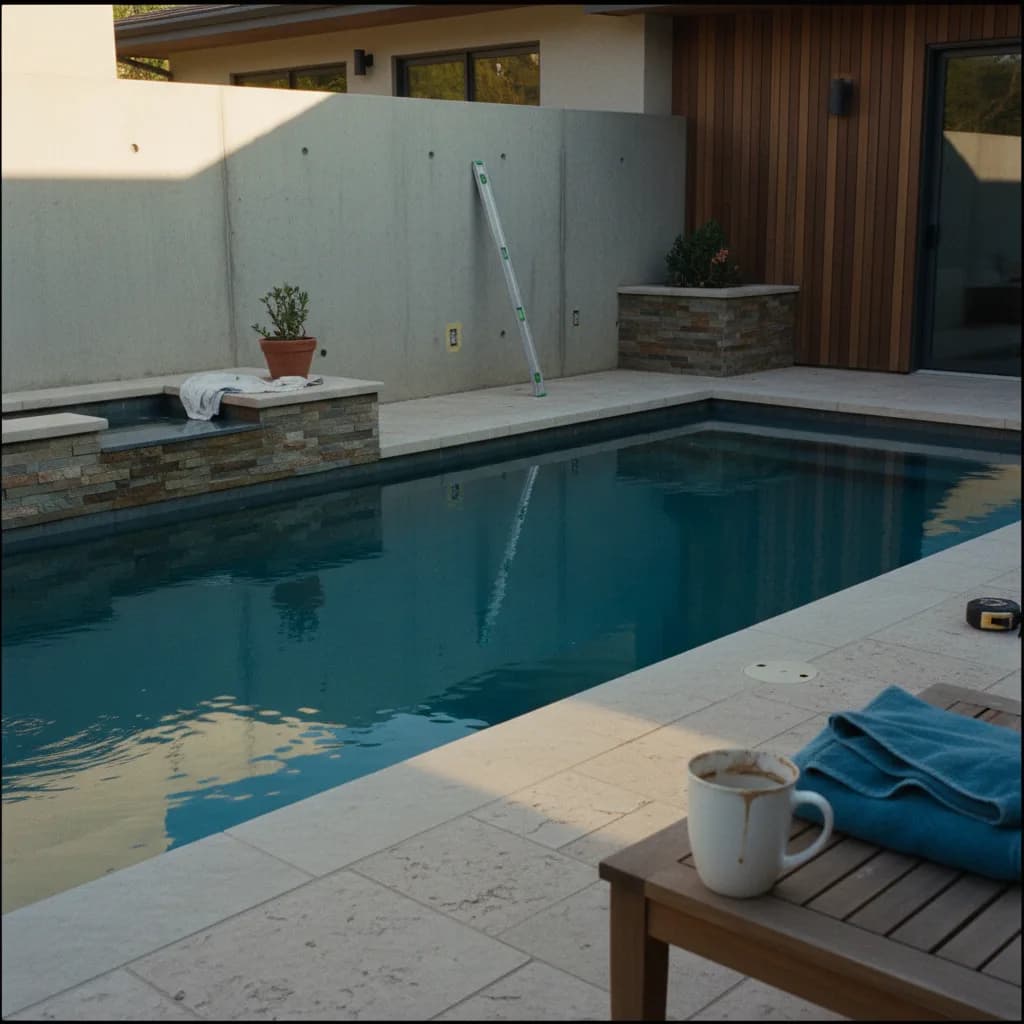
A saltwater pool in San Jose offers a silky, low-chlorine swimming experience perfectly suited to the Bay Area's sunny climate. But before you picture yourself floating on a summer afternoon, let's ground the vision in budget reality. The average cost for a new inground saltwater pool in San Jose in 2026 ranges from $95,000 to $170,000. While a basic installation or refresh project can start lower, most homeowners find the true cost lands in the middle of that range once site work, utilities, and mandatory safety features are included. The pool itself is just one part of the equation.
In a Nutshell
- Typical Cost (2026): $95,000 - $170,000 for a complete project.
- Typical Timeline: Four to seven months from design to first swim.
- Key Challenge: Navigating San Jose's permitting process and addressing regional issues like expansive clay soil.
- Best Time to Start: Begin planning in the fall or winter to have your pool ready for the summer season.
The Real Cost of a Saltwater Pool in San Jose in 2026
Breaking down the budget for a San Jose saltwater pool reveals three main cost centers. First, the gunite shell is $65k. The deck and coping, often using pavers or concrete, is another $28k. The equipment pad, which includes a variable-speed pump, heater, salt chlorine generator, and automation, adds $16k to $25k. This brings the core pool cost to around $109,000 to $118,000.
The budget surprises, however, come from the supporting infrastructure. A required safety fence or automatic cover can add $8,000 to $22,000. Upgrading your electrical service with a new 60-amp subpanel is typically $2,500. If your pool has a gas heater, upsizing the gas line from your meter can cost $1,500 to $3,000 if it doesn't support the new BTU load. These are the items that are rarely in the first, optimistic quote from a contractor.
Three representative projects from 2026, scoped similarly, reconstructed from Golden Yards Magazine's Project of the Day network and used here in aggregate form:
- Blossom Valley ($105,000): A 12x24-foot rectangular pool with a simple concrete deck. The homeowner opted for a high-efficiency Pentair Intelliflo VSF pump to qualify for PG&E rebates and a basic Jandy AquaPure salt system. The project required minimal grading.
- Willow Glen ($148,000): A 15x30-foot freeform pool with an integrated spa, baja shelf, and paver decking. This project included a Hayward OmniLogic automation system controllable by phone and a more solid gas heater, which required a gas line upgrade.
- Almaden Valley ($195,000+): A geometric pool and spa with an automatic cover, travertine decking, and an adjacent outdoor kitchen. The hillside location required significant soil engineering and retaining walls, adding over $30,000 to the site work budget alone.
Why Are Saltwater Pools More Expensive in San Jose?
The premium for any construction project in Silicon Valley is significant. The high cost of living directly impacts labor rates, which form a large portion of any pool budget. According to the California Department of Industrial Relations prevailing wage data for Santa Clara County, skilled trades command top-tier compensation. material delivery into the dense Bay Area adds to the cost. Finally, contractors are in high demand, allowing experienced and reliable firms to charge a premium for their services and project management, ensuring your saltwater pool project in San Jose is built to last.
Step 1: Define Your Scope and Budget
Ready to compare vetted project options?
Use Project Match privately when your scope is clear enough for contractor conversations.
Start Project MatchBefore you talk to a single contractor, define what you want and what you can afford. Consider the pool's primary use: is it for family fun, lap swimming, or entertaining? This will dictate the size, shape, and features like a spa or baja shelf. Lock in your total “all-in” number, which should include the pool, the hardscape, landscaping, and a contingency fund.
Why: A clear scope prevents project creep and ensures you're comparing apples-to-apples bids from contractors.
Watch out for: Underestimating the cost of the surrounding landscape and hardscape, which can easily equal 30-50% of the pool's cost. The National Association of Home Builders recommends a ten to fifteen percent contingency on renovations in homes over thirty years old.
Step 2: Vet and Hire a San Jose Saltwater Pool Contractor
Finding the right saltwater pool contractor in San Jose is the most critical step. Look for a C-53 Swimming Pool Contractor with a valid license from the California Contractors State License Board (CSLB). Check their references, visit recently completed projects, and confirm they carry liability and workers' compensation insurance. Get at least three detailed bids.
Why: An experienced local contractor understands San Jose's specific challenges, from soil conditions in the foothills to the city's permitting process.
Watch out for: Unusually low bids. These often omit crucial line items like electrical work, demolition, or soil hauling, which will reappear later as costly change orders. For a detailed guide on local requirements, see our [San Jose Saltwater Pool Permit Playbook for 2026](/guides/san-jose-saltwater-pool-permit-playbook-2026).
Step 3: Finalize Your Design and Equipment
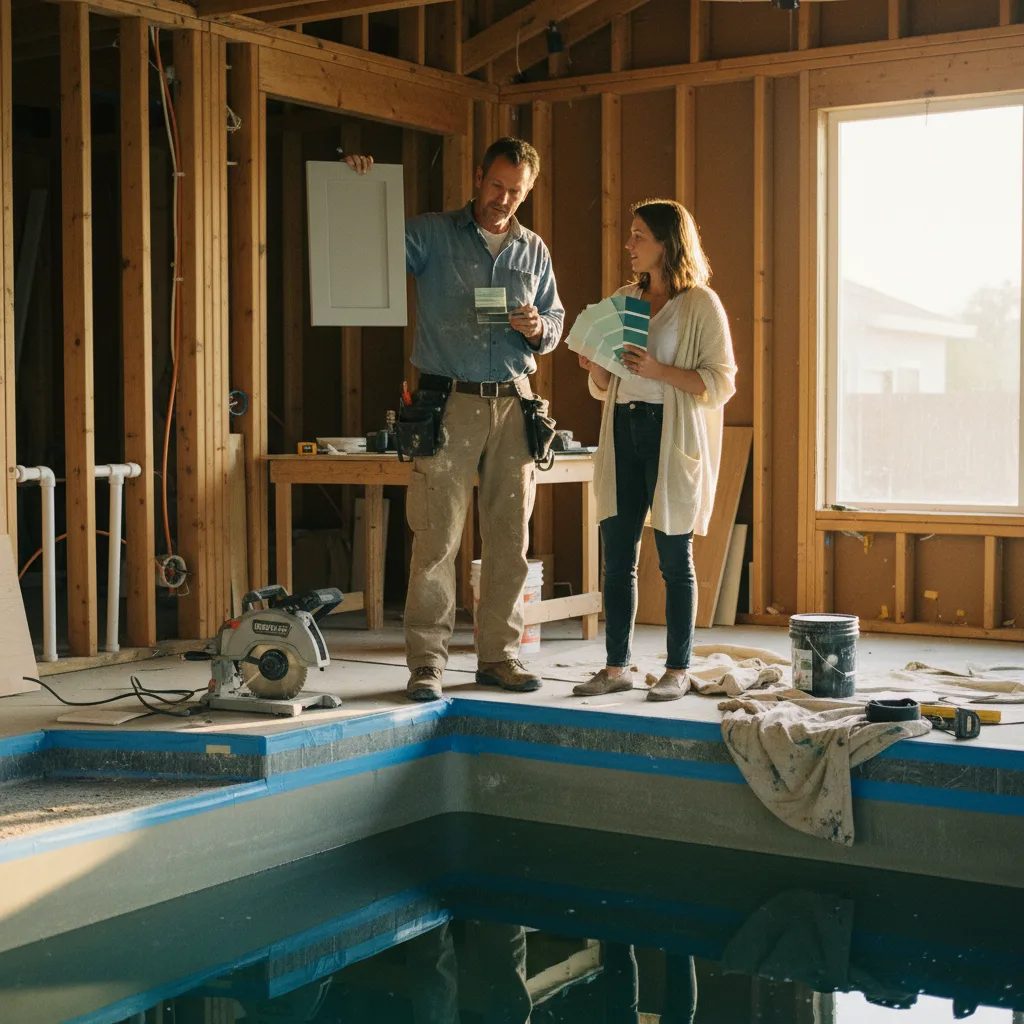
This is where you translate your vision into a buildable plan. Work with your contractor to select specific materials, from the interior finish (plaster vs. pebble) to the coping and tile. Be equally specific about the equipment pad. Insist on a variable-speed pump like a Pentair Intelliflo VSF or a Hayward TriStar VS 950, which are required by California law and save significant energy. For the salt system, a unit like the Jandy AquaPure Ei or Hayward AquaRite 900 is a reliable choice.
Why: Specifying brand and model numbers in your contract protects you from last-minute substitutions with lower-quality components.
Watch out for: Forgetting automation. A system like the Hayward OmniLogic allows you to control the pump, heater, lights, and salt system from your phone, simplifying maintenance and optimizing energy use.
Step 4: Work through Permitting and Construction
Your contractor will submit the engineering plans to the City of San Jose's Planning, Building and Code Enforcement department. Be prepared for this to take several weeks or even months. For many properties in the Rose Garden or Almaden areas, a soils report will be required to engineer the pool shell for expansive clay soil. Construction begins with excavation, followed by plumbing, rebar, and the gunite shell. The process involves multiple city inspections at key milestones.
Why: Proper permitting and inspections ensure your pool is safe, structurally sound, and compliant with all local building codes.
Watch out for: Landscaping plans that aren't MWELO-compliant. California's Model Water Efficient Landscape Ordinance requires a drought-tolerant plant palette and efficient irrigation for the area surrounding your new pool deck.
Step 5: Plan for Startup and Long-Term Care
Once the plaster is complete and the pool is filled, the startup process begins. This is a critical 28-day period where the water chemistry must be carefully balanced to ensure the plaster cures correctly. Your contractor should handle this initial phase and provide a thorough orientation on operating your equipment and performing weekly maintenance tasks like testing water and cleaning the salt cell.
Why: A proper startup is essential for the longevity of your pool's interior finish and equipment.
Watch out for: Not planning for ongoing costs. This includes replacement salt cells (every three to five years, costing $700-$1,100), electricity, and balancing chemicals. The saltwater pool san jose 2026 cost of ownership is lower than chlorine, but it's not zero.
Project Checklist
- Define your total all-in budget, including a 15% contingency.
- Get at least three detailed bids from licensed C-53 contractors.
- Verify contractor license and insurance on the CSLB website.
- Specify all equipment by brand and model in your contract.
- Ensure plans include required safety features (fencing/cover).
- Confirm landscape design is MWELO-compliant.
- Schedule a final walkthrough and equipment orientation before making the final payment.
Frequently Asked Questions
How much does a saltwater pool increase my home's value in San Jose?
While a pool is often considered a lifestyle improvement rather than a pure financial investment, a well-designed, modern saltwater pool can add value in a high-end market like San Jose. Real estate experts suggest it could add between five and eight percent to your home's value, provided it's well-maintained and integrated thoughtfully into the landscaping. The key is that the pool complements the property rather than overwhelms it. A home in Willow Glen with a small yard might not see the same return as a larger property in Almaden Valley. Buyers in this market value turnkey outdoor living spaces, so a pool paired with a functional patio and outdoor kitchen will see the best return on investment.
What are the ongoing maintenance costs for a saltwater pool?
The primary ongoing costs are electricity for the pump, replacement salt cells, and periodic chemicals for balancing pH and alkalinity. A variable-speed pump, running on low speed, might cost $30-$50 per month in electricity. A replacement salt cell for a system like a Pentair IntelliChlor costs between $800 and $1,200 and lasts three to seven years. You'll also spend about $100-$150 per year on bags of salt and balancing chemicals like muriatic acid. Compared to a traditional chlorine pool, you save on the constant purchase of chlorine tablets or shock, making the annual chemical cost significantly lower. The saltwater pool san jose cost for maintenance is a clear advantage.
Can I convert my existing chlorine pool to saltwater?
Yes, converting a traditional chlorine pool to a saltwater system is a very common project. The core component is installing a salt chlorine generator (SCG). This involves some plumbing work and electrical work to power the cell and control box. The cost for a professional conversion typically runs from $1,800 to $2,800 in 2026, including the unit and installation. It's important to have an electrician ensure your equipment subpanel can handle the new component. Also, be aware that the slightly saline water can be more corrosive to certain types of natural stone coping (like limestone) and some older metal components, so inspect your equipment and surroundings before converting.
What rebates are available for pool equipment in San Jose?
In San Jose, the most significant rebates are for energy-efficient equipment, primarily through PG&E. The utility often offers rebates for installing certified variable-speed pumps (VSPs), which can save you several hundred dollars. These pumps are mandated by California law for new pools anyway, so the rebate is a welcome bonus. It's important to check the SoCalWater$mart program or the Santa Clara Valley Water District's website for any available turf-replacement rebates if your project involves removing a significant amount of lawn. These programs change frequently, so have your saltwater pool contractor san jose check for the latest offerings at the time of your installation.
Sources & Methodology
See the Golden Yards Methodology for how sources are reviewed, ranges are normalized, and planning-data limits are handled.
Cost ranges in this guide draw on the following named industry sources, public agency datasets, and Golden Yards Magazine editorial research.
- California Department of Industrial Relations, Santa Clara County Prevailing Wage Data (2026)
- Pool & Hot Tub Alliance (PHTA) Construction Statistics (2025)
- National Association of Home Builders (NAHB) Remodeling Market Index (Q1 2026)
- City of San Jose, Building Permit Data (2025)
- PG&E Residential Rebate Catalog (2026)
- California Model Water Efficient Landscape Ordinance (MWELO) Compliance Guide (2024)
Golden Yards Magazine Take
The central challenge of building a saltwater pool in San Jose isn't the technology or the design; it's managing the collision between a complex construction project and the high expectations of a Silicon Valley homeowner. The budget isn't just a number; it's a project plan that must account for non-pool variables: seismic engineering, expansive clay soil, and a meticulous city permitting process. Homeowners who succeed are the ones who treat the project less like a product purchase and more like a small-scale infrastructure build. They focus intensely on vetting their contractor, demand line-item detail on the hidden costs of electrical and gas work, and build a generous contingency into their plan from day one.
Ready to start your pool project?
Find My ProsFrequently Asked Questions
How much does a saltwater pool increase my home's value in San Jose?
A modern saltwater pool can increase your San Jose home's value by five to eight percent, according to real estate experts. This return assumes the pool is well-maintained and thoughtfully integrated into the landscaping. The best return on investment comes from creating a turnkey outdoor living space with a functional patio and kitchen.
While often a lifestyle improvement, a pool's financial return depends on how well it complements the property. For example, a home in Willow Glen with a small yard might not see the same value increase as a larger property in Almaden Valley where the pool does not overwhelm the space. Buyers in the San Jose market value complete outdoor areas, so a pool paired with other amenities is most attractive.
What are the ongoing maintenance costs for a saltwater pool?
Ongoing maintenance costs for a saltwater pool include electricity, replacement salt cells, and chemicals. A variable-speed pump costs $30-$50 monthly in electricity. A replacement cell, like a Pentair IntelliChlor, is $800-$1,200 every three to seven years. Annual salt and balancing chemicals cost about $100-$150, which is significantly lower than traditional chlorine.
The most significant periodic expense is the salt cell. For a system like the Pentair IntelliChlor, a replacement cell costs between $800 and $1,200 and has a lifespan of three to seven years. Monthly electricity costs for running a variable-speed pump on a low setting are typically $30 to $50.
Additionally, you should budget about $100 to $150 per year for bags of salt and balancing chemicals like muriatic acid to maintain proper pH and alkalinity. This annual chemical expense represents a clear advantage for saltwater pool maintenance in San Jose, as it eliminates the constant need to purchase chlorine tablets or shock.
Can I convert my existing chlorine pool to saltwater?
Yes, you can convert a chlorine pool to saltwater by installing a salt chlorine generator (SCG). This common project involves plumbing and electrical work. In 2026, professional conversion costs between $1,800 and $2,800, including the unit and installation. Note that saltwater can be corrosive to some natural stone coping and older metal components.
The conversion centers on the salt chlorine generator, which requires professional plumbing and electrical work to connect its cell and control box. It is important that an electrician confirms your equipment subpanel can handle the new load. Before proceeding, inspect your pool area for materials susceptible to corrosion from the slightly saline water. This includes certain types of natural stone, like limestone, and some older metal equipment or fixtures.
What rebates are available for pool equipment in San Jose?
In San Jose, PG&E offers significant rebates for energy-efficient pool equipment, especially certified variable-speed pumps (VSPs), which can save you several hundred dollars. California law already mandates these pumps for new pools. Also check for turf-replacement rebates from SoCalWater$mart or the Santa Clara Valley Water District if removing lawn.
The most significant rebates in San Jose are for energy-efficient equipment, mainly through PG&E. The utility frequently provides rebates for installing certified variable-speed pumps, which can save homeowners several hundred dollars. This is a welcome bonus, since California law already mandates these pumps for new pool construction.
If your project involves removing a large amount of lawn, it is important to check for turf-replacement rebates. Look at programs like SoCalWater$mart or the Santa Clara Valley Water District's website for available incentives. These programs change often, so have your saltwater pool contractor in San Jose check for the latest offerings at the time of your installation.
Do I need a permit to build a saltwater pool in San Jose?
Yes, a permit is required to build a new inground saltwater pool in San Jose. Your contractor must submit detailed engineering plans to the City of San Jose's Planning, Building and Code Enforcement department. The project must pass multiple city inspections and comply with California's Model Water Efficient Landscape Ordinance (MWELO) before construction begins.
The approval process, managed by your contractor, can take weeks or months. It involves submitting plans to the City of San Jose's Planning, Building and Code Enforcement department to ensure the structure is safe and compliant with all local codes.
Depending on your property's location, for instance in neighborhoods like Almaden or the Rose Garden, a soils report may be required. Your landscape plan must also adhere to the standards of California's Model Water Efficient Landscape Ordinance (MWELO).