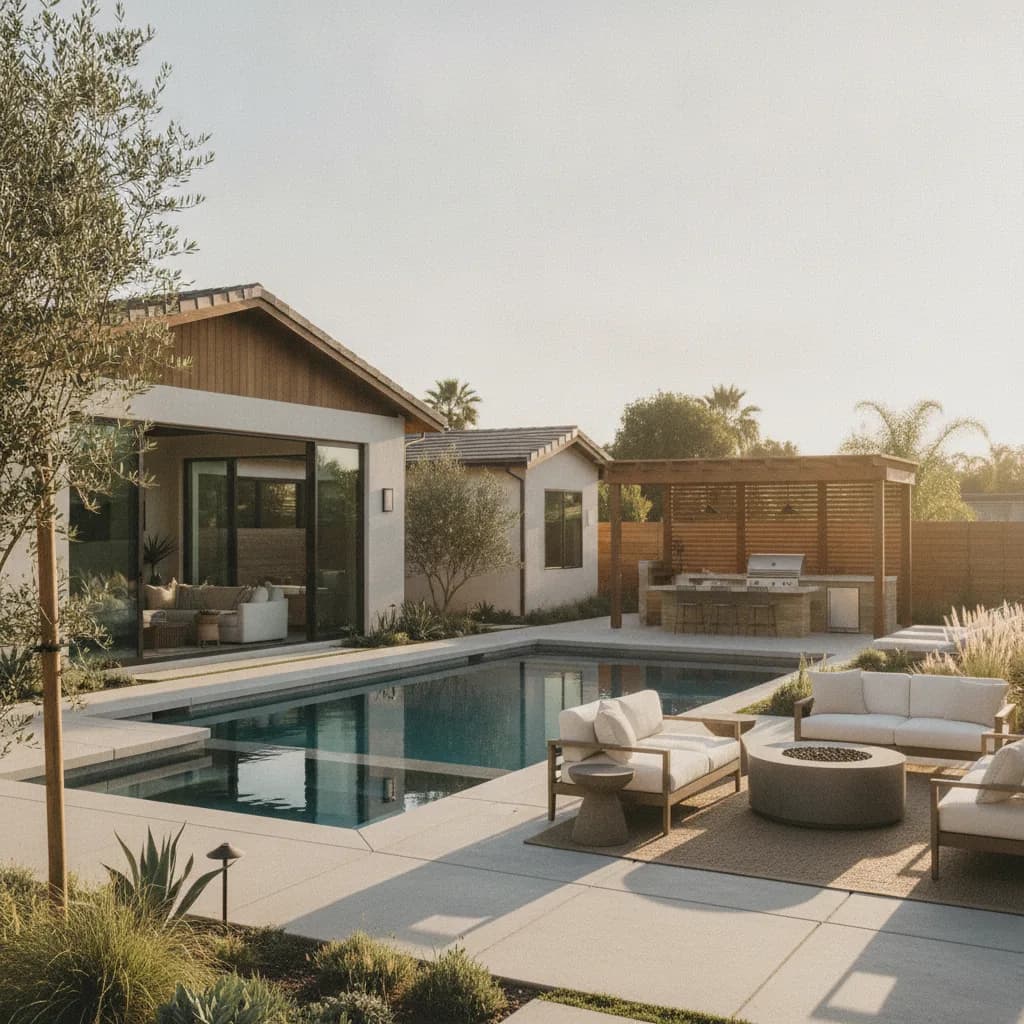
Dreaming of transforming your backyard oasis? A pool remodel can breathe new life into your outdoor space, enhancing aesthetics, functionality, and even your home's value. As we navigate 2026, understanding the financial landscape of such a project is crucial for effective planning and budgeting.
At Golden Yards, we understand that a pool renovation is a significant investment. This comprehensive guide will break down the pool remodeling cost breakdown for 2026, offering insights into what you can expect to pay, what influences these prices, and how to make the most of your budget. Let's dive in.
What Factors Influence Your Pool Remodeling Cost in 2026?
Several key elements converge to determine the final price tag of your pool remodel. Understanding these factors from the outset will help you set realistic expectations and make informed decisions.
What is the average cost range for pool remodeling?
In 2026, a typical pool remodel can range dramatically, from a minor refresh costing $10,000 to $25,000 to a complete overhaul that might reach $50,000 to $100,000 or more. This wide spectrum reflects the varying scopes of work, material choices, and regional labor rates. According to industry reports, the average homeowner in the U.S. spends approximately $35,000 on a moderate pool renovation.
How does pool size and type affect renovation expenses?
Larger pools naturally require more materials and labor, driving up costs. A small plunge pool will be significantly cheaper to remodel than an Olympic-sized lap pool. Similarly, the type of pool, such as fiberglass, vinyl liner, or gunite/concrete, dictates specific renovation approaches and material costs. Concrete pools, for instance, offer the most flexibility but can be more labor-intensive to remodel.
Does the extent of the remodel impact the budget significantly?
Absolutely. A simple resurfacing project is far less expensive than a structural modification or the addition of extensive new features. Minor cosmetic updates, like new tile or coping, represent the lower end of the cost scale. Major projects involving changing the pool's depth, shape, or adding complex automation systems will command a much higher budget due to increased labor, engineering, and material requirements.
Where does your geographic location fit into the cost equation?
Regional variations play a substantial role in pool remodeling costs. Areas with higher costs of living, stricter building codes, or limited access to skilled labor will generally see higher prices. For example, a pool remodel in California or Florida, where demand is high, might cost 15-25% more than a similar project in a less populated region. Always obtain multiple quotes from local contractors to get an accurate regional estimate.
Understanding the Core Components: What Are You Paying For?
To truly grasp the pool remodeling cost breakdown 2026, it's essential to dissect the individual components of a renovation project. Each element contributes to the overall expense and offers opportunities for customization.
How much does pool resurfacing cost in 2026?
Resurfacing is often the most common component of a pool remodel. The cost varies based on the material chosen:
- Plaster: The most economical option, typically costing $5,000 to $15,000. It offers a classic look but may require more frequent maintenance.
- Aggregate Finishes (e.g., PebbleTec): These durable, textured finishes incorporate river stones, quartz, or glass beads. Expect to pay $10,000 to $25,000 for these premium options, known for their longevity and aesthetic appeal.
- Tile: For a luxurious and highly customizable look, tile is an excellent choice. Full tile finishes can range from $20,000 to $50,000+, depending on the type of tile (ceramic, porcelain, glass) and the complexity of the design. Many homeowners opt for tile accents rather than full tiling to manage costs.
What are the expenses for updating your pool deck?
Your pool deck is integral to the overall aesthetic and functionality of your backyard. Deck remodeling costs in 2026 typically range from $5 to $50 per square foot, depending on the material:
- Concrete (Poured/Stamped): $5 to $15 per square foot. Stamped concrete offers decorative patterns at a moderate price point.
- Pavers (Concrete/Brick): $10 to $30 per square foot. Pavers provide a versatile, durable, and attractive surface.
- Natural Stone (Travertine, Flagstone): $20 to $50 per square foot. These premium materials offer unparalleled beauty and durability but come at a higher cost.
- Wood/Composite Decking: While less common directly around the pool, integrated decks can cost **$25 to $60 per square foot for composite materials, offering low maintenance.
How much should you budget for new pool coping?
Coping is the material that caps the edge of your pool, providing a finished look and a safe edge. Costs typically range from $30 to $100 per linear foot.
- Concrete: $30 to $50 per linear foot.
- Pavers/Brick: $40 to $70 per linear foot.
- Natural Stone (Travertine, Limestone): $60 to $100 per linear foot.
What's the cost of upgrading pool equipment and technology?
Upgrading your pool's operational systems can significantly improve efficiency, reduce maintenance, and enhance your swimming experience. In 2026, energy-efficient models are highly recommended.
- Variable-Speed Pumps: $1,000 to $2,500 installed. These can save hundreds annually on electricity bills.
- Filters (Cartridge, Sand, DE): $800 to $2,000 installed.
- Heaters (Gas, Electric, Solar): $2,000 to $7,000+ installed, depending on type and size. Solar heaters are excellent for long-term savings.
- Automation Systems: $1,500 to $6,000+. These allow remote control of pumps, lighting, heating, and more via a smartphone app.
- Saltwater Chlorinators: $1,000 to $3,000 installed, offering softer water and reduced chemical handling.
What does adding new water features or lighting cost?
Enhance the ambiance and enjoyment of your pool with decorative features.
- Waterfalls/Sheer Descents: $2,000 to $10,000+, depending on complexity and materials.
- Deck Jets/Fountains: $1,000 to $5,000 per feature.
- LED Lighting: $500 to $2,000 per light fixture, offering energy efficiency and dynamic color options.
- Fire Features: $3,000 to $15,000+ for fire bowls or pits integrated into the pool design.
How much does it cost to change your pool's shape or depth?
Major structural changes are the most expensive part of a remodel. Reshaping or deepening a pool can cost anywhere from $15,000 to $50,000+, as it involves significant excavation, demolition, rebar work, and re-plumbing. This is essentially building a new pool shell within the existing footprint.
Are there additional costs for landscaping and surrounding elements?
Often overlooked, the surrounding landscape contributes significantly to the final look. Budget an additional $2,000 to $15,000+ for elements like new planting, retaining walls, outdoor kitchens, or pergolas, depending on the scope.
Breaking Down the Numbers: A Detailed Cost Analysis for 2026
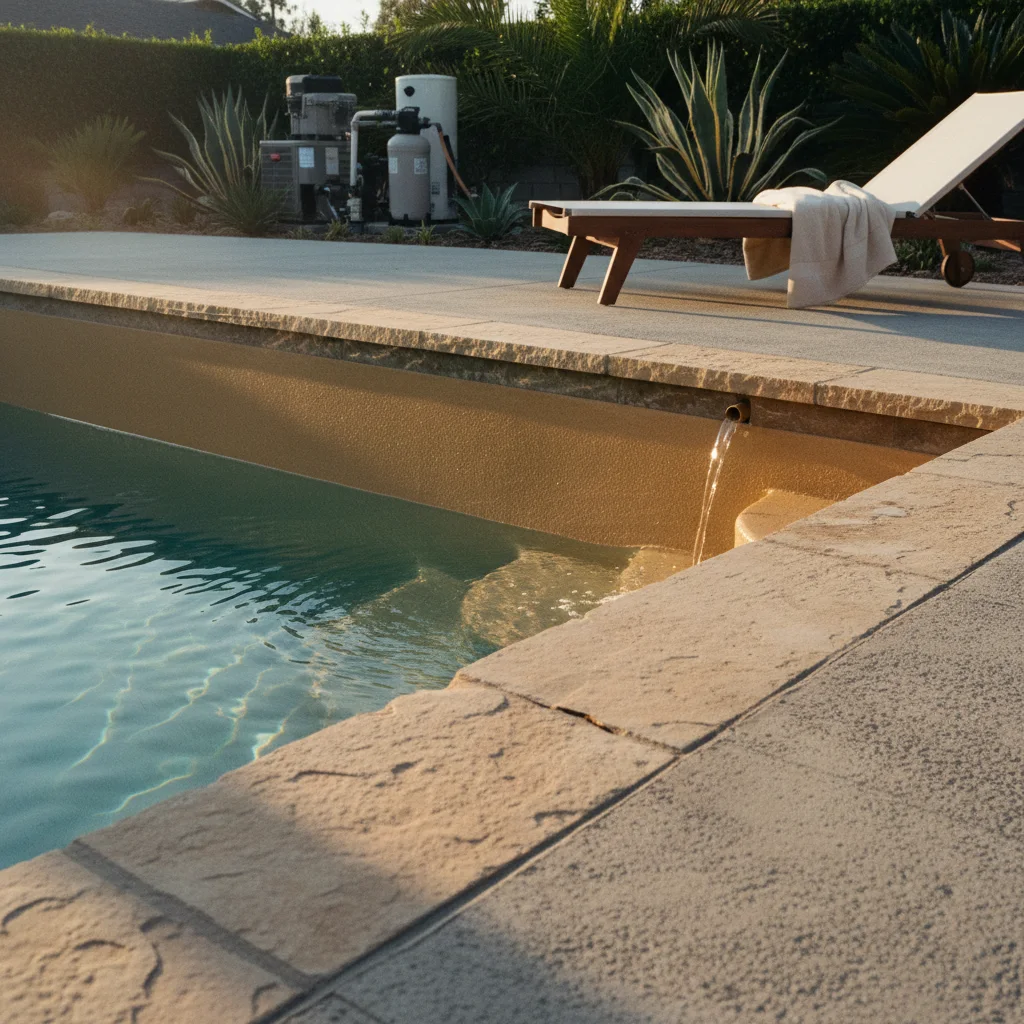
To provide a clearer picture, let's look at typical cost ranges for different levels of pool remodeling in 2026.
What is the typical cost for a minor pool refresh?
A minor refresh focuses on cosmetic improvements and essential repairs. This might include:
- Scope: Resurfacing with standard plaster, minor tile repair, new coping, and perhaps a basic equipment check.
- Estimated Cost: $10,000 to $25,000.
- Timeline: 2-4 weeks.
How much does a moderate pool renovation usually cost?
A moderate renovation combines cosmetic upgrades with functional improvements.
- Scope: Resurfacing with an aggregate finish, new deck pavers (200-400 sq ft), new coping, upgrading to a variable-speed pump, adding LED lighting, and minor landscaping.
- Estimated Cost: $25,000 to $50,000.
- Timeline: 4-8 weeks.
What's the budget for a complete pool overhaul in 2026?
A complete overhaul is akin to building a new pool within the existing footprint, often involving structural changes and extensive feature additions.
- Scope: Reshaping or deepening the pool, full tile finish, new natural stone deck (400-800 sq ft), premium coping, full automation system, new heater, multiple water features, and significant surrounding landscaping.
- Estimated Cost: $50,000 to $100,000+.
- Timeline: 8-16 weeks or more.
Beyond the Basics: Hidden Costs and Important Considerations
Ready to compare vetted project options?
Use Project Match privately when your scope is clear enough for contractor conversations.
Start Project MatchSee what your pool actually costs in 4 questions.
We pull cost ranges from invoiced California pool builder projects, then narrow them to your scope, ZIP, and finish level. No first-call sticker shock.
Open the pool cost calculatorFree. Takes under 2 minutes. No email required to see your range.
Ready to start your pool project?
Find My ProsFrequently Asked Questions
What is the average cost range for pool remodeling in 2026?
In 2026, pool remodeling costs range from $10,000 for minor refreshes to over $100,000 for complete overhauls. The average homeowner typically spends around $35,000 for a moderate renovation. The final price is determined by the project's scope and the specific materials selected for the update.
The cost spectrum for a pool remodel in 2026 is quite broad. A project at the lower end, around $10,000, might cover basic updates like new tile or plaster. A moderate renovation, averaging about $35,000, could include resurfacing, new coping, and some equipment upgrades. For a complete transformation involving structural changes or luxury finishes, expenses can easily surpass $100,000. The scope of work and material quality are the primary factors influencing the total investment.
How do pool size and type affect renovation expenses?
Pool size and type directly affect renovation expenses. Larger pools increase costs because they require more materials and labor. The pool's construction, whether fiberglass, vinyl liner, or gunite/concrete, also determines the specific renovation methods and material costs needed, which influences the final price of the project.
The renovation approach and associated expenses are dictated by the pool's construction. For example, while concrete or gunite pools offer design flexibility, they are frequently more labor-intensive to remodel compared to other types. Fiberglass and vinyl liner pools have their own specific material requirements and renovation processes that contribute to the overall cost. Ultimately, a larger pool will always command a higher budget due to the greater volume of materials and the extended labor time required for any type of renovation.
Does the extent of the remodel impact the budget significantly?
Yes, the scope of the remodel significantly impacts the budget. Minor cosmetic updates like new tile or resurfacing are less expensive. Major projects involving structural changes, depth modifications, or complex automation systems will substantially increase costs due to greater labor, engineering, and material requirements.
The scale of your project is the primary budget driver. Simpler cosmetic updates, such as resurfacing existing materials or installing new tile, are more affordable because they typically require less labor and fewer specialized materials. These projects often avoid the need for extensive engineering or complex permits.
Conversely, major renovations that involve structural changes, modifications to depth, or the integration of complex automation systems are far more expensive. Such projects demand significant investments in engineering, specialized labor, and advanced materials, which collectively increase the overall cost.
What key factors influence pool remodeling costs in 2026?
In 2026, pool remodeling costs are primarily determined by the pool's size and type, the extent of the renovation, and material choices. Your geographic location, local labor rates, and the complexity of any new features are also significant factors that will influence the final price for your project.
The final cost for a 2026 pool remodel depends on a combination of elements. For instance, a large-scale renovation involving significant changes to the pool's size or type will be more expensive than a simple resurfacing. The materials you select, from basic plaster to high-end tile, will also have a major impact on the budget.
Geographic location is another critical component, as labor rates vary considerably from one area to another. Adding complex features like waterfalls, custom lighting, or integrated spas will further increase the overall project cost due to both material and specialized labor requirements. All these variables work together to shape the final price.
How can homeowners make the most of their pool remodeling budget?
Homeowners can make the most of a pool remodeling budget by prioritizing essential upgrades and selecting materials carefully. Getting multiple quotes and clearly defining the project scope are key to managing expenses. If a complete overhaul is too costly upfront, consider breaking the project into phased renovations to spread out the cost.
To effectively control your budget, begin by obtaining several detailed quotes to compare pricing and services. A well-defined project scope prevents costly additions mid-project. When choosing materials, consider not just the initial price but also long-term durability and maintenance. For extensive remodels, a phased approach is a practical strategy. You could resurface the pool one season and then update the decking or equipment the next, making the overall expense more manageable over time.