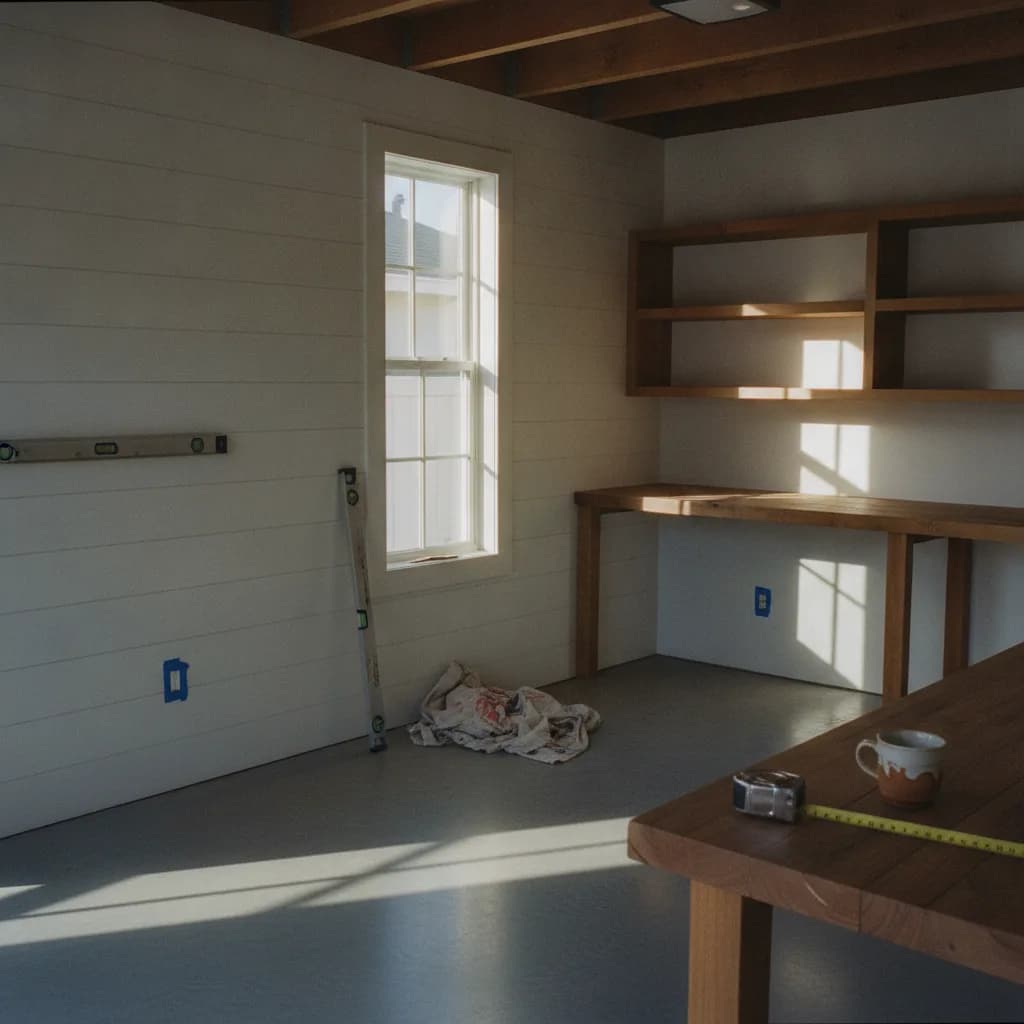
A garage conversion in Long Beach typically costs between $145,000 and $280,000 in 2026, with the city’s median project landing around $195,000. According to the latest invoiced ADU projects we collect, this range can start lower, around $110,000 for a very basic conversion with builder-grade finishes and existing, solid infrastructure. However, most Long Beach garages require significant structural and utility upgrades to become legal, habitable dwellings, pushing costs into that higher bracket. The single biggest variable is your home's proximity to the ocean, which can trigger a lengthy and expensive California Coastal Commission review.
In a Nutshell: Long Beach Garage Conversion Costs
- Total Cost Range for 2026: $145,000, $280,000
- Average Mid-Range Project: $195,000 (for a standard 400 sq. ft. two-car garage)
- Typical Timeline: 12 to 20 weeks from permit submission to final inspection.
- Biggest Surprise Line Item: Structural upgrades. Many older Long Beach garages need a new foundation slab or significant framing reinforcement to meet current seismic codes, often adding $15,000 to $25,000 unexpectedly.
What does a garage conversion actually cost in Long Beach in 2026?
The final price tag for your project depends heavily on the condition of your existing structure, the level of finishes you choose, and the complexity of your site. We've broken down the typical costs into three tiers based on real project data from Long Beach and surrounding areas.
| Tier | Cost Range | What You Get |
|---|---|---|
| Basic Conversion | $145,000, $175,000 | A studio layout in a structurally sound garage. Includes basic laminate flooring, stock cabinets, laminate countertops, standard plumbing fixtures, and compliance with Title 24 Part 6 (California Energy Code) using standard insulation and windows. Assumes simple utility connections. |
| Mid-Range Conversion | $175,000, $225,000 | The most common scenario. A one-bedroom layout with upgraded LVP flooring, semi-custom cabinets, quartz countertops, and a full kitchen appliance suite. Includes improved insulation, energy-efficient windows, a mini-split HVAC system, and potentially some exterior stucco repair and paint. This budget accommodates moderate foundation or framing repairs. |
| Premium Conversion | $225,000, $280,000+ | A high-end conversion with luxury finishes. Features custom cabinetry, stone countertops, hardwood floors, designer tile and fixtures, and premium appliances. This tier often includes creating vaulted ceilings by re-engineering the roof structure, adding large windows or bifold doors, and extensive site work like new utility trenching or landscaping. |
The bottom-of-range case, around $110k, typically applies to a garage that is already in excellent structural shape with a modern foundation and requires only minimal utility runs, a scenario we see in less than ten percent of projects.
Mid-Range Project: Where the Money Goes
- Design & Permits: 10-15%
- Foundation & Structure: 20-25%
- Utilities (Plumbing, Electrical, HVAC): 15-20%
- Exterior (Windows, Doors, Roof, Siding): 10-15%
- Interior Finishes & Appliances: 25-30%
- Contractor Overhead & Profit: 15-20% (often blended into other categories)
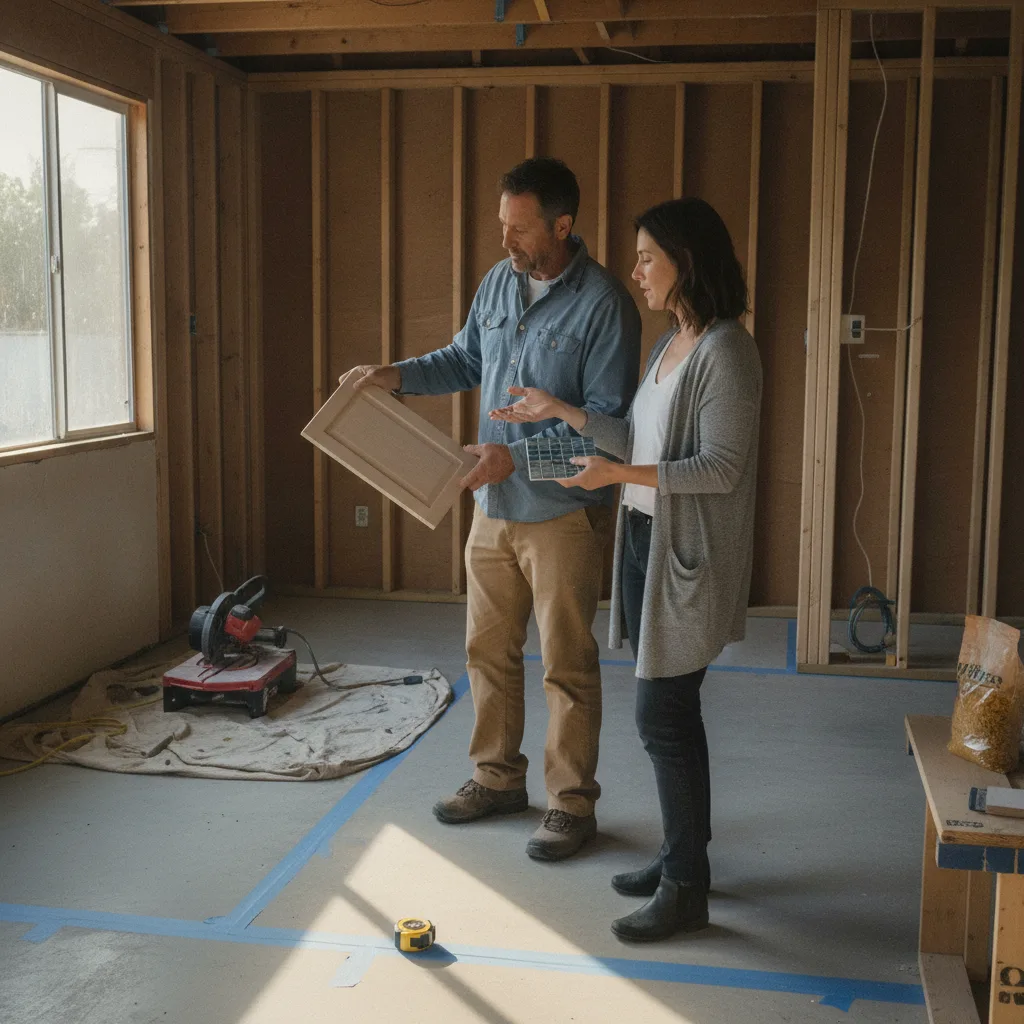
Why is a garage conversion more expensive in Long Beach than in other parts of Southern California?
While garage conversions are costly everywhere in California, Long Beach presents a unique combination of factors that drive up the price. Here are the three main reasons, in order of impact.
1. Coastal Regulations and Materials
Any property within the designated Coastal Zone faces an extra layer of scrutiny from the California Coastal Commission. This can add six to ten weeks and several thousand dollars in consultant fees to your permit timeline, even though AB 68 (the 2019 ADU shot-clock law) mandates a 60-day review from the city. Beyond permits, the marine environment itself demands more expensive materials. Contractors must use corrosion-resistant hardware, specific window types rated for salt spray, and solid waterproofing systems to prevent moisture intrusion, all of which carry a premium over inland-grade materials.
2. High Regional Labor Rates
Long Beach is part of the Los Angeles metro area, one of the most expensive labor markets in the country. According to the California Department of Industrial Relations prevailing wage data for Los Angeles County, skilled tradespeople like electricians, plumbers, and framers command top-tier wages. This isn't just about hourly rates; it's about availability. A good garage conversion contractor in Long Beach is booked months in advance, and their pricing reflects that high demand.
3. Aging Housing Stock and Neighborhood Premiums
Many of Long Beach’s charming neighborhoods, like Belmont Shore, Naples, and California Heights, are filled with homes built between the 1920s and 1960s. Their detached garages are often unreinforced masonry structures with cracked, non-engineered slabs. These pre-1985 structures almost always require a complete seismic retrofit, new foundation work, and entirely new wall framing to support insulation and drywall. This is a far cry from converting a post-1990 raised foundation garage in a newer suburb, where the core structure might be salvageable. Contractor pricing also varies by neighborhood; a project in the affluent canals of Naples will invariably be quoted higher than an identical scope of work in North Long Beach.
What do real Long Beach homeowners spend in 2026?
Ready to compare vetted project options?
Use Project Match privately when your scope is clear enough for contractor conversations.
Start Project MatchThree representative projects from 2026, scoped similarly, reconstructed from Golden Yards Magazine's invoiced project network and used here in aggregate form:
- Bixby Knolls ($210,000): The owners of a 1950s ranch house converted their 400 sq. ft. detached garage into a one-bedroom unit. The project required a full replacement of the concrete slab due to extensive cracking and a lack of vapor barrier. The contractor also had to build new interior shear walls to meet seismic requirements. The timeline was 16 weeks after permits were issued.
- Belmont Heights ($245,000): This 1930s Spanish-style home had a detached garage within the Coastal Zone. The permit process took nearly six months due to Coastal Commission review. The cost was improved by the need for all new utility trenching from the main house to the garage, plus architectural requirements to match the historic style of the main home, including a clay tile roof and specific window casings.
- Lakewood Village ($180,000): A more straightforward conversion of an attached two-car garage on a 1960s home. The foundation was in good shape, and utility runs were shorter. The main surprise was the discovery of asbestos-containing drywall tape, which required a $7,500 abatement service before work could continue. The project took 14 weeks from start to finish.
Where does the money actually go? 6 hidden line items
Your contractor's initial bid might not break out every single cost. Here are some of the most common line items that surprise homeowners during a Long Beach garage conversion:
- Long Beach Development Services Plan Check & Permit Fees: $5,000, $9,000. These are city fees paid directly to get your plans approved and your project inspected.
- Structural Engineering Plans: $4,000, $7,000. Because you are changing the use of the structure, an engineer must draw up plans to ensure the foundation, walls, and roof are up to code for a habitable space.
- Soils Report: $2,500, $4,000. Often required by the city or engineer if you are doing significant foundation work, to ensure the ground can support the structure.
- Title 24 Part 6 Energy Report: $500, $1,200. A state-mandated report that proves your new ADU meets California's energy efficiency standards for insulation, windows, and HVAC.
- Utility Connection Fees: $3,000, $8,000+. This covers the cost for the city to connect your new unit's sewer line to the main city line. It does not include the contractor's cost to trench and run the pipes from the unit to the street.
- Asbestos and Lead Paint Testing/Abatement: $1,500, $7,500+. For any home built before 1985, testing is essential. If hazardous materials are found, certified removal is required by law.
What stops a Long Beach garage conversion from running over budget?
Nearly half of all major renovations experience budget overruns. For garage conversions, the causes are usually predictable.
- Unforeseen Structural Deficiencies: The number one cause. You open up the walls and discover the original framing is rotted, the foundation is crumbling, or the structure lacks any seismic bracing. This immediately stops work and requires new plans from the engineer.
- Utility Trenching Complications: The path from the main house to the garage for water, sewer, and electricity is rarely a straight shot. Hitting dense clay soil, large tree roots, or unmarked pipes can add days of labor and equipment rental costs.
- Mid-Project Design Changes: Deciding you want to move a wall, add a window, or change the kitchen layout after construction has begun is the fastest way to increase costs. Each change creates a cascade of work for multiple trades and requires a change order, which always comes at a premium.
To guard against these issues, a contingency fund is critical. The National Association of Home Builders recommends a ten to fifteen percent contingency on renovations in homes over thirty years old. For a $195,000 project, that's an extra $19,500 to $29,250 set aside for surprises.
How much will my specific project cost?
While these numbers provide a solid baseline for Long Beach, every project is unique. To get a more personalized estimate based on your specific garage size, existing conditions, and desired level of finishes, you can use our free ADU cost calculator to model different scenarios.
What should your Long Beach contractor include in the quote?
A detailed quote is your best defense against scope creep and unexpected bills. Your contractor's proposal should be a multi-page document that includes these fourteen items at a minimum:
- A detailed scope of work describing all phases of the project.
- A statement that the contractor will pull all necessary permits from Long Beach Development Services.
- Proof of active license with the CSLB, general liability insurance, and worker's compensation insurance.
- Cost for all required engineering and energy compliance (Title 24) reports.
- Specifics on foundation work, including slab repair or replacement and waterproofing.
- Framing details, including seismic retrofitting and shear wall installation.
- Scope of all new plumbing, including trenching, sewer connection, and all fixtures.
- Scope of all new electrical, including a new subpanel, wiring, outlets, switches, and lighting fixtures.
- HVAC system specifications (e.g., brand and size of mini-split).
- Insulation R-values for walls and ceiling.
- Allowances for finishes (e.g., a per-square-foot budget for flooring and tile).
- A clear payment schedule tied to project milestones.
- A projected timeline with a start and end date.
- For a full breakdown of the city's requirements, see our Long Beach Garage Conversion Permit Playbook.
Sources & Methodology
See the Golden Yards Methodology for how sources are reviewed, ranges are normalized, and planning-data limits are handled.
Cost ranges in this guide draw on the following named industry sources, public agency datasets, and Golden Yards Magazine editorial research.
- Long Beach Development Services, Permit Fee Schedule (2026)
- California Department of Industrial Relations, Prevailing Wage Determinations (Los Angeles County) (2026)
- National Association of Home Builders (NAHB), Remodeling Market Index (Q1 2026)
- California Contractors State License Board (CSLB), Licensee Survey Data (2025)
- California Coastal Commission, Permit Handbook (2025)
- Golden Yards Magazine, Editorial Methodology & Invoiced Project Data (2026)
Golden Yards Magazine Take
The most common mistake we see homeowners make in Long Beach is fundamentally underestimating the "conversion" aspect of the project. They see four walls and a roof and think it's an 80% complete structure. The reality is that a garage is a non-habitable outbuilding. Turning it into a legal, safe, and energy-efficient dwelling that meets modern California code is less of a renovation and more of a new build inside an existing shell. The budget and timeline are not driven by adding finishes; they are driven by the non-negotiable structural and utility upgrades required to transform a car shelter into a human shelter. Acknowledge this from day one, and you'll be prepared for the true scope and cost of the work.
Ready to start your garage conversion project?
Find My ProsFrequently Asked Questions
How long does a garage conversion permit take in Long Beach?
A garage conversion permit in Long Beach should take 60 days for city review under state law, but the realistic timeline is three to five months. This longer duration accounts for initial plan check corrections and potential review by the California Coastal Commission for properties near the coast, which adds a separate, lengthy process. While California's AB 68 mandates a 60-day "shot clock" for municipalities to approve or deny ADU applications, this clock can be paused if the city's plan checker requests corrections or additional information, which is common. For many Long Beach properties, especially in areas like Belmont Shore or Naples, the project falls within the Coastal Zone. This triggers a separate review process that can easily add another six to ten weeks on top of the city's timeline, making a quick approval unlikely.
Do I have to add parking to replace the converted garage?
No, you do not need to replace the parking spaces lost when you convert a garage into an ADU in Long Beach. California state law, specifically AB 68, explicitly prohibits municipalities from requiring replacement off-street parking for an ADU created through the conversion of an existing structure, regardless of where you live. This rule applies statewide and was designed to remove a major barrier to ADU construction. Previously, the requirement to build a new carport or find other off-street parking made many garage conversion projects financially unfeasible. This protection applies even if you are converting both a garage and a carport, and it also applies if your property is located within a half-mile of public transit.
What are the most common structural problems with Long Beach garages?
The most common structural issues in older Long Beach garages are cracked or non-existent foundations and unreinforced masonry walls. Many garages built before 1970 have thin, unreinforced concrete slabs poured directly on the ground, which don't meet modern standards for habitable spaces and must be replaced. These old slabs often lack a vapor barrier, leading to moisture problems. The walls, particularly in pre-1960s structures, are frequently single-wythe brick or block with no steel rebar, offering little resistance to seismic activity. A conversion project will almost always require an engineer to design new footings, a modern reinforced slab, and new wood-framed shear walls to ensure the building is safe and up to current earthquake codes.
Can I legally rent out my garage conversion in Long Beach?
Yes, you can legally rent out a permitted garage conversion in Long Beach for periods of 30 days or more. However, the City of Long Beach has specific ordinances that prohibit the use of ADUs, including garage conversions, as short-term rentals (like Airbnb) in most residential zones. To be a legal long-term rental, the unit must have been built with all the required permits from Long Beach Development Services and have passed all its final inspections. This ensures it meets health and safety codes for a habitable dwelling. Attempting to rent an unpermitted unit can result in significant fines and an order to remove the unpermitted work. Always confirm the latest regulations with the city before listing your unit for rent.
Does a garage conversion add value to my Long Beach home?
Yes, a permitted garage conversion almost always adds significant value to a Long Beach home, often more than its cost. The value comes from two sources: the added square footage to your property's total living area and the potential for monthly rental income, which is very attractive to buyers in a high-demand rental market like Long Beach. While the return on investment varies, a well-executed ADU can provide a cap rate of 5-8% from rental income alone. In terms of resale value, appraisers are increasingly recognizing the value of a legal, rentable second unit. While a project costing $200,000 may not add exactly $200,000 to the home's sale price immediately, the combination of equity increase and income potential makes it one of the most financially sound home improvement projects.