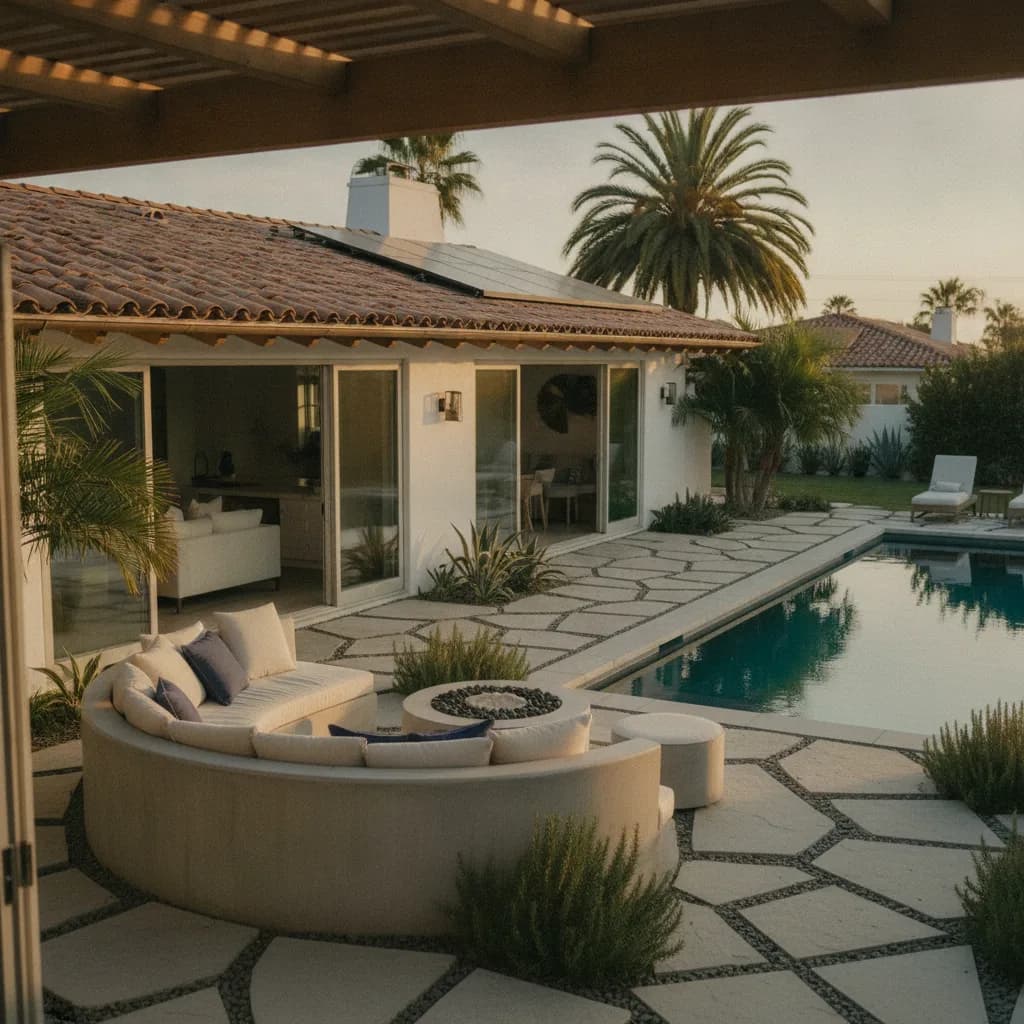
For Santa Monica homeowners, selecting the right roof goes far beyond aesthetics. The unique coastal climate, with its salt-laden air and consistent humidity, presents specific challenges and opportunities that demand a tailored approach to roofing in 2026. This comprehensive guide will help you understand the critical factors, from material selection to local regulations and typical costs, ensuring your roofing project is a lasting success.
How Does Santa Monica's Coastal Climate Impact Your Roof?
Santa Monica's proximity to the Pacific Ocean significantly influences the lifespan and performance of your roofing system. The constant exposure to salt air and marine layer means certain materials and components require extra consideration to ensure longevity and prevent premature wear.
Coastal exposure can increase maintenance needs for metals, fixtures, and some finish materials on your roof. This means that while a standard asphalt shingle might perform adequately inland, its lifespan could be shortened by the corrosive effects of the ocean air here in Santa Monica. Homeowners should anticipate more frequent inspections and potentially specialized cleaning regimens to combat salt buildup and mildew.
Furthermore, the high humidity levels, especially during the morning marine layer, can foster mold and algae growth on roofing surfaces if not properly managed. Selecting materials with inherent resistance to biological growth or incorporating preventative treatments is crucial. Considering these factors early in your planning prevents costly issues down the line.
What Roofing Materials Are Best Suited for Santa Monica's Climate?
Choosing the right material is paramount for a durable and low-maintenance roof in Santa Monica. While many options exist, those offering superior resistance to moisture, UV, and salt air are generally preferred by local homeowners.
Asphalt Shingles: High-quality architectural asphalt shingles remain a popular and cost-effective choice. Opt for shingles with algae-resistant granules and a strong warranty against wind uplift, as Santa Monica can experience occasional strong breezes. Their versatility makes them suitable for many home styles, from Craftsman bungalows to modern residences. Expect costs for a quality architectural shingle roof in Santa Monica to range from $15,000 to $35,000 for an average-sized home, depending on roof complexity and chosen shingle grade.
Tile Roofing (Clay/Concrete): A classic Southern California look, tile roofs are exceptionally durable and resistant to fire, rot, and insects. Clay tiles, in particular, offer excellent salt-air durability and can last 50 years or more. Concrete tiles provide a more budget-friendly alternative with similar benefits. For Santa Monica, tile roofing costs typically fall between $30,000 and $70,000, reflecting the material's longevity and installation complexity. This option often aligns with premium-lot expectations, pushing projects toward higher-quality finishes and design-forward hardscape detailing, which includes the roof.
Metal Roofing: Standing seam metal roofs, especially those made from aluminum or treated steel, are an excellent choice for coastal environments due to their exceptional durability and resistance to corrosion. They are lightweight, energy-efficient, and can last 40-70 years. While the upfront cost is higher, ranging from $40,000 to $90,000 in Santa Monica, their longevity and minimal maintenance often justify the investment. Salt-air durability should be considered early for lighting, railings, and outdoor kitchen hardware, and this principle extends to the fasteners and flashing used in metal roofing systems.
Wood Shakes/Shingles: While aesthetically pleasing, wood roofs require significant maintenance in humid coastal areas and have higher fire risks. They are less common in Santa Monica today due to these factors and stricter building codes. If considering wood, ensure it's treated for fire resistance and expect more frequent upkeep.
What Are Santa Monica's Roofing Permit Requirements and Timelines?
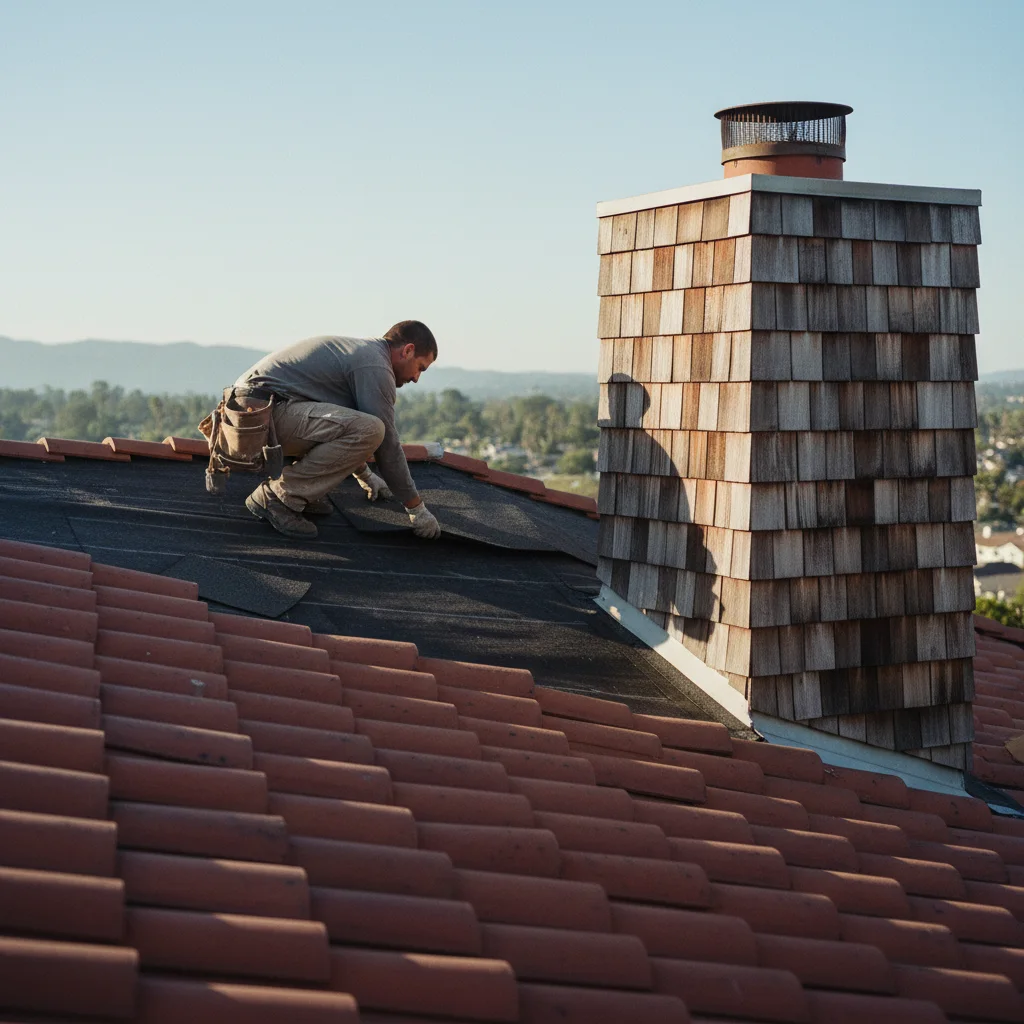
Navigating local permitting is a crucial step for any significant home improvement in Santa Monica. For roofing projects, the City of Santa Monica Department of Building and Safety oversees regulations to ensure safety and compliance.
Most re-roofing projects that involve removing existing layers and installing new sheathing or structural changes will require a permit. Simple re-roofs, where new material is laid over existing, may still require a permit to ensure compliance with weight limits and current building codes, especially if adding a second layer. Always check with the City of Santa Monica's Building and Safety Division before starting work.
The typical timeline for obtaining a roofing permit in Santa Monica can range from 2 to 4 weeks for straightforward projects. However, permitting can be longer for structural changes, especially when combined with utility scope expansions, such as adding solar panels or new HVAC units that affect roof loading. It's advisable to factor in a buffer period for permit processing, particularly if your project involves more than a simple like-for-like replacement. Engaging a contractor familiar with Santa Monica's specific permit processes can significantly streamline this phase.
What Are Typical Roofing Costs in Santa Monica for 2026?
Ready to compare vetted project options?
Use Project Match privately when your scope is clear enough for contractor conversations.
Start Project MatchSee what your roof replacement actually costs in 4 questions.
We pull cost ranges from invoiced California roofer projects, then narrow them to your scope, ZIP, and finish level. No first-call sticker shock.
Find a vetted rooferFree. Takes under 2 minutes. No email required to see your range.
Roofing costs in Santa Monica in 2026 are influenced by material choice, roof size and complexity, labor rates, and permit fees. While we've touched on material costs, here's a more comprehensive breakdown of what homeowners can expect.
For an average 1,500-2,000 sq ft home in Santa Monica, a complete roof replacement can range from $15,000 to $90,000+. This wide range reflects the significant difference between, for example, a basic architectural asphalt shingle roof and a premium clay tile or standing seam metal system.
Asphalt Shingles: $15,000 - $35,000 Concrete Tile: $25,000 - $55,000 Clay Tile: $30,000 - $70,000 Metal Roofing (Standing Seam): $40,000 - $90,000+
These figures include materials, labor, tear-off and disposal of old roofing, and standard permit fees. Additional costs can arise from extensive dry rot repair, structural reinforcement, or complex rooflines with many valleys and dormers. Homeowners should always obtain at least three detailed quotes from licensed and insured Santa Monica roofing contractors to compare pricing and scope of work. For more on local project budgeting, explore our guide on Santa Monica Room Addition Permits & HOA: Your 2026 Coastal Guide.
How Do HOAs and Neighborhood Context Affect Roofing in Santa Monica?
Many Santa Monica neighborhoods, particularly those with a strong architectural identity or within planned communities, have Homeowners Associations (HOAs) that impose specific roofing requirements. These regulations can dictate everything from material type and color to roof pitch and overall aesthetic.
Even in areas without formal HOAs, the neighborhood context and premium-lot expectations often push projects toward higher-quality finishes and design-forward hardscape detailing, which naturally extends to roofing choices. A roof that complements the architectural style of your home and the surrounding properties can significantly enhance curb appeal and property value.
Before finalizing any roofing plans, homeowners in HOA-governed communities must consult their association's Covenants, Conditions, and Restrictions (CC&Rs). Failure to do so can result in project delays, fines, or even forced removal and replacement of non-compliant roofing. This local constraint is as important as city permits. For example, some HOAs might only permit specific tile colors or require a certain fire-resistant rating, impacting your material choices and overall project budget.
What Maintenance Tips Ensure Your Santa Monica Roof Lasts?
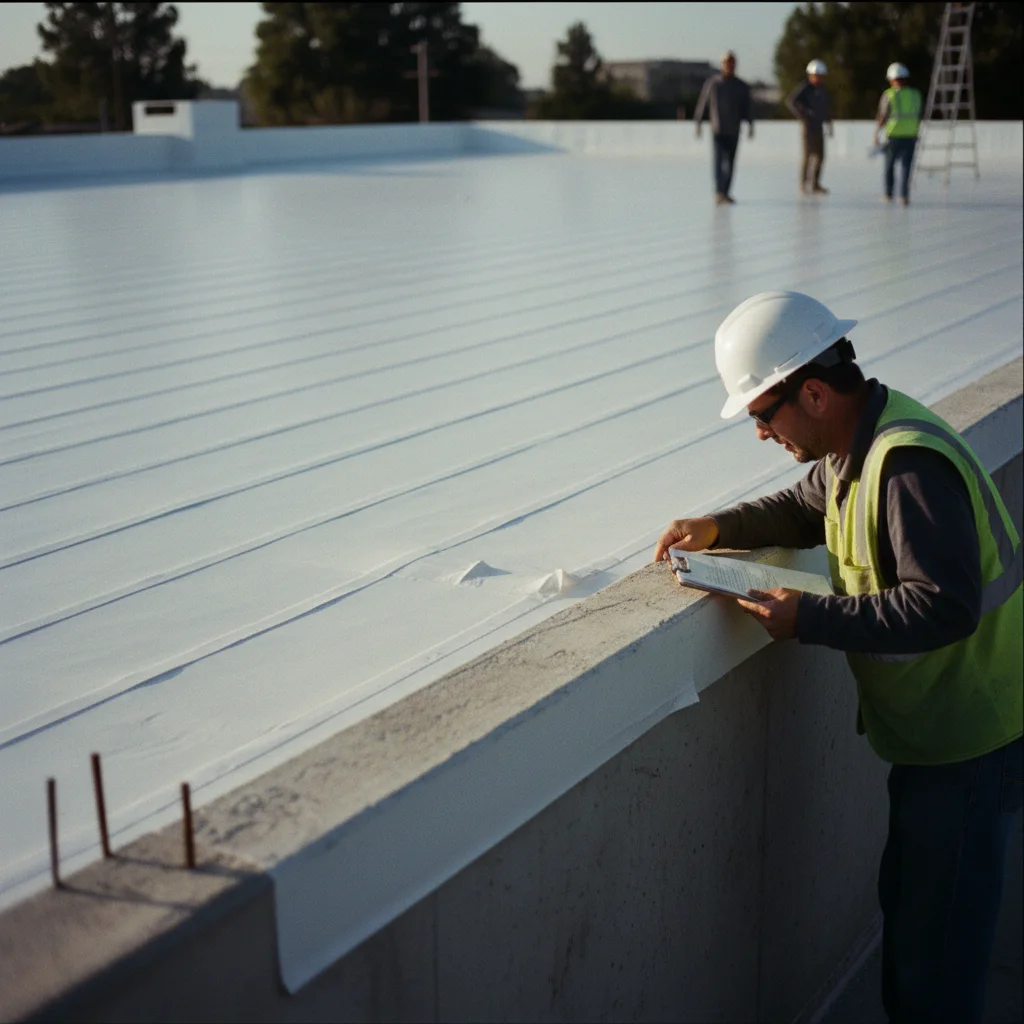
Proactive maintenance is key to maximizing the lifespan of your Santa Monica roof, especially given the coastal environment. Regular care can prevent minor issues from escalating into costly repairs.
Annual Inspections: Schedule professional roof inspections at least once a year, ideally after the rainy season. Inspectors can identify loose or damaged shingles, compromised flashing, and areas of potential water intrusion. Early detection of issues like salt corrosion on metal components or early signs of mildew growth is critical.
Gutter Cleaning: Keep gutters and downspouts clear of debris. Clogged gutters can lead to water pooling on the roof, causing rot, leaks, and accelerated wear. This is especially important near mature trees, where falling leaves and needles can quickly accumulate.
Moss and Algae Control: The humid Santa Monica climate is conducive to moss and algae growth. While some materials are algae-resistant, regular cleaning with appropriate, roof-safe solutions can prevent buildup that retains moisture and degrades roofing materials. Always use methods approved for your specific roofing type to avoid damage.
Tree Trimming: Trim overhanging branches to prevent them from scraping against the roof, which can damage shingles and deposit leaves and debris. Proper landscape design that balances shade, privacy, and low-water planting is typically favored by homeowners, but it's crucial that trees are maintained to protect the roof from physical damage and excessive shade that promotes moisture retention.
Conclusion
Get 3 roofer bids in 48 hours.
Our editors already screened California roofers. Answer 4 questions; we send 3 written bids inside 48 hours, with the real price for your scope, not their inflated first-call number.
Send my 3 bidsFree. No commission. If a match doesn't fit, we'll send another.
Investing in a new roof for your Santa Monica home is a significant decision that impacts your property's protection, aesthetics, and value. By carefully considering the unique coastal climate, understanding local permit requirements, budgeting for realistic costs, and selecting durable materials, you can ensure your roofing project is a success. Partner with experienced local professionals who understand Santa Monica's specific challenges and regulations to safeguard your investment for decades to come. Ready to start planning your resilient Santa Monica roof? Contact Golden Yards for expert local contractor recommendations and project guidance.
FAQ: Roofing and Climate Considerations in Santa Monica
Q: How often should I inspect my roof in Santa Monica?
A: Given Santa Monica's coastal climate, it's recommended to have your roof professionally inspected at least once a year, ideally after the winter rainy season. This helps identify and address any issues caused by moisture, salt air, or debris before they become major problems.
Q: Do I need a permit for a roof repair in Santa Monica?
A: Minor roof repairs, such as replacing a few shingles, typically do not require a permit. However, any significant repair or replacement that involves removing existing layers, structural changes, or altering the roof's footprint will likely require a permit from the City of Santa Monica Department of Building and Safety. Always verify with the city or your contractor.
Q: What is the average lifespan of a roof in Santa Monica's coastal climate?
A: The lifespan varies significantly by material. High-quality architectural asphalt shingles might last 20-30 years, concrete tiles 30-50 years, and clay tiles or metal roofs 50-70 years or more. Coastal exposure can slightly reduce these lifespans if materials are not specifically chosen for salt-air durability or if maintenance is neglected.
Q: Are there specific HOA rules for roofing in Santa Monica?
A: Yes, many neighborhoods in Santa Monica with Homeowners Associations (HOAs) have specific rules regarding roofing materials, colors, and styles. It is crucial to consult your HOA's Covenants, Conditions, and Restrictions (CC&Rs) before planning any roofing project to ensure compliance and avoid potential issues.
Q: How does salt air affect metal roofing in Santa Monica?
A: Salt air can accelerate corrosion on certain metals. For metal roofing in Santa Monica, it's vital to choose materials like aluminum, zinc, or specially coated steel (e.g., Kynar-finished steel) that are highly resistant to salt corrosion. Fasteners and flashing should also be made from corrosion-resistant materials to ensure the system's longevity.
Frequently Asked Questions
How often should I inspect my roof in Santa Monica?
A: Given Santa Monica's coastal climate, it's recommended to have your roof professionally inspected at least once a year, ideally after the winter rainy season. This helps identify and address any issues caused by moisture, salt air, or debris before they become major problems.
Do I need a permit for a roof repair in Santa Monica?
A: Minor roof repairs, such as replacing a few shingles, typically do not require a permit. However, any significant repair or replacement that involves removing existing layers, structural changes, or altering the roof's footprint will likely require a permit from the City of Santa Monica Department of Building and Safety. Always verify with the city or your contractor.
What is the average lifespan of a roof in Santa Monica's coastal climate?
A: The lifespan varies significantly by material. High-quality architectural asphalt shingles might last 20-30 years, concrete tiles 30-50 years, and clay tiles or metal roofs 50-70 years or more. Coastal exposure can slightly reduce these lifespans if materials are not specifically chosen for salt-air durability or if maintenance is neglected.
Are there specific HOA rules for roofing in Santa Monica?
A: Yes, many neighborhoods in Santa Monica with Homeowners Associations (HOAs) have specific rules regarding roofing materials, colors, and styles. It is crucial to consult your HOA's Covenants, Conditions, and Restrictions (CC&Rs) before planning any roofing project to ensure compliance and avoid potential issues.
How does salt air affect metal roofing in Santa Monica?
A: Salt air can accelerate corrosion on certain metals. For metal roofing in Santa Monica, it's vital to choose materials like aluminum, zinc, or specially coated steel (e.g., Kynar-finished steel) that are highly resistant to salt corrosion. Fasteners and flashing should also be made from corrosion-resistant materials to ensure the system's longevity.
Ready to start your roofing project?
Find My ProsFrequently Asked Questions
How often should I inspect my roof in Santa Monica?
<strong>A:</strong> Given Santa Monica's coastal climate, it's recommended to have your roof professionally inspected at least once a year, ideally after the winter rainy season. This helps identify and address any issues caused by moisture, salt air, or debris before they become major problems.
Do I need a permit for a roof repair in Santa Monica?
<strong>A:</strong> Minor roof repairs, such as replacing a few shingles, typically do not require a permit. However, any significant repair or replacement that involves removing existing layers, structural changes, or altering the roof's footprint will likely require a permit from the City of Santa Monica Department of Building and Safety. Always verify with the city or your contractor.
What is the average lifespan of a roof in Santa Monica's coastal climate?
<strong>A:</strong> The lifespan varies significantly by material. High-quality architectural asphalt shingles might last 20-30 years, concrete tiles 30-50 years, and clay tiles or metal roofs 50-70 years or more. Coastal exposure can slightly reduce these lifespans if materials are not specifically chosen for salt-air durability or if maintenance is neglected.
Are there specific HOA rules for roofing in Santa Monica?
<strong>A:</strong> Yes, many neighborhoods in Santa Monica with Homeowners Associations (HOAs) have specific rules regarding roofing materials, colors, and styles. It is crucial to consult your HOA's Covenants, Conditions, and Restrictions (CC&Rs) before planning any roofing project to ensure compliance and avoid potential issues.
How does salt air affect metal roofing in Santa Monica?
<strong>A:</strong> Salt air can accelerate corrosion on certain metals. For metal roofing in Santa Monica, it's vital to choose materials like aluminum, zinc, or specially coated steel (e.g., Kynar-finished steel) that are highly resistant to salt corrosion. Fasteners and flashing should also be made from corrosion-resistant materials to ensure the system's longevity.