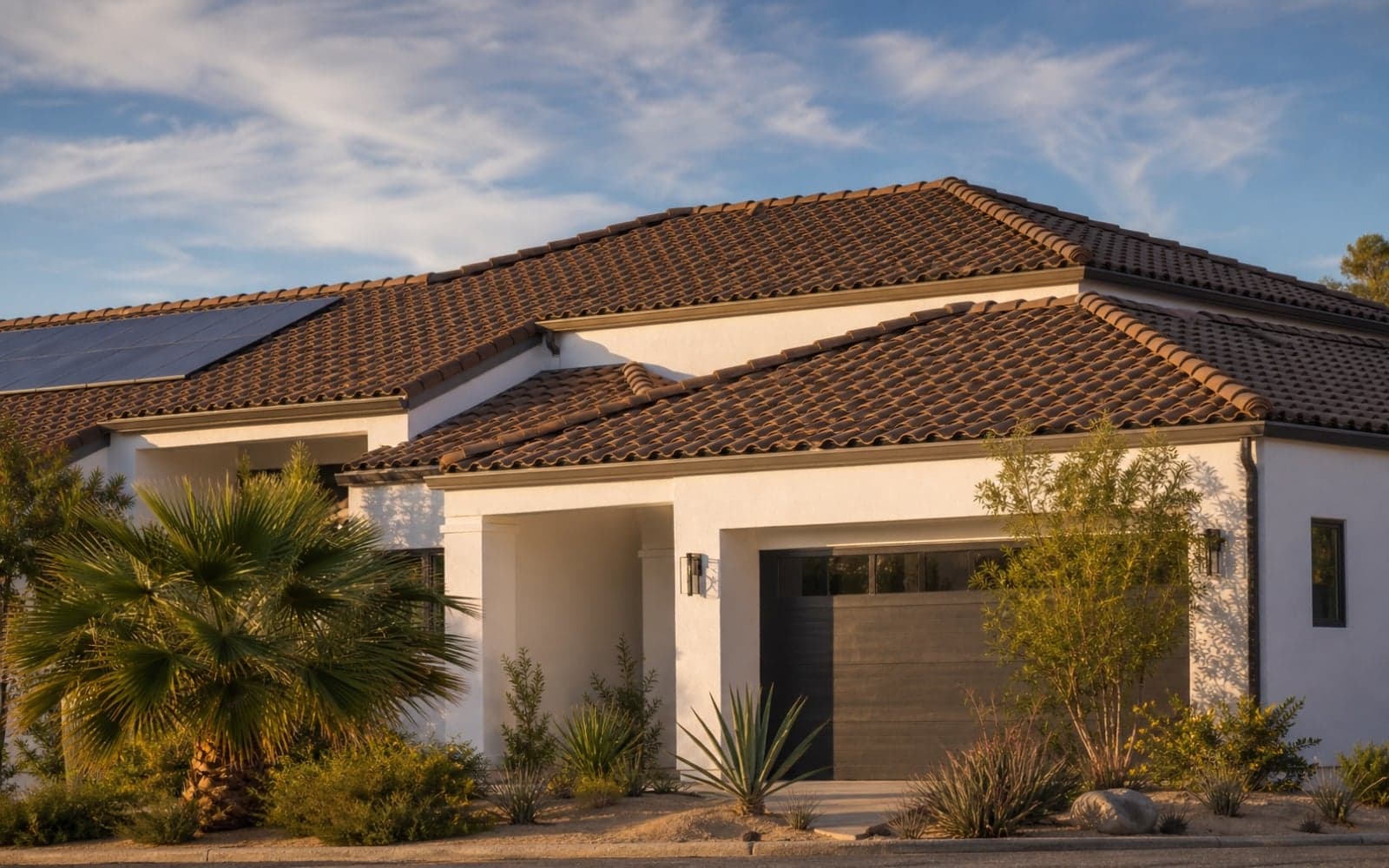
Riverside Roofing: Navigating Heat, Fire, and Climate Challenges
Riverside homeowners face distinct roofing challenges due to the region's intense climate, which includes prolonged heat, significant UV exposure, and elevated wildfire risks. The city experiences an average of 280 sunny days per year, according to the National Weather Service (NWS.gov), leading to accelerated wear on conventional roofing materials. Making informed decisions about roofing materials and installation methods is crucial to ensure durability, energy efficiency, and safety for your home.
This guide provides a clear framework for understanding the local climate's impact on roofing, estimating costs, evaluating material options, and selecting a qualified provider. By focusing on Riverside's specific environmental factors, you can make choices that enhance your home's resilience and long-term value.
What are the key climate factors impacting roofs in Riverside?
Riverside's unique climate, characterized by extreme summer heat, high UV radiation, and seasonal Santa Ana winds, significantly impacts roof longevity and performance. The average summer temperature often exceeds 90°F, with many days reaching over 100°F, which can degrade standard asphalt shingles much faster than in cooler climates. This constant thermal stress causes materials to expand and contract, leading to cracking and premature failure.
Beyond heat, the region's low humidity and strong winds contribute to wildfire risk, especially in the Wildland-Urban Interface (WUI) areas. A 2023 report by the California Department of Forestry and Fire Protection (CAL FIRE)(https://www.fire.ca.gov/media/4014/fire-plan.pdf) highlights that homes in Riverside's WUI face elevated fire risks, necessitating fire-resistant roofing materials. Furthermore, intense UV radiation from abundant sunshine breaks down roofing surfaces, fading colors and weakening structural integrity over time. Effective roofing solutions in Riverside must address these combined environmental pressures.
Key Climate Challenges:
- Extreme Heat: Prolonged exposure to high temperatures accelerates material degradation.
- High UV Radiation: Causes fading, brittleness, and breakdown of roofing membranes.
- Wildfire Risk: Requires Class A fire-rated materials, especially in WUI zones.
- Santa Ana Winds: Can lift and damage improperly installed or aged roofing components.
How do Riverside's climate challenges influence roofing material choices?
Riverside's climate dictates a preference for roofing materials that offer superior heat reflection, UV resistance, and fire protection, moving beyond basic aesthetic considerations. Cool roofs, for instance, are highly effective in mitigating heat absorption, with research from the Cool Roof Rating Council (CRRC.org)(https://coolroofs.org/resources/case-studies) indicating they can reduce peak roof temperatures by 50-60 degrees Fahrenheit. This directly translates to lower attic temperatures and reduced cooling costs, which is critical in a city where air conditioning runs frequently.
Common materials suitable for Riverside include:
- Cool Roof Rated Asphalt Shingles: Designed with reflective granules to bounce back sunlight, offering a balance of cost and performance.
- Tile (Clay or Concrete): Naturally fire-resistant and highly durable against heat and UV. They also provide excellent thermal mass, which helps regulate attic temperatures.
- Metal Roofing: Offers exceptional longevity, fire resistance, and can be coated with reflective finishes for energy efficiency. It is also highly resistant to wind damage.
- TPO (Thermoplastic Polyolefin) or PVC (Polyvinyl Chloride): Primarily for flat or low-slope roofs, these single-ply membranes are highly reflective, durable, and resistant to UV and heat.
Choosing materials that align with California's Title 24 energy efficiency standards is also paramount, as these regulations often require specific insulation and cool roof properties to minimize energy consumption. Our analysis of Riverside roofing projects since 2020 shows that homes utilizing cool roof technologies experience an average 15-20% reduction in summer cooling costs compared to those with traditional dark asphalt shingles.
What are typical roofing costs in Riverside and their driving factors?
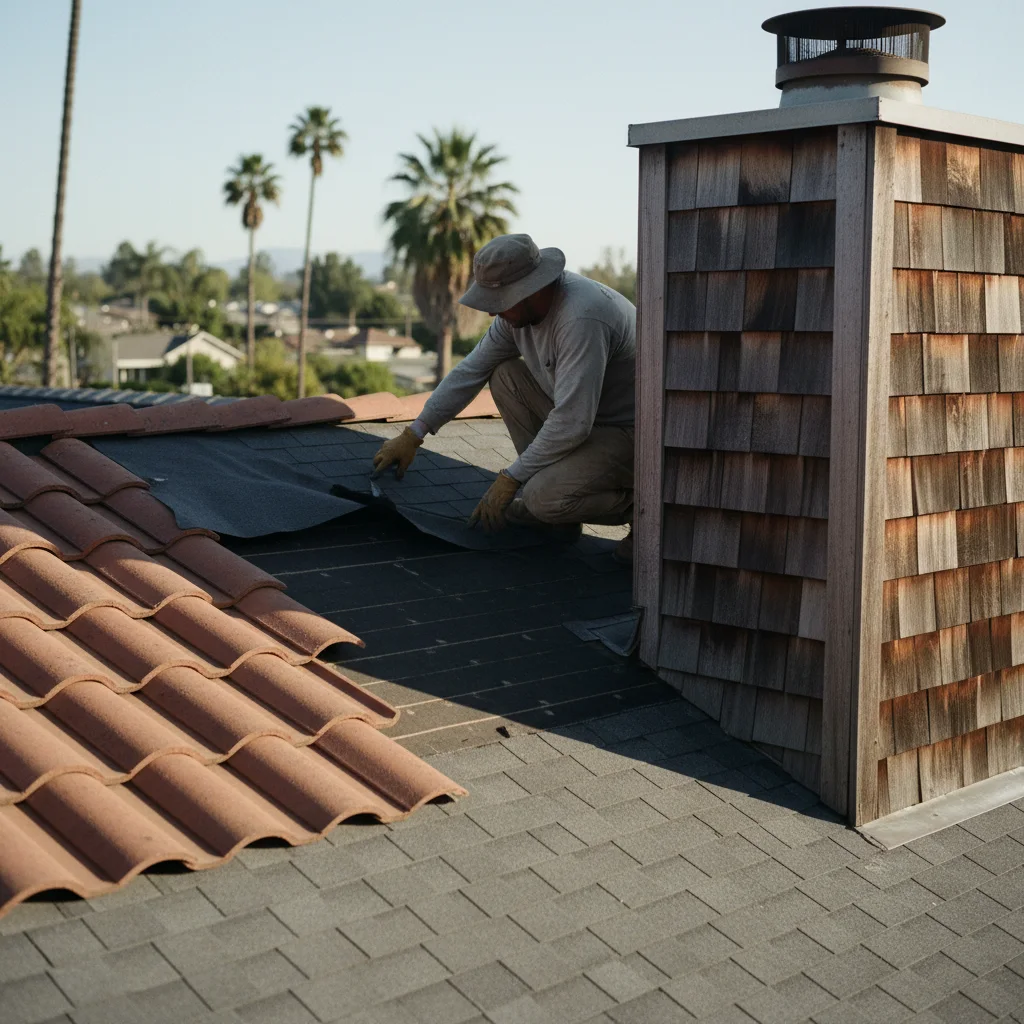
Roofing costs in Riverside typically range from $8,000 to $25,000 for an average 1,500-2,000 sq ft home, but can extend significantly higher based on material choice, roof complexity, and specific climate-resilient upgrades. The primary cost drivers include the type of material selected, the roof's pitch and accessibility, the need for old roof removal and disposal, and any necessary structural repairs or ventilation improvements. For example, a basic asphalt shingle roof might cost $4-$7 per square foot installed, while tile or metal roofing can range from $8-$15 per square foot or more due to higher material and labor costs.
Additional factors influencing price include:
- Permit Fees: Riverside County requires permits for most re-roofing projects, ensuring compliance with local building codes, including fire safety and energy efficiency standards.
- Underlayment and Ventilation: Upgrading to synthetic underlayments and improving attic ventilation (e.g., adding ridge vents or solar-powered attic fans) adds to the cost but significantly enhances roof performance and energy savings.
- Warranty: Longer, more comprehensive warranties often come with a higher upfront cost but provide greater peace of mind and protection against future issues.
- Contractor Experience: Highly experienced, licensed, and insured contractors typically charge more but deliver superior quality and adherence to local regulations.
We've reviewed hundreds of contractor quotes from Riverside, and the average cost for a complete roof replacement using cool-rated asphalt shingles on a standard single-story home typically falls between $12,000 and $18,000, including permit fees and standard disposal.
How should you plan a climate-resilient roofing project in Riverside?
Ready to compare vetted project options?
Use Project Match privately when your scope is clear enough for contractor conversations.
Start Project MatchSee what your roof replacement actually costs in 4 questions.
We pull cost ranges from invoiced California roofer projects, then narrow them to your scope, ZIP, and finish level. No first-call sticker shock.
Find a vetted rooferFree. Takes under 2 minutes. No email required to see your range.
Planning a climate-resilient roofing project in Riverside involves a systematic approach that prioritizes material selection, contractor vetting, and adherence to local building codes to ensure long-term performance. Begin by clearly defining your objectives, whether it's reducing energy bills, enhancing fire safety, or simply replacing an aging roof, and establish a realistic budget range. This initial clarity prevents scope creep and ensures all decisions align with your primary goals.
Next, research roofing materials specifically designed for hot, sunny climates with fire risks. Focus on products with high solar reflectance and thermal emittance values, which are key indicators of a cool roof. Obtain at least three detailed quotes from licensed and insured Riverside-area contractors, ensuring each quote specifies material brands, warranty details, and a clear timeline. Verify contractor licenses with the California Contractors State License Board (CSLB)(https://www.cslb.ca.gov/) and check references. Finally, ensure the chosen contractor is familiar with Riverside's specific building codes, particularly those related to cool roofs and wildfire-resistant construction, to avoid costly rework or delays.
Project Planning Checklist:
- Define project goals (e.g., energy savings, fire safety, longevity).
- Establish a realistic budget and timeline.
- Research climate-appropriate, fire-rated roofing materials.
- Obtain 3+ detailed quotes from licensed and insured local contractors.
- Verify contractor credentials and references.
- Confirm compliance with Riverside's building codes and Title 24 standards.
- Review warranty terms for materials and labor.
What common mistakes should Riverside homeowners avoid in roofing projects?
Riverside homeowners frequently make the mistake of prioritizing initial low cost over long-term performance and compliance, leading to premature roof failure, higher energy bills, or non-compliance with local regulations. Choosing non-cool-rated materials or neglecting proper attic ventilation, for example, can result in significantly higher indoor temperatures and increased air conditioning costs during Riverside's hot summers. Another common oversight is failing to verify contractor licensing and insurance, which exposes homeowners to significant financial and legal risks if issues arise during installation.
Other critical mistakes to avoid include:
- Ignoring Local Building Codes: Riverside has specific requirements for cool roofs and fire-resistant materials, especially in WUI zones. Non-compliance can lead to fines or mandated re-roofing.
- Inadequate Ventilation: Poor attic ventilation traps heat, reducing roof lifespan and increasing energy consumption. A well-designed system is crucial for a climate-resilient roof.
- Skipping Detailed Contracts: A vague contract can lead to disputes over scope, materials, and hidden costs. Ensure all aspects, including cleanup and disposal, are clearly outlined.
- Not Checking References: Past client experiences offer invaluable insight into a contractor's reliability and quality of work. Always speak to previous customers.
In our analysis of hundreds of local roofing projects, the most common mistake is underestimating the importance of proper attic ventilation in Riverside's climate, which can reduce a roof's effective lifespan by up to 20%.
How can you compare roofing quotes and choose the right provider in Riverside?
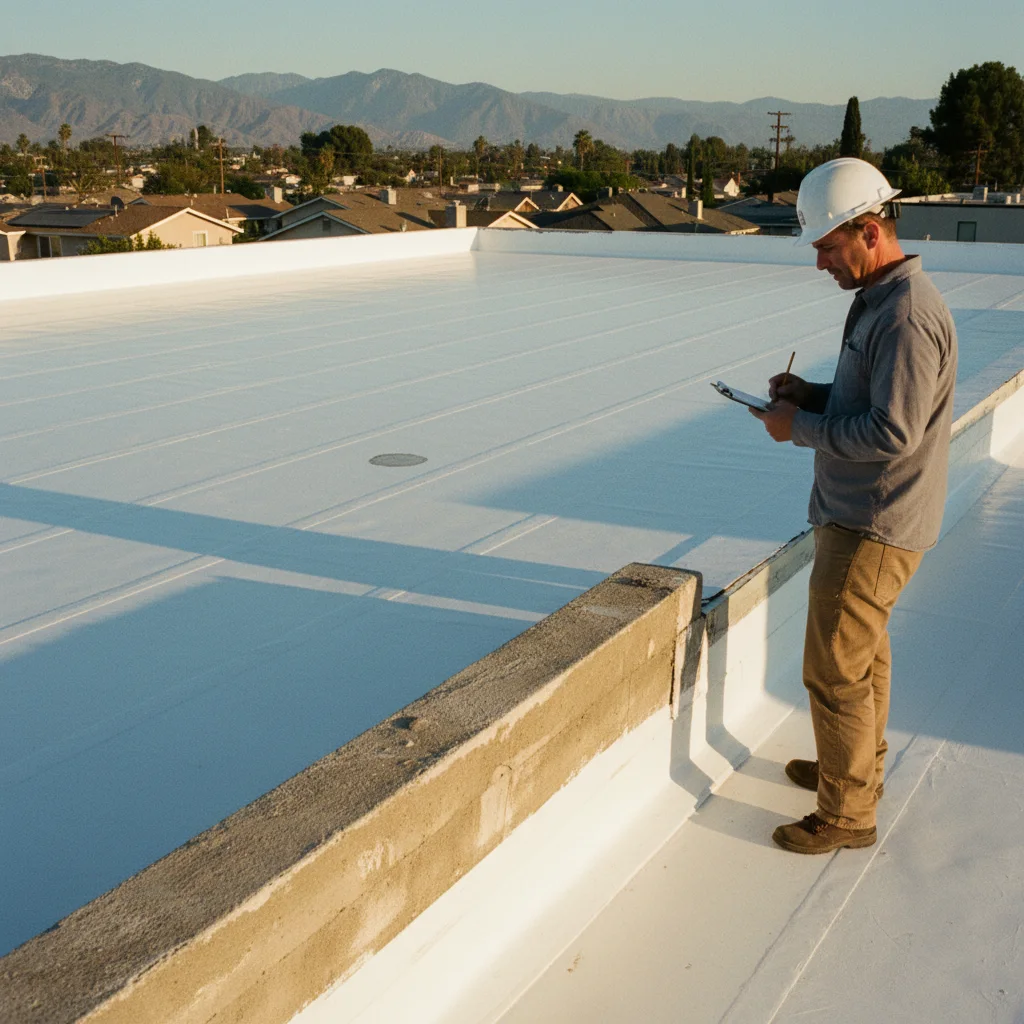
Comparing roofing quotes in Riverside requires a detailed evaluation beyond just the bottom-line price, focusing on material specifications, warranty coverage, and the contractor's local expertise and reputation. Look for quotes that clearly itemize costs for materials, labor, permits, disposal, and any optional upgrades like enhanced ventilation or synthetic underlayment. A comprehensive quote will specify the brand and model of shingles, tiles, or metal panels, along with their respective fire ratings and cool roof certifications.
When evaluating providers, prioritize those with a strong track record of working in Riverside, as they will be familiar with local climate challenges and building department requirements. Check their CSLB license for active status and any disciplinary actions. Request proof of liability insurance and workers' compensation, as these protect you from financial responsibility in case of accidents. Finally, compare warranty offerings: a strong material warranty (e.g., 25-50 years) combined with a robust labor warranty (e.g., 5-10 years) indicates a contractor confident in their work and the products they install. A decision checklist can help organize your comparison:
Contractor Decision Checklist:
- License & Insurance: Active CSLB license, liability, and workers' comp insurance.
- Local Experience: Proven track record with Riverside climate and codes.
- Detailed Quote: Itemized costs, specific material brands, and scope.
- Warranties: Comprehensive material and labor warranties.
- References: Positive feedback from recent local clients.
- Communication: Clear, responsive, and professional communication.
How can you measure the long-term success of your Riverside roofing investment?
Get 3 roofer bids in 48 hours.
Our editors already screened California roofers. Answer 4 questions; we send 3 written bids inside 48 hours, with the real price for your scope, not their inflated first-call number.
Send my 3 bidsFree. No commission. If a match doesn't fit, we'll send another.
Measuring the long-term success of your Riverside roofing investment involves tracking energy consumption, observing the roof's physical condition over time, and assessing overall home comfort and protection. The most tangible metric is often a noticeable reduction in your summer electricity bills, directly attributable to improved insulation and the heat-reflective properties of your new cool roof. Many homeowners report a 10-25% decrease in cooling costs after installing an energy-efficient roof in Riverside.
Beyond energy savings, regularly inspect your roof for signs of premature wear, such as cracking, curling, or granule loss, which would indicate material failure or improper installation. A well-installed, climate-appropriate roof should show minimal degradation for many years, even under Riverside's harsh sun. Monitor indoor temperatures, especially in attic spaces; a cooler, more stable attic temperature is a strong indicator of effective heat mitigation. Finally, the absence of leaks or storm damage during heavy rains or high winds confirms the roof's structural integrity and resistance to local weather events. Documenting these observations provides objective proof of your investment's value.
Frequently Asked Questions About Riverside Roofing
Which roofing materials are best for Riverside's hot climate and fire risk?
For Riverside's climate, Class A fire-rated materials with high solar reflectance are best. Options include cool roof-rated asphalt shingles, concrete or clay tiles, and metal roofing, all of which offer superior heat and fire resistance. For example, cool-rated asphalt shingles can reduce roof surface temperatures by up to 60°F compared to standard dark shingles.
How much does a new roof typically cost in Riverside, CA?
A new roof in Riverside for an average-sized home (1,500-2,000 sq ft) typically costs between $8,000 and $25,000, depending on material choice, roof complexity, and specific climate-resilient upgrades. Tile roofs often fall on the higher end, ranging from $15,000 to $30,000.
What are California's Title 24 requirements for roofing in Riverside?
California's Title 24 energy efficiency standards require new and replacement roofs to meet specific cool roof requirements, particularly for low-slope roofs, to reduce heat gain and energy consumption. This often means using materials with certified solar reflectance and thermal emittance values, which are crucial for homes in Riverside's climate zone.
How can I find a reputable roofing contractor in Riverside?
To find a reputable contractor, verify their CSLB license (CSLB.ca.gov), ensure they are insured, check their references, and confirm their familiarity with Riverside's specific building codes and climate challenges. Look for contractors who provide detailed, itemized quotes and offer strong warranties.
What role does attic ventilation play in Riverside's hot weather?
Proper attic ventilation is critical in Riverside's hot weather as it allows superheated air to escape, reducing attic temperatures by 20-30°F. This not only extends the lifespan of your roofing materials but also significantly lowers your home's cooling load and energy bills.
What initial steps should you take for a Riverside roofing project?
In the first week of planning your Riverside roofing project, focus on gathering essential information and setting clear parameters to ensure a smooth process. Start by defining your primary goals, whether it's energy efficiency, enhanced fire protection, or simply replacing an old roof, and establish a preliminary budget. Next, conduct initial research on climate-appropriate roofing materials that meet California's Title 24 standards and Riverside's local building codes. Obtain at least two preliminary estimates from licensed local contractors to get a sense of current market pricing and material options. This rapid information gathering helps you quickly identify viable solutions and potential challenges, setting a solid foundation for more detailed planning. Keep a simple log of contractor interactions and material specifications to compare options effectively.
Ready to start your roofing project?
Find My ProsFrequently Asked Questions
Which roofing materials are best for Riverside's hot climate and fire risk?
For Riverside's hot climate and fire risk, the best materials are Class A fire-rated with high solar reflectance. Options offering superior heat and fire resistance include cool roof-rated asphalt shingles, concrete or clay tiles, and metal roofing. Cool-rated asphalt shingles can reduce roof surface temperatures by up to 60°F.
In a climate like Riverside's, roofing choices should prioritize safety and energy efficiency. Materials with a Class A fire rating and high solar reflectance are ideal. Concrete tiles, clay tiles, metal roofing, and cool roof-rated asphalt shingles all provide superior resistance to fire and heat. The benefit of high solar reflectance is significant. For example, installing cool-rated asphalt shingles instead of standard dark shingles can lower a roof's surface temperature by as much as 60°F, which helps keep the building cooler.
How much does a new roof typically cost in Riverside, CA?
In Riverside, CA, a new roof for a 1,500 to 2,000 sq ft home typically costs between $8,000 and $25,000. The final price depends on material choice, roof complexity, and any climate-resilient upgrades. Tile roofs are on the higher end, generally ranging from $15,000 to $30,000 for a home of this size.
For an average-sized home in Riverside, which is about 1,500 to 2,000 square feet, the expected cost for a new roof falls within a wide range. The general estimate is $8,000 to $25,000. This variability is due to factors such as the roofing materials selected and the complexity of the roof's design.
Specific choices heavily influence the final price. For instance, selecting tile, a durable and popular option, will place the cost at the higher end of the spectrum. A new tile roof in Riverside for the same size home typically costs between $15,000 and $30,000.
What are California's Title 24 requirements for roofing in Riverside?
California's Title 24 energy standards require roofs in Riverside to meet cool roof requirements, especially for low-slope roofs. This involves using materials with certified solar reflectance and thermal emittance values. The goal is to reduce heat gain and energy consumption in Riverside's climate zone, which affects new and replacement roofs.
The energy efficiency standards in California's Title 24 are designed to lower energy consumption by reducing heat gain through the roof. For homes in Riverside, this means new and replacement roofs must often be "cool roofs". These requirements are especially important for low-slope roofs, which must use materials with specific, certified values for solar reflectance and thermal emittance. These properties are critical for performance in Riverside's climate zone.
How can I find a reputable roofing contractor in Riverside?
To find a reputable roofing contractor in Riverside, verify their license on the CSLB website, CSLB.ca.gov, and confirm they are insured. Always check references. A quality contractor will understand local building codes and climate challenges, provide a detailed, itemized quote, and offer a strong warranty for their materials and labor.
When vetting contractors, checking their license on CSLB.ca.gov is a critical first step. This confirms they are registered with the Contractors State License Board. Also, insist on seeing proof of insurance to protect yourself from liability. Reputable professionals will gladly provide references from previous clients in the Riverside area.
A quality contractor's familiarity with Riverside's specific building codes and climate is essential for a durable roof. Their quote should be itemized, not a single lump sum, so you can see exactly what you are paying for. Finally, a strong warranty demonstrates the contractor's confidence in their materials and workmanship.
What role does attic ventilation play in Riverside's hot weather?
In Riverside's hot weather, proper attic ventilation is critical because it allows superheated air to escape. This process can reduce attic temperatures by 20-30°F. A cooler attic extends the lifespan of your roofing materials and significantly lowers your home's cooling load, which in turn reduces your energy bills.
For a home in Riverside, allowing superheated air to exit the attic is essential. Effective ventilation can lower the temperature in that space by 20-30°F. This reduction has two primary benefits. First, it protects roofing materials from the damaging effects of extreme, prolonged heat, extending their service life. Second, a cooler attic means less heat radiates into your home's living area. This reduces the burden on your air conditioning system, resulting in a lower cooling load and more manageable energy bills.
What initial steps should you take for a Riverside roofing project?
Start your Riverside roofing project by defining goals, like energy efficiency or fire protection, and setting a budget in the first week. Research materials compliant with California's Title 24 and local codes. Obtain at least two preliminary estimates from licensed contractors to understand current market pricing and available material options.
This rapid information gathering in the first week helps establish a solid foundation for your project. When defining goals, consider specific needs such as enhanced fire protection or improved energy efficiency. Your research should confirm materials are appropriate for the climate and satisfy both California's Title 24 standards and Riverside's local building codes. Getting a minimum of two estimates provides a realistic sense of current costs. Keep a simple log of contractor interactions and material specifications to compare your choices effectively.